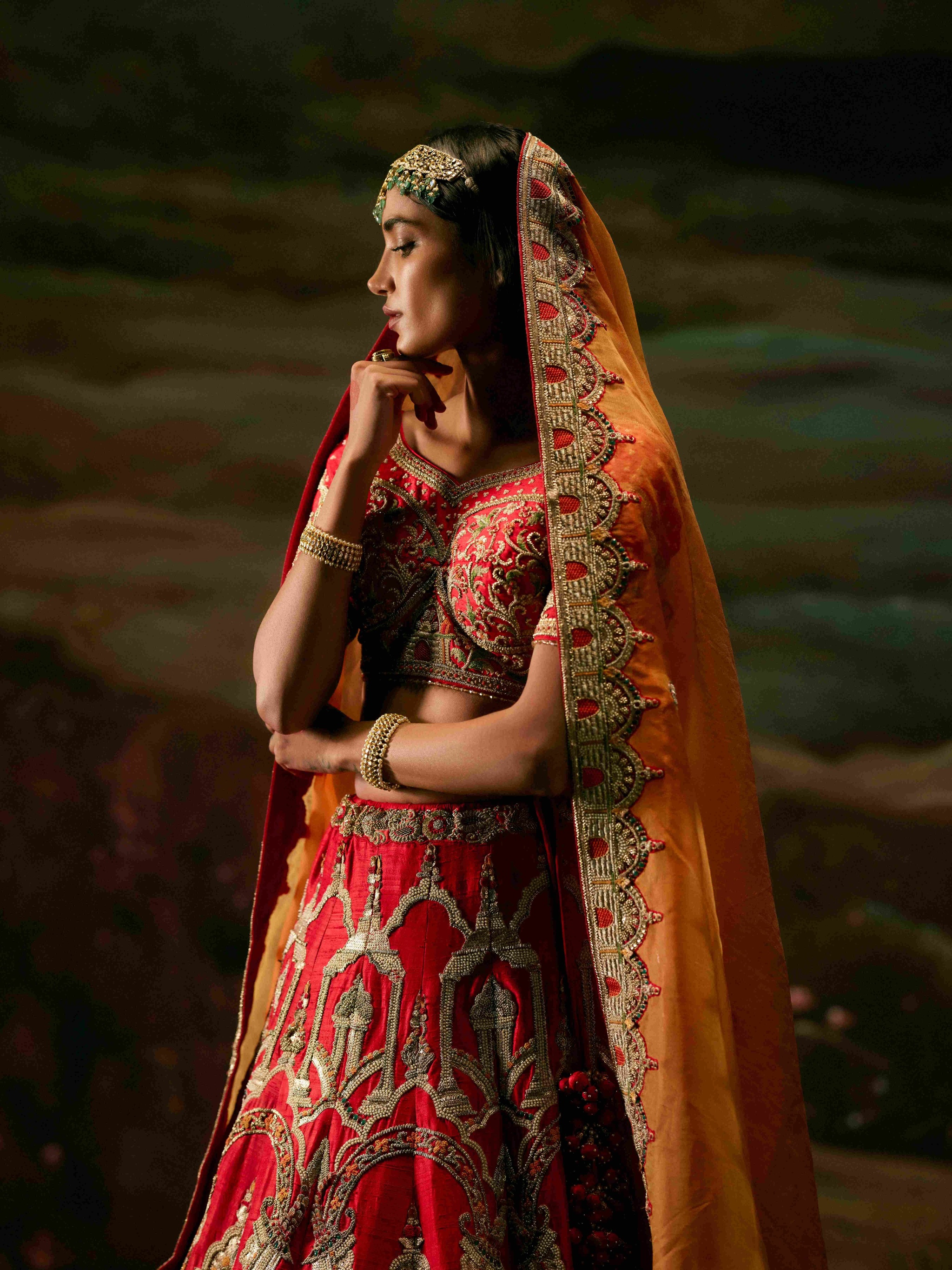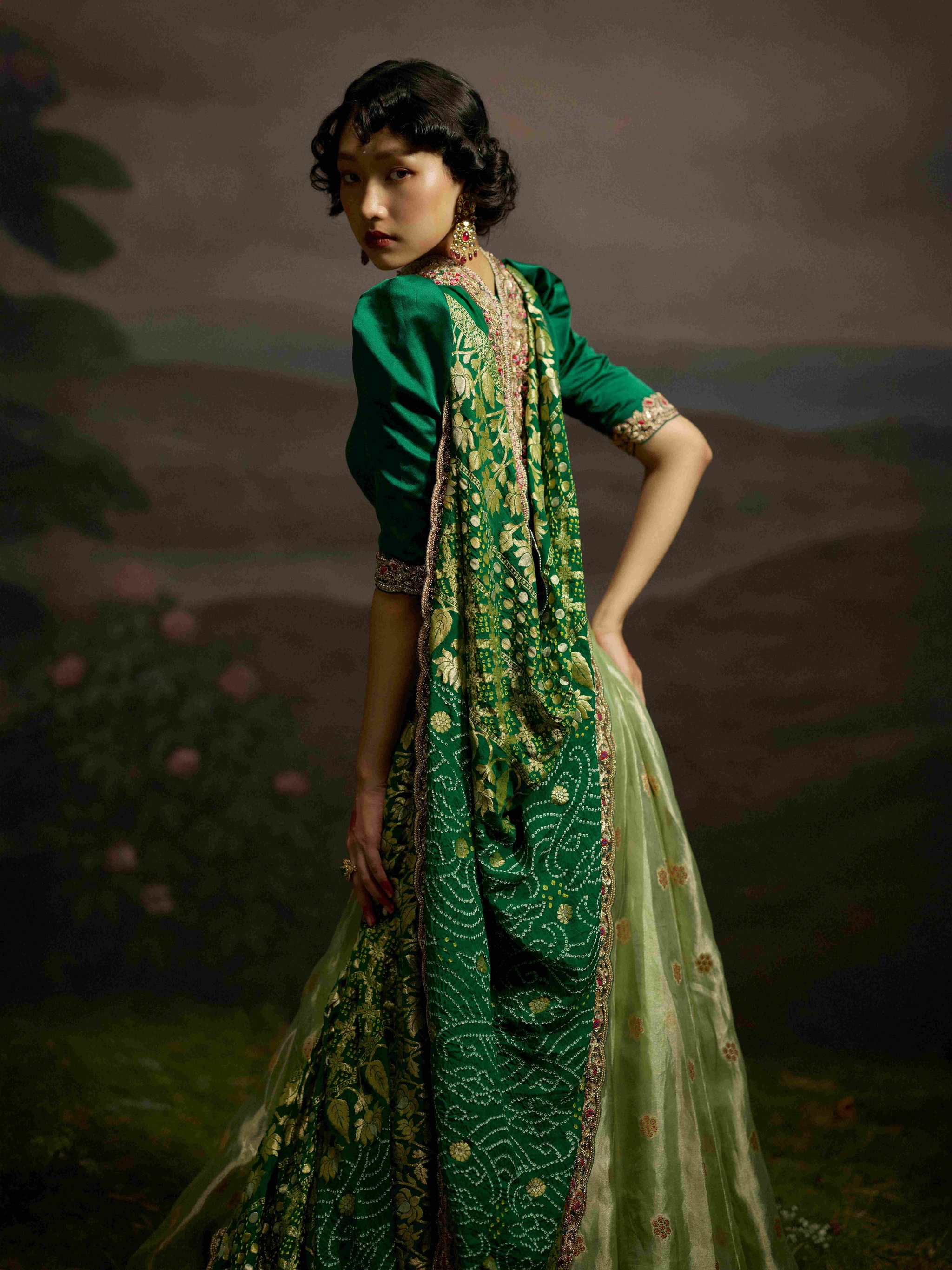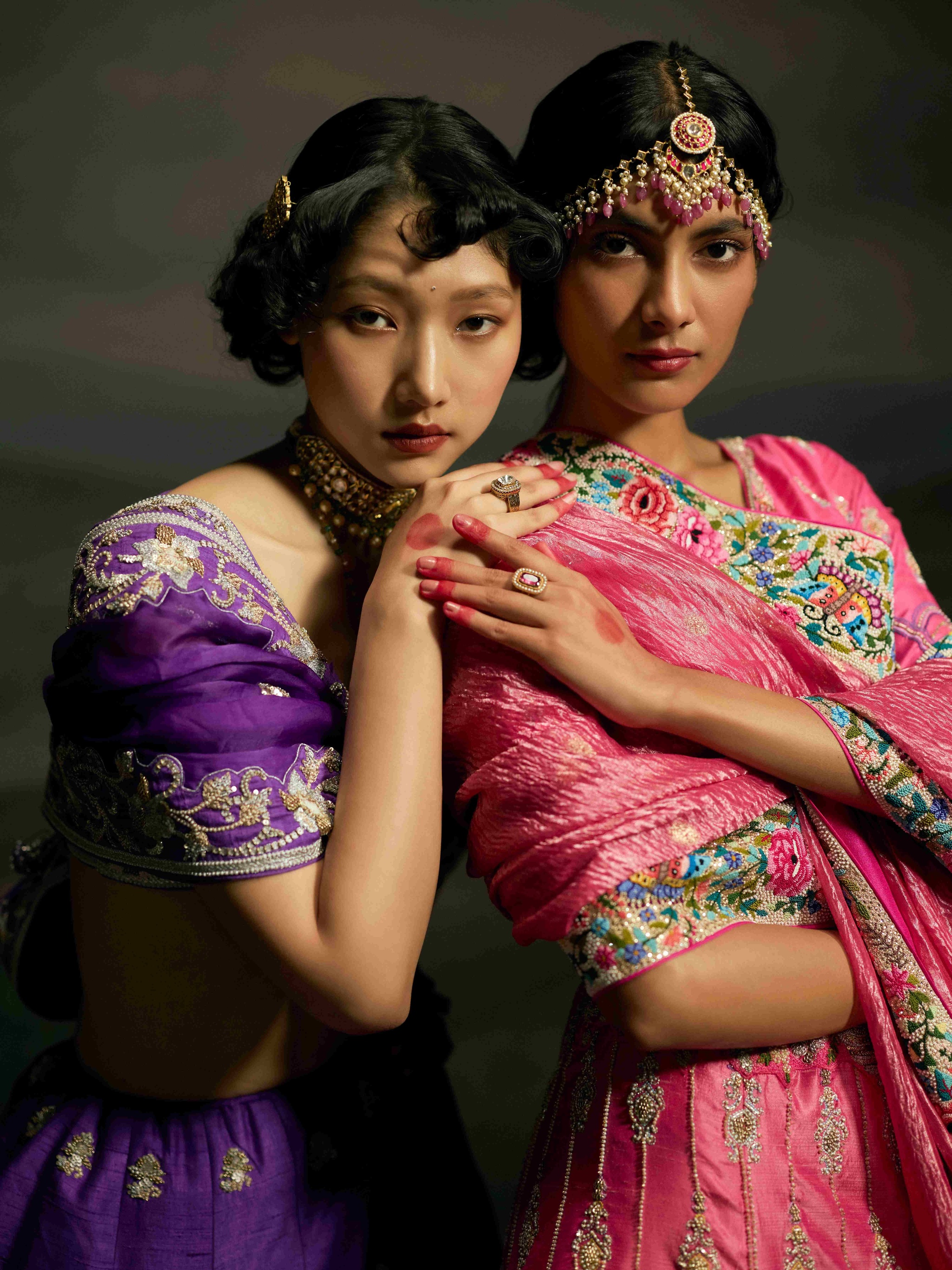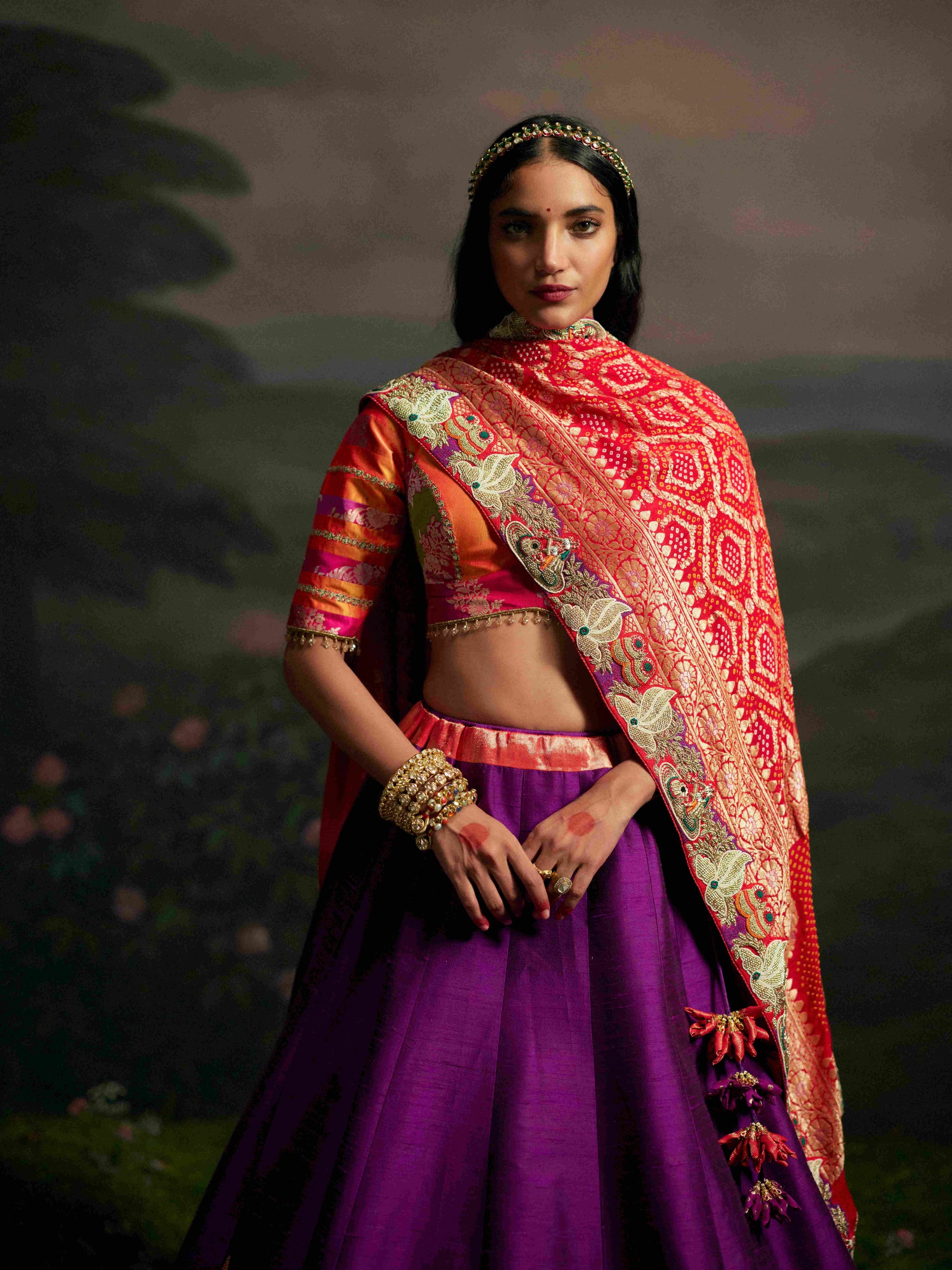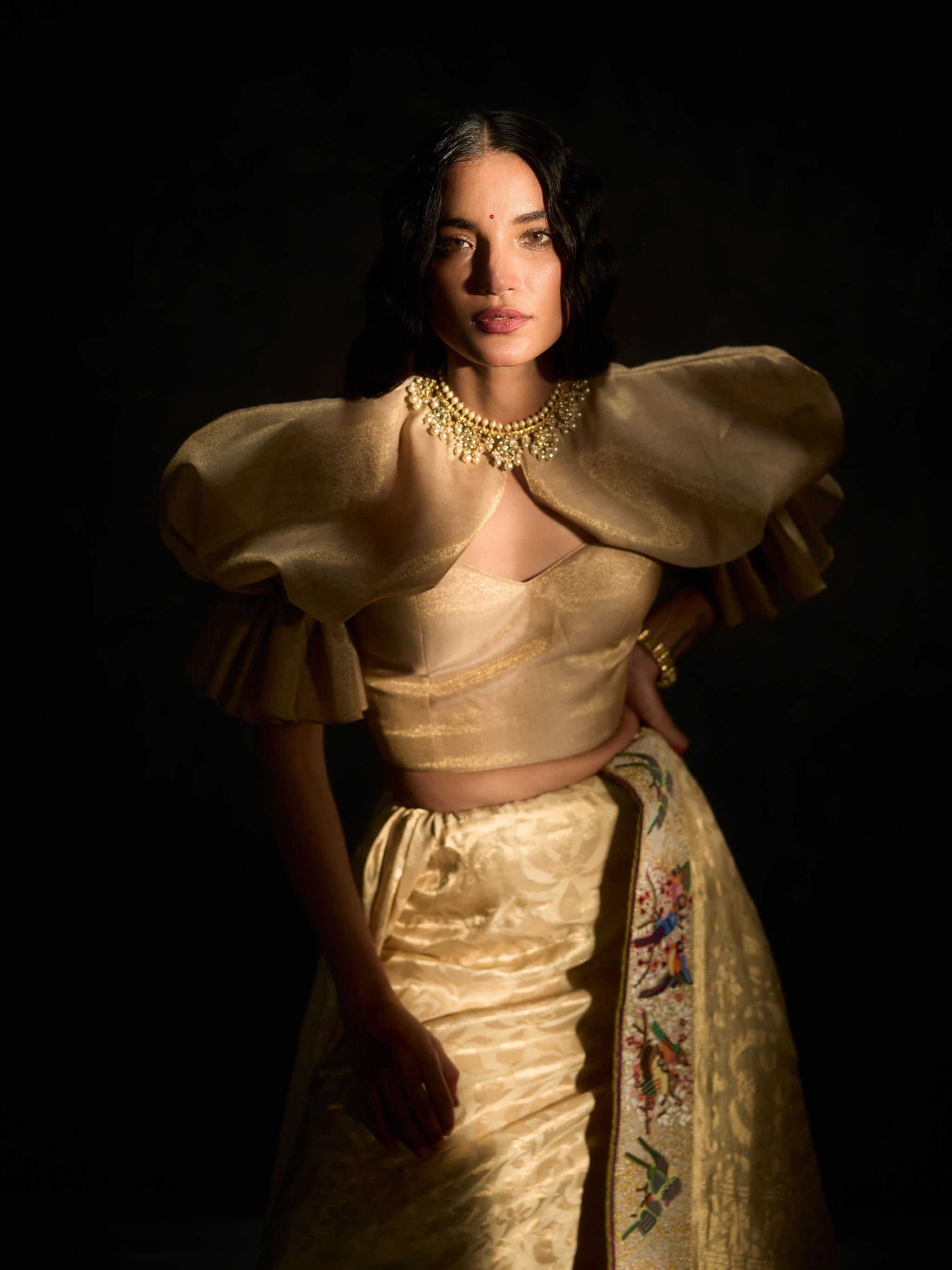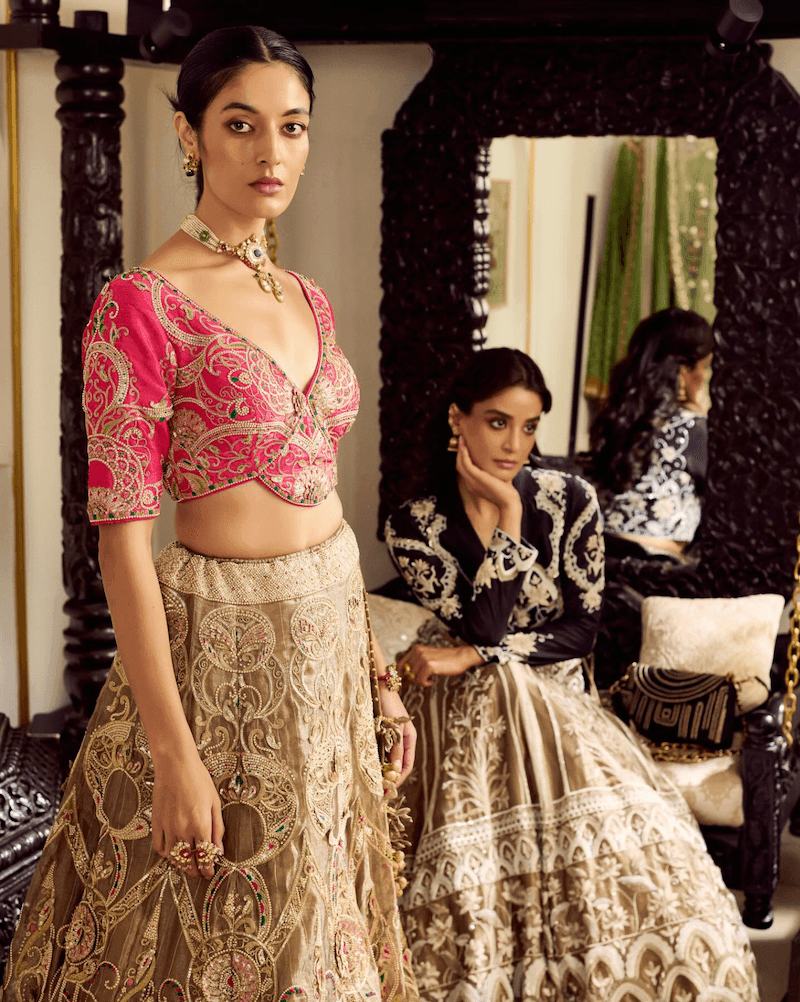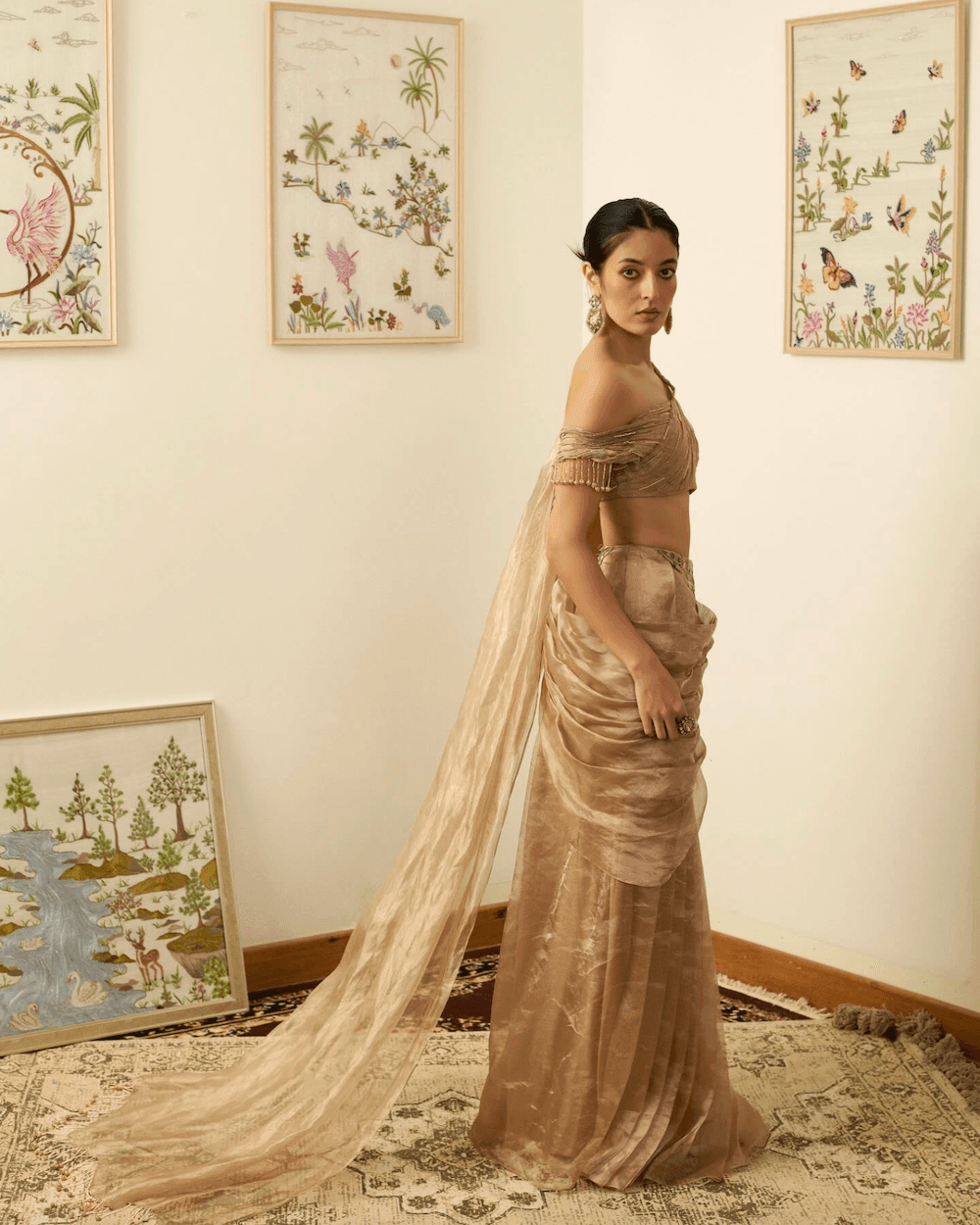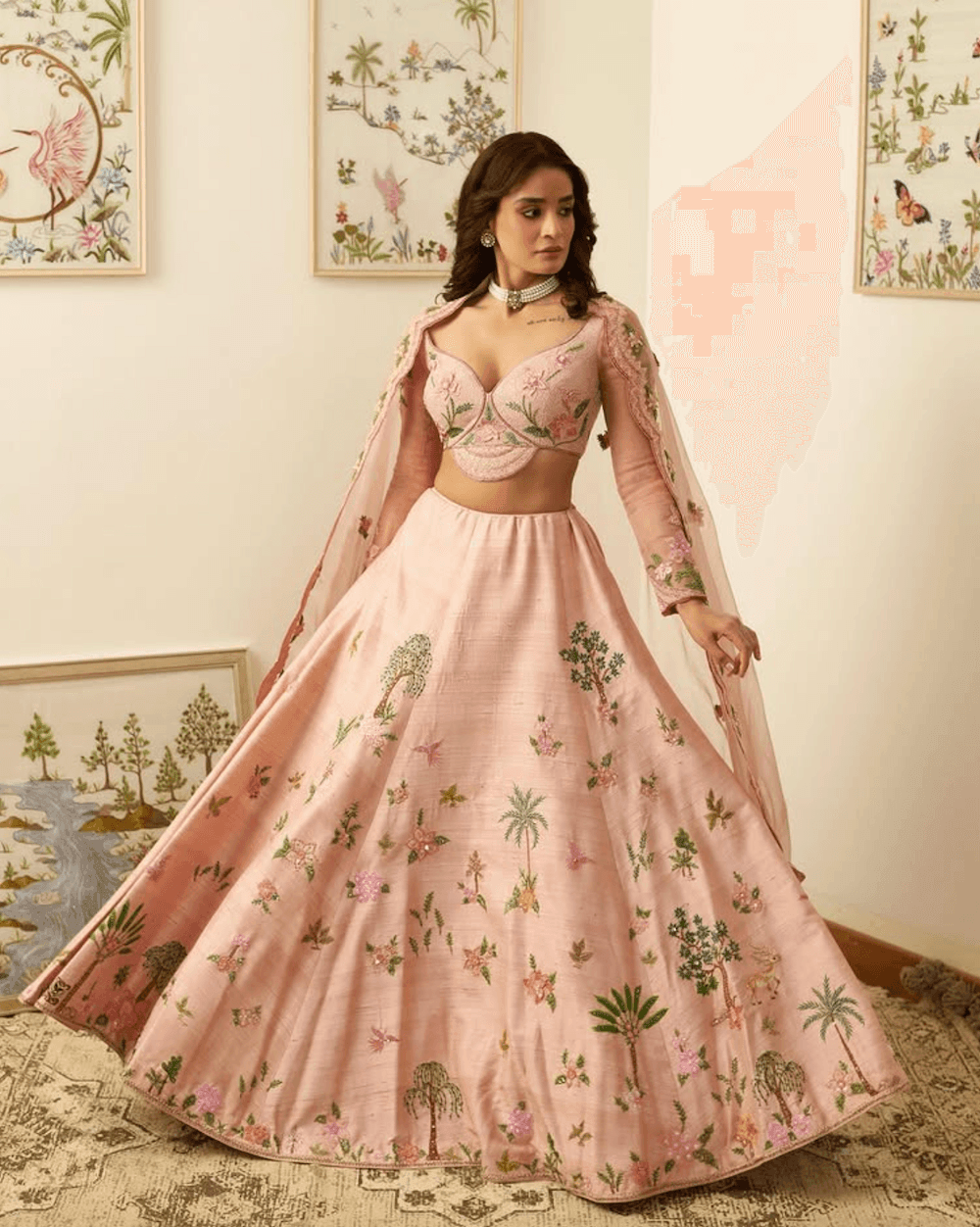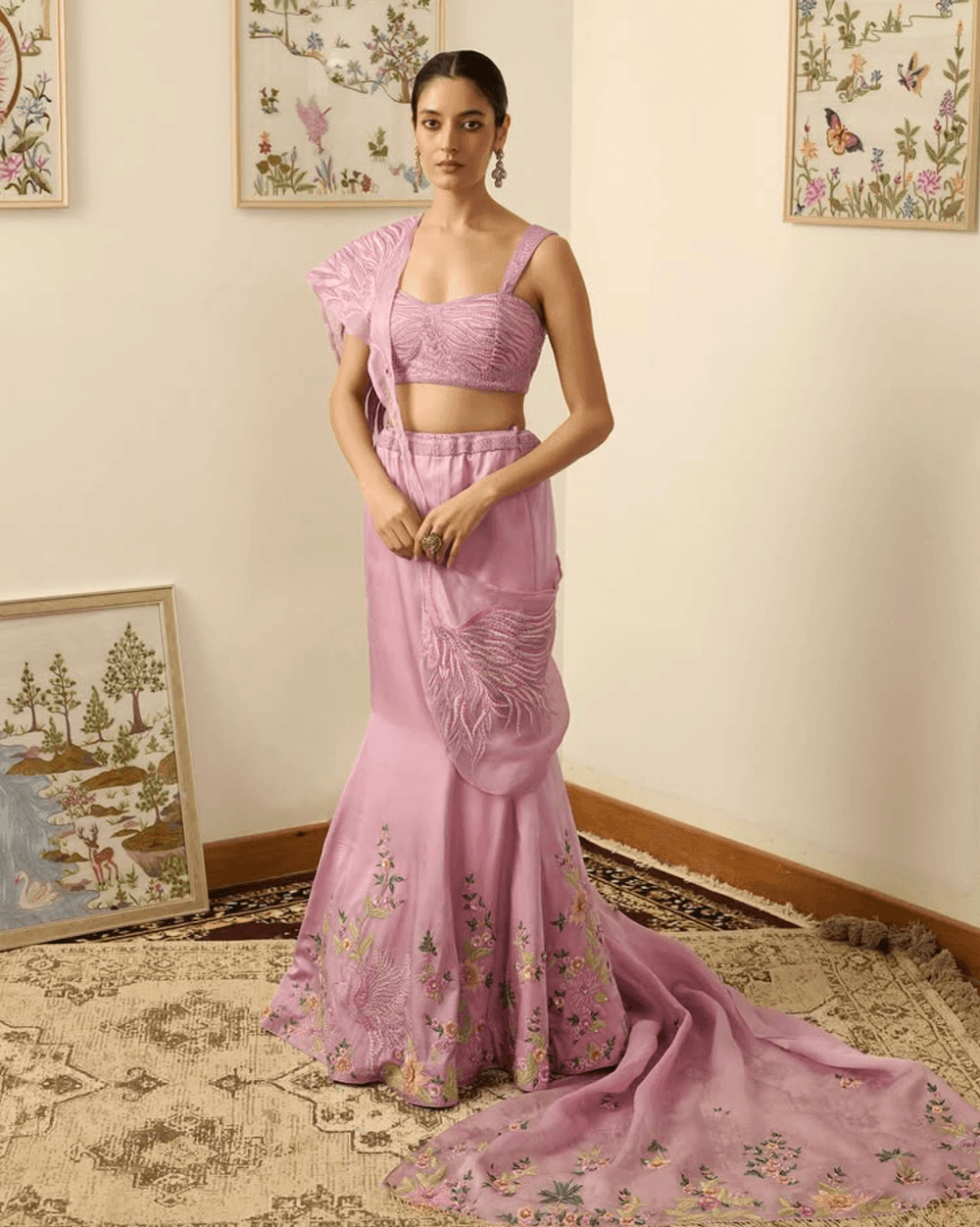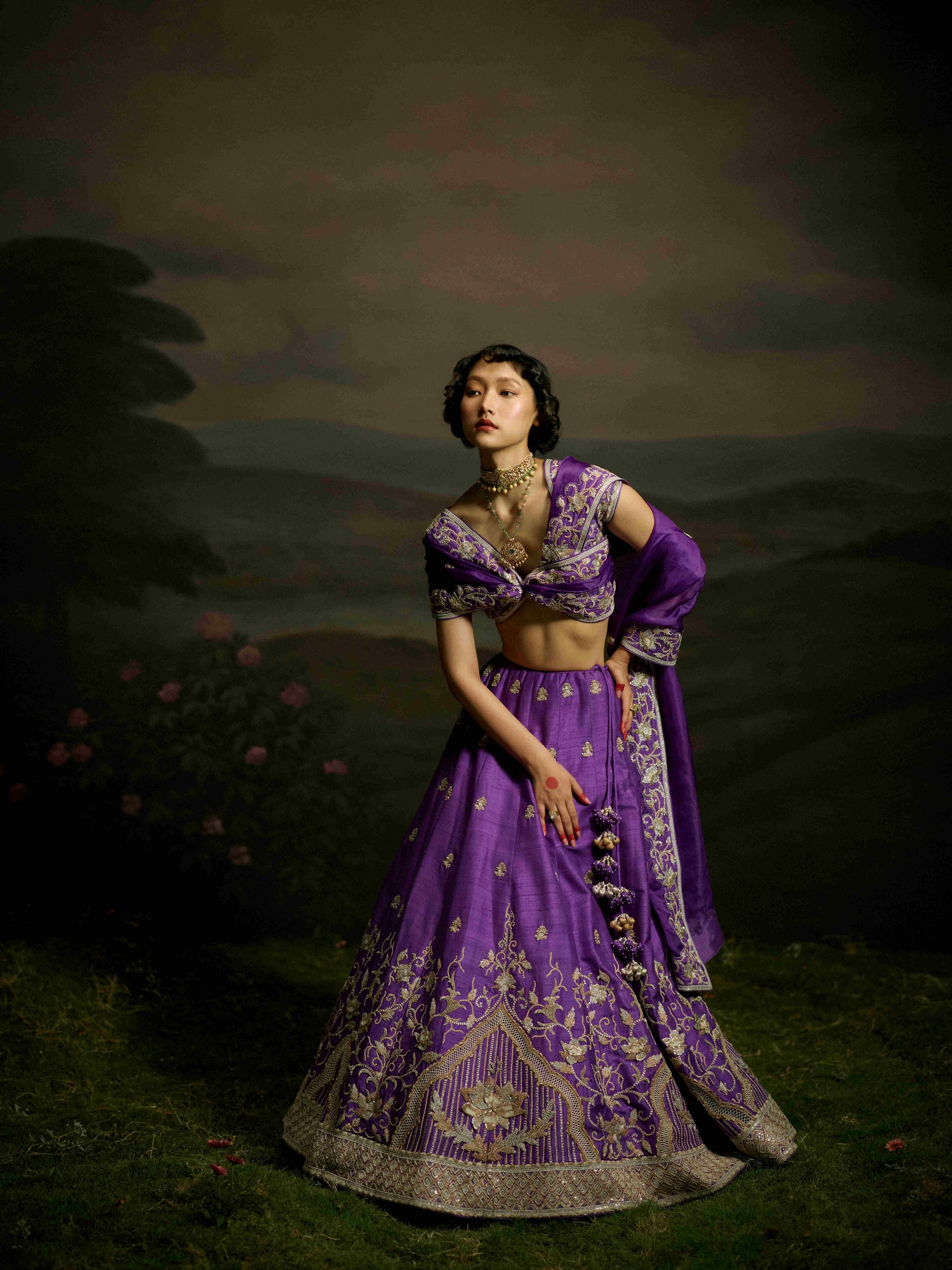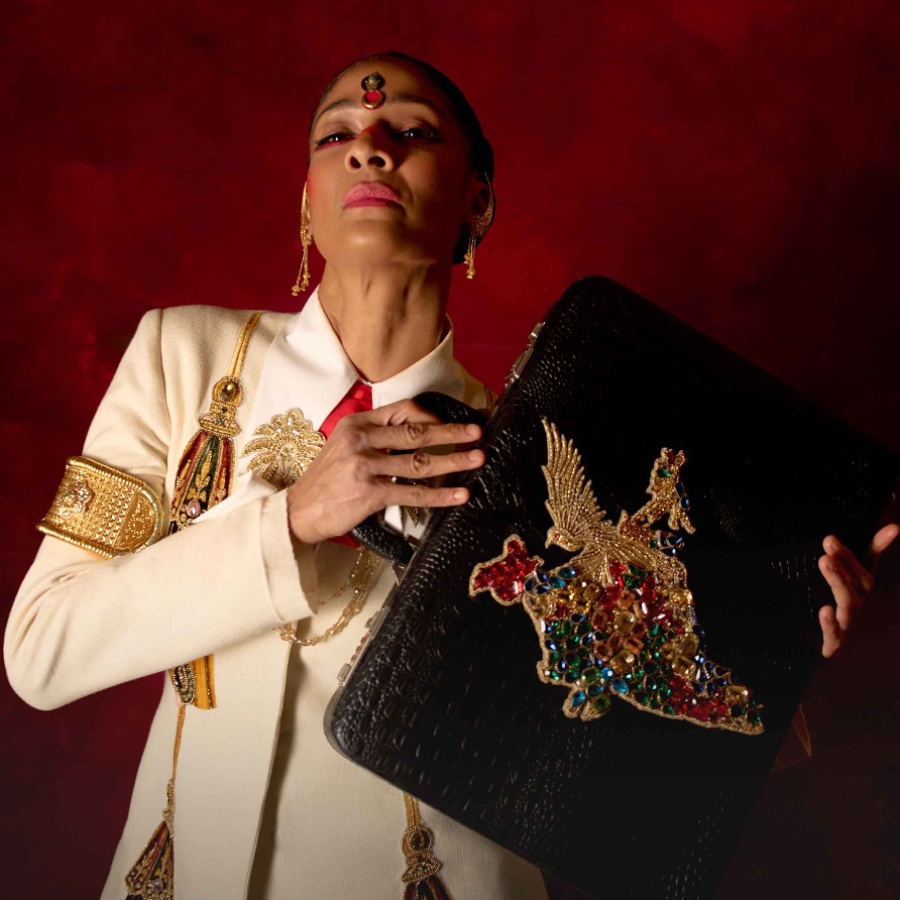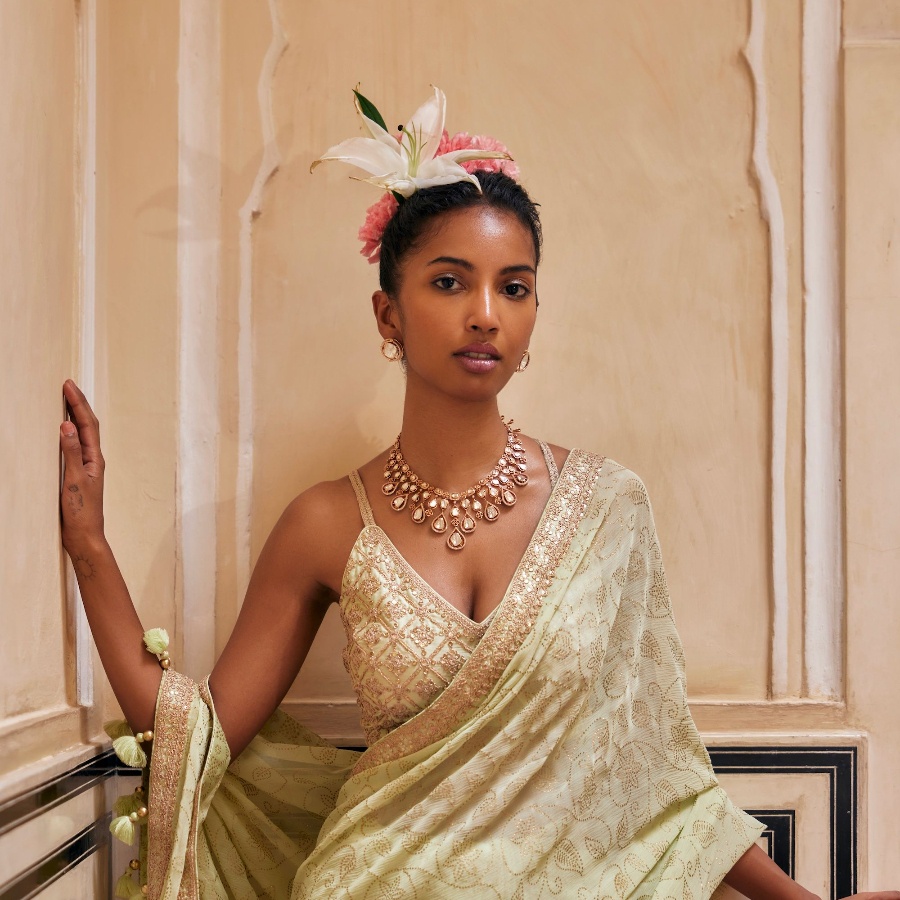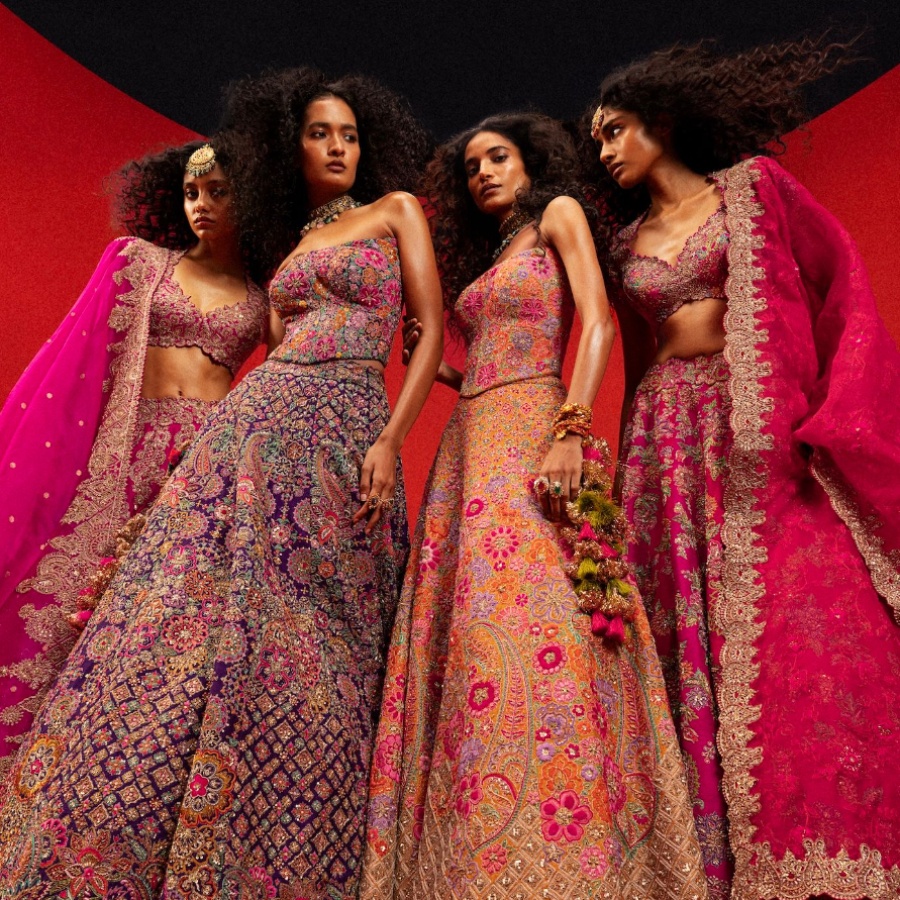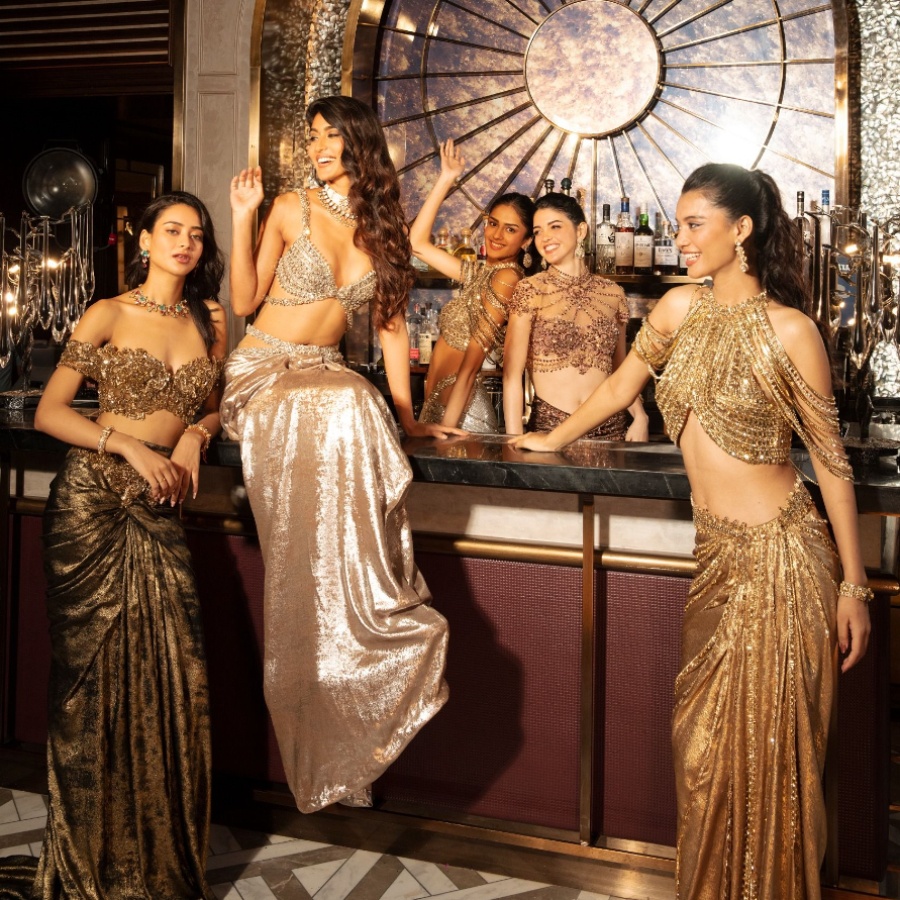
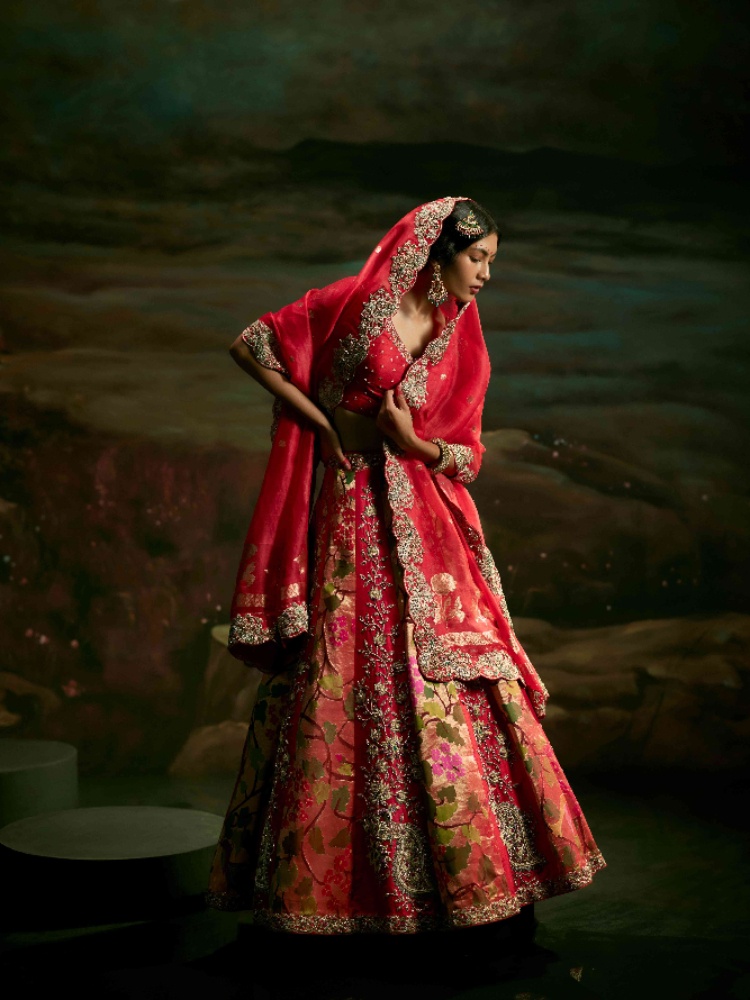

Go heritage-heavy with an Asha Gautam lehenga that brings all of India together

From Banarasi and Bandhani to Paithani, Patola and beyond, here's how the house brings India's rich textile traditions together in bridal couture that feels as meaningful as it does modern

Image

The modern Indian bride isn't limiting herself to one textile tradition anymore. She adores the grandeur of a Banarasi weave, the joyous spirit of Bandhani, the quiet luxury of Paithani, the geometry of Patola, and the timelessness of Ikat, all at once. After all, why should a wedding wardrobe be confined to one corner of the country when it can celebrate the richness of them all?

That's exactly where heritage-forward couture feels especially exciting today. It isn't about recreating the past or dressing like a living archive. It's about carrying centuries of craftsmanship and loving every inch of it. Knowing that you’re wearing something that is generational both in feel and look. Something your grandmum will recognise and your daughter will inherit.

At Asha Gautam, that philosophy comes to life through couture that doesn't treat India's crafts as individual categories, but as one beautifully woven fabric. Founded over two decades ago by Asha Gupta and now creatively led by Gautam Gupta, the couture house has become synonymous with preserving India's textile heritage while presenting it through a distinctly contemporary lens. Rather than spotlighting a single regional craft, its creations bring together heirloom textiles like Paithani, Banarasi, Bandhani, Patola and Ikat alongside hours of hand embroidery to create ensembles that feel layered, personal and unmistakably timeless.

As Gautam Gupta puts it, “We are designing for the modern traditionalist. She values heritage but is not bound by convention. She seeks authenticity over excess, craftsmanship over trends and meaning over spectacle." And honestly? That feels like the perfect bride to build a moodboard around.

A wedding wardrobe that travels across India

There's something deeply romantic about wearing a craft that has survived hundreds of years. Even more so when several of them come together in one silhouette. Especially because one of the most remarkable things about Indian textiles is that every region has its own visual language. Some speak through vibrant colour, others through intricate weaving, others through embroidery that takes months to complete. When thoughtfully brought together, they don't compete, they complement one another. And that's what makes Asha Gautam's design language so compelling. Rather than preserving crafts in isolation, the brand creates a dialogue between them.
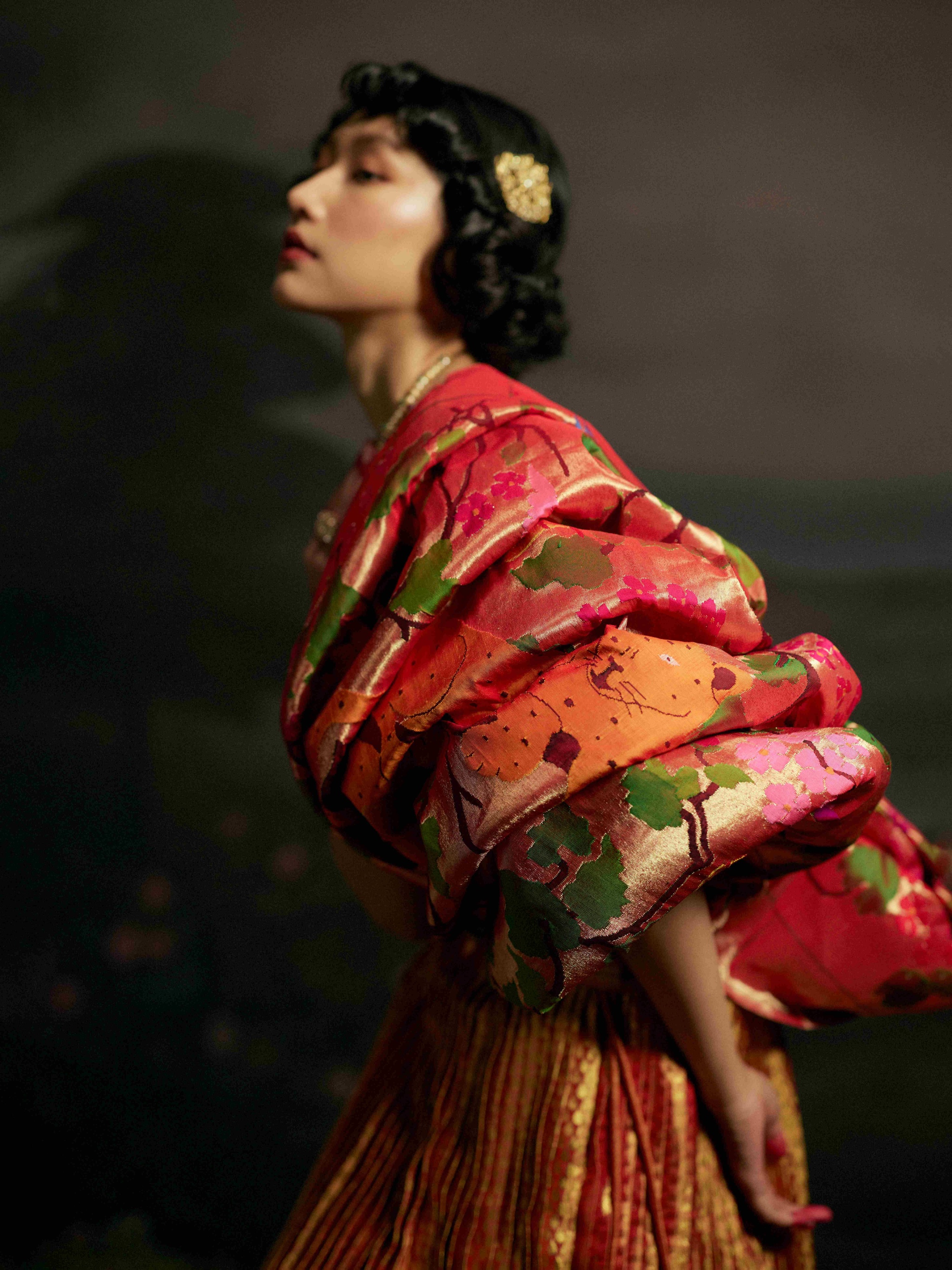
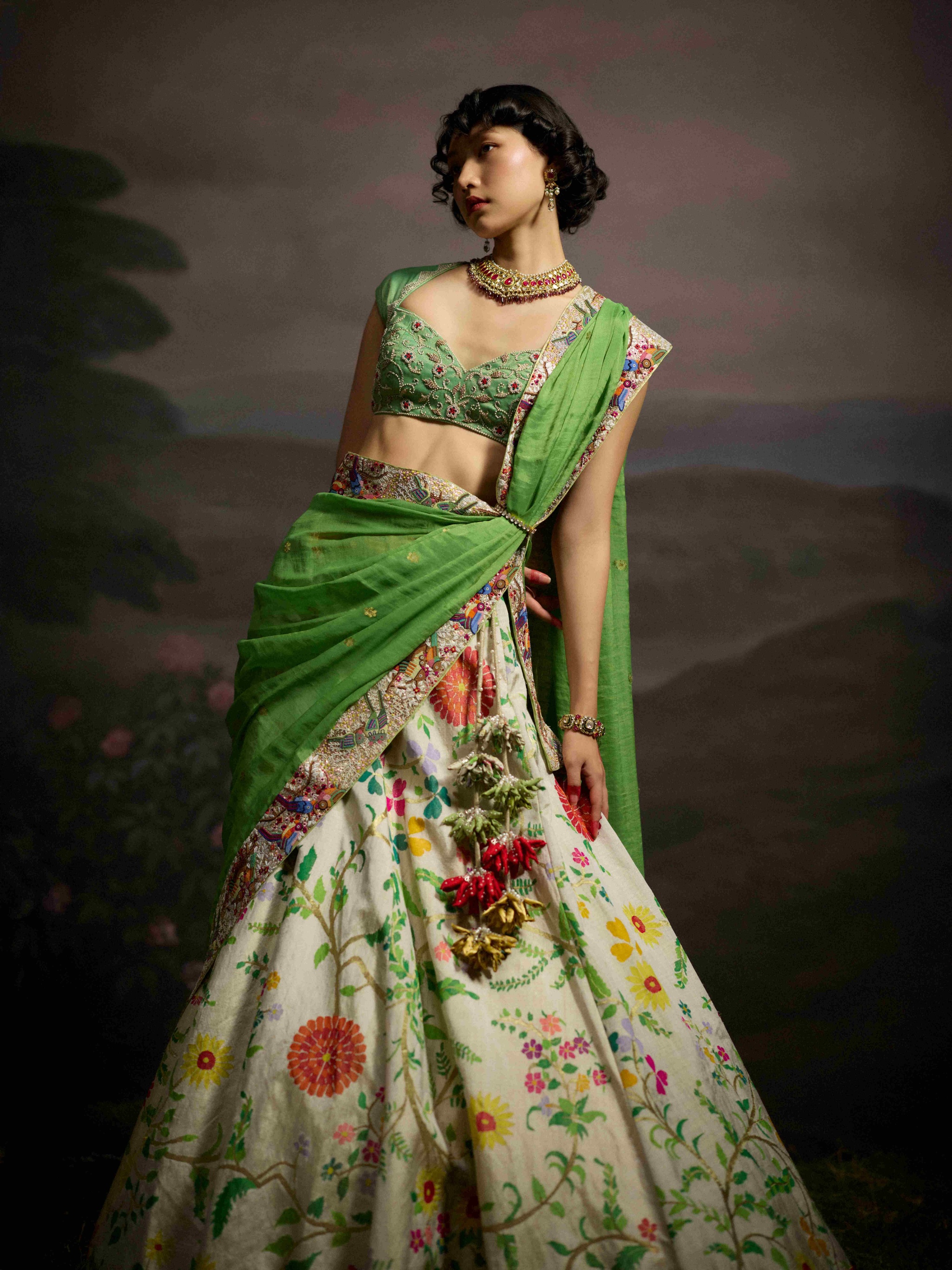
“We skillfully merge heritage textiles such as Paithani, Banarasi, Bandhani, Patola and Ikat, ensuring that each craft complements the other both visually and structurally. The result is couture that feels rich and layered without being overwhelming, offering ease of movement and comfort alongside grandeur,” says Gupta. The result isn't simply a beautiful lehenga (stunning, might we emphasise). It's a piece that feels like it carries fragments of India's textile map within it.

Heritage isn't the opposite of modern

For the longest time, heritage dressing came with a stereotype. Heavy. Formal. Reserved for weddings and carefully packed away immediately afterwards. Today's brides, and bridal couturiers, are rewriting that narrative. They're still investing in heirloom craftsmanship, but they also want ease, movement and individuality. Traditional, but unmistakably their own.

That shift is something Gupta has been observing closely. “Bridal fashion is moving toward individuality and longevity. Brides today are becoming increasingly selective about what they invest in, favouring garments that feel personal, meaningful and timeless rather than trend-driven,” he says. “They are no longer dressing according to a prescribed bridal aesthetic. Instead, they are choosing silhouettes, textiles and details that resonate with who they are.”

And at Asha Gautam, unexpected colour pairings like black and gold, rich Byzantium tones, pastel greens, blush pinks and lilacs sit comfortably alongside traditional reds. Silhouettes evolve too, with shoulder-attached capes replacing conventional dupattas, cuffed dupattas adding structure, dramatic trail pallus creating movement and jackets lending versatility to bridal dressing. “The idea is to retain the essence of Indian craftsmanship while offering women new ways to wear and experience it,” adds Gupta.

The details are where the magic really lives

It's in thousands of French knots painstakingly embroidered by hand. It's in delicate Petit Point work, intricate Resham embroidery, fine Zari, Zardozi, Dori work and thoughtfully placed Moti embellishments. Individually, each technique is remarkable. Together, they create surfaces so richly detailed that you keep discovering something new every time you revisit them. “Every garment reflects a careful balance between heritage and modernity, resulting in pieces that are timeless, personal and deeply rooted in craftsmanship,” says Gupta.

Heirlooms that mean something

A wedding wardrobe today isn't being built only for one spectacular day. It's being assembled with future memories in mind. The sari you'll wear to your first Diwali after marriage. The handcrafted dupatta you'll lend your sister years later. The blouse you'll style with trousers for a festive dinner. The lehenga skirt that finds a second life with a contemporary jacket. “Our current collection is rooted in the idea of heirloom dressing. Rather than focusing solely on occasionwear, we create pieces that carry emotional value and are intended to be cherished across generations,” says Gupta. Rather than preserving couture inside garment bags, the idea is to keep wearing it, restyling it and letting it collect stories long after the wedding is complete.

“The beauty of heirloom craftsmanship lies in its longevity and adaptability. We love seeing our clients create new memories with pieces that evolve alongside them and become a meaningful part of their personal style journey,” Gupta shares. Because the most meaningful bridal wardrobe isn't the one that just chases trends. It's the one that carries history, celebrates craftsmanship and, years later, still feels every bit as special as the day you first wore it.

What to expect at The Wedding Collective

“This year, Asha Gautam brings a thoughtfully curated showcase of its signature bridal and festive couture, celebrating India's rich textile heritage through innovative craftsmanship and contemporary design. Guests can expect handcrafted lehengas, saris, and occasionwear that explore unique dialogues between some of India's most treasured textile traditions. The collection reflects our ongoing commitment to preserving India's craft legacy while presenting it in ways that feel relevant, refined, and deeply personal for today's generation,” shares Gupta.

Click here to register for your exclusive invite now.

The Nod Newsletter

We're making your inbox interesting. Enter your email to get our best reads and exclusive insights from our editors delivered directly to you.