
Fashion23 Jul 20263 MIN

Buying your first bespoke wedding suit? Here’s the experts guide to getting it right

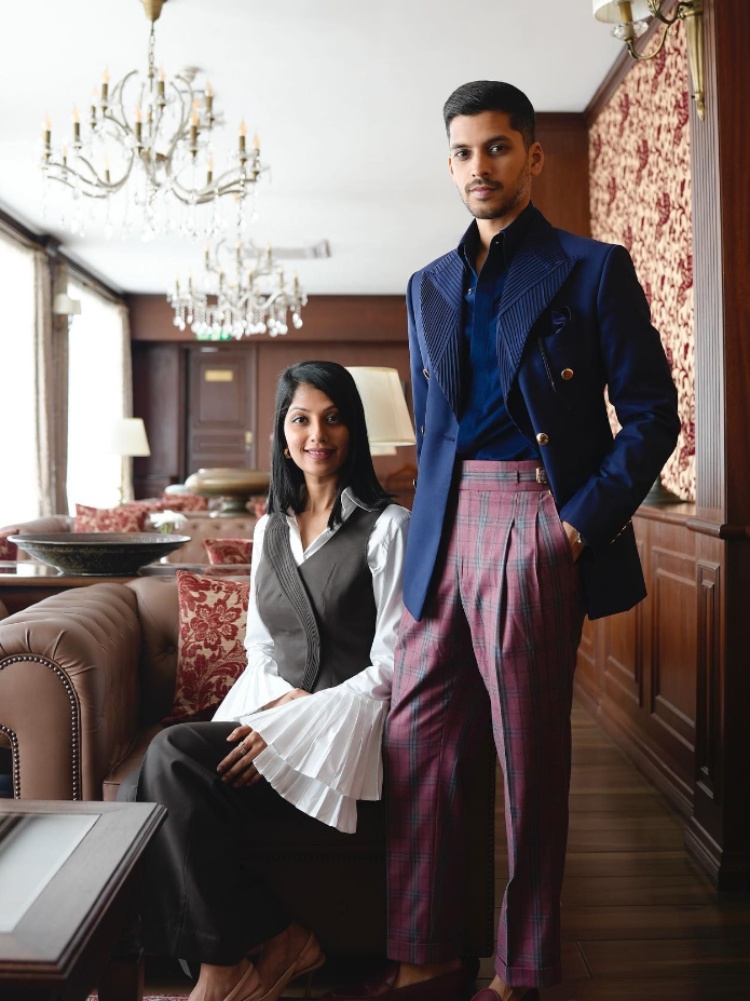
Designers Sarah and Sandeep known for the impeccable tailoring and perfectly fitted suits for grooms today, share the dos and don’ts of nailing the fit, look and vibe of your first custom suit

Image

All images courtesy: Sarah and Sandeep

Ordering a first bespoke wedding suit is less about buying an outfit and more about navigating an entirely new language. There is a specific, quiet lull during that first appointment when the questions start coming faster than your answers. Stepping into a fitting can be intimidating, especially if you are doing it on your own. There is the vocabulary of canvas, lapels, breaks, and shoulder pads; choices can be misleading, and two suits that look identical to the untrained eye can vary wildly in cost, comfort and vibes.

What exactly separates a basic suit from a wedding-ready one? Is a higher-priced fabric always better? Should a wedding suit default to heavy embroidery or traditional dark shades? Ahead of Season 3 of The Wedding Collective, we asked Sarah and Sandeep, founders of their eponymous label, to break it down for us.

Start with the wedding, not the fabric

While it is tempting to dive straight into the fabric swatches, for Sarah and Sandeep, context precedes cloth. "We always begin with the occasion," the duo explains. “Whether it's for an engagement, reception, or a late-night cocktail evening, every event calls for a different approach.”

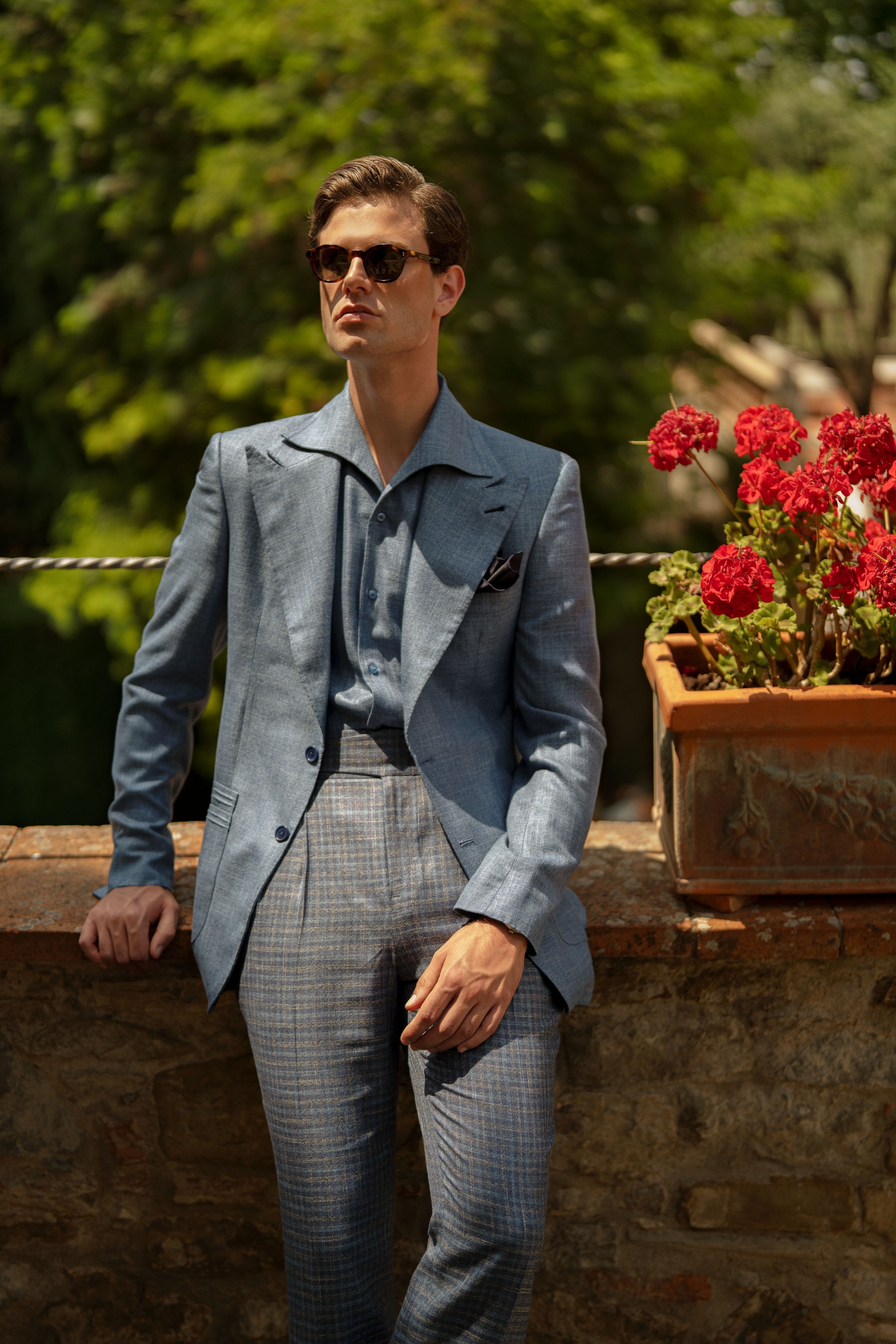
Once the venue and season are finalised, the silhouette follows naturally—informing whether you need a sharp, structured shoulder or a more relaxed drape. The finer details can wait. “Clients often overthink buttons, linings, or pocket squares. While those add personality, the heart of bespoke lies in proportion, fit, and construction,” they note.
The three signs of an exceptional suit

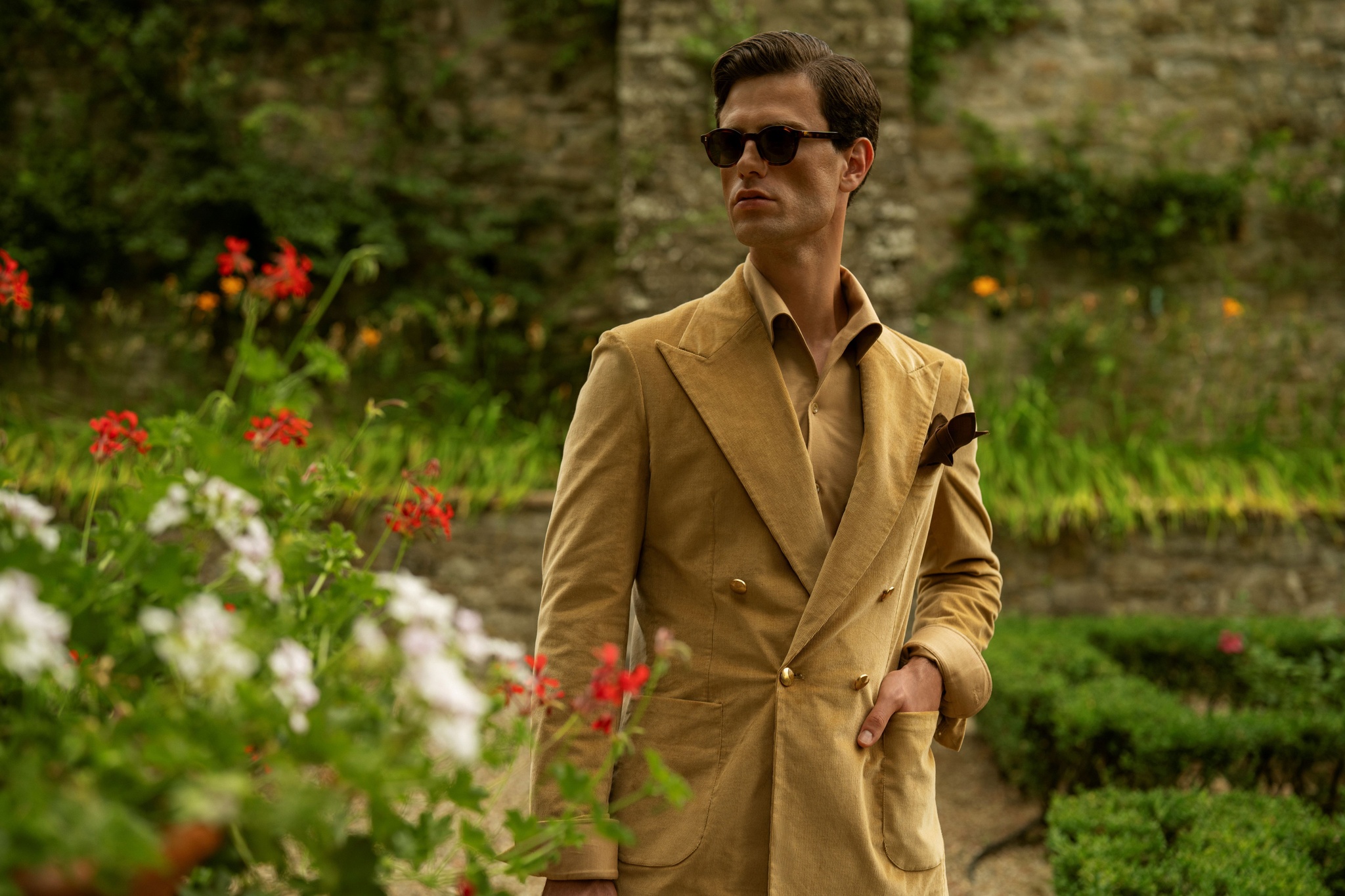
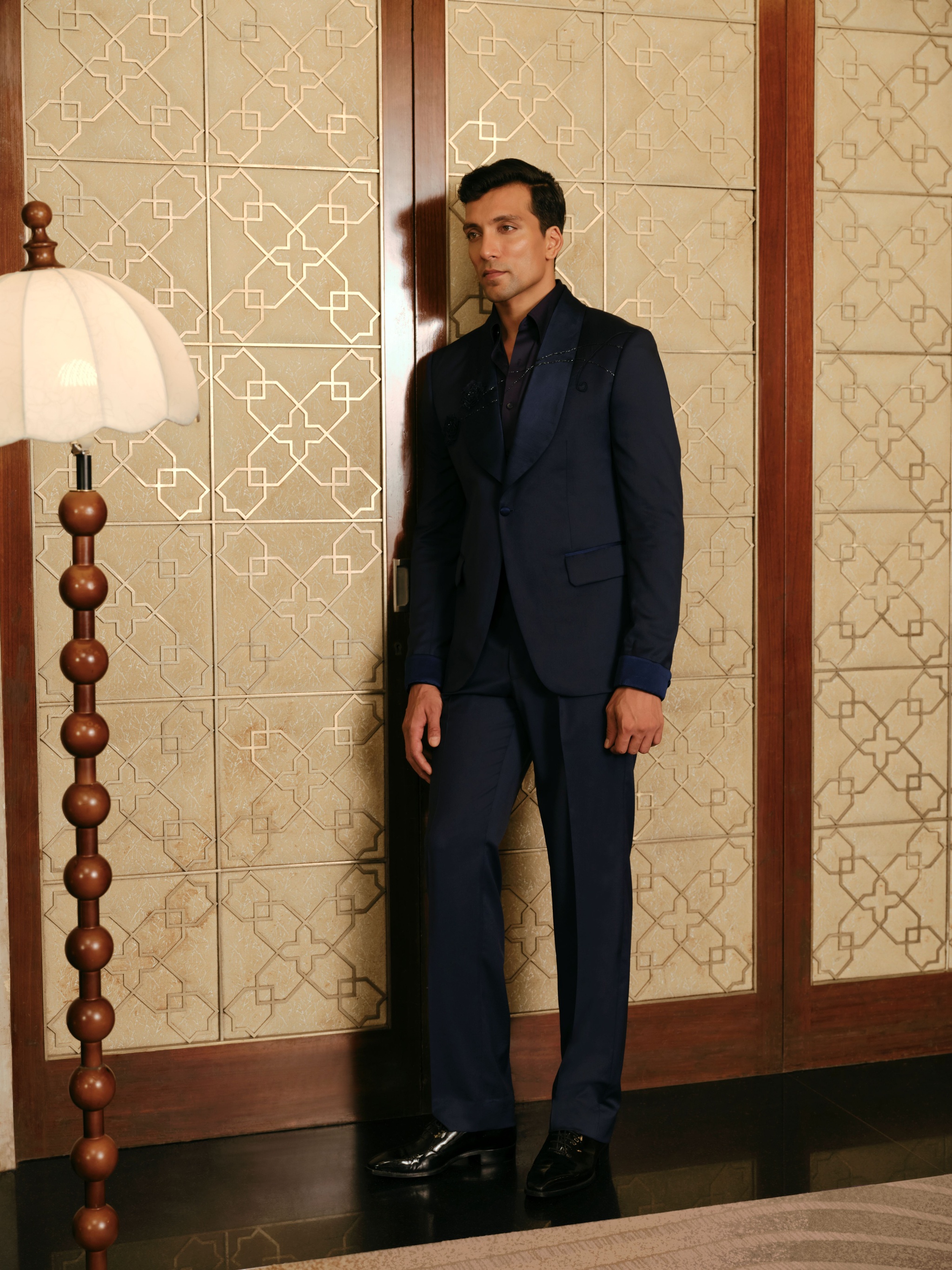
For a first-time buyer, the easiest way to begin is to learn what to look for in the mirror. Sarah and Sandeep point to three signs that make an exceptional suit:

  • The Collar Hug: It is the one detail clients rarely notice, but every tailor spots instantly—the jacket collar sitting flush against the back of your neck without any gap or strain.
  • The Canvas Drape: A natural, chest-moulding drape achieved through proper canvas construction, allowing the jacket to move fluidly with your body.
  • The Finishing Touches: Hand-stitched buttonholes, clean seams, and refined detailing that speak to the artisan's precision.

“Together, these elements speak to the extraordinary skill that goes into bespoke tailoring,” they note.

Weight and thread count matter, but not in the way you think

One of the most persistent beliefs about tailoring is that the highest thread count or priciest fabric automatically makes the best suit. But as the designer duo points out, high price tags often reflect delicate fibres rather than practical wearability. “Finer fabrics aren't always the most forgiving,” they advise, favouring mid-weight worsted wool or wool blends for the right balance of drape, durability, and comfort.

Ultimately, fit comes down to proportions—how the jacket length, lapel width, and trouser break align with your frame. A suit fits when the measurements are right; it feels right when you forget you're wearing it.

Pro-tip: Break the ‘more is more’ rule

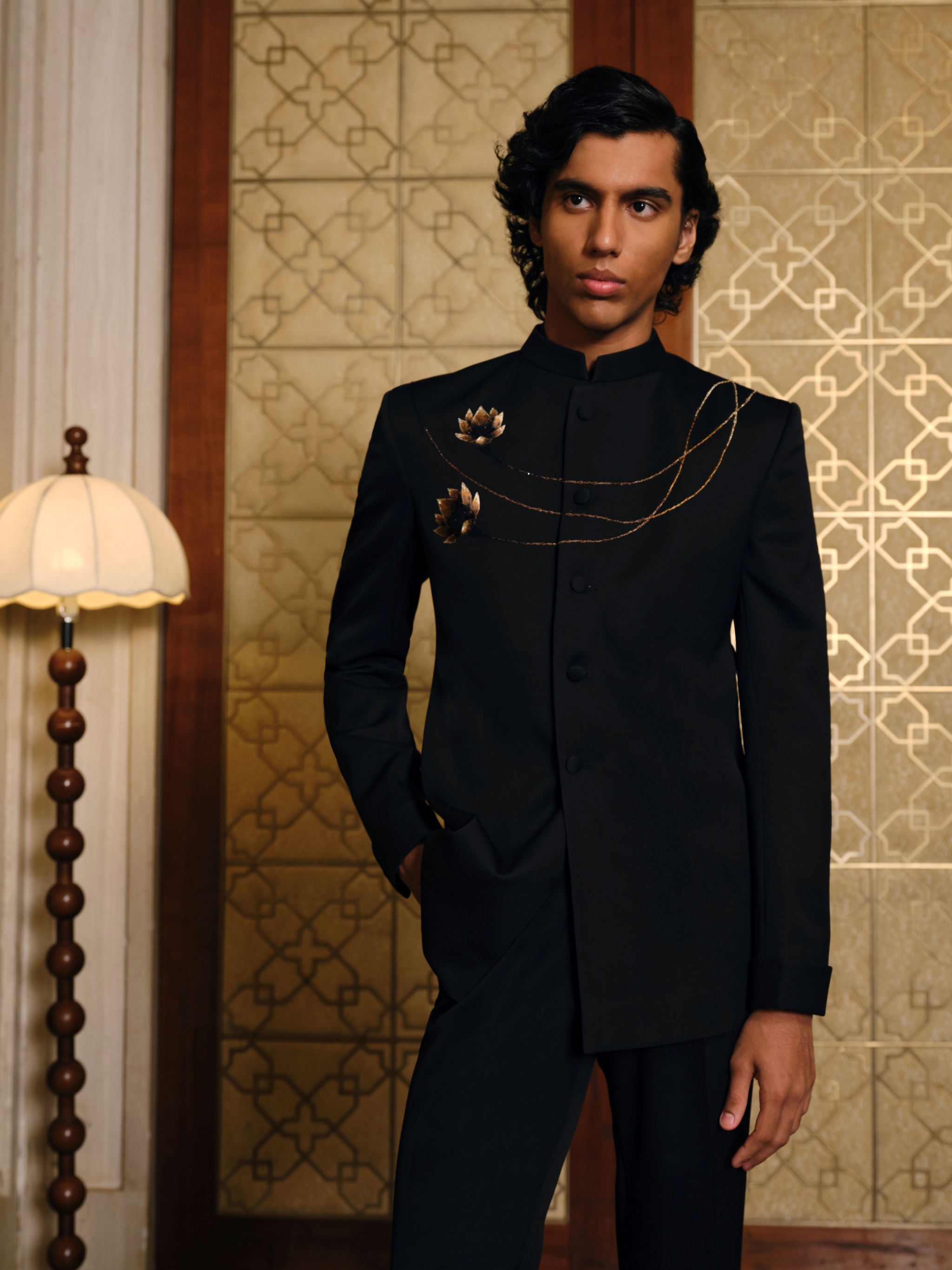
If there is one groom rule Sarah and Sandeep think deserves to be broken, it is the idea that a wedding suit must be heavily embellished or rigidly traditional in colour. “The biggest misconception is that bespoke is about adding more ornamentation,” they observe. Today’s grooms are moving away from fixed community templates, leaning instead into warm neutrals, deep forest greens, and subtle surface textures that complement their partner’s ensemble while reflecting their own personality.

If you buy only one suit

If you are investing in just one bespoke suit, focus on the fundamentals: establish the venue and season, nail the fit and silhouette, and leave the monograms for last. Most importantly, approach the appointment with curiosity rather than rigidity. “Bring inspiration, but trust the expert,” they suggest. “A good atelier guides you toward choices that suit your body and personality—that’s what makes a garment truly personal.”

And finally, care for it

Once the suit is made, treat it like an investment. Skip the urge to dry-clean after every wear; steam and brush the fabric regularly, store it on a broad wooden hanger, and let it rest between occasions. With proper care, a well-made suit outlasts the event itself.

The Nod Newsletter

We're making your inbox interesting. Enter your email to get our best reads and exclusive insights from our editors delivered directly to you.