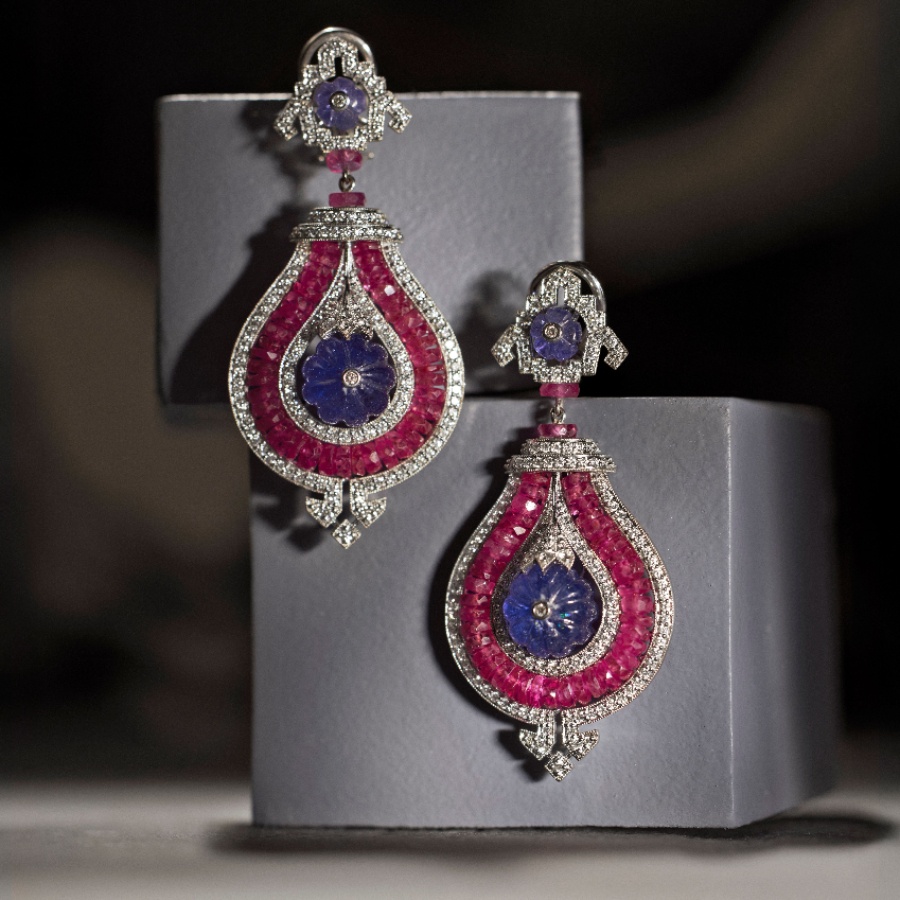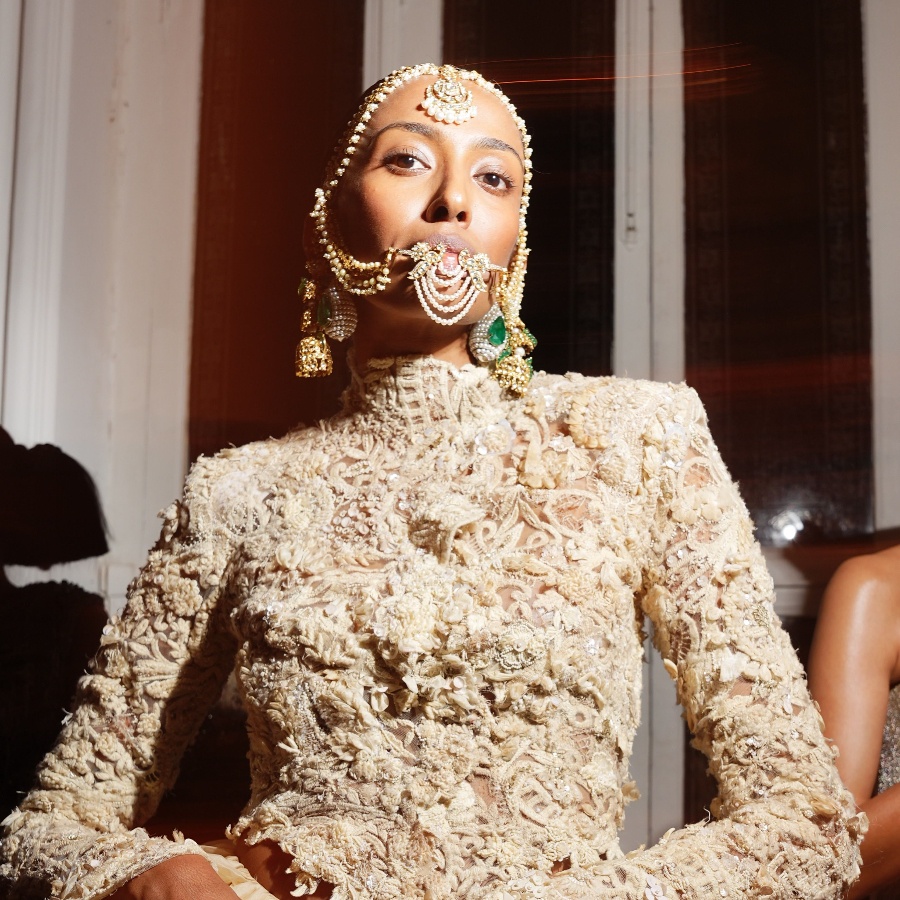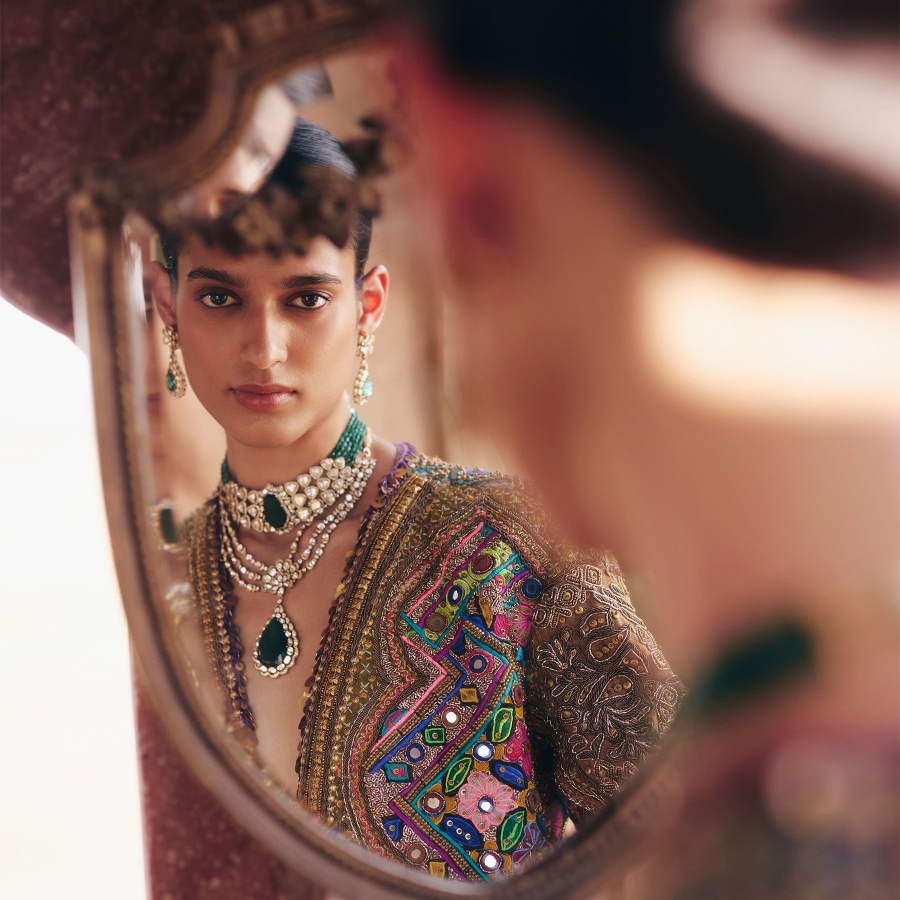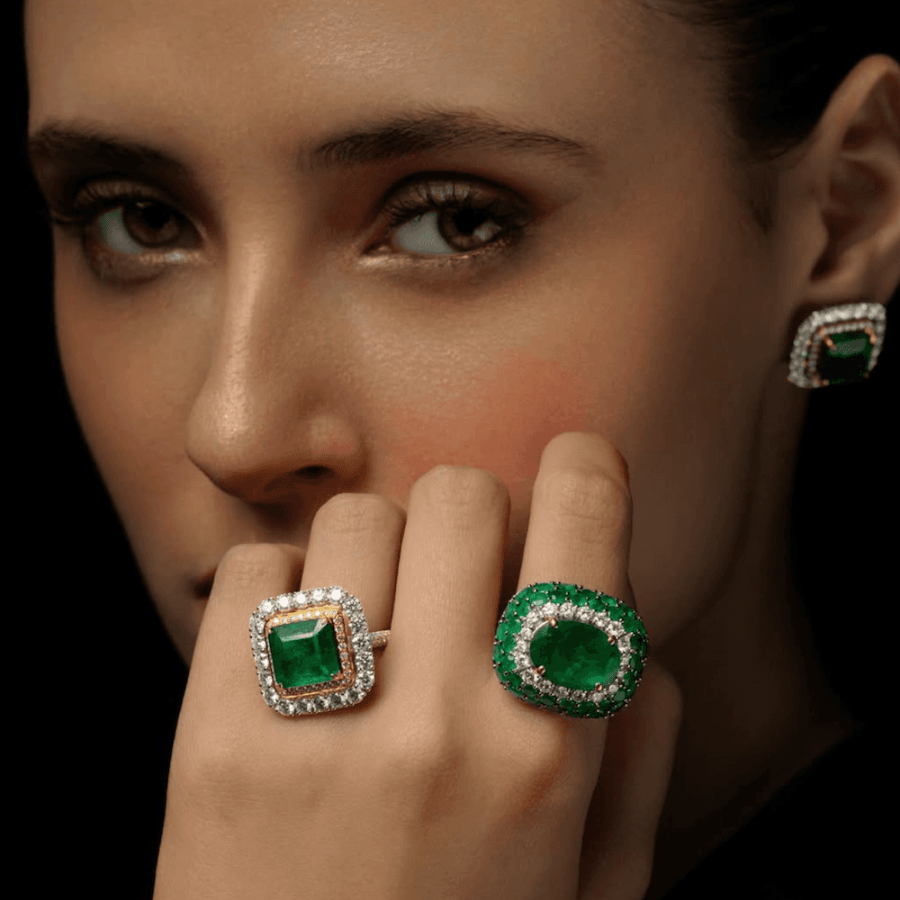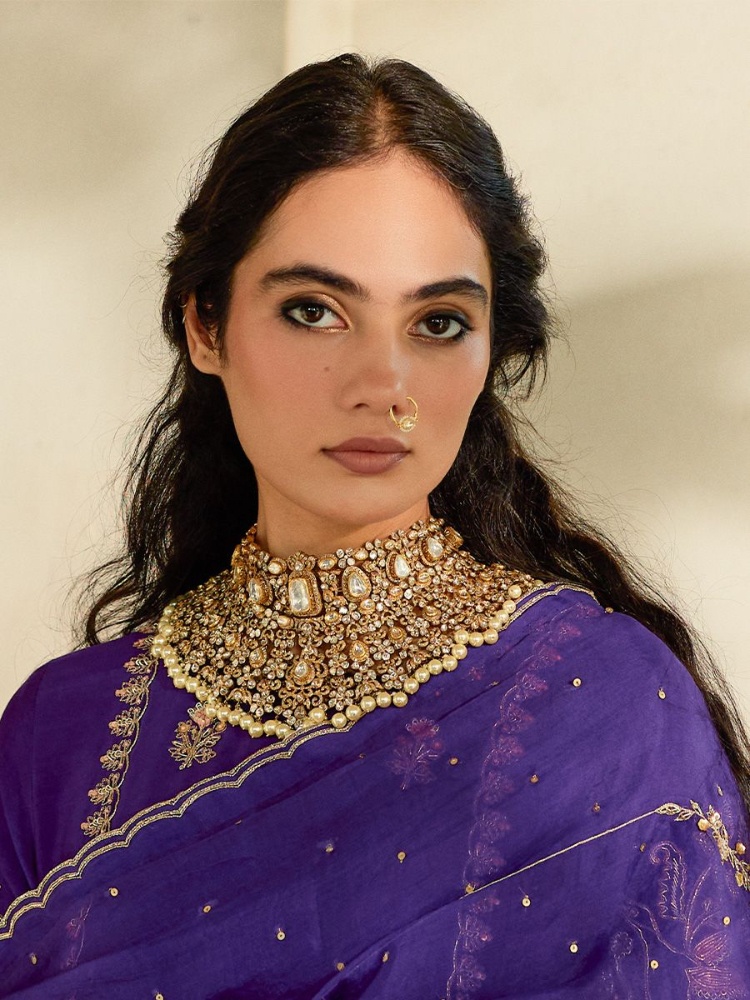
Polki is a staple in every bride's jewellery box. But brides today want to make it their own and yet build an heirloom-worthy collection. The thing with polki is, unlike the clinical, standardised grading of natural faceted diamonds–these uncut raw diamonds are moody, historical and notoriously easy to fake. Then comes the traditional sets that are rigid and heavy, and usually worn once and then locked up in a vault. But Param Shah of Shah Virchand Govanji Jewellers who are renowned for their polki, are changing it up. Their Mughal-inspired craftsmanship, contemporary design and superlative quality, have everyone from billionaires to celebrities lining up.



ADVERTISEMENT
The Gen Z bride’s guide to buying polki this wedding season
From spotting quality uncut diamonds to moving away from once-a-year ceremonial sets—jeweller, Param Shah, on building a collection that feels heirloom-worthy but entirely your own
Image: Shah Virchand Govanji Jewellers

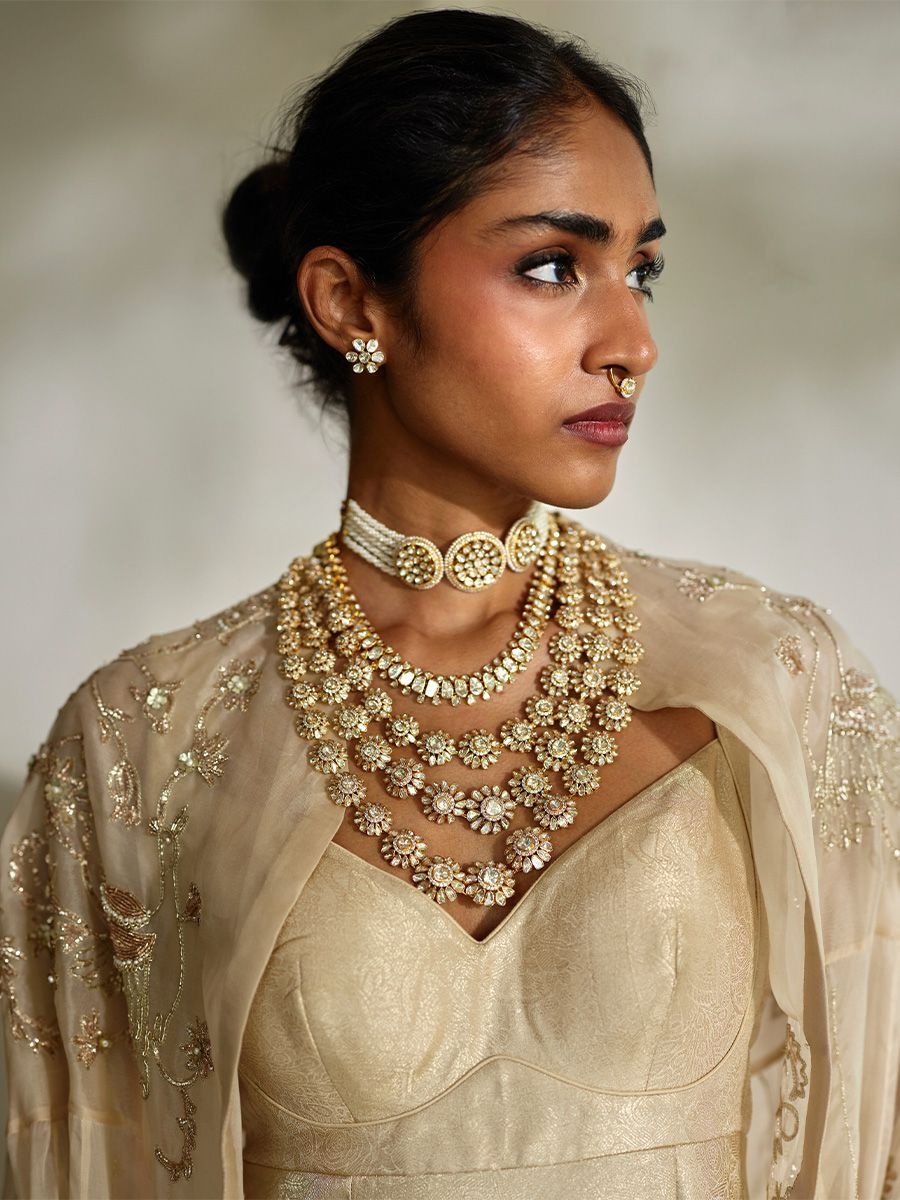
Images: Shah Virchand Govanji Jewellers
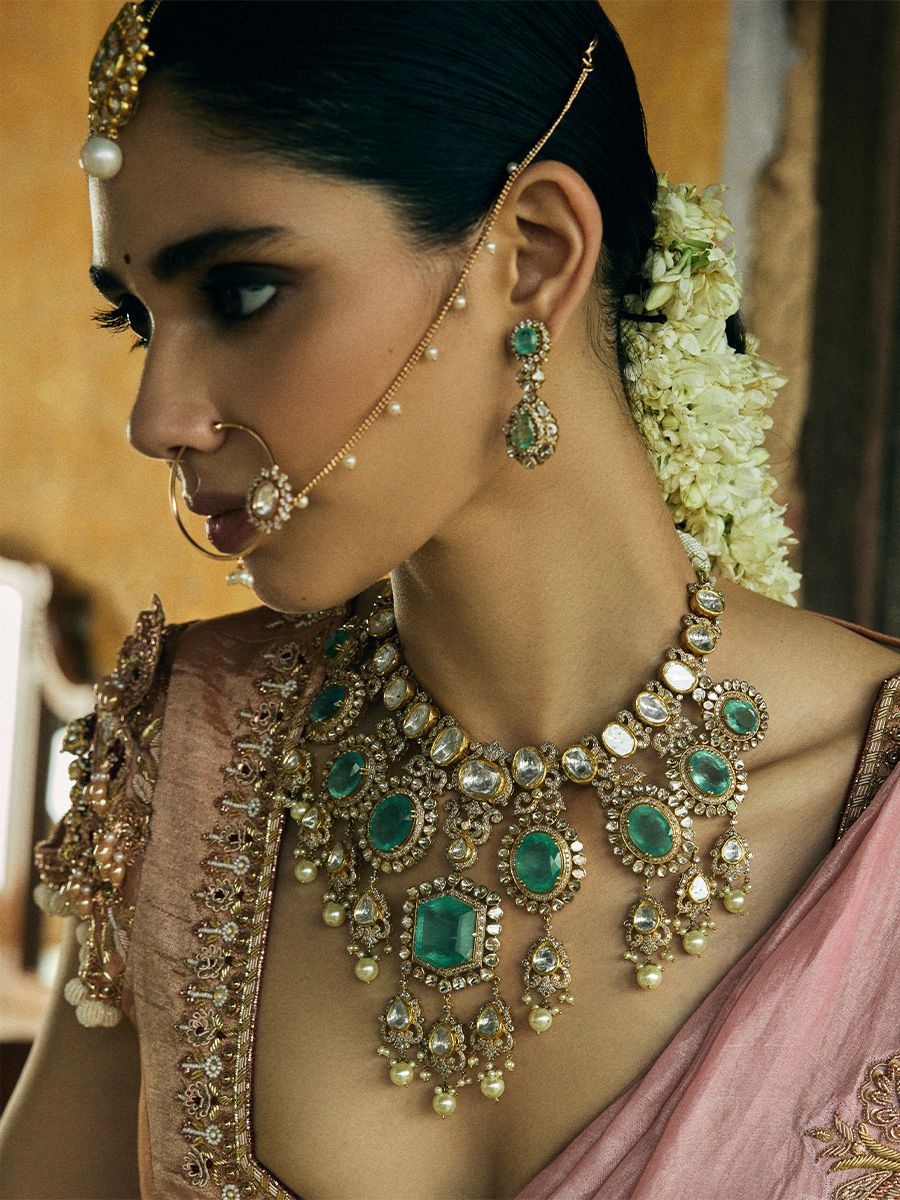
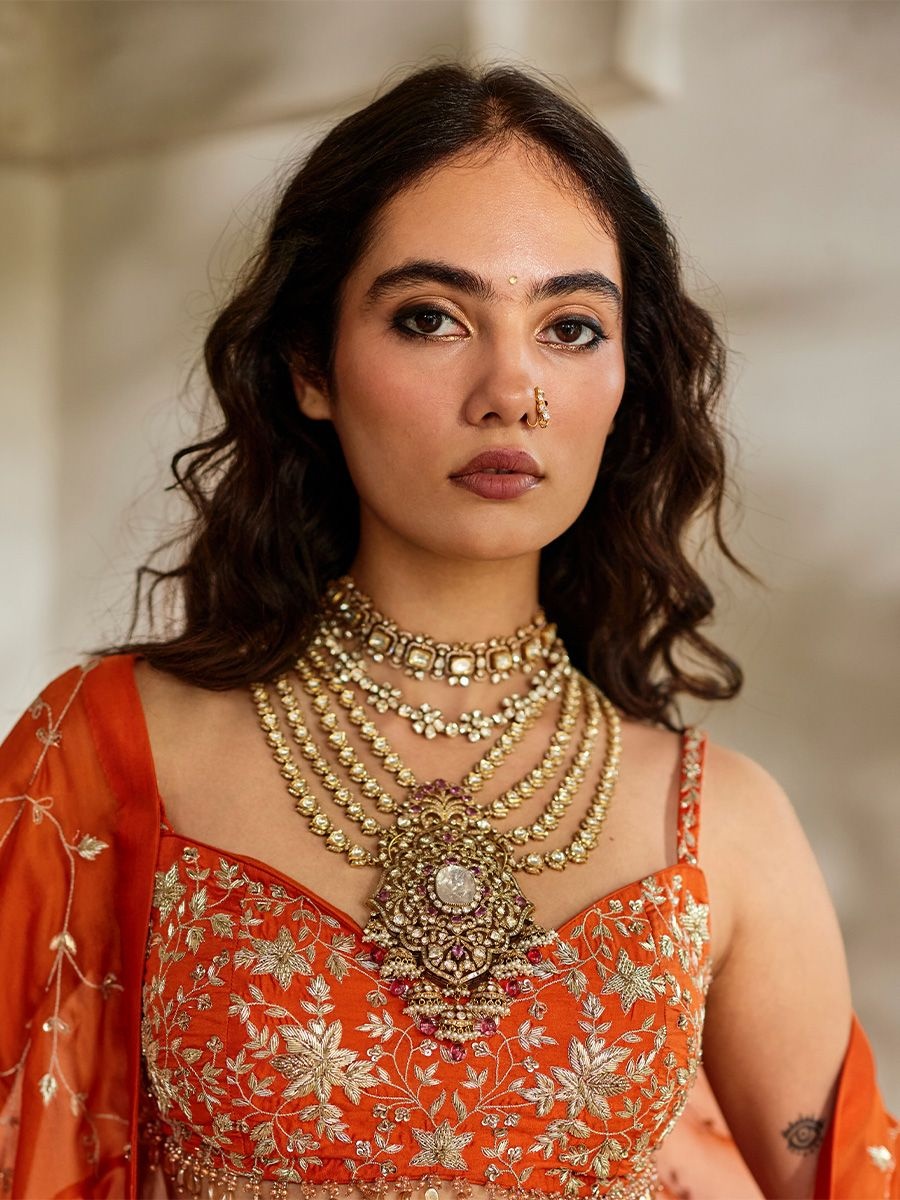
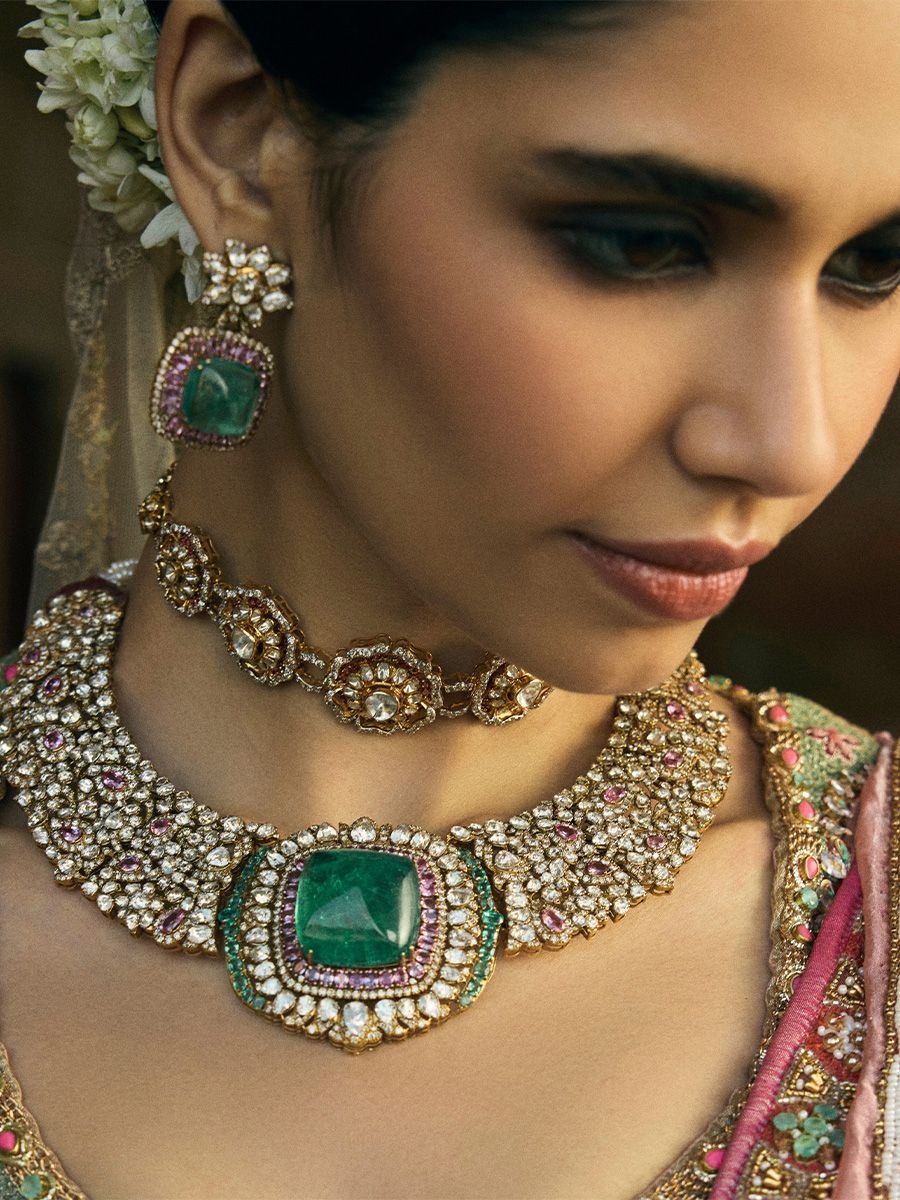
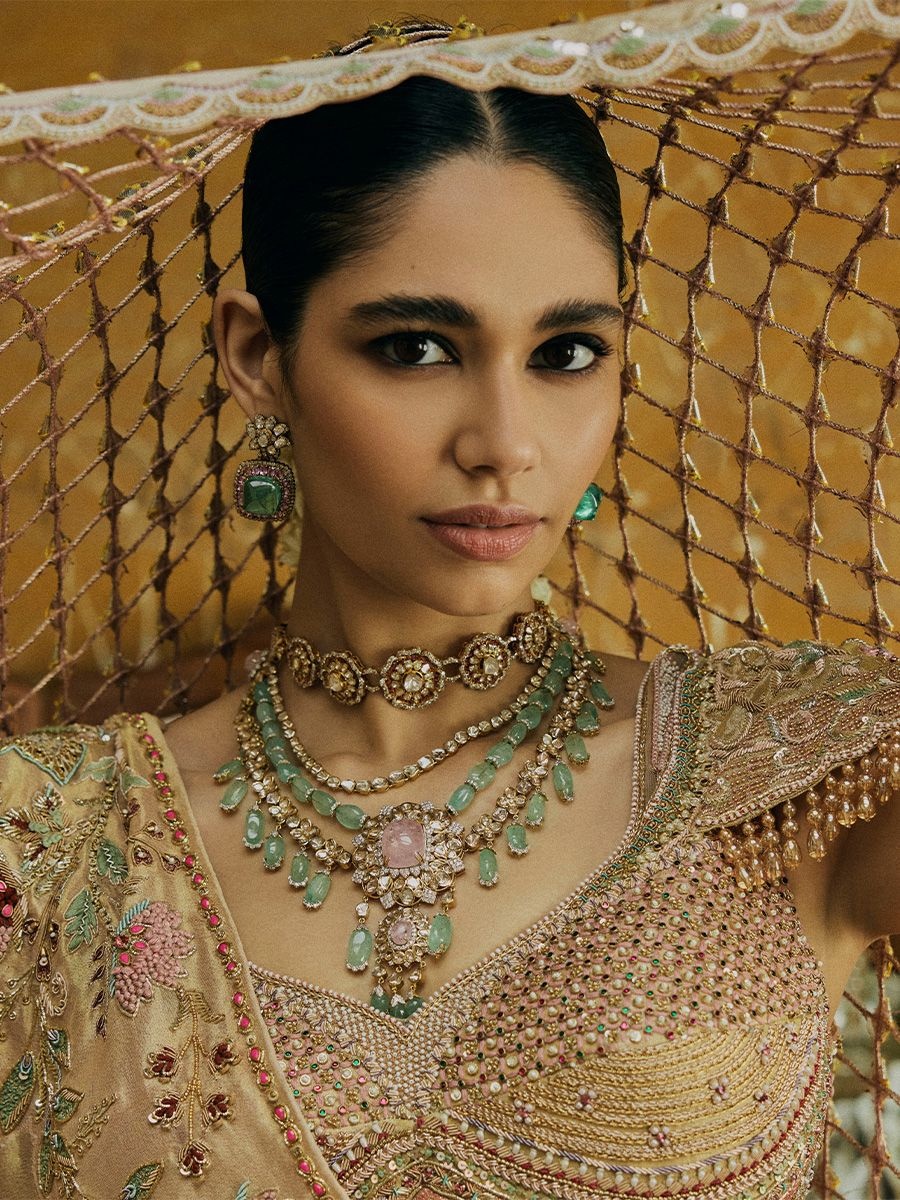
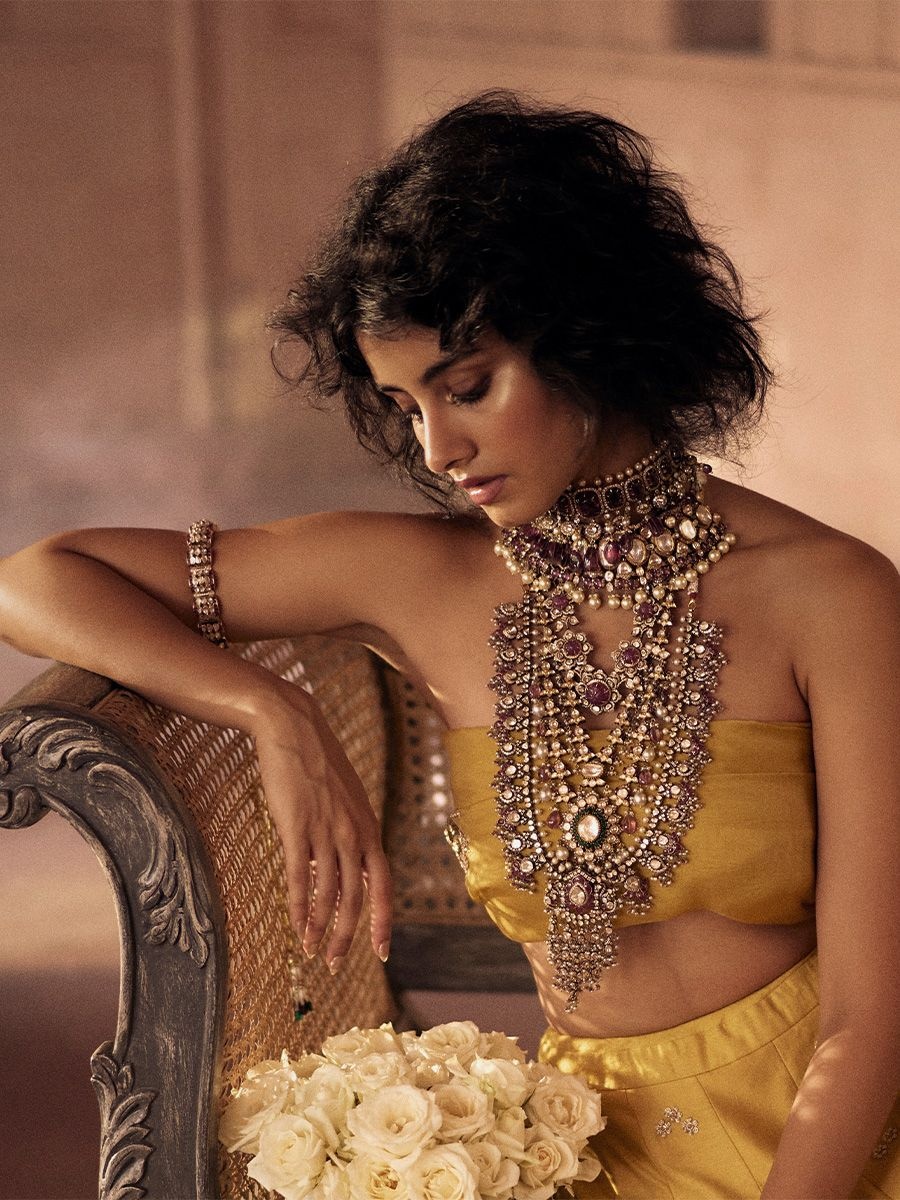
Shah gives us an insider peek into how good quality polki jewellery can be versatile, flexible and perfect for the modern bride. Here’s everything you need to know before you go polki shopping:
The transparency trap: easy to spot, easier to fall for
The first lesson in polki is to stop looking for perfection. "Most brides don’t realise that polki is one of the easiest things to imitate well," Shah explains. "If everything looks symmetrical and repeated, it is machine-made…Don’t look for perfection, look for character." The depth and glow of a genuine stone, particularly under warm lighting, come from tiny inclusions. These natural irregularities can be lines, carbon spots or internal fractures, flaws that actually authenticate the stone. But it’s not just about real or fake, quality is what Shah stresses on, “Since polki is fashioned with minimal faceting, look for a soft, natural shine rather than a sharp sparkle. Good-quality polki isn't completely clear, but it shouldn’t look cloudy or white either. If it appears milky or dull, it is likely lower quality.” Synthetic alternatives on the other hand, often give off a sharp, bright, mirror-like glitter that lacks soul.
The integrity of the stone is also dictated by the setting. While traditional jadau relies on foil and wax (lac), these elements should “flatter the stone, not disguise it.” Shah explains, "A reliable jeweller uses thin foil, not a thick or overly reflective layer that masks the stone’s interior.” We are currently seeing a significant shift toward open-set polki. By removing the foil backing, the diamond’s actual colour and structure are exposed. "In open settings, there is nowhere to hide," Shah adds. To ensure a stone is genuine, judge it in natural daylight rather than the flattering, controlled spotlights of a showroom.
The versatility shift: lighter, easier and made to move
The 2026 season marks the end of "weight as status". Brides are prioritising movement. "Large bibs are no longer built as solid plates; they are constructed as segmented sections linked like a flexible chain," says Shah. “While the load used to sit entirely at the centre of the neck, modern designs distribute it across multiple points, side chains, and broader collars. It feels lighter because the weight is spread out. A bride should judge a large choker by whether it feels present but not heavy. If it does, it has been engineered well.”
This demand for comfort is accompanied by a need for modularity. We are seeing necklaces that convert into pendants and long haars that shorten into chokers. The expectation is simple: the jewellery must be rewearable. This versatility extends to the palette. While emeralds are the traditional default, tanzanites and pastel spinels are gaining traction. “Brides are making more personal colour choices now instead of sticking only to deep green and red,” Shah observes.
The investment mindset: less is more
When starting a collection, the rule is quality over scale. "A smaller choker with finer polki will serve you longer and more intelligently," Shah advises. High-quality stones perform better across different lighting conditions and retain their value. Scale might provide a one-day impact, but it rarely sustains long-term versatility. It is more effective to build a collection by layering over a strong foundation than to attempt to "upgrade" a large, mediocre set later.
If you aren't an expert on the technicalities of gemstone cleavage or foil thickness, you must at least know your jeweller. Ensure every purchase is backed by BIS hallmarked gold and a transparent, detailed invoice. At Shah Virchand Govanji Jewellers, the goal is an heirloom that is as technically sound as it is aesthetically distinctive. The 2026 bridal trousseau isn’t about chasing a look; it’s about verifying a standard. In a category where it’s so easy to fake the glow, the smartest investment is simply the one that has nothing to hide.