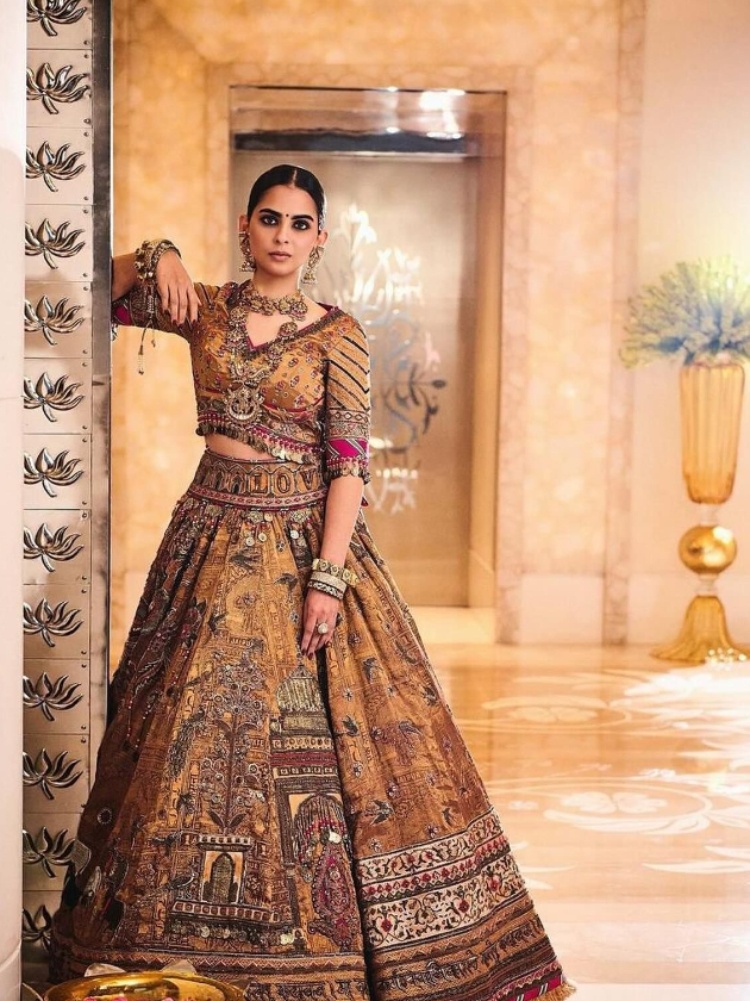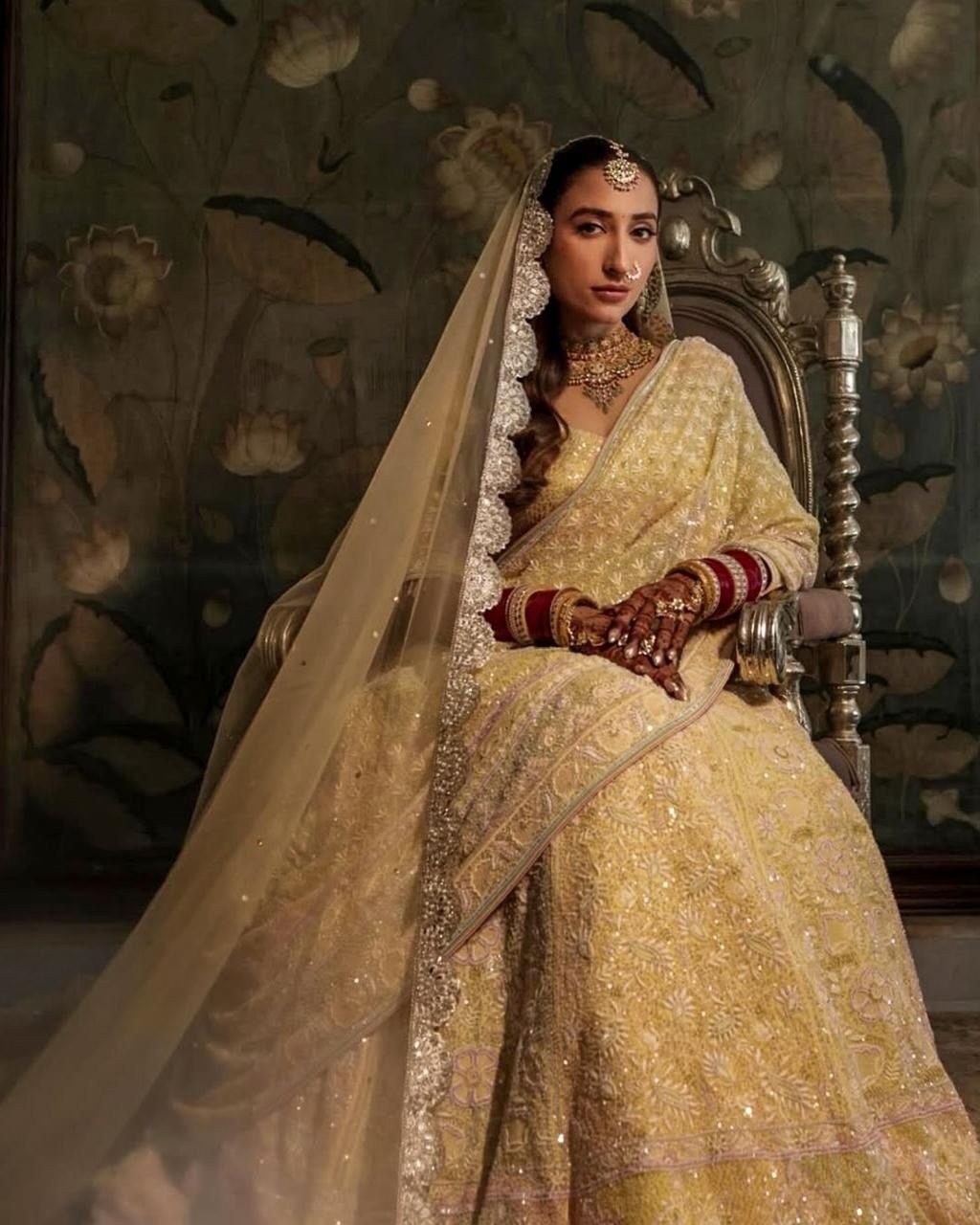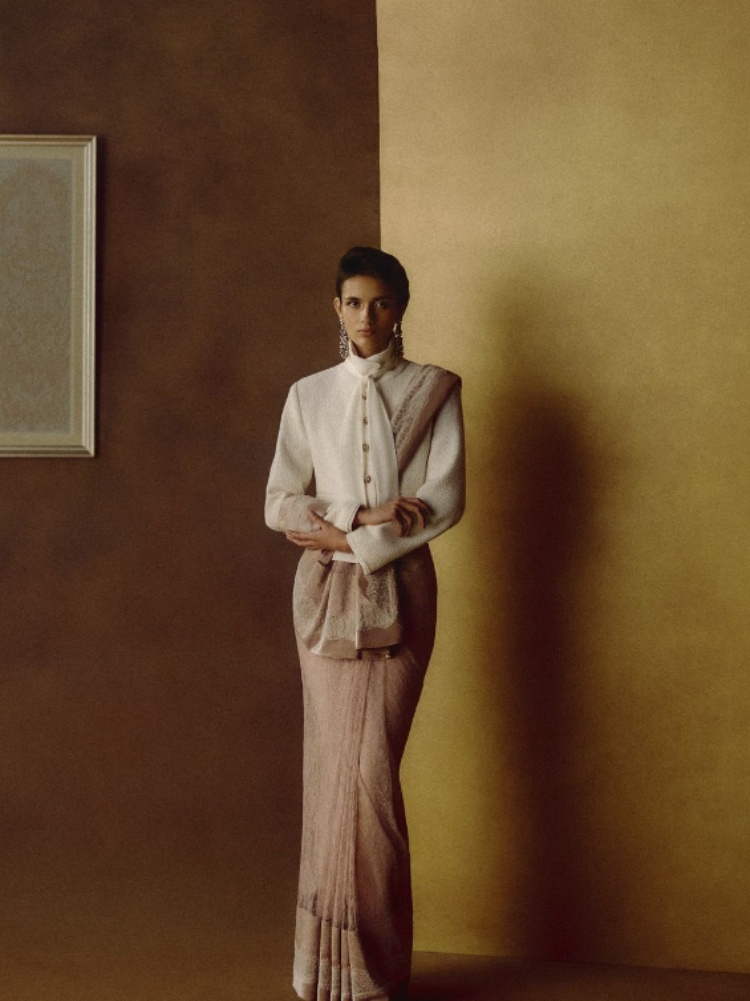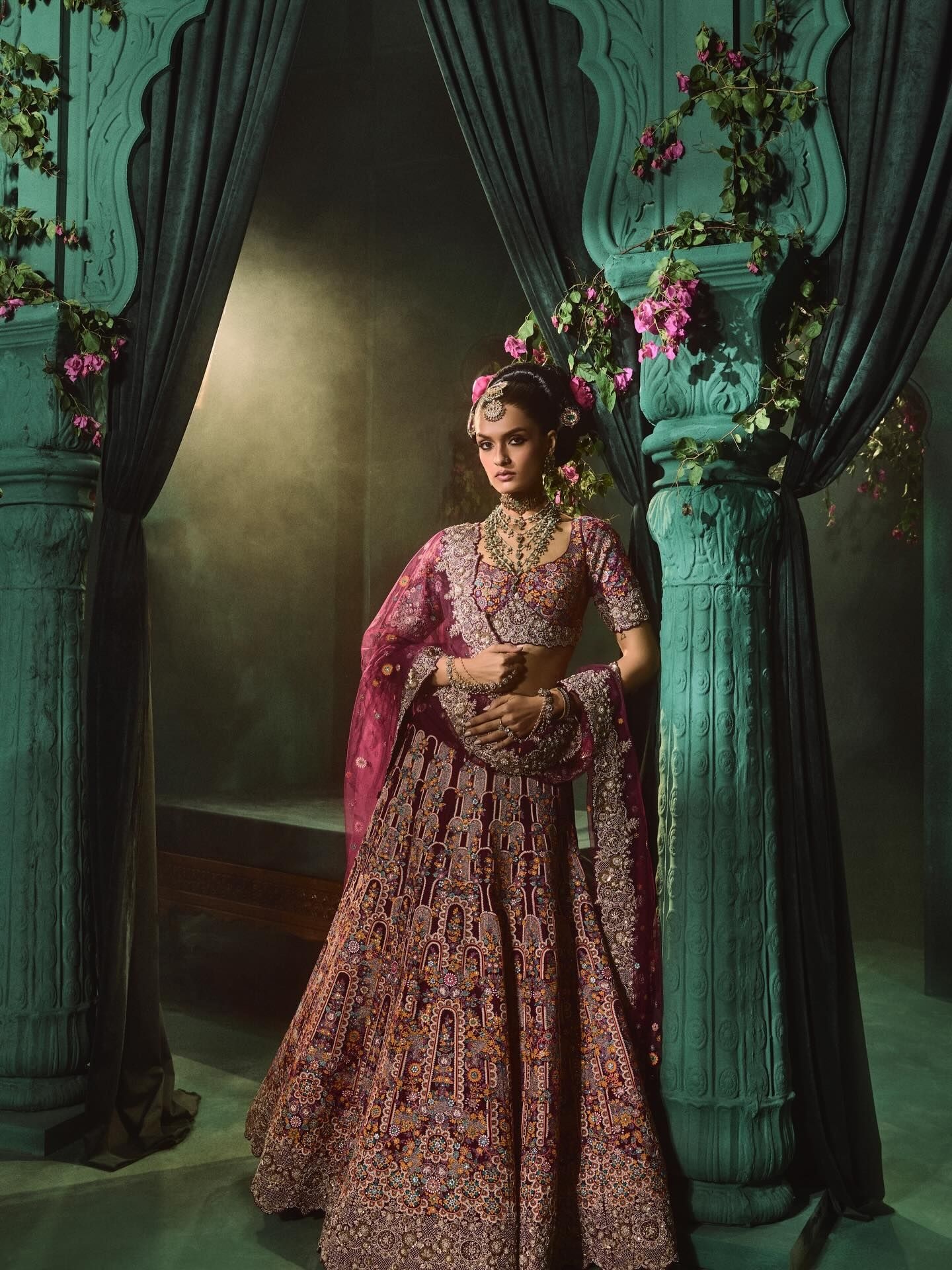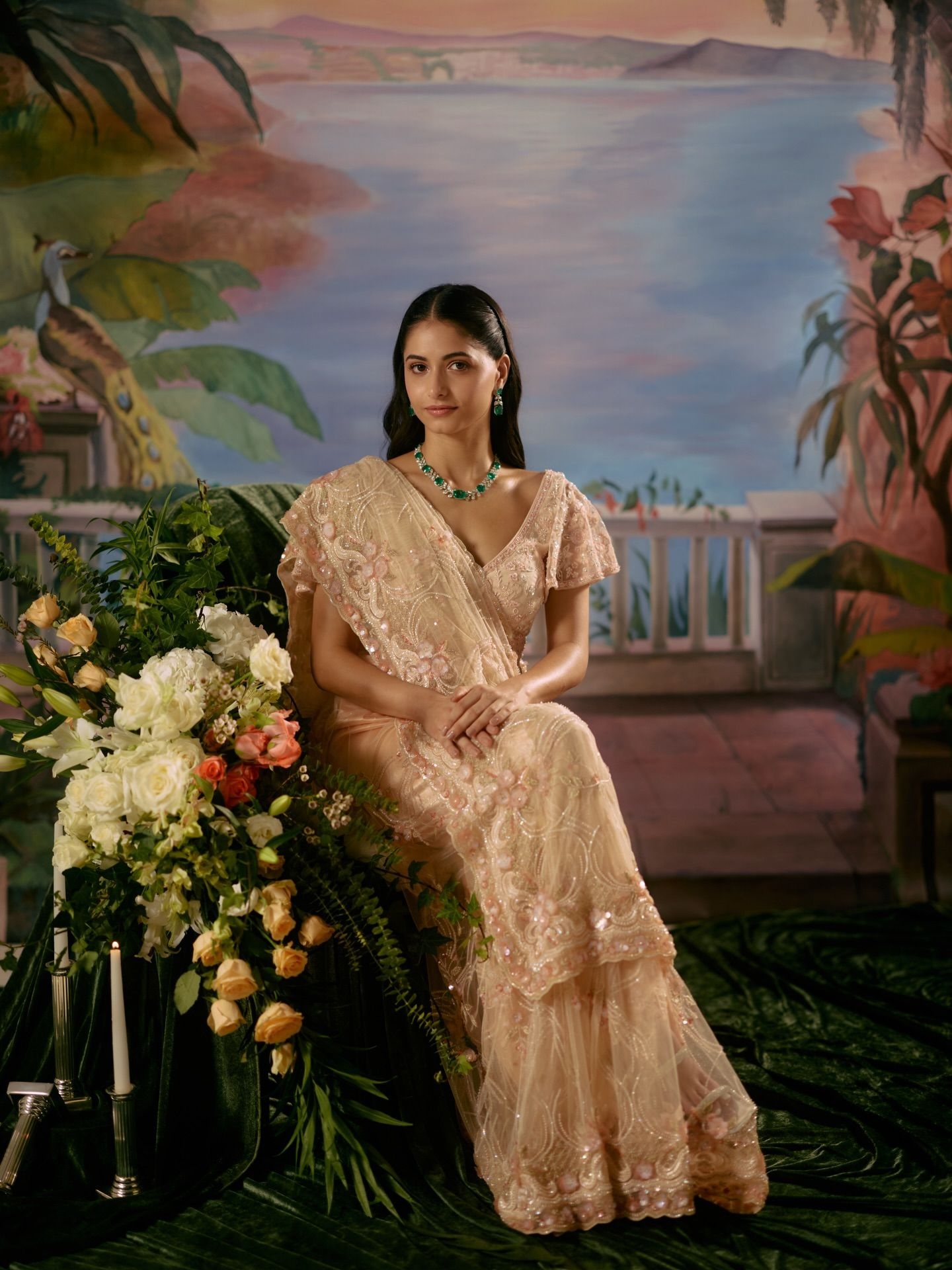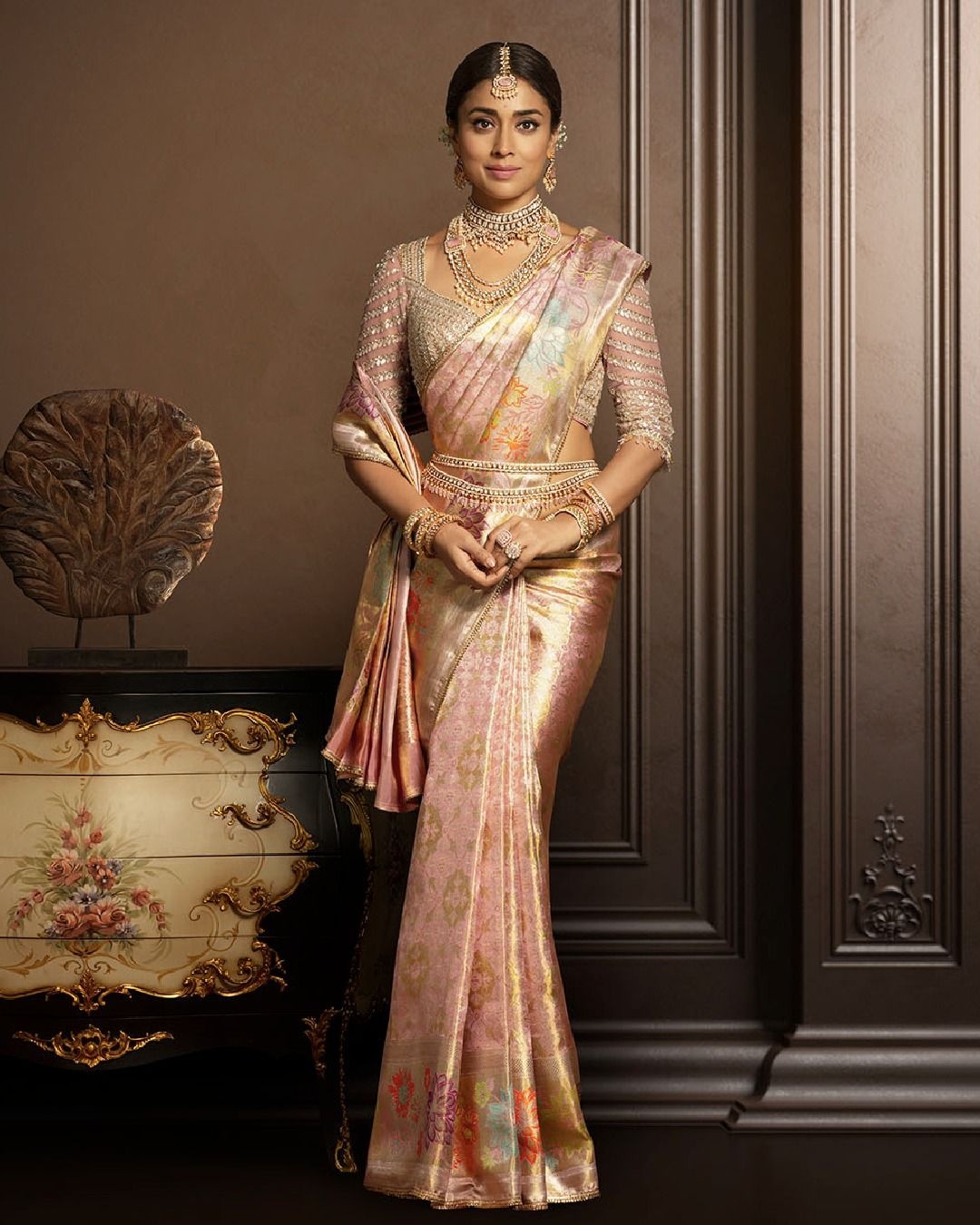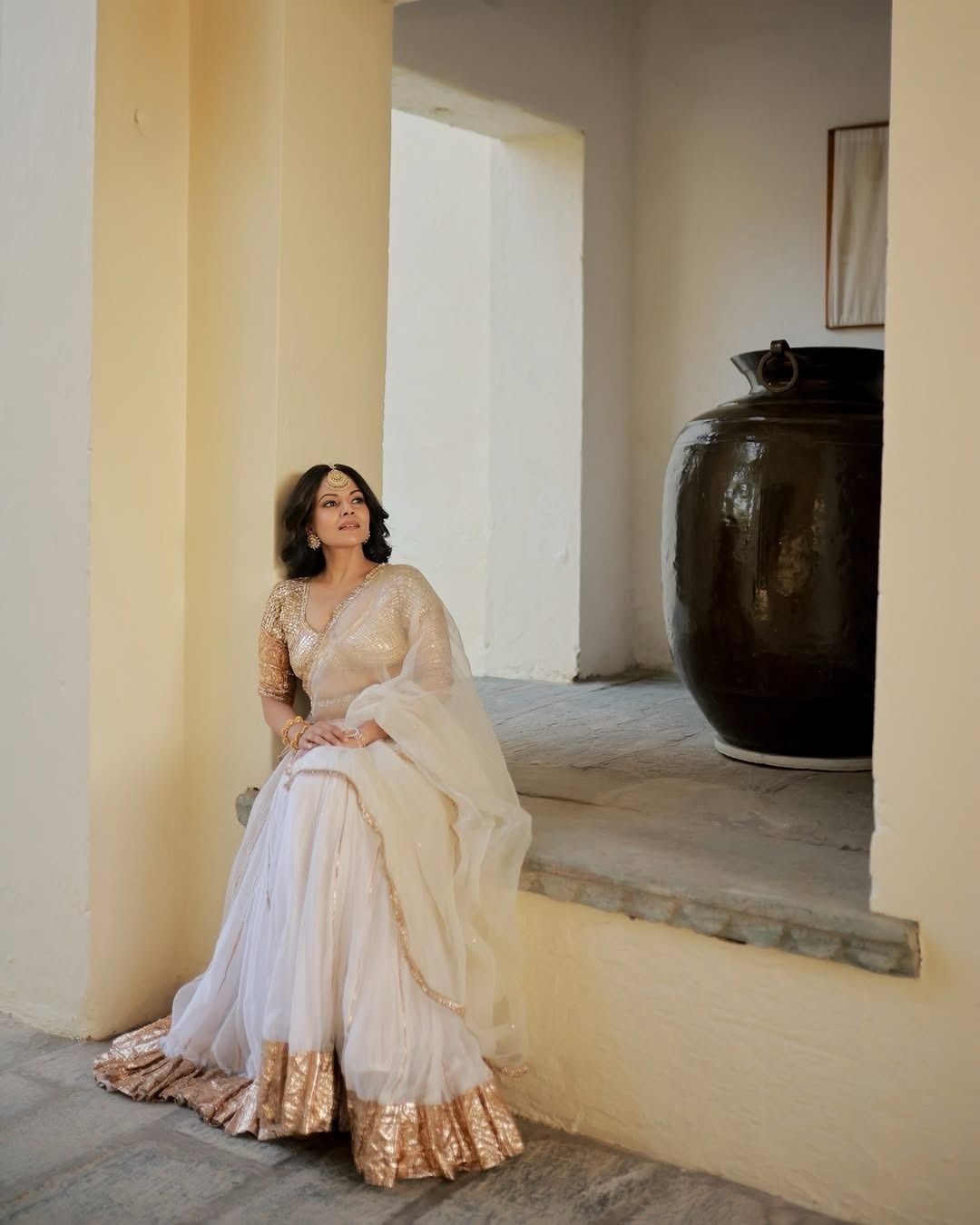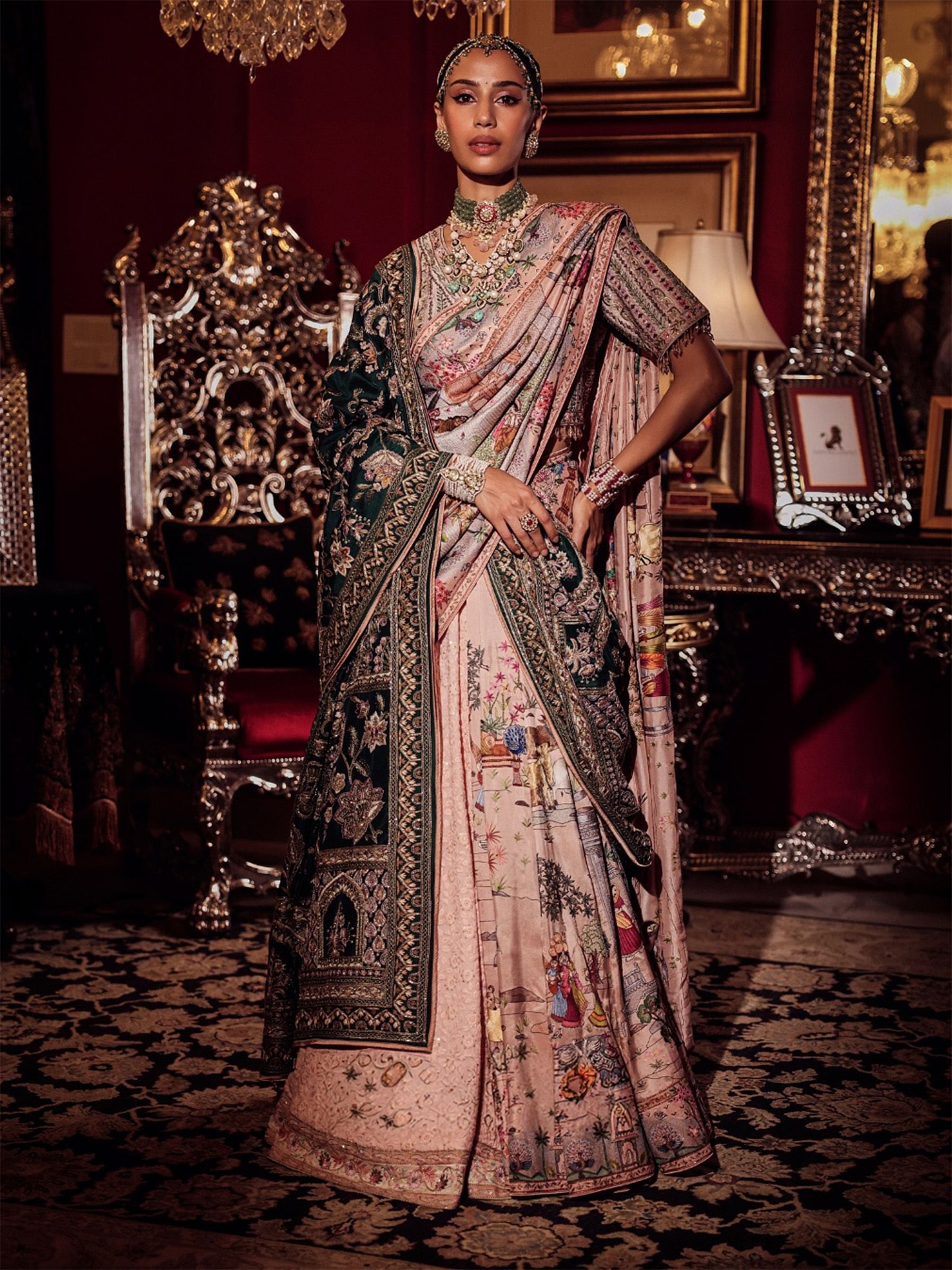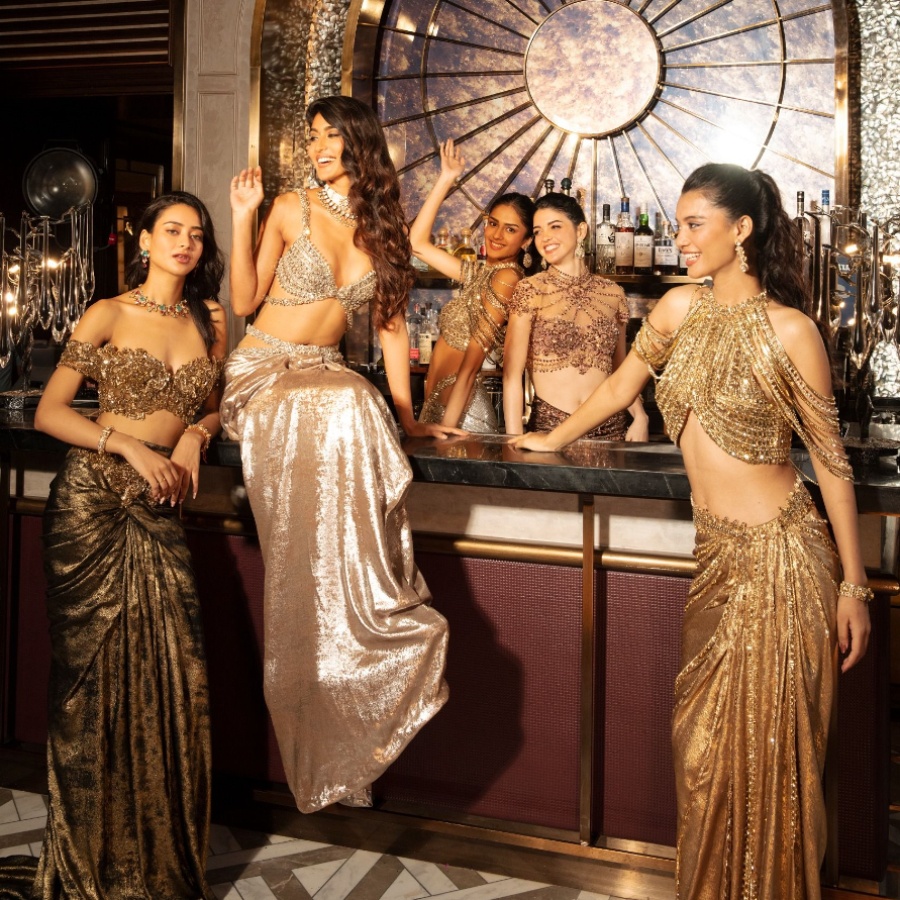



The old money aesthetic has dominated fashion for more seasons than Succession. And we’re still not over the way the Indian bridal wardrobe is loving it. Defined by quiet confidence rather than overt extravagance, this interpretation of bridal luxury favours heirloom-worthy craftsmanship, refined palettes and an elegance that feels effortless rather than performative.
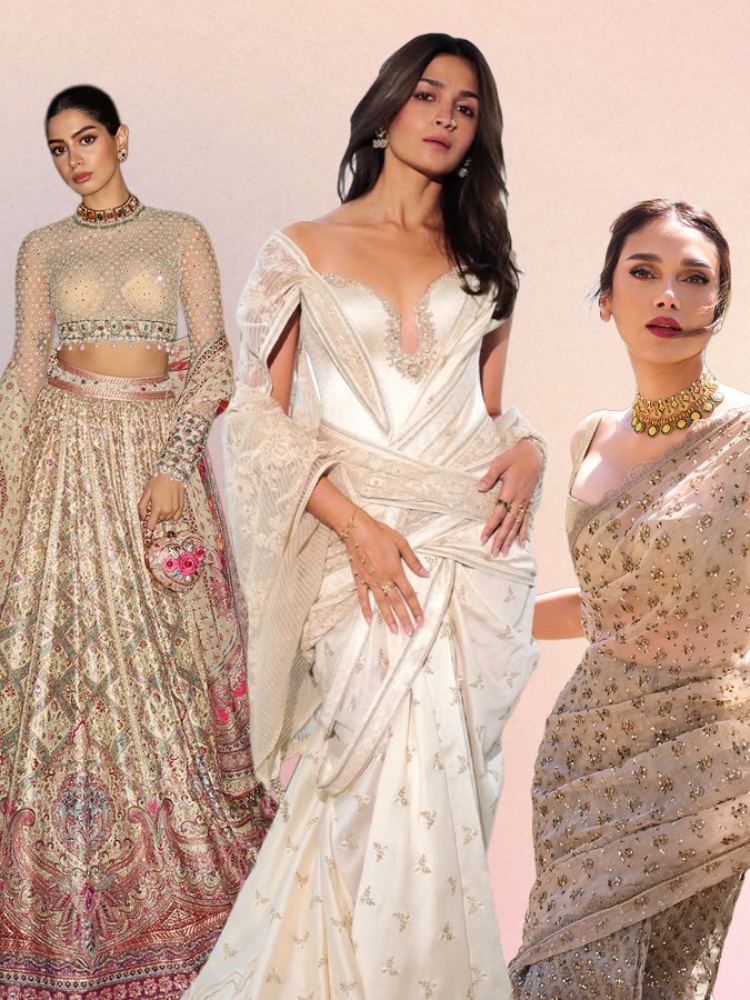
If there was ever any doubt, recent red carpets and weddings have only confirmed it. At Cannes 2026, Alia Bhatt embodied the mood in an ivory Chanderi dhoti-skirt corseted gown by Tarun Tahiliani, a look that married Indian textile heritage with sculptural modernity. On the same red carpet, Aditi Rao Hydari embraced a softer expression of the aesthetic in a champagne silk tissue saree inspired by the Chaarbagh, featuring four distinct archival block prints handcrafted by fourth-generation artisans from Rajasthan. Khushi Kapoor channelled the same sensibility at a wedding soirée, stepping out in a muted ivory Tarun Tahiliani lehenga washed with subtle blush and gold undertones, evoking regal sophistication and an enduring, almost cinematic sense of romance.
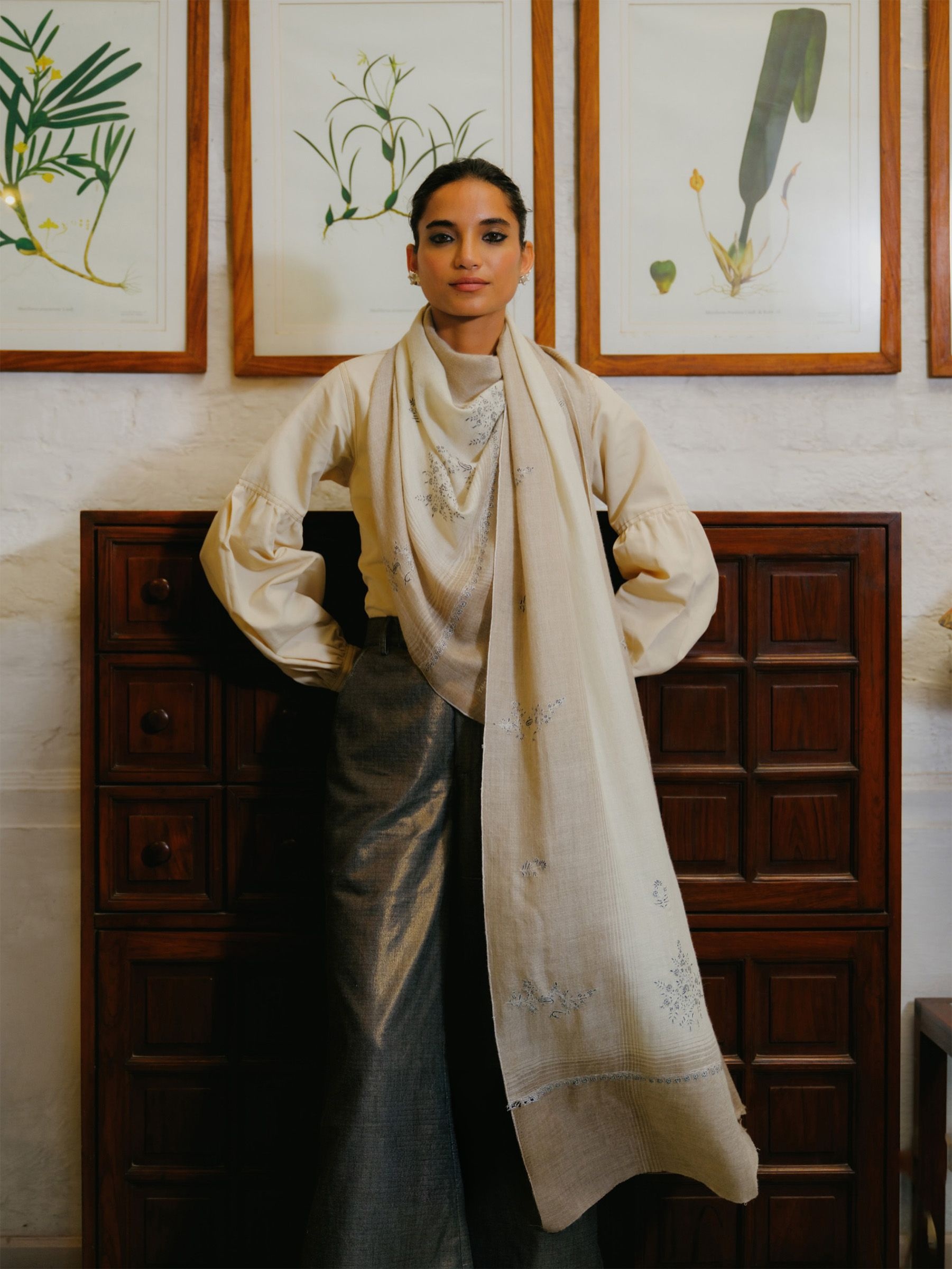
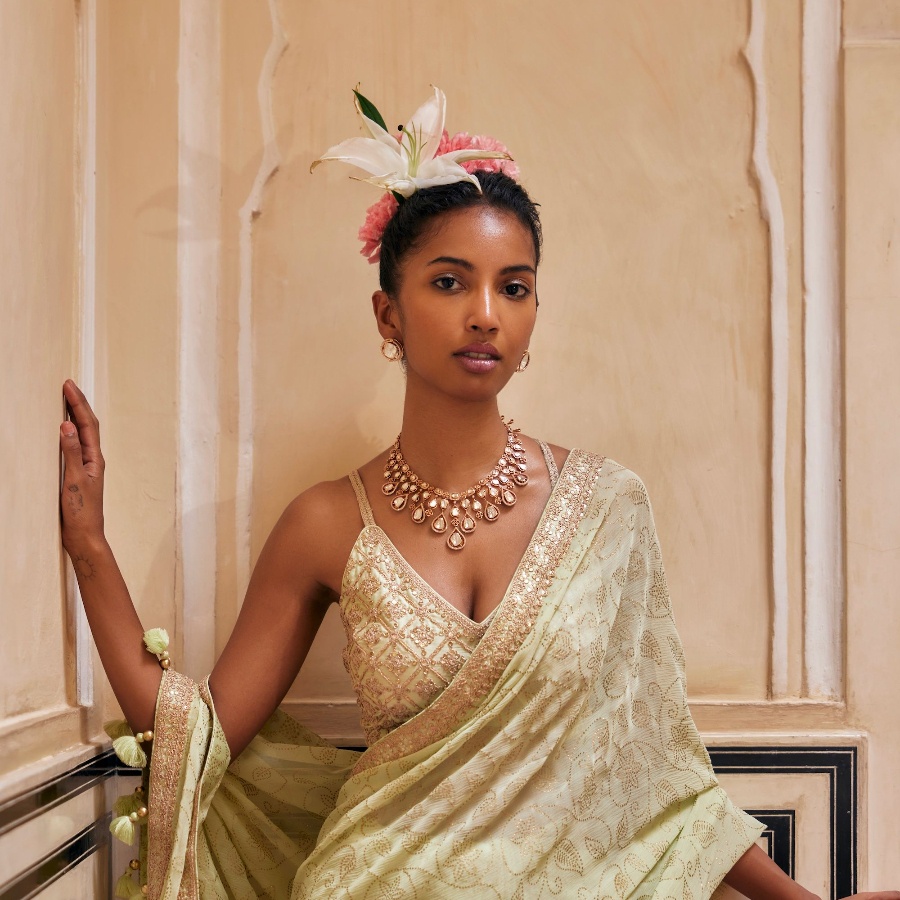
The term itself gets thrown around liberally, but in the context of Indian bridal fashion, the old money aesthetic carries a far more nuanced meaning. It isn't about logos or conspicuous displays of wealth, it's about discernment and artisanal heritage. It is the Kanjivaram chosen over the heavily sequinned lehenga. The tissue silk that catches the light rather than competes for attention. The single heirloom piece be it an antique choker or a polki set steeped in provenance, worn in place of an entire bridal jewellery suite purchased for the occasion. In couture, the palette leans towards ivory, champagne, muted gold and dusty cream, with the occasional hints of deep burgundy and reds. The silhouettes are precise rather than voluminous, blouses are impeccably structured, texture precedes shine and drapes are thoughtfully considered. Nothing feels excessive, yet every detail matters.
What makes this shift particularly compelling is that its origins are deeply rooted in Indian tradition. This isn't a Western aesthetic being borrowed and translated for the local market. If anything, it is a return to the codes of the Indian royal wardrobe: handwoven Maheshwari tissue, archival block prints, Banarasi zari, and craftsmanship passed down through generations. Today's brides are rediscovering these markers of luxury, gravitating towards pieces that carry memory, meaning and a sense of permanence. They would rather wear something that signifies heritage than something that merely signals expense.
Aditi Rao Hydari perhaps captured the irony of the moment best when she captioned her Cannes saree look, "Wearing a sari the traditional way. Revolutionary, I know." She was right and she wasn't entirely joking. In an era of maximalism and spectacle, choosing timelessness has become its own quiet act of rebellion. The new status symbol isn't excess. It's knowing what endures.
For the bride drawn to this aesthetic, the brief is simple: invest in textiles and craft. A tissue silk, a handwoven Kanjivaram, a Banarasi with a weave count that rewards a close look, these are the pieces that carry a room and age beautifully. Let the textile do the work that embellishment usually does. And then choose one thing, one embroidered detail, one moment of craft, and let everything else step back.
Here are our picks for the season: