

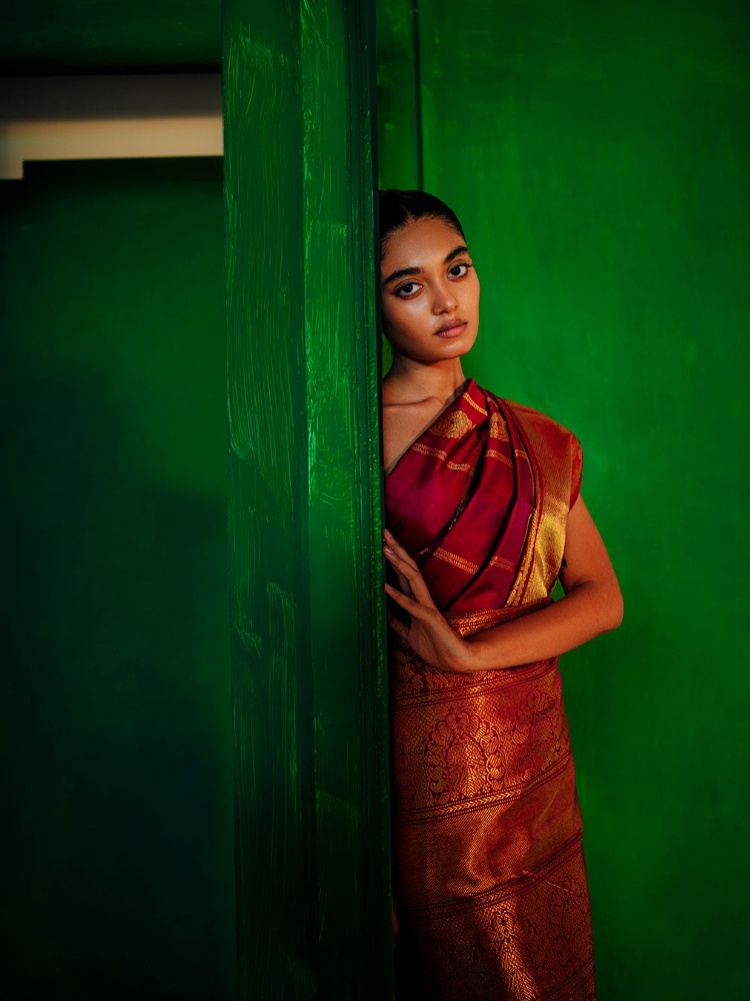

Somewhere in the last few wedding seasons, bridal shopping started running on the same fuel as a sneaker drop. It was about the first look, the exclusive piece, the outfit that nobody else has touched yet. Every label wants to hand a bride something brand new, and most brides have been trained to want exactly that back. So it's rather surprising to come across a sari that intentionally does the opposite, one that's been deliberately made to feel vintage before it's even left the shelf.
The point isn't to look new
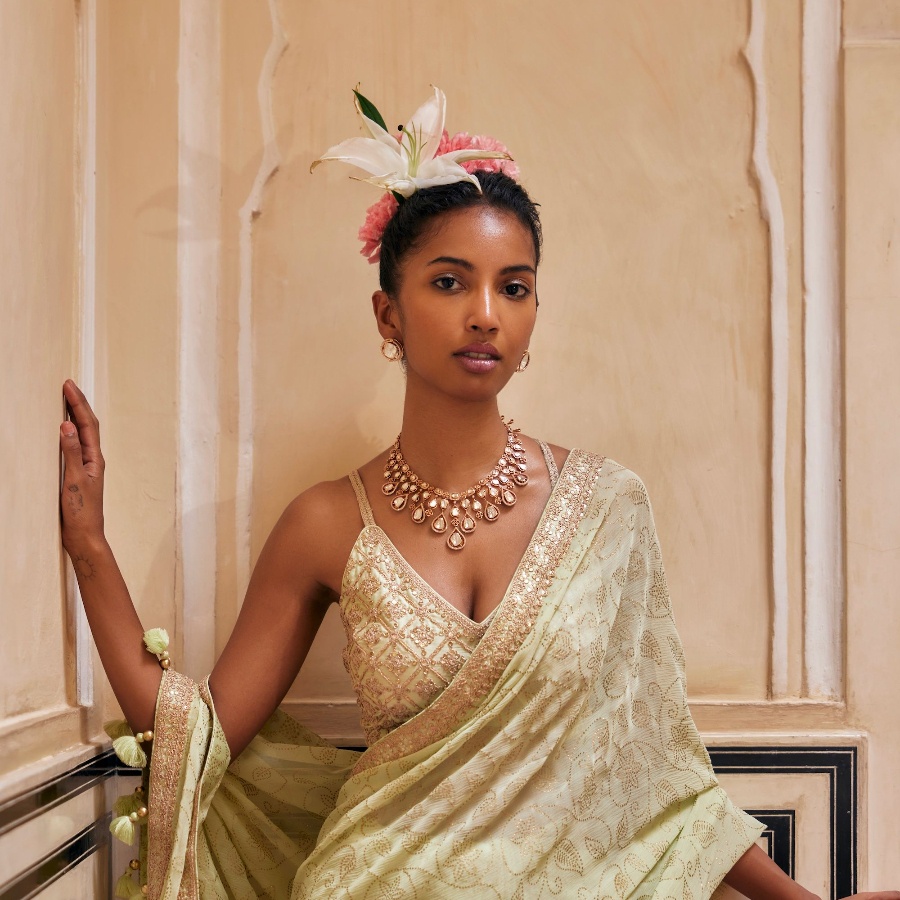
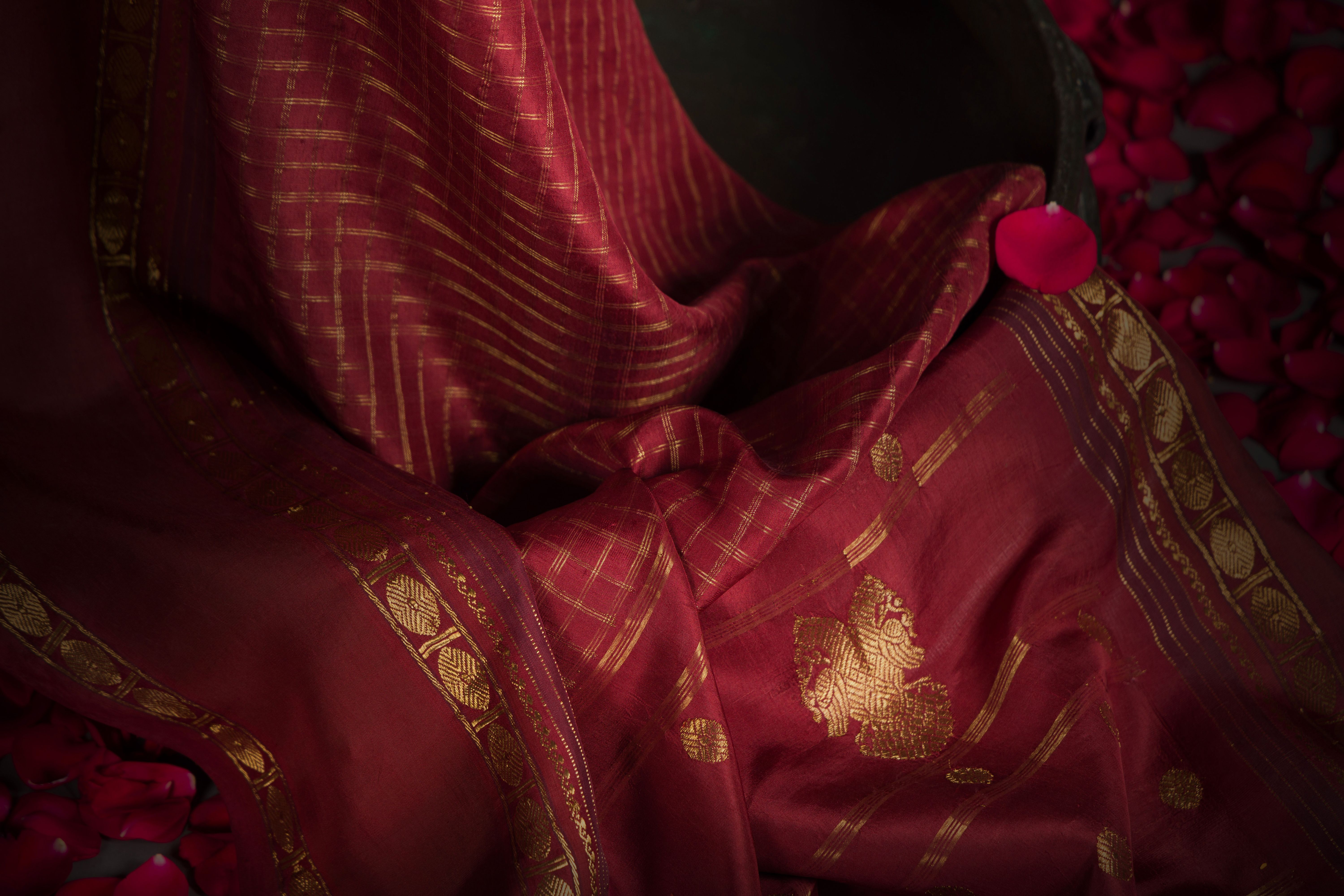
This is the whole premise behind a vintage-wash line out of Kanakavalli, the Chennai-based label built entirely around the Kanjivaram. It makes a brand new sari feel like it's already been passed down: the focus being on evoking a feeling of nostalgia rather than on it appearing fresh off the loom. "We're bringing a curation of vintage-washed Kanjivarams that have undergone proprietary processes to soften and tint the drape," says founder Ahalya S, "making them reminiscent of the saris we inherit from our mothers and grandmothers." It's a strange brief to hand a weaver, essentially asking for a new product to look used. But it says something about what a bridal sari is actually meant to do that most of the market may have forgotten.
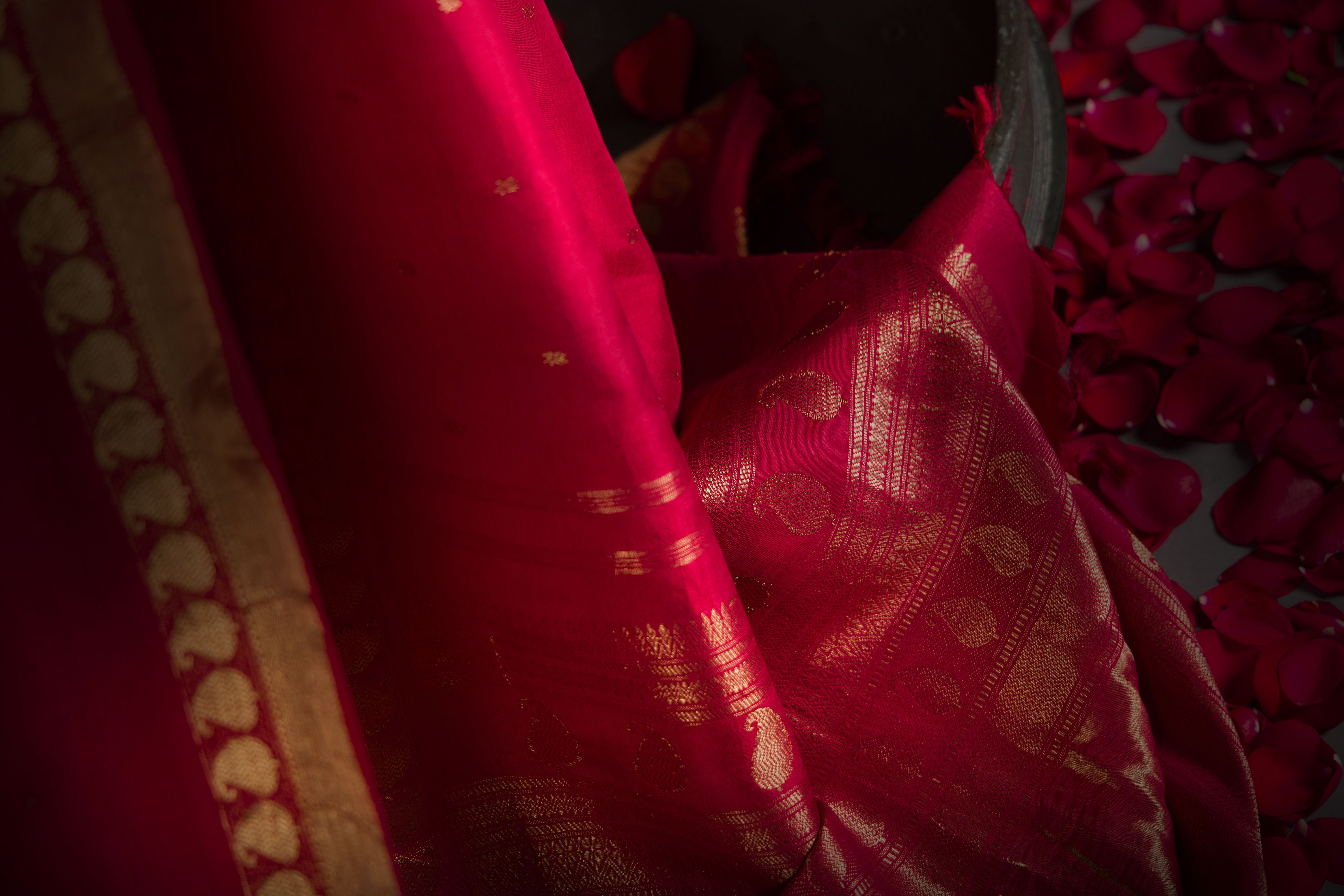
Think about what a sari looks like after 20 years in a steel almirah, taken out for every big function, folded and unfolded more times than anyone's counted. The zari has dulled just enough. The silk has gone soft enough to move with the body. That particular texture usually takes decades and a family history to earn. Kanakavalli’s line of aged Kanjivarams attempts to achieve this look and feel, which is familiar to someone who has grown up around Kanjivarams, watching beloved saris age beautifully with the wearer.
Why brides might actually want this
A wedding sari was never really supposed to be about the latest fashion trend. Historically, it was about connecting a bride to everyone who wore something like it before her, her mother, an aunt, a grandmother she may or may not have met. "I believe every bride's wedding wardrobe should include a few traditional weaves, something that connects them to where they come from," Ahalya says, and that idea is arguably more honest than most seasonal bridal marketing is willing to admit.
It also tracks with how this particular label operates more broadly. There's no big reveal every few months and there's no fresh silhouette to chase for the sake of it. Instead of new collections, the focus stays on isolating one part of the Kanjivaram at a time, a weave, a layout, a colour story, and sitting with it properly. A line built around ageing the fabric is just that same instinct, pointed at time itself.
The craft has to earn it
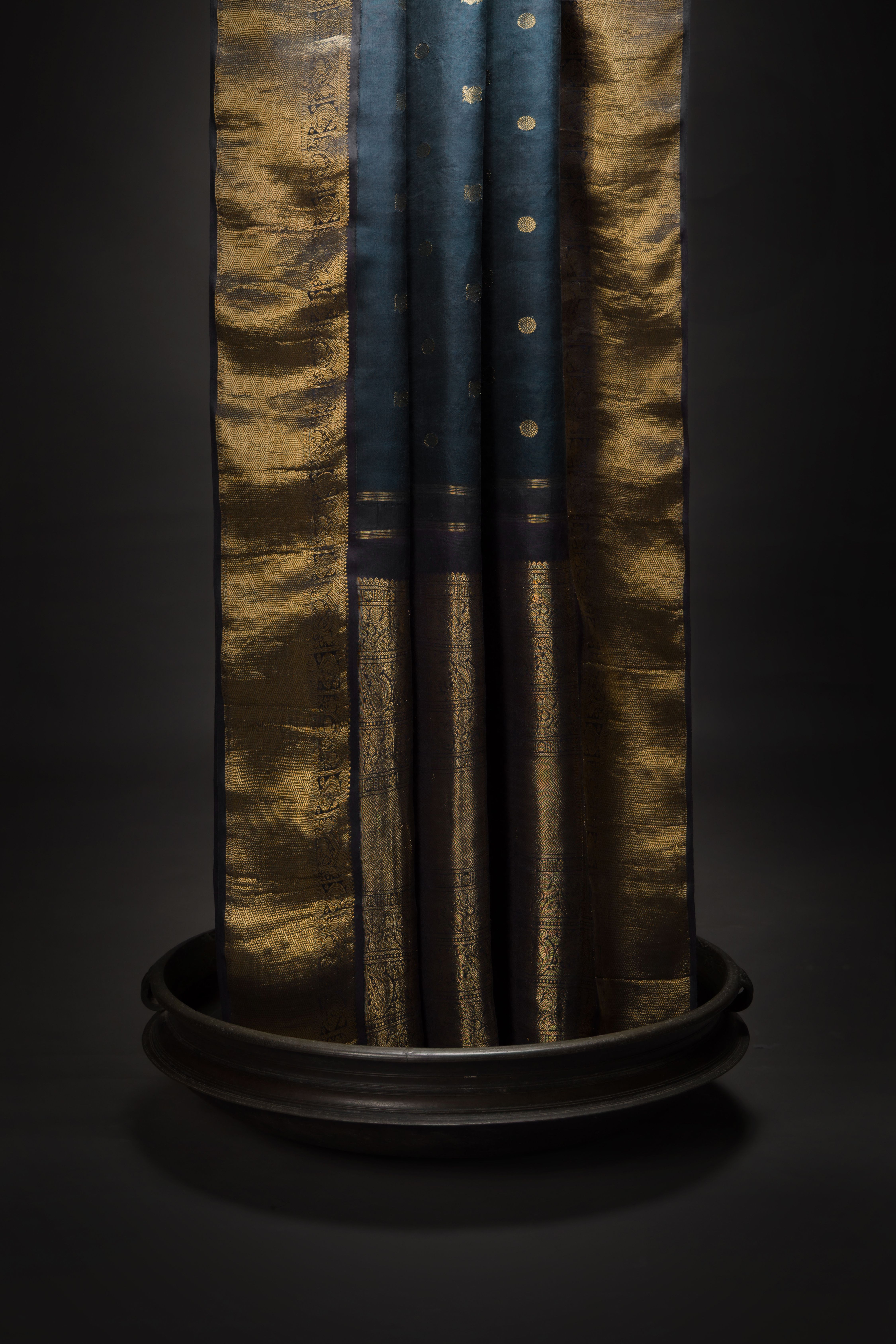
None of this holds up without real weaving behind it. One of the traditional weaving processes of Kanakavalli’s bridal Kanjivarams is the ettu kol, a technique that lays zari over the silk instead of into it, woven on a loom with eight pedals instead of the usual two. It's slower and far less forgiving to make, but it's also why the shimmer reads older and heavier than a standard zari border, closer to how gold actually ages than how it's usually manufactured to look. Pair that with older, more figurative pallu designs pulled back from the archives, and the vintage-wash idea starts to feel less like a filter and more like an extension of what the weave was already capable of.
There's a related instinct worth noting too. Ask Ahalya what doesn't work for her right now, and the answer comes fast. "One styling trend that doesn't work for me is over-embellishing blouses with embroidery. I feel this is unnecessary when wearing such fine weaves." When the fabric is already doing the work, piling more onto it just muddies the point.
What this says about bridal dressing
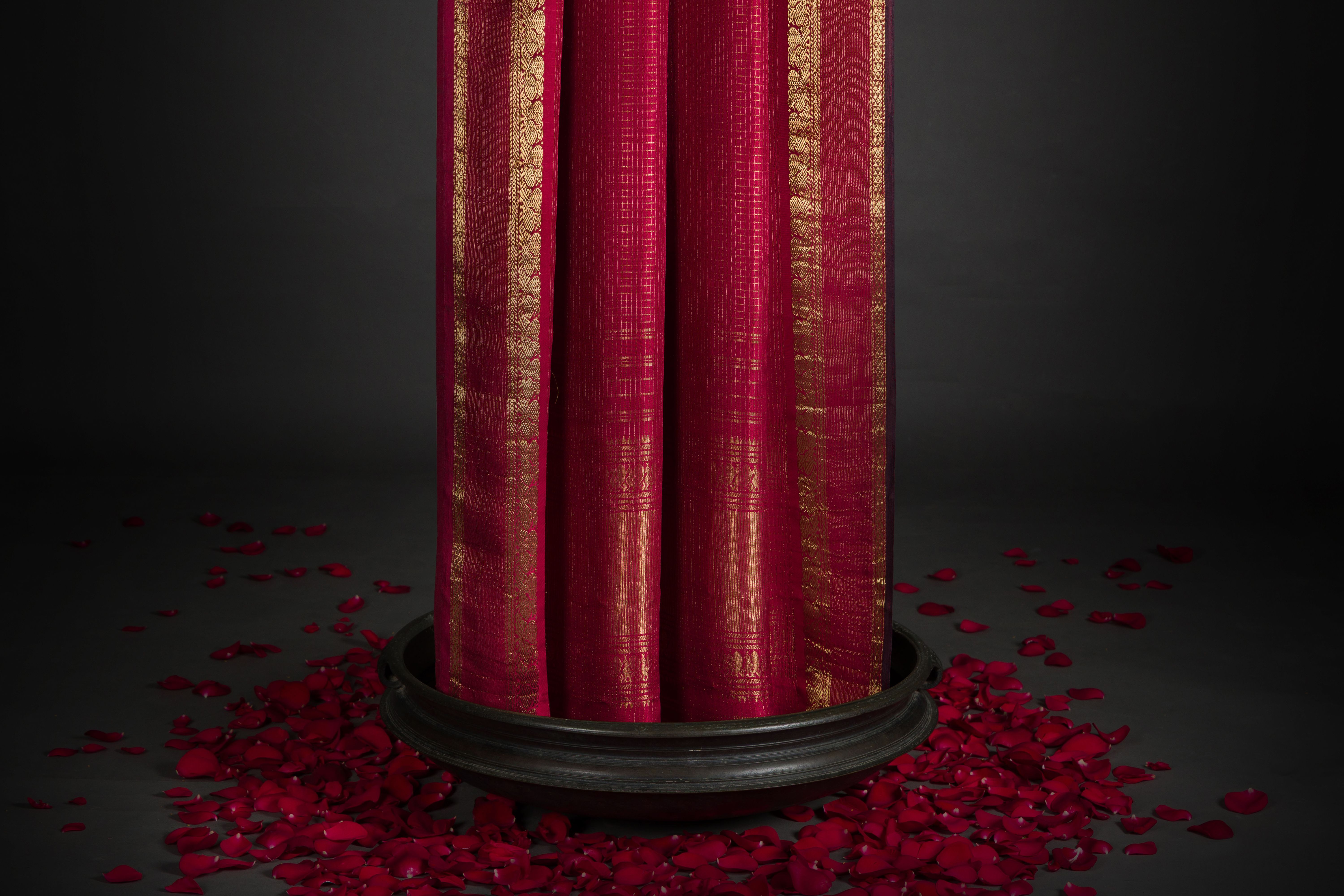
Brides today don't seem to be choosing between traditional and contemporary the way the industry likes to frame it. Increasingly, the real choice is between things that feel made for a single moment and things that feel like they belong to a longer journey than the wedding day itself. And Kanakavalli’s vintage-wash Kanjivarams—with their age-muted zari, butter-soft feel and easy, comfortable drape—are designed to be worn on repeat, fulfilling what today’s bride is looking for.