
Bridal jewellery is going wrist-first

As bridal styling moves toward a cleaner silhouette, the statement rings and cuffs are emerging as the new centrepiece of the trousseau

Birdhichand Ghanshyamdas

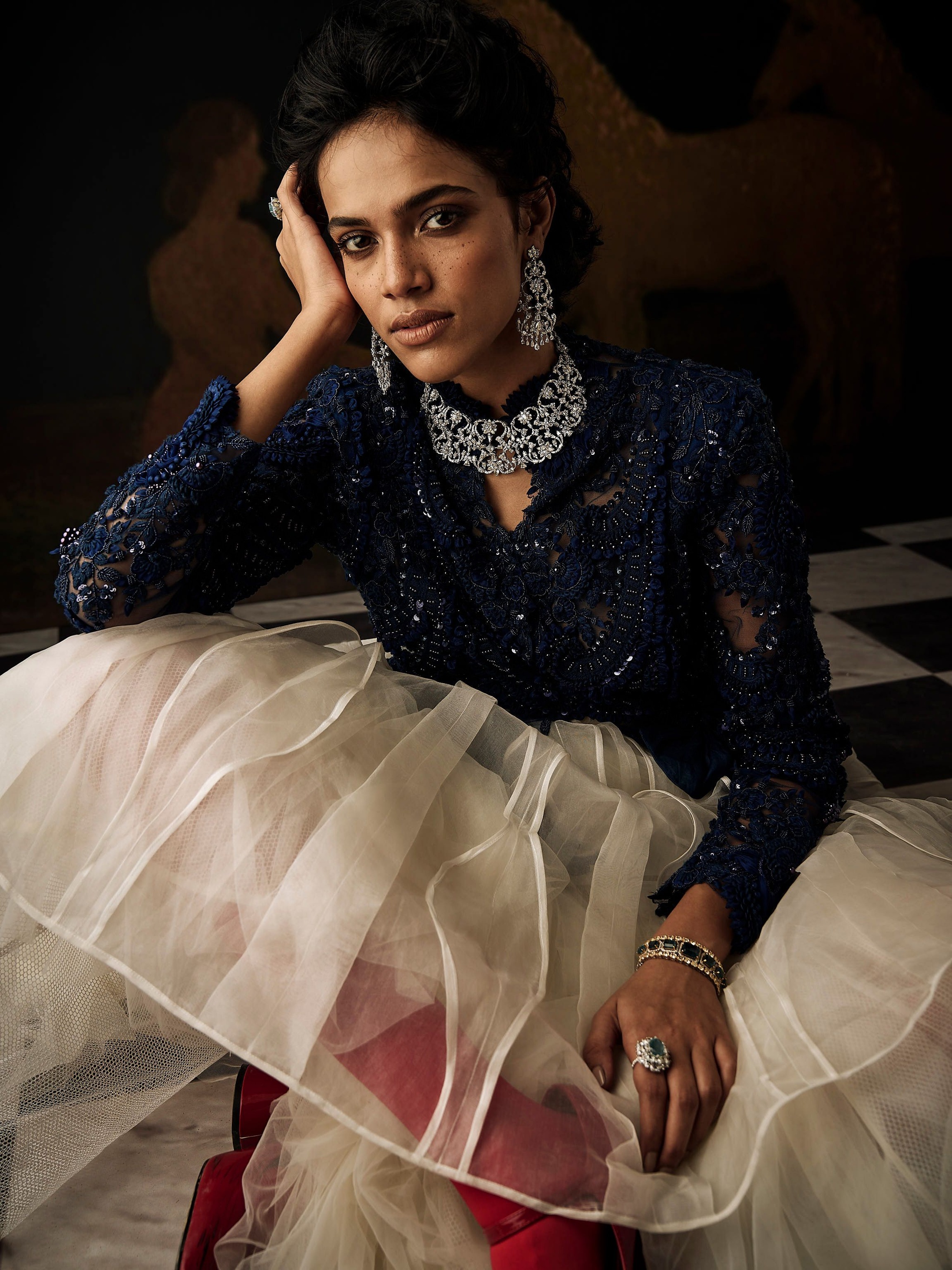
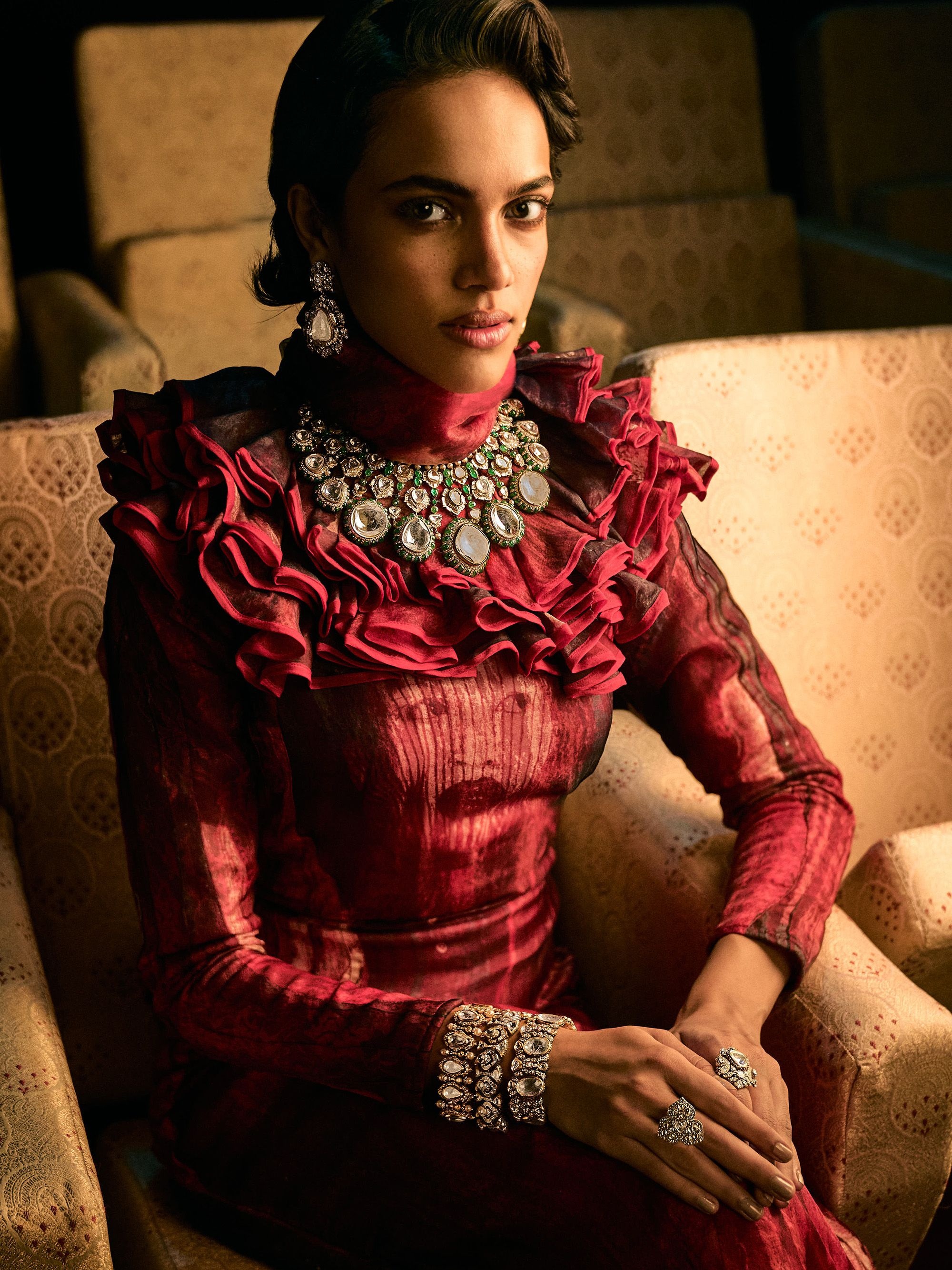
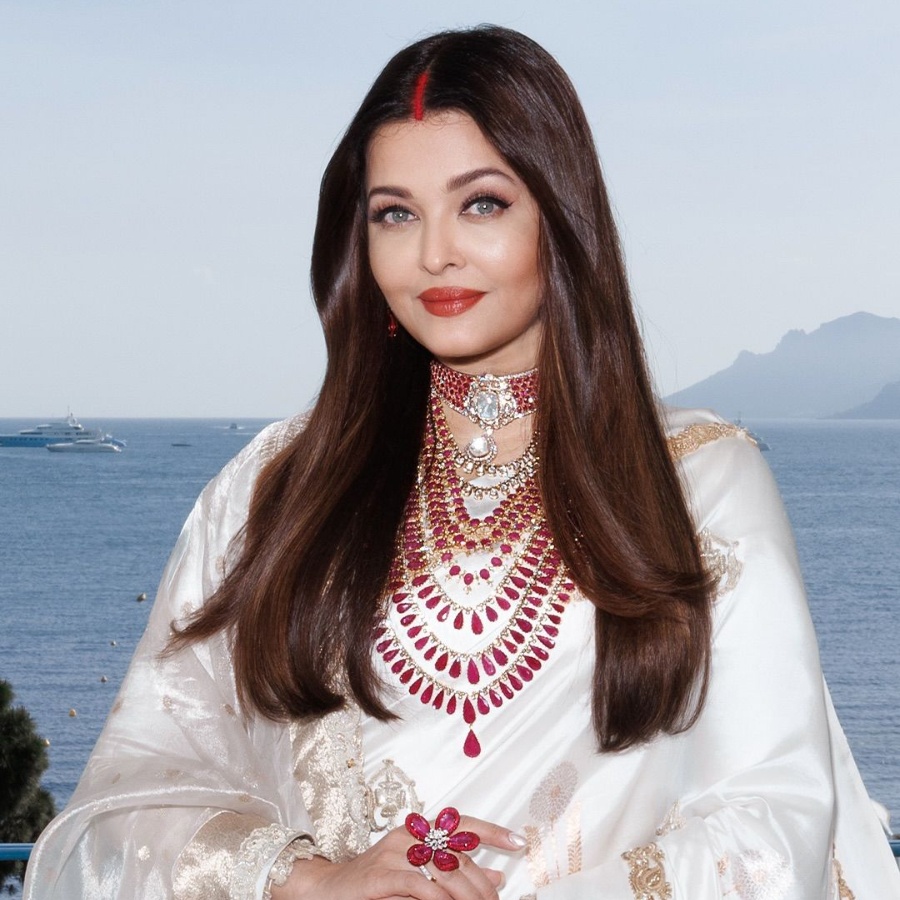
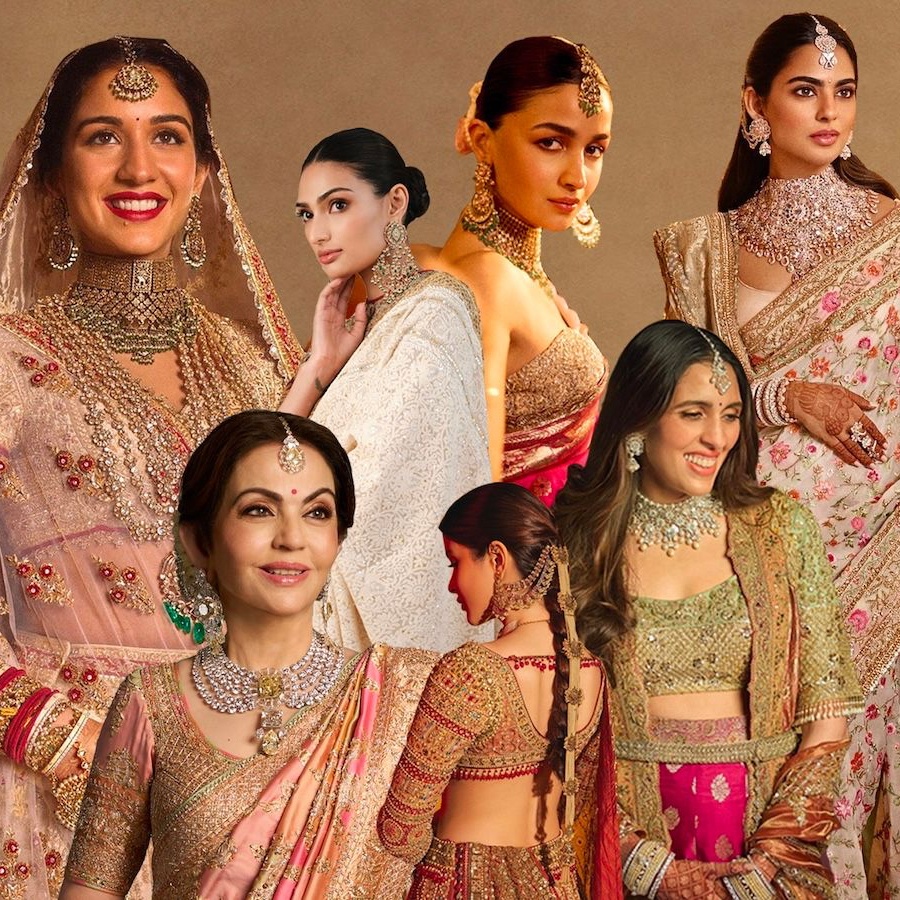
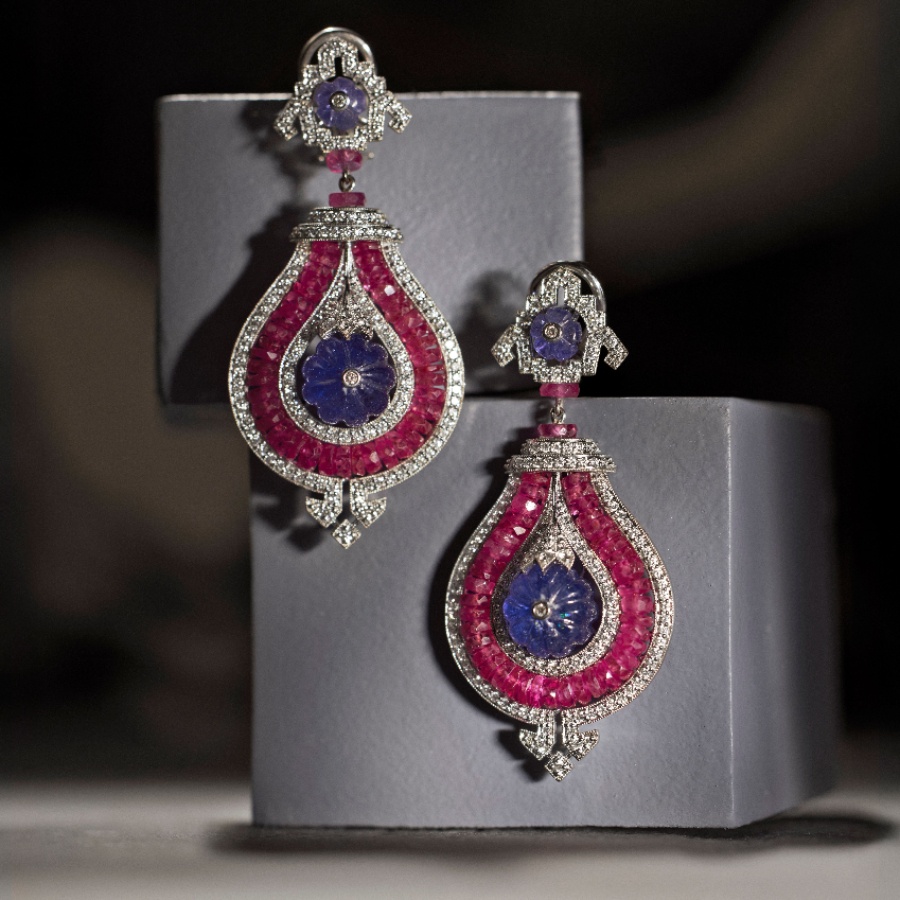
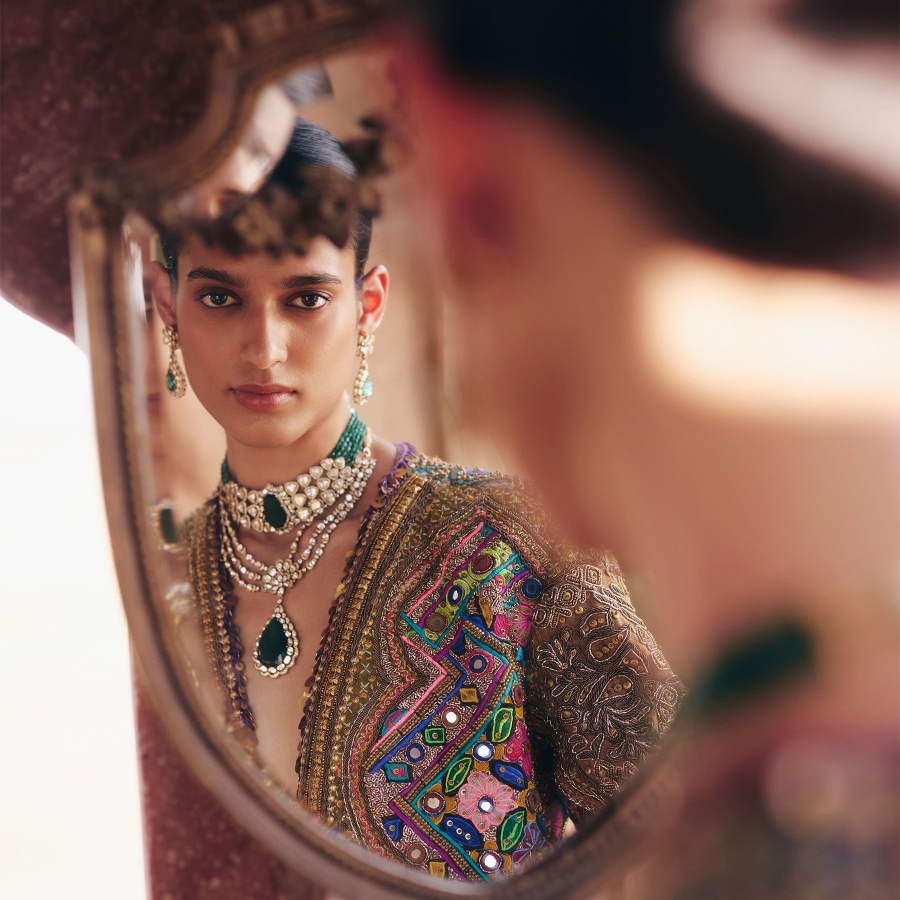
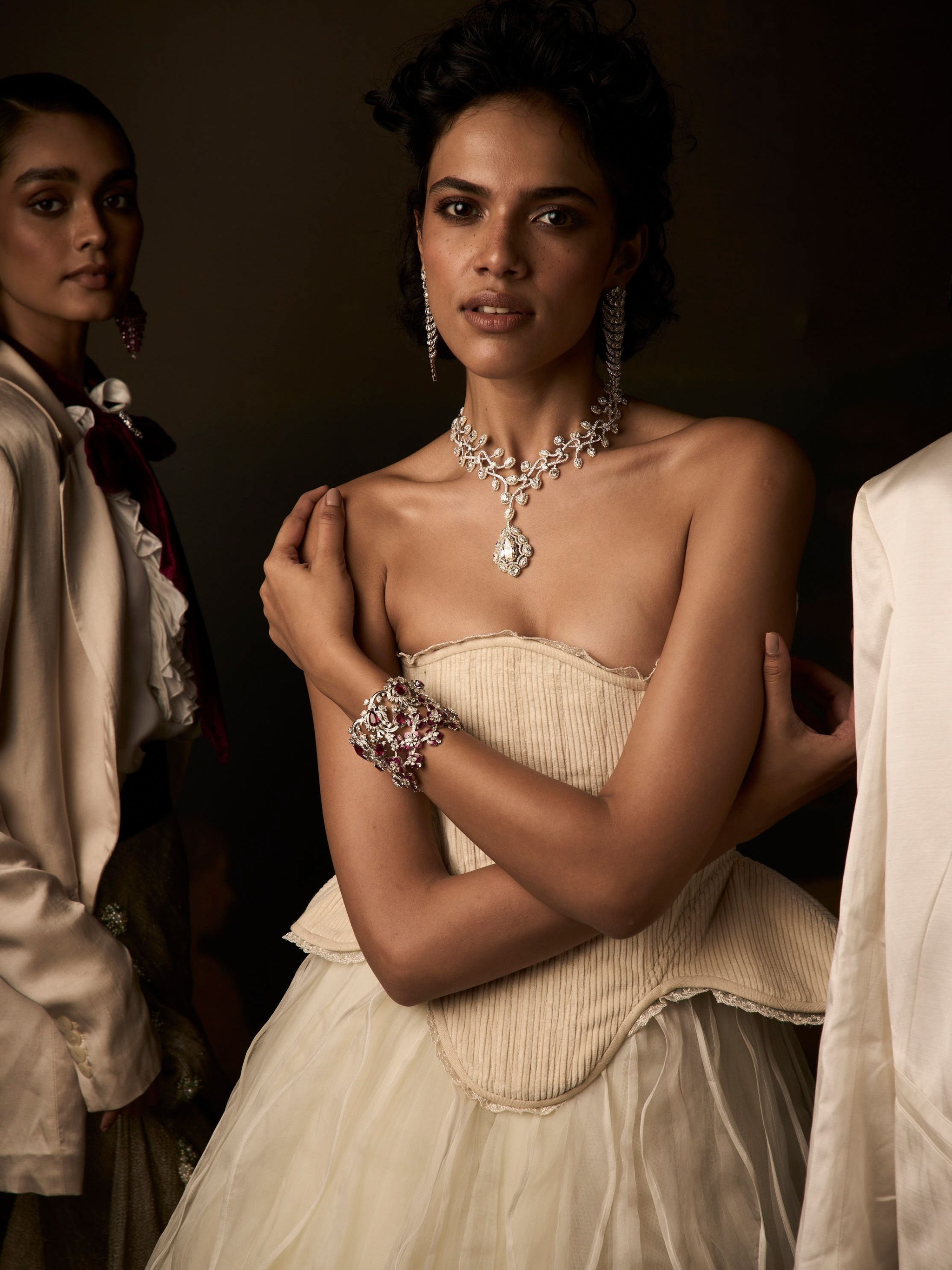
The wedding jewellery hierarchy is being rewritten. For a long time, the necklace was the non-negotiable centrepiece, but for the 2025-26 season, that energy has moved down to the hand. Brides are no longer treating their wrists as a space to fill with leftover bangles; instead, they are looking for substantial, standalone pieces. This isn't about adding more, but about choosing better. We’re seeing a real move toward the wide, textured cuff—often worked with rubies and diamonds in layered leaf or floral motifs. When worn alone on a bare wrist, it does the work of an entire stack. It’s a cleaner, sharper way of dressing that feels right for right now, moving away from the cluttered look of clashing bangles that often just turn into a blur of gold.

The disciplined stack

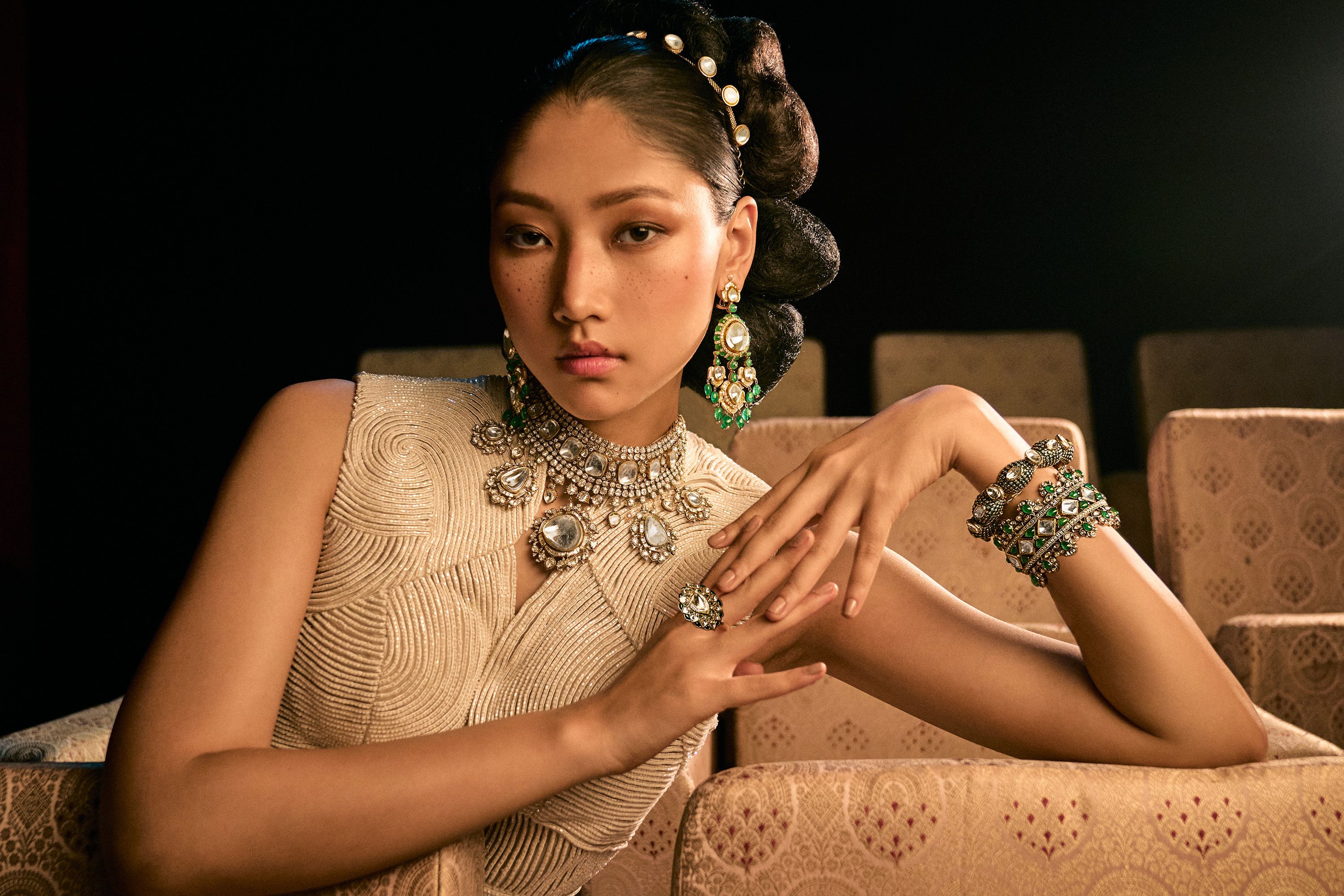
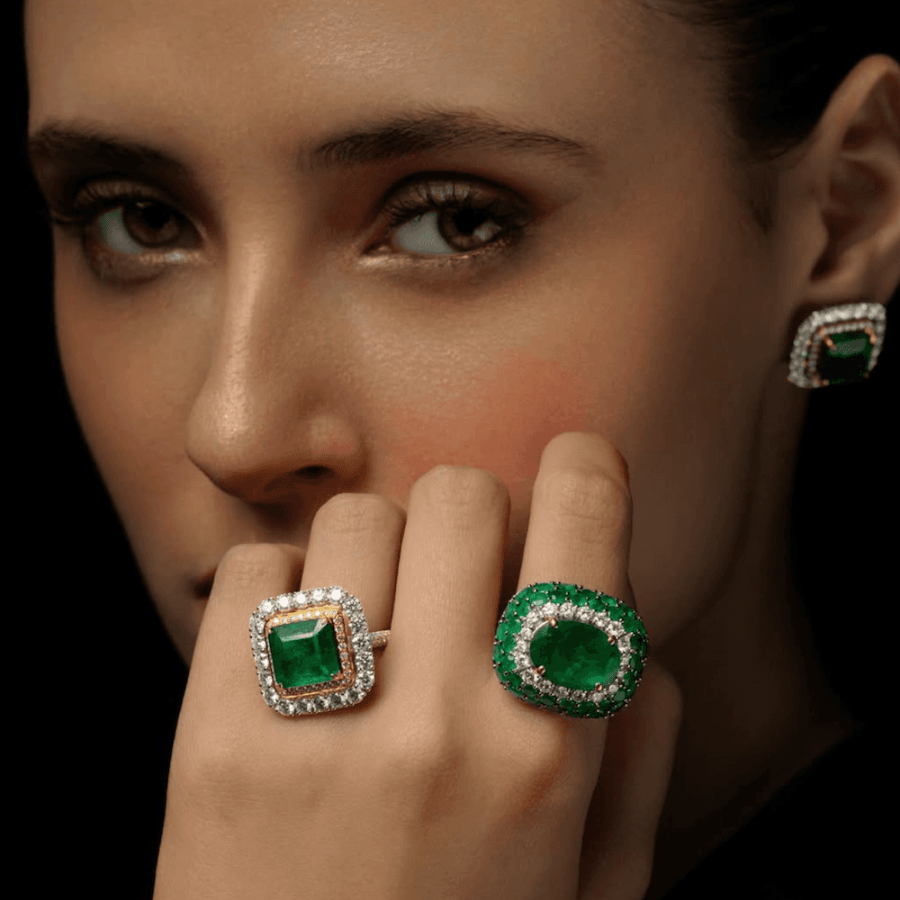
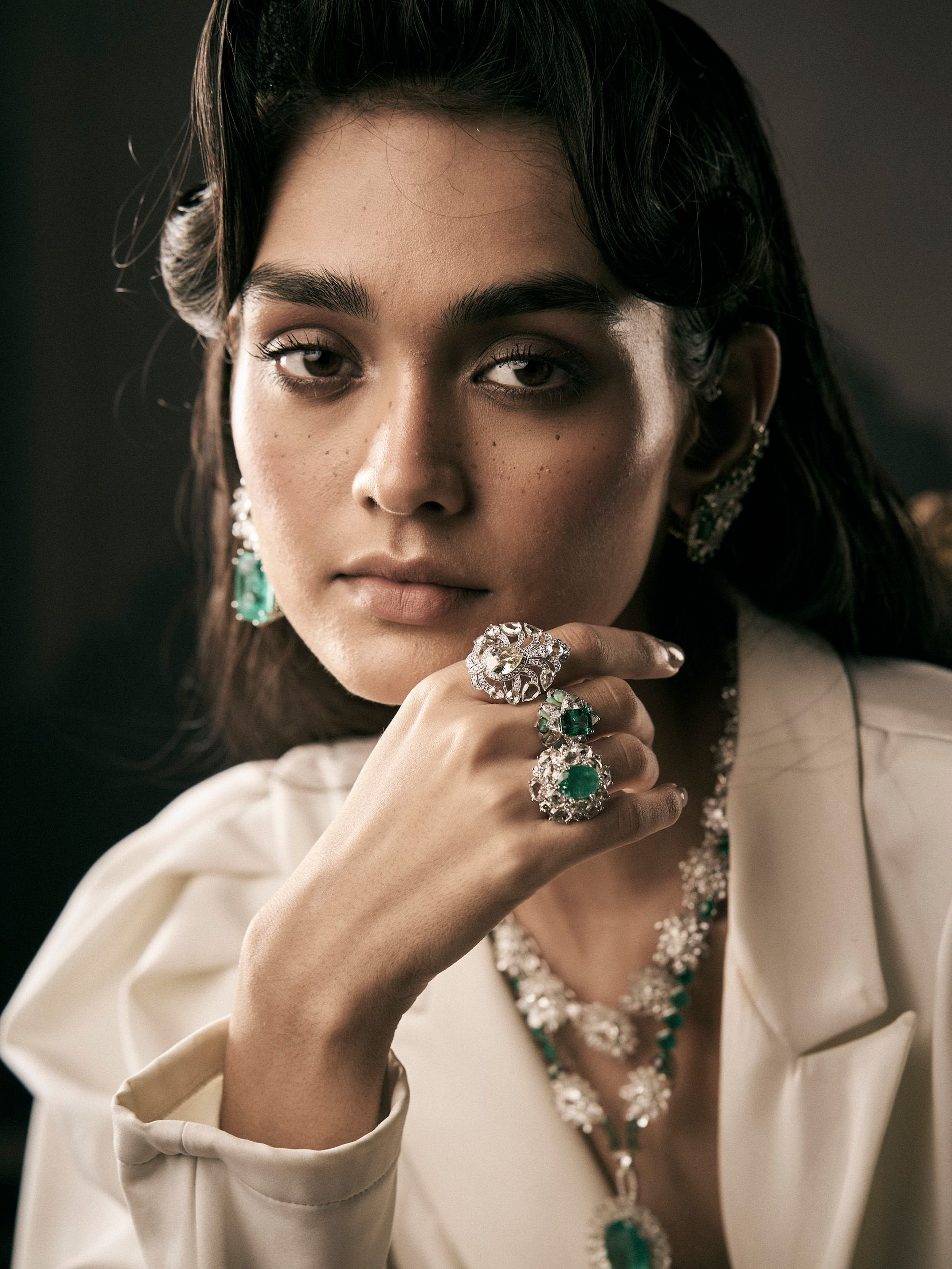
When the brief is traditional, the styling has become more disciplined. Instead of an indiscriminate pile of gold, Polki kadas are being used to bookend slimmer, stone-set bangles. This approach ensures each piece remains distinct, preventing the "wall of gold" effect where detail is lost. A single, hexagonal emerald cocktail ring is frequently used to ground these sets, providing a sharp geometric contrast to the rounded curves of the kadas.
The Close-Up Shift

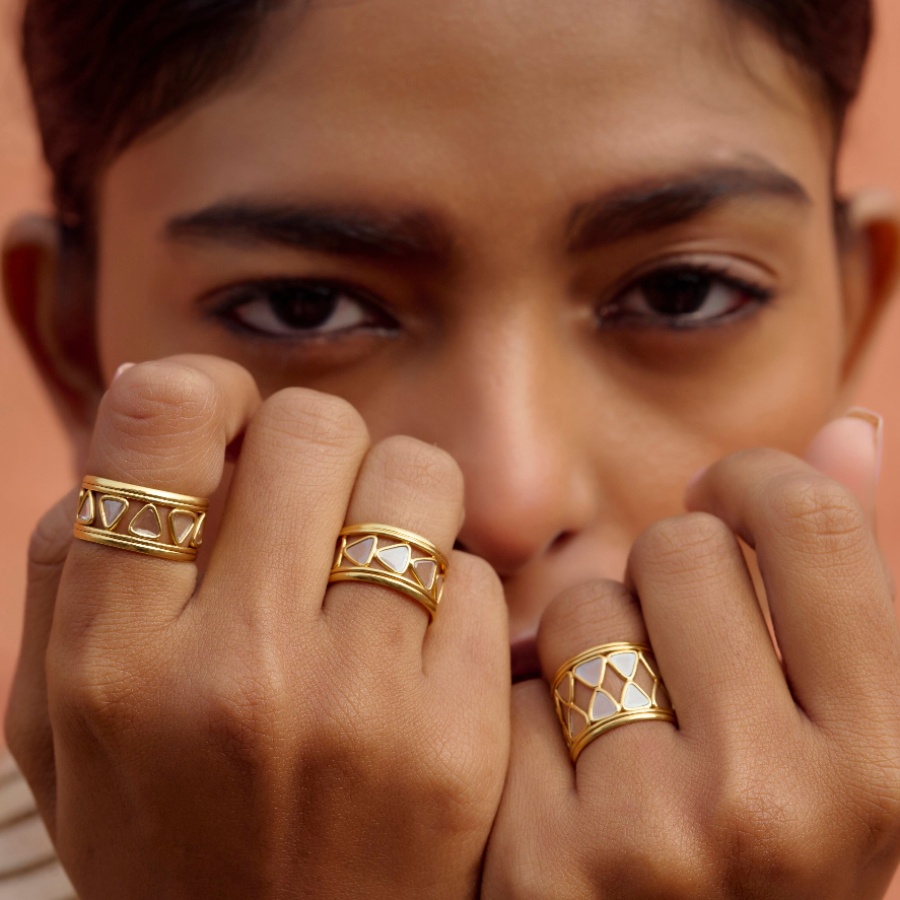
This evolution in buying habits is also a response to how weddings are documented. As visual storytelling moves toward more intimate frames—focusing on the precision of a mehendi design or the exchange of rings—the weight of the look has migrated. A necklace is often obscured by a dupatta or a high neckline, but the wrist and fingers are constantly in motion and on display. Consequently, the visual payoff of a well-chosen cuff now carries more weight than a secondary neckpiece. Brides are realising that a singular, well-crafted cuff often has more impact than a third or fourth layer around the neck.

Rings as the Main Event

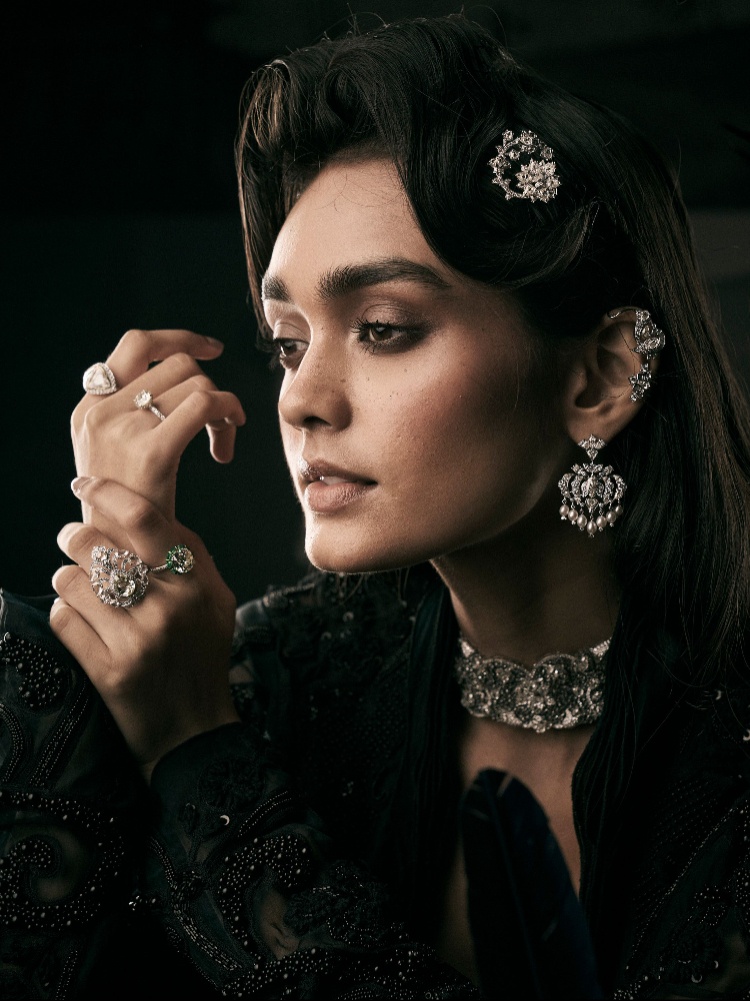
Brides are choosing pieces that occupy space rather than signal sentiment alone. Rings have also graduated from being secondary accessories to becoming the main event. The classic, quiet solitaire is being sidelined for pieces that take up more room. Think Pear-cut diamonds and emeralds that elongate the hand. Lattice work and clusters that add a bit of architectural depth. Multi-finger sets where the goal is coverage and a bit of contrast. Through the end of 2025, jewellers reported stronger movement in cocktail and multi-stone rings within bridal buying than in classic solitaires, particularly in urban markets. The shift is visible on the hand.

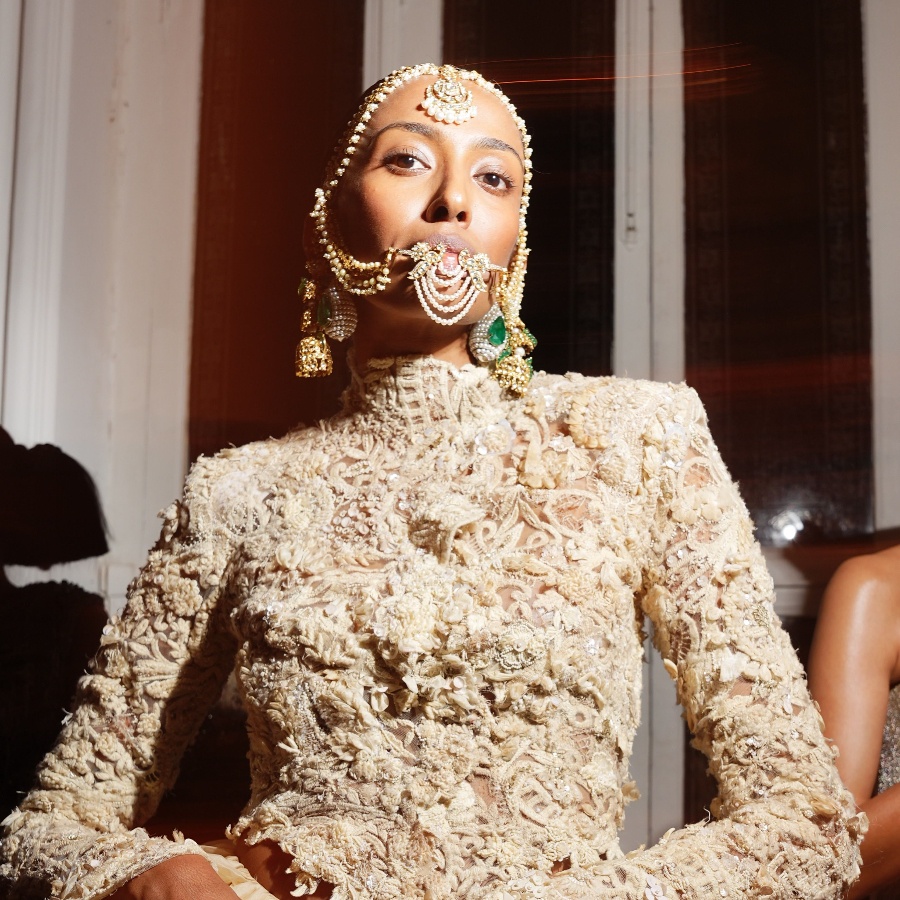
Heirlooms are also being reimagined. The slightly raw, uneven feel of old Polki works as a counterpoint to the sharp precision of modern diamond cuts. It’s a look that bridges two different eras without feeling forced. 

Birdhichand Ghanshyamdas

The styling for the 2026 bride is a study in balance: heavy wrists call for pared-back styling elsewhere, while cleaner lines allow rings to take the lead. Material choice is equally time-sensitive. Gold and Polki are being kept for daytime rituals to leverage their warm, dimensional texture. For evening receptions, the preference has shifted toward diamonds and sculptural forms that hold their shape under the moonlight. What’s clear is that wrists are a primary investment. As bridal wardrobes move toward this high-impact approach, Birdhichand Ghanshyamdas' pieces are already there.

The Nod Newsletter

We're making your inbox interesting. Enter your email to get our best reads and exclusive insights from our editors delivered directly to you.