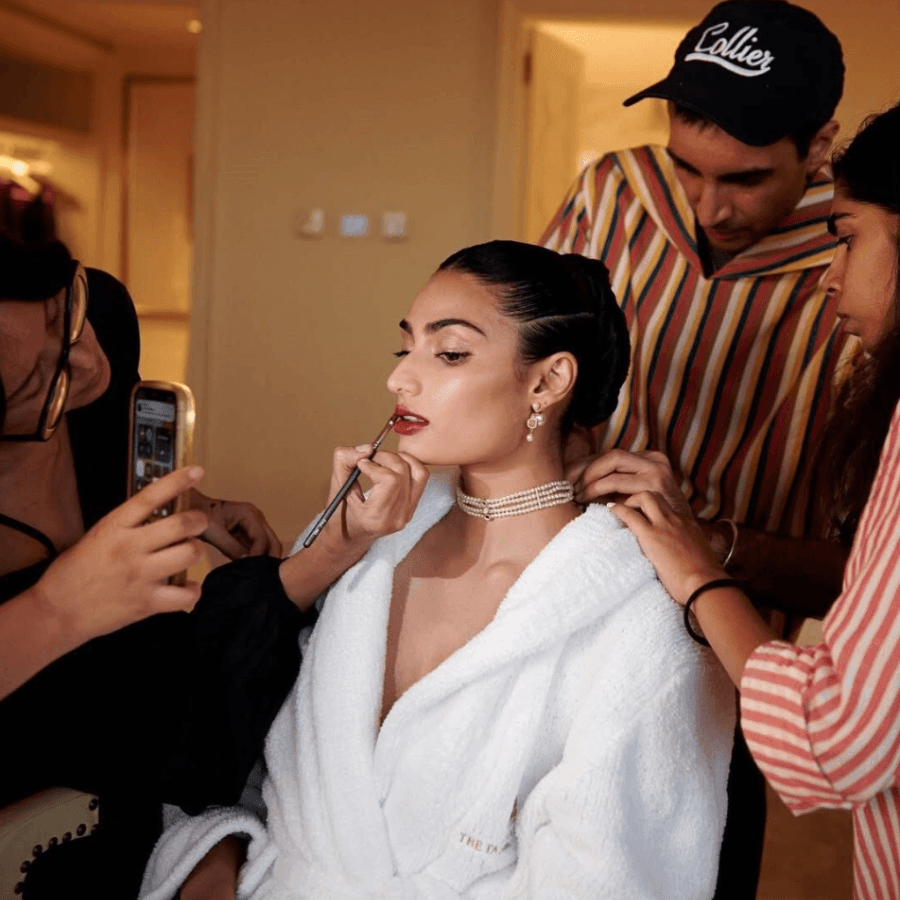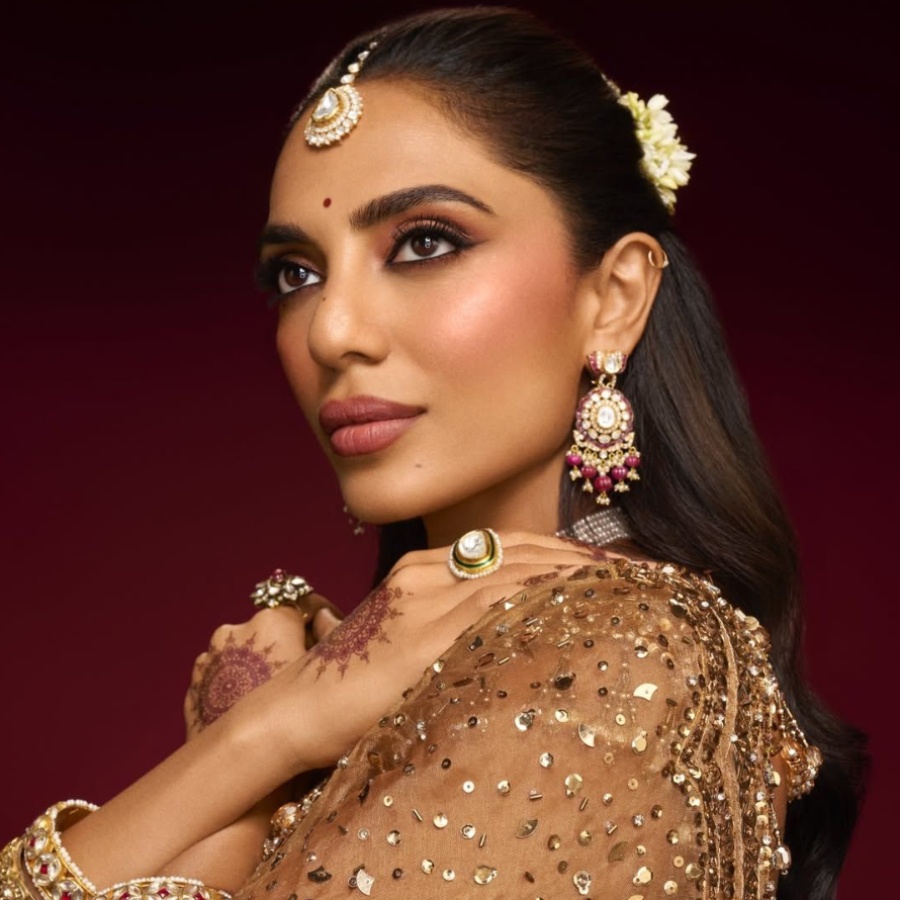


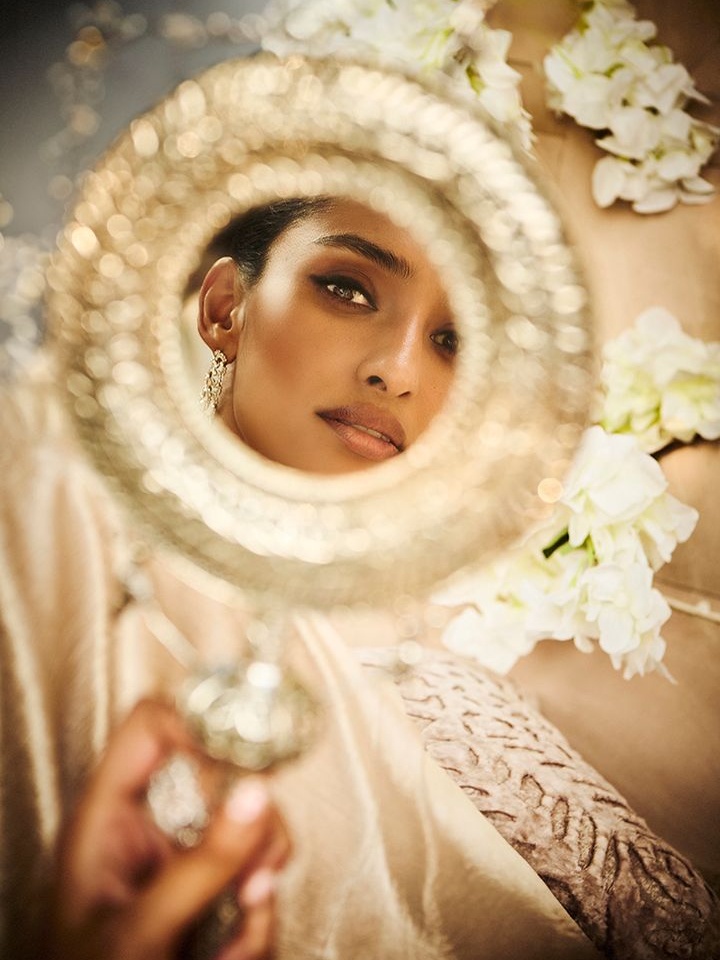

Once upon a time, bridal beauty was about visible transformation—bigger eyes, sharper cheekbones, fuller lips. Today, as weddings become more intimate and photography more unforgiving, brides are quietly rewriting the brief. The new goal is not obvious enhancement but a more natural look—think, lips that photograph beautifully and still feel entirely yours.
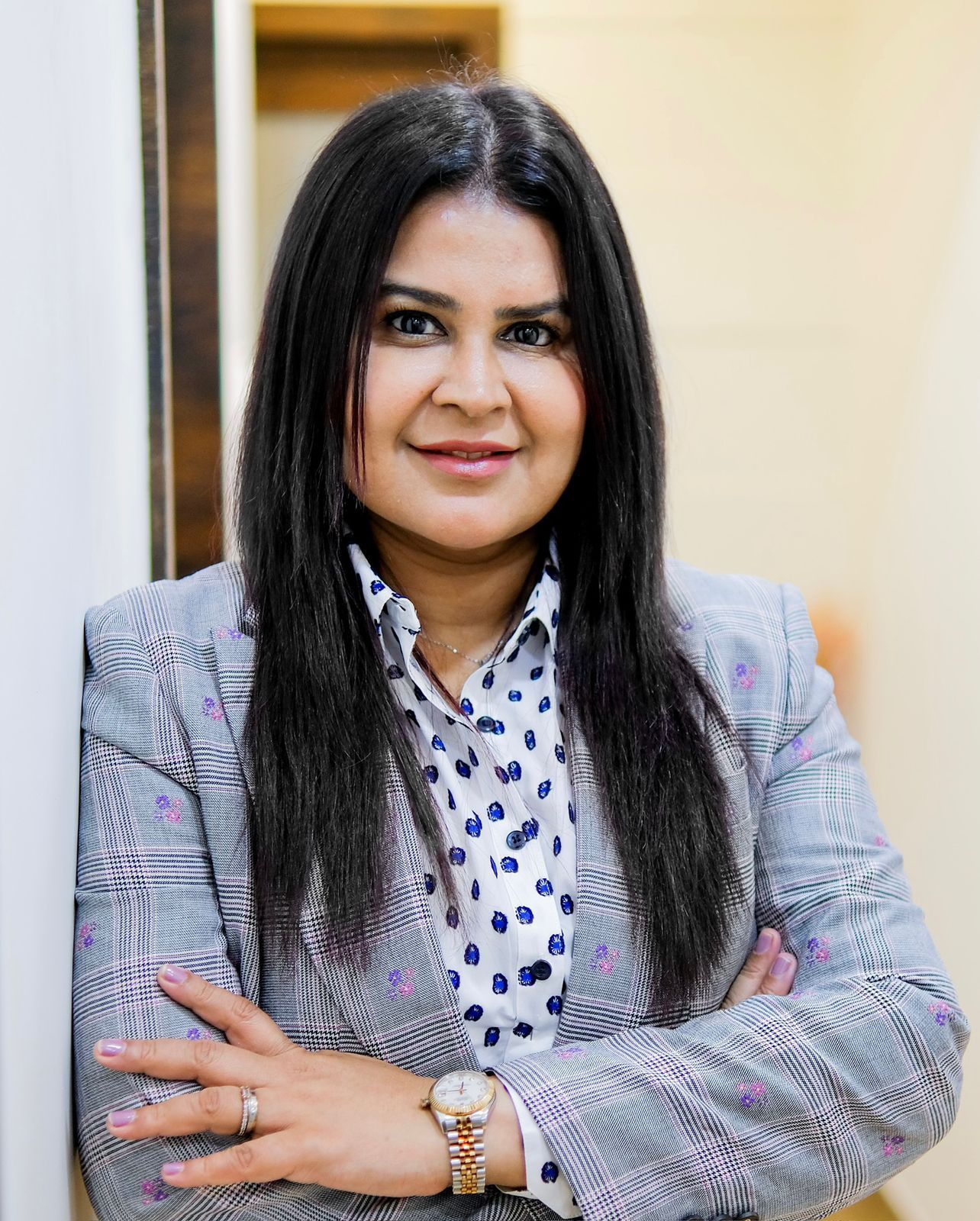
According to Dr Madhuri Agarwal, founder and medical director of Yavana Skin and Hair Clinic, lip fillers have evolved far beyond the pursuit of size. “Brides now want lips that look good in real life, in candid moments and months after the wedding—not something that only works on social media,” she explains.
Finally, lips that don’t lie
The latest generation of lip fillers is designed to move with facial expressions rather than sit stiffly on the lips. Newer hyaluronic acid–based fillers adapt to movement, so you can move beyond portrait mode and smile, talk, laugh, guffaw, frown and smirk (yes, actually emote!) through your ceremonies and celebrations.
Dr Agarwal notes that in India, practitioners now work with cross-linked hyaluronic acids of varying viscosities. “This allows us to customise results—using firmer textures for definition and softer ones for hydration and gentle volume,” she says. Combination approaches, where fillers are paired with skin boosters, are increasingly popular for achieving a plush yet believable finish.
We’re over overfilling
If there’s one error Dr Agarwal sees repeatedly, it’s overfilling—often done too close to the wedding. While fuller lips may look appealing on edited social media posts, they can appear uneven in person and under professional photography.
“Lips are delicate structures, and poor technique can lead to lumps, unevenness or excessive swelling,” she cautions. She has consulted several brides who sought urgent corrections after choosing inexpensive or inexperienced injectors. “Fixing botched fillers takes time and adds unnecessary stress before a wedding. The best advice is simple: less is more, and always choose expertise over cost.”
But make it camera ready
Naturally fuller, camera-ready lips begin with proportion and balance. Dr Agarwal evaluates the entire lower face—the chin, jawline, teeth and smile—before formulating a plan. “Lips that complement the face are always more aesthetically pleasing than lips treated in isolation,” she says.
Technique is as important as product choice. Using a combination of refined methods developed over years of practice, her focus remains onsymmetry and harmony rather than sheer augmentation. One insight borrowed from professional photography is the value of structure: a touch of upper-lip definition can enhance light reflection, creating a natural highlight. “Superior structure, not extra volume, delivers the best photographic results,” she explains.
We’re in our hydration-first lips era
There has been a clear shift from “big lips” to “juicy lips”—and Dr Agarwal welcomes it. Brides are increasingly requesting hydration and texture improvement rather than dramatic volume.
Hydration-focused fillers offer gentle plumpness while deeply nourishing the lips, leaving them smooth and supple without looking overdone. So if you want no added volume, Dr Agarwal recommends pure skin boosters—non-cross-linked hyaluronic acid combined with amino acids and vitamins. Delivered via micro-injections, these treatments soften fine lines, improve texture and impart a natural sheen. The effect, she says, is like using an exceptional lip balm consistently for months.
It's all about the timing
When it comes to injectables, timing is critical. Dr Agarwal avoids lip fillers within four weeks of a wedding, preferring a six-to-eight-week buffer. While swelling typically settles within 48–72 hours, minor puffiness can persist, and bruising—though uncommon—remains a possibility.
Her ideal schedule involves starting treatments two to three months before your wedding, reassessing with a possible touch-up around six weeks out, and then stopping. “This allows the lips to heal fully and look effortless on the big day,” she says.
Make it about you!
Every treatment plan begins with a consultation. Dr Agarwal asks brides to share photographs in which they felt most beautiful—images of themselves, not celebrities. This helps her understand each bride’s aesthetic sensibility.
If you’re a more minimal bride she recommends opting for skin boosters, mild botulinum toxin and, if required, a small amount of filler purely for hydration. If you prefer big glam drama, then opt for more definition through strategic filler placement, always balanced to avoid excess. And finally, if you’re more traditional and want just that bit of refining, then focus on radiance, even tone and subtle correction rather than obvious enhancement.
Cultural context and where your comfort zone lies plays a significant role. “In some families, visible cosmetic intervention is discouraged; in others, it’s accepted or even expected. These sensitivities must be handled thoughtfully,” she notes. And at the end of day, it’s about what makes you happy and the look your most comfortable with.
Not-so-risky business
Most injectable treatments involve minimal downtime, with mild swelling or bruising lasting 24 to 48 hours. A week is generally sufficient for full recovery. Lip fillers can swell more than other areas, while botulinum toxin has little to no downtime but takes up to ten days to show results.
Although serious complications are rare, they are possible. Dr Agarwal emphasises the importance of consulting board-certified dermatologists and avoiding alcohol, blood thinners and intense exercise for at least 24 to 48 hours around treatments to minimise bruising and risk.
What happens after the wedding?
Hyaluronic acid fillers typically last between six and eighteen months, with lip fillers averaging six to nine months. Skin boosters and biostimulators fade more gradually, often leaving behind improved texture and quality even after the product itself has dissipated.
“Brides often worry they won’t recognise themselves later,” Dr Agarwal says. “When done well, injectables fade naturally. You continue to look refreshed—never abruptly different.”
The shift towards subtlety
The evolution of bridal beauty is unmistakable. Where once there was pressure to conform to a narrow ideal, today’s brides are embracing individuality. Increased awareness of overfilled, artificial results has encouraged a more discerning approach to cosmetic treatments.
From a medical standpoint, subtle and conservative enhancements are not only safer but also more timeless. As Dr Agarwal puts it, “The role of a dermatologist is not to create a new face, but to help you feel radiant, confident and authentically herself—especially on a day that will be remembered forever.”