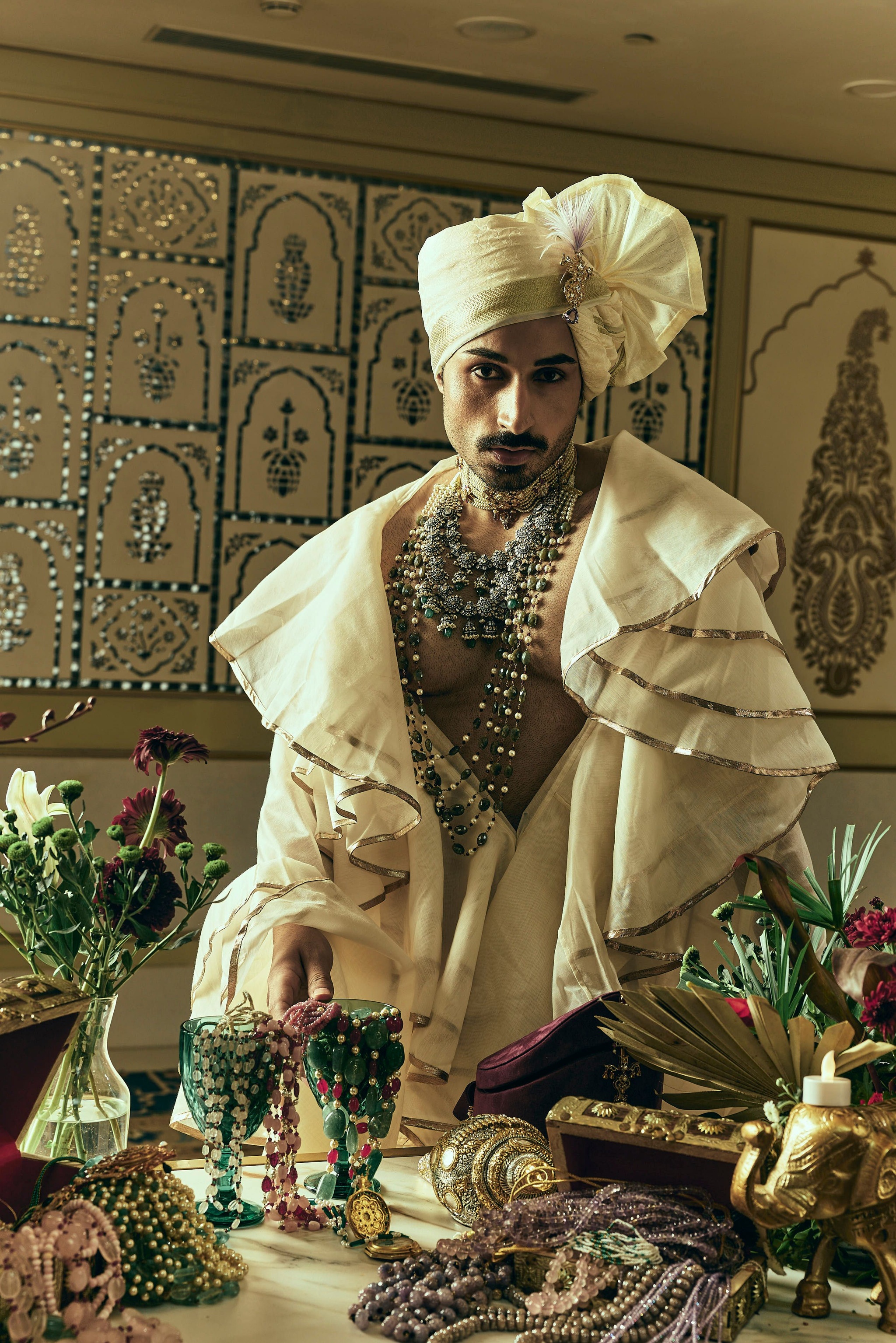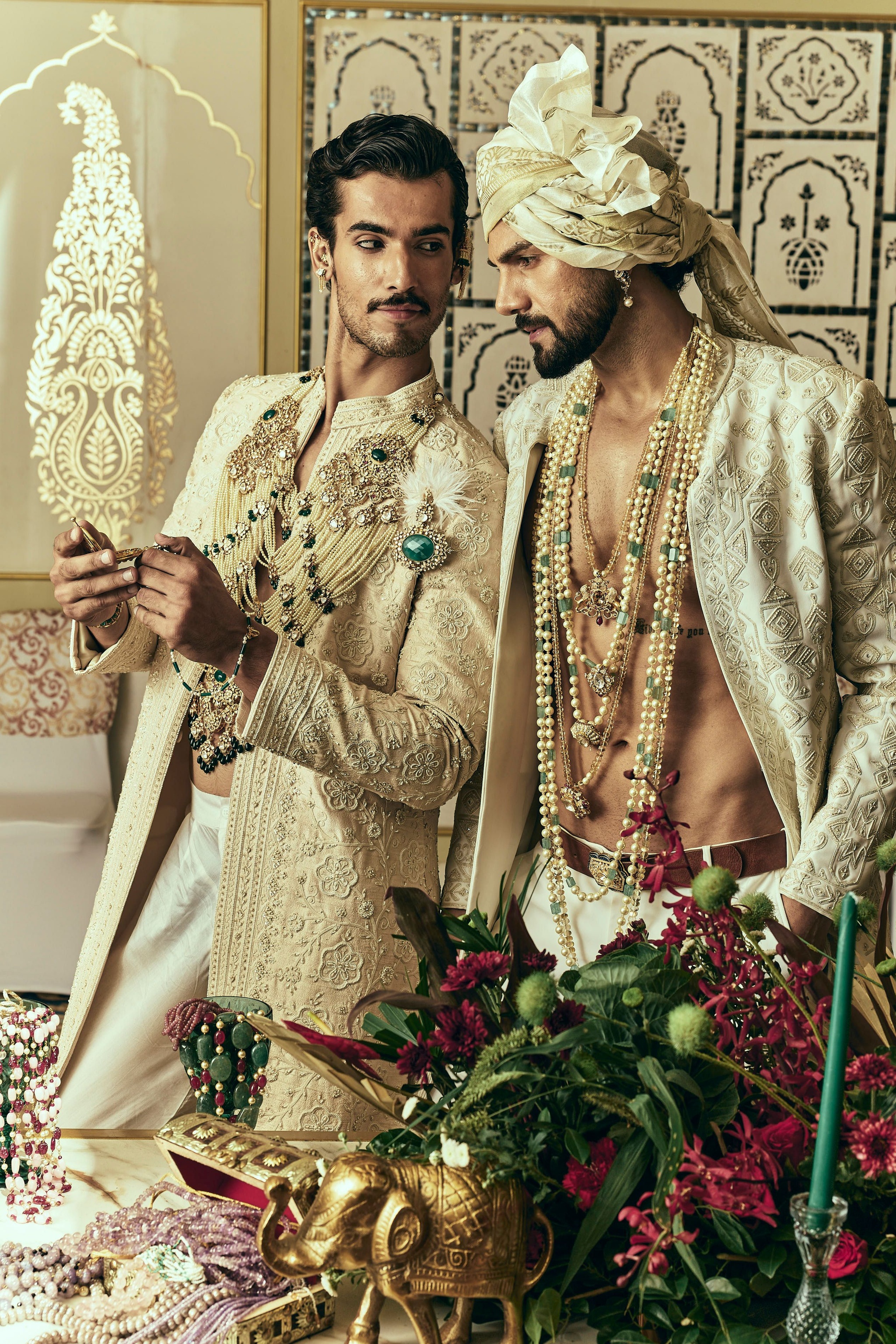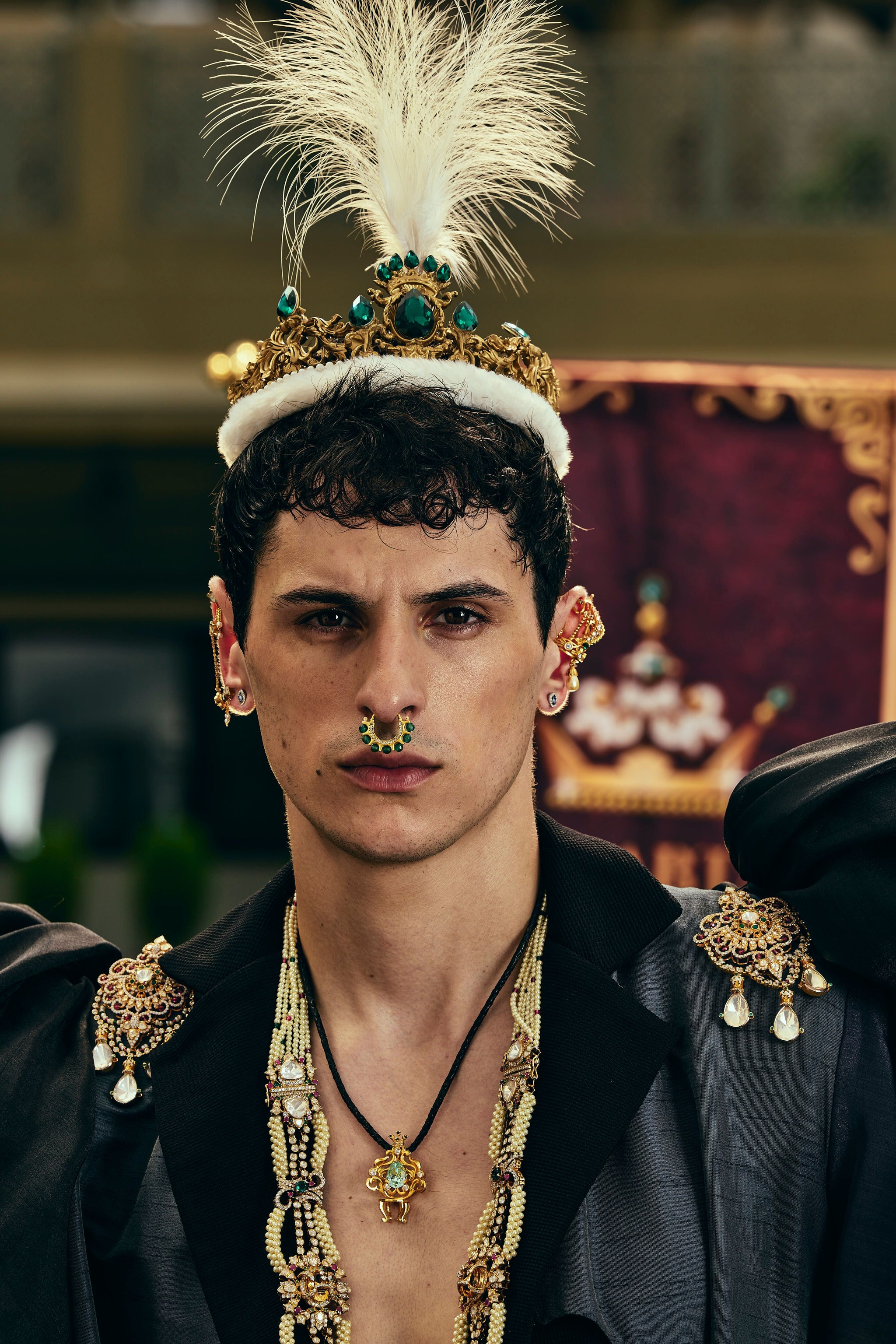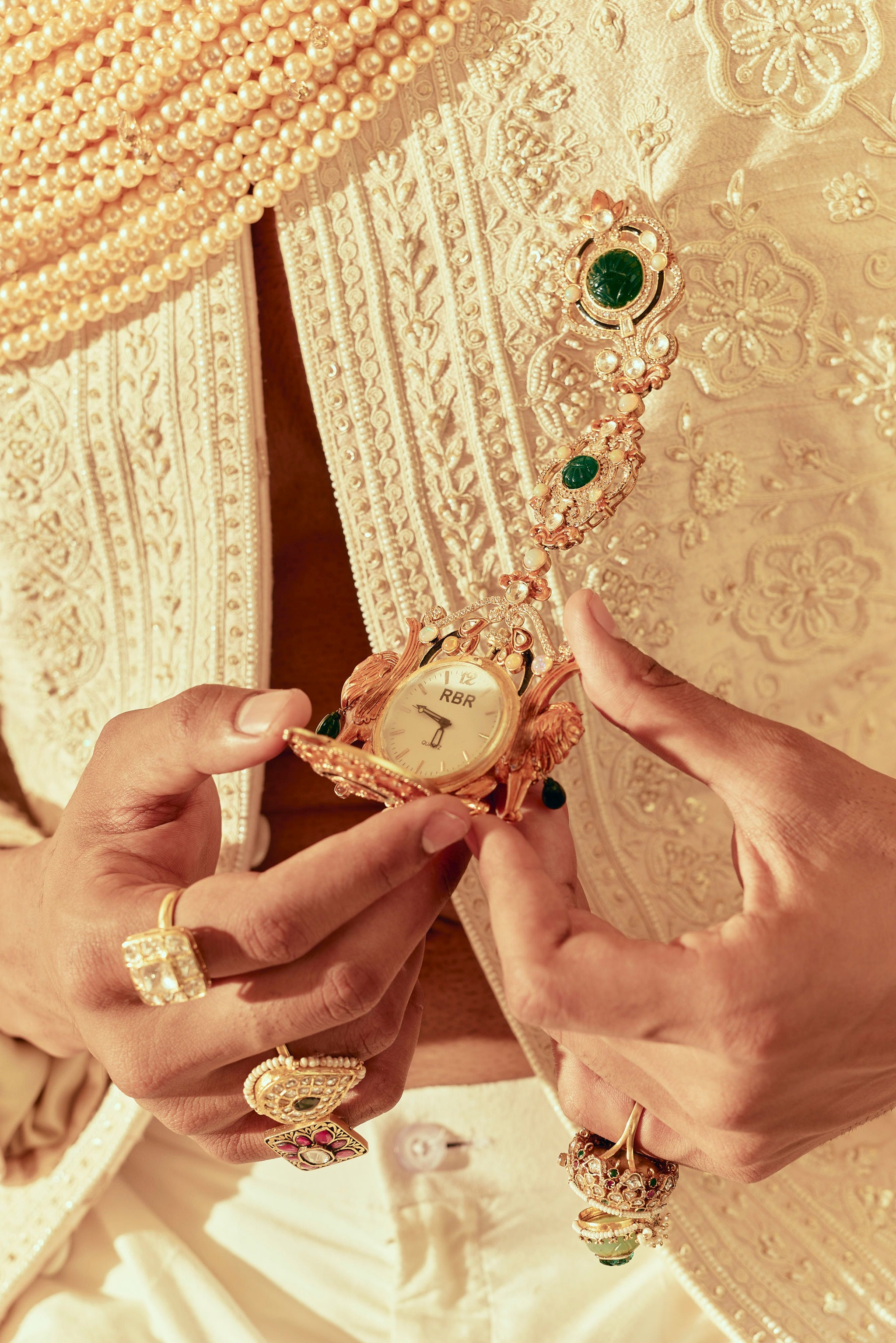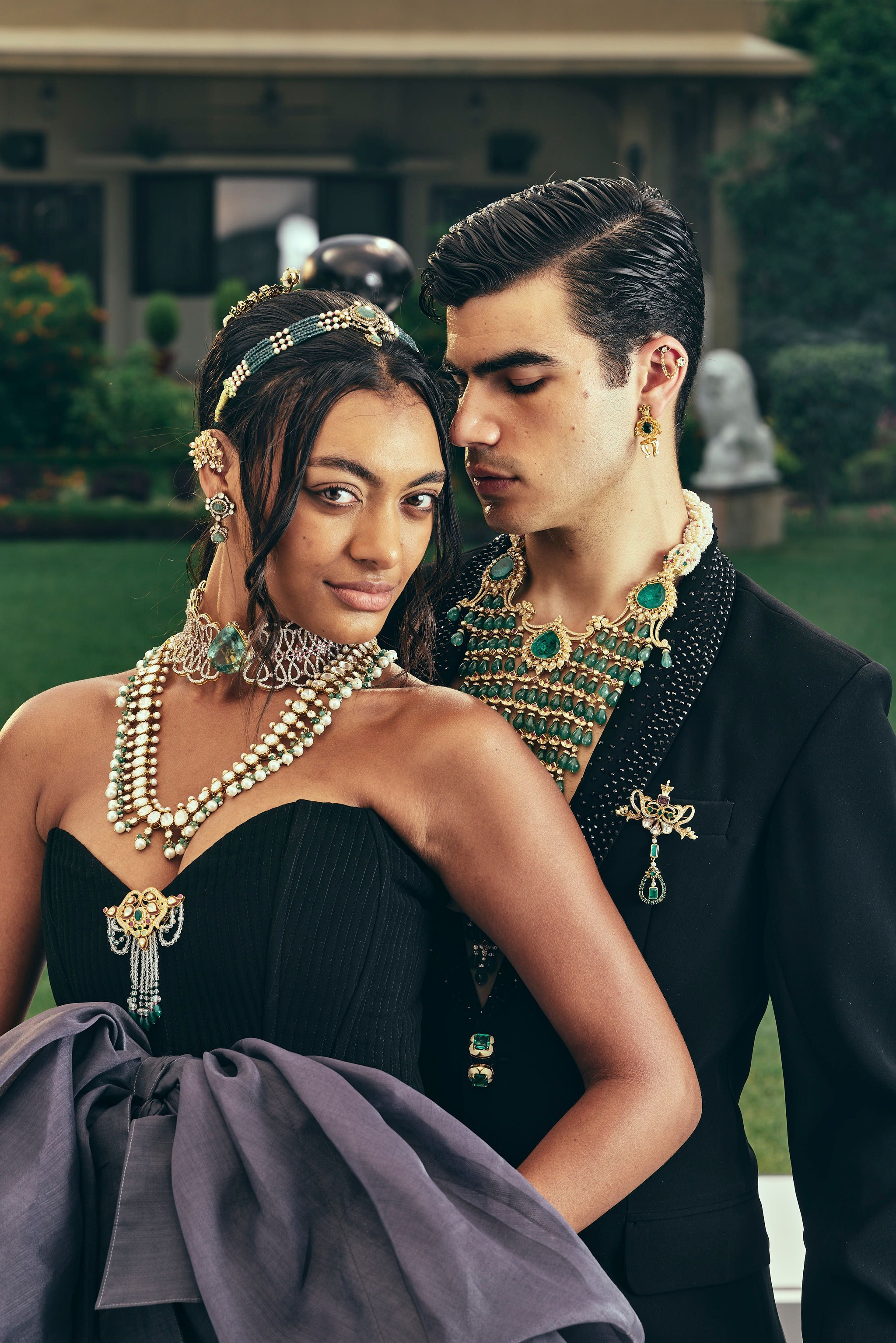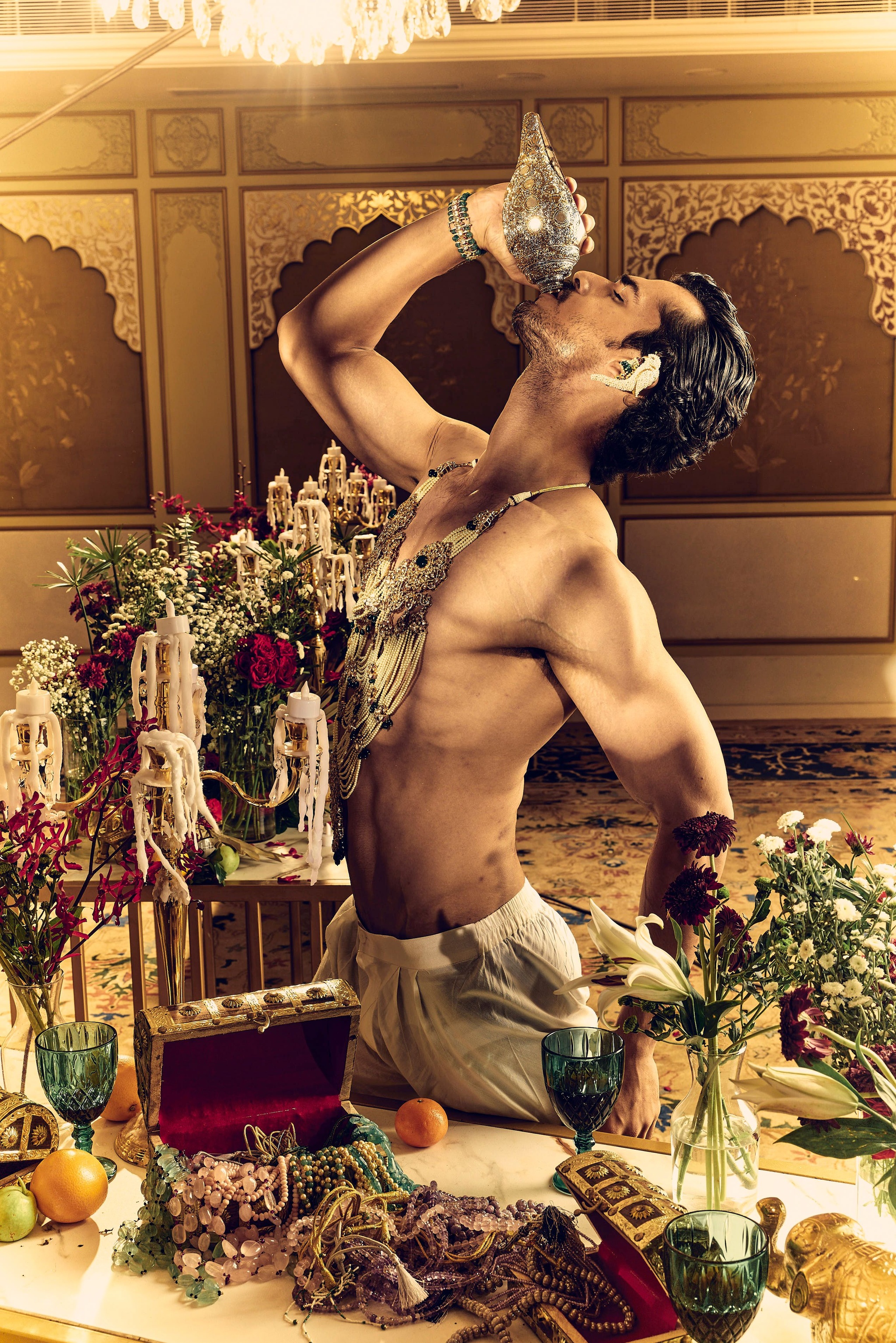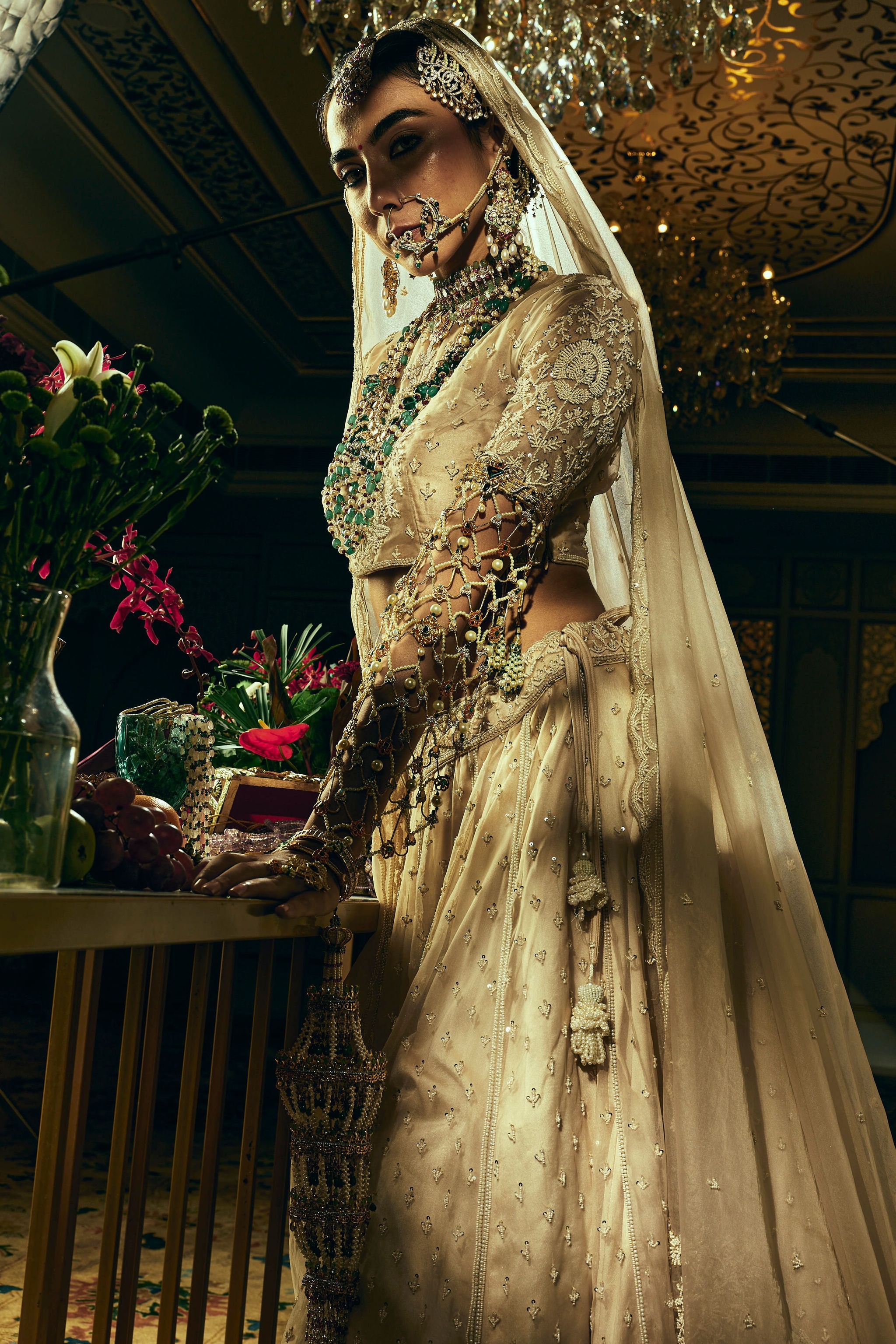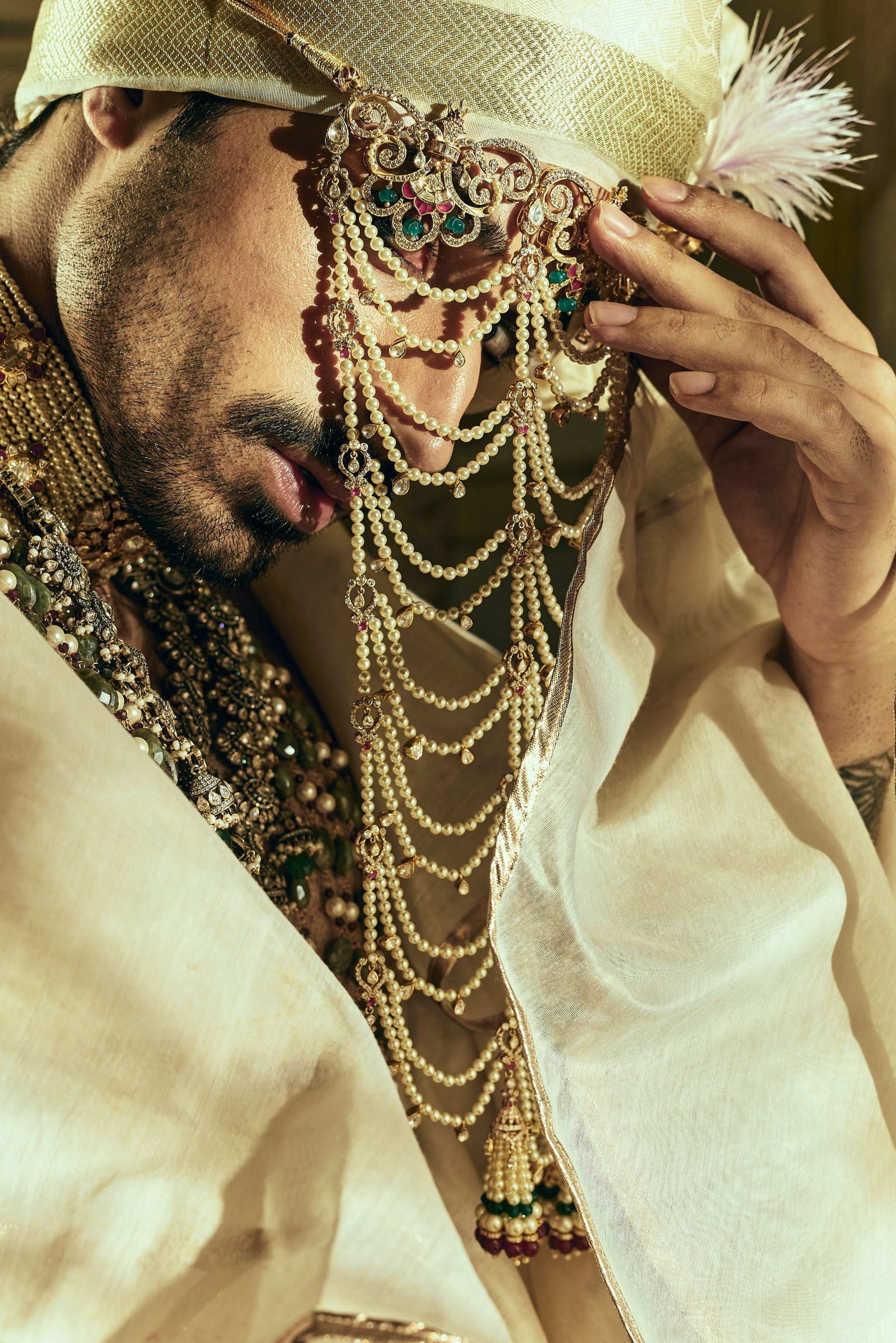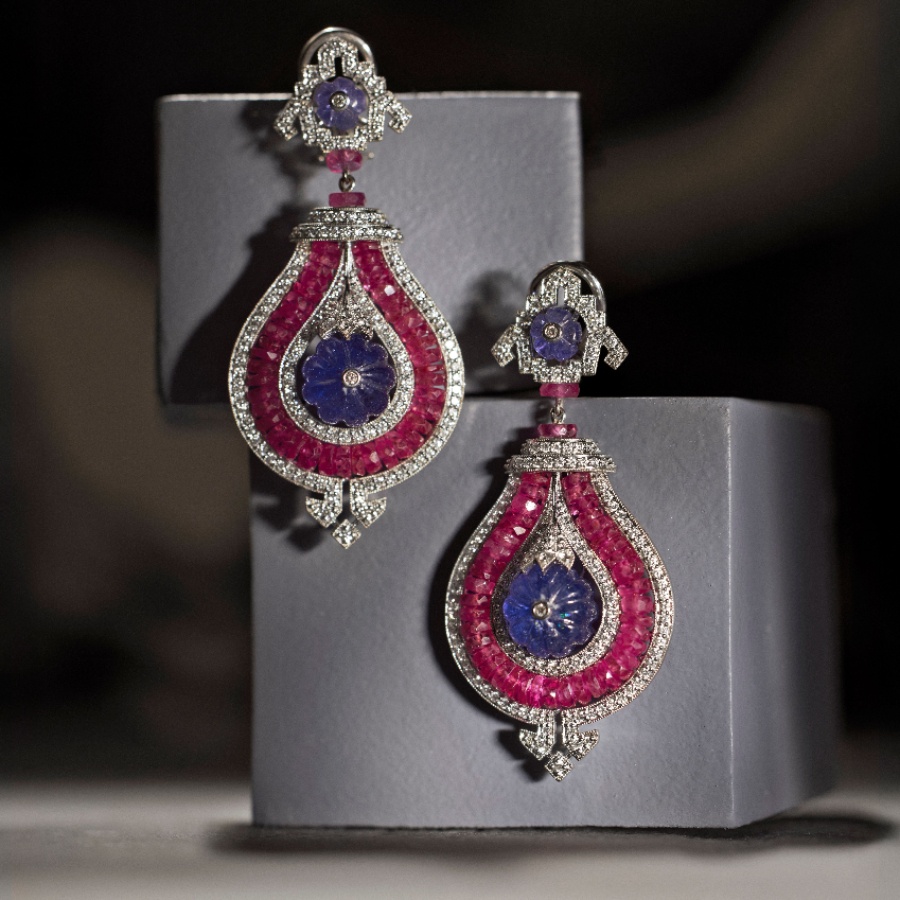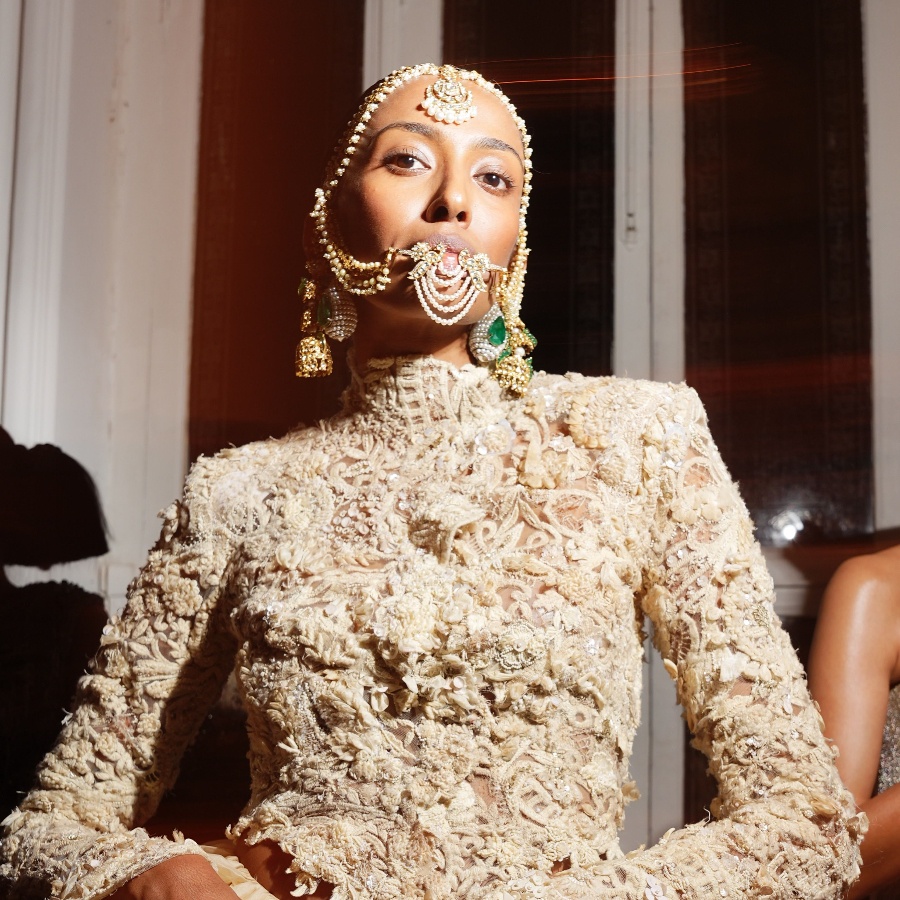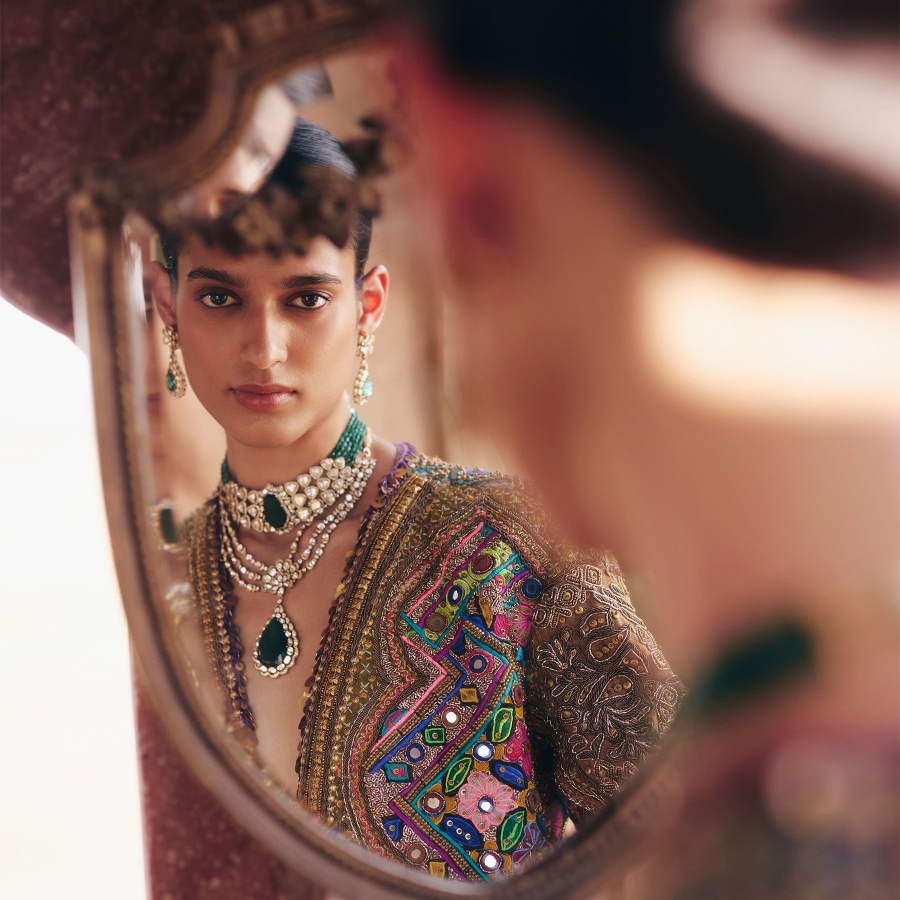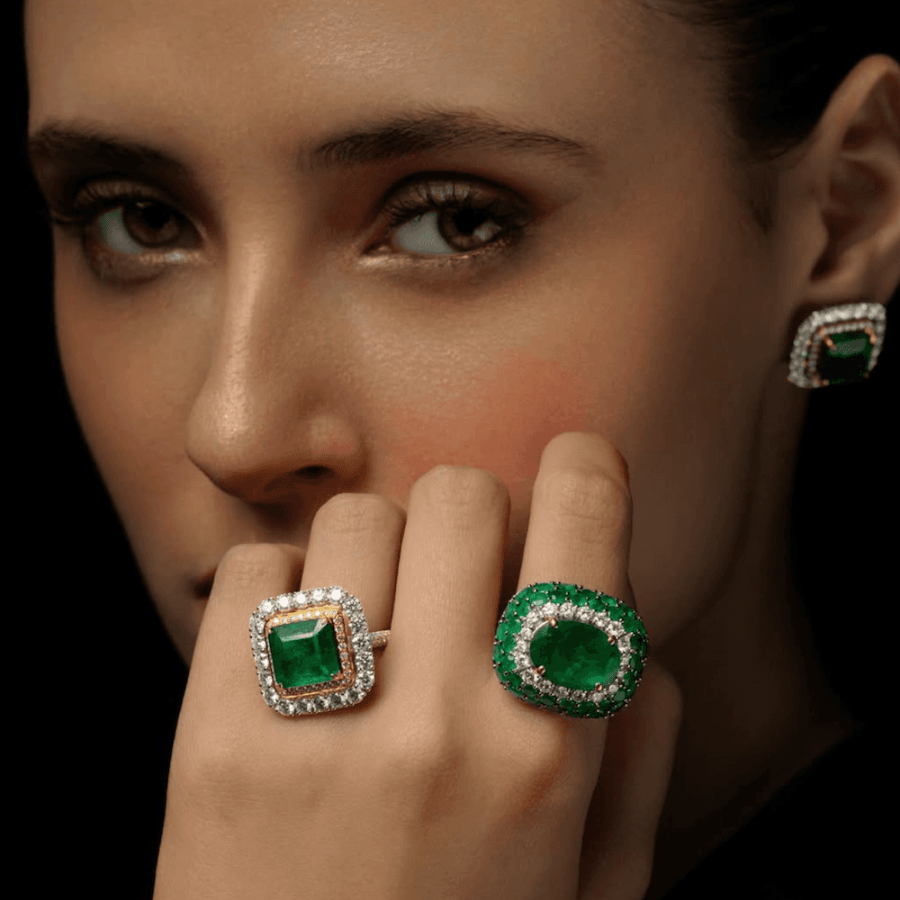


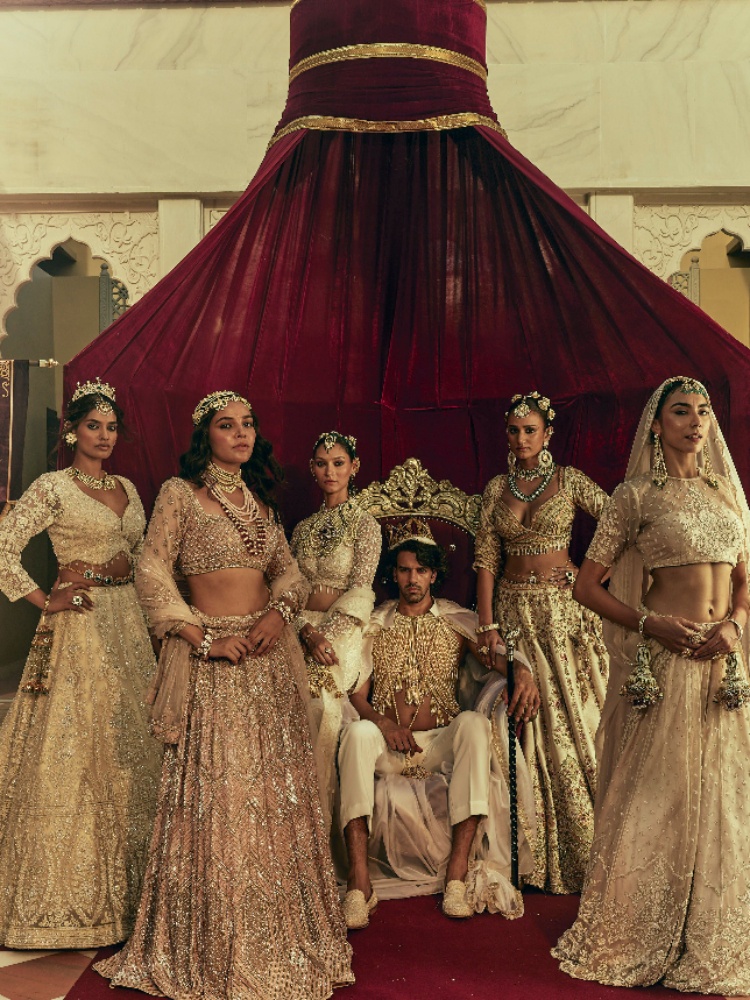

If Raabta by Rahul’s latest collection ‘Saltanat’ were a place in time, it would be a late evening in a palace courtyard in Hyderabad at the turn of the nineteenth century. Jasmine and vintage attar in the air, high arches blending Persian symmetry with European glass, and a white marble fountain catching the moonlight with ghazals in the background. "A space where the old world is raising a glass to the incoming modern age," Rahul Luthra, creative director and jewellery designer says. "Calm, confident, and breathtakingly beautiful."
For Luthra this collection is the culmination of two years of researching, drafting, refining, and looking, really looking, at archival motifs, heritage textures, the history of Deccan aesthetics, and the intricate crafts and techniques of traditional Indian bridal jewellery and accessories. Named ‘Saltanat’ for its tribute to Indian royalty while quietly signalling a new reign of traditional bridal jewellery, but done Luthra’s way. "It wasn't born out of arrogance," he says, "but out of a feeling of immense responsibility. It felt as though we were establishing our own creative empire, a safe haven where the grandeur of a bygone era could rule again."
That bygone era though, has a very specific address. It draws its breath from the opulent courts of Deccan India and the cosmopolitan heritage of Hyderabad. A court that was never, Luthra is emphatic, a singular or rigid thing. The Deccan carried the poetic weight of Islamic dynasties alongside the refinement of the Nizams, strong Dravidian and Maratha influences, and a distinct absorption of European aesthetics through trade. "It was fluid, extravagant, deeply artistic," he says. "And that specific Deccan syncretism is what anchored everything." Rich and historically profound, yet largely underrepresented in mainstream luxury jewellery narratives. ‘Saltanat’ is, in part, his attempt to correct that.