
This is how you wear your Ritu Kumar on repeat

Crafted for the wedding and styled for everything after

Image

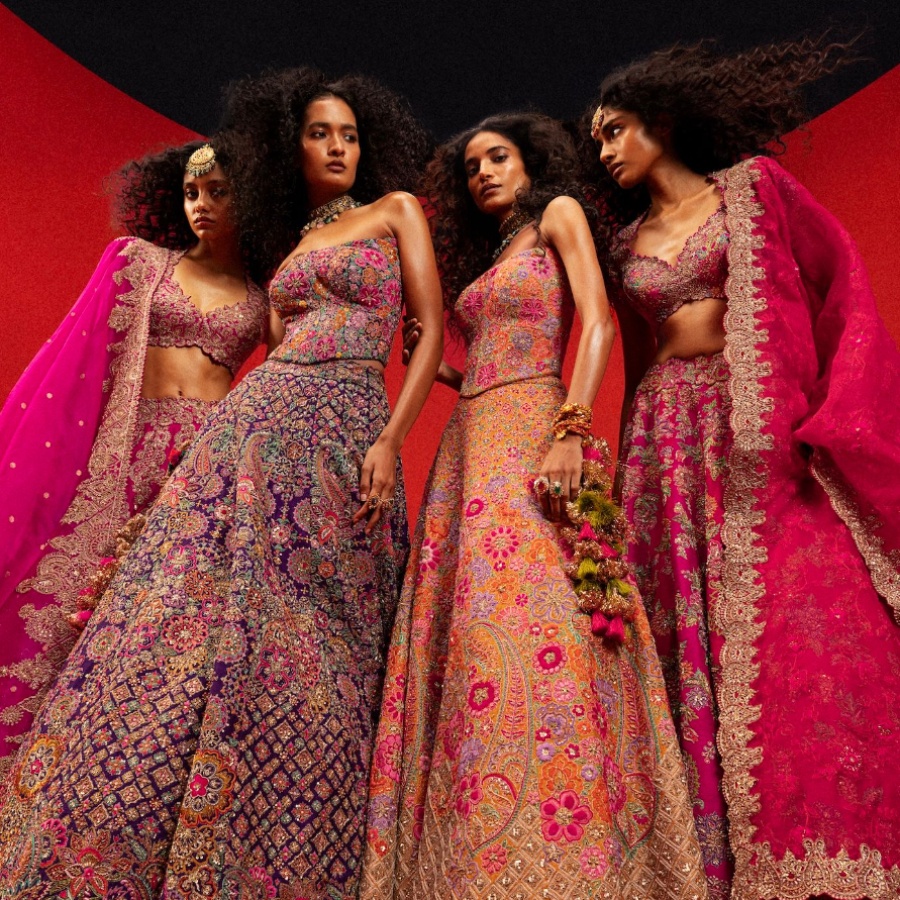
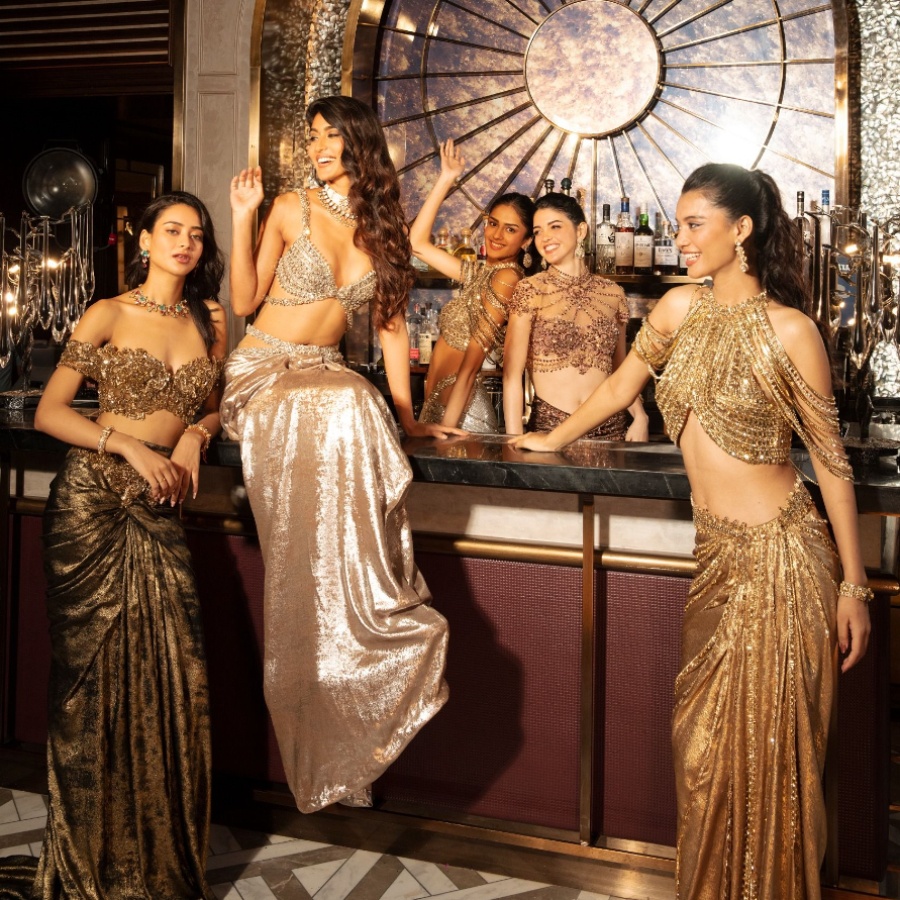
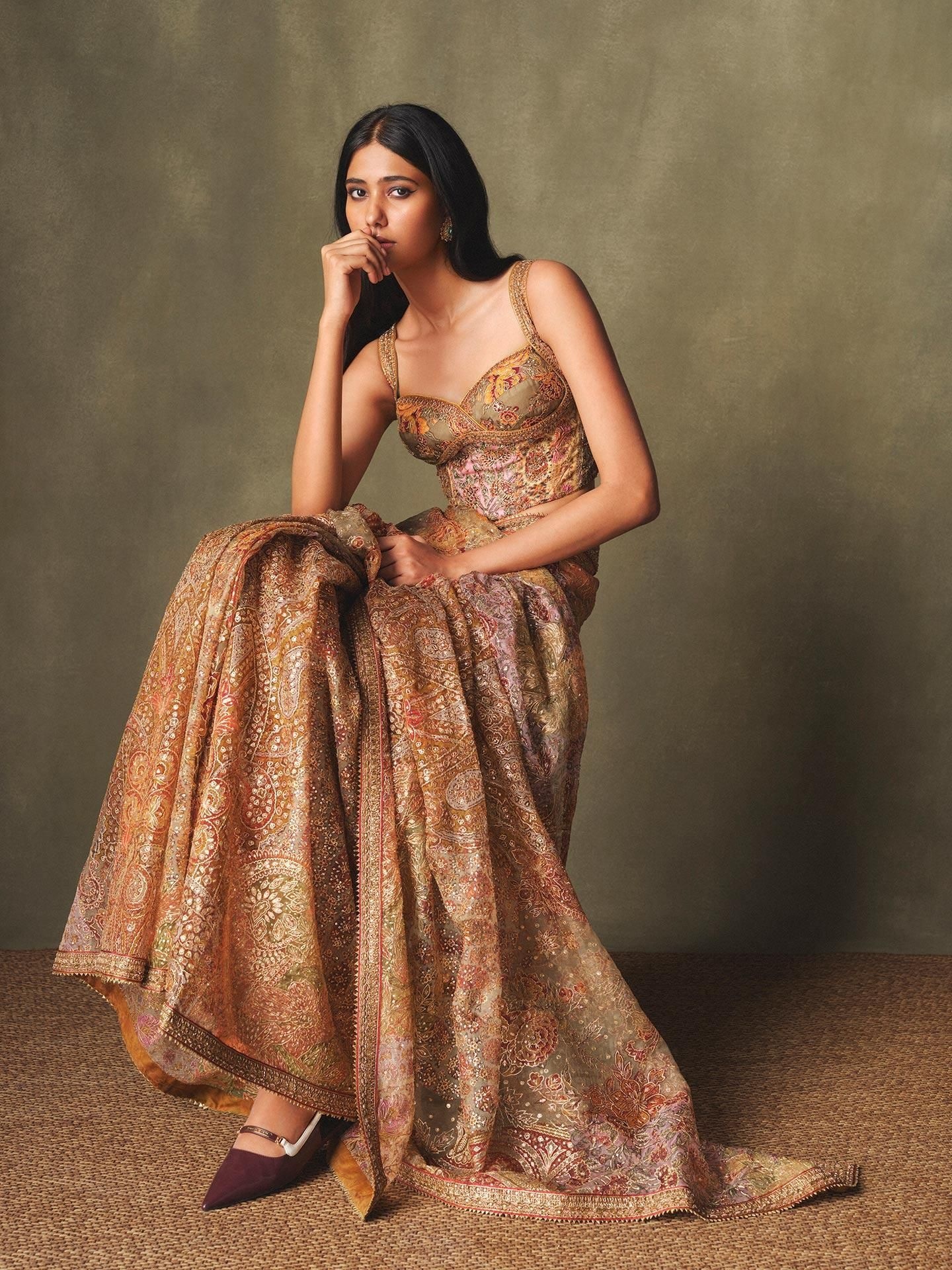
Ritu Kumar’s latest collection steps away from single-use dressing. The pieces are grounded in heritage—zari embroidery, Banarasi motifs, rich velvet, and brocade—but the styling signals flexibility. Cropped blouses, structured jackets, sheer overlays, and jewel-toned separates are designed with longevity in mind.

There’s a quiet shift here. Instead of bridal looks built solely for the ceremony, the focus is on clothes that live well beyond it. The silhouettes have shape but don’t feel rigid, the colour palette runs deep without tipping into the overly ornate, and pieces are styled with a sense of ease without losing their visual impact. Across the collection, craftsmanship remains central, but the wearability factor is turned up—a corset blouse works just as well with trousers, and a velvet overcoat holds its own with denim. The idea isn’t to dilute tradition; it’s to make it workable across more than one occasion.

In a market where bridalwear can often feel final, Ritu Kumar proposes an adaptable outcome: outfits you’ll want to reach for again. Not because they’re trend-proof or minimalist, but because they’re built to be restyled without losing their original purpose, to make it your own.

Built-in versatility

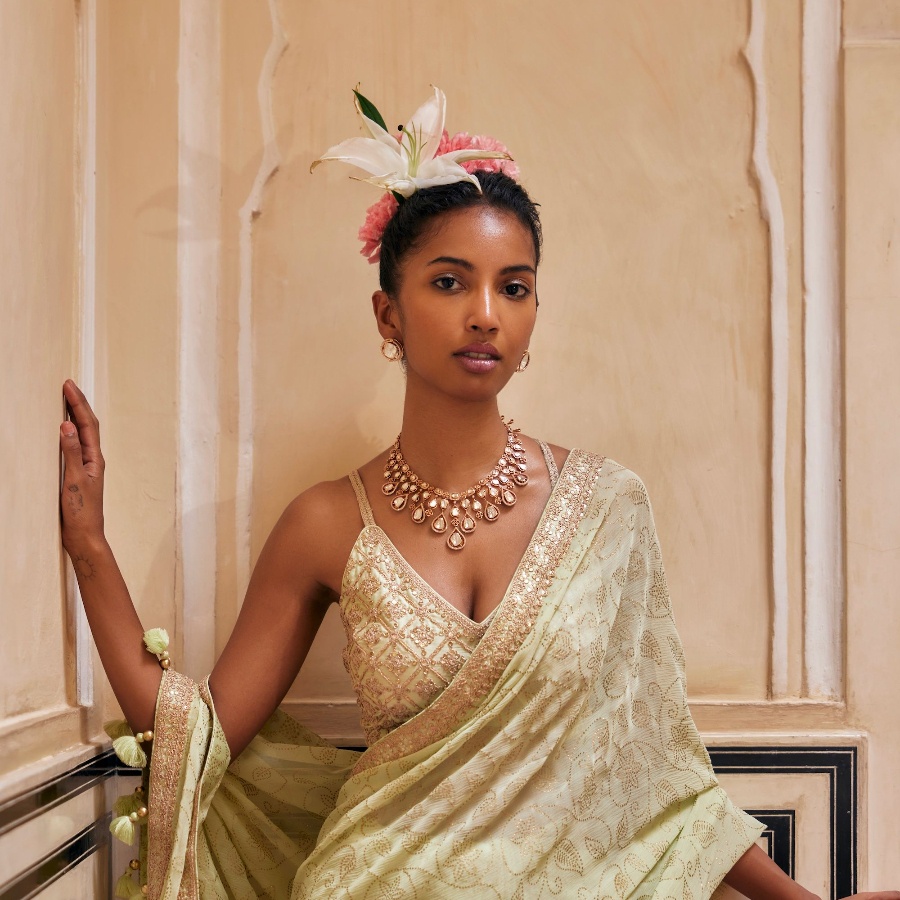
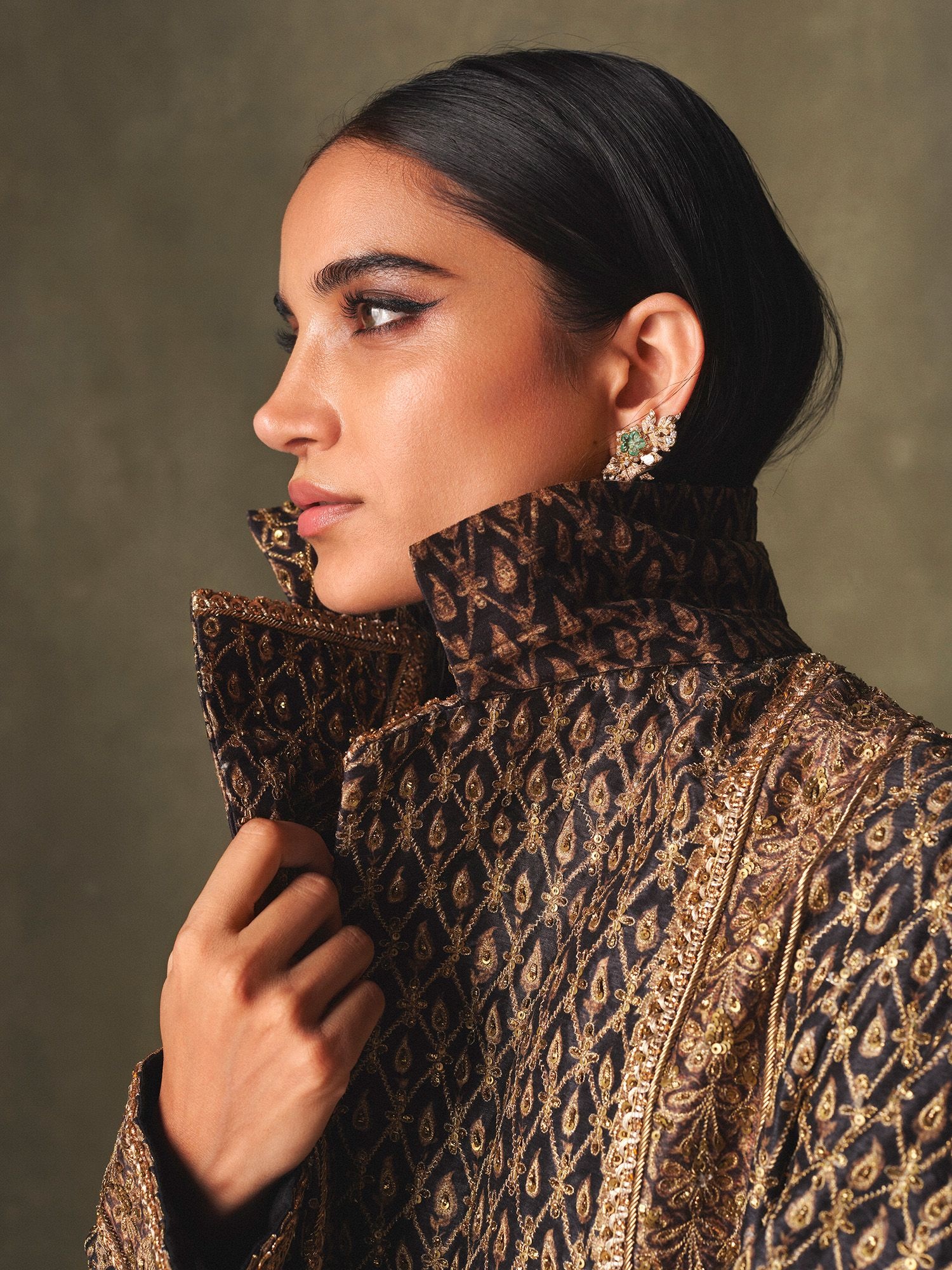
Finding structured separates that go well beyond the big day is now an attainable dream. The high-collar brocade jacket was one of the most striking looks—with dense zari embroidery, stylised paisleys, and a sharply tailored silhouette, it carried a sense of ceremony without feeling locked into it. Styled with wide-leg trousers or even a crisp skirt, this piece can seamlessly into the post-wedding circuit. wardrobe The peach corset blouse and fluid saree were another standout; the Banarasi-style motifs ground it in craft, but the cut leans contemporary. Worn solo, the bralette stands up as an eveningwear piece that can be reworked with suiting or denim. The lehenga has styling mileage too, especially for festive events that call for polish without going full formal.
The bridal look, rebooted

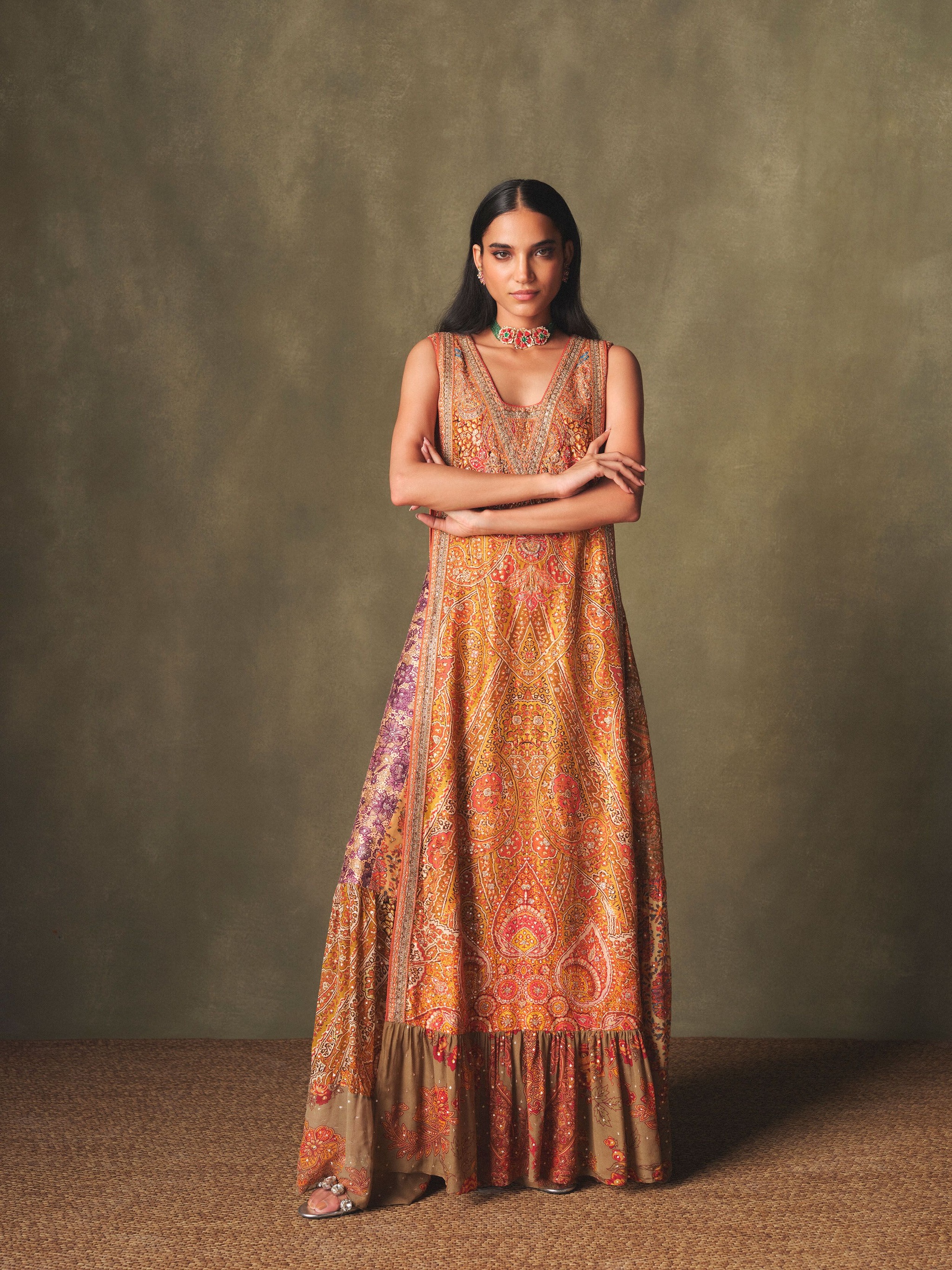
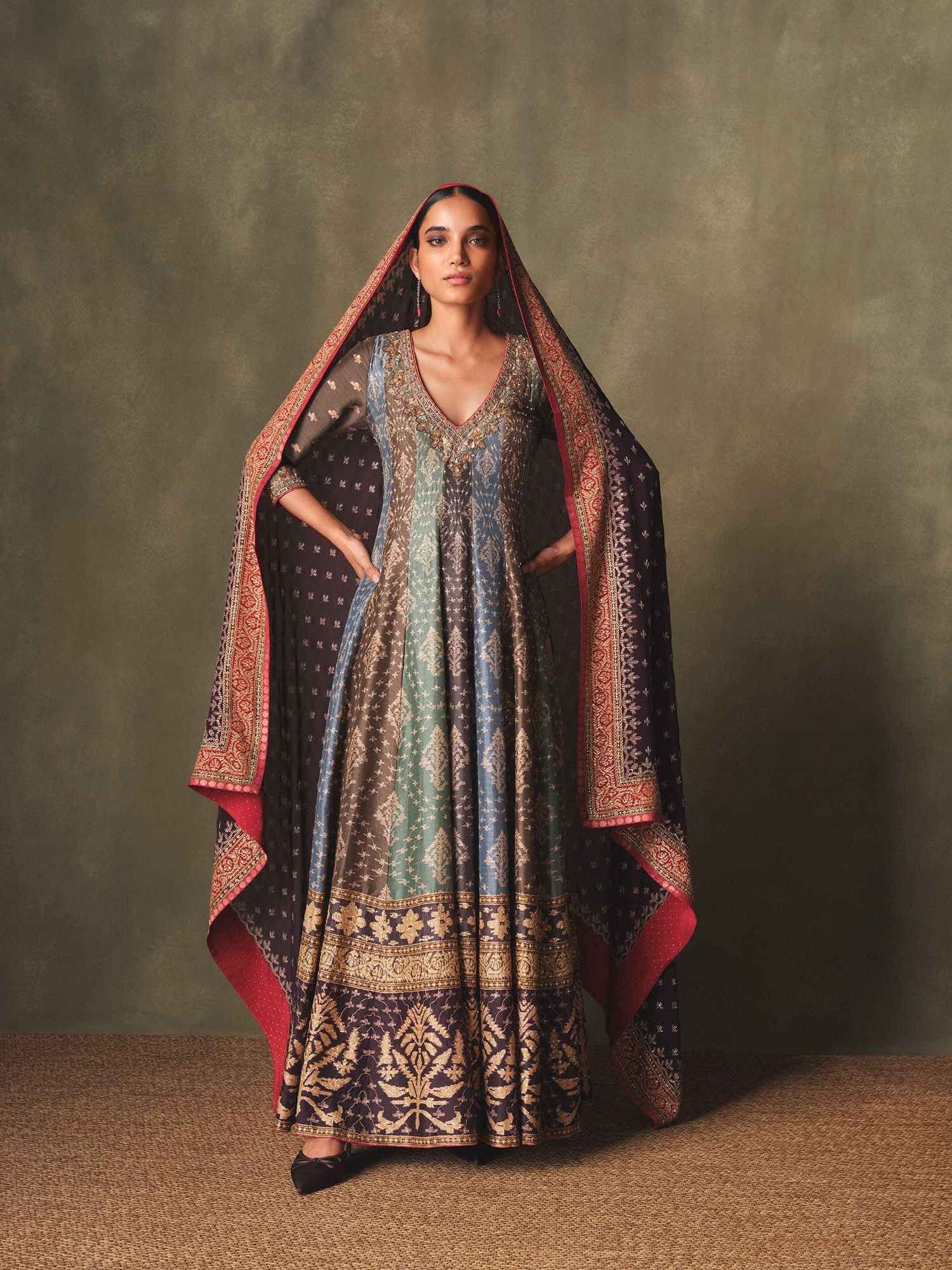
You’ll also see prints and palettes that nod to craft without overstating it. The multicoloured Anarkali follows a familiar silhouette—fitted bodice, flared skirt, V-neckline—but its palette sets it apart; panels in olive, teal, and indigo create a harmonious contrast and add rhythm to the overall look. The indigo dupatta, finished with red borders and buti-style motifs, gestures to Ajrakh and Kalamkari traditions without veering into full archival territory. The orange paisley maxi works similarly—its Kashmiri-inspired print is vibrant, but the sleeveless cut and ruffled hem keep it light and easy. With fluid fabric and a relaxed shape, it styles well with block heels, flats, or even sneakers, and adapts effortlessly across dress codes. Both pieces strike a quiet balance: rooted in tradition, reworked for now.

Evening wear with a range

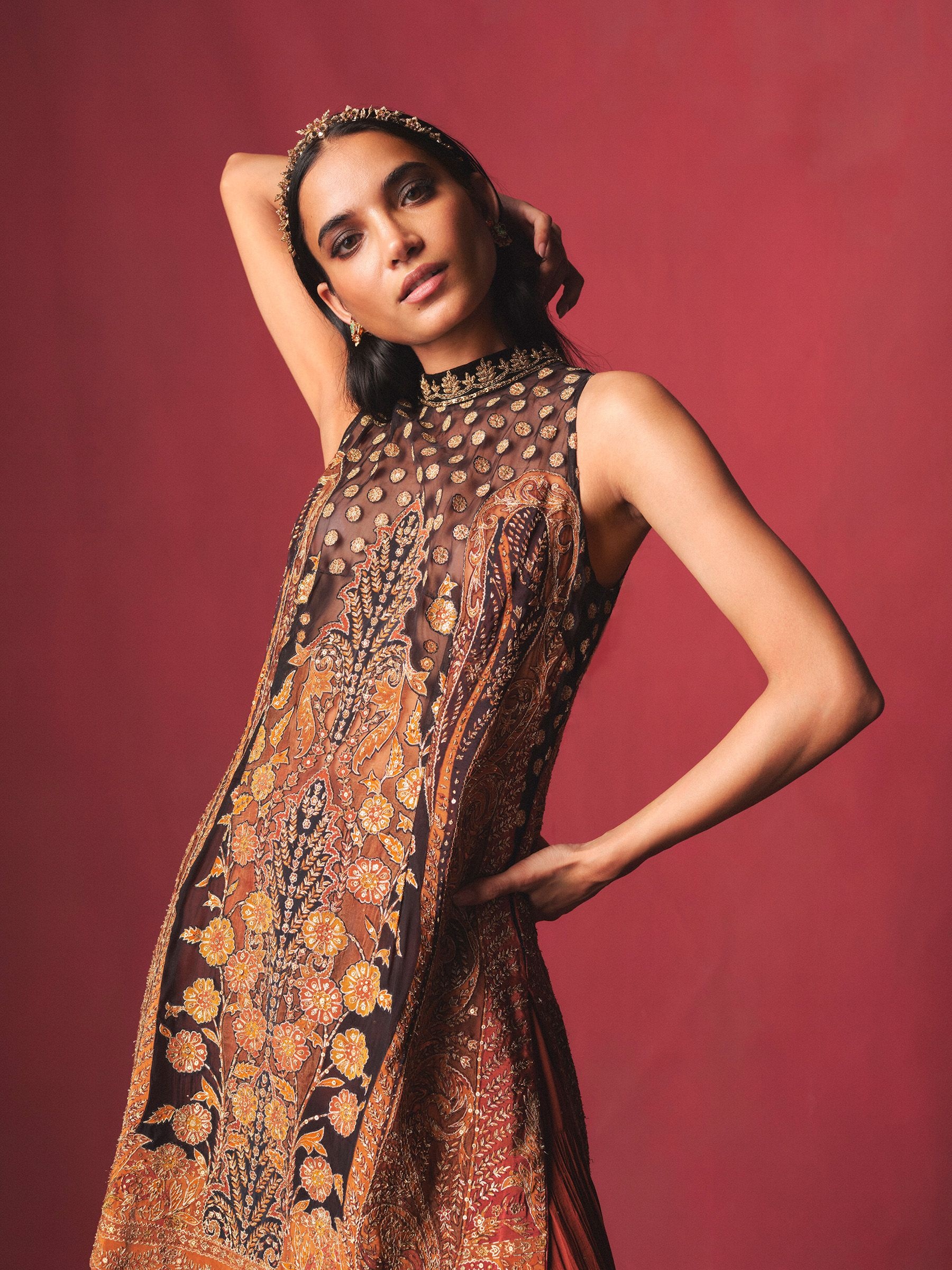
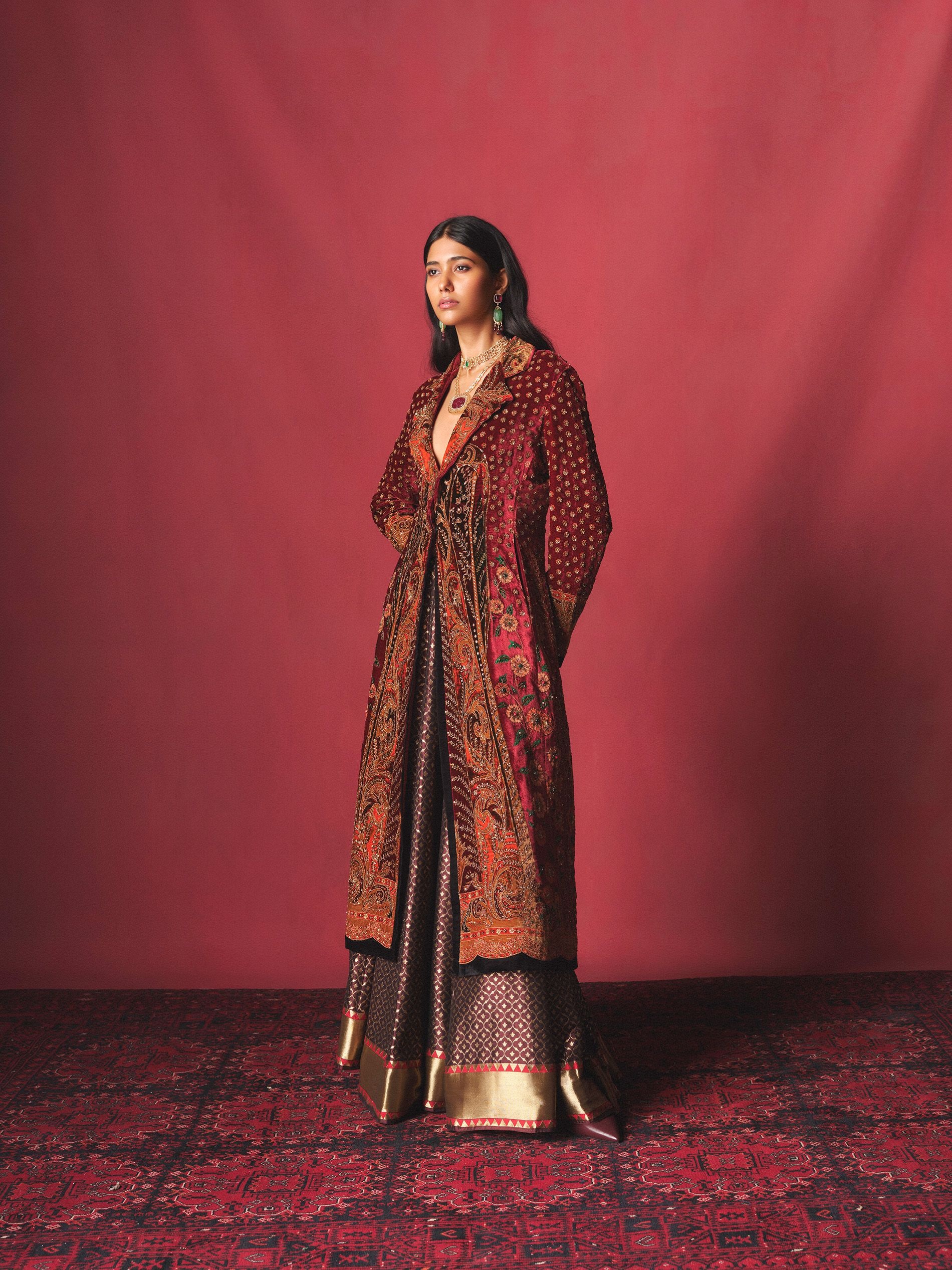
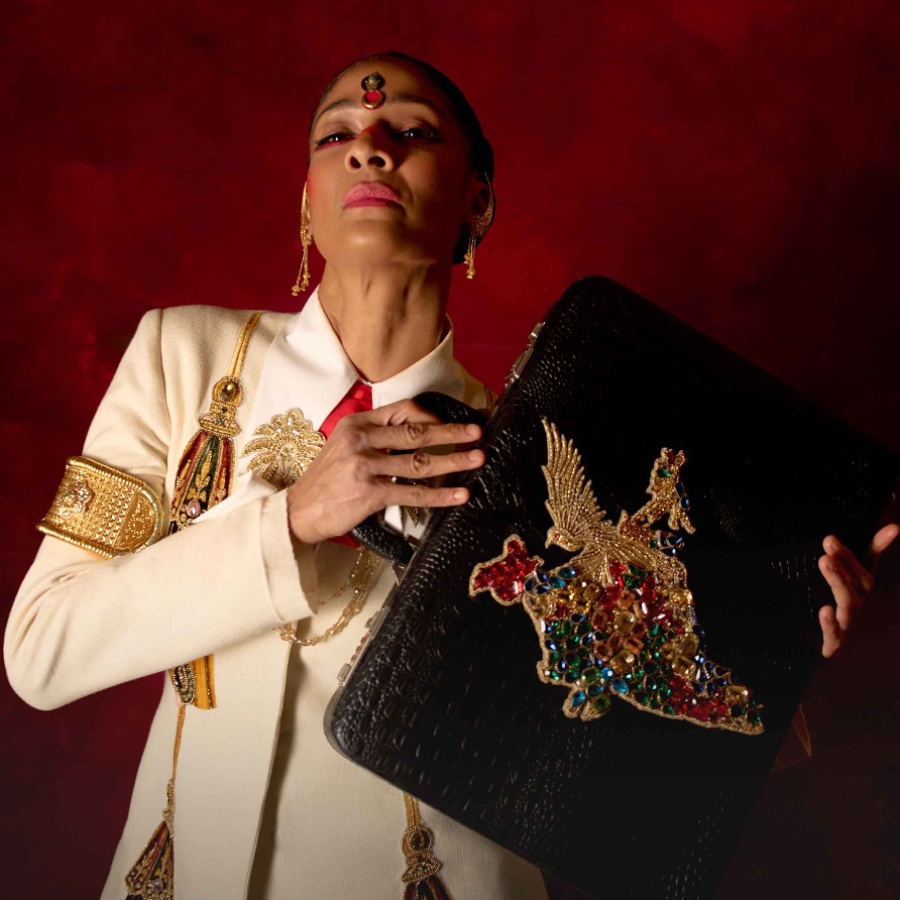
Layered pieces that extend beyond the bridal frame, like the regal velvet overcoat, worn over a lehenga, bring a theatrical scale to the collection. Long lapels, floral embroidery, and a soft flare gave it a Mughal-adjacent mood, but its real value lies in the styling potential. It works over a silk slip dress, with tailored trousers, or even with a classic pair of denim. The embroidery holds visual weight, but the silhouette allows for flexibility. On the other hand, the sleeveless kurta offers a different kind of versatility. With a high neckline, it’s detailed with floral and leaf motifs in resham, zari, and gota patti. Originally styled with a delicate headband and minimal earrings, it can easily shift into more directional territory. Strip back the accessories, and it becomes sleek eveningwear with a traditional edge.

Un-bride yourself

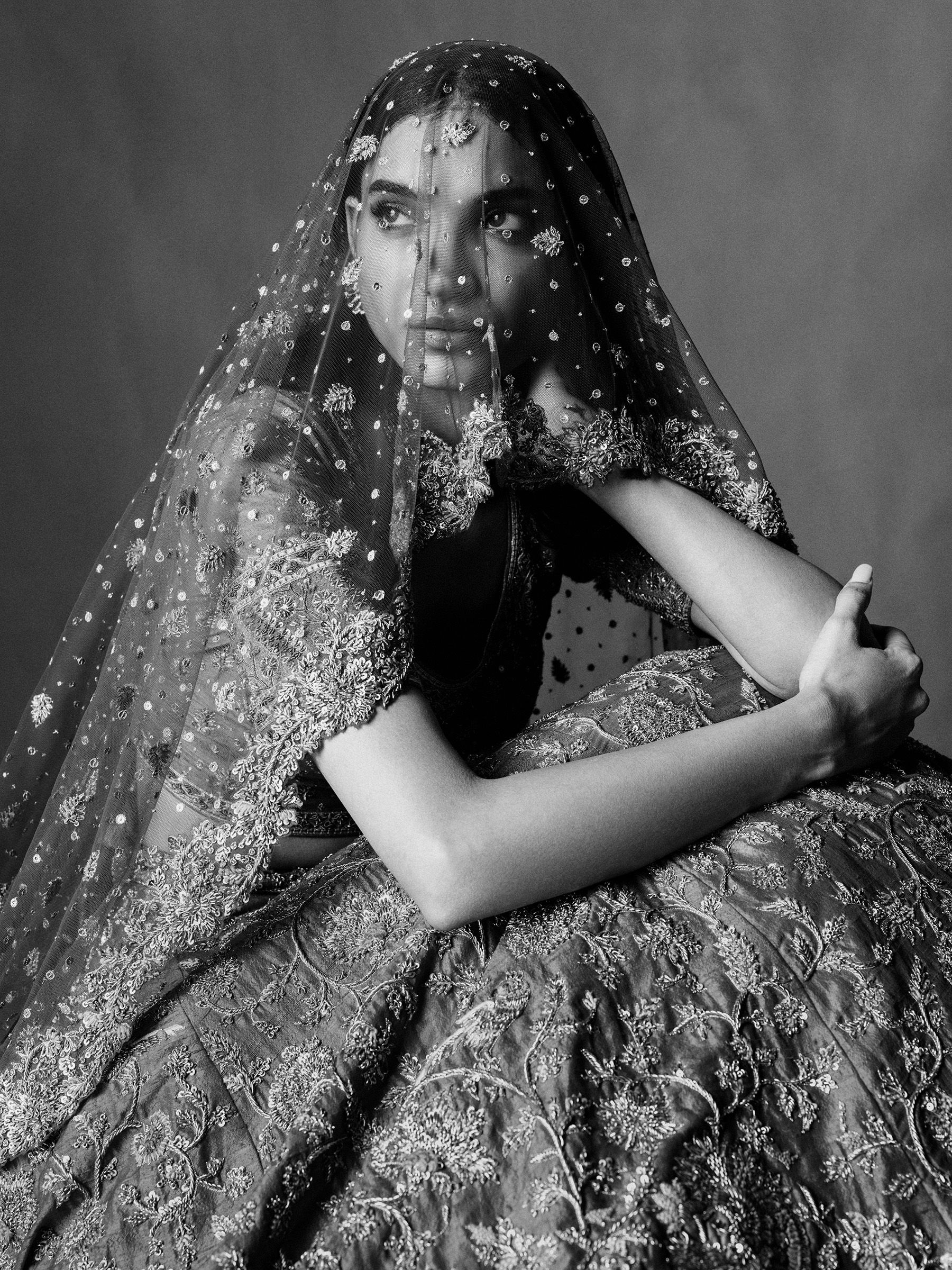
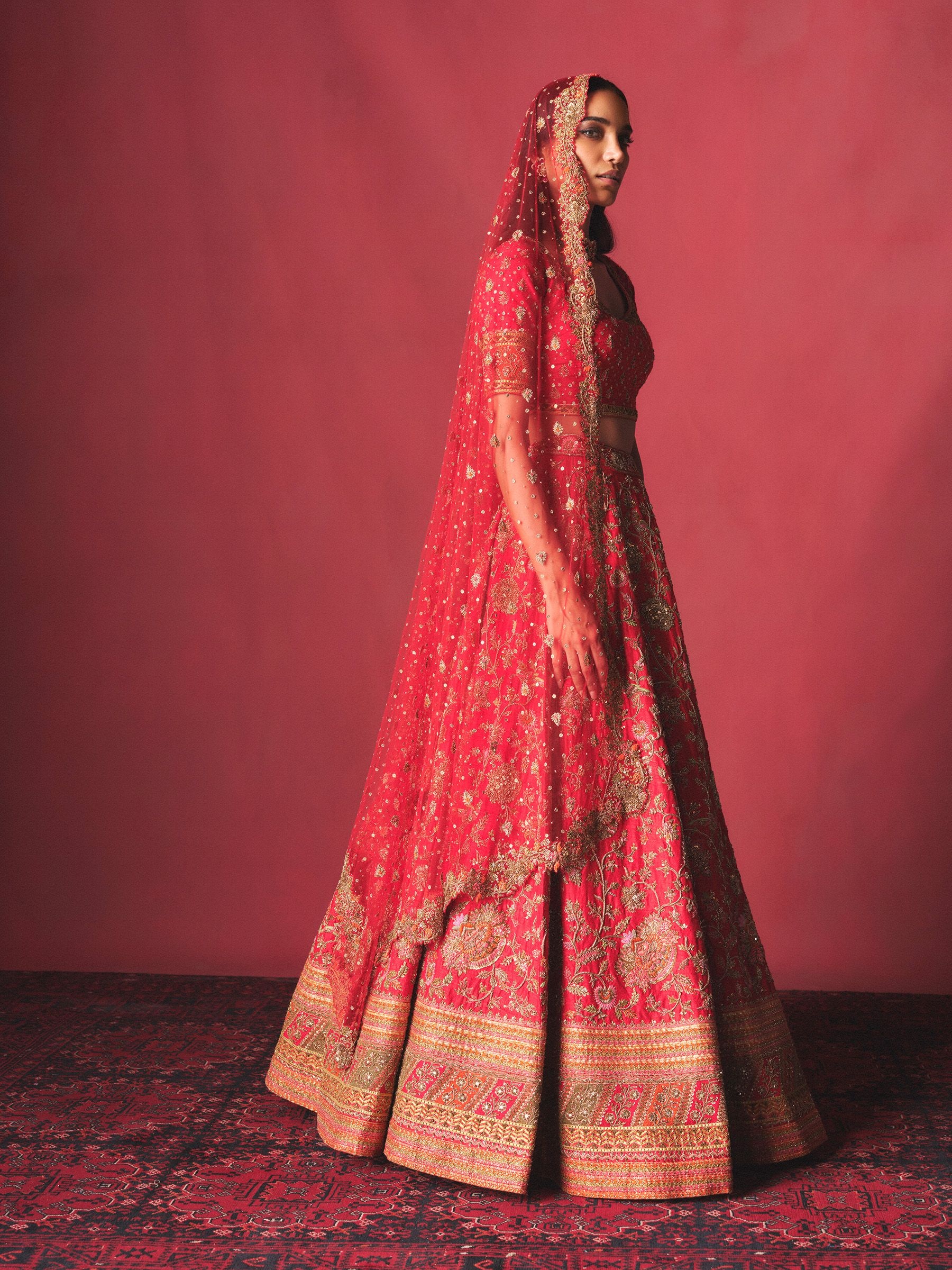
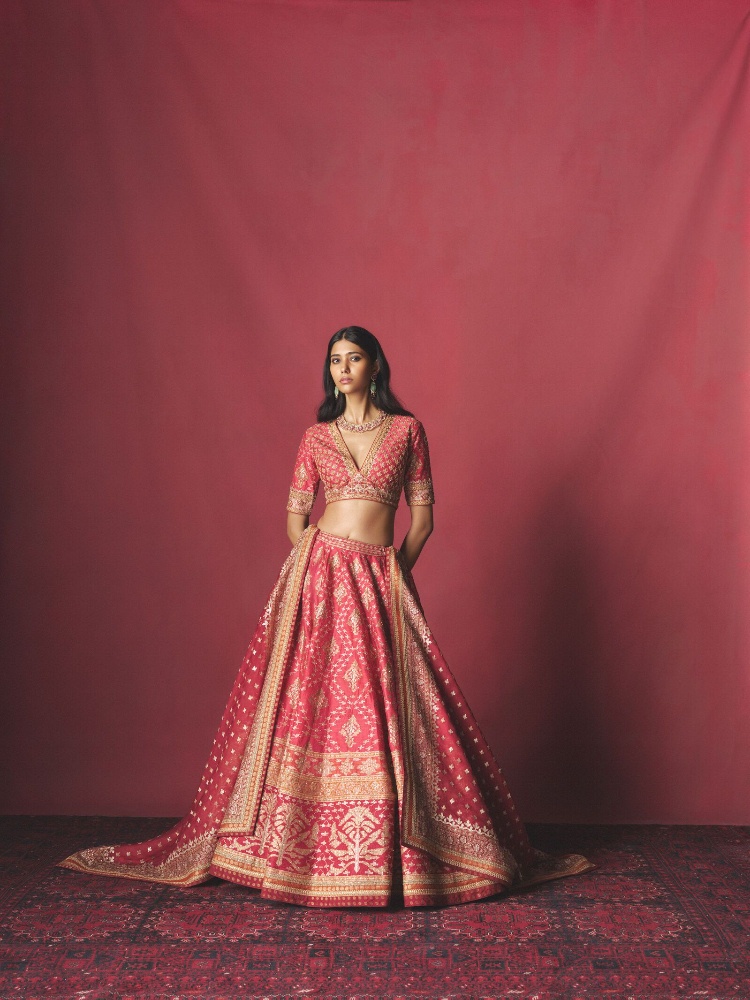
Contrary to popular belief, even the most ceremonial pieces have a styling range. The red lehenga with a cropped blouse is the most traditionally festive look in the lineup, silk base, symmetrical embroidery, and unapologetically rich. Worn together, it’s wedding-day ready. Separately, the blouse works with palazzos, wide-leg denim, or a handloom sari in true Ritu Kumar essence. The lehenga pairs well with a crisp shirt or a minimal crop top, instantly toning it down. The classic bridal lehenga, styled in soft black-and-white frames, leans into visual nostalgia. But there’s practicality built in; the veil can function as a shawl, the choli holds up with shararas, flared trousers, or even a printed skirt.

Repeat value, confirmed

All in all, this collection doesn’t hinge on novelty. The pieces hold range, regardless of season, trend, or function. Silhouettes are cut to flatter without fuss. The colour palette is rich but not restrictive: jewel tones, soft neutrals, and a recurring use of deep reds that feel ceremonial and authentically Indian. It’s the kind of detailing you notice when you’re up close, and while the pieces work as full looks, they also pair well as easy separates. They’re made to be re-worn, reimagined, and eventually passed on.

The bottom line? If you’re shopping for bridalwear with longevity in mind, this edit is a smart place to start. It shows that tradition doesn’t have to mean stuck in time—and that repeat wear isn’t simply a nice idea; it’s entirely doable. You don’t need to reinvent your style, just choose pieces that do more.

The Nod Newsletter

We're making your inbox interesting. Enter your email to get our best reads and exclusive insights from our editors delivered directly to you.