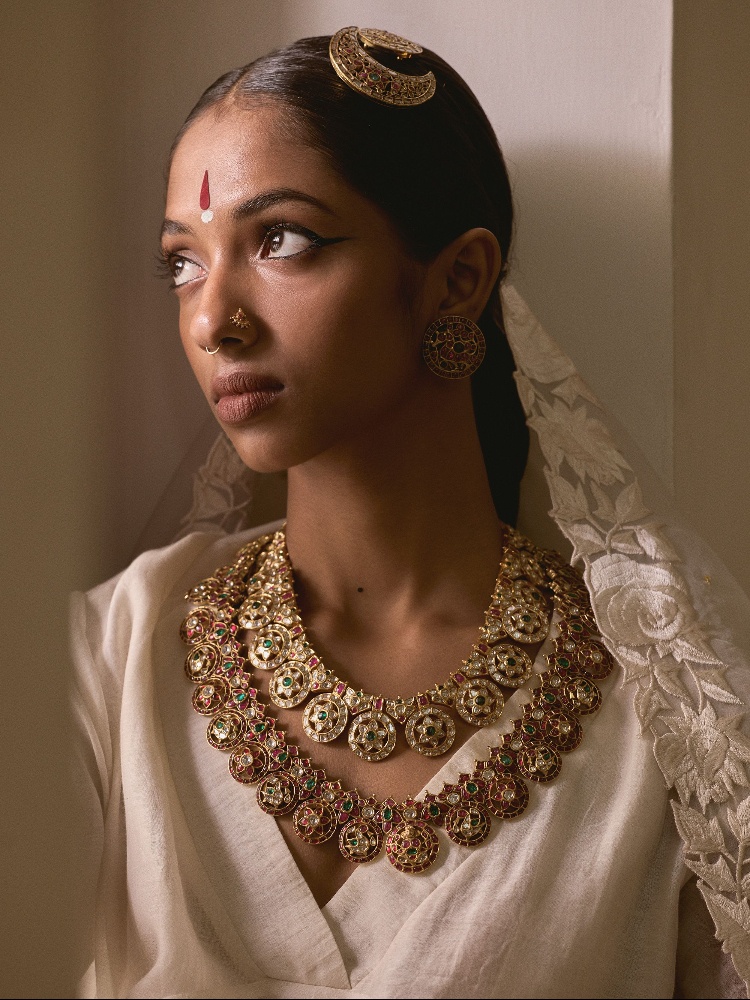

Why today's brides are betting on scale, sentimentality, and the maximalist trousseau

From modular satladas to cocktail-ready polki, Indian bridal craft enters its decisive era

SanjayGuptaHyderabad

For an Indian wedding, jewellery carries a weight that is as much about heritage as it is about grams. Long before the first fitting, brides are already deep in the archives—screenshotting emerald cabochons, bookmarking polki chokers, and sourcing bangles that transition seamlessly from the mandap to the cocktail bar. Despite the conversation around "pared-back" ceremonies, bridal jewellery has resisted the urge to downsize.

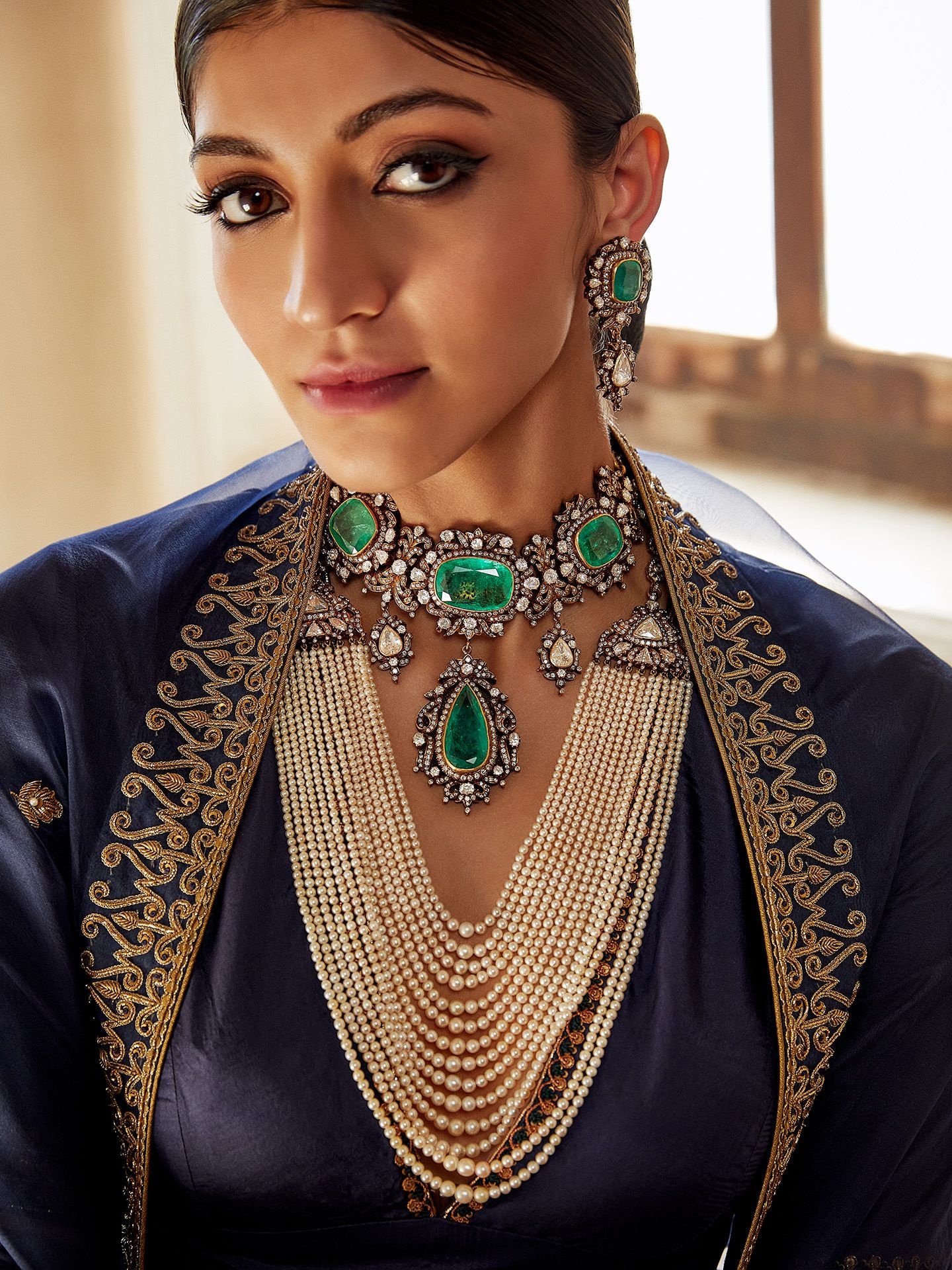
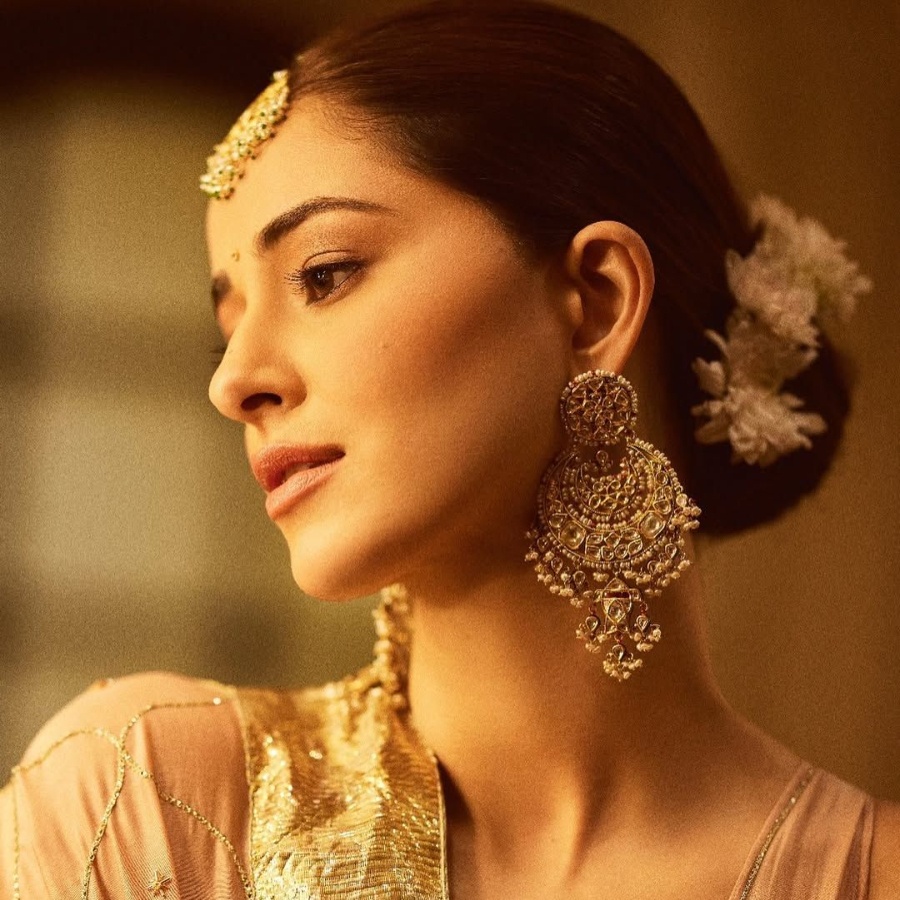
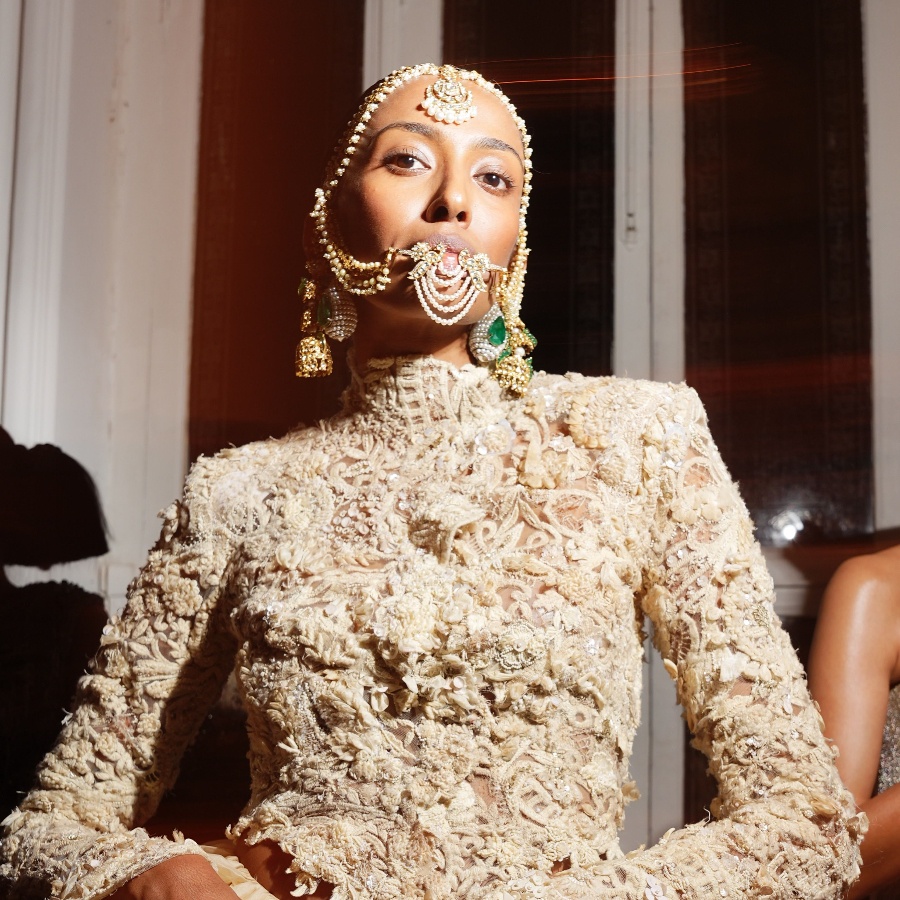
Polki and Kundan remain the definitive anchors of the trousseau. While your mother’s collection often provides the foundation, designers like Sanjay Gupta of Hyderabad are reimagining these crafts for a new era. The real shift, however, is in how you are wearing them. Jewellery is no longer a one-time archive piece. Today’s brides prioritise pieces with a pulse—designs that carry sentiment but offer the flexibility to be styled with global silhouettes.

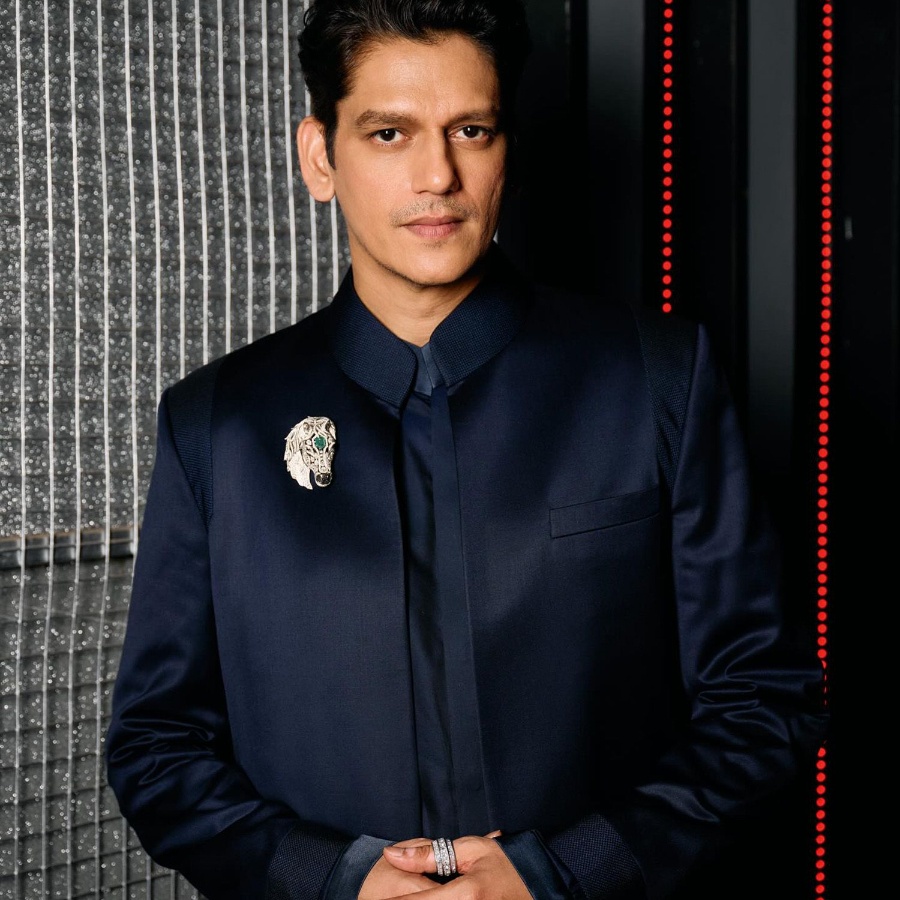
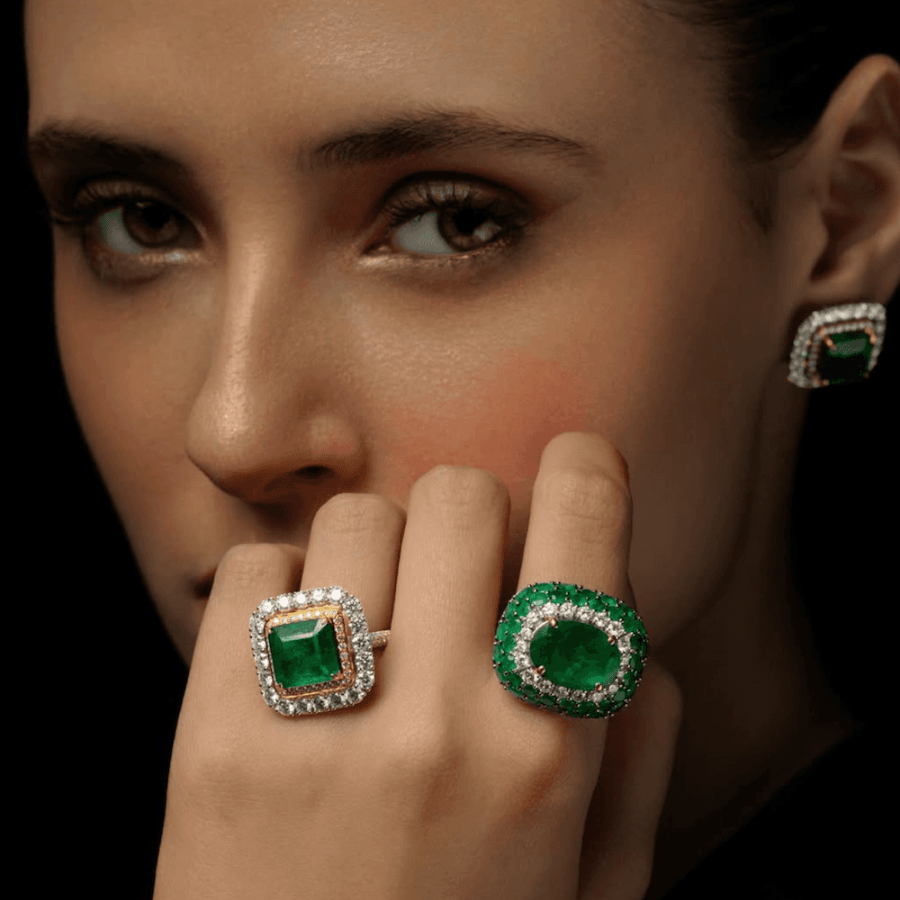
The mood has shifted decisively. 2026 has little patience for minimalism, favouring high-impact choices instead: oversized diamond rings, deep-set emeralds, and substantial gold mountings. This move toward bridal maximalism is already the year. 

Band together beautifully

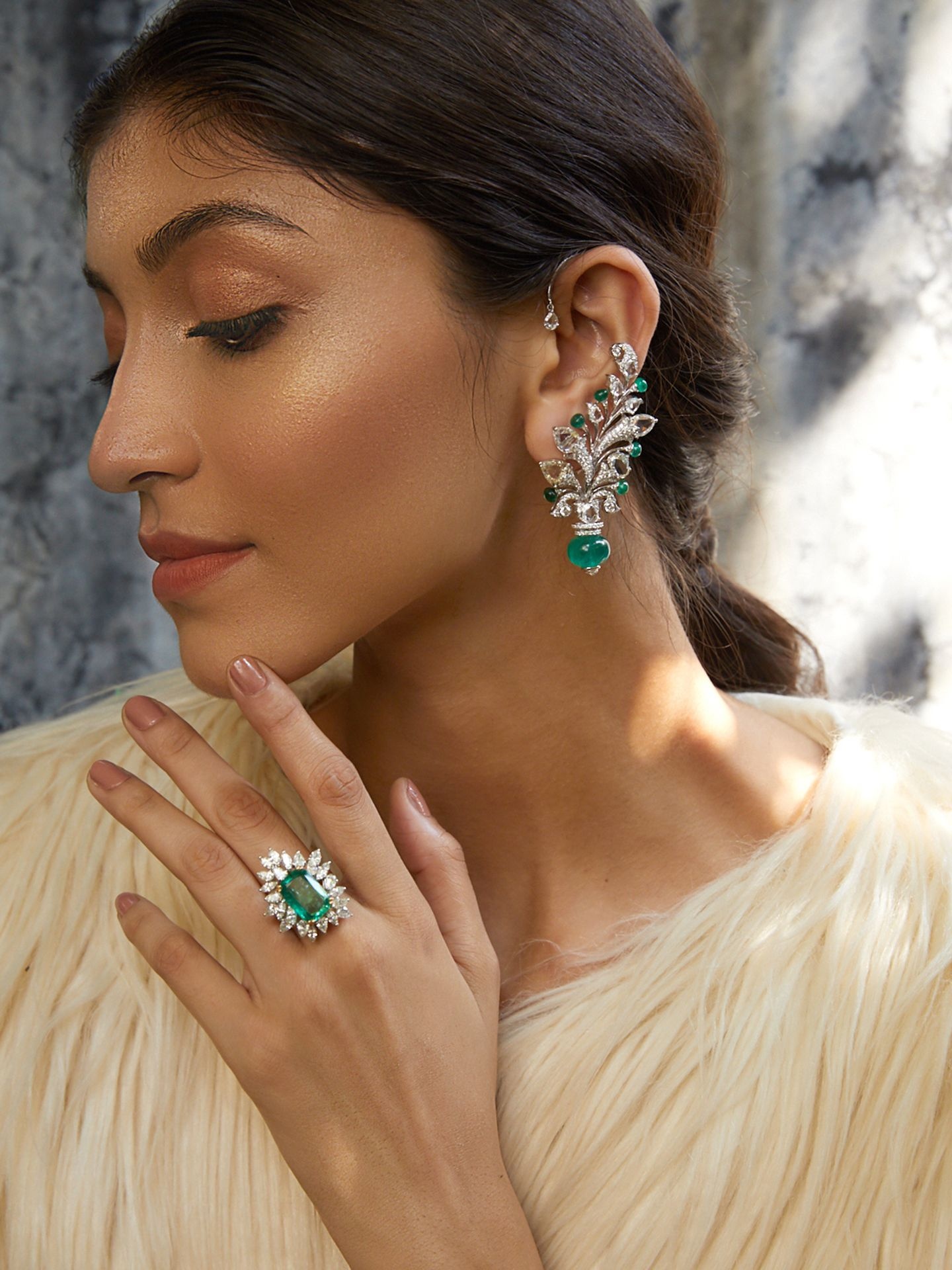
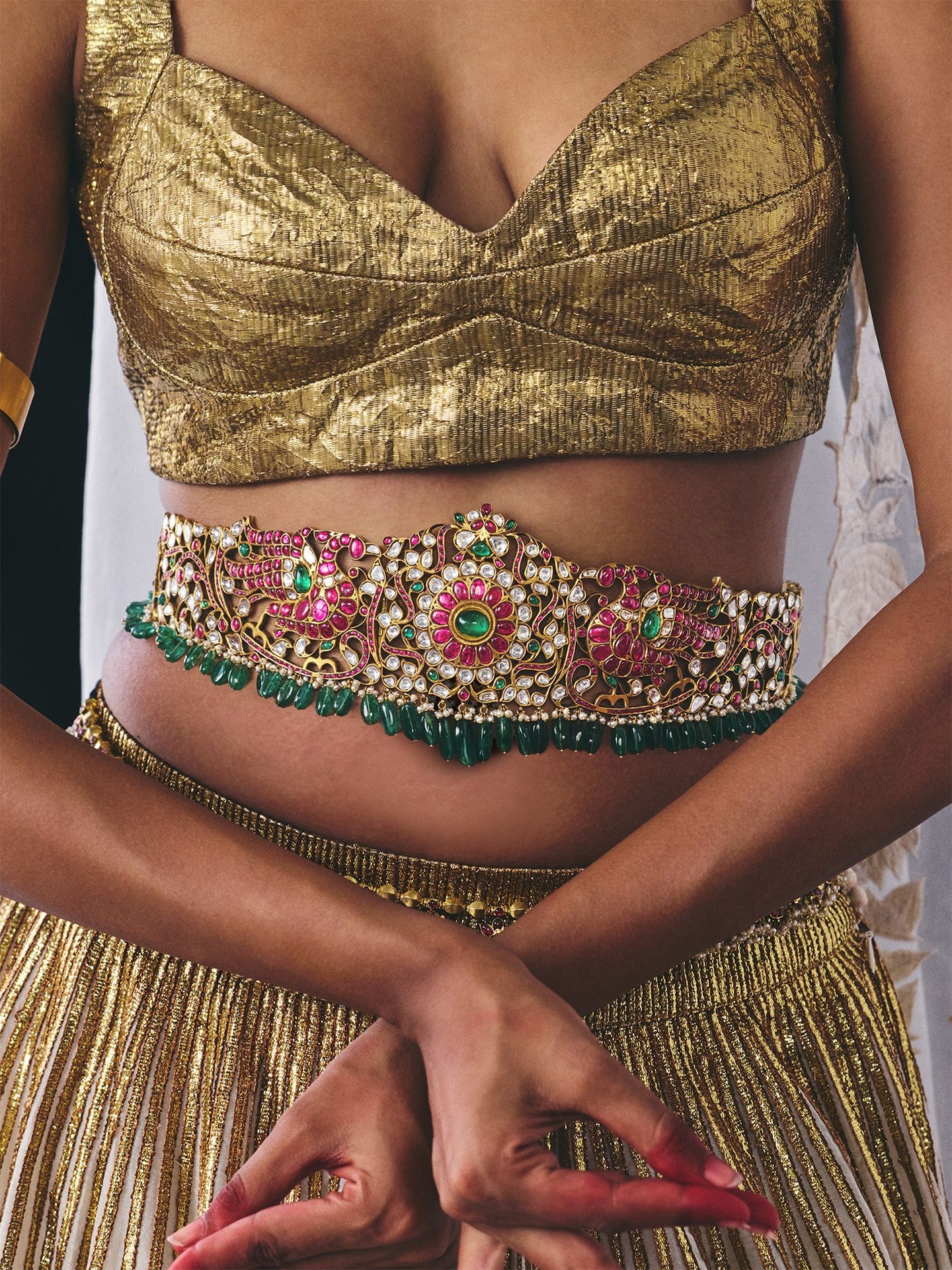
If one category defined 2025, it’s this. Rings have grown larger and bolder—look to this year’s celebrity engagements for proof. Emerald cabochons, cushion-cut rubies, and thick gold bezels aren't being archived for "special moments"; they are the daily uniform. In the South, broad gold bangles with deep Nakshi engraving and temple motifs remain the bridal standard, though the styling has evolved. Brides are wearing full stacks for the ceremony, then breaking them down into asymmetrical pairings for post-wedding events. Kamarbandhs have also shed their regional constraints to become a pan-Indian staple. 
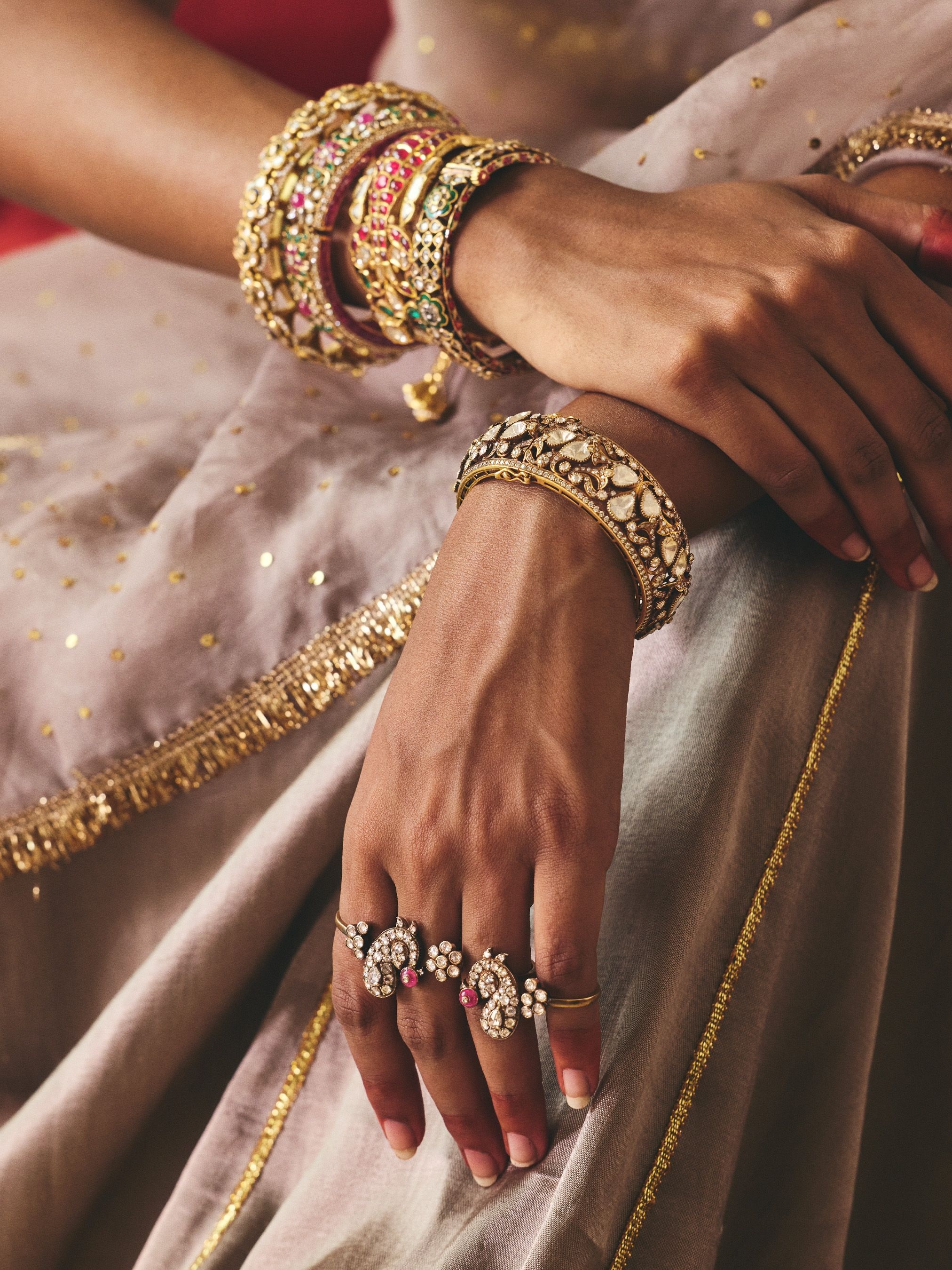
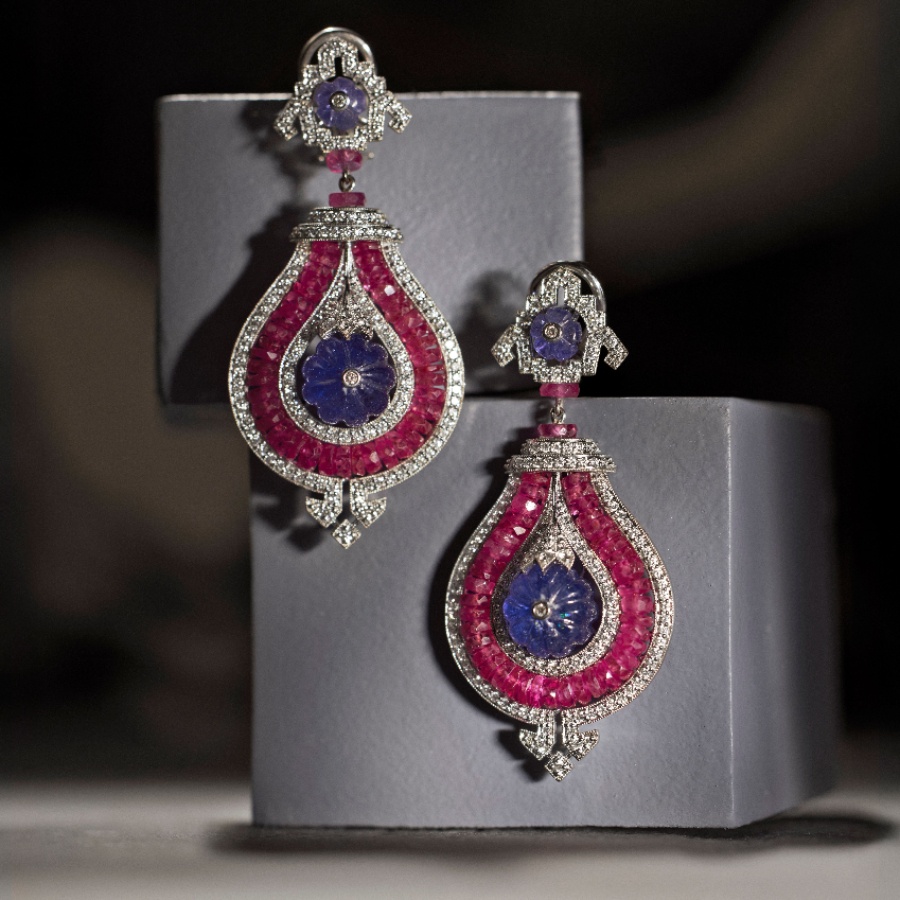
Whether featuring repoussé goldwork or floral detailing, they provide instant structure. They are being styled high over saris, low over lehengas, or even cinched over tailored blazers for a sharp, hybrid look. Similarly, ear cuffs and elongated jhumka hybrids have entered the modern bridal vocabulary. These pieces utilise heritage techniques with contemporary placement, allowing you to make a statement without the commitment of a full set.

A sparkling ear-say

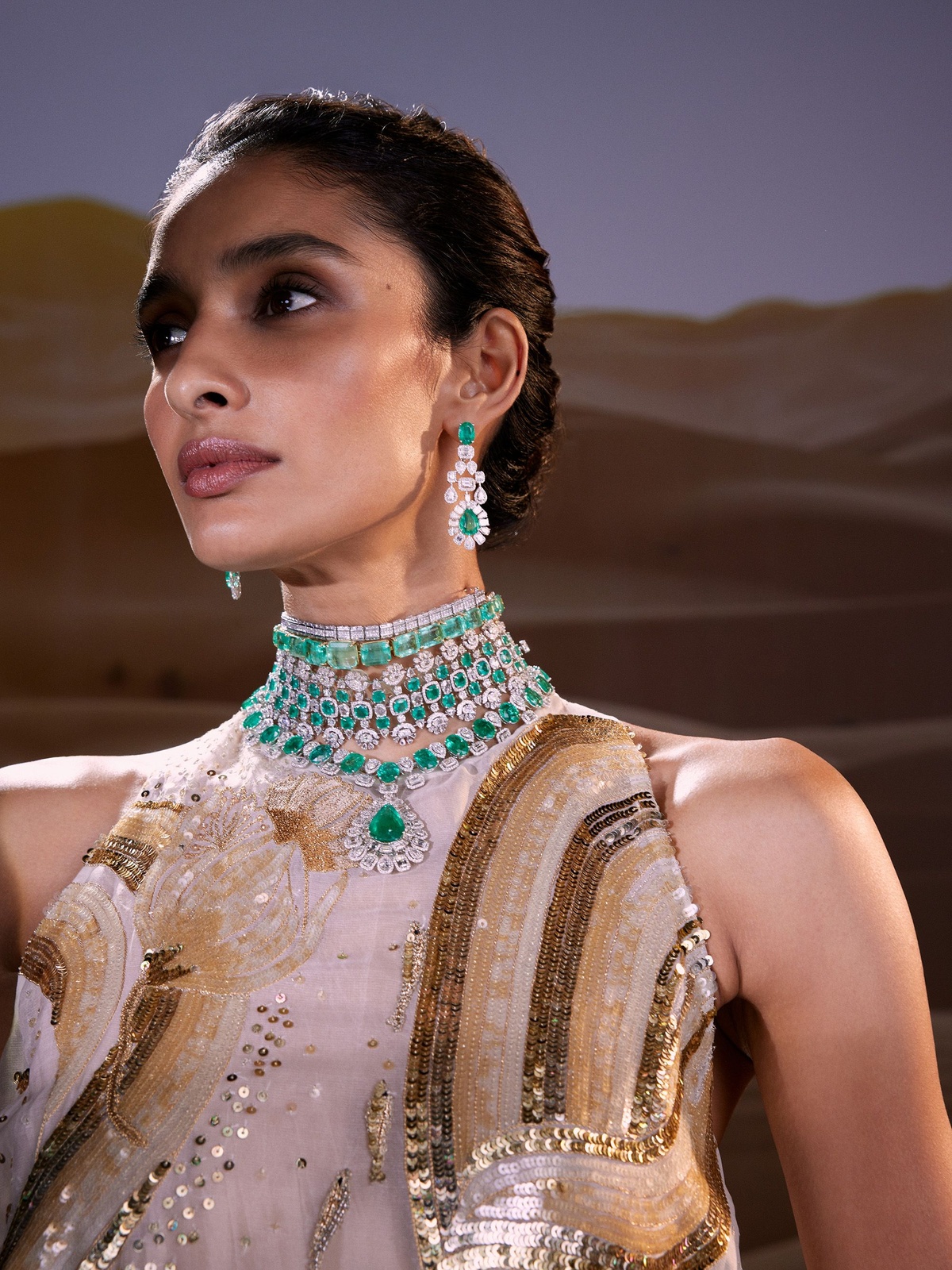
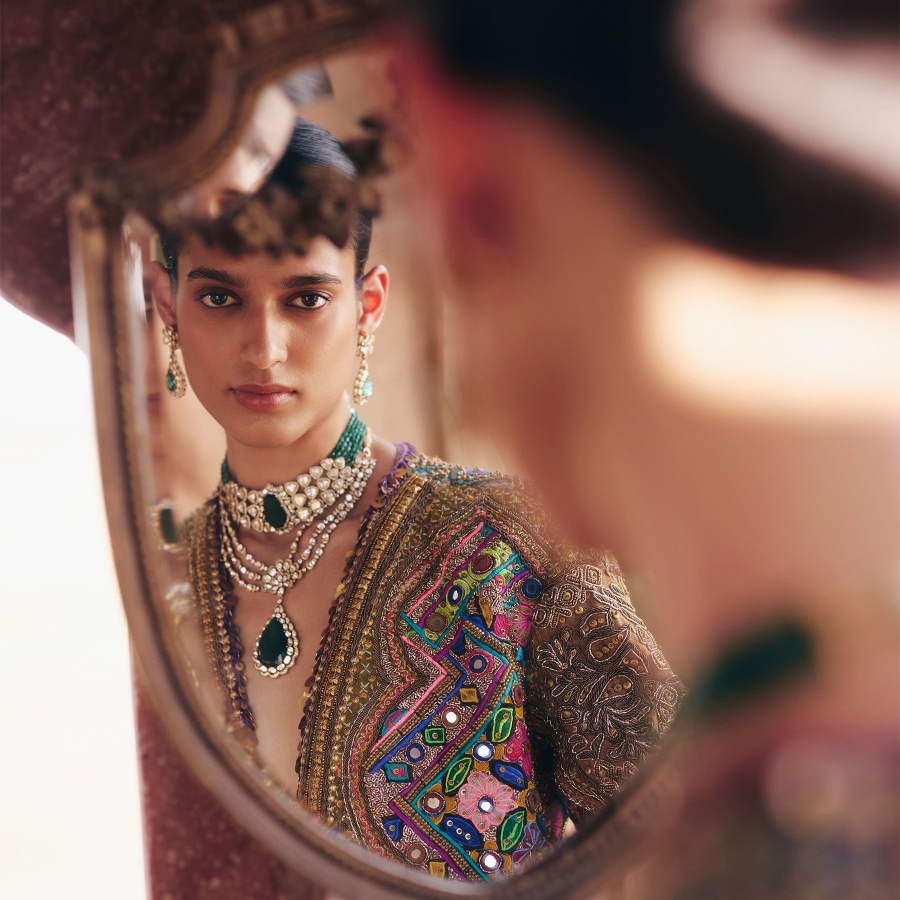
Polki and kundan remain the industry's heavy lifters, and frankly, they don’t need reinvention. Satlada necklaces, with their tiered pearls and emerald beads, offer immediate scale and effortless styling. The real magic happens post-wedding when these sets become modular: you can repurpose the choker for a reception with a silk sari, then wear the longer strands solo for a festive lunch.

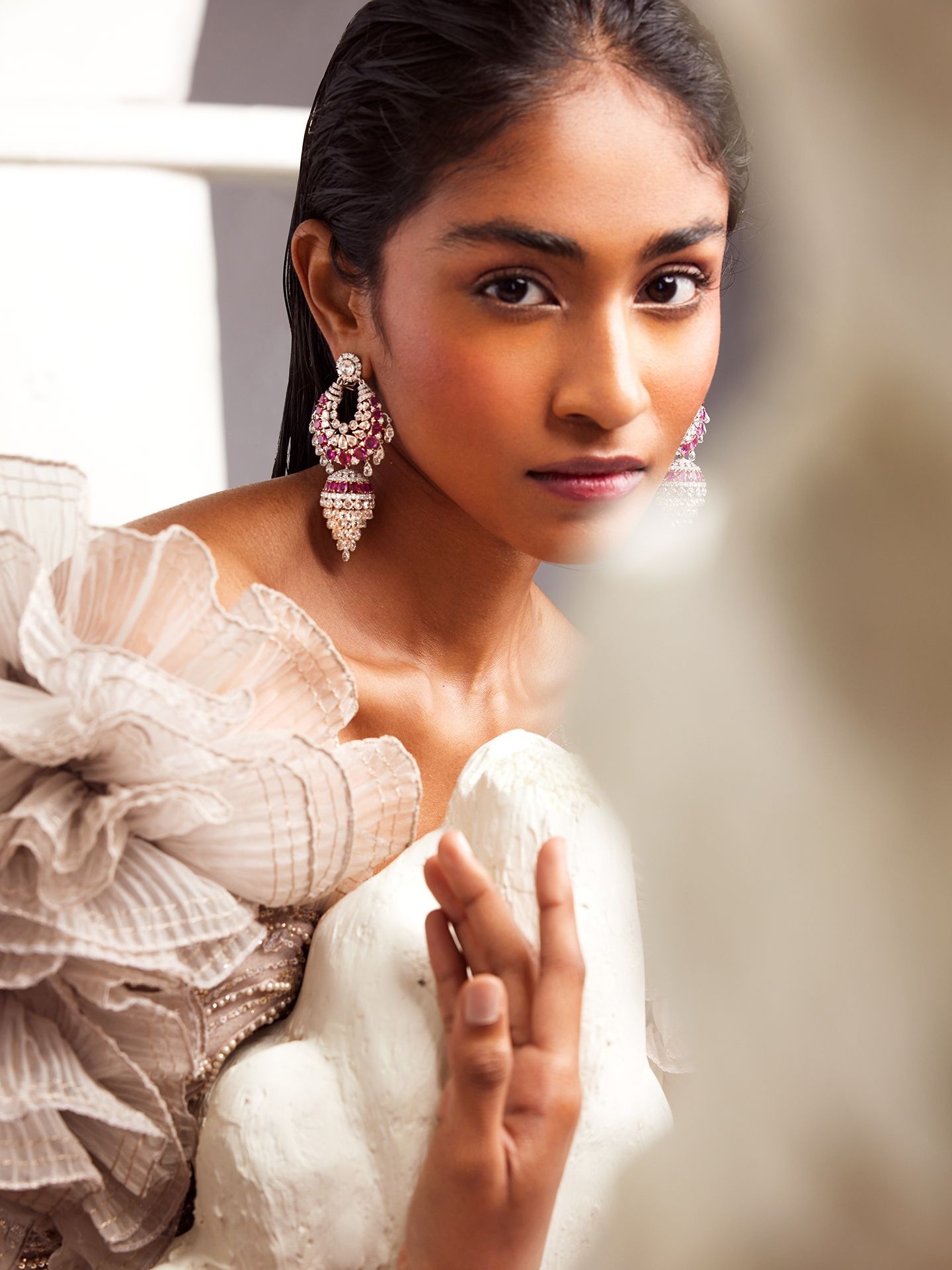
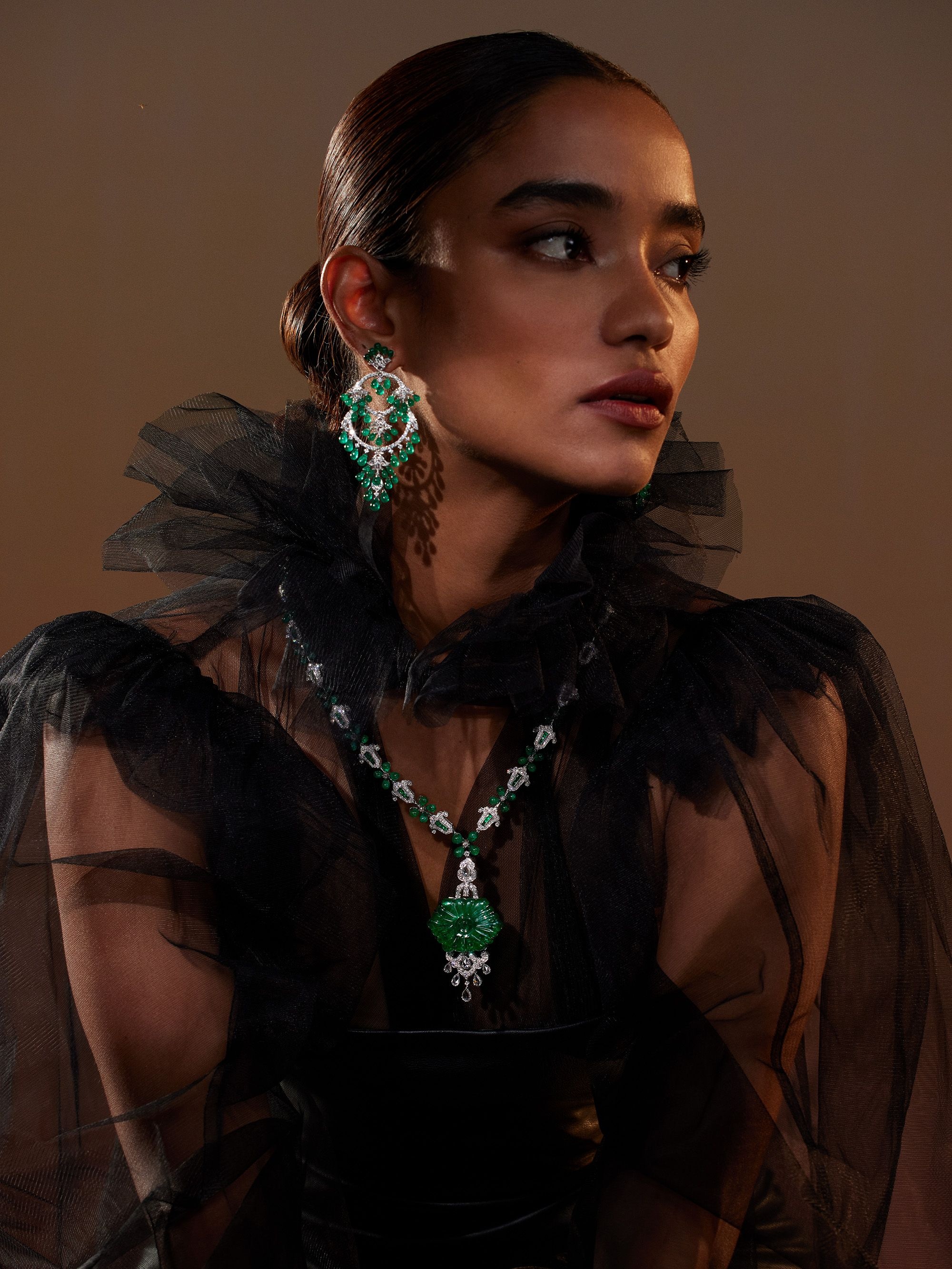
It is also hard to look past the appeal of square-cut emeralds and diamonds paired in Guluband chokers. Their geometry is cleaner and sharper—perfect for evening functions where you want to avoid the fuss of layering. This "singular statement" logic extends to your earrings, too. Many brides are now trading the traditional pearl-fringed chandbali for high-impact pieces that stand alone. We’re seeing more women skip the necklace entirely, letting statement earrings anchor a high-neck blouse or a minimally embellished lehenga. For daytime ceremonies, graduated emerald beads with a single pendant offer the perfect balance—providing visual weight and colour without the high-shine glare of heavy metal.

The Nod Newsletter

We're making your inbox interesting. Enter your email to get our best reads and exclusive insights from our editors delivered directly to you.