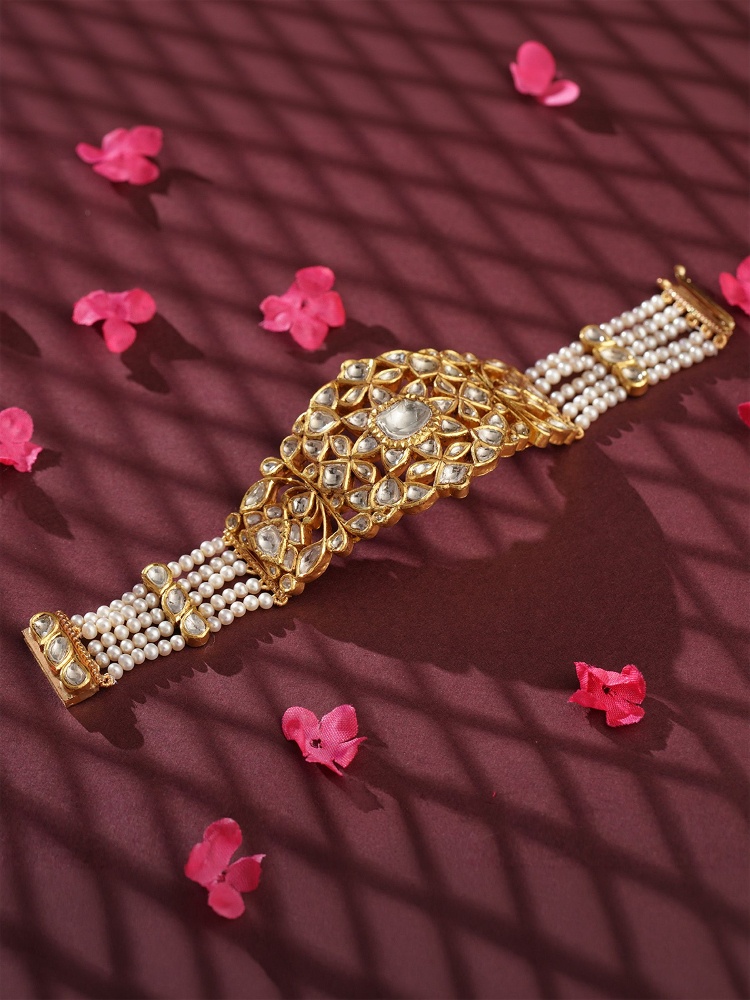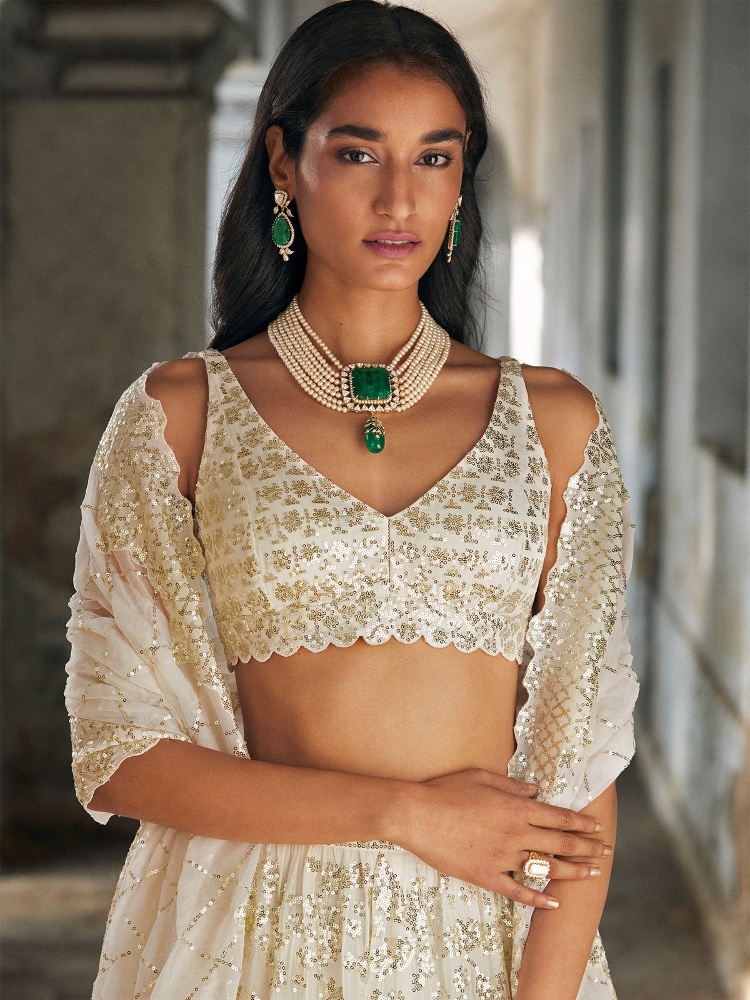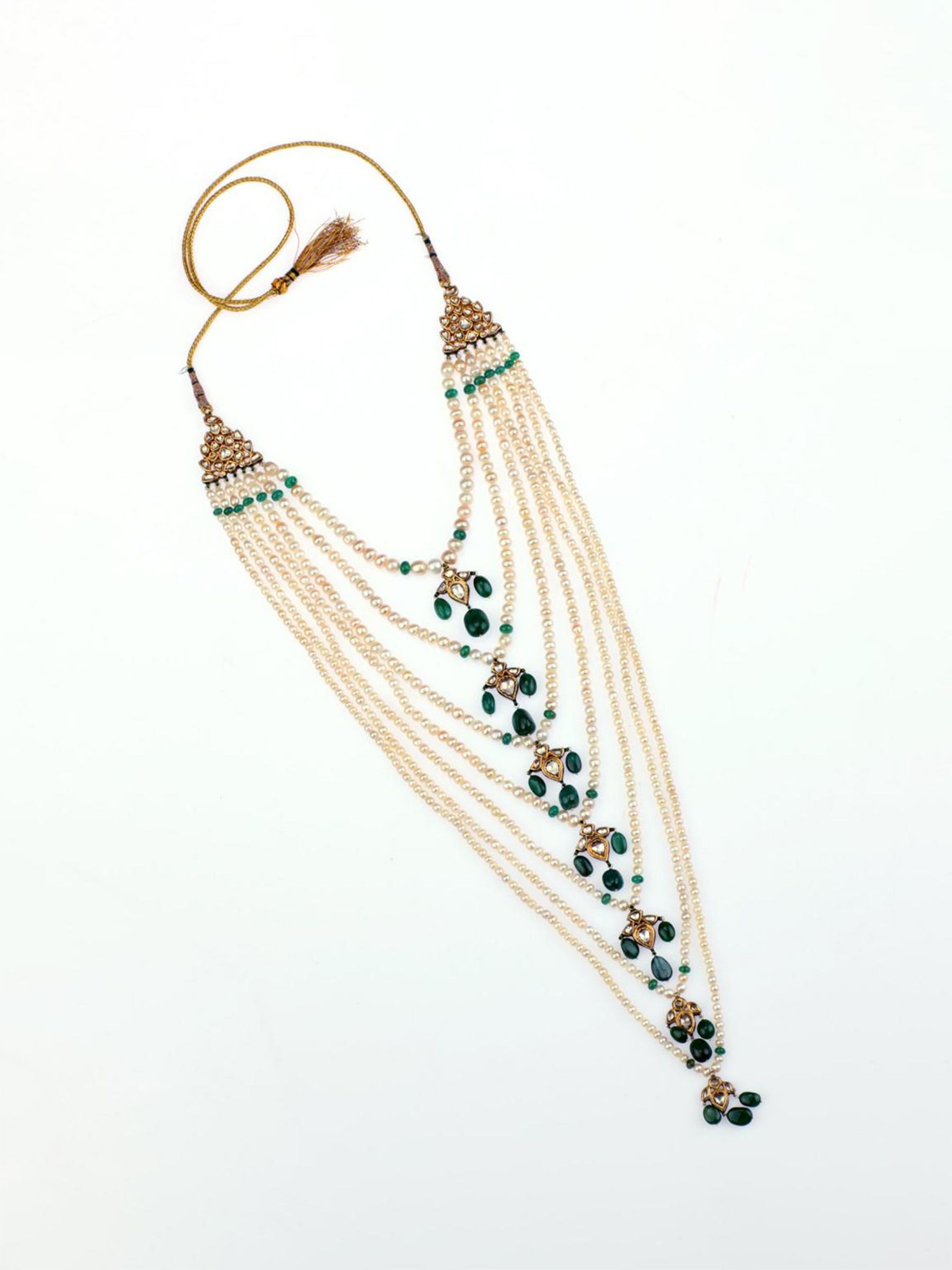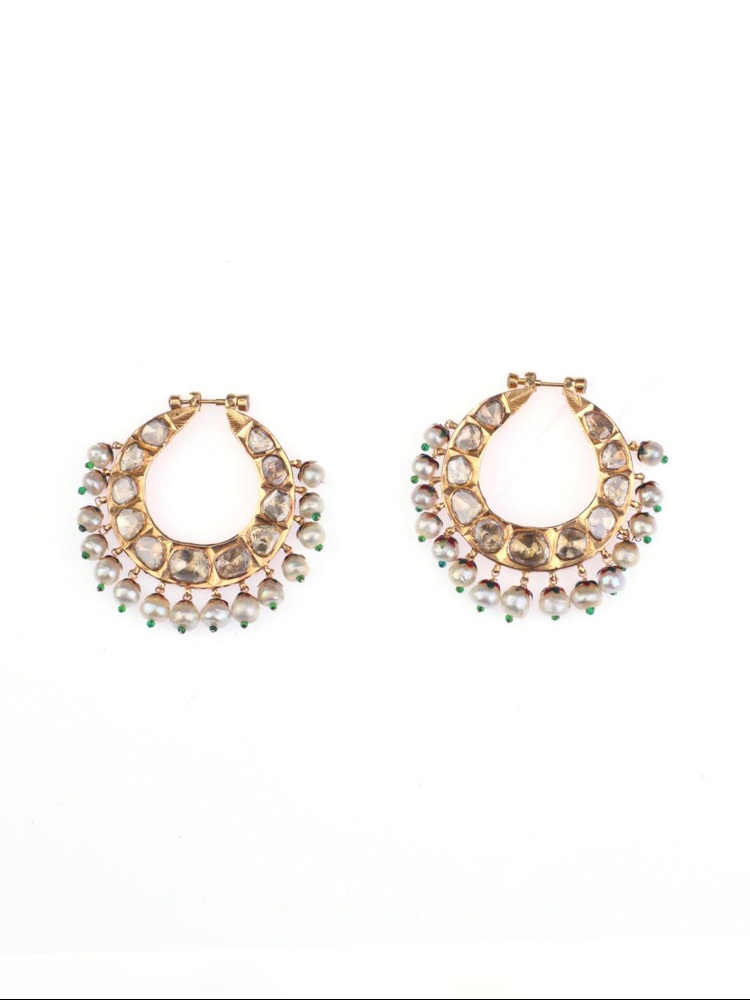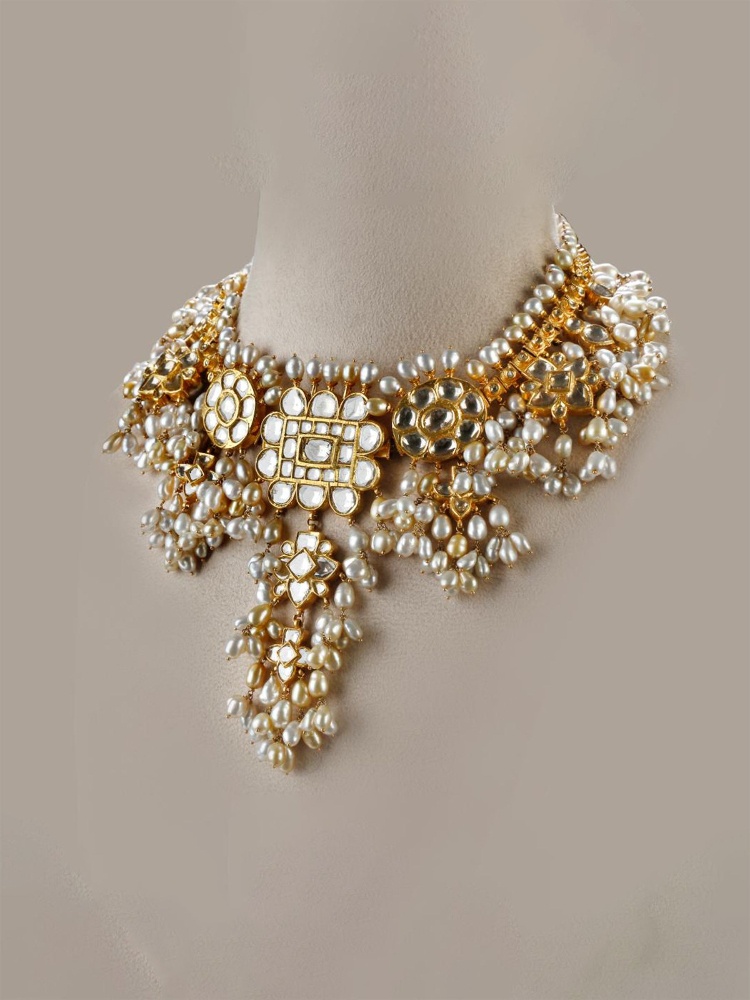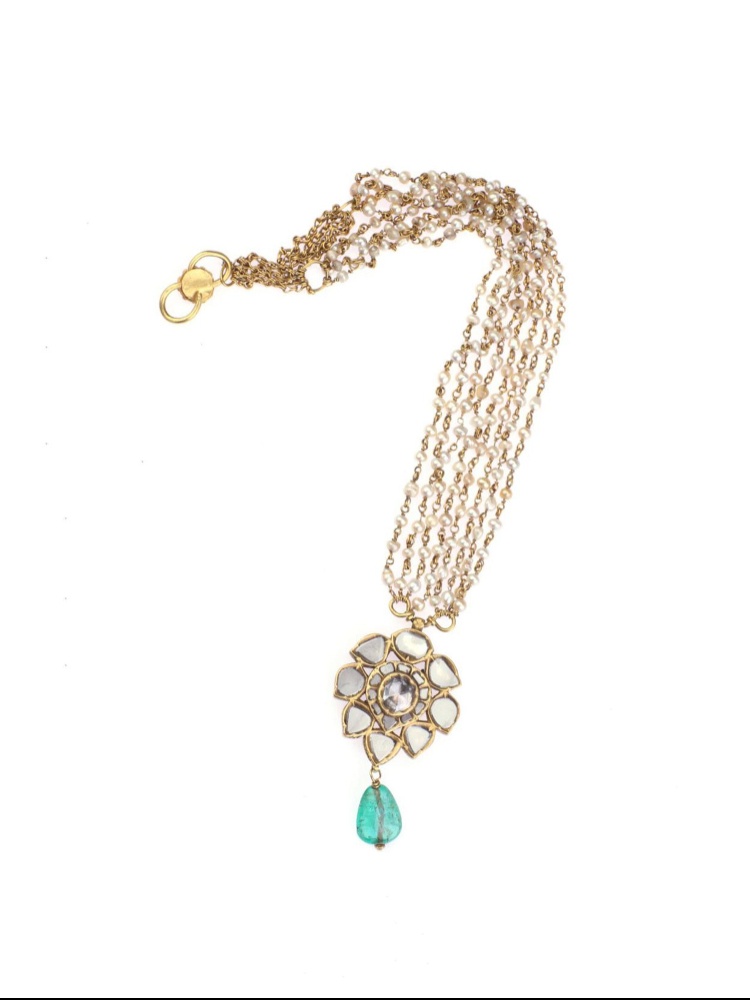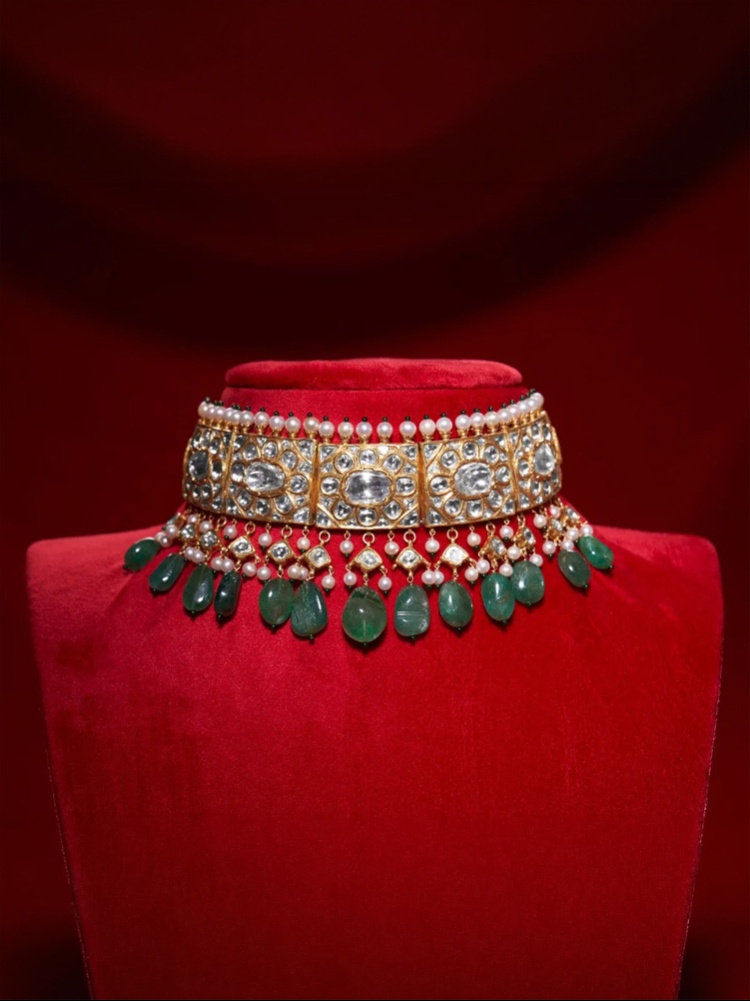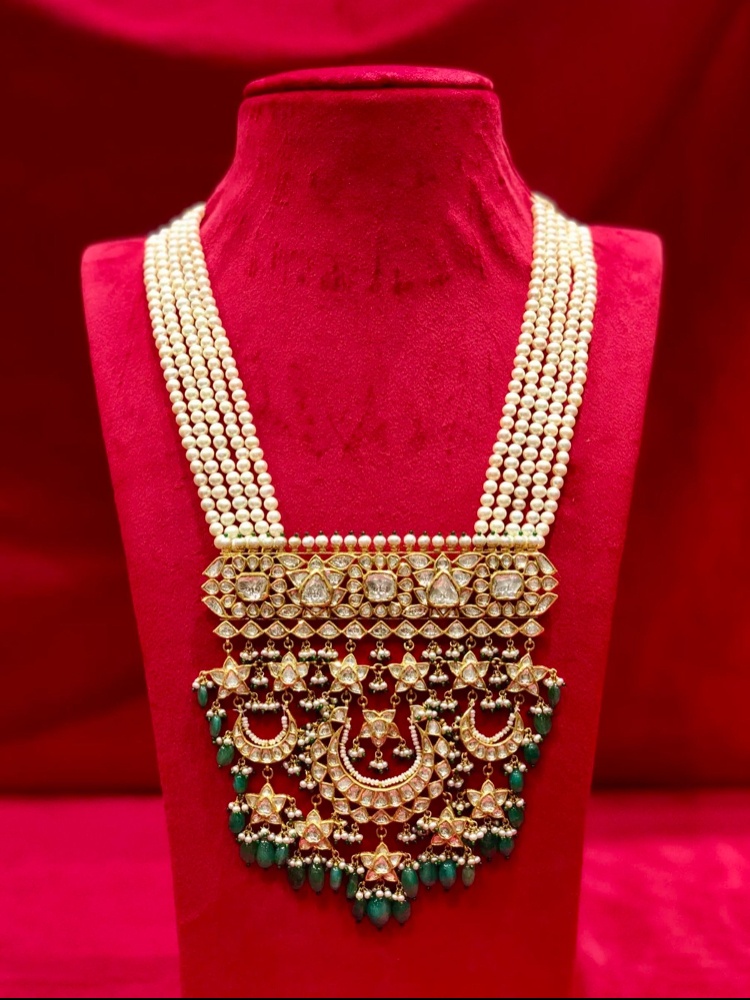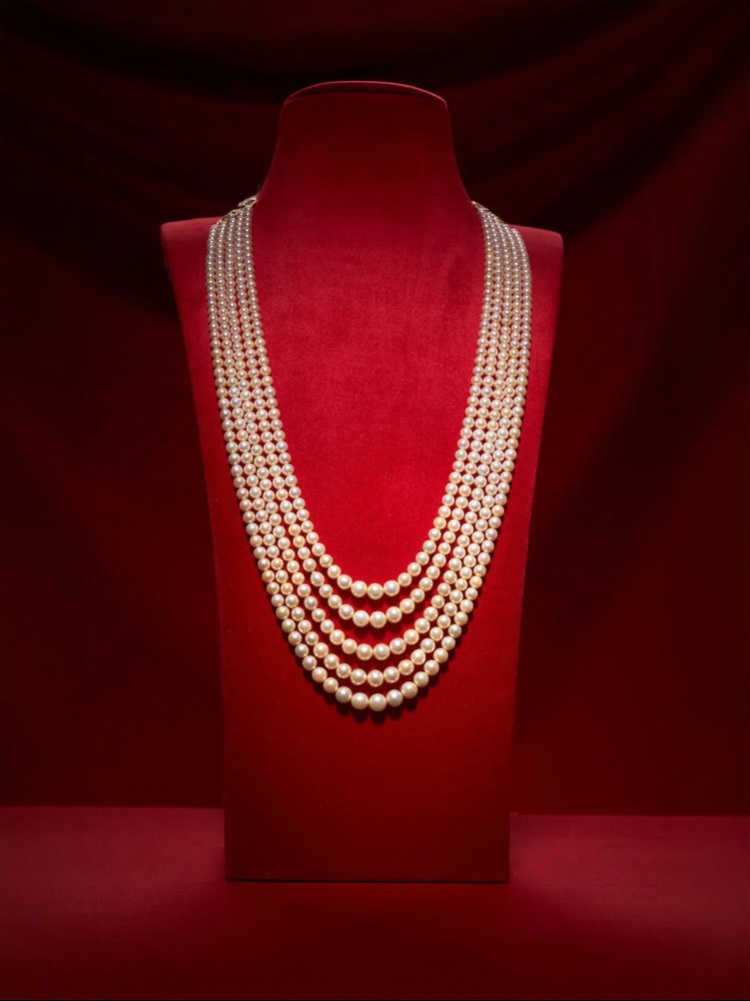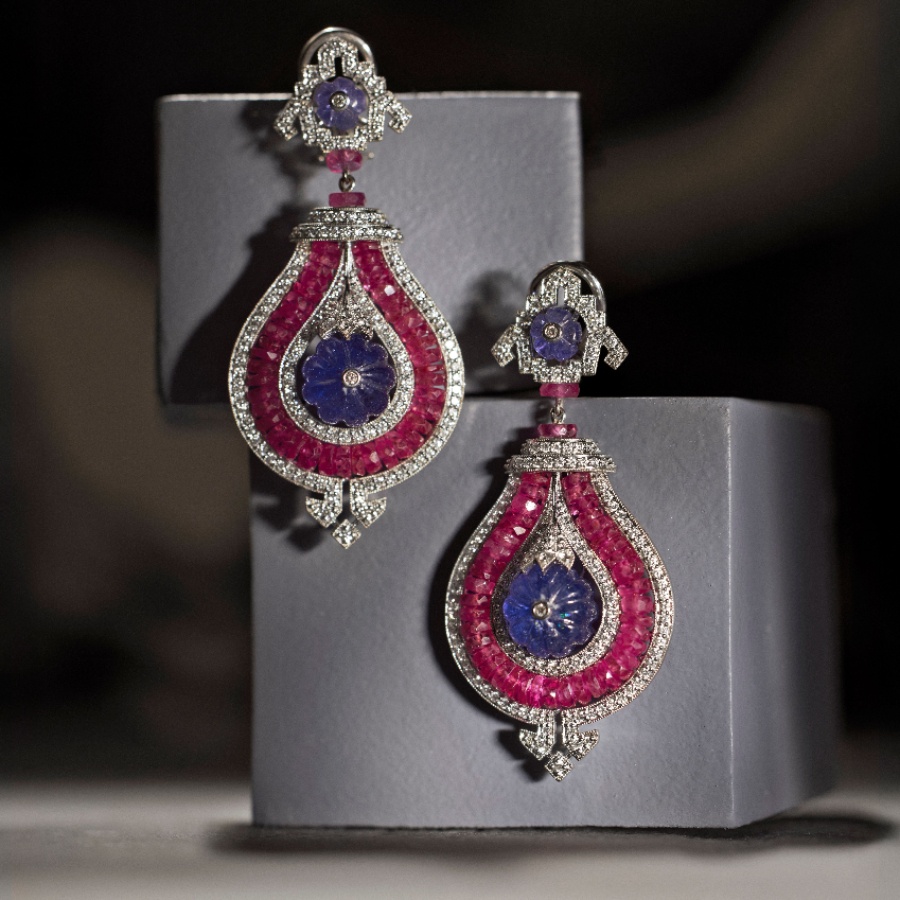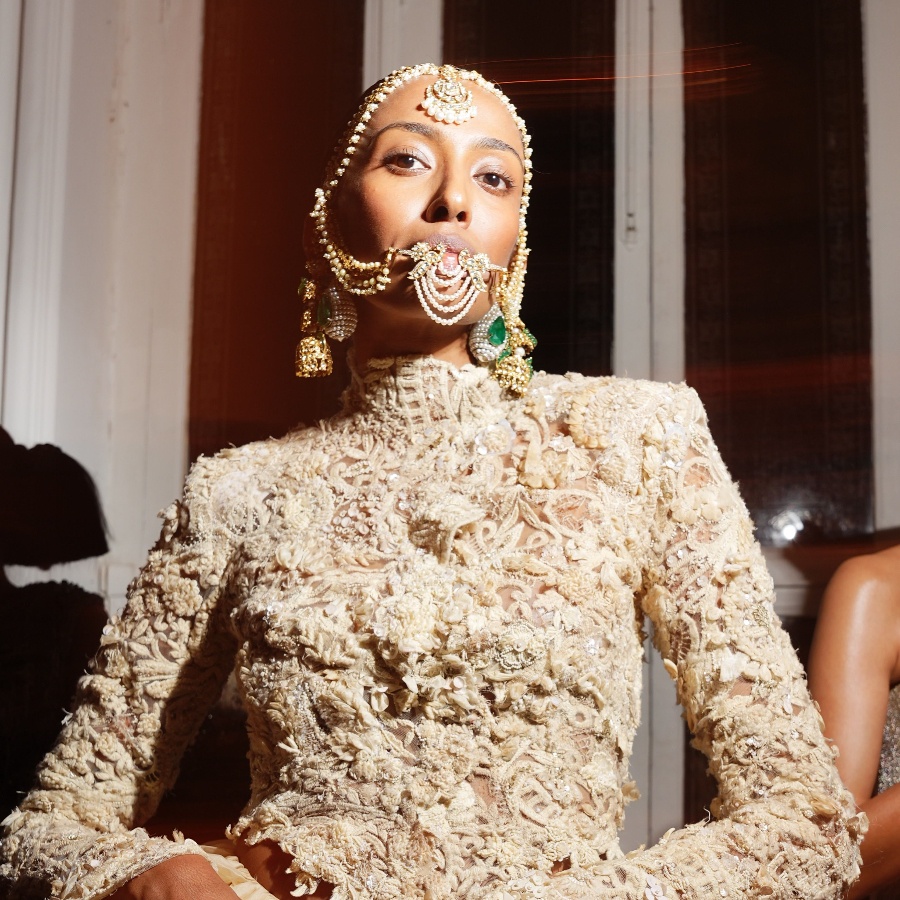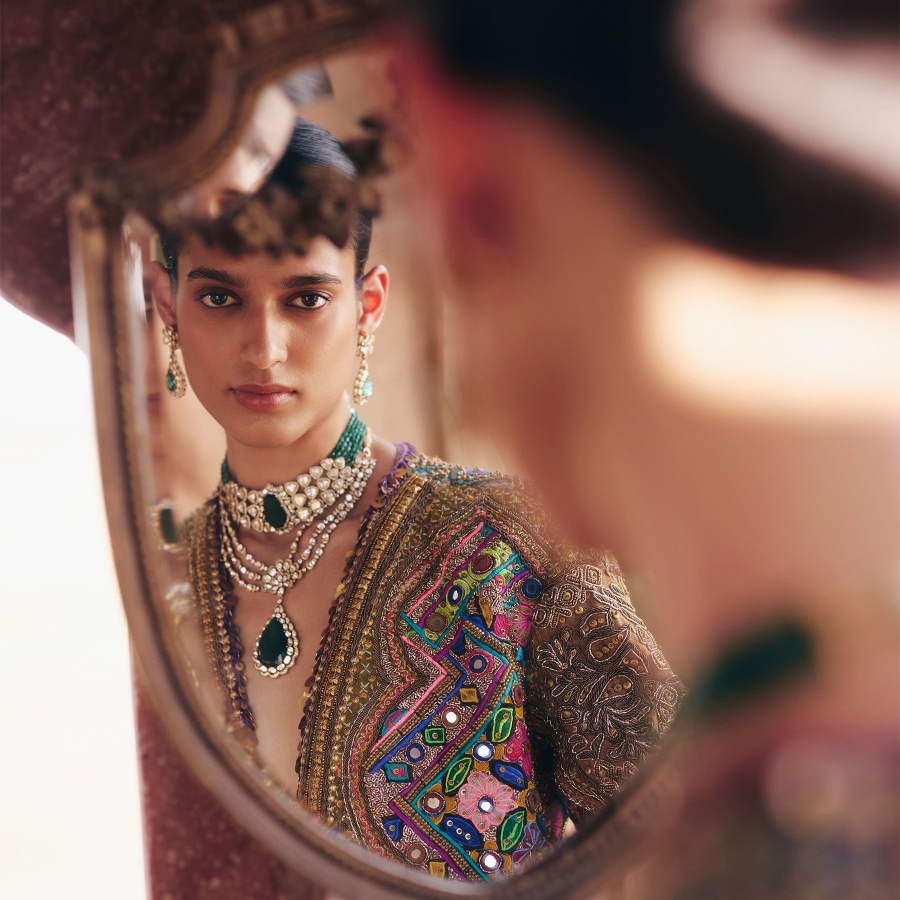


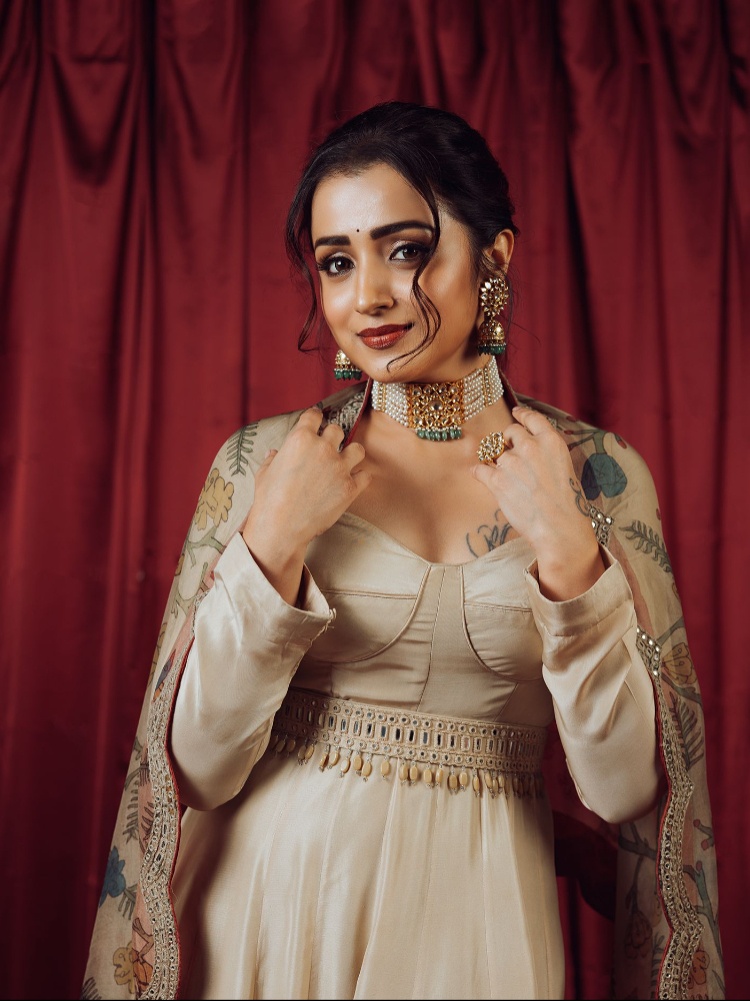

From the Sarasari on jadau chokers to the Guttapusalu or even a classic but simple opera necklace—pearls remain a bridal favourite in India. But if you want to elevate your bridal pearls, the only way to go is the very rare and precious Basra pearl route.
What the Golconda is to diamonds, Basra is to pearls. These beauties are a variety born of oysters that live in the waters of the Persian Gulf in the Basra region of Iraq. But what makes these pearls truly special, is that they are no longer produced and what is available in the market today are sourced from historic collections, each with a provenance of its own.
These pearls survive only as heirlooms. They also form a part of India's most legendary jewellery moments that include the Nizam of Hyderabad’s Satladas, Maharani Gayatri Devi’s impeccable chokers and the legendary 950,000 pearl canopy commissioned by Maharaja Khanderao Gaekwad of Baroda. It’s no surprise these gems still make it to every wedding moodboard, given not just their rarity but that we’ve been obsessed with Basra pearls for centuries now.
Only a handful of trusted jewellers continue the legacy of working with authentic Basra pearls. Kishandas & Co. from Hyderabad is one of them. Established in 1870, the now six generation-old jewellery house was once patronised by the Nizams. Today, they are known for their exquisite collection of Basra pearls, thoughtfully reworked into wearable, design-forward jewellery using traditional craft techniques. So, to figure out what brides and grooms should keep in mind while thinking of investing in Basra pearls we speak to Pratiksha Prashant, the Creative Director of the brand, and daughter-in-law of Krishnadas, CEO of Kishandas & Co.