
Fashion19 Mar 20265 MIN

The classic bridal dupatta gets a cool-girl reboot

From international red carpets “discovering” it to Y2K skinny throwbacks, this is how the Indian heirloom drape is being restyled and reclaimed for modern wedding dressing

Image

You could say scarves are having a moment again, especially after the Oscars this year. But if you’ve ever built an outfit around a dupatta, this all feels pretty routine. What has changed is how we think about it: you factor it in from the start, especially when your wedding wardrobe now spans multiple looks, moods, and very real time constraints. Because the truth is, most of us aren’t dressing for one event anymore. There’s a sangeet, a cocktail, a reception, and sometimes an after-party that sneaks up on you. And somewhere between outfit changes and actually enjoying yourself, the dupatta either becomes that hero piece you didn’t know you needed.

The skinny legend

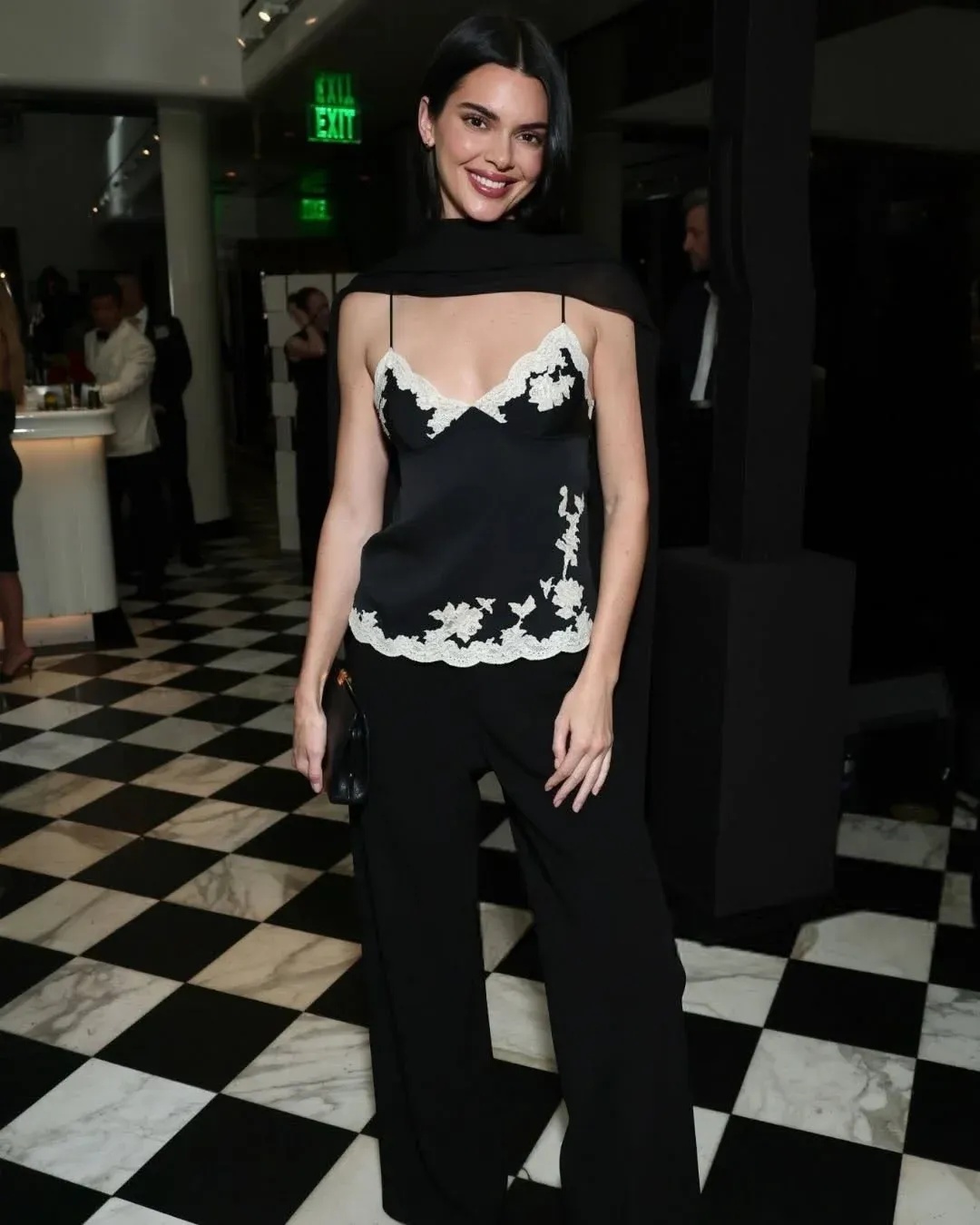
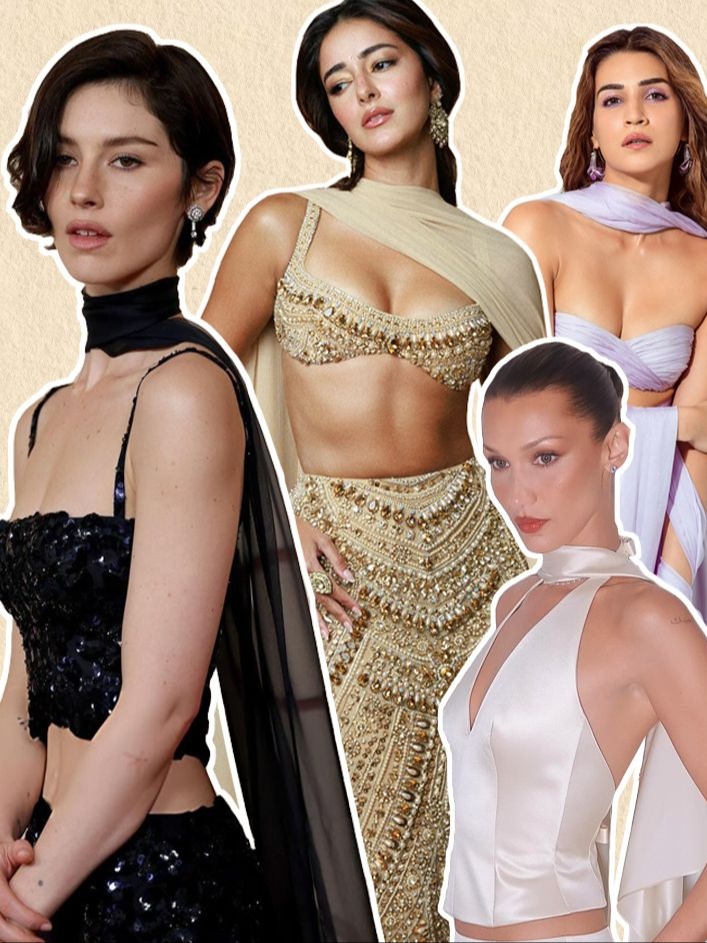
The current return to the skinny scarf feels familiar for a reason. If you grew up on Kabhi Khushi Kabhie Gham, you already have a reference point in Kareena Kapoor Khan’s barely-there chiffon dupatta. And the newspaper cuttings of the poster probably made it to your scrapbook. This year, that idea has been refined. At the Vanity Fair Oscars afterparty, Bella Hadid wore an off-white Prada set and went viral for her “scarf” save from the wind. Singer Gracie Abrams wore an inky black sequined lehenga-like two-piece by Chanel. A few days back, at the Dior and W Magazine pre-Oscars dinner, Kendall Jenner wore a black scarf around her neck, with the ends trailing behind her, paired with a kurti top. BTW, once again, the inspiration was surely Kareena Kapoor Khan’s character look from Jab We Met. Which is why the internet is up in throes about this uncredited South Asian adoption.
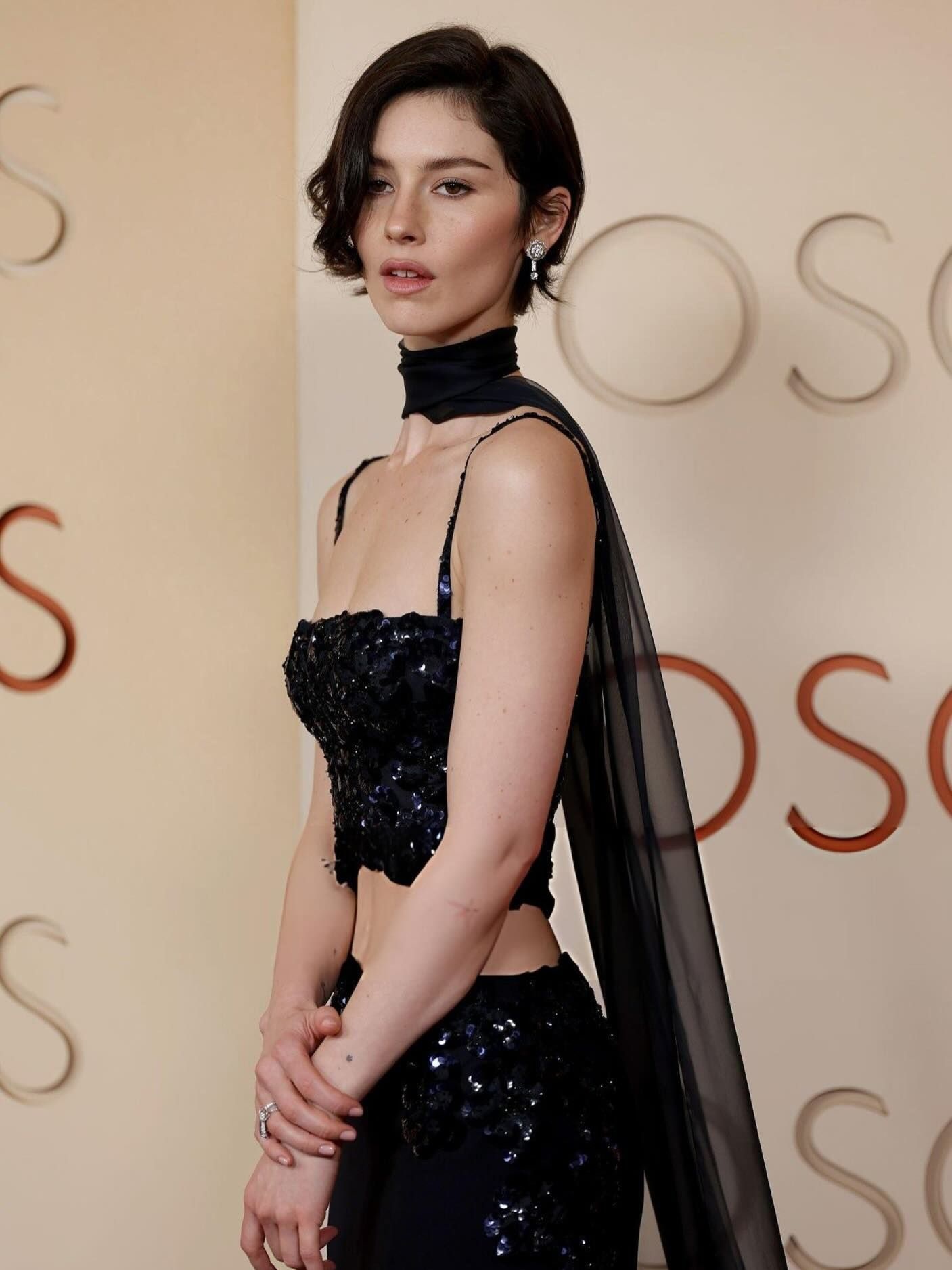
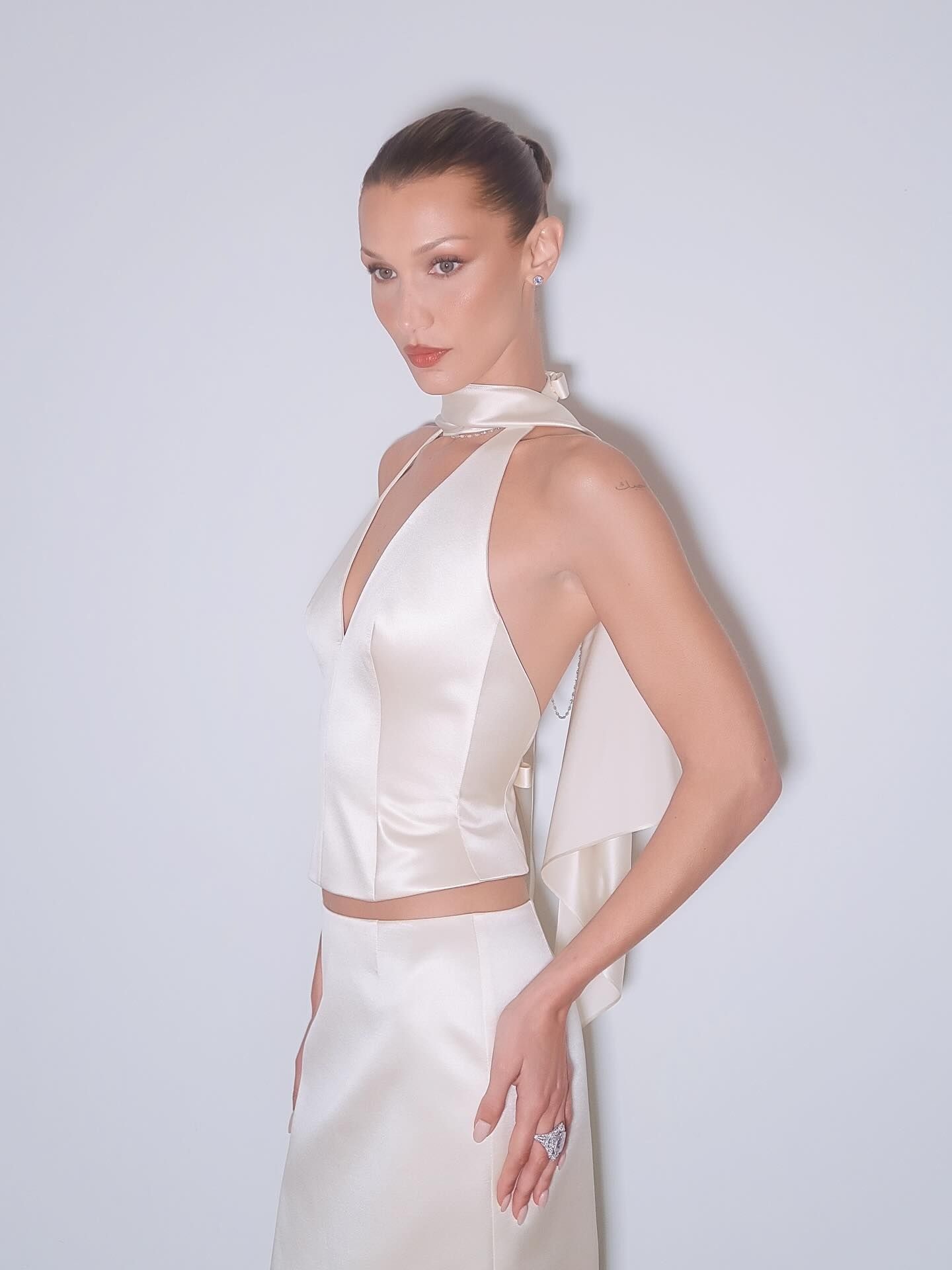
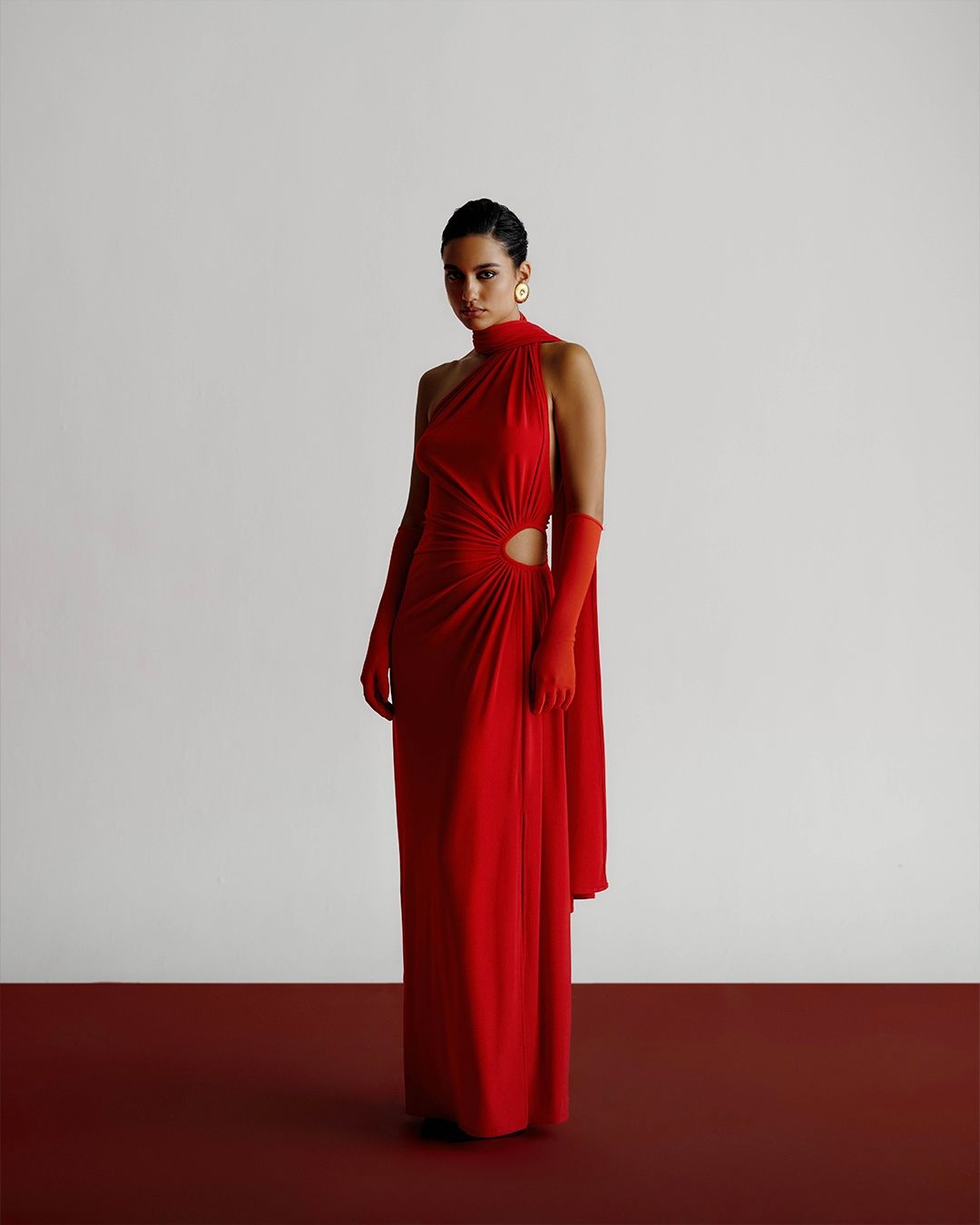
We do have to acknowledge that the styling now is slightly pared back while maintaining the sleek factor. Traditionally, the dupatta was looked at as a form of accessorisation and on-the-go modesty; it still is. In 2026, it translates into something that sits neatly along the collarbone, almost like jewellery. You still get the visual line of a drape, but without the constant adjustment. For a sangeet or anything dance-heavy, that’s a big win.

How are our Bollywood girls doing it?

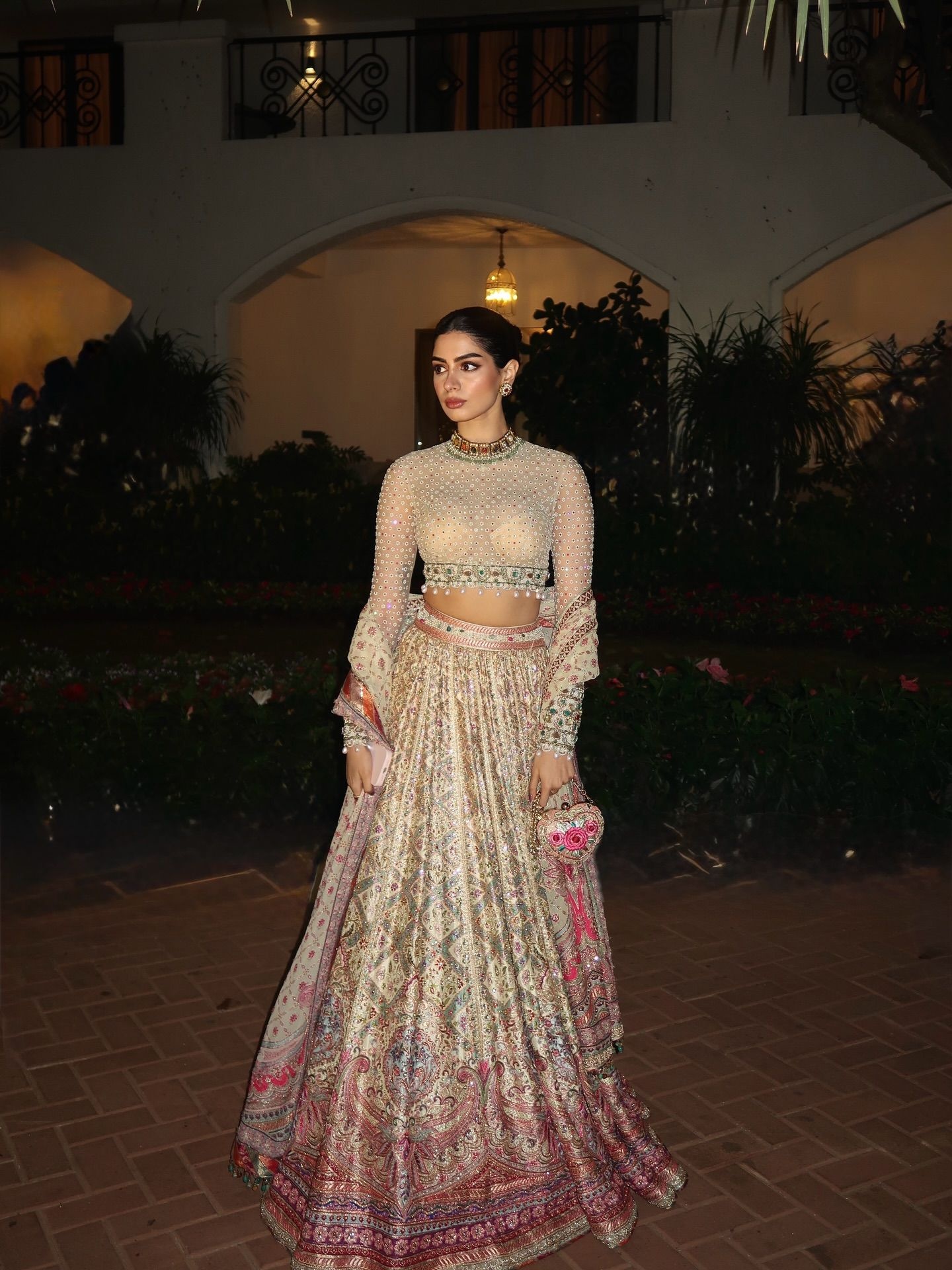
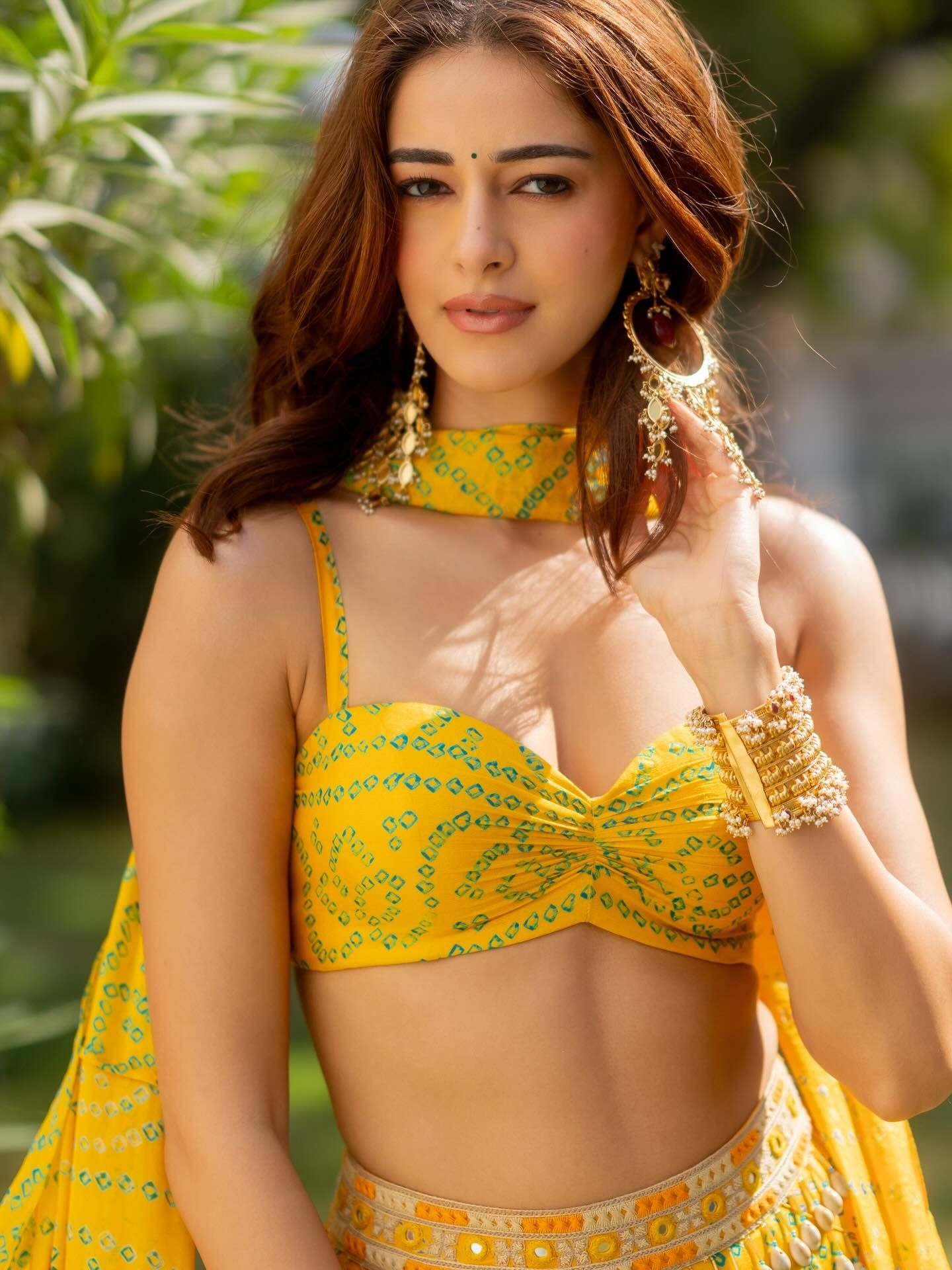
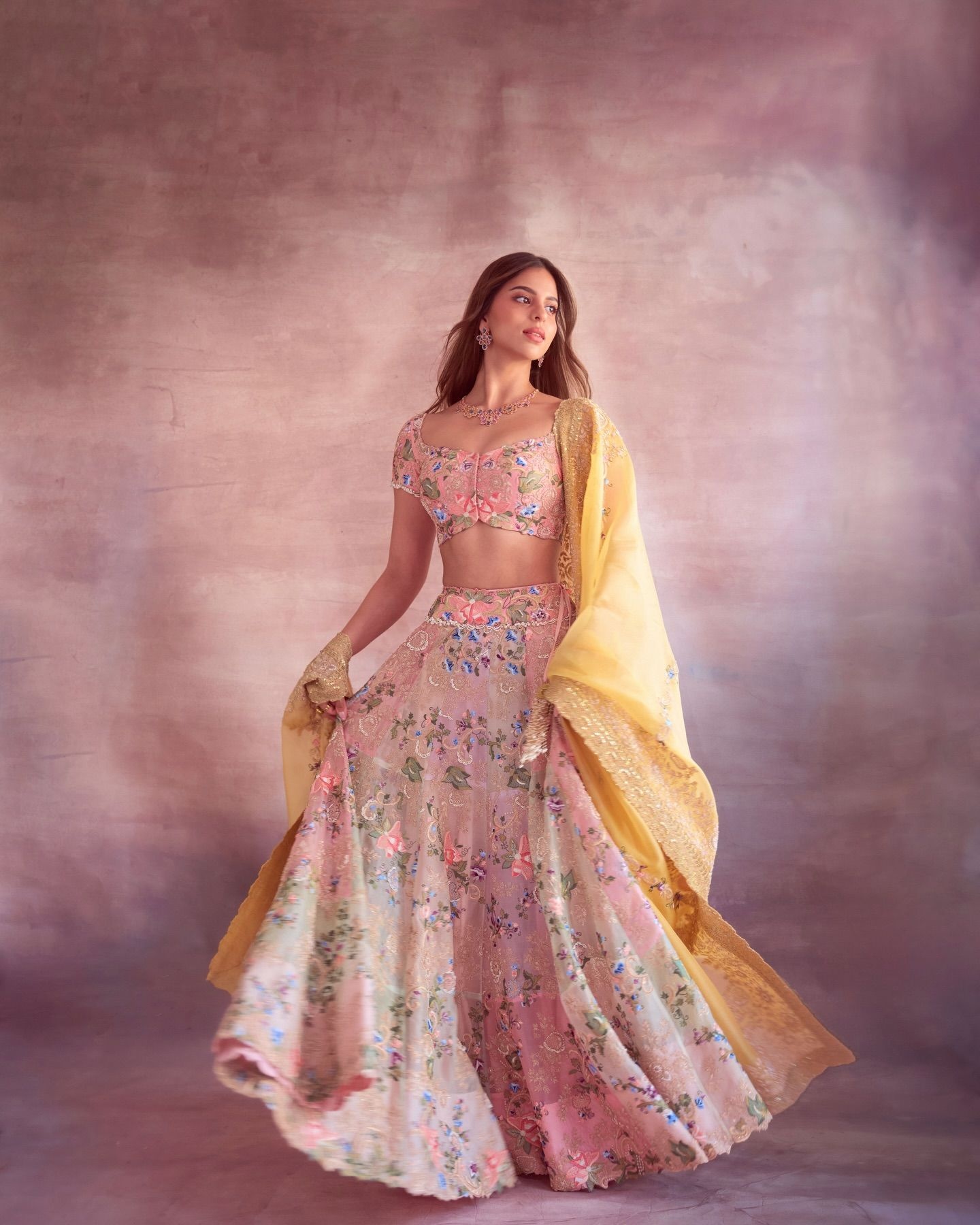
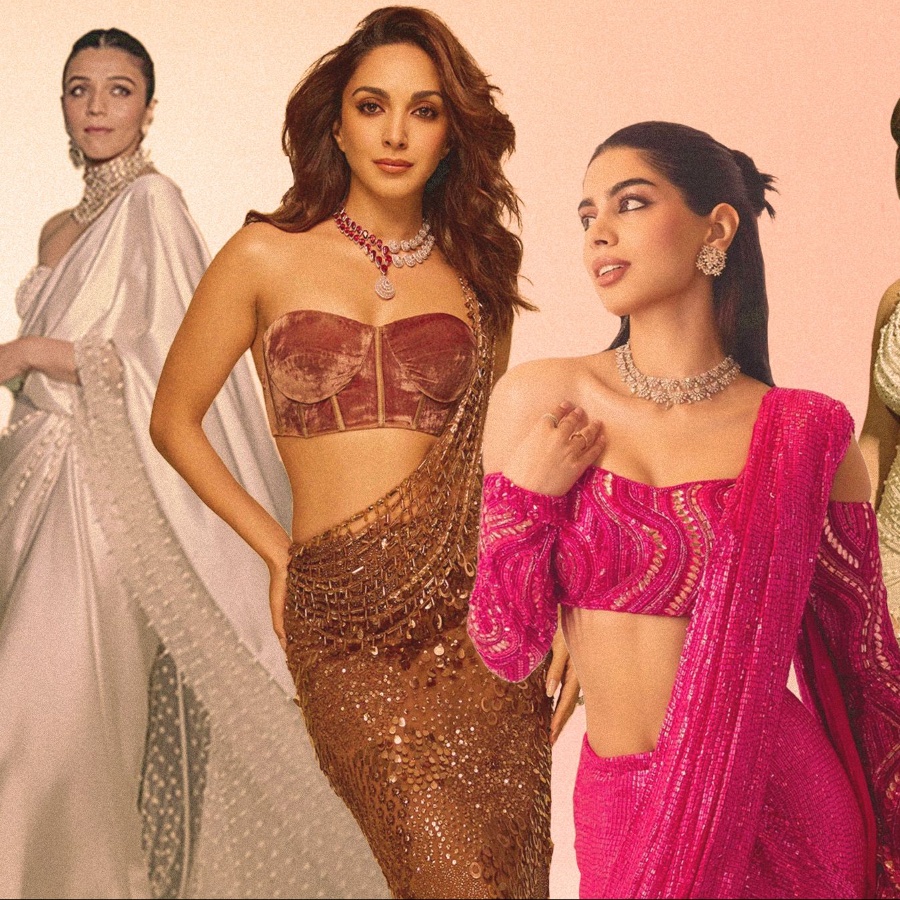
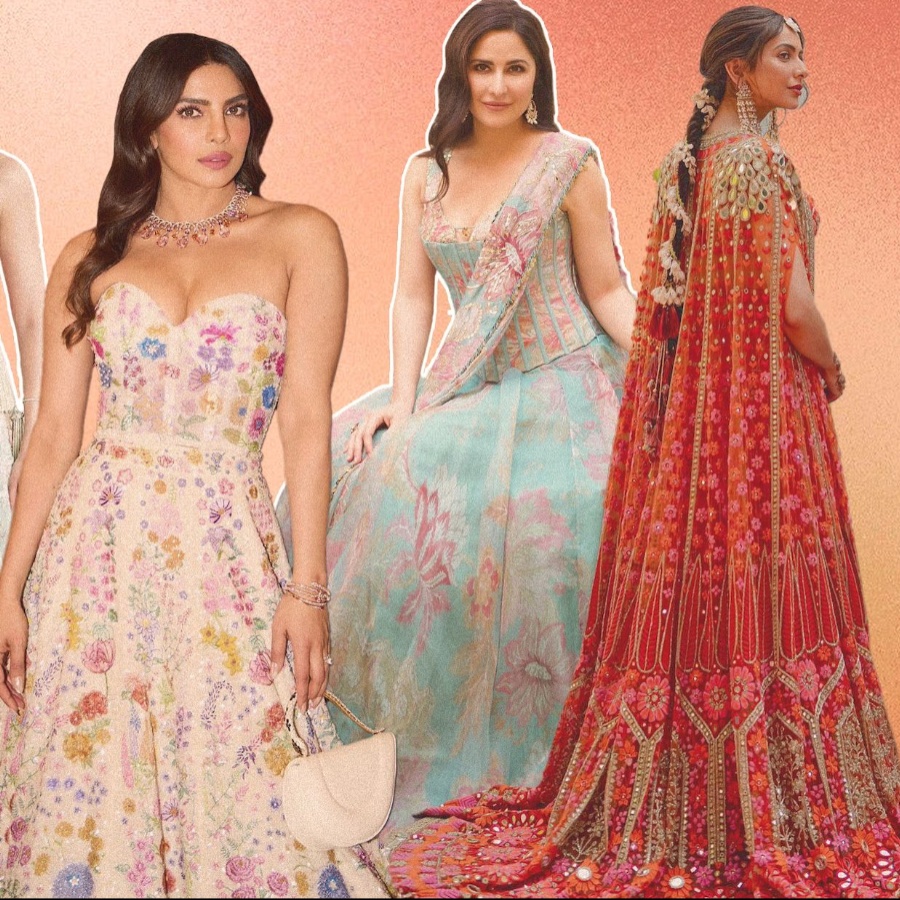
Closer home, the dupatta hasn’t been waiting to be rediscovered in your mum’s closet; all the girls are very much in touch with the whimsy of it all. Ananya Panday treats it as a flexible layer, often pairing her lehengas from Arpita Mehta, Anamika Khanna and Manish Malhotra with dupattas that range from a cape to a wrap, or something that edges into pre-stitched sari territory, depending on the look. Khushi Kapoor, in Anita Dongre or Tarun Tahiliani, plays with placement, letting it fall across the arms or sit slightly off-centre, which changes the outfit without overhauling it. Suhana Khan, often seen in Anamika Khanna, sticks to a classic drape, which works precisely because everything else is taken into account. 

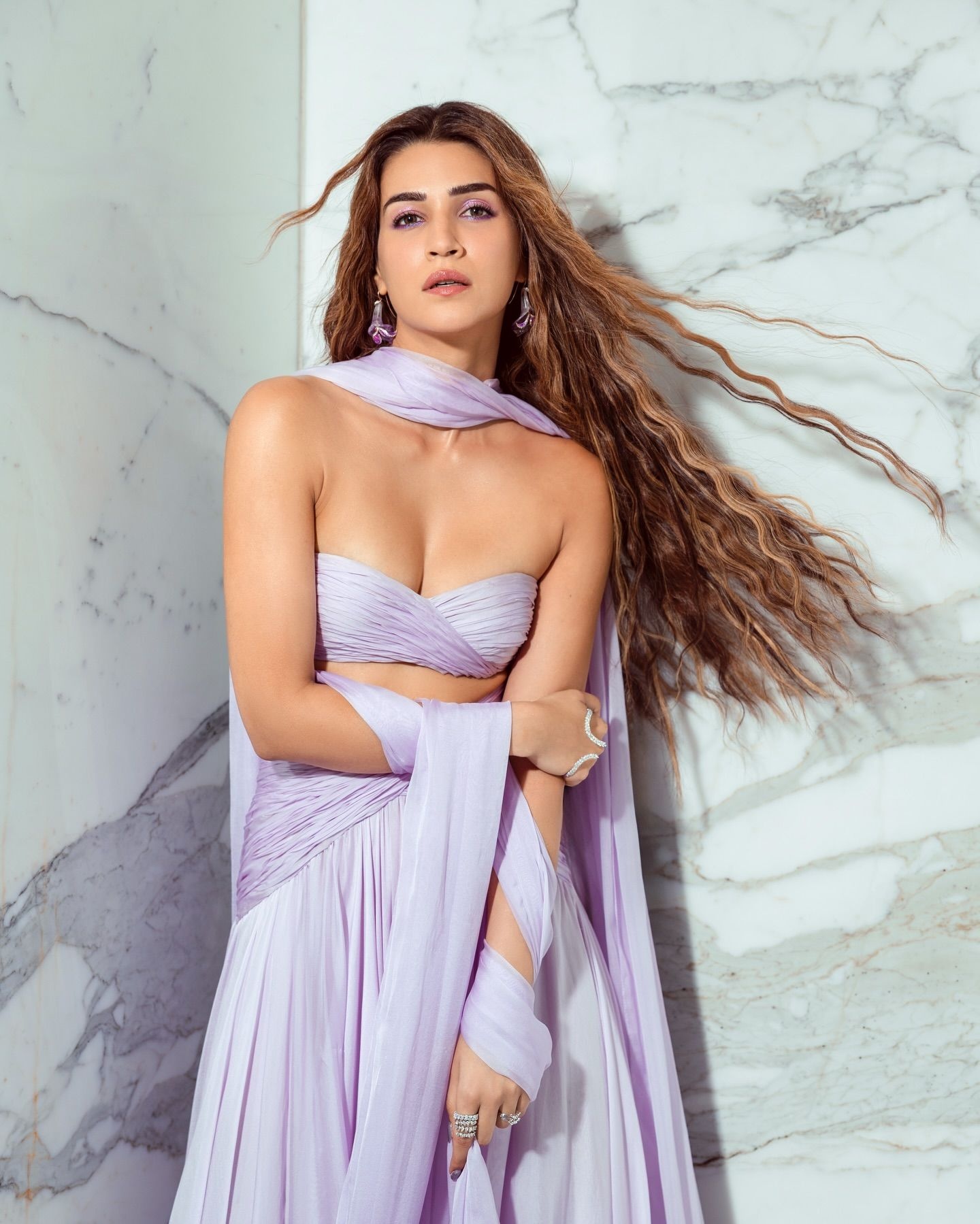
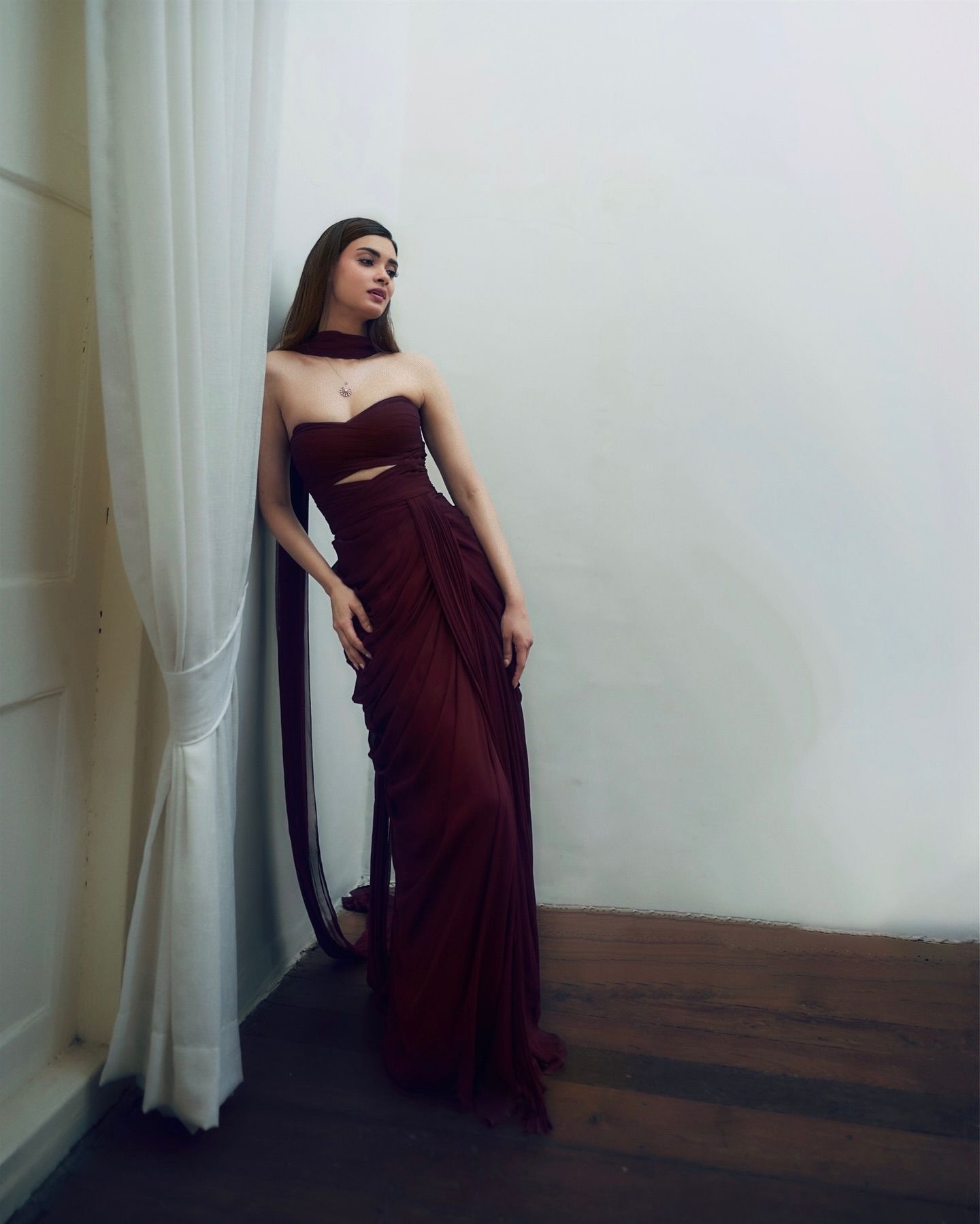
That same thinking carries into softer, more fluid looks. Kriti Sanon’s lilac chiffon moment in Andrew Kwon and Diana Penty’s burgundy draped look from Antithesis both blur the line between gown and ethnic dressing while keeping the dupatta in play. Even on screen, Sanya Malhotra’s ultra-slim dupatta in Sunny Sanskari Ki Tulsi Kumari leans into that same ease.

Relax, we still got this

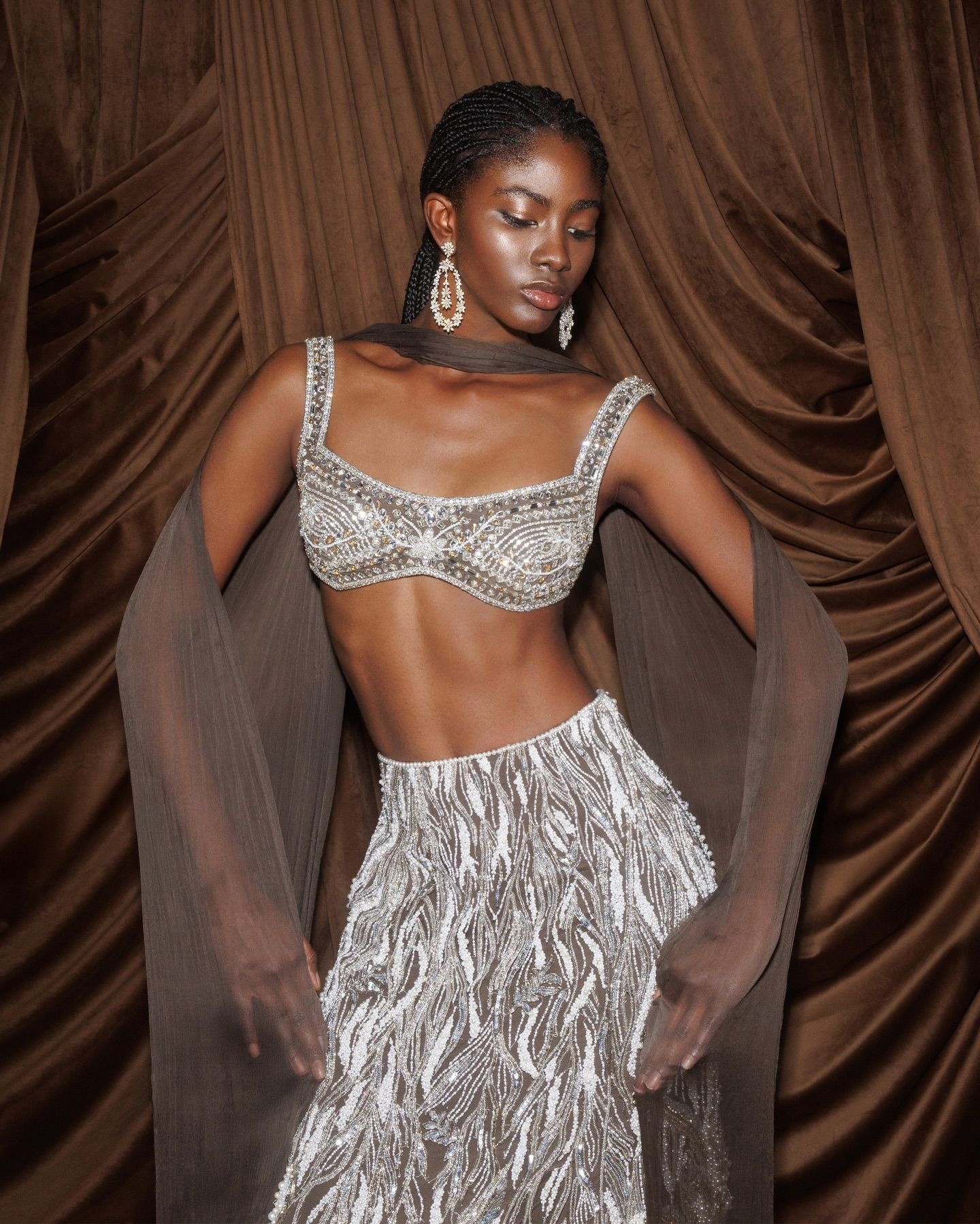
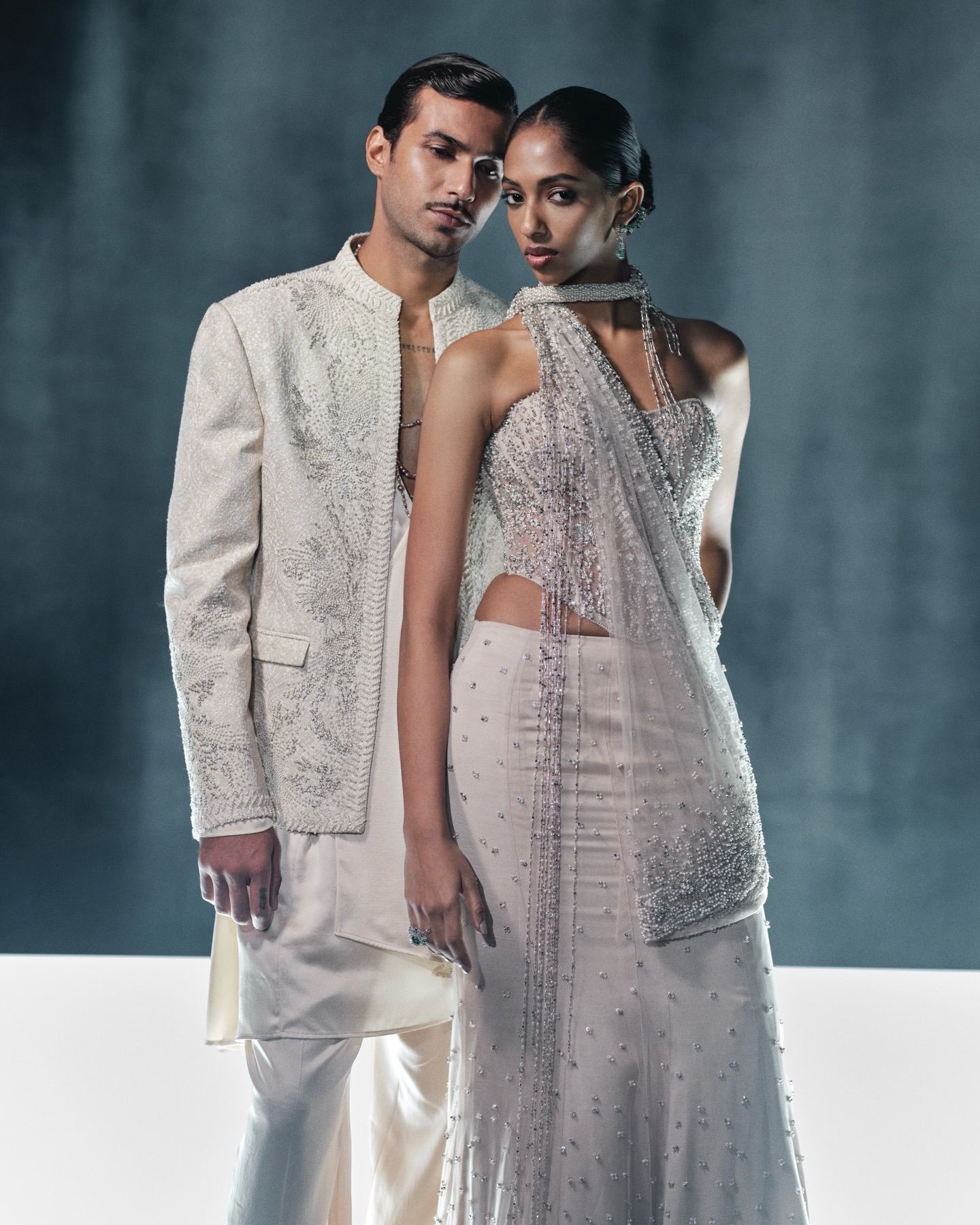
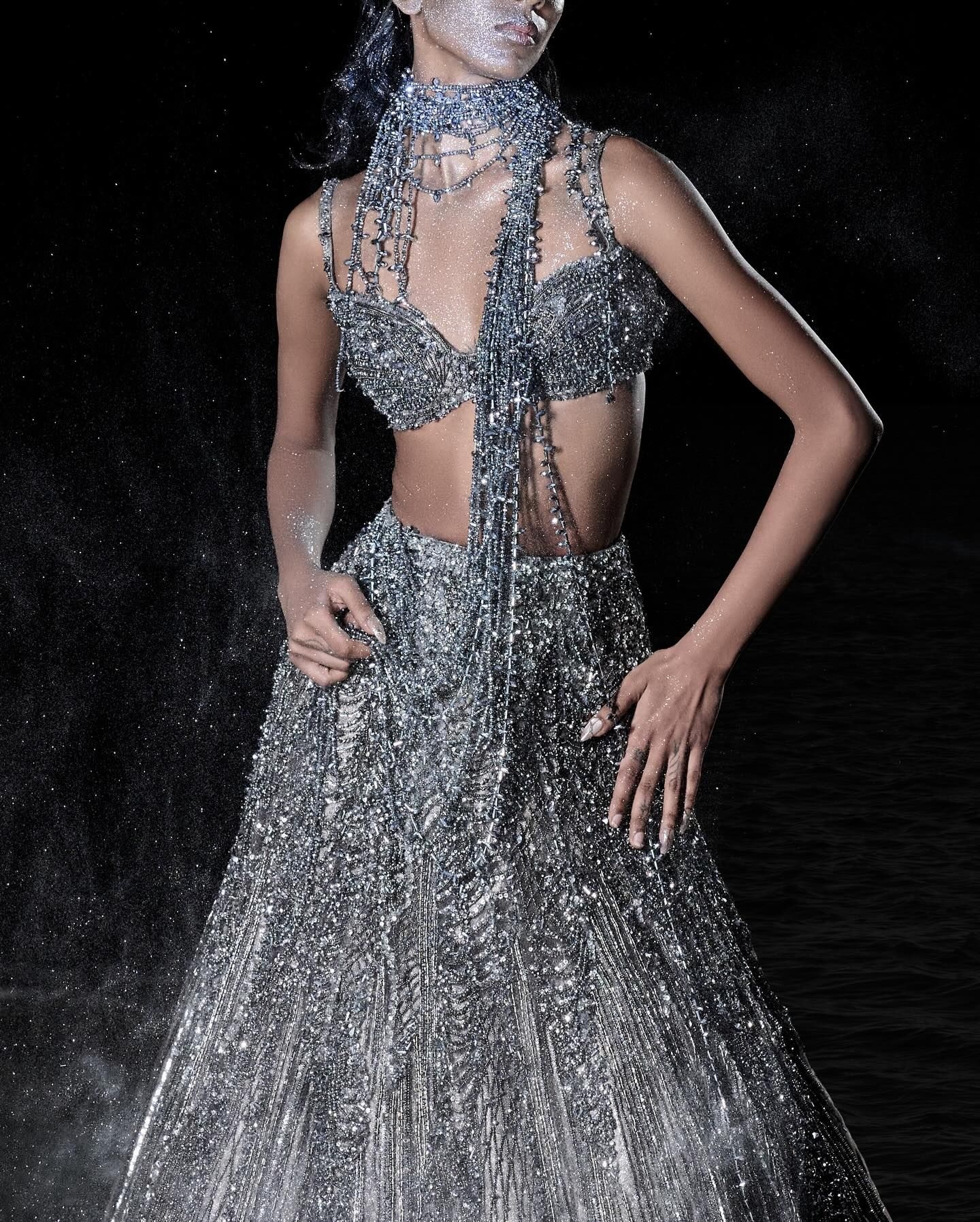
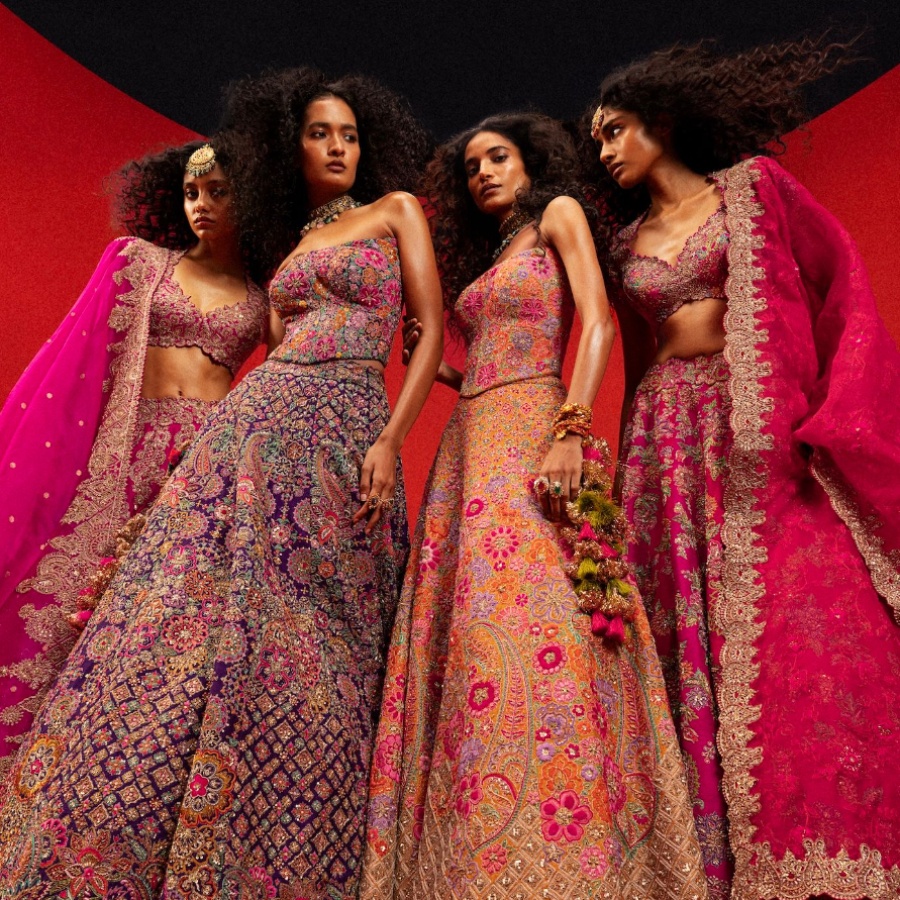
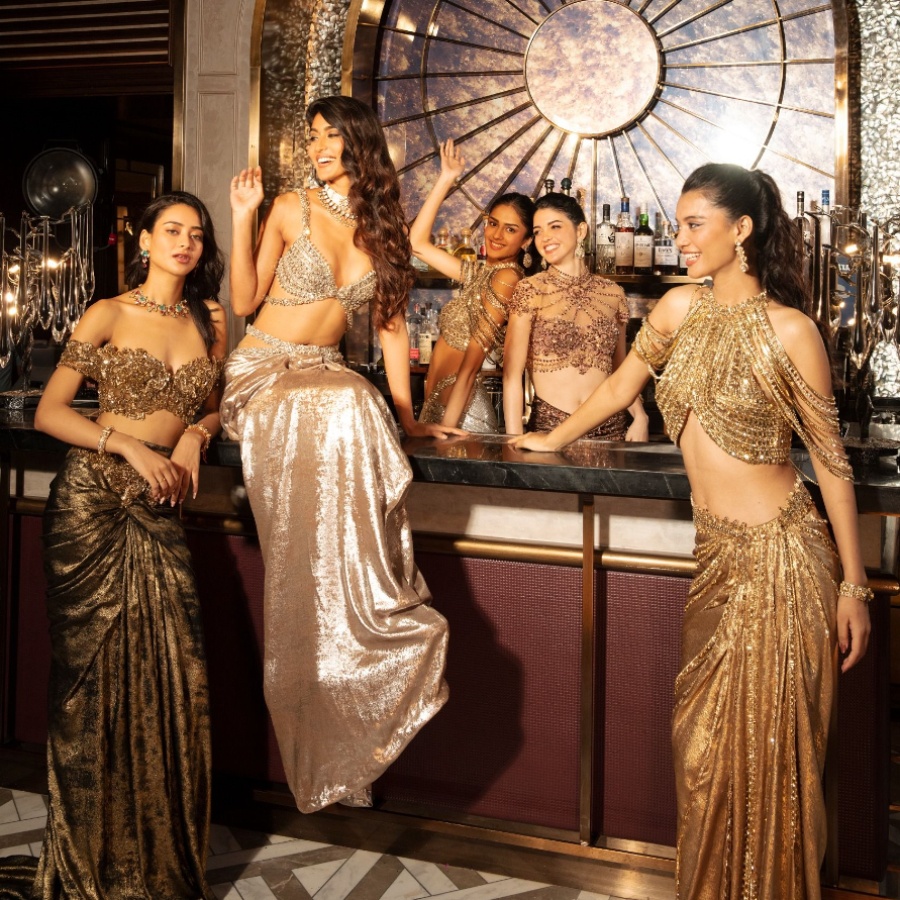
Designers, for their part, are making this even easier by building the solution into the clothes, so you’re not left figuring it out in front of a mirror five minutes before you need to leave. On the runway, Dubai Fashion Week saw Manish Malhotra lean fully into the skinny drape across his Inaya collection. The pallu was wrapped closer to the neck, almost integrated into the garment, which makes the whole thing feel less like a styling choice and more like where occasion wear is naturally heading. Gaurav Gupta’s crystal web dupatta from his Siren collection is a good example of how little fabric you actually need. It’s almost skeletal in construction, sitting close to the body like a second layer of jewellery that won't feel heavy. Rohit Gandhi and Rahul Khanna take a slightly more anchored approach. Their beaded dupattas are held at the centre, then cascade outward in clean lines, which gives you definition without the usual bulk, a very late 90s take on the silhouette.

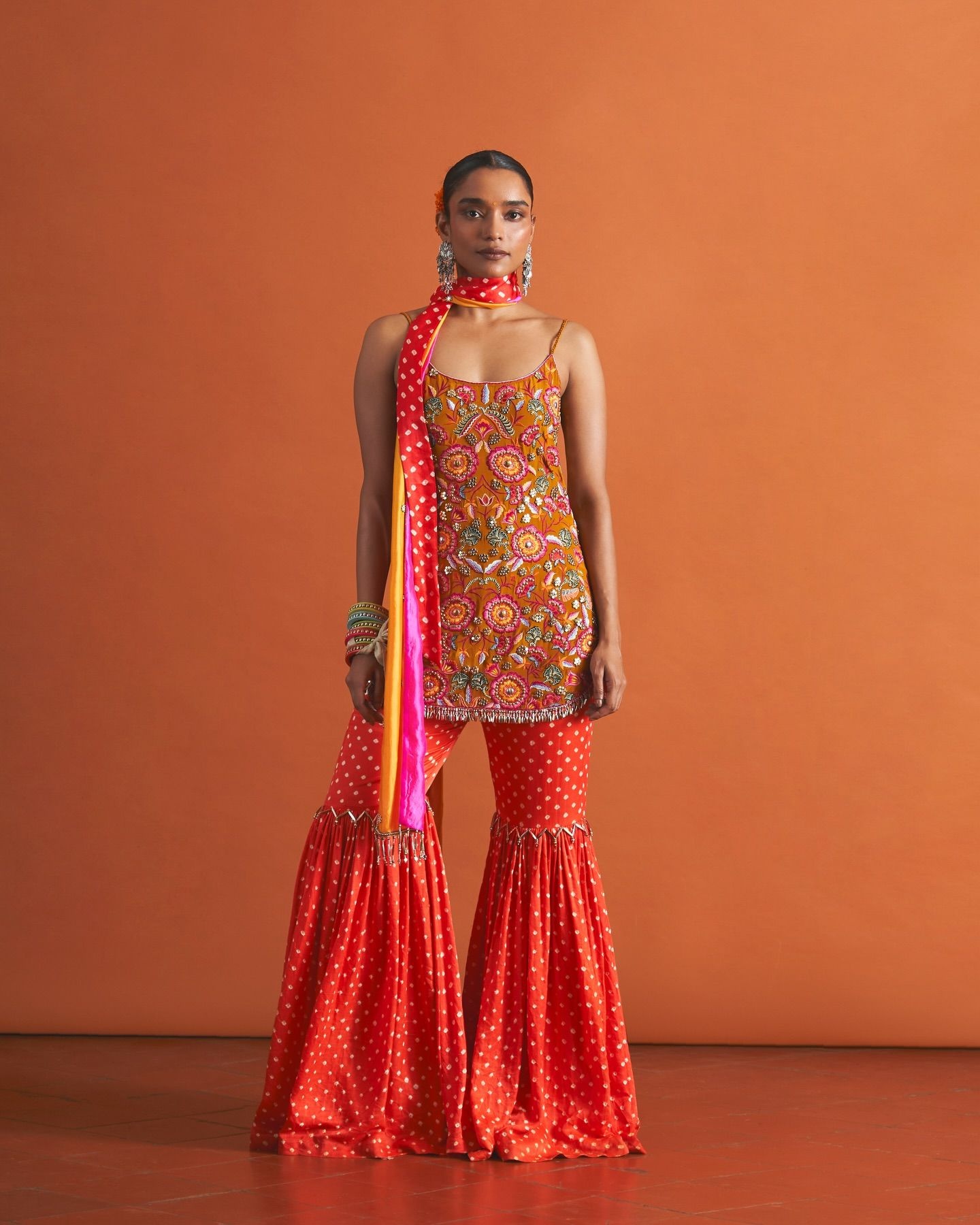
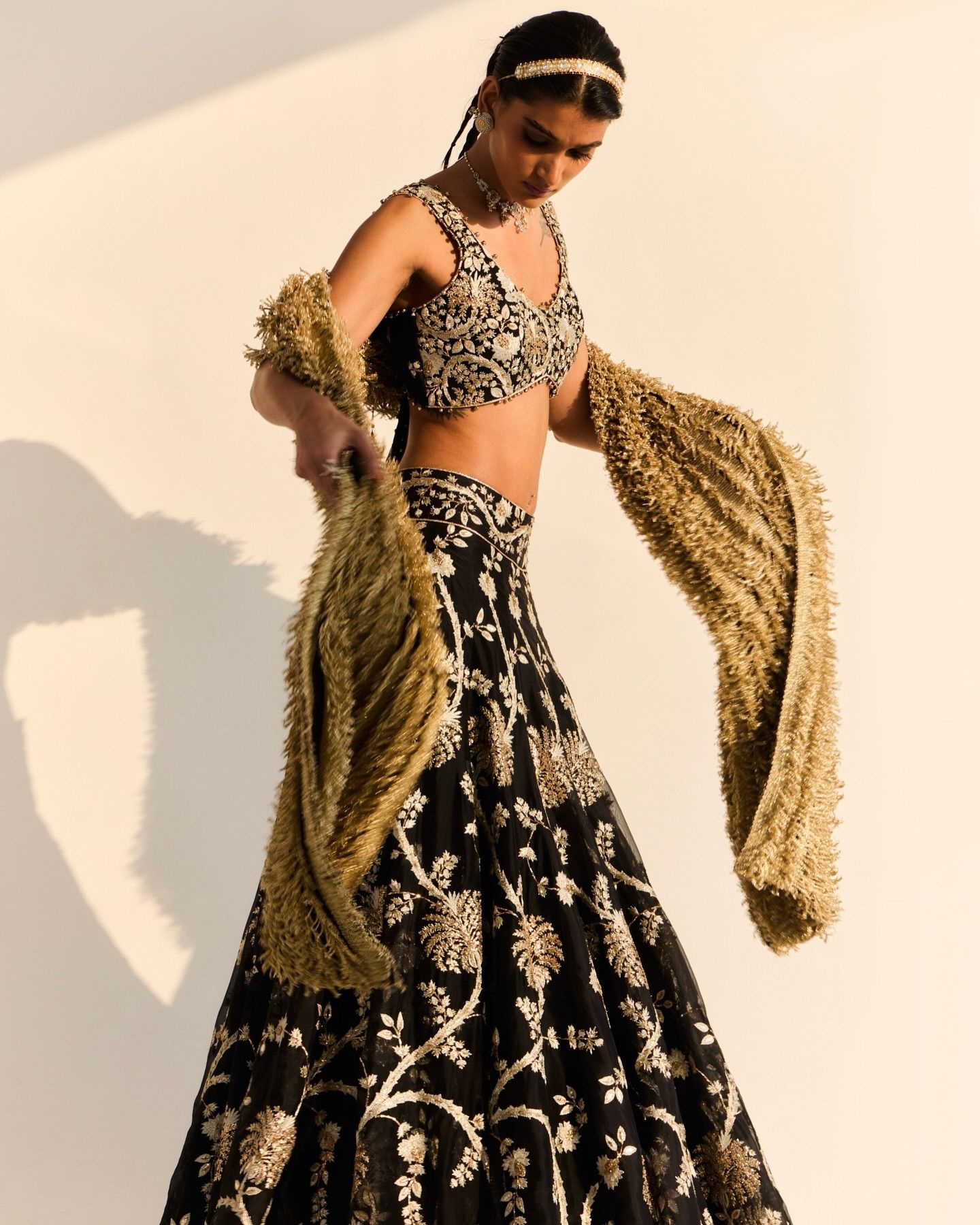
If you’d rather work with texture than structure, enough is happening there, too. Payal Singhal’s net dupattas are finished with textured gold fringe for anyone who’s still on the fringe fever. They shift slightly with every step and do just enough to break up a monochrome look. Anushka Khanna’s bandhani skinny dupatta, often paired with a sharara, leans into craft but keeps the silhouette light. It’s a more relaxed take on occasion wear, something that feels dressed up without being in a rush to hold your bags and dupattas.

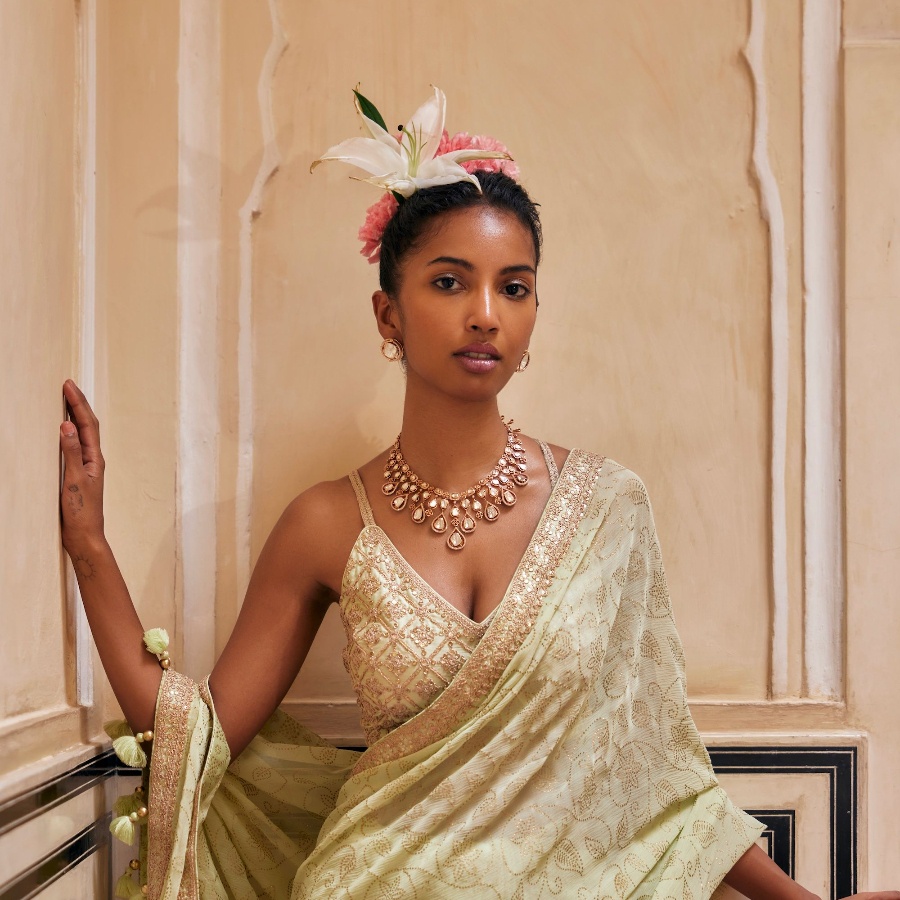
So it was only a matter of time before the sari followed suit. Shweta Kapur’s approach of wrapping the pallu around the neck at 431-88 reframes it as part of the outfit rather than an add-on. It's stylish, but more importantly, it won’t stress you out by falling or having to attach all the safety pins you have. If you’re moving between events or just don’t want to keep readjusting fabric through the evening, this is the version that makes sense.

And if you’re really team ditch-the-dupatta but still want the effect. Asha Gautam’s cape-style version, attached at the back of a sweetheart blouse, is made for you. It trails behind you like a traditional drape, where your hands are free.

So, what do you actually do with this

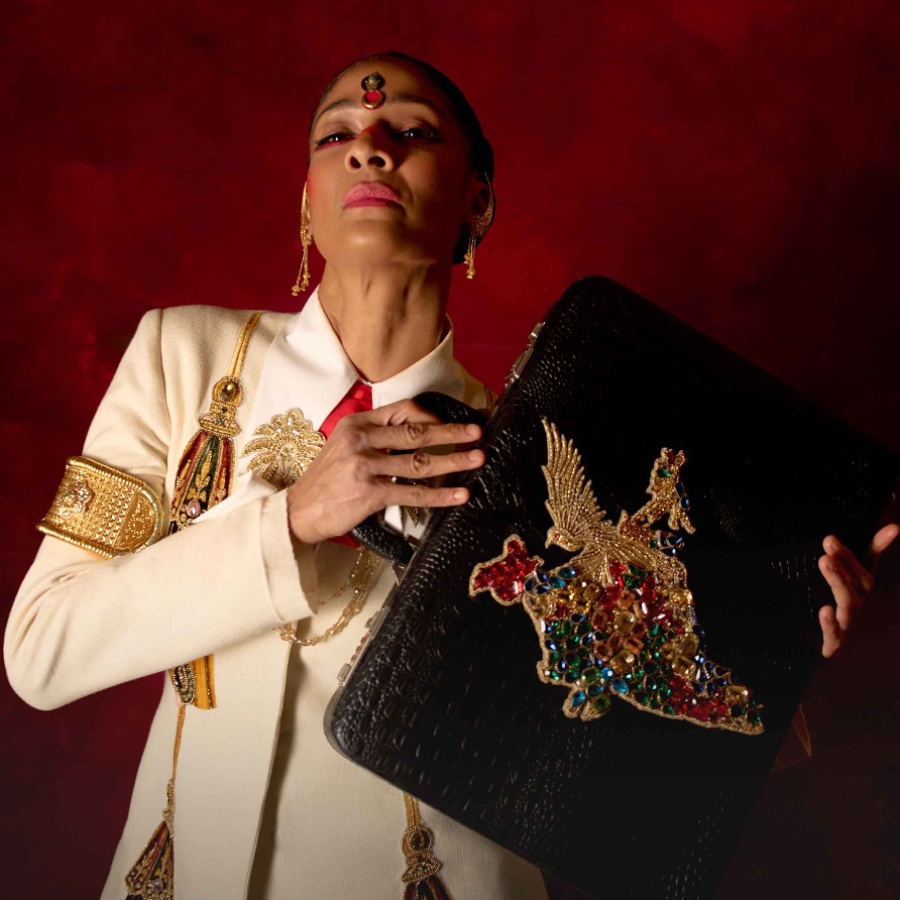
When you’re planning a wedding wardrobe, the dupatta is one of the easiest ways to shift a look without starting from scratch. Keep one outfit traditional, fully draped and pinned. Let another feel lighter, maybe a skinny version for the sangeet or a cape for the reception. Or simply rework the drape on the same outfit and call it a second look. It saves time, and more importantly, it lets you stay present for the evening. If you need a starting point, Dolly Jain’s advice holds up. Layer multiple dupattas in different textures or tones. Stay with us; it may sound too simple for such a big promise, but give it a shot, and you're sure to up your layering game.

The Nod Newsletter

We're making your inbox interesting. Enter your email to get our best reads and exclusive insights from our editors delivered directly to you.