



Accessories25 Sep 20263 MIN

A New York subway seat is perfectly on brand for the Behno Loft in Ahmedabad

There’s more than bags at the homegrown accessories label’s first-ever store front that’s a stylish ode to NYC

Behno New York Loft, Ahmedabad

Courtesy Behno New York

Nobody thought they’d arrive at the opening of the Behno Loft in Ahmedabad with a fresh, wind-swept blow-dry and a melting face. But that’s exactly what happened to guests who were driven through the city’s streets in a procession of sidecar scooters led by local internet sensations, the Biker Dadis. Pretty meta, pulling up to a luxury handbag store in a scooter sidecar, if you ask me. After all, a handbag is technically a sidecar for your outfit, isn’t it?

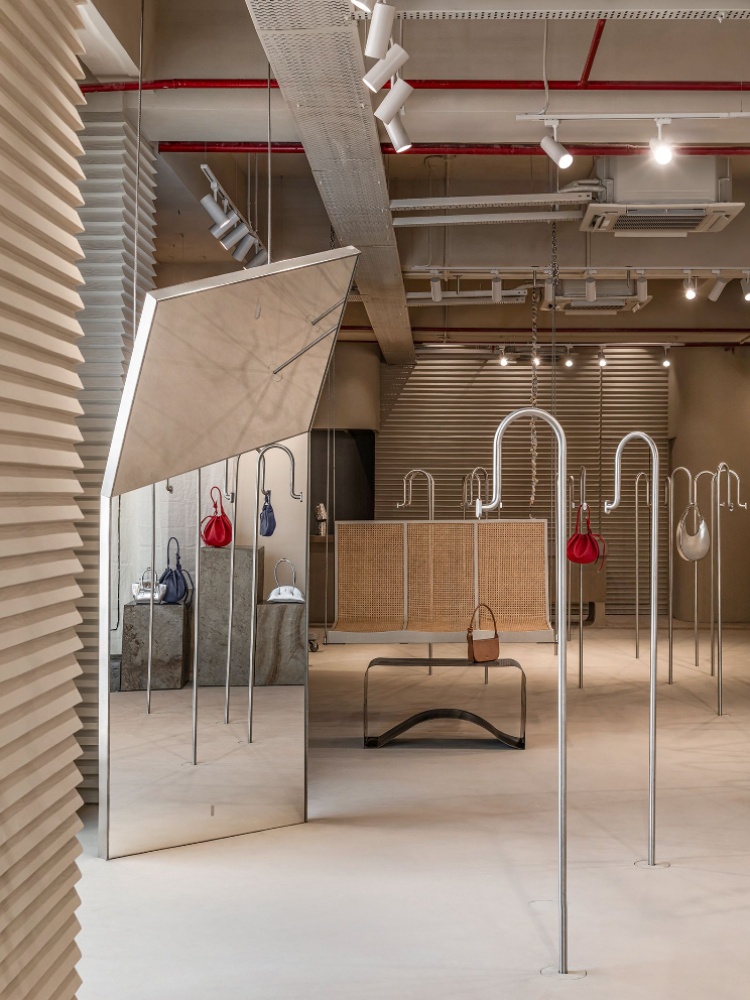
Walk in and you’re immediately greeted with bags, fabrics, and chairs suspended mid-air. There’s a funhouse-like mirror in one corner and a tiny Subko cafe in another. It hardly looks like a place to buy anything. But that’s what founder Shivam Punjya intended all along.

“The city always felt like home, in a way,” the 38-year-old designer tells The Nod. For Punjya, Ahmedabad was less a commercial calculation than a cultural one. He says he wanted Behno to live in a city whose design sensibility felt instinctively aligned with the brand, adding that he views Ahmedabad as the Indian counterpart to New York City. While the label was based in NYC for almost a decade after its founding in 2014, the products have always been proudly made in Gujarat. Naturally, the brand’s first-ever store had to reflect this intertwined legacy.

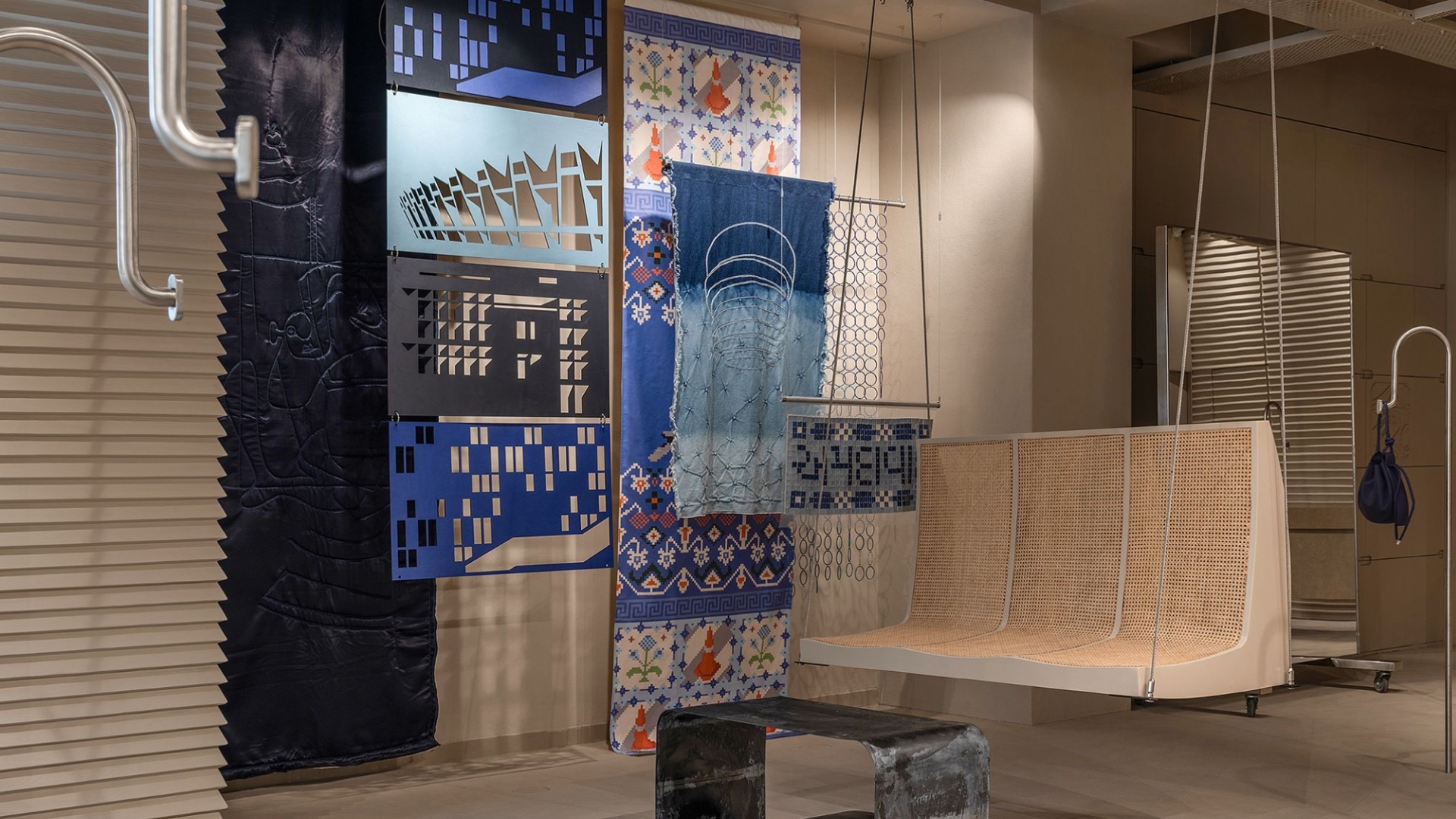
Take the swing that anchors the space, for instance, which combines the familiar jhula found in Indian homes with the classic subway seat of New York’s MTA. Behind it, a tapestry of blue denim and leather brings together Ahmedabad’s textile history and New York grunge. Woven into the mix are patola and bandhani fabrics printed with New York’s unofficial mascots—pigeons and apples.
The tapestry is also a nod to the brand’s denim Maison tote bag, available exclusively at the Ahmedabad store. “Everyone on the team has one, and we have different colours and patches available,” Humera Khan, a graphic designer who works with Behno, tells me.

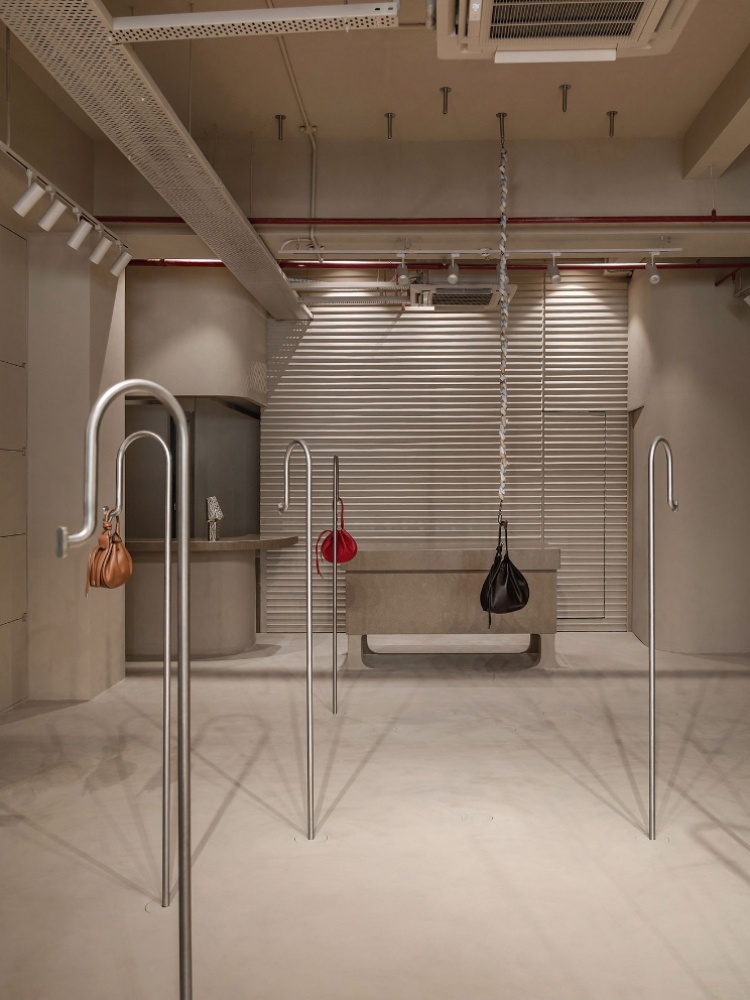
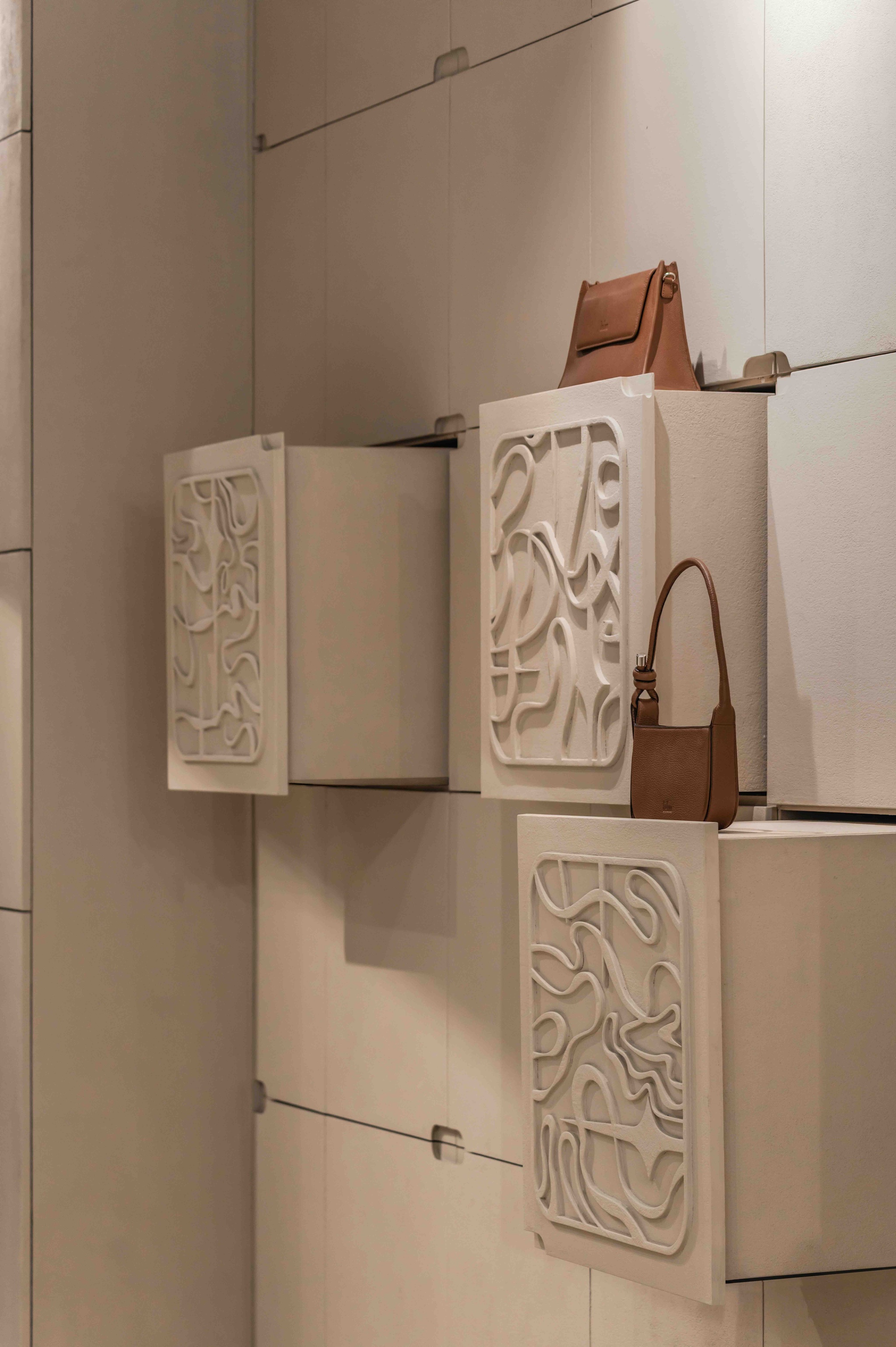
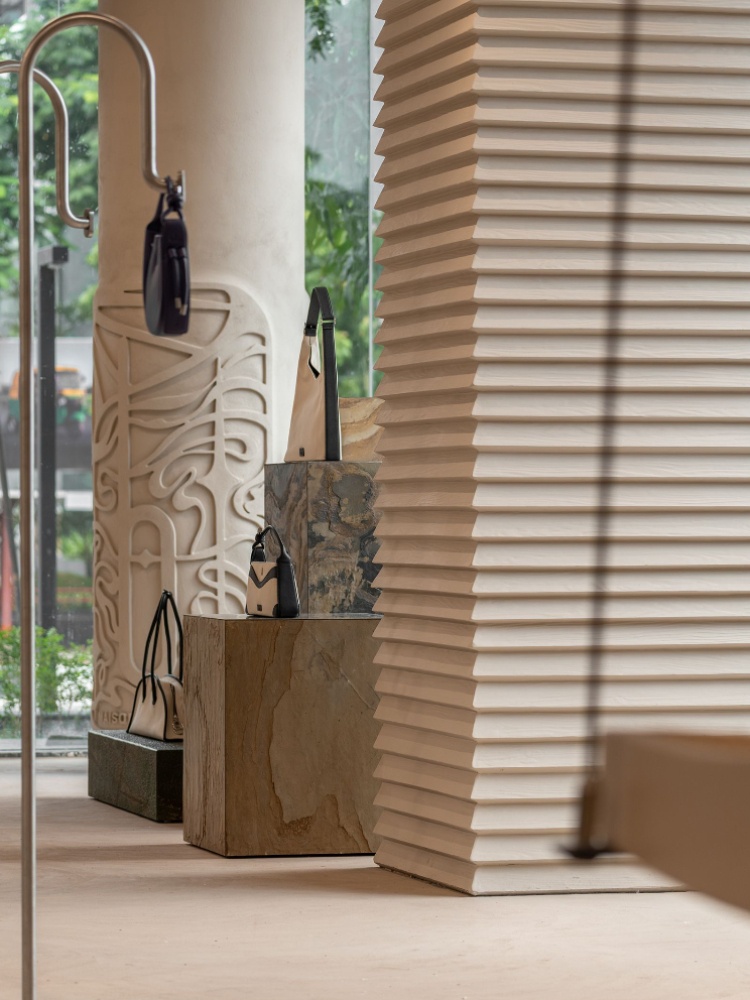
Elsewhere, the bags are displayed less like products and more like objects in a peculiar installation. They dangle from chains knotted in fabric hanging from the ceiling and steel bars that rise from the floor, sit on marble plinths and on cube-shaped drawers that jut from the walls. The knotted chains—symbolic of the brand’s ethos of sisterhood and togetherness—are created in partnership with the Animedh Charitable Trust, a Mumbai-based nonprofit that trains women from underserved communities in vocational trades.

The bags are just as sculptural as the store—the leather has the kind of finish that makes you want to run your hand over it repeatedly. While they come in a variety of shapes and sizes, many will make you wonder: “What would even fit inside this?” Precisely to answer that question, the Loft has a little bar trolley carrying carved wooden and leather objects representing everyday essentials, including a phone, laptop, wallet, water bottle, and keys. It lets you test whether your version of ‘the essentials’ is actually going to fit.

The store also offers a customisation experience for the Katrina series, inspired by brand ambassador and muse Katrina Kaif. Through a large touchscreen kiosk, customers can select their own leather, accent colour, and thread combinations, and emboss a signature or initials for a unique bag that’s entirely their own. The experience is not unlike ordering at a fast-food restaurant.

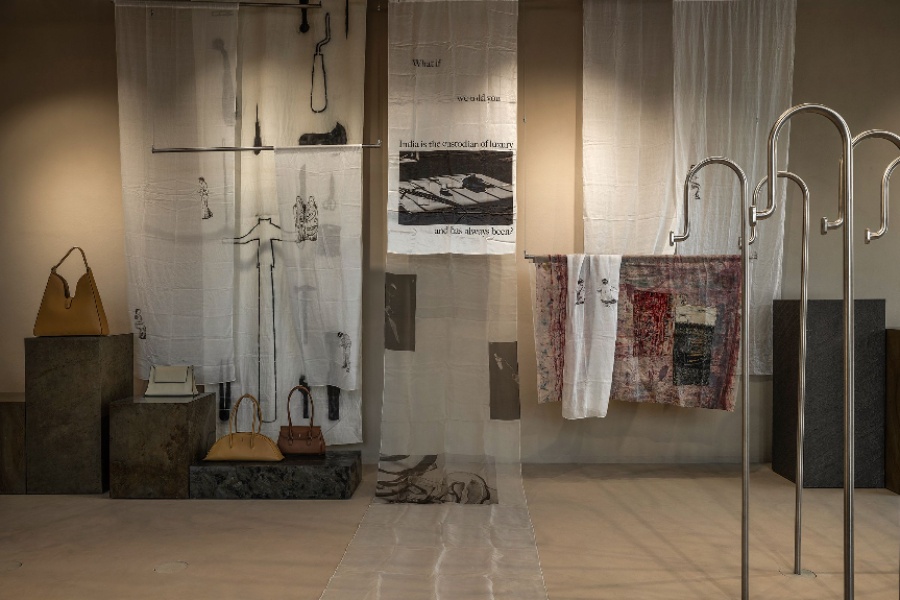
Punjya insists that “the bags come last” for him. The Loft is meant to be about the people who made them, rather than the bags themselves. The emphasis on craftspeople is built into the store through the set of flowing white panels depicting artisans, different tools, images of the design process and fabric swatches, near the entrance. “That is the homage to the workers that create our bags. It is to kind of bring them to the forefront, which is why once you enter the space, this is the first thing that you see,” says Khan. Punjya believes it is important to keep emphasising their artisans’ existence, especially because their labour may not always be visible. “It’s just reminding people that the pieces we love have been handcrafted by artisans who have literally trained their entire life in their skill and craft. I have a New York fashion label, but it’s powered by our partners and our factories. We cease to exist if not for them,” he says.

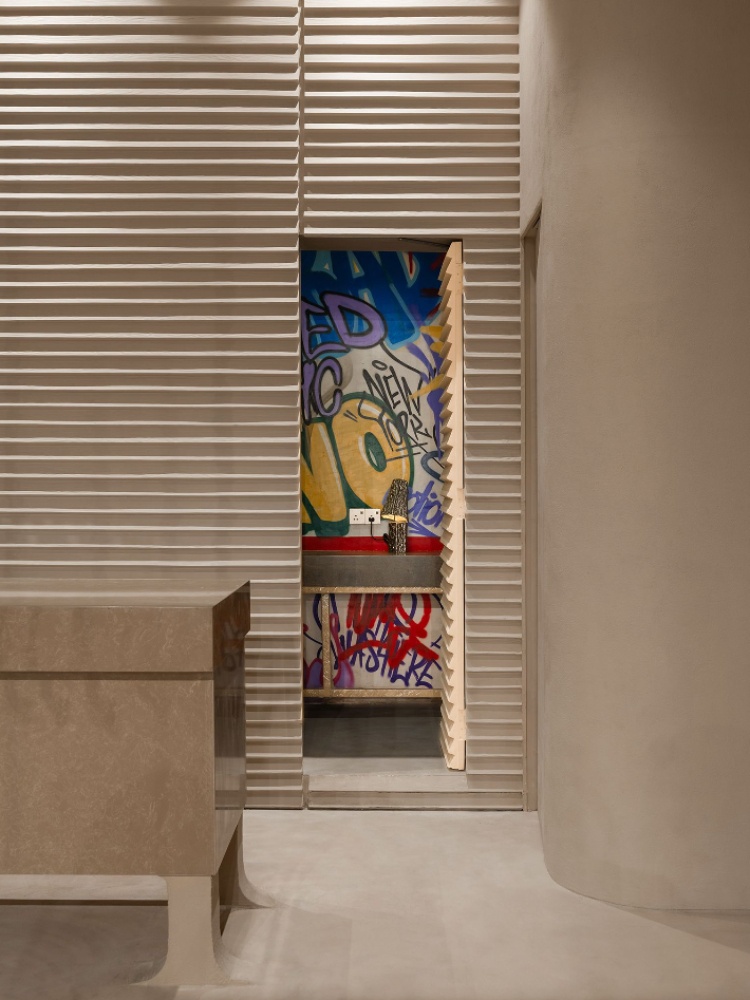
The more time you spend at the Behno Loft, the more likely it is that you will be asked to visit the washroom. You must oblige. Why the unusual amount of enthusiasm for a toilet, you might ask? The water closet is yet another stop on the NYC subway journey, of course, with colourful graffiti plastering the walls and fluorescent lights providing the full experience. It’s a great place to test out mirror selfies with your new bag.

That is really the beauty of the Behno Loft: there’s always another thing to look at. The bag might be the thing you leave with, but it’s hardly the only thing you came for.

The Nod Newsletter

We're making your inbox interesting. Enter your email to get our best reads and exclusive insights from our editors delivered directly to you.