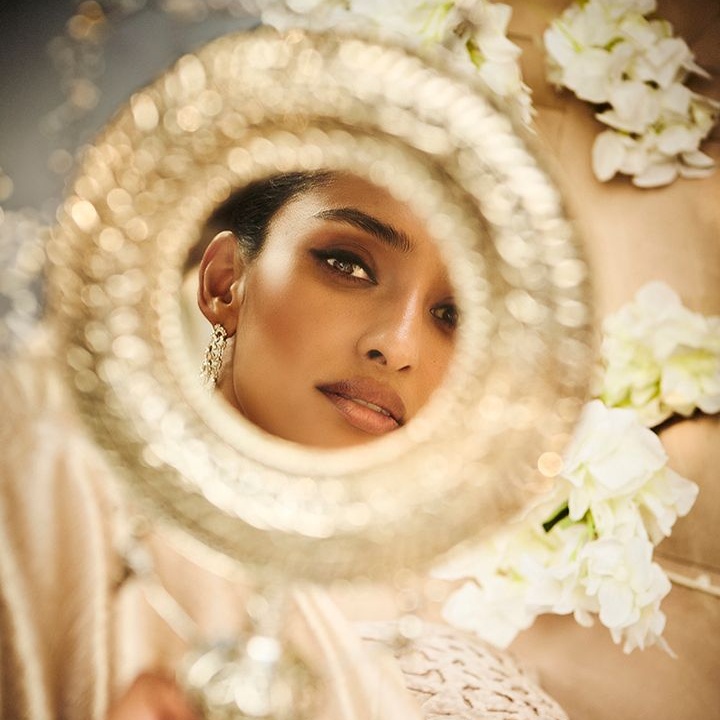




The last week before your wedding is not the time for experiments, be it curtain bangs, dramatic detoxes or a brand-new wellness routine. It’s a week of emotions (both good and bad), logistics, last-minute fittings, family opinions, and late-night fun. And your body often responds with puffiness, water retention, sore feet, hormonal flare-ups, and a nervous system that feels permanently switched on.
This is where wellness goes beyond the performative and into the practical. The goal isn’t transformation; it’s calming inflammation, supporting circulation, easing physical fatigue, and keeping your nervous system steady. So you feel like yourself when it matters most!
Puffiness & water retention
Facial puffiness in the final week before a wedding is rarely about skincare failing—it’s about stress peaking. As emotional and physical pressure builds, cortisol levels rise, and that has a direct impact on the skin. “When stress rises, cortisol increases—and that directly stimulates oil glands, weakens the skin barrier, and increases inflammation,” says Dr Sagar Gujjar, dermatologist and founder of Skinwood Luxury Aesthetics Centre. “That’s why we suddenly see breakouts, redness, or sensitivity, even in brides whose skin was otherwise stable.”
At the same time, disrupted sleep, excess salt from event food, dehydration, and anxiety slow lymphatic drainage—leading to visible swelling, particularly around the eyes and jawline. “It feels sudden, but it’s actually cumulative stress expressing itself through the skin,” he explains.
Nutrition also plays a surprising role in this temporary swelling. According to Mumbai-based nutritionist specialising in Ayurveda, Shweta Shah, the body often shifts into survival mode under intense stress. “When cortisol rises, the body begins holding on to resources like water and sodium,” she explains. “What many people interpret as sudden weight gain is often just fluid retention, not fat gain.”
Ironically, drinking less water—which often happens during hectic wedding prep—can make puffiness worse. “Dehydration signals the body to store more water as protection,” Shah says. Proper hydration helps the body release excess fluid, supports liver function, and improves lymphatic drainage. Electrolytes such as sodium, potassium and magnesium help water move into the cells instead of accumulating under the skin. Coconut water, she notes, is one of the simplest natural ways to replenish electrolytes.
The approach in the final week should be calming rather than corrective. “The last seven days are about reducing inflammation and supporting the skin barrier—not fixing everything at the last minute,” says Dr Gujjar. In-clinic, he often recommends gentle lymphatic drainage, hydrating barrier-repair treatments, and medical-grade LED therapies to calm the skin. “We strictly avoid aggressive exfoliation, strong peels, or high-energy lasers at this stage. Less is always more in the final week.”
At home, restraint works best. Hydration, adequate sleep, and simple formulations that support the skin barrier tend to deliver better results than layering active ingredients. “Good hydration, lower sodium intake, adequate sleep, and simple formulations with ceramides, hyaluronic acid, niacinamide, and soothing anti-inflammatory ingredients are what actually help at this point,” he notes.
Experimentation, however tempting, is strongly discouraged. “Skin becomes unpredictable under stress—even a new serum can cause irritation or delayed inflammation that shows up 48 to 72 hours later,” warns Dr Gujjar. “Advanced procedures like chemical peels, microneedling, or lasers should ideally be planned three to four weeks in advance. The final week is about preserving calm, stable skin—not chasing perfection.” As he puts it simply: “Good bridal skin is about planning, not panic.”
Hormonal flare-ups
Stress rarely stays confined to the mind—it often shows up on the skin. Hormonal acne, redness, sensitivity, or sudden texture changes are common in the days leading up to a wedding, particularly around the jawline and chin. But the trigger isn’t just emotional stress. Physical stress—late nights, irregular meals, sugar spikes, and disrupted sleep cycles—can also destabilise hormones.
From an Ayurvedic perspective, Shah explains that digestion is often the first system to weaken under pressure. “When stress rises, digestive fire weakens, which leads to toxin accumulation in the body,” she says. “This can show up as bloating, inflammation, dull skin, or breakouts.” Late nights can further disrupt the body’s circadian rhythm, affecting cortisol and insulin balance. The result can be sudden sugar cravings, water retention, acne flare-ups, and mood swings.
Supporting digestion becomes particularly important in the weeks leading up to the wedding. A simple Ayurvedic practice—chewing two small slices of ginger with a pinch of rock salt about twenty minutes before meals—can help stimulate digestion and reduce bloating. For brides experiencing stress-related acidity, Shah suggests a traditional digestive tonic: half a lemon squeezed into warm water with a pinch of black pepper, black salt and hing, taken about twenty minutes before a meal. This simple preparation can help ease heaviness, acidity and headaches triggered by digestive imbalance. For persistent bloating, a warm herbal decoction made with cumin, carom seeds and fennel—jeera, ajwain and saunf—can also help settle the gut. Shah also recommends prioritising warm, freshly cooked meals rather than cold or stale food during this period, as digestion tends to weaken under stress.
Sore feet & achy legs
Between fittings, rehearsals, shopping runs, and long days on your feet, the lower body often bears the brunt of pre-wedding prep. Swelling, heaviness, and soreness are common—especially if heels are already in rotation. Short Epsom salt soaks can help relax muscles and reduce inflammation, while elevating the legs against a wall at night encourages circulation and eases swelling. Compression socks, worn discreetly during travel or while resting, can also reduce fatigue. These small recovery rituals help the body reset after long days of standing and movement—something many brides underestimate until the final stretch.
Emotional overwhelm
If emotions feel heightened this week, it’s not unusual. Elevated cortisol and adrenaline can make the nervous system more reactive, leading to racing thoughts, emotional swings, and disrupted sleep. Grounding practices can help bring the body back into balance. Shah recommends simple breathing techniques rooted in yogic traditions that calm the nervous system and regulate stress hormones. Practices like Bhramari pranayama—slow breathing paired with a humming sound—and Sitali pranayama, a cooling breath technique, can help shift the body out of a stress response. Even a few slow rounds in the car between appointments or before bed can make a noticeable difference.
Nutrition can also support emotional balance. Magnesium-rich foods such as almonds, pumpkin seeds and sesame seeds help calm the nervous system, while a warm cup of milk with a pinch of nutmeg, turmeric and black pepper before bed can promote deeper sleep. Shah also suggests a traditional Ayurvedic support called Anu Thailam—an herbal nasal oil used in small drops before bedtime or early in the morning—which may help lubricate nasal passages and support sinus health, something that often becomes aggravated during periods of stress.
Above all, sleep remains the most important reset. Avoiding screens before bedtime, eating warm, freshly cooked meals, and maintaining a steady rhythm through the day help stabilise both digestion and mood.
The final week is about regulation, not reinvention
Looking and feeling your best in the final days isn’t about doing more—it’s about knowing when to pause. No new treatments, no dramatic routines, no pressure to fix everything at the last minute. Instead, the focus shifts to calming inflammation, supporting digestion, staying hydrated, and giving the body space to regulate itself.
When the nervous system settles, the body follows—skin softens, swelling eases, and sleep improves. And the version of you that shows up on the wedding day feels rested, grounded, and entirely your own.