The Nod Book Club19 May 20264 MIN

What’s in a name? Florence Knapp asks the age-old question

With her debut novel, the Women’s Prize-longlisted author discusses pseudonyms, parallel timelines, domestic abuse and the emotional weight carried by names

Image

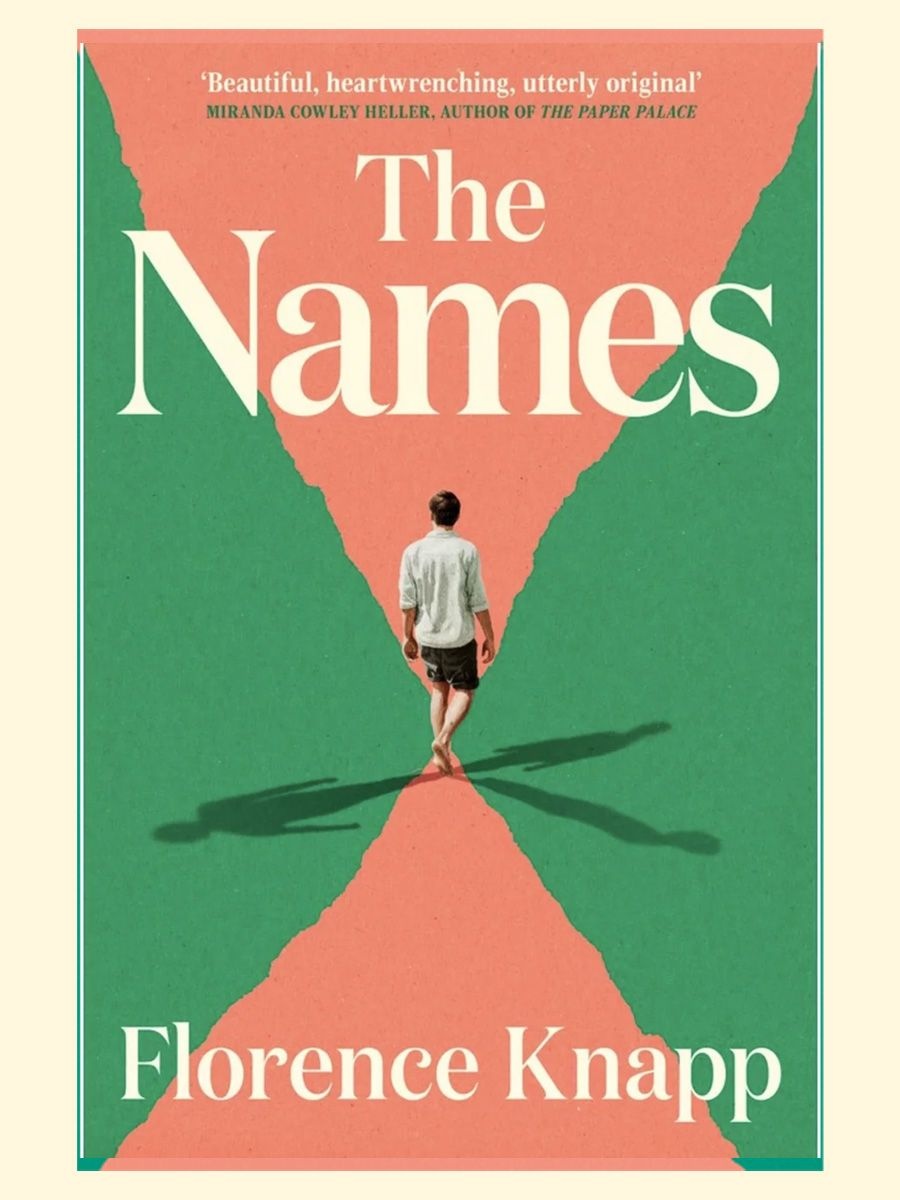
If you’ve ever wondered how life might unfold differently if one small thing had changed, The Names turns that question into a devastating literary experiment. Longlisted for the Women’s Prize for Fiction 2026, Florence Knapp’s debut novel follows three parallel versions of one boy’s life, each shaped by a single choice made moments after his birth: his name. Bear. Julian. Gordon.

It became The Nod Book Club’s pick for May because of the way the novel constantly asks whether identity is shaped by destiny, by language, or simply by circumstance.

At the heart of all three timelines is his mother, Cora, a former ballet dancer trapped in an abusive marriage with Gordon, a charismatic doctor whose moods and violence dictate the rhythm of their family’s life. In one version of the story, Cora finds the courage and support system to escape earlier. In another, fear and isolation keep her trapped for far longer, changing not just her life but the emotional lives of her children, too. As the novel moves across decades and between England and the Irish coast, the same characters reappear in startlingly different ways and some disappear altogether. Lily, for example, becomes Bear’s loving life partner in one timeline. But in another, she crosses paths with Gordon Jr, who inherits many of his father’s worst traits and leaves a damaging impact on her life.

Despite the heavy themes, the prose remains intimate and readable. It is the kind of novel that you will consume over a weekend once you begin.

There is also something fitting about The Names emerging from a writer who spent years known online by another identity altogether. Before publishing her debut novel, Knapp had built a devoted following as Flossie Teacakes, a beloved blogging persona she eventually seemed to outgrow while writing this deeply personal book around the pandemic years.

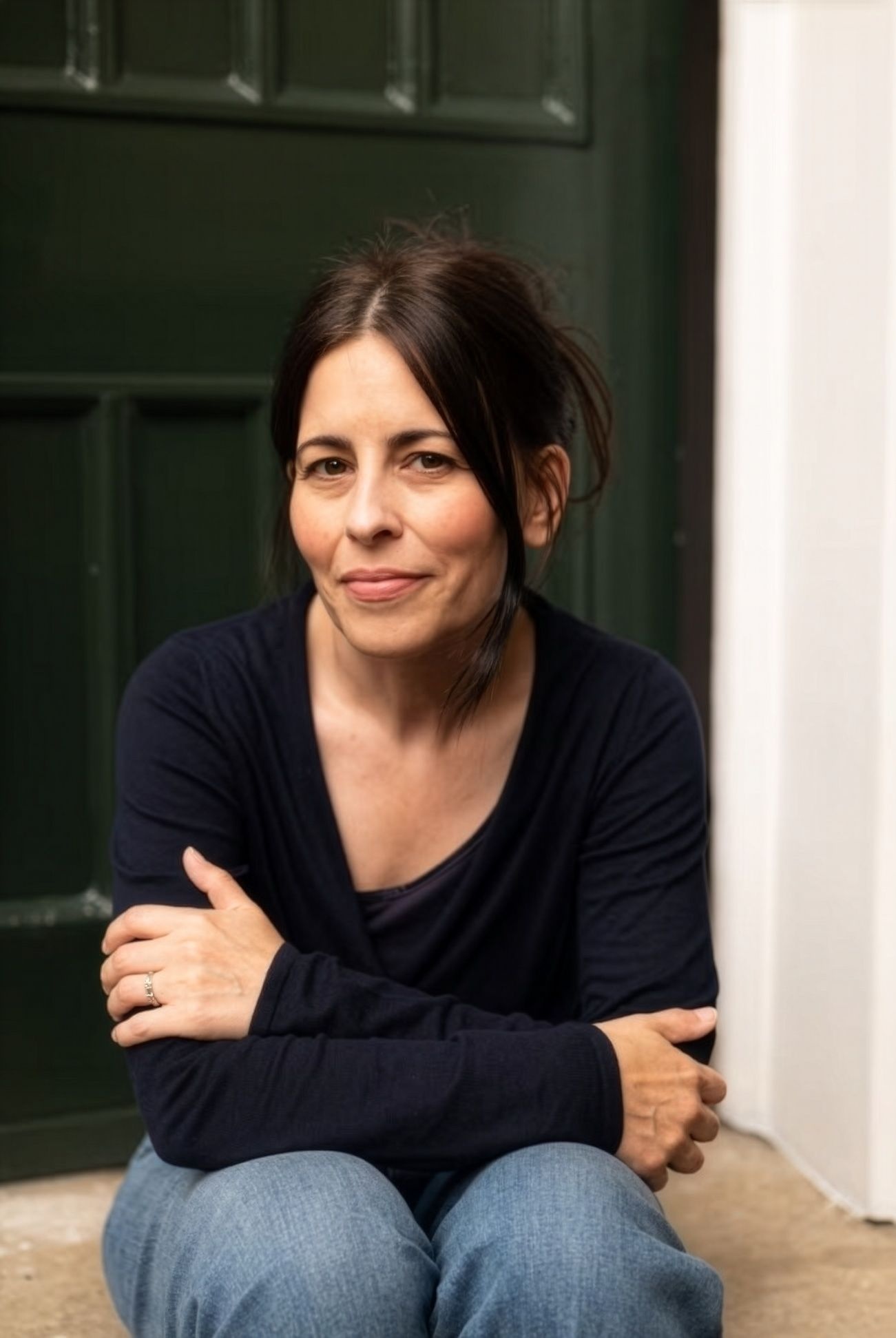
Speaking to Knapp over a Zoom call between Delhi and the small town outside London where she is currently based feels easy. Even as drilling noises repeatedly interrupt the conversation on my end, she laughs them off with patience, moving between conversations about Irish literature, writing rituals, domestic abuse, and the way certain characters continue to linger long after a novel is complete.

Did you ever have a complicated relationship with your own name growing up?

Absolutely. My name was last popular in 1908. As a child, I think I would have loved a name that helped me blend in a little more. When I was six, my family moved halfway across the world to Australia, and suddenly I was standing in front of classrooms full of strangers with a different accent and a very unusual name. But as I got older, I began appreciating having a distinctive name.

What inspired you to write The Names?

I’ve always been fascinated by the things that make us who we are, and names feel central to that. I think names absolutely influence the way the world responds to us, and in turn, that can influence who we become. We’re given them at birth, and then we carry them through every stage of life. Often people hear our names before they meet us, and that alone can shape perceptions—whether we get invited for a job interview, whether someone imagines us a certain way, even how we’re perceived on dating apps. From one word, we can access every memory and feeling associated with that person. That felt incredibly powerful to me as the foundation for fiction.

Were there any real-life names or historical figures that influenced the way you thought about naming while writing the book?

A friend of mine named her daughter Christabel, after the suffragette Christabel Pankhurst, and I’ve always found that moving. Her daughter once told me she grew up with this quiet awareness that she shared a name with a strong, powerful woman.

And with Bear, I was thinking about how expansive a name can feel. Maia describes it as a name that could belong to someone soft and cuddly but also brave and strong. I loved that duality. I suppose Bear Grylls crossed my mind slightly, not because the character is based on him but because he somehow embodies all those qualities at once.

Who do you share your drafts with while writing?

My husband reads every chapter as I write it, which is incredibly helpful. His most common criticism is usually: “Real people don’t speak like that.” My daughter helps enormously with plotting, and my son is brilliant whenever I need younger dialogue or contemporary phrasing. It’s very useful having honest readers you trust enough not to become defensive around.

Were there specific books that influenced The Names?

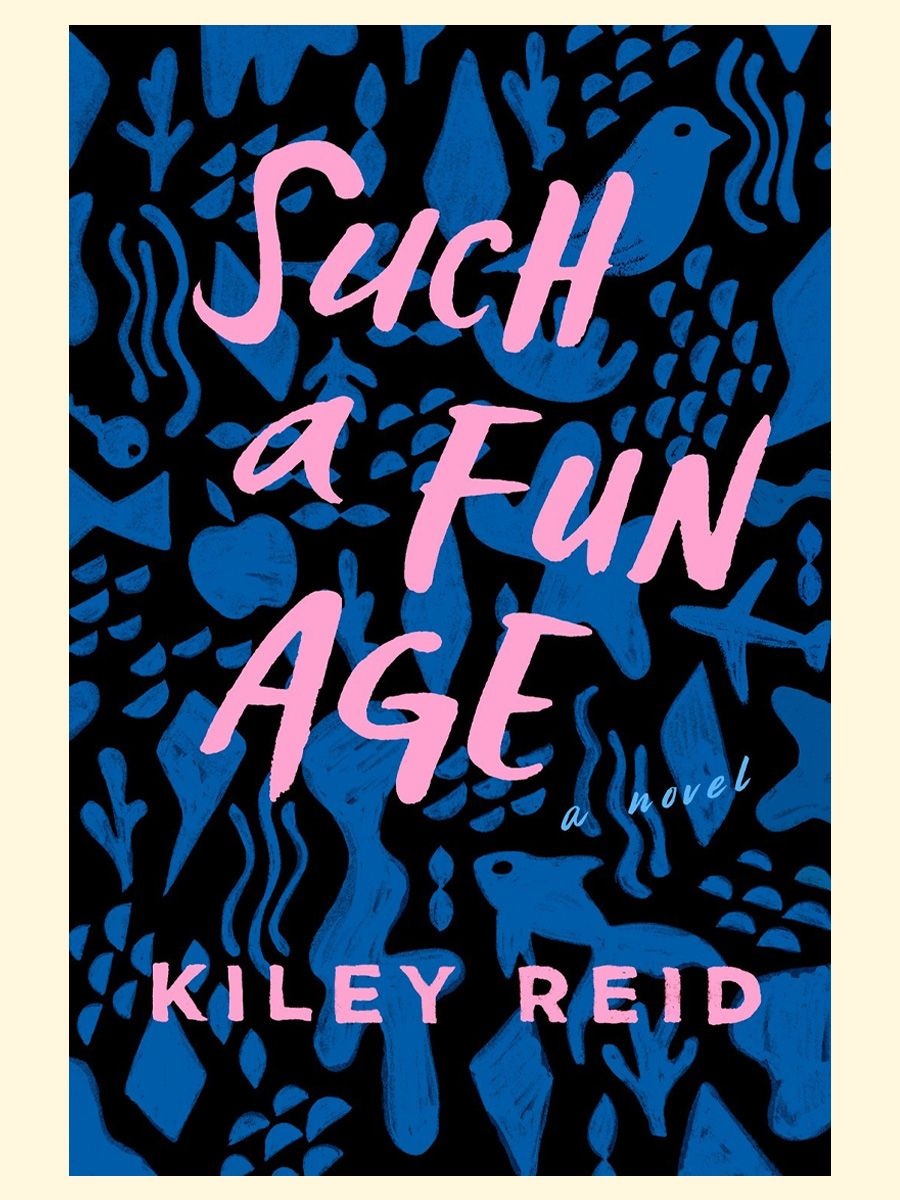
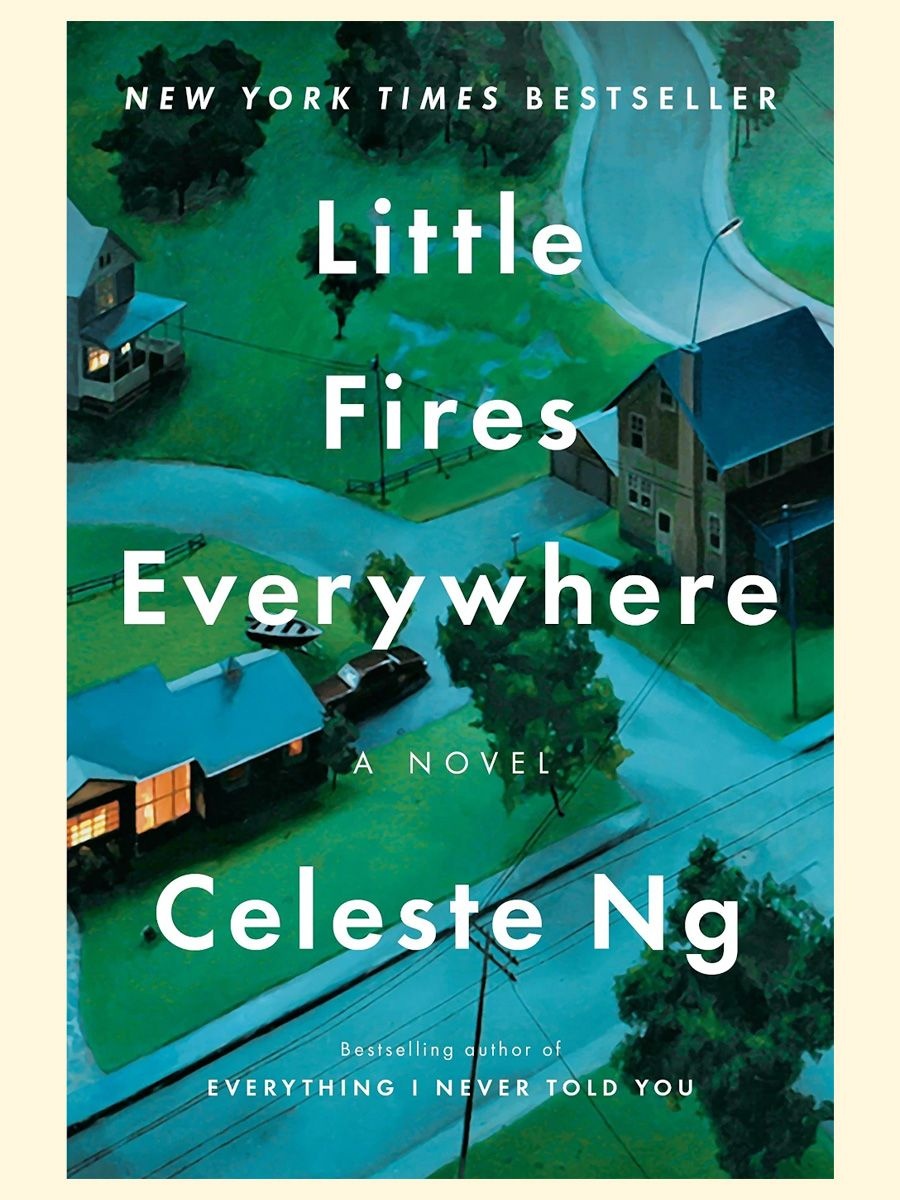
Such a Fun Age [by Kiley Reid] amazed me structurally. The narrative tension in that book is incredible. And Little Fires Everywhere [by Celeste Ng] was hugely influential, because it made me realise that creativity itself could exist inside a narrative rather than separately from it.

I was especially interested in Maia’s name because it means “mother”, and the novel has such a strong undercurrent of motherhood through characters like Cora and Sílbhe. Was that intentional?

Very intentional. I wanted Maia’s name to connect her back to Cora and to motherhood itself. For Cora, it’s almost a secret gesture. Something deeply personal she’s done for herself. And then there’s this moment where she reveals the meaning and immediately worries she’s placed a burden on Maia or created the fear that history might repeat itself.

Trauma doesn’t necessarily bring the siblings closer together in the ways readers might expect. Maia and Julian, for instance, still struggle with emotional distance...

Sometimes it creates awkwardness, reserve, even emotional caution. In Gordon Jr’s timeline, Maia sees him from birth as another version of their father. She struggles to separate him from Gordon Sr’s legacy, so there’s an immediate emotional barrier there.

With Bear, though, the dynamic is completely different. Maia instantly takes ownership of him. There’s a scene where she hears him crying and immediately comforts him. She naturally slips into this nurturing role with him.

But in Julian’s storyline, the children spend much longer inside that oppressive household. By the time they escape, certain emotional patterns are already ingrained. They love each other deeply, but they’re not physically affectionate or emotionally expressive with each other. I wanted those relationships to feel truthful rather than idealised.

We never really got Gordon Sr’s perspective until the very end of the book. Why did you make that choice?

Because I didn’t want the novel to become his story. When writing about domestic abuse, I was very conscious of not giving the abuser too much power or narrative space. I wanted the focus to remain on Cora and the children, on the people surviving him, rather than on understanding him.

At the same time, it didn’t feel realistic for him to simply disappear without reflection. In the epilogue, I wanted to give him one final moment of clarity, where he finally understands what he’s done and who he’s been to his family. But importantly, that moment is not redemption. He doesn’t earn forgiveness. He simply becomes aware.

Cora doesn’t get a conventionally happy ending in any version of the story. Why was it important to avoid that?

Because life rarely resolves itself neatly. One of the central questions I was exploring was: What actually makes a life “better”? Is a shorter but happier life better than a longer, more painful one? Can years of happiness outweigh tragedy later on?

I didn’t want there to be a definitive answer. Every version contains compromise, grief, joy, and unintended consequences. And I think that’s true of real life too.

The novel opens with a shocking act of violence, but after that the abuse is mostly implied rather than explicitly shown. Was that a conscious decision?

Very much so. I felt I needed to show the reader what Gordon was capable of early on. Otherwise, you wouldn’t fully understand what Cora was facing. But after establishing that reality, I didn’t want the novel to become scene after scene of graphic violence. Instead, I wanted to explore the quieter mechanisms of abuse: isolation, humiliation, financial control, gaslighting, threats involving children. Those forms of violence can be just as devastating.

There’s also a point where the reader’s imagination becomes more powerful than anything I could explicitly write. In Julian’s storyline, for example, we know something horrific has happened to Cora, but I consciously chose not to depict it directly.

Which character was your favourite to write?

I adored writing Cian. He’s gentle, emotionally present, kind, and dependable. I think I was subconsciously inspired by Matthew from Anne of Green Gables...that same soft, benevolent masculinity.

Your own creative background—especially quilting and textile work—feels subtly present in the novel, especially through Julian’s silver-making. Did your artistic practice influence the book?

One thing I’ve always believed is that creativity is deeply connected to freedom. When we create, we allow ourselves to experiment and fail. But in oppressive households, there’s often no room for mistakes.

So, within the novel, the presence or absence of creativity became a signifier of emotional freedom. For Julian specifically, creativity becomes life-giving. After losing his mother so young, he almost exists emotionally in greyscale. Then he discovers silver-making, and suddenly colour and texture enter his world again.

Do you have any writing rituals?

For The Names, I mostly wrote curled up on my sofa with a notebook and pen. I’d hand-write scenes first and only type them up later.

Handwriting slows me down in a useful way. On the keyboard, I over-edit constantly because it’s too easy to perfect sentences immediately. There’s also something psychologically freeing about writing in cheap notebooks. With notebooks, there’s more permission to be messy. And interestingly, I’ve realised every novel demands a different process.

Who are your favourite Irish writers?

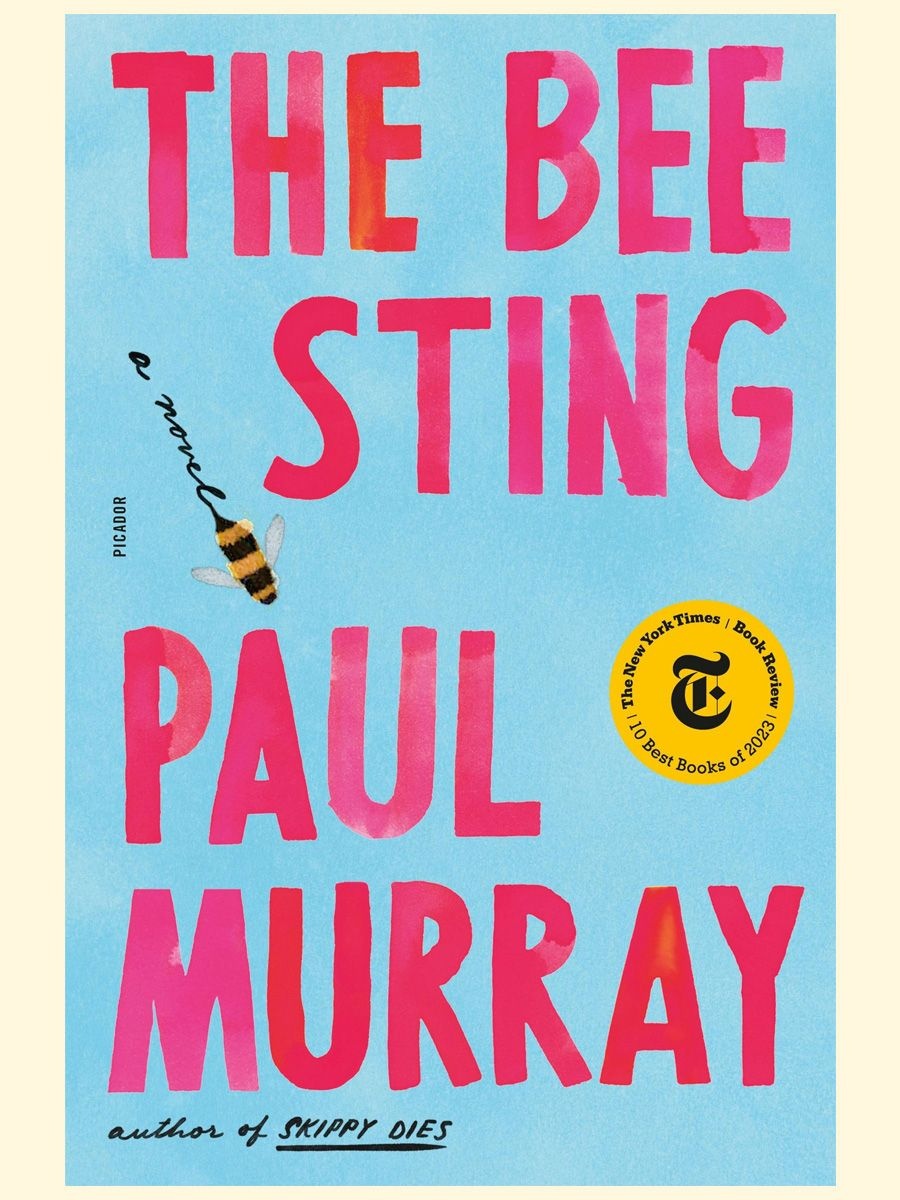
Claire Keegan is extraordinary. Foster is one of my favourites. I also loved The Coast Road by Alan Murrin, and I absolutely adored The Bee Sting by Paul Murray. Irish fiction often has this fascinating combination of quietness and emotional intensity that I really admire.

Can you tell us anything about your next project?

I’m incredibly superstitious about unfinished work. I always feel like if I talk about a novel too early, it might evaporate. So, I tend not to discuss projects until they’re much further along.

The Nod Newsletter

We're making your inbox interesting. Enter your email to get our best reads and exclusive insights from our editors delivered directly to you.