




ADVERTISEMENT
Photography: Epiphany Collective

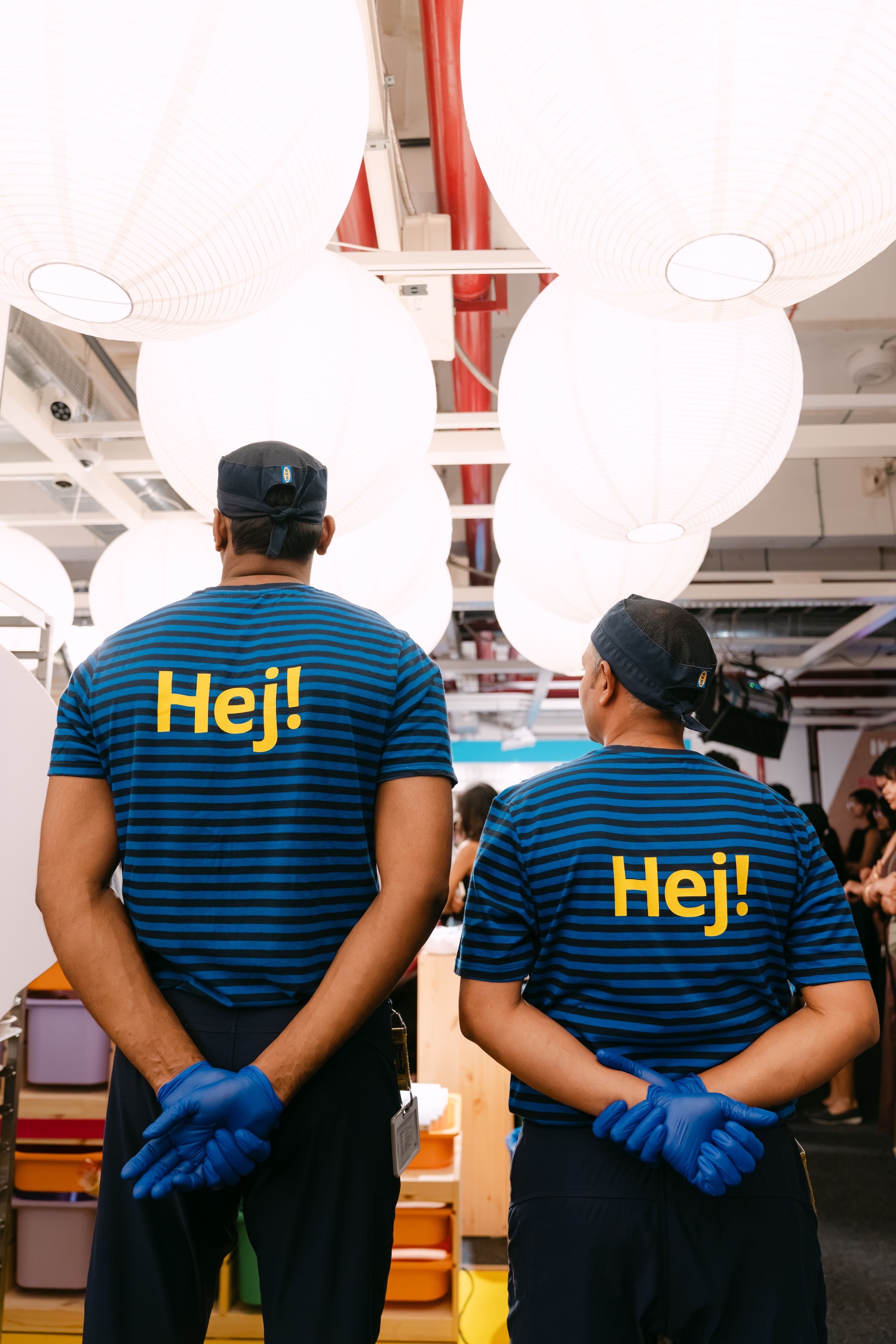
On September 26 and 27, we walked into the IKEA Worli City store, where actor and writer Amol Parashar was talking about childhood homes and the memories attached to them. A few steps away, a conversation about renting was unfolding around the realities of making a temporary house feel permanent enough. In the kitchen, food and design were being discussed together. In the bathroom, stand-up comedy was in session. Somewhere in between, people were talking about Pinterest, storage, relationships, nostalgia, and whether you actually need a design degree to know what looks good in your own home.
It was an unusual assortment of things gathered under one roof. Which, in many ways, was the point.
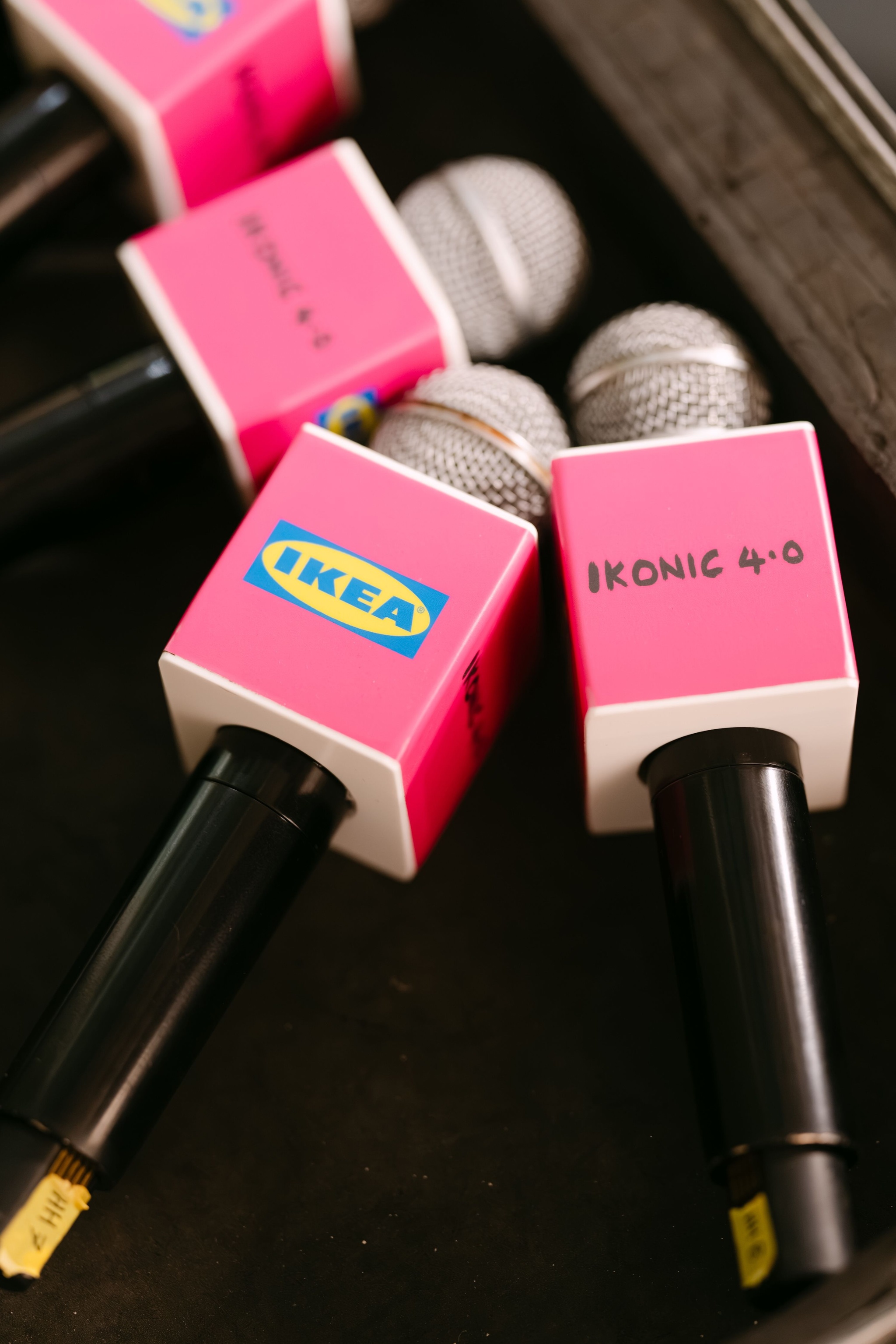
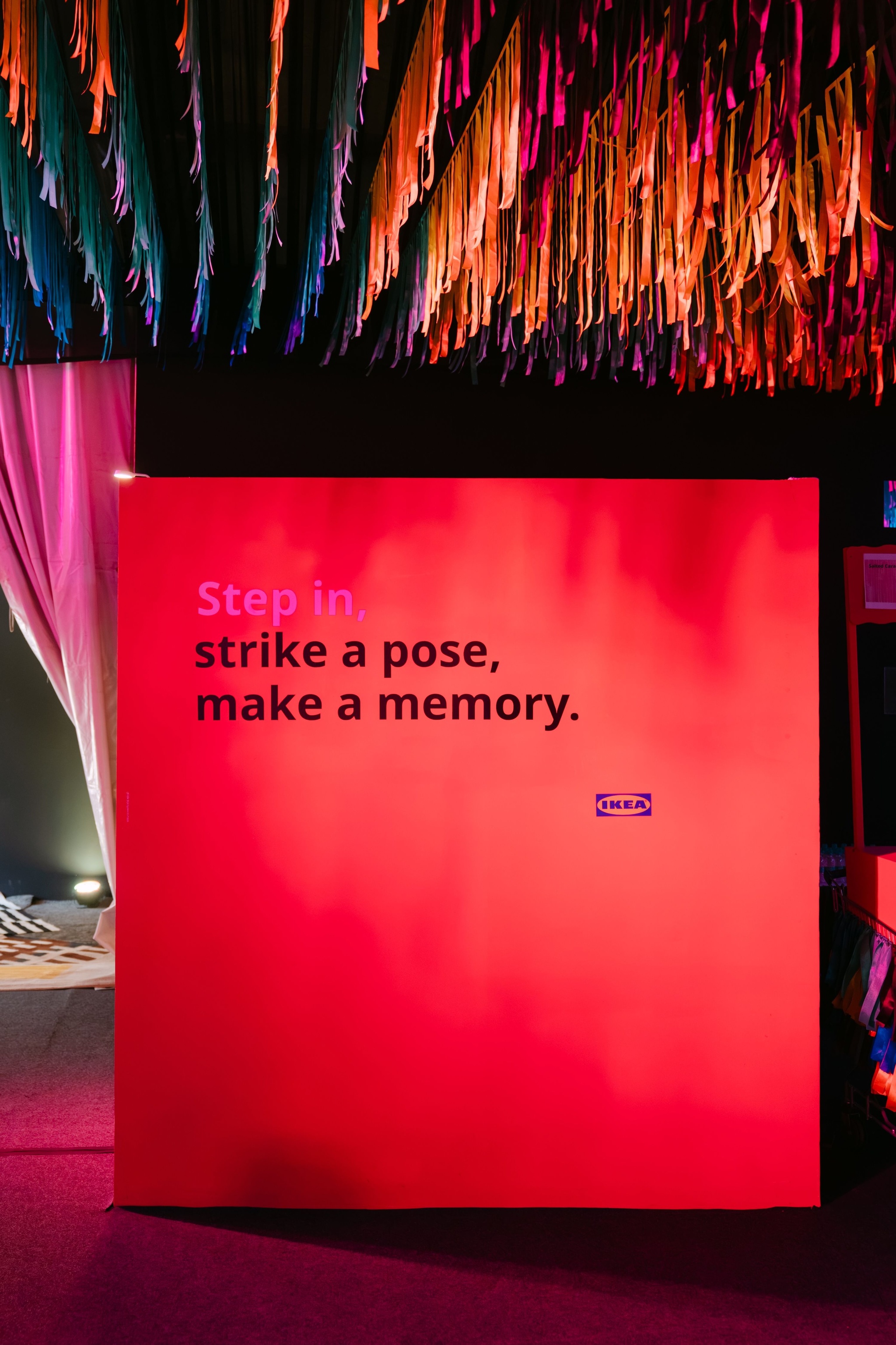
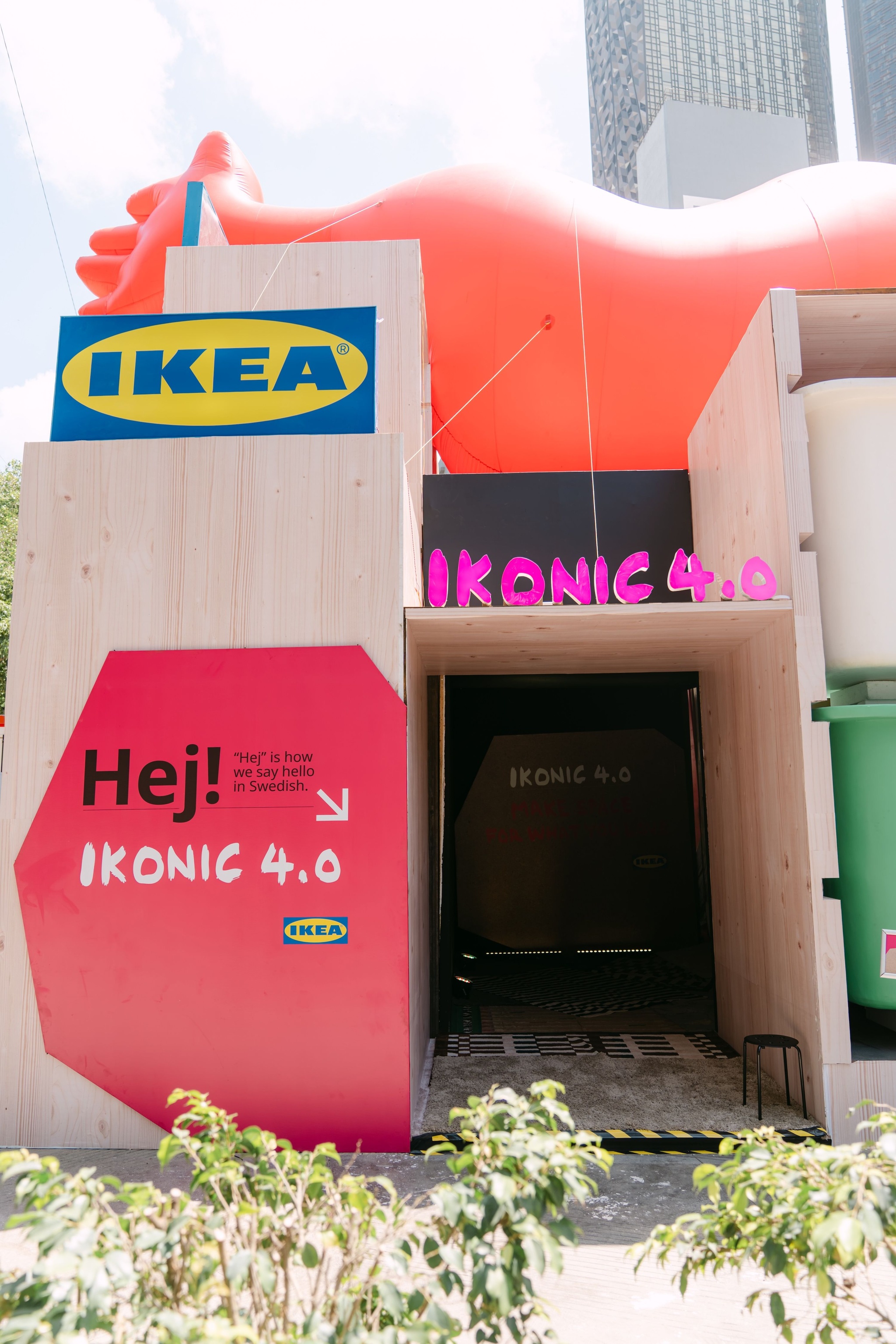
For two days, IKEA IKONIC 4.0 turned its Worli City store into something that was part home, part festival, and part ongoing conversation about the way we live now. In its fourth edition, IKONIC moved from a more contained format into a larger two-day festival of design, culture, food, music, comedy, and ideas, and, for the first time, opened its doors to consumers.
Take a look at the curated spaces:
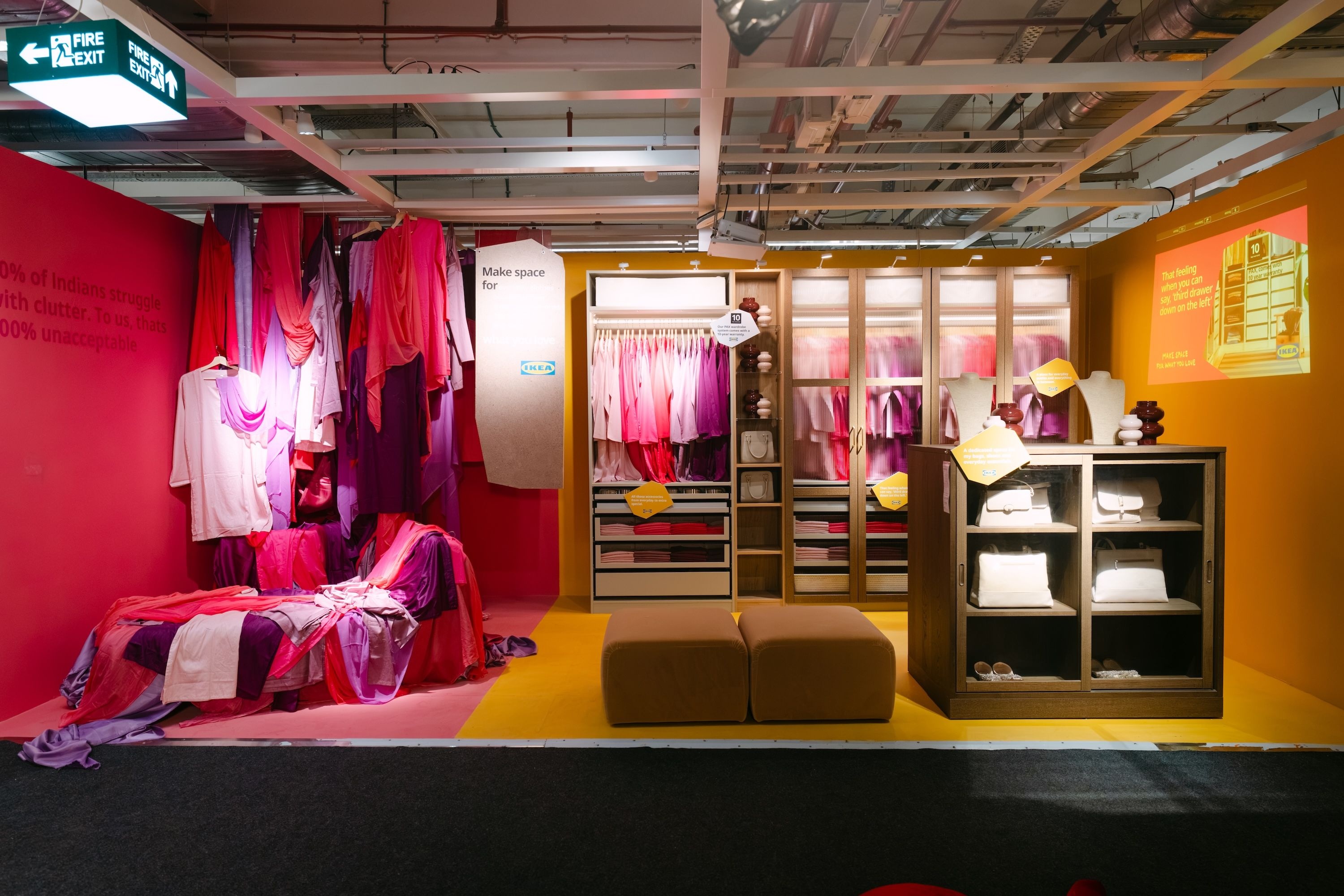
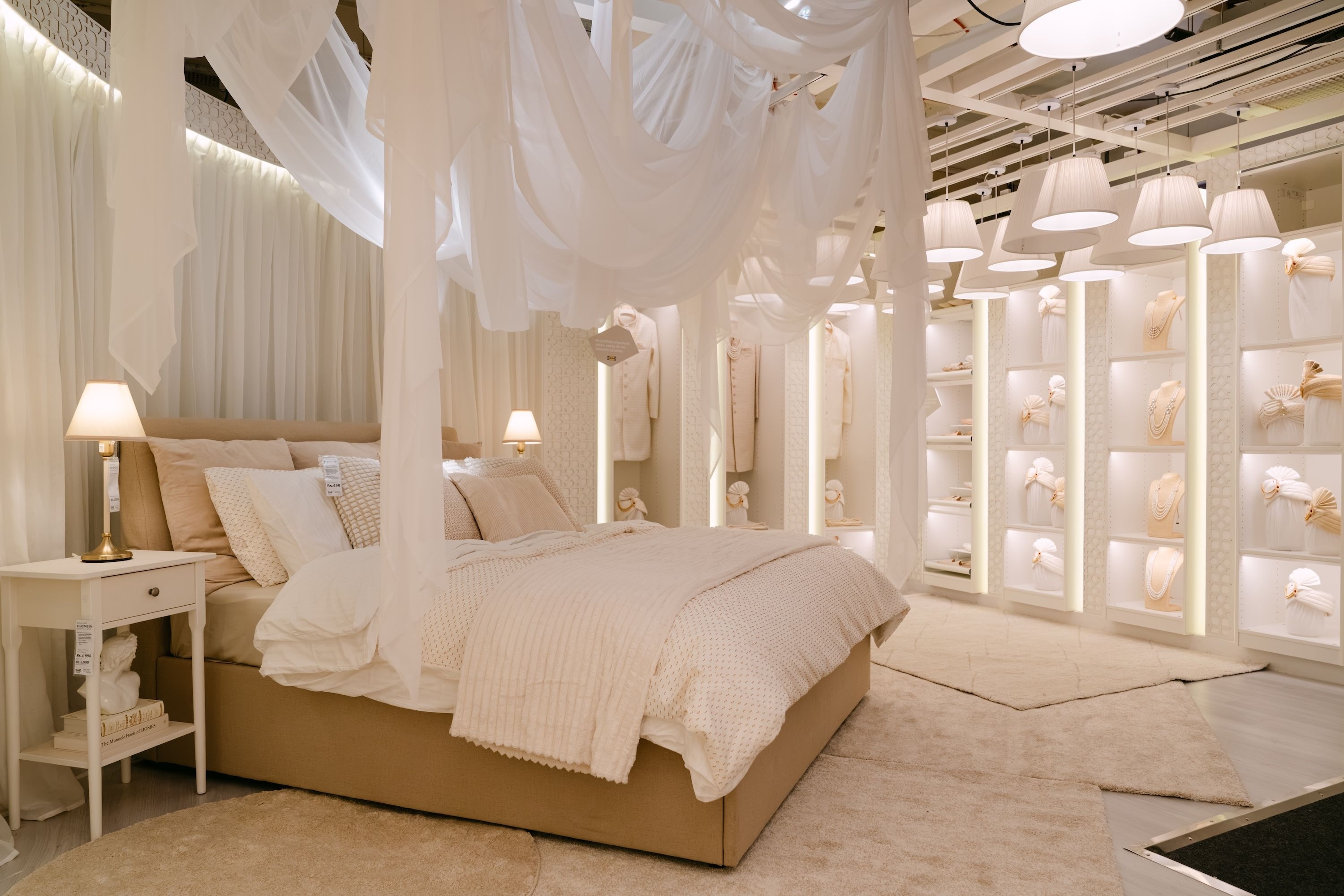
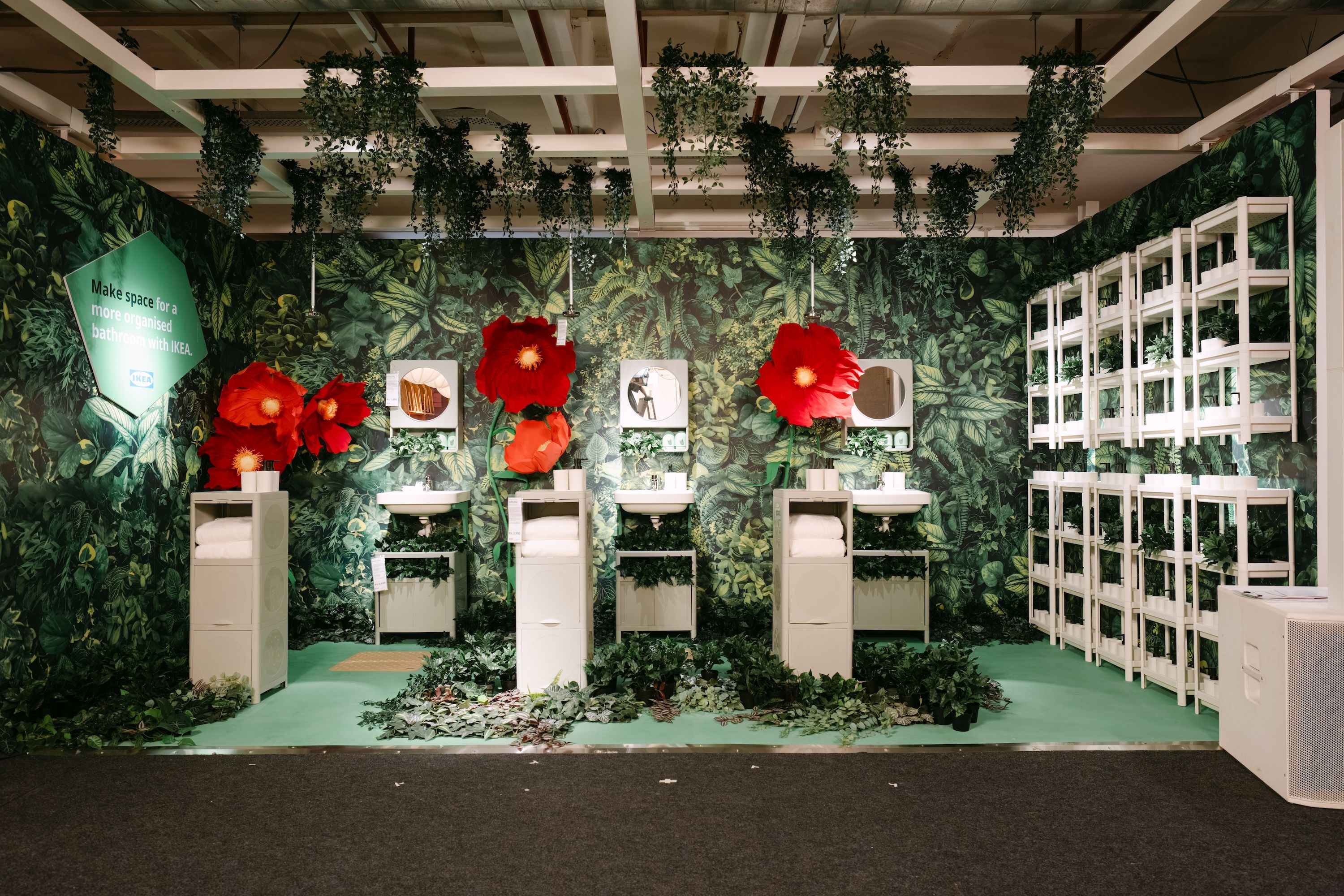
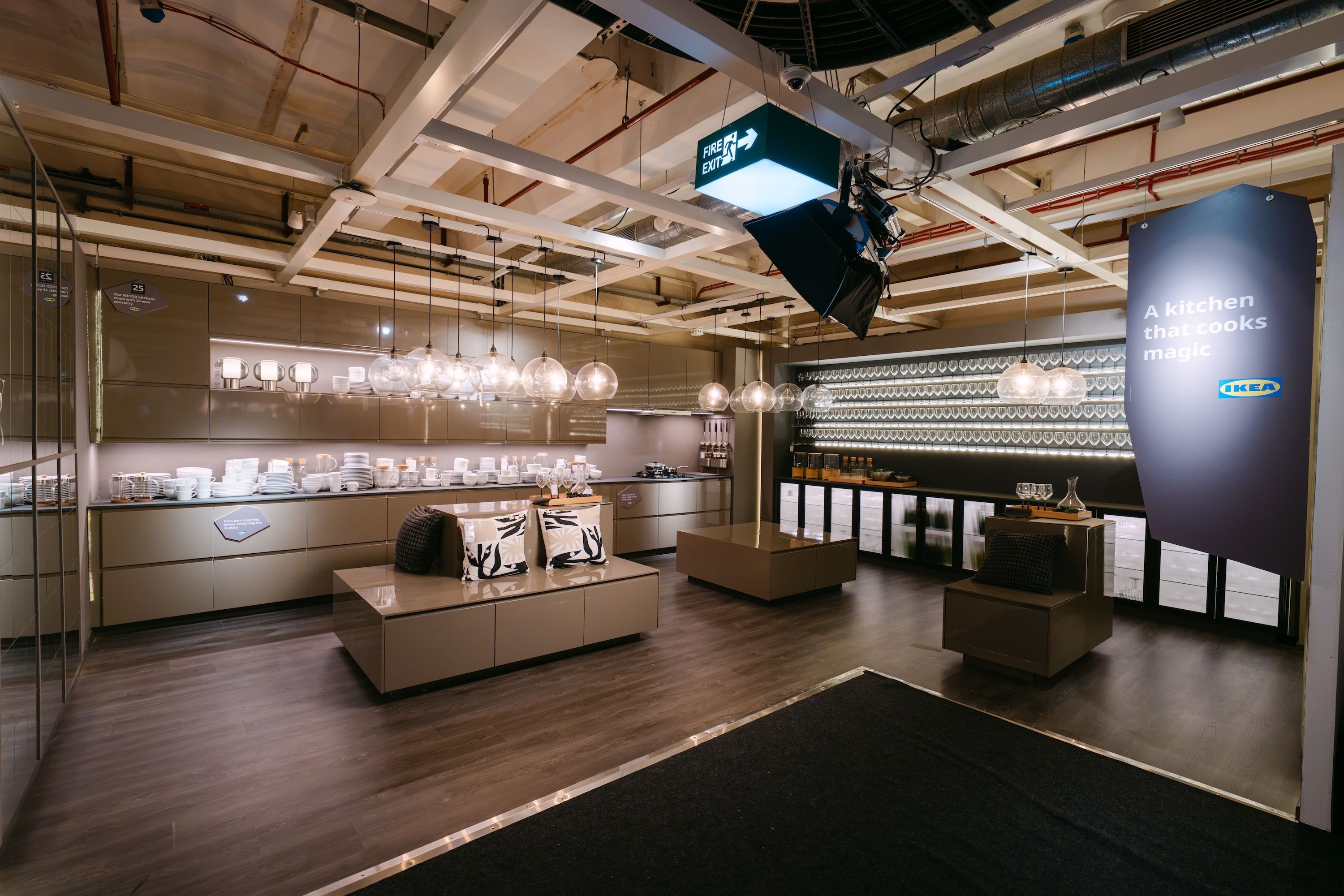
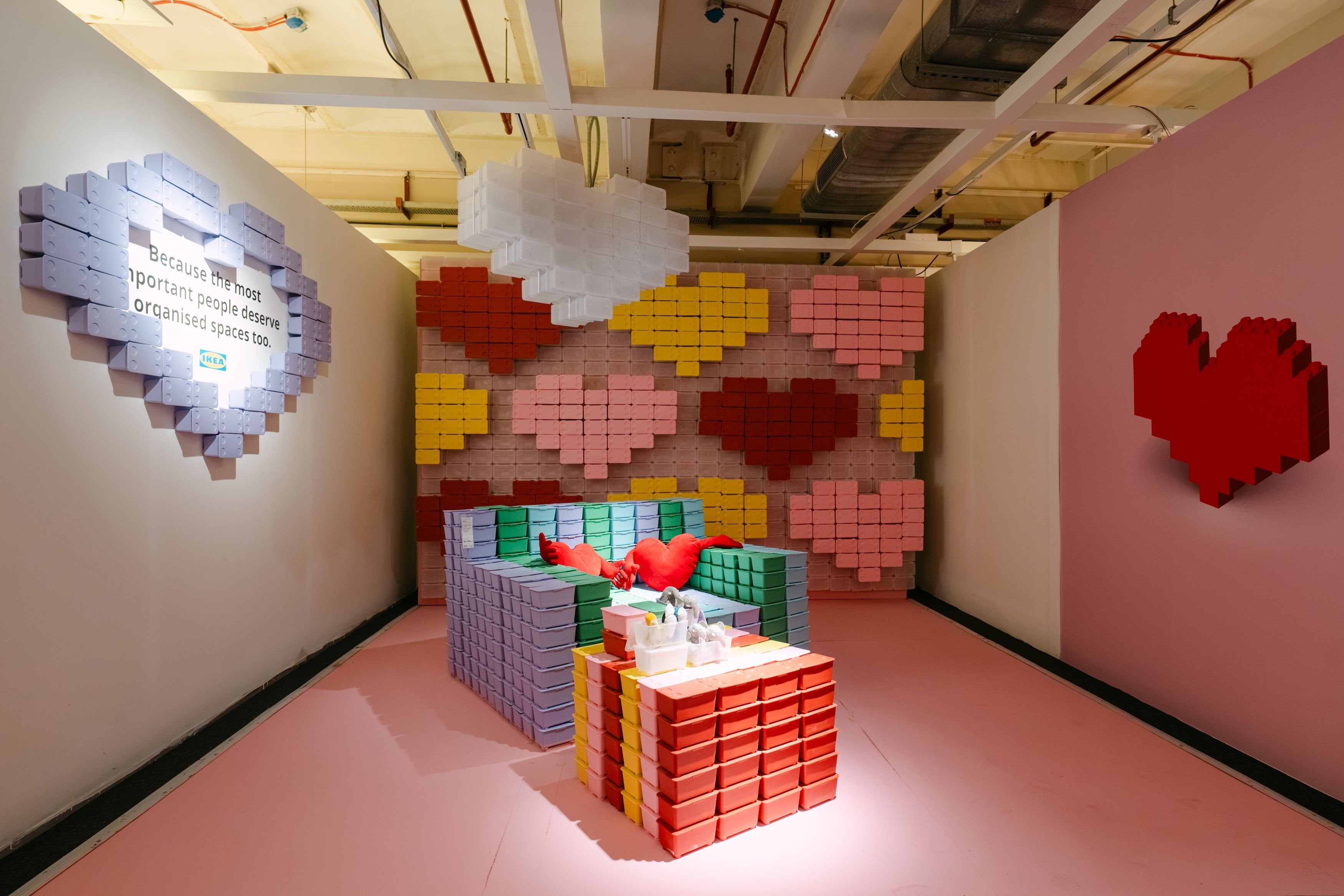
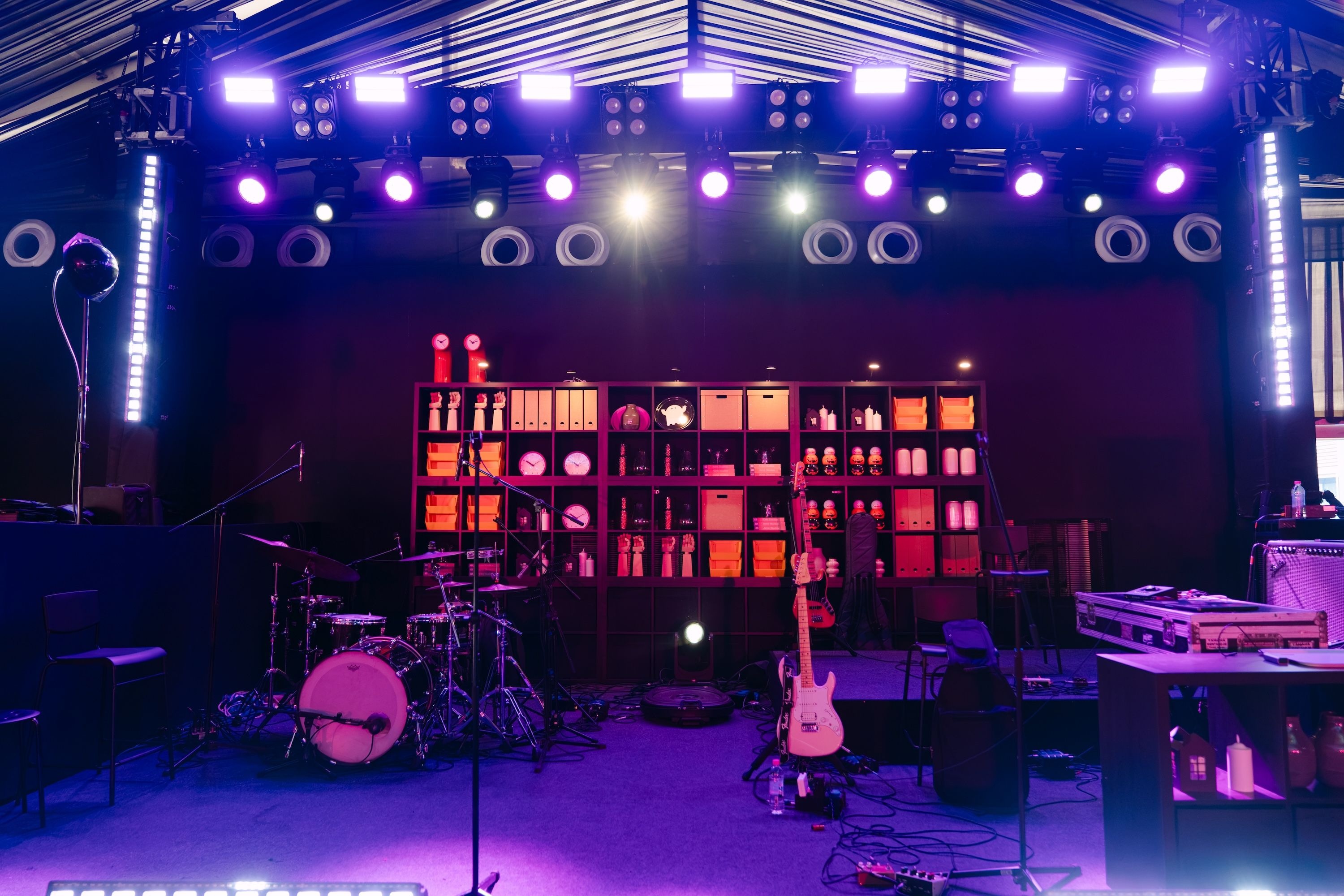
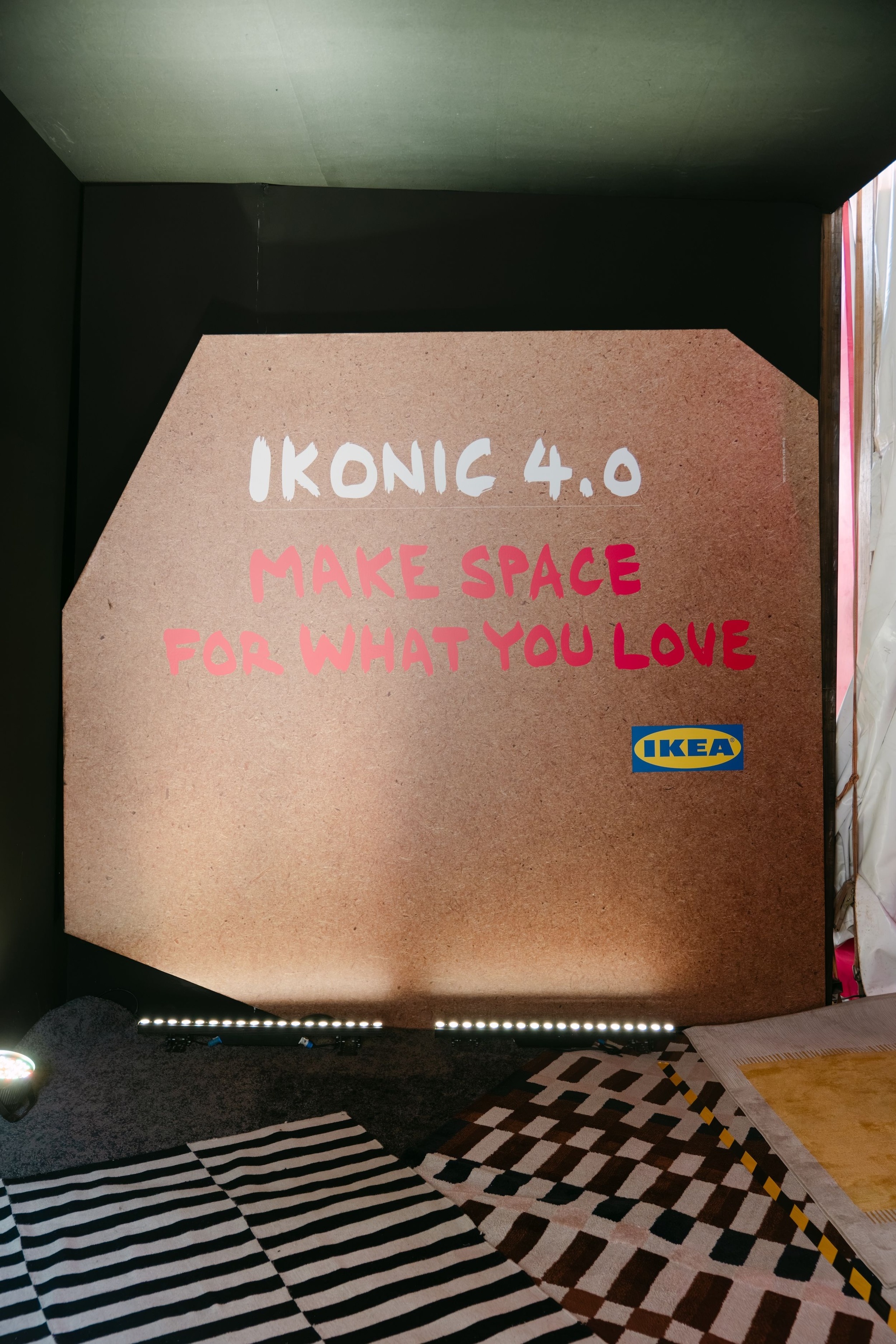
This year’s theme, ‘Make Space for What You Love’, could have easily been reduced to a conversation about storage. Instead, it became a much broader question: what do we make space for, and what does that say about us? Across IKONIC, the idea of making space stretched into questions of identity, memory, routines, relationships, and the things we choose to hold on to, turning organisation into a much wider conversation about the way we live.
One of the more revealing moments came during a design workshop, when an IKEA room designer pointed out that people can end up putting more Pinterest and Instagram into their homes than themselves.
It is a deceptively simple observation but one that seemed to explain much of what is happening currently. There is, after all, a very particular pressure attached to the contemporary idea of a “good” home. It should be considered, cohesive, aesthetic and, ideally, ready to be photographed at any given moment. But homes also have to hold laundry, hobbies, half-finished projects, childhood memories, dinner parties, and all the untidy realities of the people who live in them.
At IKONIC, the conversation around design kept returning to the latter.
In one of the sessions, titled ‘Outlive the Algorithm’, IKEA in-house designer Akanksha Deo Sharma and content creator Prachi Popat questioned this exact idea that good design has to follow whatever is currently circulating online. “It’s a healthy exercise to detox from apps and think inward as to what you are interested in. Maintain design hygiene. Go old school, read, find inspiration in books and art, and then come back to visual cues and references like Pinterest,” said Deo Sharma as she took us through her design process.
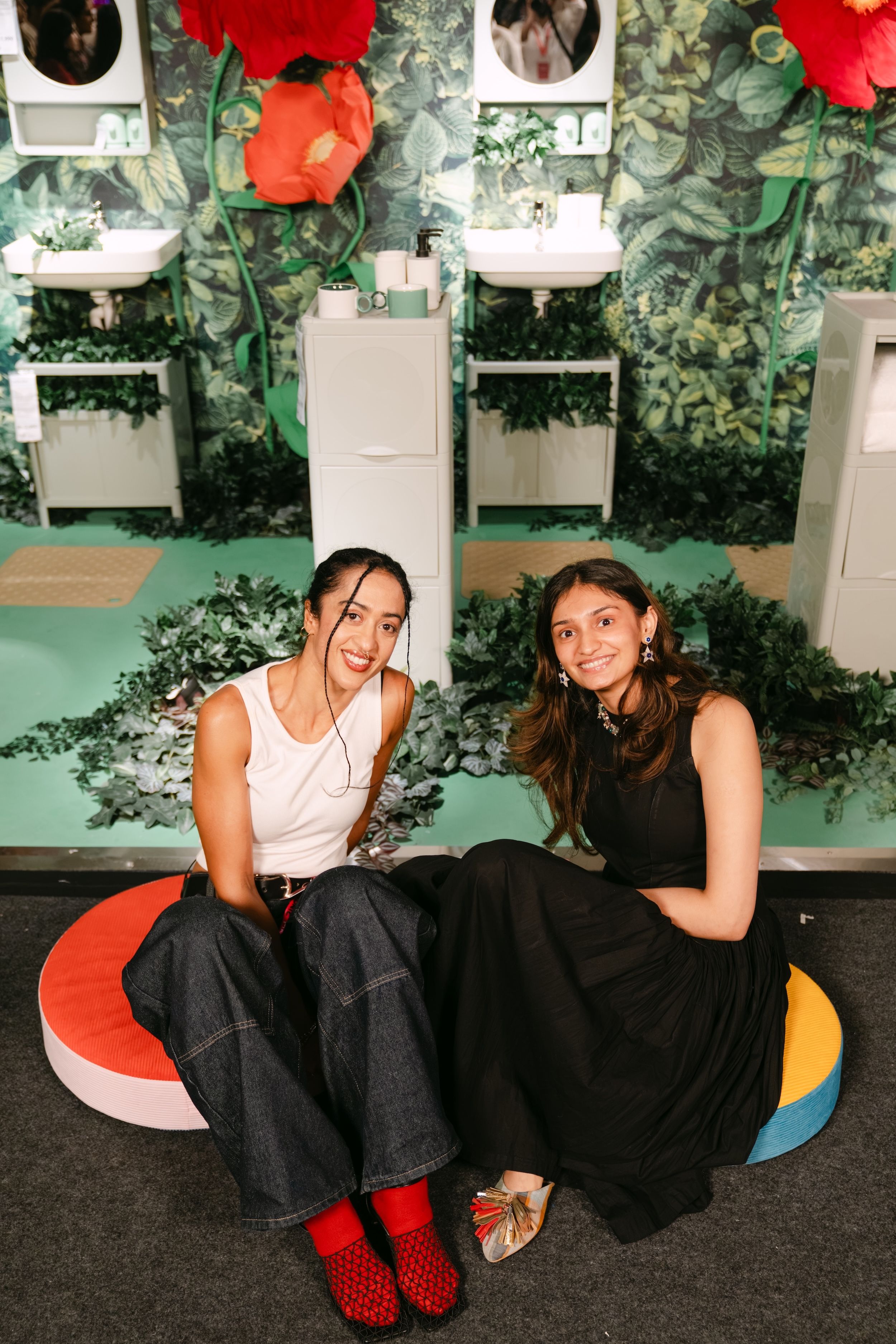
The conversation also touched on IKEA’s Democratic Design philosophy—the idea that form, function, quality, sustainability, and affordability can coexist—and the value of looking beyond an algorithm for inspiration. After all, a moodboard can tell you what to like, but it cannot necessarily tell you how you should live.
And that seemed to be one of the most important takeaways from IKONIC: a home works best when it responds to the person living in it rather than the other way around.
If the Pinterest conversation was about how a home looks, the festival’s many conversations around renting were about something more fundamental: what counts as a ‘home’?
For younger Indians living away from their hometowns, renting often means working with less space, fewer permissions, and a landlord who may not be particularly interested in your interior-design ambitions. The same room might have to function as a living room, dining area, workspace, and bedroom. The kitchen might double up as storage. Square footage is finite; the number of things you want to do inside it is not.
But IKONIC’s programming around renting was less interested in outlining these limitations and more interested in what people do with them. The series ‘What It Means to Enjoy Your Rent’ brought together stand-up comedians Mallika Dua and Kenny Sebastian and content creator Ankita Chawla to talk about the reality of making a rented home feel personal instead of treating it as somewhere to simply wait out until you have your “forever home”.
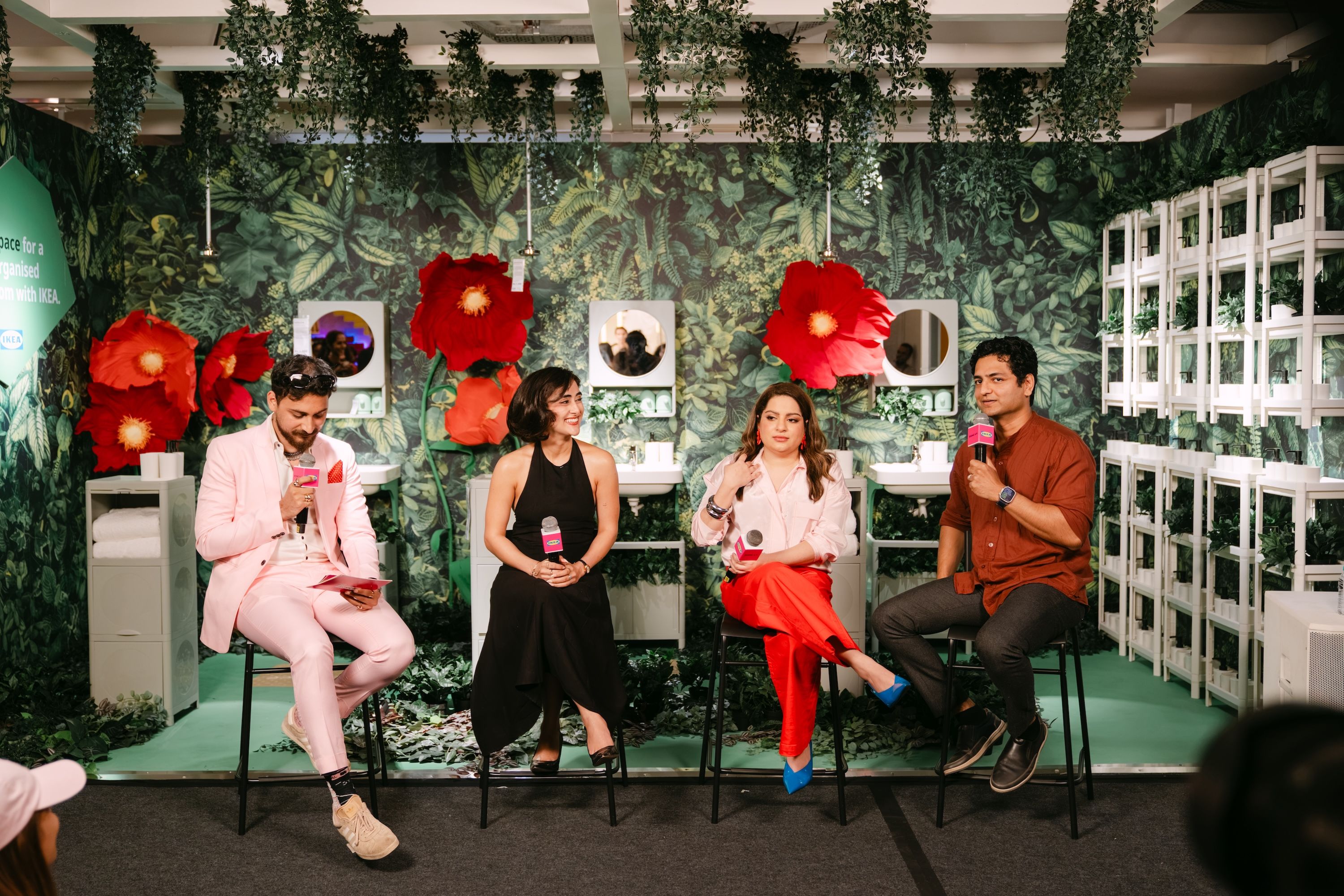
And this is where the idea of making space became particularly tangible. You don’t necessarily need more square feet. Sometimes you need to rethink what the square feet you already have can do. A chair becomes a reading corner. A dining table becomes a workspace. A shelf holds books, ceramics, memories, and whatever else you have decided deserves to be on display. The home starts adapting to you rather than requiring you to adapt to it. Take for instance, Mallika Dua. She told The Nod how an old piano that holds childhood memories for her will always remain in her home, and at the same time, how she redid her childhood home to make the space her own to cope with the loss of her parents. The personalisation can be small, but it is rarely meaningless.
There was another thread running through IKONIC that had little to do with storage and everything to do with what storage ends up holding: memory.
Food became one way into that conversation. A session between Riyaaz Amlani, Founder and CEO of Impresario Entertainment and Hospitality, and IKEA India’s country food manager Kevin Johnson looked at food gatherings and the role that eating plays in shaping the experience of a space. Later, chef, entrepreneur and content creator Saloni Kukreja explored the relationship between food and memories through her workshop ‘Tastes Like Home’.
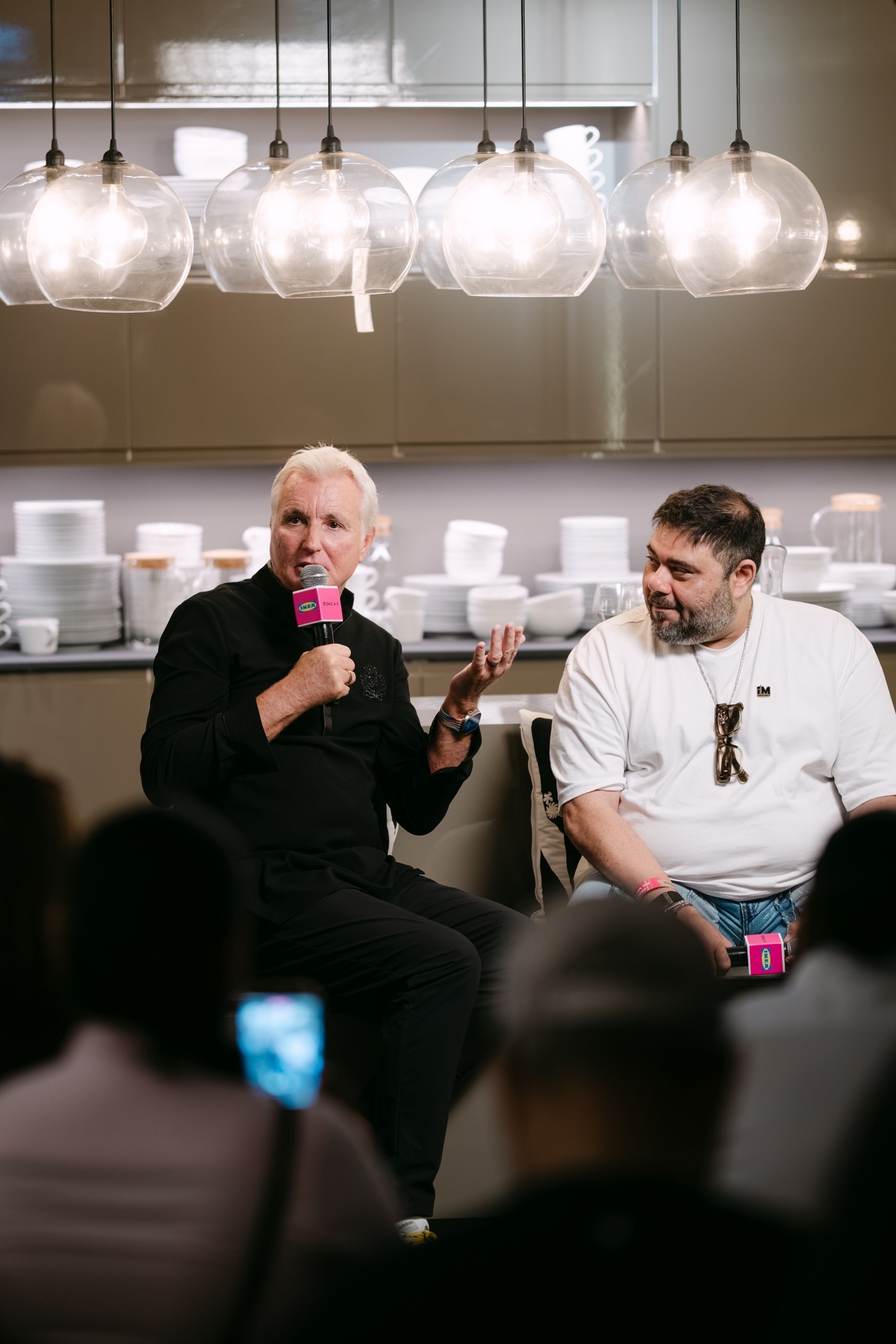
In frame: Riyaaz Amlani, Founder and CEO of Impresario Entertainment and Hospitality, and IKEA India’s country food manager, Kevin Johnson
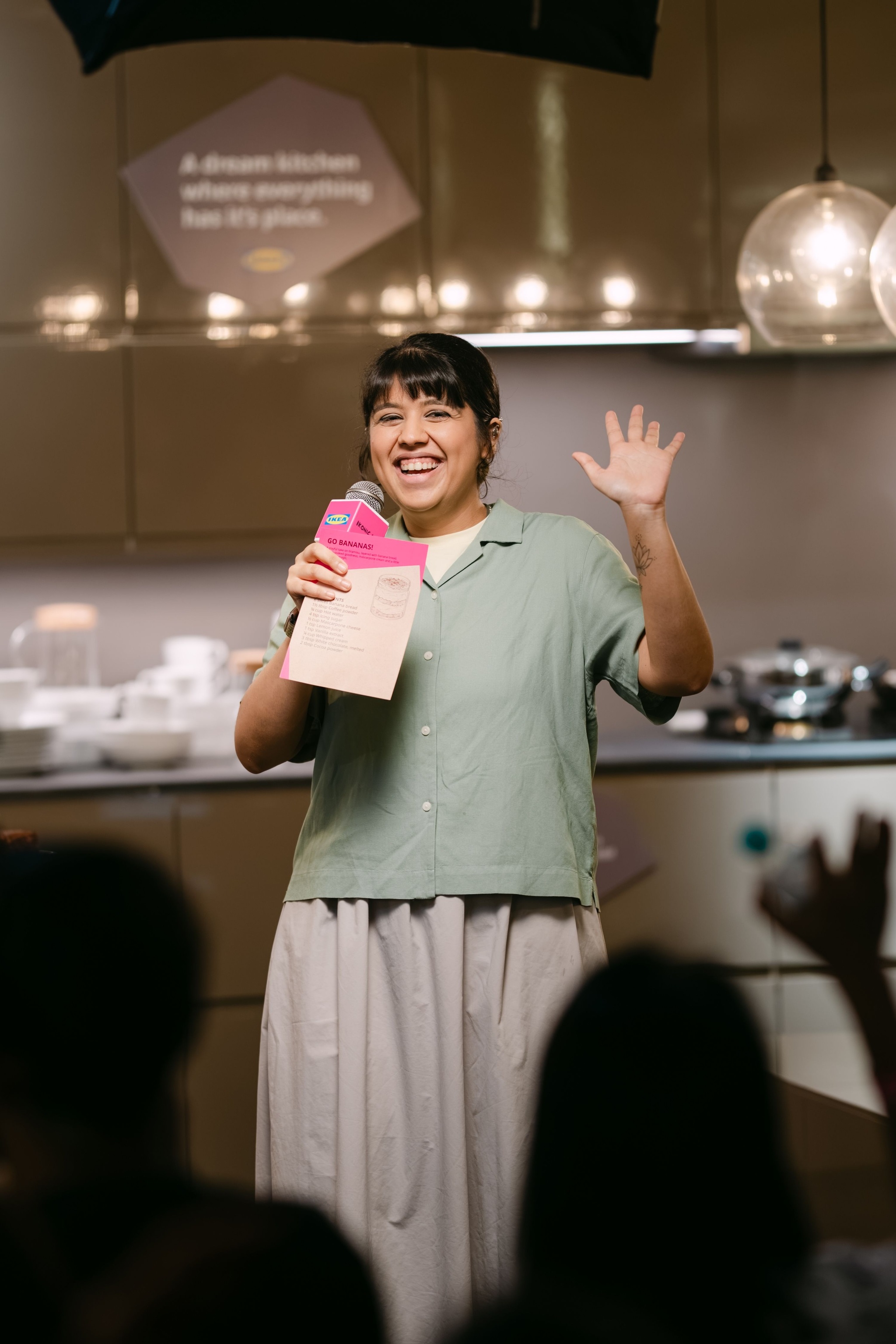
In frame: Content creator Saloni Kukreja
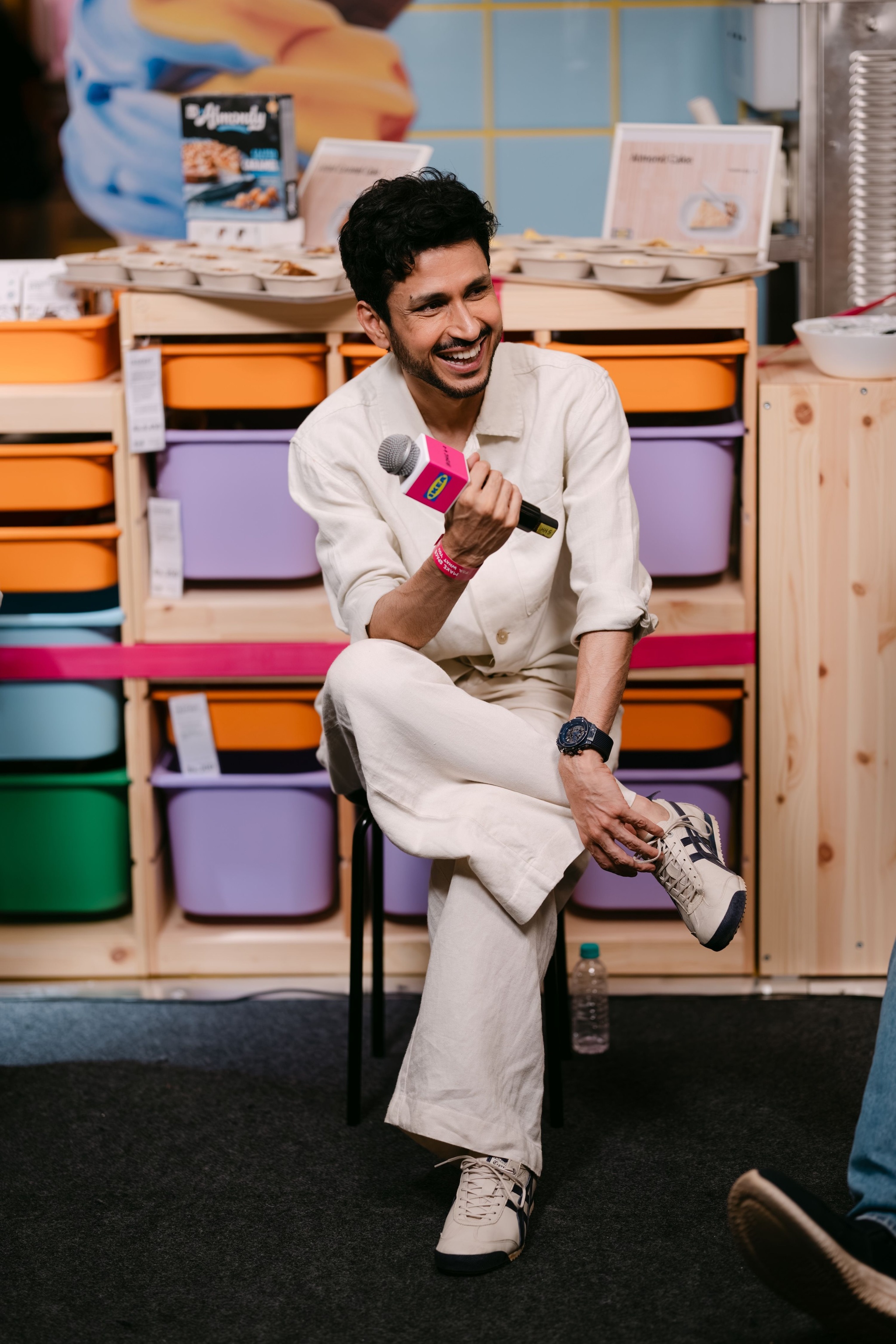
In frame: Actor and writer Amol Parashar

In frame: Actors Ahsaas Channa and Mihir Ahuja
Elsewhere, the conversation returned to childhood and the objects we carry forward from it. Amol Parashar’s narration around childhood homes sat alongside a discussion between actors Ahsaas Channa and Mihir Ahuja about how our idea of home changes as we grow up. It is easy to think about organising a home as a process of deciding what stays and what goes. But anyone who has tried to clear out a cupboard containing an old school notebook, a parent’s crockery or a chair they refuse to throw away knows that objects are rarely only objects.
Sometimes, the thing taking up space is also the thing holding a memory. After all, we don’t only live with things we need. We also live with things that remind us of who we were, who we are and, occasionally, who we want to become.
Across two days, IKONIC managed to move between some fairly different versions of home without insisting that there was one correct answer.
There was the practical home, where better organisation makes daily life easier. There was the rented home, where creativity has to compensate for limitations. There was the aspirational home, where design can become an expression of taste and identity. There was the nostalgic home, where a piano, a dining table or a familiar recipe can carry decades of emotional baggage. And there was the social home, the one that exists partly because people come over. Like Chawla, who along with her friend and content creator Veronica Bahl, plays host to friends and makes the house feel like home. “I like to think that the best hidden gem in Bandra, unknown to most mankind, is my house. I am the chef, I am the customer, I do the dishes too, and I would not have it any other way.”
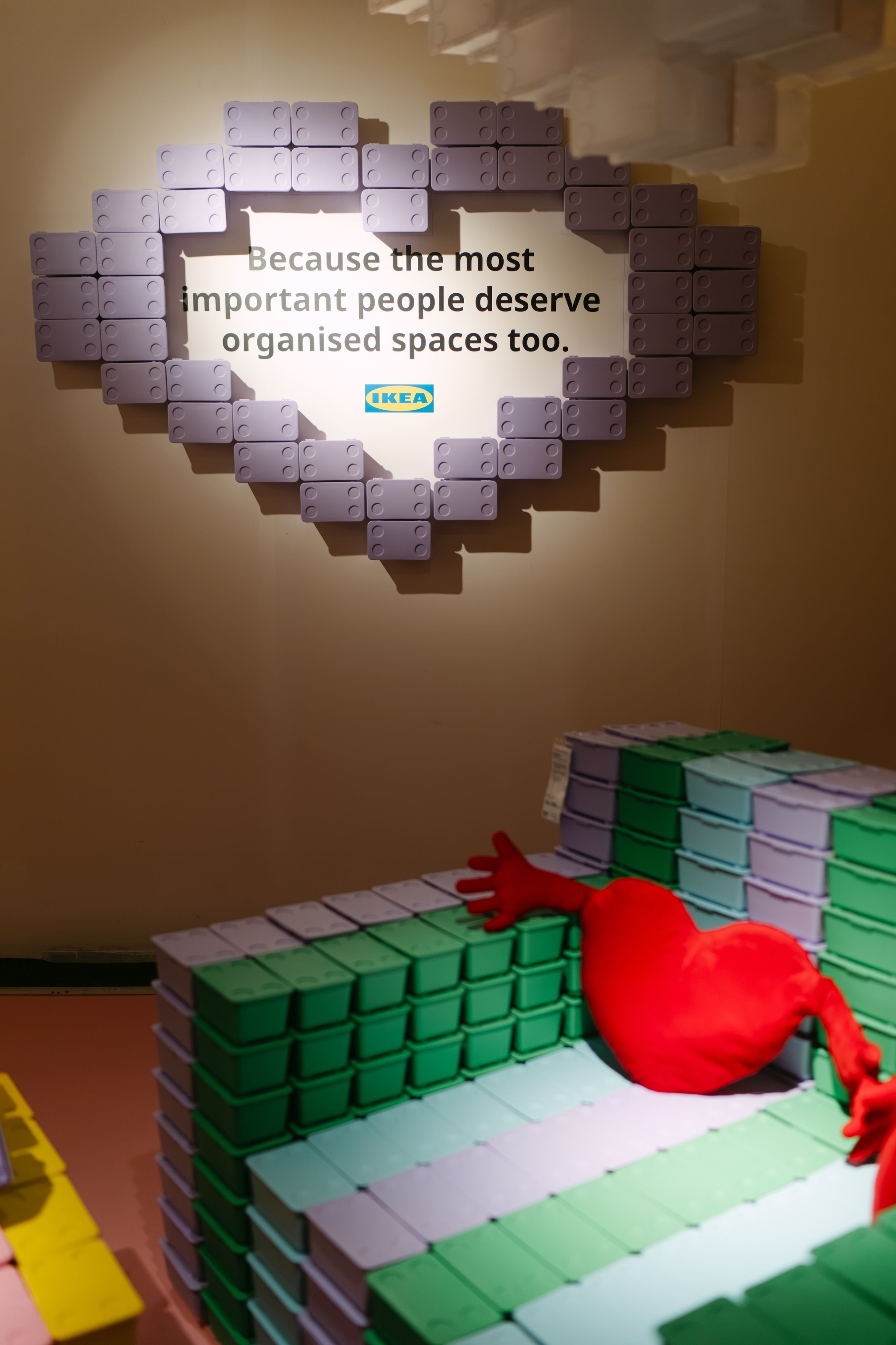
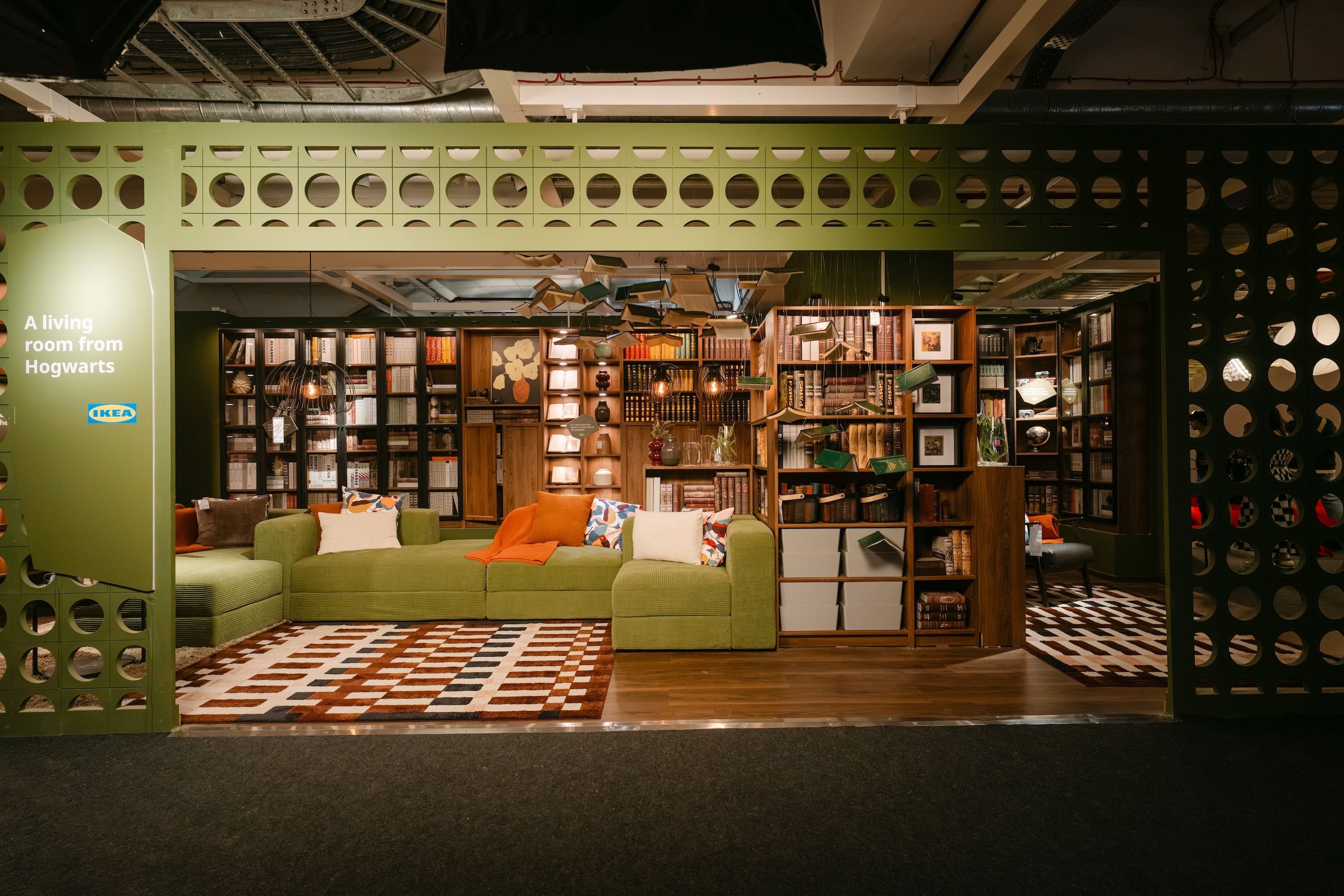
The IKEA Worli store was crucial to making those ideas work. It wasn’t simply a venue with some furniture in it. Every corner became a stage in its own right, visually reflecting the theme being spoken about. Rental or owned, home is an idea, defined by the little personal things you add to it and all those odd quirks that are only yours that make a house a home. And IKEA understands this well and works towards bringing that feeling to you.
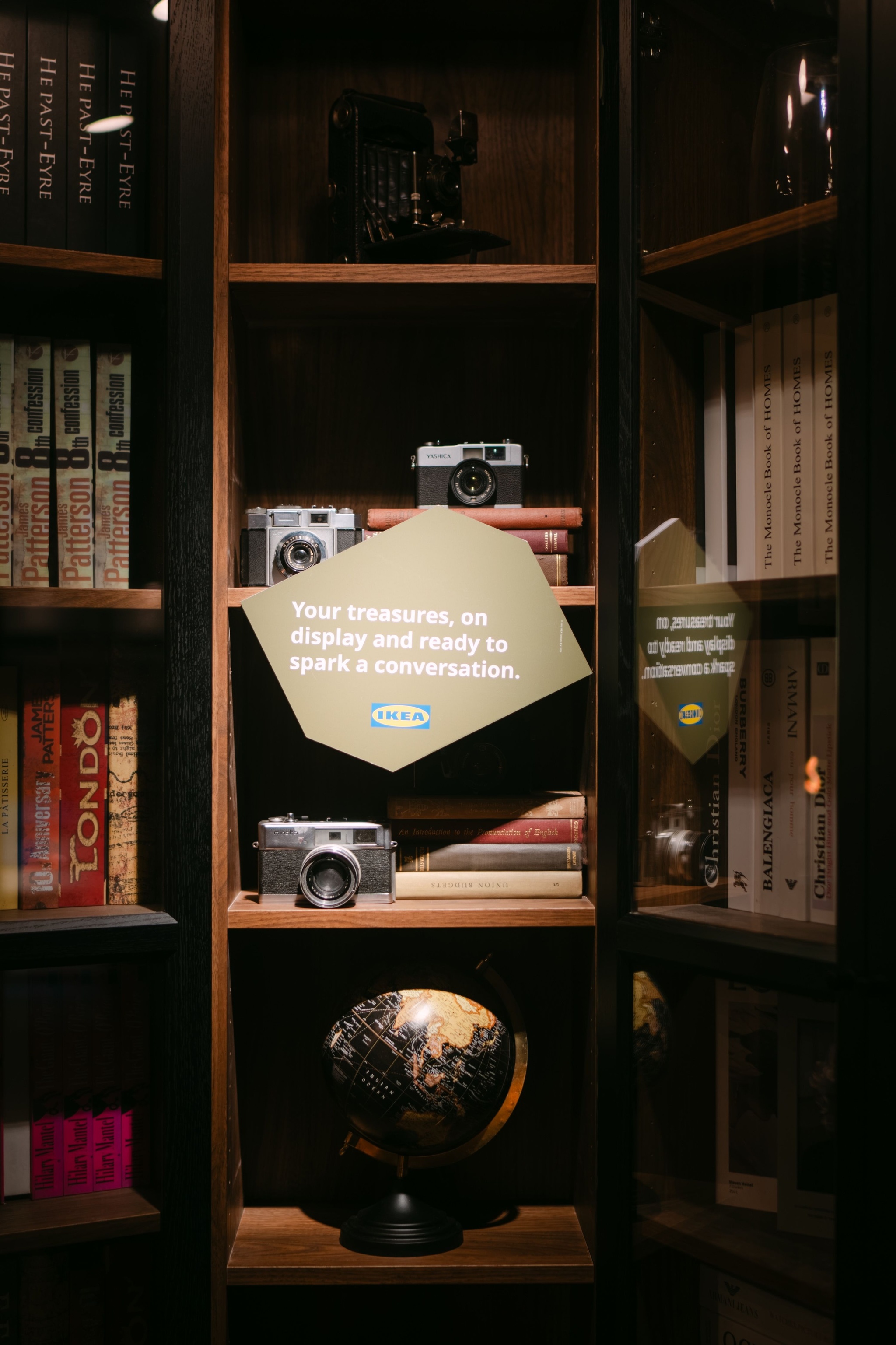
The corners we loved at the festival

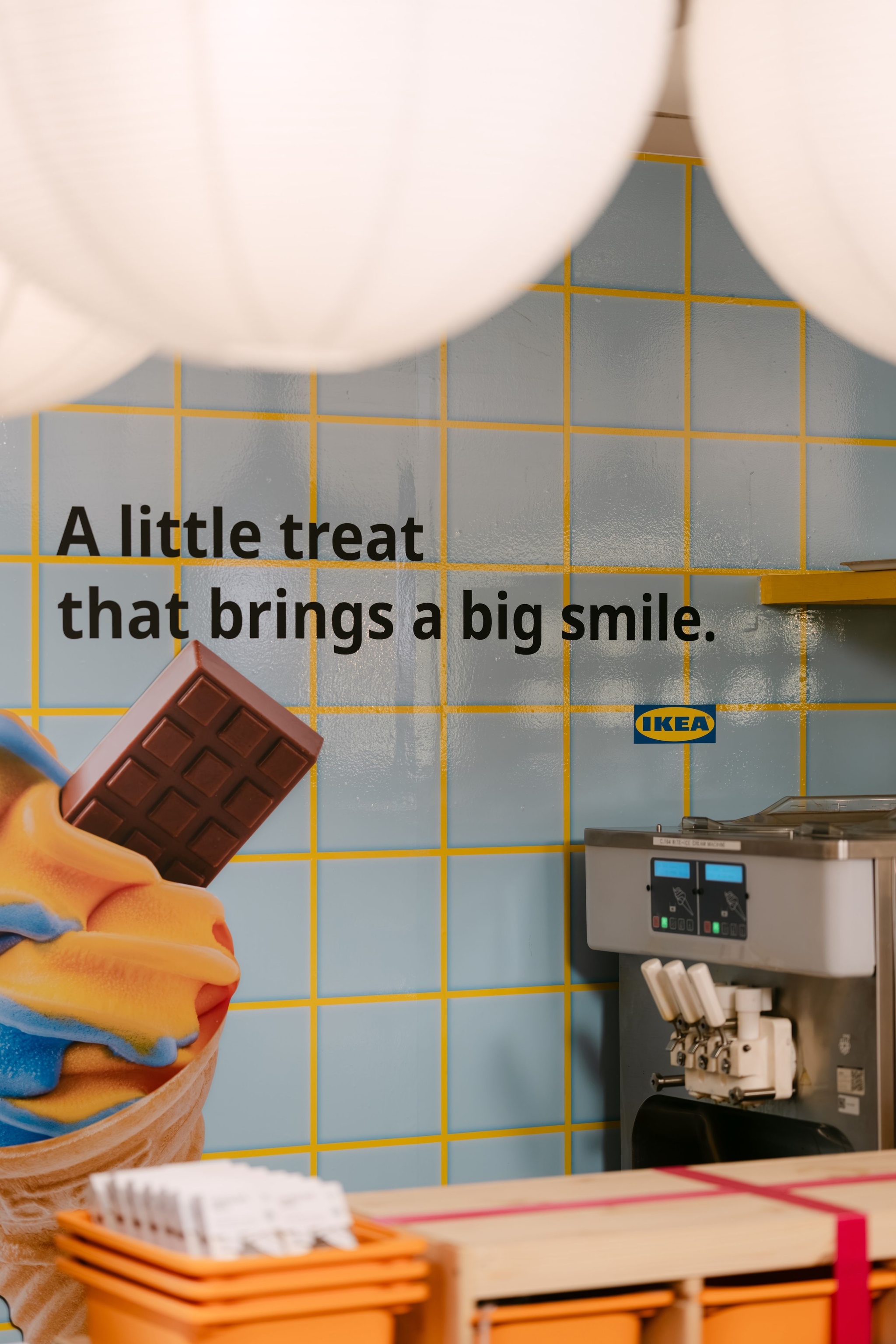
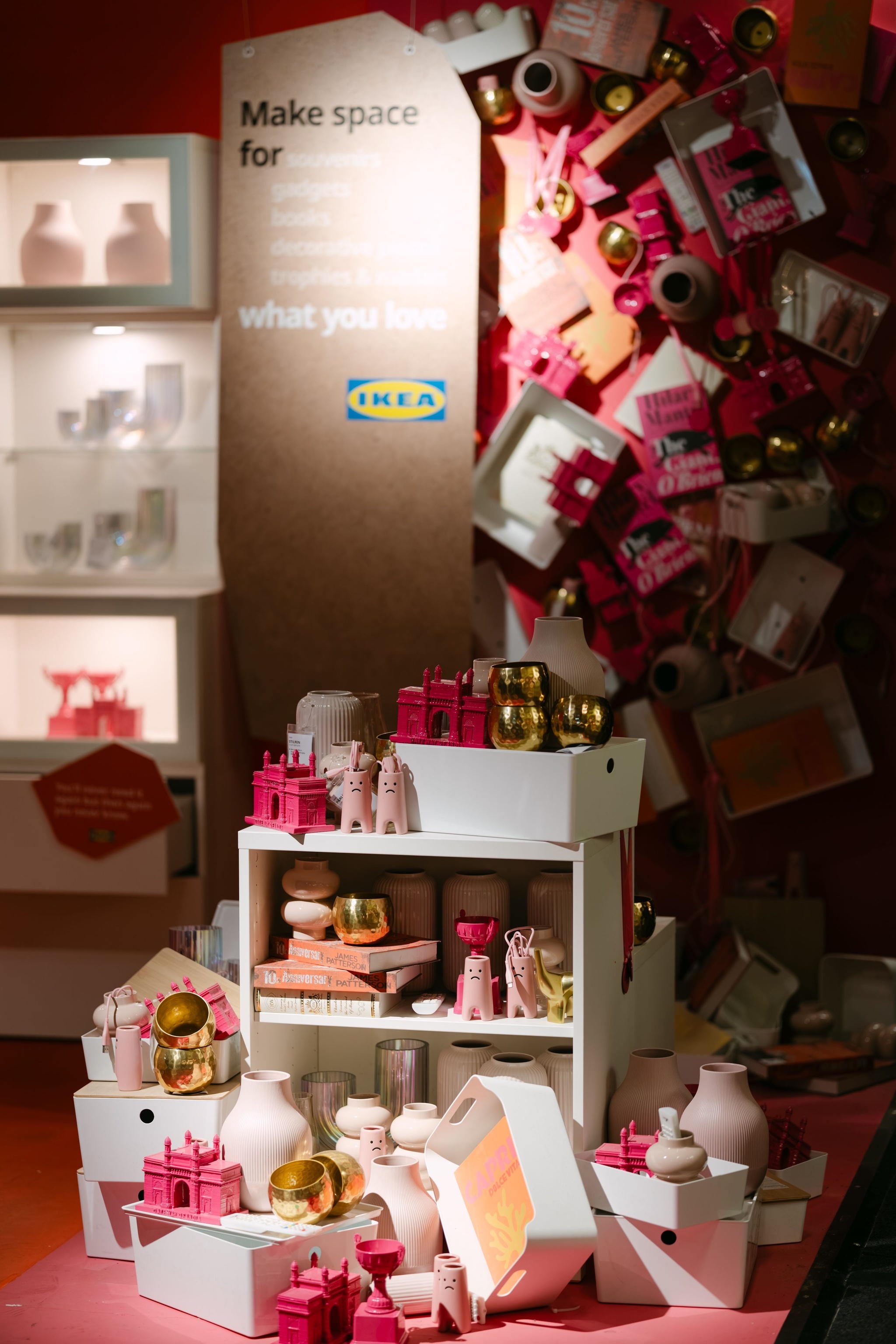
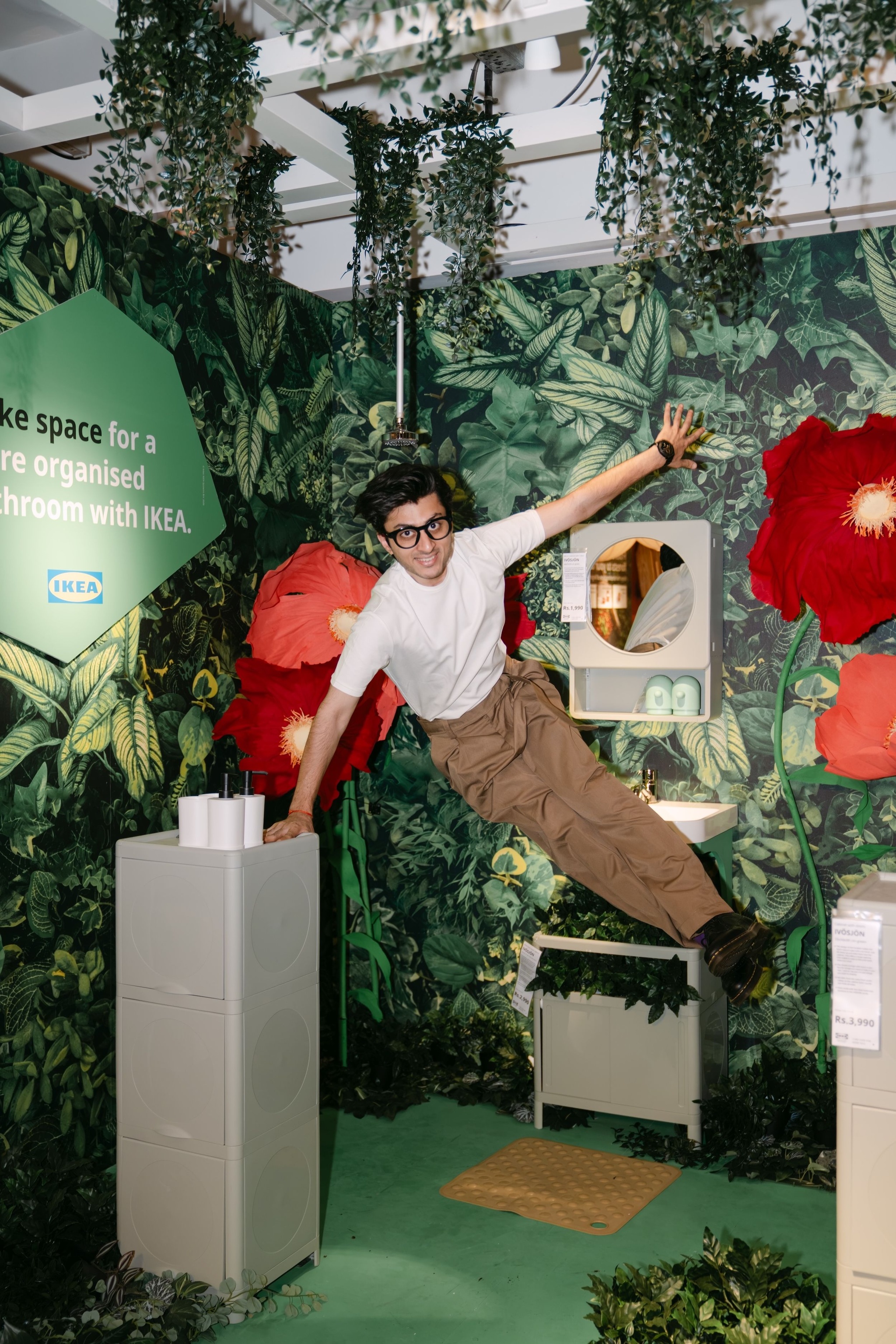
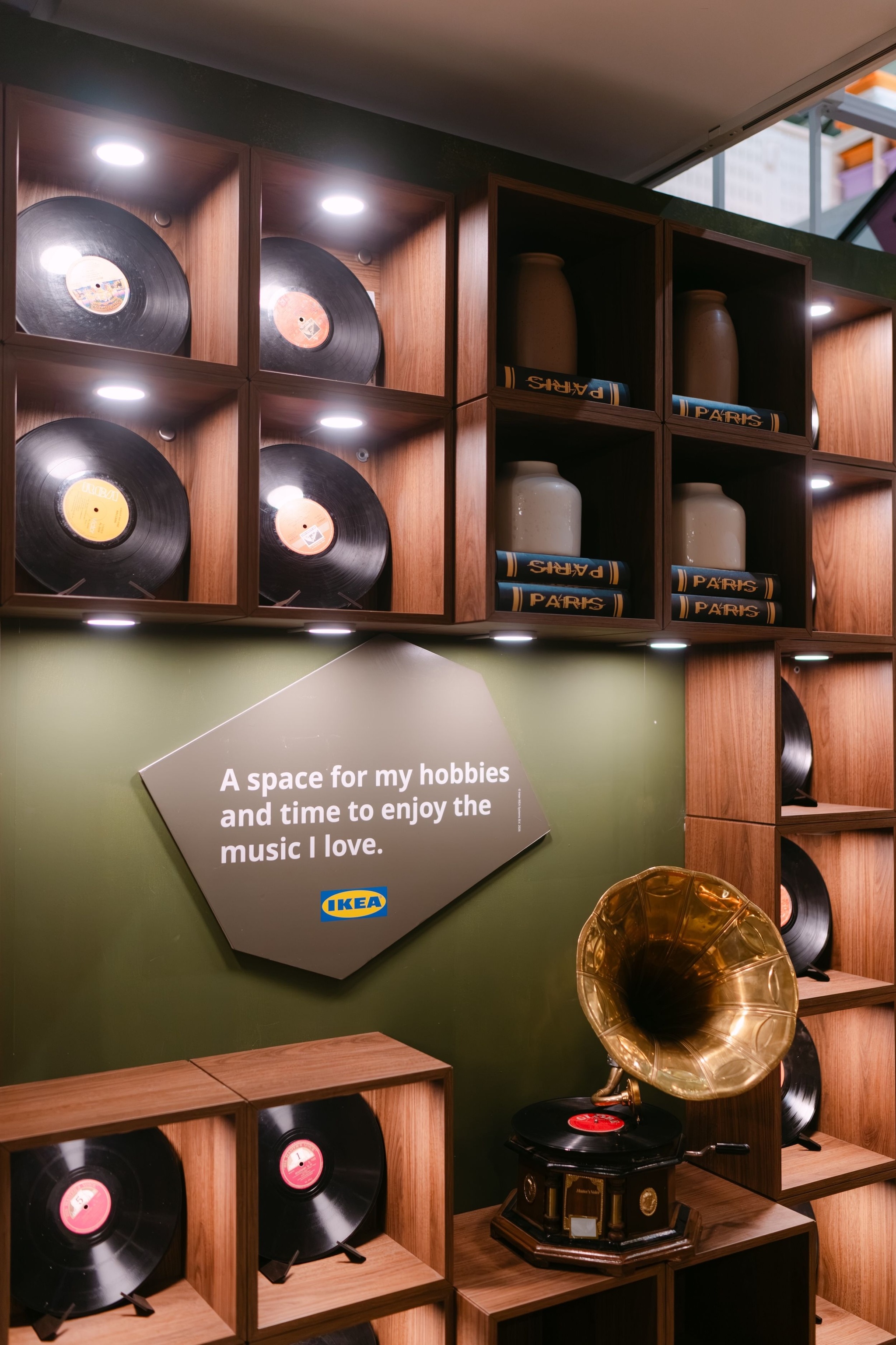
And perhaps that was the most effective expression of ‘Make Space for What You Love’. It wasn’t about adding more things to a home. It was about making room for the things that make the home work: a hobby that needs somewhere to happen, friends who need somewhere to sit, a meal that takes longer than expected, an object you can’t bring yourself to throw away, or simply a little corner that looks nothing like the internet but feels entirely like you. Your home, after all, is your forever safe haven.

After hours at IKEA IKONIC 4.0