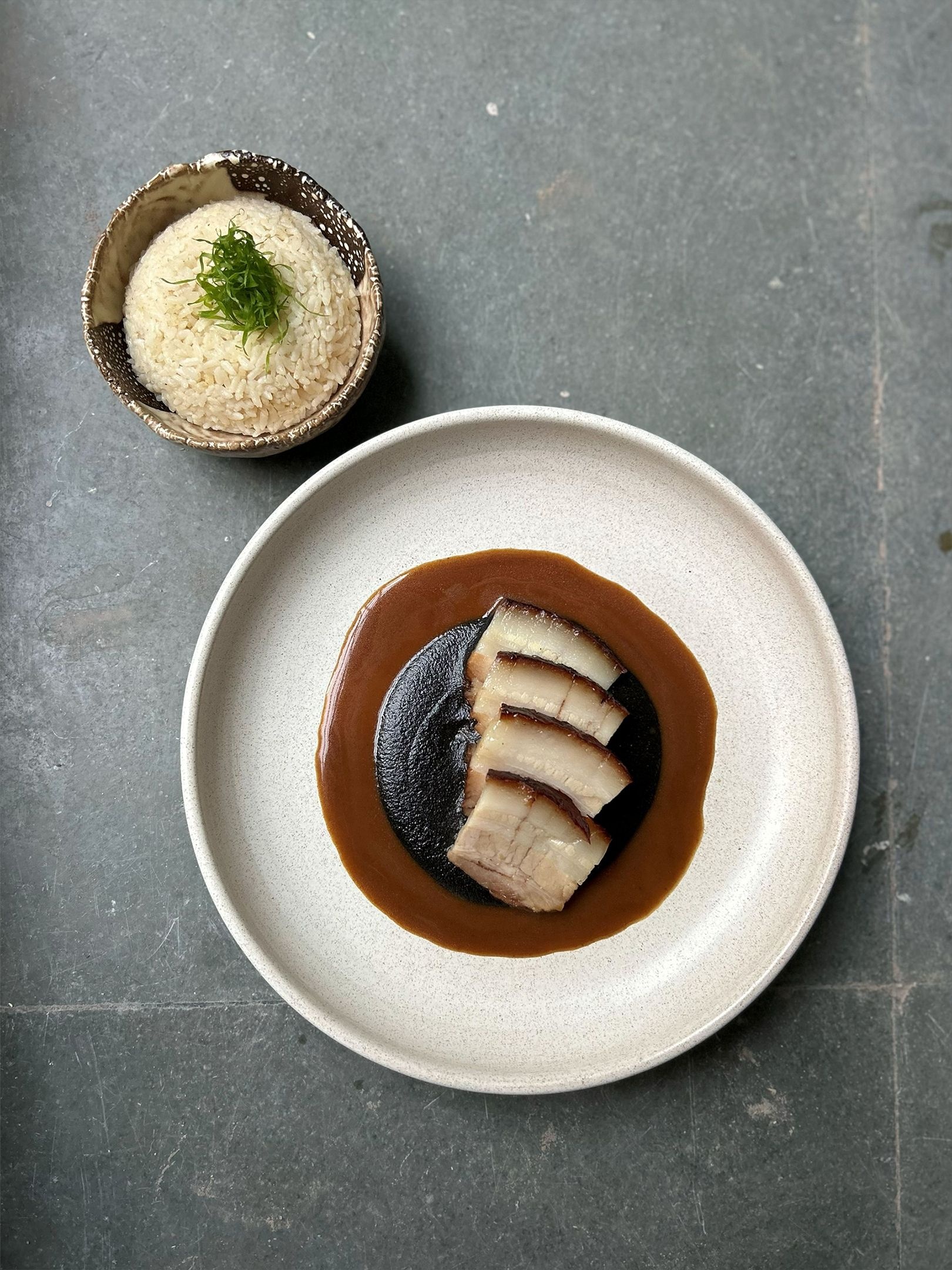
You can expect dishes that draw on both Bengali culinary tradition and local ingredients. Among them is pork kalojeere, a Bengali preparation of tender pork tempered with nigella seeds. There is also golabhaat, which is a congee prepared with short-grain Wayanad rice and topped with Toda buffalo ghee. Vegetarian dishes include shredded mushroom mash (bhorta) cooked with local herbs and spices, as well as Nilgiri beans and smoked cheese.
On site, Kundu plans to prepare cheeses and desserts (including a lemon custard) using locally sourced Toda buffalo milk. Desserts like ragi patishapta will bring soft ragi crepes to the table, served with bitter orange marmalade.
From soil to spoon
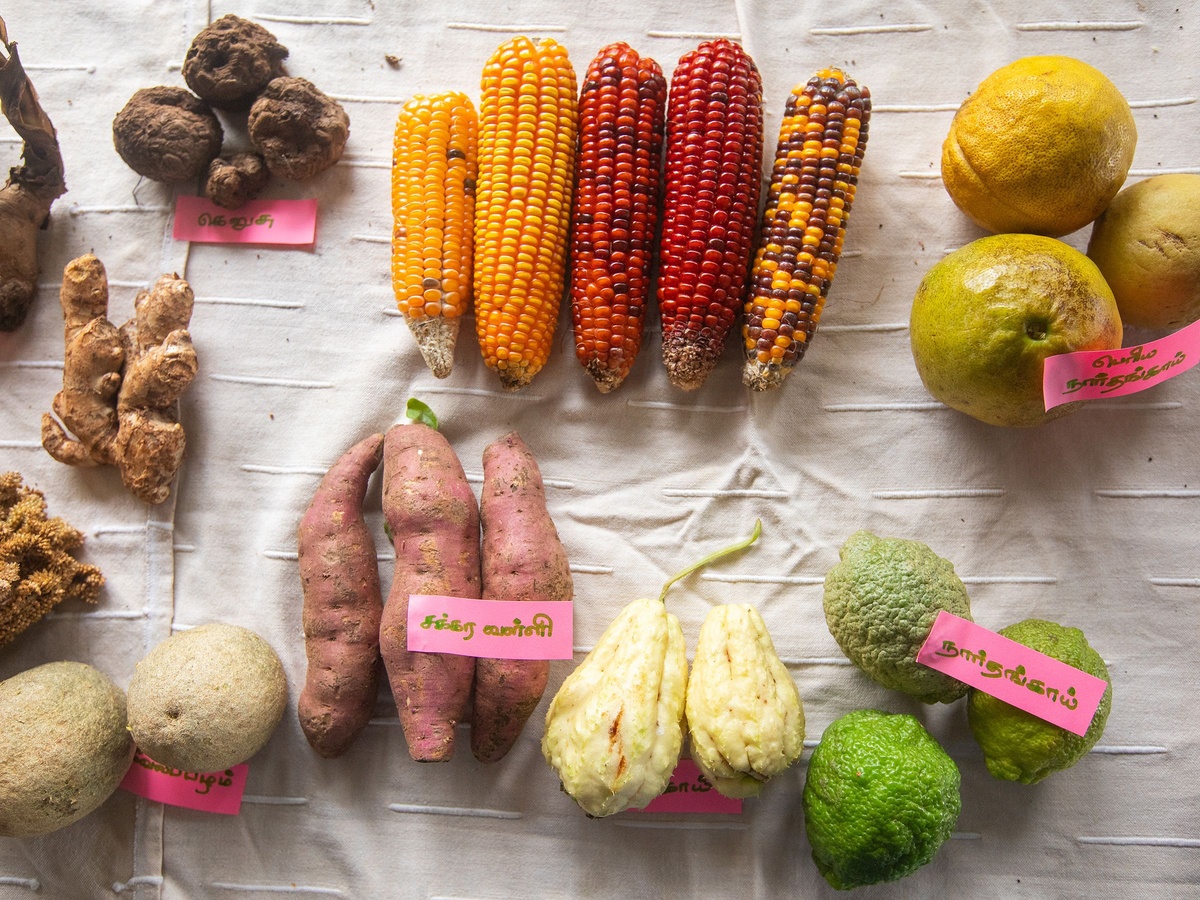
Designing these menus required sampling the full range of local produce the Nilgiris had to offer. Hegde began by sending an extensive list of ingredients available to chef Kundu. These included root vegetables such as purple yam, Chinese potato, sweet potato, and taro; rice varieties like black rice, red rice, jeerakasala, and kamugin poothala; foxtail and little millets; greens like lemon verbena and butterhead lettuce; varieties of honey; and a selection of dried staples. “At least half of the ingredients on the list required a Google search,” admits Kundu. “For a chef, there’s nothing more exciting than coming across an unfamiliar ingredient, learning about it, experimenting with it and finding an informed place for it on the plate that celebrates it.”
Among them was the edible black nightshade, a small, orb-shaped fruit with a flavour that falls between sweet and tart. Though uncommon in Bengal, it’s readily available in the Nilgiris. Kundu was also introduced to the scotch bonnet chilli (locally called nei molaga), a fiery red pepper known for its tongue-numbing heat, and he quickly recognised its similarities to ghee lonka, a chilli commonly used in Bengali cooking, loved for its ghee flavours. “It was exciting to see the regional parallels,” he says, “not just between the peppers but across so many of the ingredients.”
Not all discoveries found easy comparisons though. The nutmeg candy, for instance, stirred different reactions from his team. To Kundu, the flavour reminded him of Coca-Cola. “It’s always exciting to taste something you don’t have memory or context for,” he shares.
Gathered around a table
For the meals, diners will be seated at communal tables (8 to 12 people per table), an arrangement meant to “encourage shared meals and thoughtful conversations around the food, the festival and the fresh, organic ingredients,” explains Hegde. For her, the idea is to honour small organic farmers, as well as collectives like TOHFA and Aadhimalai that support farmers in the Nilgiri region. This is where the land’s produce takes centre stage.
“Festivals like this help people see not only the effort put in by farmers but also realise how much food in this country never reaches their plates,” says Kundu. “There’s far more to our land and water than the few ingredients most of us eat. Beyond basmati rice, there are countless other grains, as well as other vegetables and varieties worth knowing.”
He hopes that the exposure through TNEF could lead to sustained curiosity. “If someone comes here, tastes a vegetable they’ve never had before, and decides to seek it out again, that’s meaningful,” says Kundu. “Farmers and producers often don’t get their due. The work they put into the land is immense and it can take months just to harvest a single vegetable.”
Other highlights
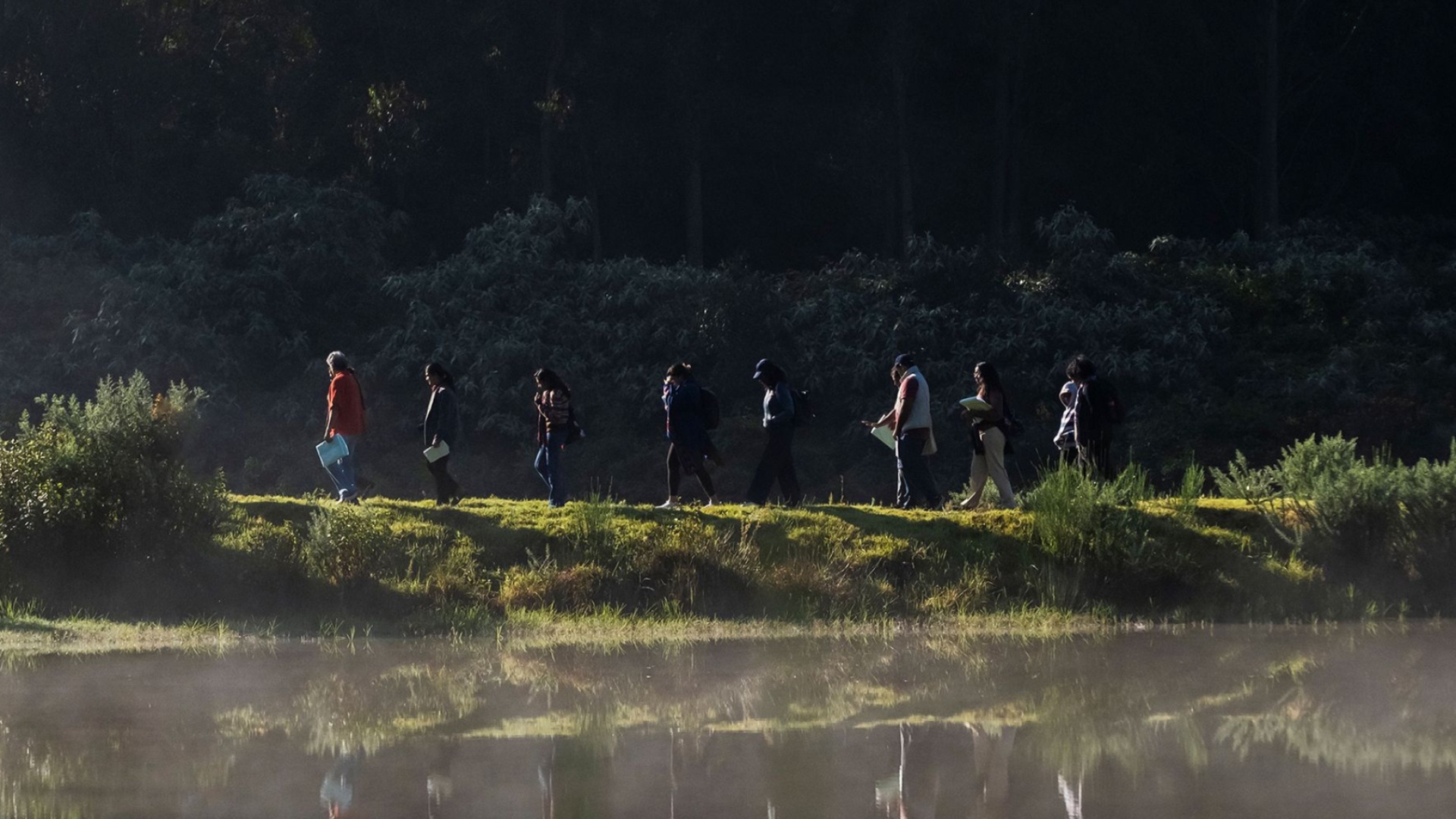
Beyond ‘Chef’s Table’, the festival also offers six other food-related events and many other thoughtfully designed sessions. Among them is ‘Listening to the Forest’ (by invite only), an immersive experience that includes a guided walk through the jungle after nightfall. ‘Forgotten Greens and Heritage Grains’ takes participants on a foraging journey focused on discovering wild edibles and heirloom grains.
Another festival highlight is the habba, or ‘festival’ in the native Badaga tongue. Here, more than a dozen indigenous communities will showcase seasonal, knowledge-based produce. “It will be like an open-air museum,” explains Reddy, with stalls set up across the site. Guided walkthroughs will take place during the day alongside film screenings, plenary sessions, and storytelling centred on the region’s produce.
Promoting tourism in an ecologically sensitive region like the Nilgiris, though, requires a careful balance. Reddy is acutely aware of the pressures a festival can place on the fragile Nilgiri Biosphere Reserve. “Tourism is an important pillar,” she explains. “But we want to welcome visitors who come with a genuine desire to understand and appreciate this place. A low-footprint traveller who respects the land, respects its people, who truly values what we are trying to set out to achieve.”
For Reddy, the festival is less about scale than intention. By drawing attention to what grows locally and to the people who cultivate it, she hopes to encourage a slower, more thoughtful engagement with the Nilgiris. It is an approach rooted in the belief that appreciation, when practised with care, can itself become a form of preservation.
The Nilgiris Earth Festival (TNEF) runs until December 21 across Coonoor, Kotagiri, and Ooty. Visit their website for further details