



check-in17 Sep 20265 MIN

At the new NoMad Hilton Singapore, not a single wall is boring

With 173 rooms to choose from, more than 1,800 works of art, a 15-storey waterfall, and a biophilic facade, your Singapore stay just got a little more design-forward

Image

Tropicana Club, NoMad Hilton Singapore

Image courtesy NoMad Hilton

I put on a white hard hat and step into an elevator that takes me to the 12th floor of a building that’s still under construction. Around me, architectural blueprints are tacked onto the wall. Workers in fluorescent orange vests and hard hats confer with each other, then continue their work, drilling, hammering, inspecting. It feels like a claymation version of one of my son’s pretend-play building sites. Below lies the buzzy Orchard Road and the streets that intersect it, neatly laid out like strips of paper. Tiny cars zip past. A large billboard of a woman advertising eye cream catches my attention.

I’m getting a behind-the-scenes look at the new NoMad Hilton Singapore, set to open later this year (reservations go live today, September 17). Designed by WOHA, the 19-storey building will feature a cascading 15-storey waterfall and a lush biophilic facade, hallmarks of the Singapore firm’s approach to architecture and the city-state’s long-standing vision of integrating nature into urban life. Grounded in NoMad’s idea of the hotel as a “great home”, at NoMad Singapore you can expect tasteful interiors and unique design, a solid art programme, as well as exceptional food and drink. The third level will house the Urban Verandah, a public space for creative programming, restaurants, and retail.

Its arrival is well timed: Orchard Road is undergoing a broader transformation, with plans to bring more culture and greenery to what has traditionally been a retail-heavy district.

I’m in Singapore to meet the NoMad team, in particular Kristin Miller, the brand’s creative director, who is overseeing the hotel’s art programme. For Miller, art is not an afterthought or a way to fill in empty spaces. It is a key pillar of the NoMad experience, a way to “create emotional resonance for travellers, and a sense of connection to a place”. Over the course of several months, LA-based Miller kept returning to Singapore, swapping Erewhon smoothies for Milo boba milkshakes at hawker centres and immersing herself in the city’s galleries, studios, and flea markets.

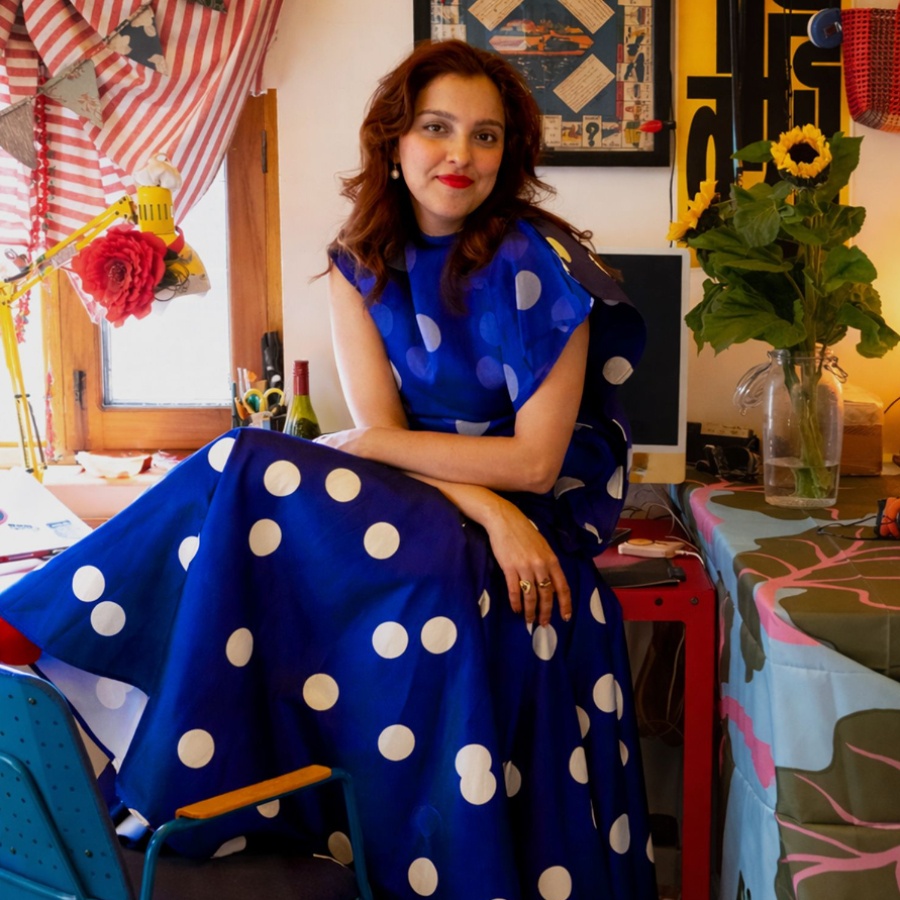
Over the next two days, I accompany Miller across Singapore, from artist studios and Art:Dis to ART SG, the city’s annual art fair. For this project alone, Miller has sourced more than 1,800 artworks, 90 per cent of them by Singapore-based artists. The collection spans painting, ceramics, photography, and printmaking, with artists including Robert Zhao and Andy Yang. The process has unfolded slowly, through detailed conversations with artists and curator John W Tung, as well as the team at Art:Dis, a foundation dedicated to creating learning and livelihood opportunities for people with disabilities in the arts.
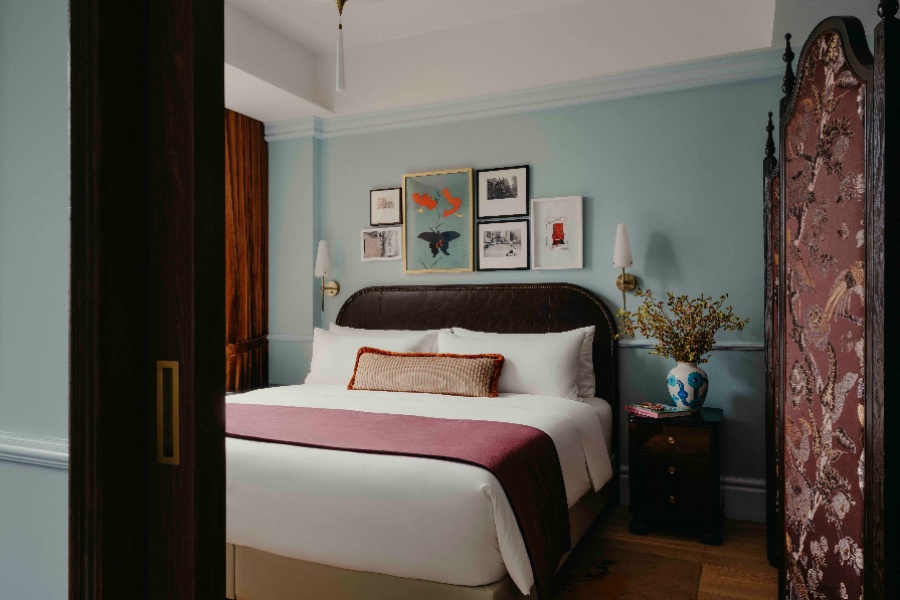
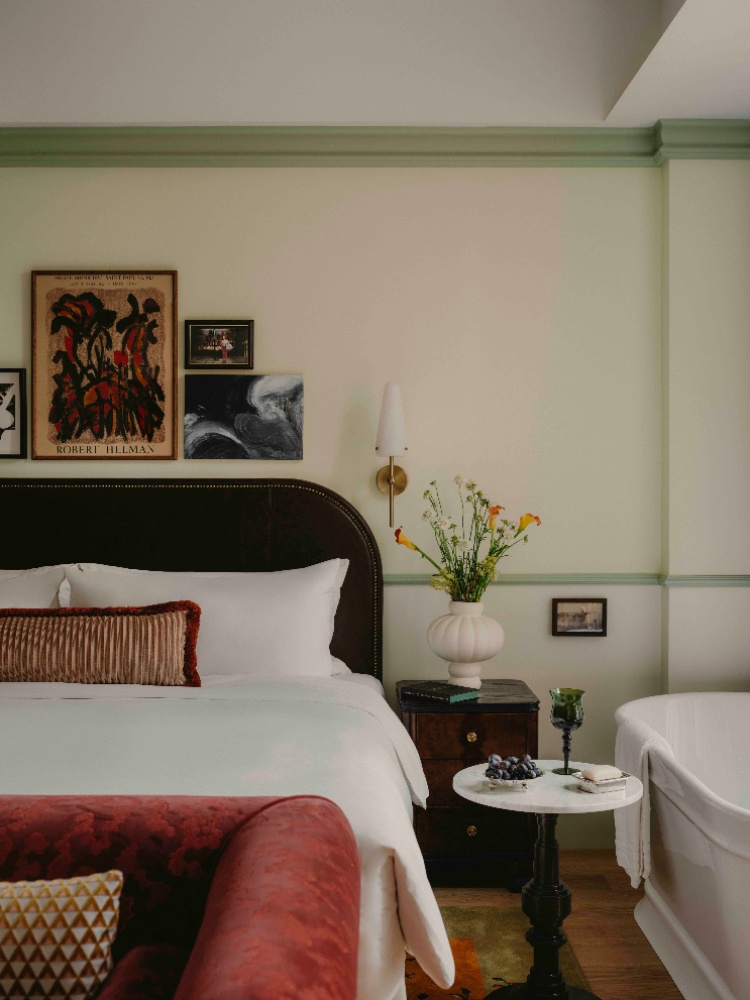
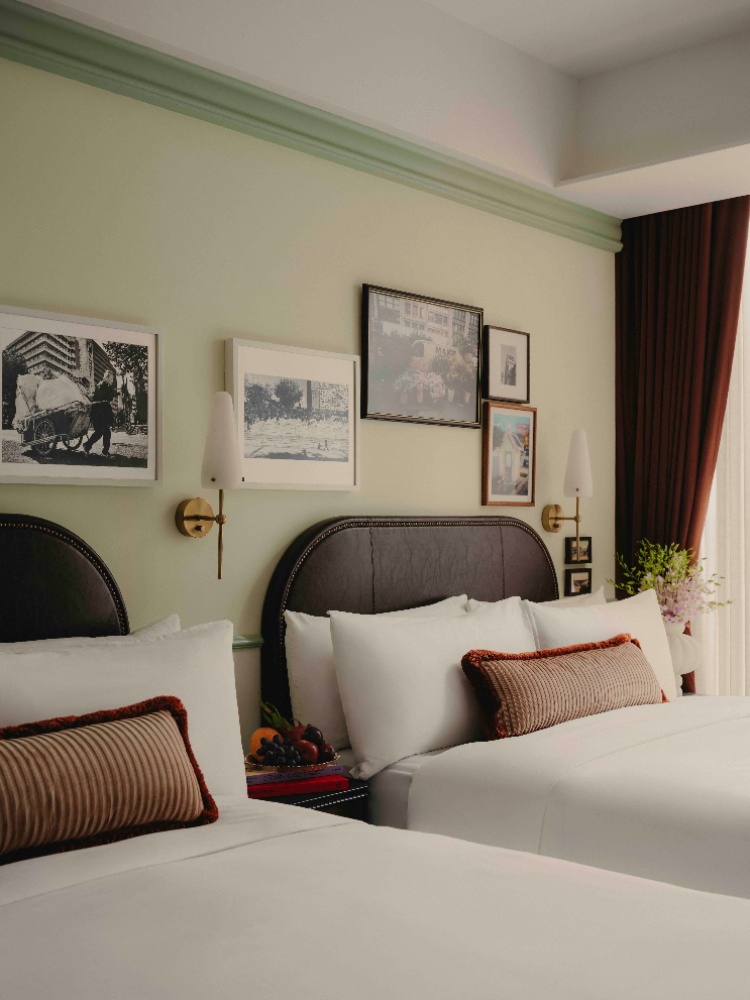
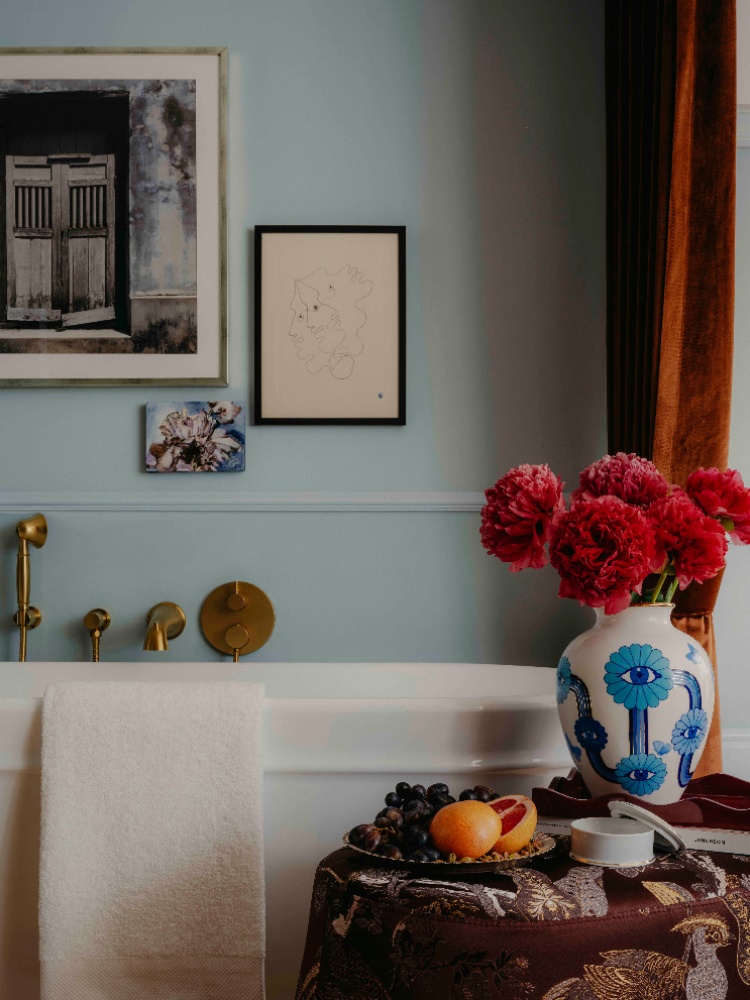
Up on the 12th floor, Miller’s vision becomes tangible. The interiors by Kevin Klein Design draw on NoMad’s New York roots, there are touches of Parisian opulence, and some rich Art Deco references, but the art is what gives each room its character. In the two showrooms we visit, I recognise work by three of the artists represented by Art:Dis. I chuckle at Christian Tan’s brightly coloured linoprints of chairs, playfully hung beside the room’s writing desk.

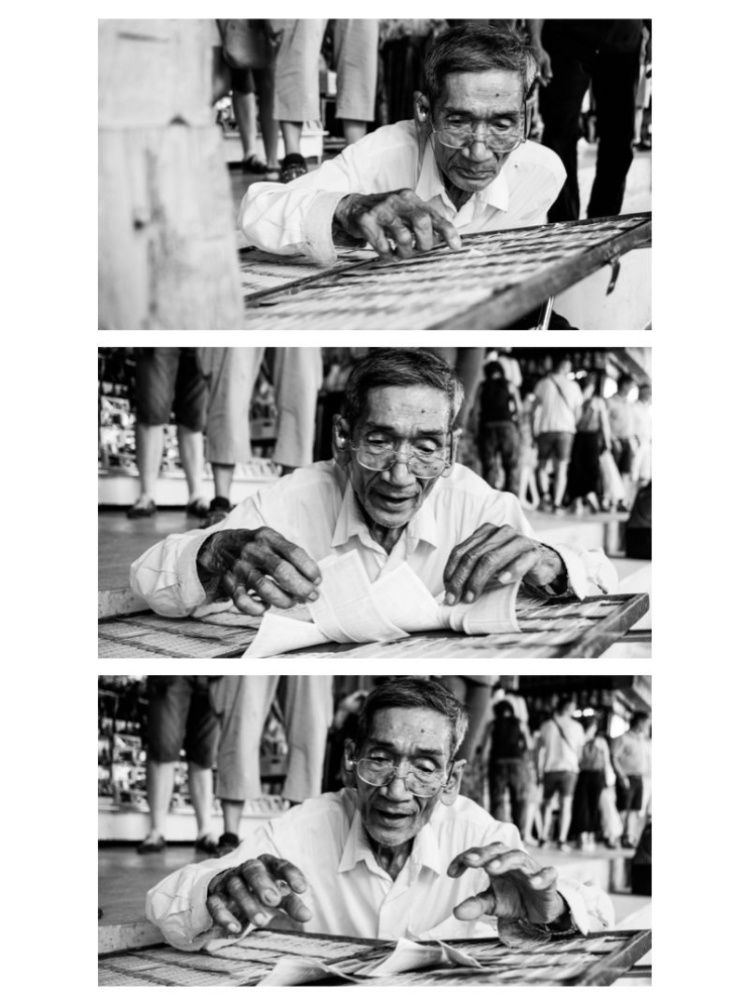
Photographer Isabelle Lim’s black-and-white vignettes of everyday life capture a quieter, lesser-seen Singapore. Vicki Tan’s coral-like ceramic earrings have been enlarged to bloom as a wall installation. Works are often hung off-centre, tucked in beside beds, clustered above bathtubs. It’s like living in the apartment of that stylish friend with impeccable taste.

I’m drawn to Toni Cuhardi’s architectural photographs, which capture the city’s penchant for the grid, softened by a dreamy pastel palette. Ken Cheong’s photographs play with light and materiality. Guests can also linger over poetic black-and-white photographs of sculptor and printmaker Kim Lim in her studio. The spaces are so distinct, I can imagine returning guests requesting the same room again or deliberately choosing a different one each visit.

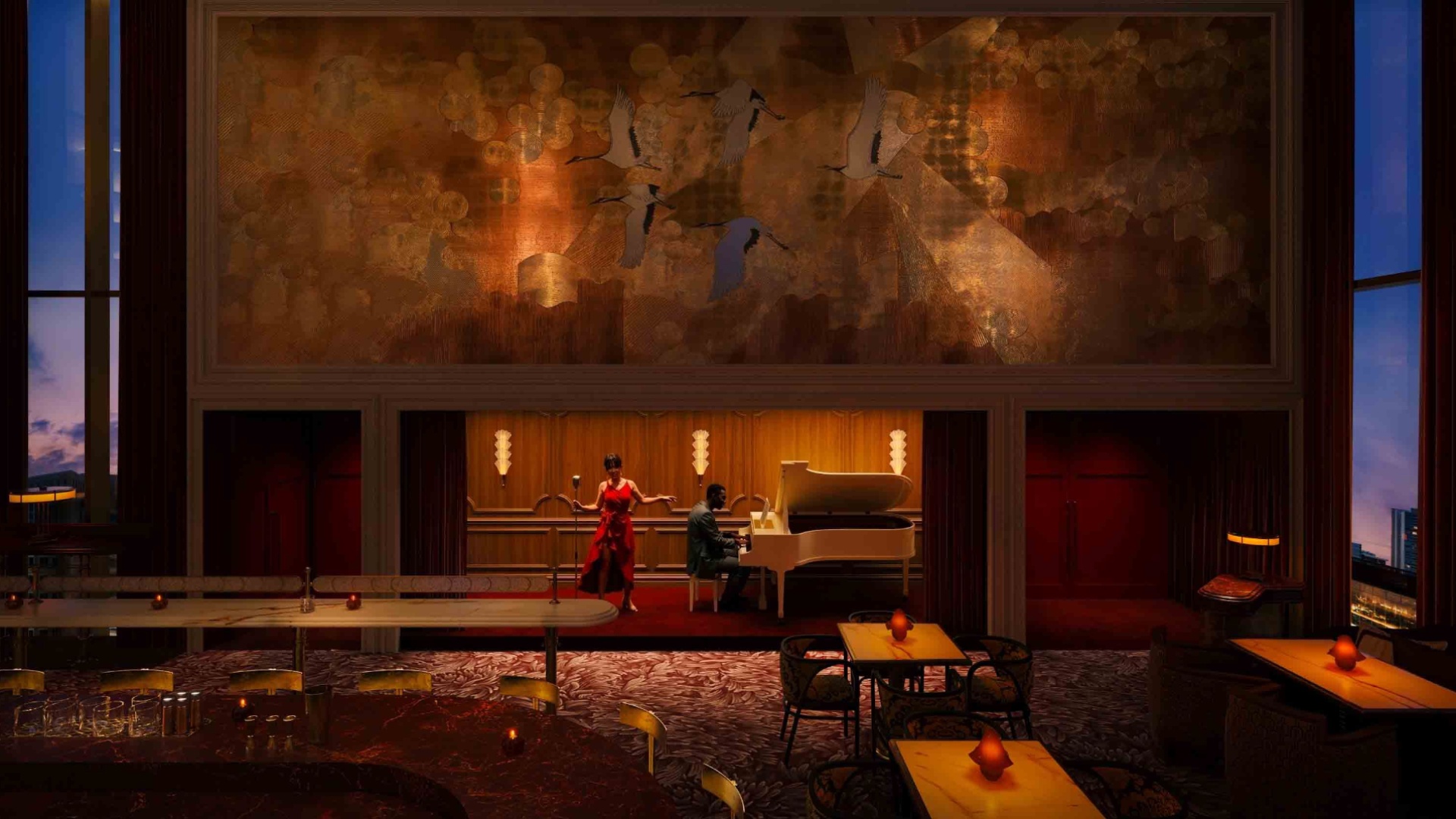
Art extends into the public spaces too, including two custom works at the reception on the fifth floor and an arresting hand-painted de Gournay mural depicting an abstract seascape in 3D gold leaf on the 19th floor, where the hotel’s cocktail bar, The Tropicana Club, is located.

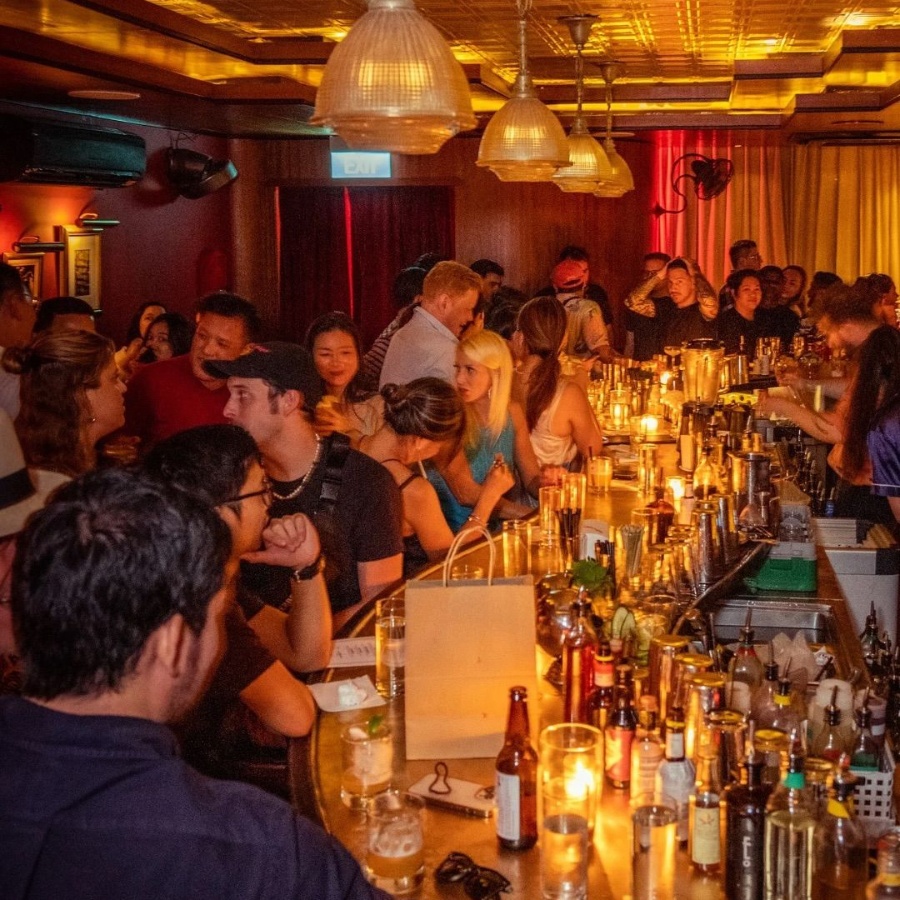
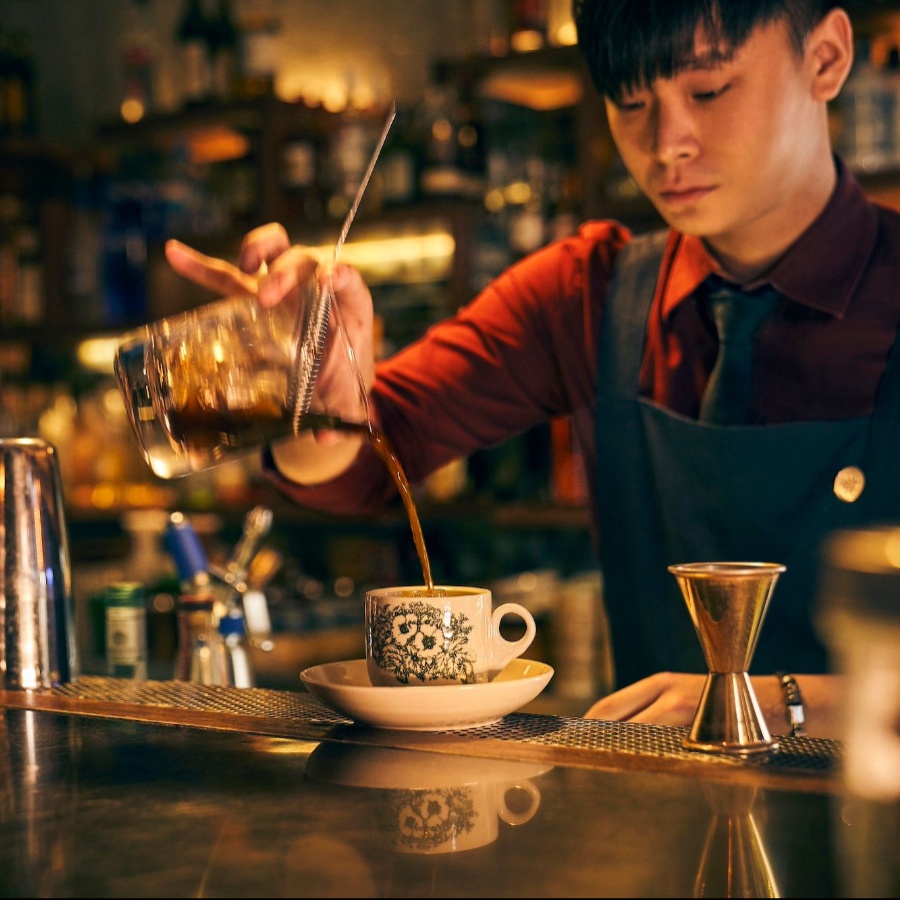
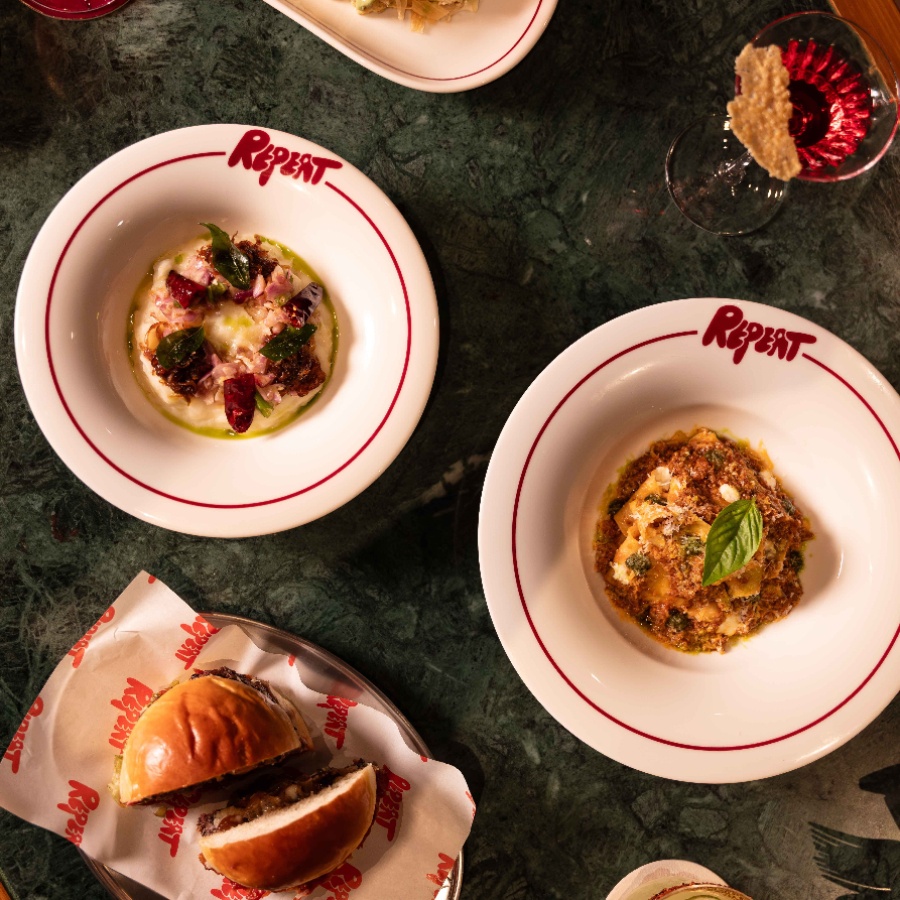
The hotel’s sensibility extends to the food and drink, overseen by Leo Robitschek, NoMad’s global head of bars and hospitality development. I got a preview at Cat Bite Club, where NoMad London’s agave-forward Side Hustle team hosted a pop-up offering a taste of The Tropicana Club, which is inspired by Singapore’s historic cabaret culture and the glamour of 1930s Havana. On the menu: a fiery Sergeant Pepper, a soba coconut negroni and, most memorably, a piña colada milk punch clarified into a pale straw-coloured liquid, with pineapple fronds fanned behind the glass. The NoMad Hilton Singapore will also host a chophouse—the NoMad Grill—a nod to its New York roots, and a playful soft-serve-meets-cocktail concept called Sticky Fingers. Think gourmet soft-serve sundaes by day and a dessert lounge and cocktail bar at night.

I meet Robitschek and Miller over lunch, and we toss yu sheng, the traditional multicoloured prosperity salad eaten around Lunar New Year, while wishing each other good health and fortune. It’s easy to see where NoMad gets its particular mix of playfulness and polish. The conversation has turned to New York’s best restaurants, and Robitschek mentions Coqodaq, the Michelin-recognised Korean fried-chicken restaurant. His eyes light up as he recalls the restaurant’s elaborate handwashing station, and his discovery of Loewe’s “Tomato Leaves”. He shrugs as if to say that if life has brought him to a place where $200 hand soap is the price of being a little closer to beauty, then so be it.

Miller and Robitschek have worked together for more than 15 years, from their early days at Eleven Madison Park to building NoMad alongside Andrew Zobler. Miller had a formative stint at NoMad New York in guest experiences. “It gave me an immediate understanding of how people engage with hospitality spaces—what they notice, what they remember, and what makes a moment feel personal,” she says. “Creativity isn’t just about design, visual identity or storytelling in isolation. It’s about how those ideas translate into lived experience.”

From Singapore, Miller flies to Detroit, where another NoMad is taking shape inside a former train station. Like NoMad London, which occupies a former 19th-century courthouse and police station, the Detroit project is an exercise in adaptive reuse. Miller describes Detroit as “a city of reinvention and style” and says its hotel, furniture, and art programme will draw from the city’s creative communities. “The site has always been a location of connections and reunions; we’re excited to extend this legacy for a new generation.”

The best hotels don’t simply give you somewhere to sleep; they give you a way into a city. In Singapore, that city is changing around NoMad too, as Orchard Road evolves from a retail destination into a more layered cultural neighbourhood. NoMad’s bet is that art, food, and a little bit of play can make that connection feel personal. So, the next time you’re headed to the Lion City, skip the usual fare. Get your fingers sticky instead.

The Nod Newsletter

We're making your inbox interesting. Enter your email to get our best reads and exclusive insights from our editors delivered directly to you.