Fashion21 Apr 20267 MIN

What is ‘good’ India-inspired fashion?

The internet is awash with debates on Desichella and the ‘tacky NRI aesthetic’. But for these south Asian-origin creatives, cultural expression is ultimately rooted in their unique personal experiences

Reva Bhatt

Reva Bhatt

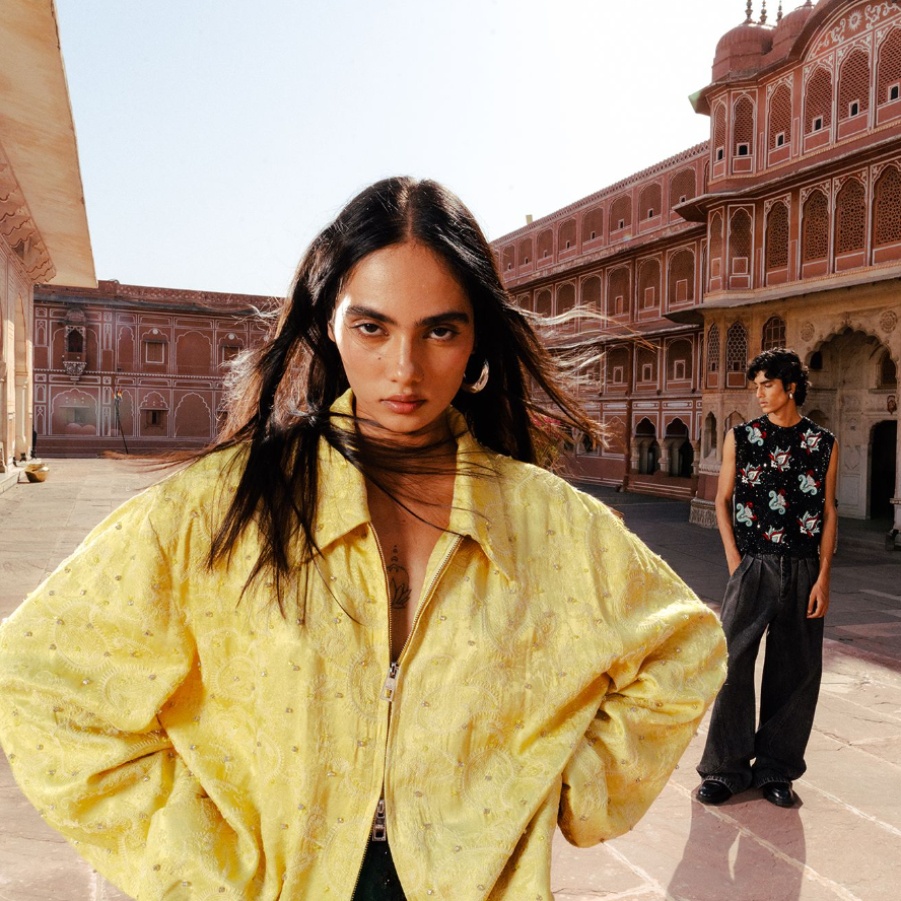
In the recently concluded season of Coachella, which I enjoyed vicariously through Instagram, a flock of south Asian influencers sashayed through the lush lawns, showing off their ‘desi fits’. There were sparkly bikini blouses, plenty of jhumkas and bindis, a hybrid dupatta-hood, and many iterations of the sequinned crop top, skirt and glittery pallu combination. It was a messy concoction that definitely grabbed eyeballs but reinstated the notorious mish-mash aesthetic the diaspora is often known for. It also resulted in heated debates online that have touched on everything from craft appropriation and the caste/class divide to Rishi Sunak’s family lineage and who gets to police what constitutes ‘good’ India-inspired fashion.

To help understand the diaspora’s unique approach to style, we spoke to a few creatives for whom fashion is a constantly evolving conversation with their roots. For this new generation of creatives, it’s less about butterfly tops and bindis and more about nuance and symbolism.

Sheena Sood

A fashion designer and the founder of clothing label Abacaxi, Sood has lived in Brooklyn since 2006.

What were your earliest memories of Indian fashion?

One of my earliest memories of Indian fashion was a blue raw-silk lehenga given to me by my Nani ji. My cousin got the same one in magenta and I remember wishing mine had been pink. I was very young, maybe five, but already had strong opinions about colour, apparently. Then at 11, a trip to Shimla for my cousin’s wedding proved to be wildly influential. Shopping for outfits together, visiting fabric markets, the tailors, the dyers, the embroiderers—the process had a huge impact on me wanting to become a designer.

As someone of south Asian heritage living abroad, what was your teenage uniform like?

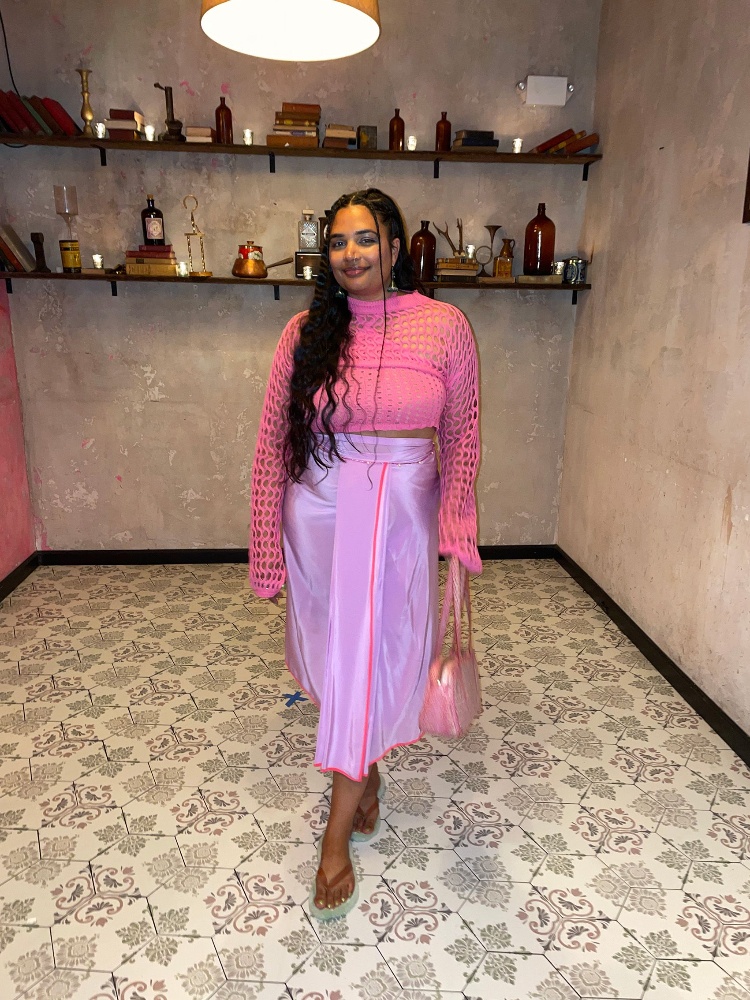
My teenage uniform consisted of flared pants, bandanas, baby tees, jelly sandals, Birkenstocks, Doc Martens, and chokers. Back then I honestly dreamed of making Western clothes using the exquisite Indian fabrics I saw in India—and now, a couple of decades later, that is exactly what I get to do. Some of the things that inspire my designs today include the ways my mom would subtly incorporate our culture into her everyday wear (even though she only wore Western clothes), like wearing a paranda, embellishing our dresses with a line of rhinestones down the front, or wearing leggings with a long tee or under a skirt.

What does ‘feeling connected’ through clothing look like for you now, beyond the obvious signifiers?

Ultimately, there are so many ways of embellishing a look to complete it in a way that might not scream ‘south Asian’ but really is. I’m most often wearing some bangles, but not the typical chura. I have my daily beaded and wooden bangles along with a purple vintage watch I found in a flea market in Los Angeles.

My choice of footwear is really tied to my identity too, now that I think about it—I prefer thong sandals whenever possible.

When people talk about the ‘tacky NRI aesthetic’, what do you think they’re actually reacting to?

I think it’s a reaction to a version of Indian-ness that feels frozen in time. Sometimes what people call tacky is really just nostalgia that hasn’t been updated.

Natasha Thasan

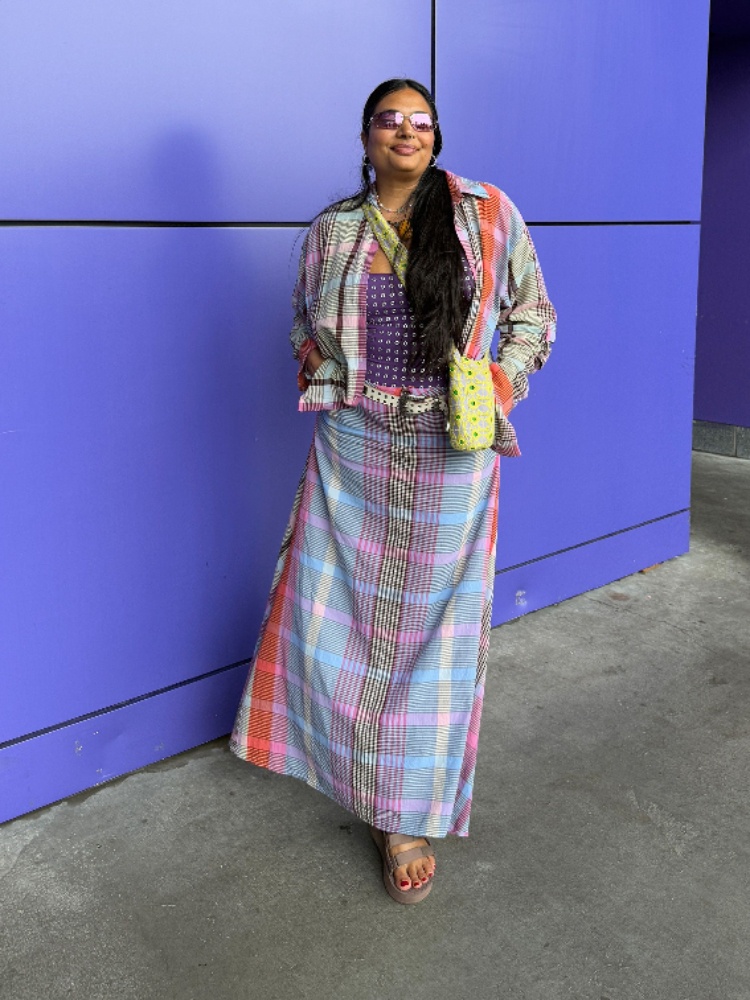
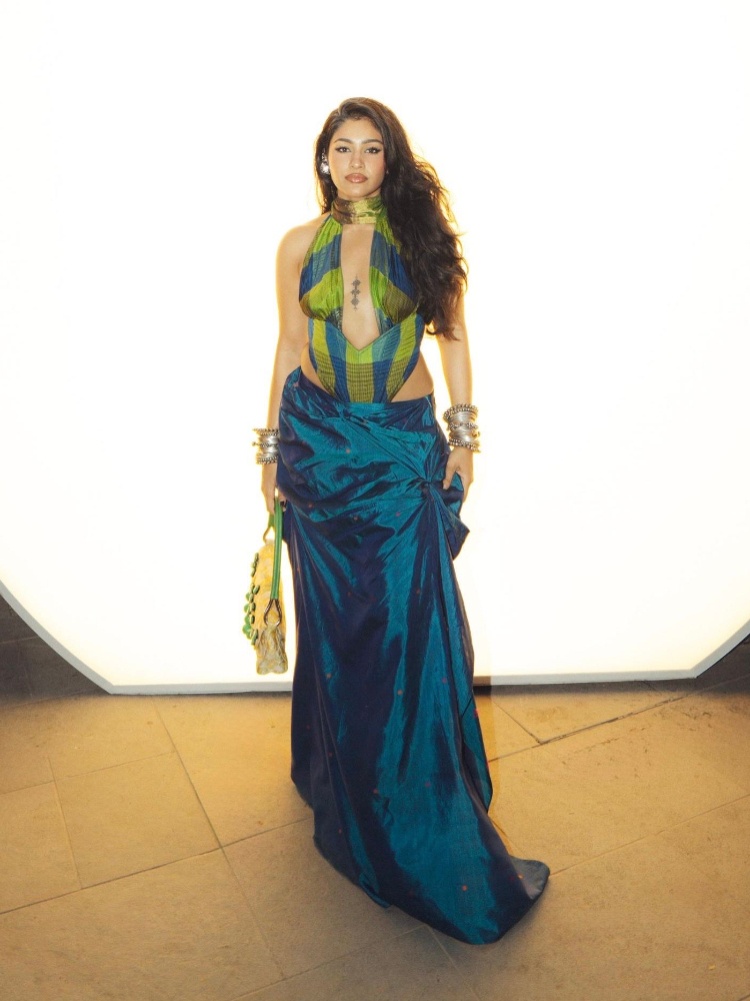
A Toronto-based techie turned influencer of Sri Lankan and Tamil descent, Thasan champions the many versatile ways of wearing the sari through her series ‘Drape Therapy’

Growing up, who were your style influences?

The gods, apsaras, and everyone in between in the Amar Chitra Katha comics—it’s like a visual treat. The Iyer (Tamil Brahmin) boys at the temple dressed in veshtis and dhotis. I was constantly jealous of my older cousins, who looked gorgeous in their saris, and I hoped and prayed I didn’t have to wait till my puberty ceremony to be able to wear one.

Is there anything from that aesthetic you still have a soft spot for?

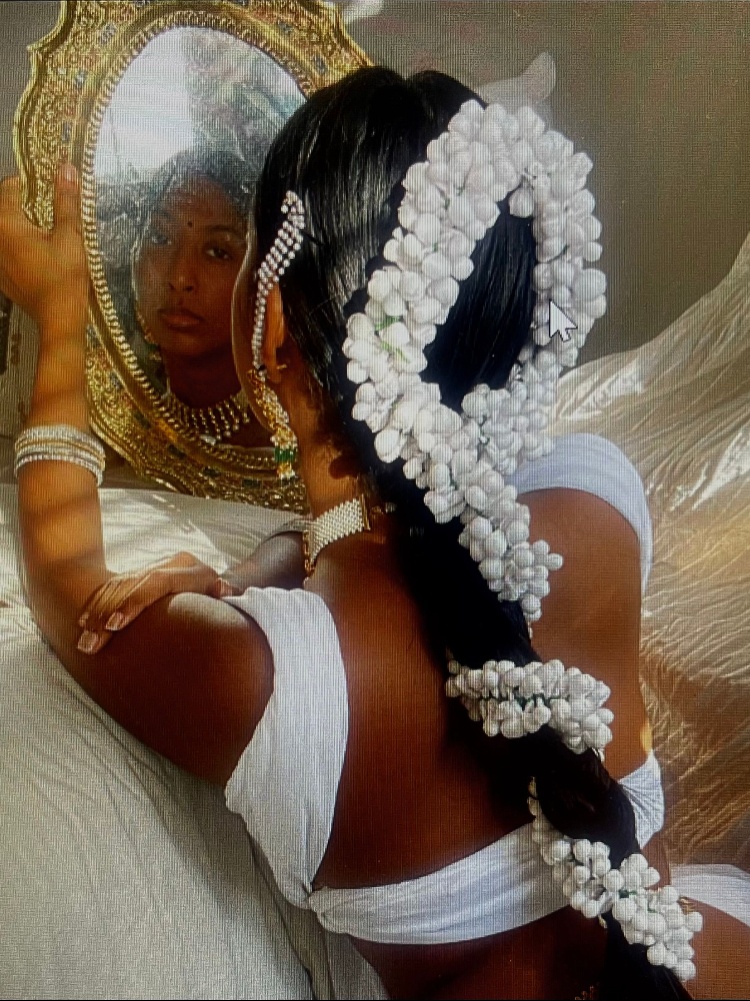
Nani, or ammama or grandma style. I love the nostalgia and intention behind it all—better-made saris, precious gems, fresh flowers.

Did you ever feel the pressure to fit a certain cultural mould?

I don’t think anyone expected that from me. From a young age I never felt like I fit people’s expectations. I was either too dark or too whitewashed, not brown enough or too mouthy. To look Indian/Sri Lankan meant I had to fit a certain beauty standard that the other Tamil girls around me did. Not being typecast, ironically, allowed me to explore what looking south Asian meant to me.

Was there a moment where overt cultural markers started to feel insufficient or limiting?

There came a point where I realised culture isn’t something you wear louder; it’s something you carry deeper. I need to know my voice and my intentions, especially when it gets loud.

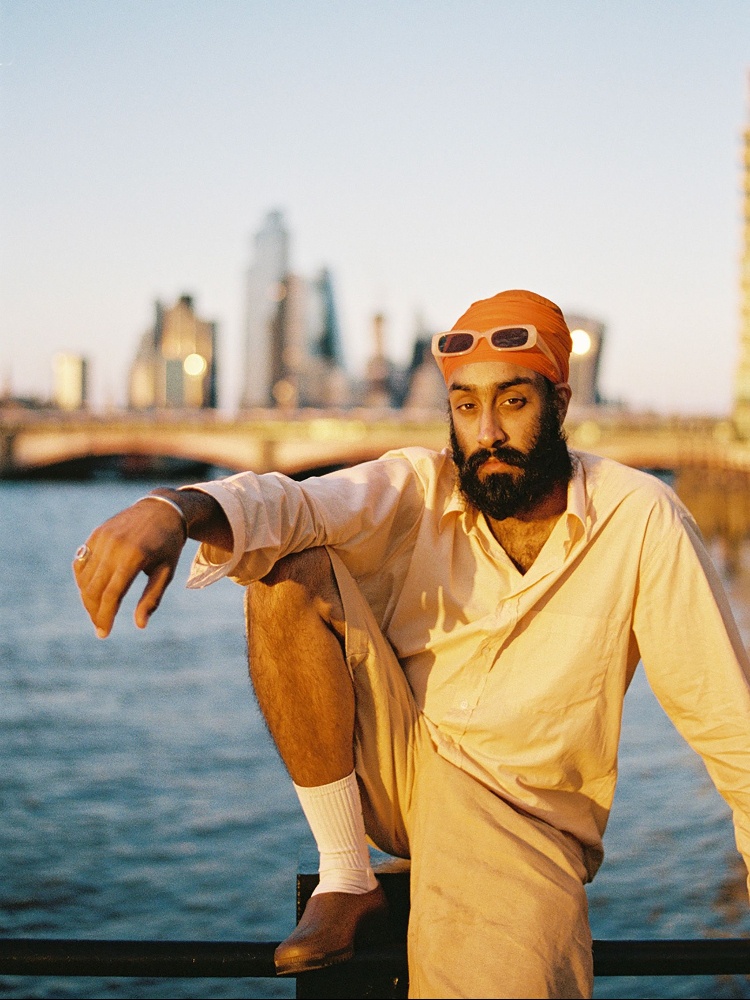
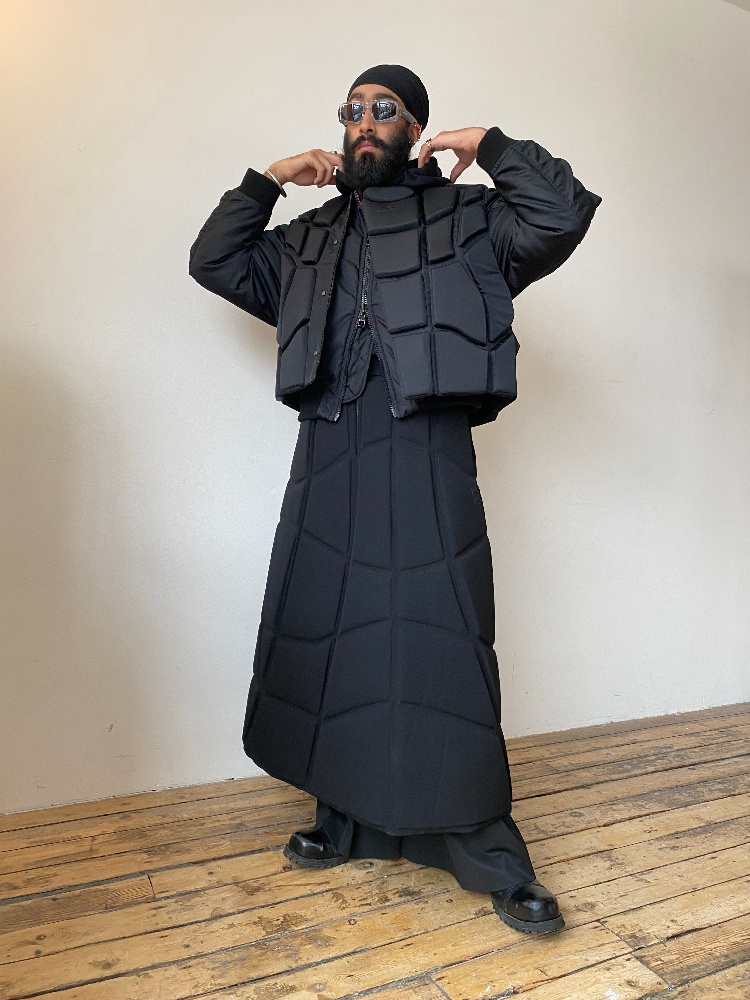
Sukhchain Sohal

A UK-based creative who shuttles between London and Delhi, Sohal founded lahoS, a contemporary menswear label, and Jawani 4eva, a cultural platform focused on music, events, and community.

What were your earliest memories of Indian fashion?

Indian fusion has been happening within the diaspora for a long time, often unintentionally. My earliest memories are of aunties wearing salwar suits with sneakers. At the time, it wasn’t about fashion—it was about comfort, practicality, and adapting to a new environment. Looking back now, that was actually one of the earliest examples of diaspora style. 

As a teenager, how were you putting together outfits?

Initially, I was influenced by cousins and people around me, seeing what they were wearing and where they were shopping. Stores like Topman and River Island shaped my early style. As online fashion grew, ASOS became a big part of that discovery. Then Instagram changed everything. Suddenly, you could see niche communities forming around different aesthetics—streetwear brands like BAPE, Obey, The Hundreds, and Stüssy played a big role in that shift. Over time, I realised my taste diverged from those around me. 

When people talk about the ‘tacky NRI aesthetic’, what do you think they’re reacting to?

My hot take is that the ‘tacky NRI aesthetic’ is often synonymous with diluted ethnic fusion. It’s less about the garments themselves and more about intent.

Running Jawani 4eva made this even clearer to me. There’s often a hesitation, a desire to engage with culture and the dress code but without fully committing. You want to be Indian, but not too Indian. Ethnic, but not too ethnic. It sits in a space that’s neither here nor there. The commitment is low, so you don’t feel exposed or uncomfortable. But that’s where dilution happens.

Is there anything from that aesthetic you still have a soft spot for?

I’m always drawn to a lohi, or shawl. It works with almost anything. That probably comes from winters in Punjab, where a shawl is treated as another layer—functional and timeless.

Reva Bhatt

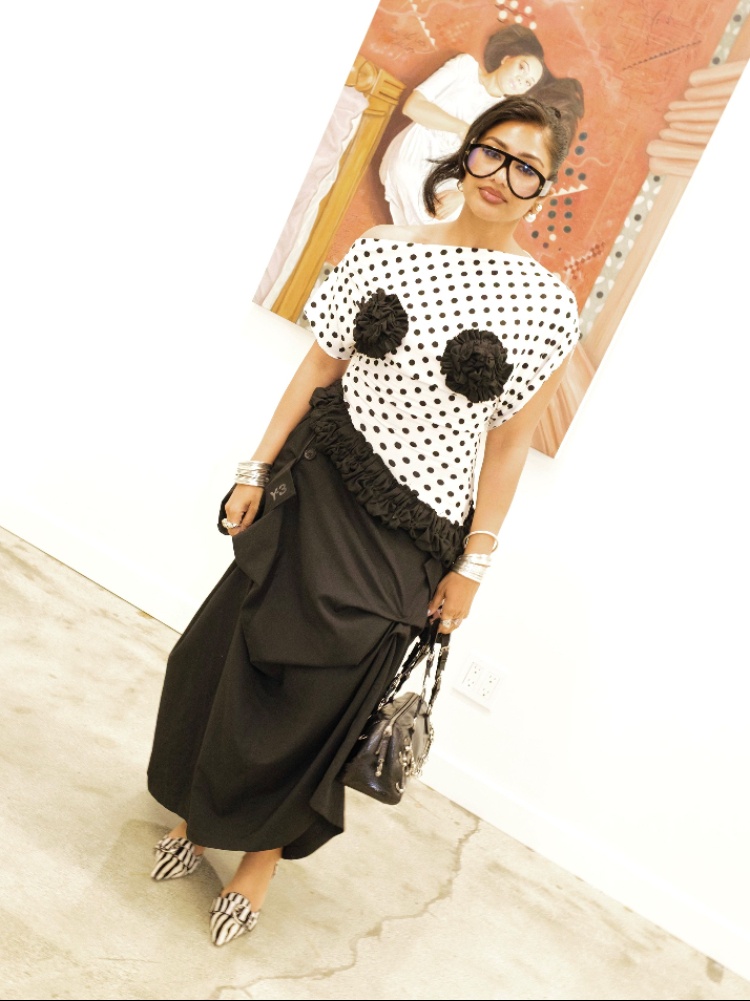
Bhatt is a stylist and the creative director and founder of Rooted, a platform that connects brands with communities. She lives between New York and Los Angeles.

Growing up, who were your fashion influences?

Destiny’s Child, Rekha, ’90s hip hop music videos, anything the designers Misa Hylton and June Ambrose touched, and Poo from K3G, obviously.

What does ‘feeling connected’ to your culture through clothing look like for you today?

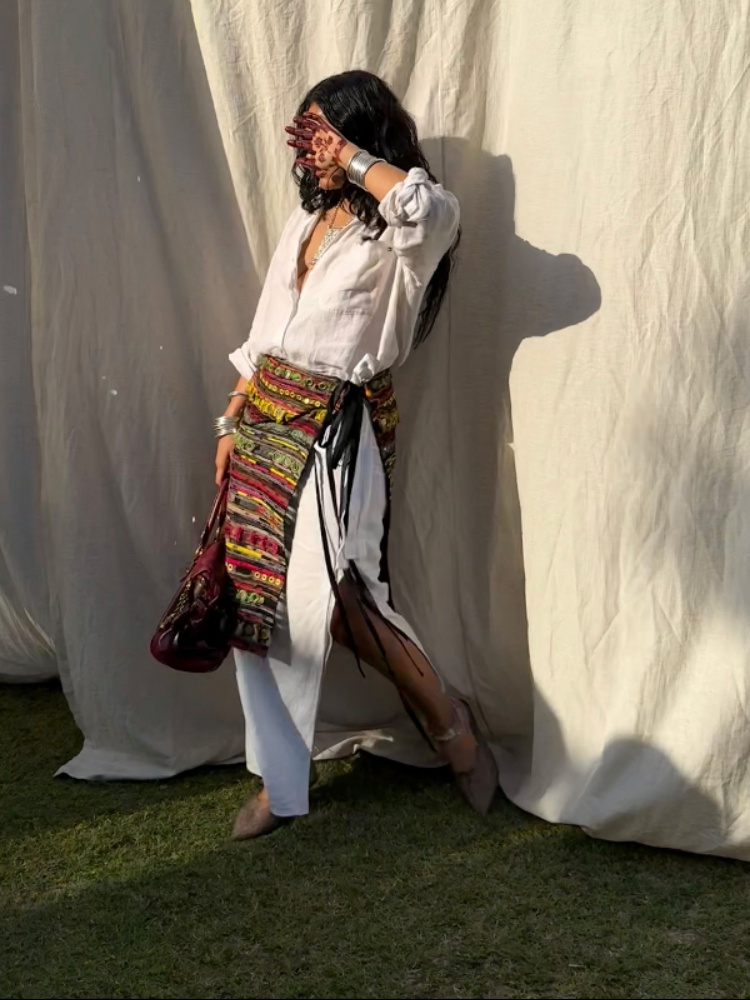
Personal style has always been a vessel for self-expression for me. These days, I find connection through mixing south Asian ready-to-wear designers with pieces from brands like Rick Owens, Dries Van Noten, Y/Project and Christopher John Rogers.

It doesn’t have to be an obvious signifier like a jhumka or kurta. Sometimes, it’s a subtle nod. The way a skirt is draped, for example, feels intentional. I also think it’s important to acknowledge that my identity is complex and nuanced and extends far beyond ethnicity.

What’s something in your wardrobe that feels deeply tied to your identity but wouldn’t read that way to others?

I have a linen dress from Diotima’s spring 2025 collection with cutouts and embellishments that wouldn’t read overtly ‘Indian’ to most. But when I bought it, I had a beautiful conversation with Rachel Scott, the designer, about identity. She shared that many Diotima pieces are crafted in India, including the canvas cotton dress I had just purchased moments before.

When people talk about the ‘tacky NRI aesthetic’, what do you think they’re actually reacting to?

I’ve spent a lot of time in India, so I understand why the fashion community feels a lot of the diaspora fashion feels tacky and outdated. However, I want to contextualise this sentiment with a bit more nuance. A lot of the Indian families that migrated in the ’80s and ’90s to the West didn’t come from generational wealth. They migrated to the West in the hope of better opportunity and upward economic mobility. The older women—the mothers and aunties in my own community—didn’t have access to the fashion industry (think pre-Instagram and the internet boom) or the means to purchase anything beyond what was available in their local fabric shops. Then they migrated at a young age and held on to the India they left 40 or 50 years ago for survival.

So naturally, the fashion that they passed on to their children is antiquated. Which begs the question: how do we, as daughters and sons of immigrants, now build our own relationship with the motherland, one that is rooted in the fashion industry and south Asia of today. Now, with our privilege and access to the internet, how do we actively nurture that relationship, especially if we work in these cultural third spaces? That requires spending time, energy, and resources in south Asia with the local community.

The Nod Newsletter

We're making your inbox interesting. Enter your email to get our best reads and exclusive insights from our editors delivered directly to you.