



Places04 Sep 20265 MIN

It’s a good month to explore Hyderabad by foot

With 50 city-wide walks divided by themes and led by experts, The Shehr Walk Festival is betting that the best way to know the Telangana capital is one step at a time

Image

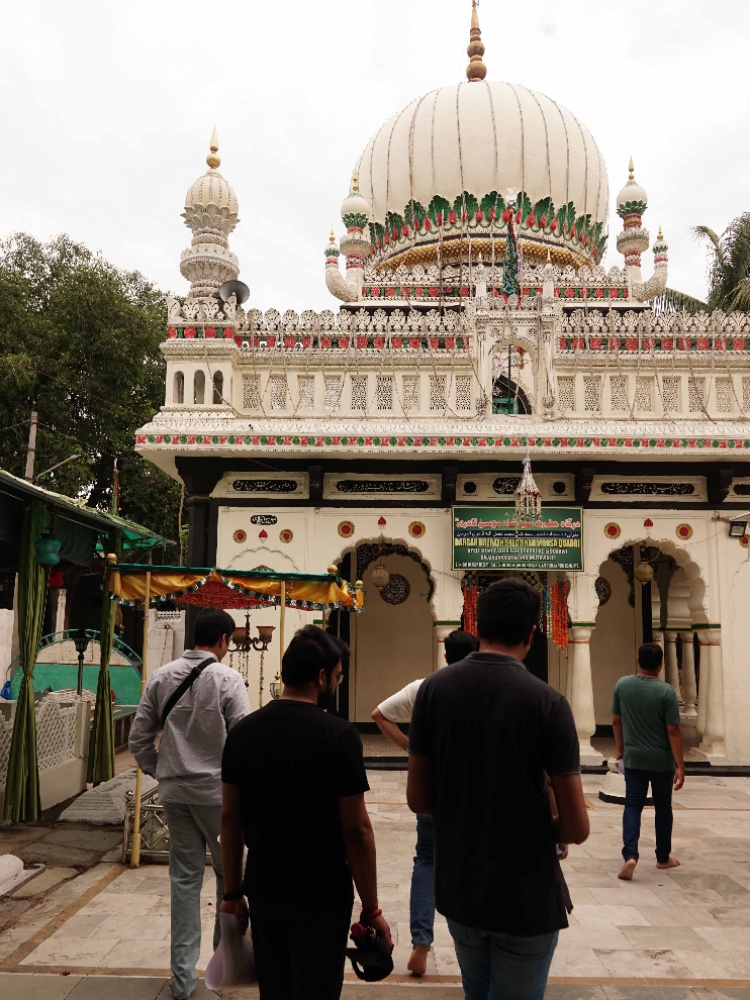
This week, you could be walking on the streets of Hyderabad, just following a historian or a photographer who keeps stopping to point out things you’ve walked past your whole life: a Sufi shrine tucked behind a busy thoroughfare, a hand-painted signboard from the 1960s, an acoustic trick in a 400-year-old fort wall that still works if you clap in the right spot. That’s more or less the whole premise of The Shehr Walk Festival.

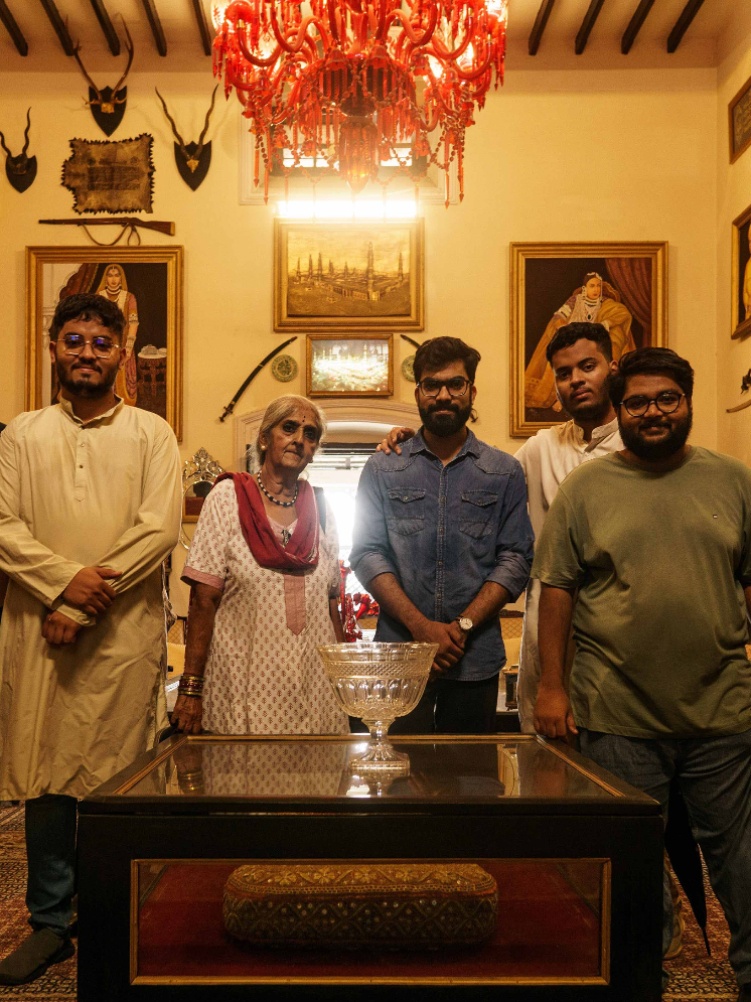
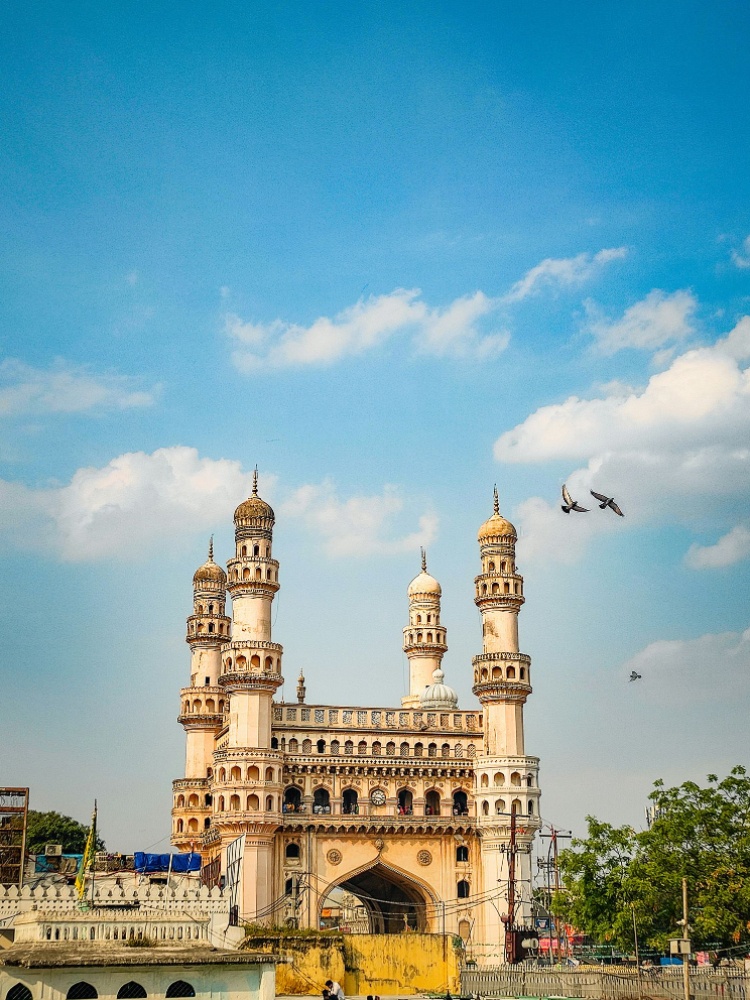
From September 5 to 20, The Deccan Archive Foundation will host 50 guided walks across six themes, led by people who know these streets like the back of their hand. Take for instance Deccan Archive founder Sibghat Khan, an architect by profession, who has been hosting weekend heritage walks since 2018. On his trail, he often skips the obvious stops in favour of offbeat spaces: the hidden corners around Charminar, the old lanes of Moosarambagh, forgotten neighbourhoods most residents drive past without a second look...

With Shehr, this gets a citywide stage. “The idea of Shehr has been growing with us for the past couple of years,” says Khan, 25. City walks often tended to stay boxed into one neighbourhood or one theme (heritage here, food there) and he wanted to push past that. The name is the whole pitch: Shehr simply means “city” in Hindi, Urdu, and Dakhni and is often loaned to Telugu too.

The timing feels apt: in June 2026, the Supreme Court recognised safe, walkable footpaths as part of the constitutional right to life. A case that began grimly ended with the Court telling India's cities, in effect, that they need to be build for people on foot, not just people in cars.

Ask why walking matters more than any other way of seeing a city, and Anuradha Reddy, the convenor of INTACH Hyderabad, who’s also leading one of the walks (in Gandipet), puts it simply: “I know every galli, every pavement, from walking. In Telugu there is a saying that when you walk you notice the chettu (tree), gutta (hill), and cheruvu (lake). That’s what I did. I became familiar with my Hyderabad on foot and noticed the people, the pavements, the birds, and the animals.”
The festival’s 50 walks are spread across six colour-coded themes, deliberately scattered across the city rather than confined to a particular pocket. The multiple walks under the ‘Heritage’ theme include one led by Khan in the Shah Gunj locality of Charminar; a trek through the Golconda Fort helmed by historian Dheeraj Vanarasa; and another focusing on the splendour of the unseen women of Golconda at the restored Qutb Shahi tombs led by Fatima Husna, the in-house historian at the Taj Falaknuma Palace, among others.

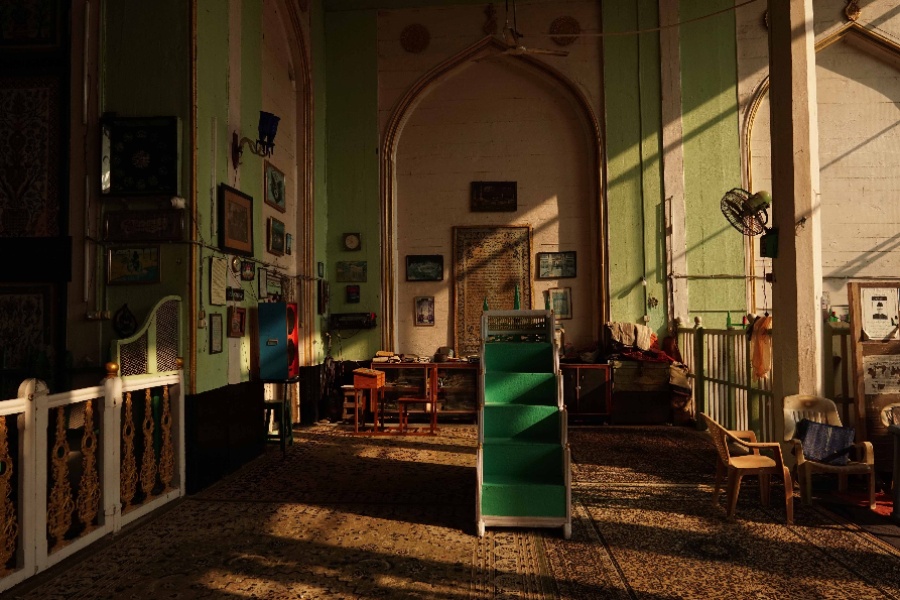
‘Nature’ covers the city’s parks, lakes, and green corridors, including a walk through KBR Park led by Sadhana Ramachander, who studies the city’s geology, flora, and fauna. ‘Neighbourhood’ walks move through the languages, faiths, and everyday rhythms of the city’s many historic areas (from Begumbazaar to Laadbazaar) and include a Sufi walk led by historian Wahaj Khan tracing the stories behind the city’s dargahs.

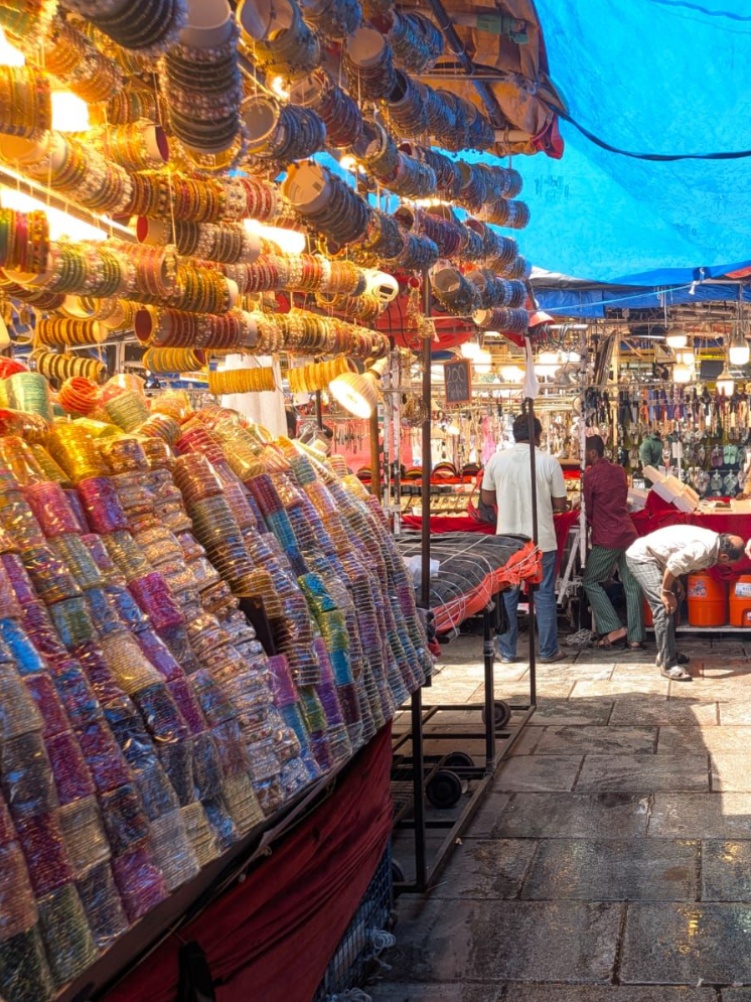
There’s also an open-theme catch-all—a ‘General’ walk. Think a photo walk through the majestic Paigah tombs or a session by Dr Shanaz Fatima tracing the history of Unani medicine. ‘Art’ covers murals, galleries, and a walk with Hyderabad-based artist MA Lateef, including a typography walk at the end of the festival (led by book designer and researcher Ragini Siruguri) tracing a route through the Old City to look at Art Deco and hand-painted signboard lettering above its markets. And the most expected yet unmissable ‘Food’ walk winds through Irani cafes, family kitchens, and old bazaars for a taste of the city and its iconic eats.

The scale is ambitious for a first edition: roughly 50 walks, about 50 people each, adding up to a projected 3,000-plus festival-goers across the two weeks, and, by the organisers’ own count, somewhere between 500 and 700 kilometres of collective walking by the time it wraps.

Pricing is deliberately low: some walks are free (like the nature walks), others go for under a hundred rupees, but most are under 500 bucks (pre-registration mandatory), meaning a palace, a park, or an entirely unfamiliar neighbourhood is within reach, whoever you are.

Whether Shehr becomes the annual fixture it’s aiming to be will, inevitably, come down to execution. But for now, here’s your chance to see the City of Nizams in all its glory—old and new.

To register, click here

The Nod Newsletter

We're making your inbox interesting. Enter your email to get our best reads and exclusive insights from our editors delivered directly to you.