




The first time I travelled to Shillong in 2004 was to get married. In the decades that followed, every trip reinforced my belief that the city had my heart—not just because of my Khasi husband but also for its crispy deep-fried chicken wantons served with a fiery garlic-chilli sauce. For years after, a meal (or three) at Broadway restaurant in Police Bazar became our annual ritual. The restaurant might not exist anymore, but my standard Chinese order continues to be Shillong-style chow—thin egg noodles stir-fried with veggies, aromatics, and a protein of choice, along with thin crispy slices of fried pork, and hearty spring rolls the length of my forearm.
Beyond jadoh (rice cooked with pork, lard, and blood) and doh nei ïong (pork in black sesame gravy), which would be prepared at my in-laws’ home when we visited, I knew little of Khasi cuisine. But that changed when we decided to move to Shillong during the Covid-19 pandemic.
The highways and markets across the state are dotted with ja-sha (rice and tea) shops that serve clean, home-cooked meals. This is where I discovered the unctuous doh khlieh (pig’s head salad) and funky tungtap (fermented fish chutney). Chefs in the city are now starting to experiment by combining these local ingredients into popular cuisine—think doh thad (smoked pork) on pizzas and Roman-style tripe using axone (Naga-style fermented soybean).
Over time, I also came to terms with Shillong’s other food idiosyncrasies: Most places are shut on Sunday, and a lot of places cook fixed amounts of food and may run out of popular items within hours of opening.
Today, the city’s burgeoning food scene includes bakeries that have stood the test of time, humble noodle shops, and new entrants that offer hyper-focused, speciality dining. And while tourists often stick to spots like Dylan’s Cafe, a lovely live music spot where Shillong legend Lou Majaw often performs in his short shorts, and Pizza Barn, a pizza shop serving slices with Khasi toppings, or A’Origins, a buzzy zero-waste kitchen that opened in 2023, there is more to Shillong beyond the IG algorithm. Scroll below for some of my absolute favourites—from jadoh stalls with their generous spreads to Shillong Chinese delicacies and a slice of Lamington.
Big Momo at That Momo Guy, Rynjah
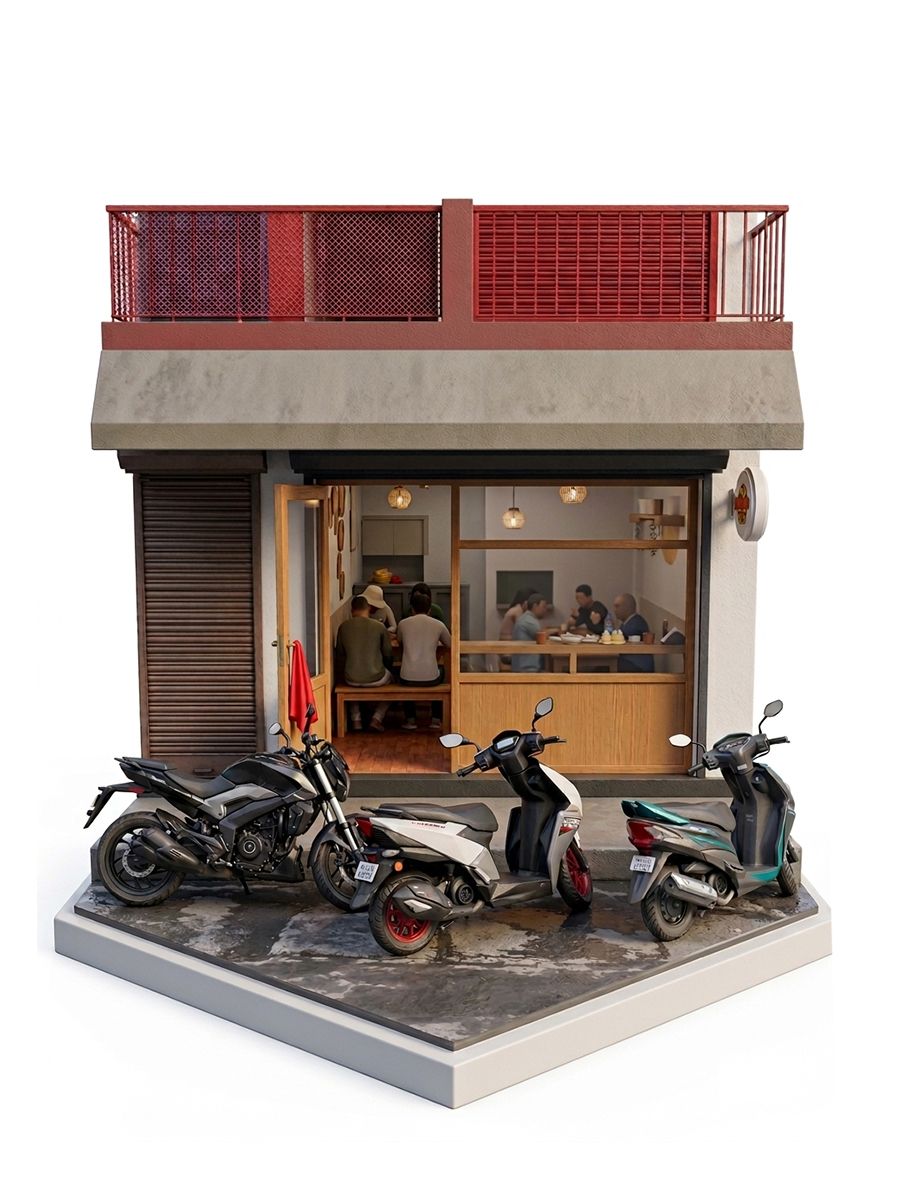
A little over a year ago, Kusang Bhutia moved from his hometown Kalimpong, West Bengal, to Shillong and brought with him everything he’d learned from his mother about making momos. The first thing to try at his place is the Big Momo, which, as the name suggests, is an XXL-sized dumpling. I’m talking bigger-than-the-size-of-my-palm big—a speciality found only in pockets of Shillong, Gangtok, and, of course, Kalimpong. Bulging and creased along the top, the fluffy wrapper encases a mildly flavoured filling of minced fatty pork, ginger, and cabbage. Also on the menu is thaipo, another gigantic dumpling-bun, which is stuffed with a half-boiled egg and your meat of choice. You can wash all this down with a steaming cup of butter tea, which is basically black tea boiled for hours and then churned repeatedly with salt and a pat of butter and finished with freshly grated nutmeg. On a chilly, rainy evening, this is the meal that hits the spot.
Jadoh at Bei Synshar’s stall (near Basa Khoh), Ïewduh
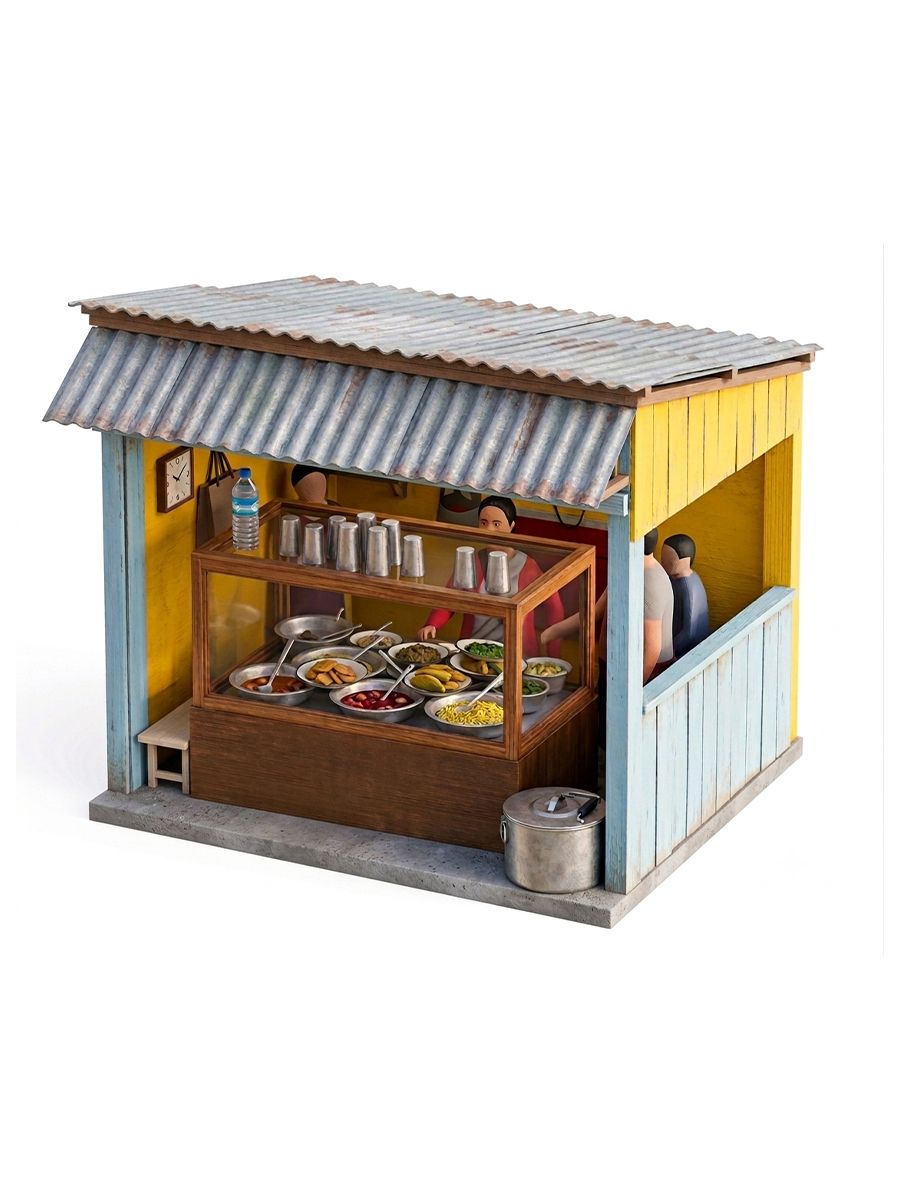
Deep inside Ïewduh aka Bara Bazaar—Shillong’s oldest and largest market—is the city’s best jadoh stall. In a city that has hundreds, if not thousands, of these women-led eateries with no menu, this is potentially a controversial take because everyone has their favourite. Typically, jadoh stalls offer a selection of meat dishes, seasonal vegetables, rice, dal, chutneys, and salad. At the counter, you can point to what you want and it’s all served on a plate. What makes Bei Synshar’s 45-year-old stall stand out is the sheer variety on offer.
My last meal there, served on a white-and-blue enamel blate (bowl-plate) that the Khasis seem partial to, included Khasi red rice, two kinds of dal, pork curry, fried fish, three vegetable dishes, chutneys, and a pile of wild greens that included jamyrdoh (fish mint), wild coriander, and jyllang (garlic chives). Navigating the warren that is Ïewduh is a feat, but walk past the narrow alleys overflowing with local farm produce, indigenous handicrafts, and woven textiles for one of the tastiest and simplest plates of food.
Special fried chow at Great Wall, Police Bazar
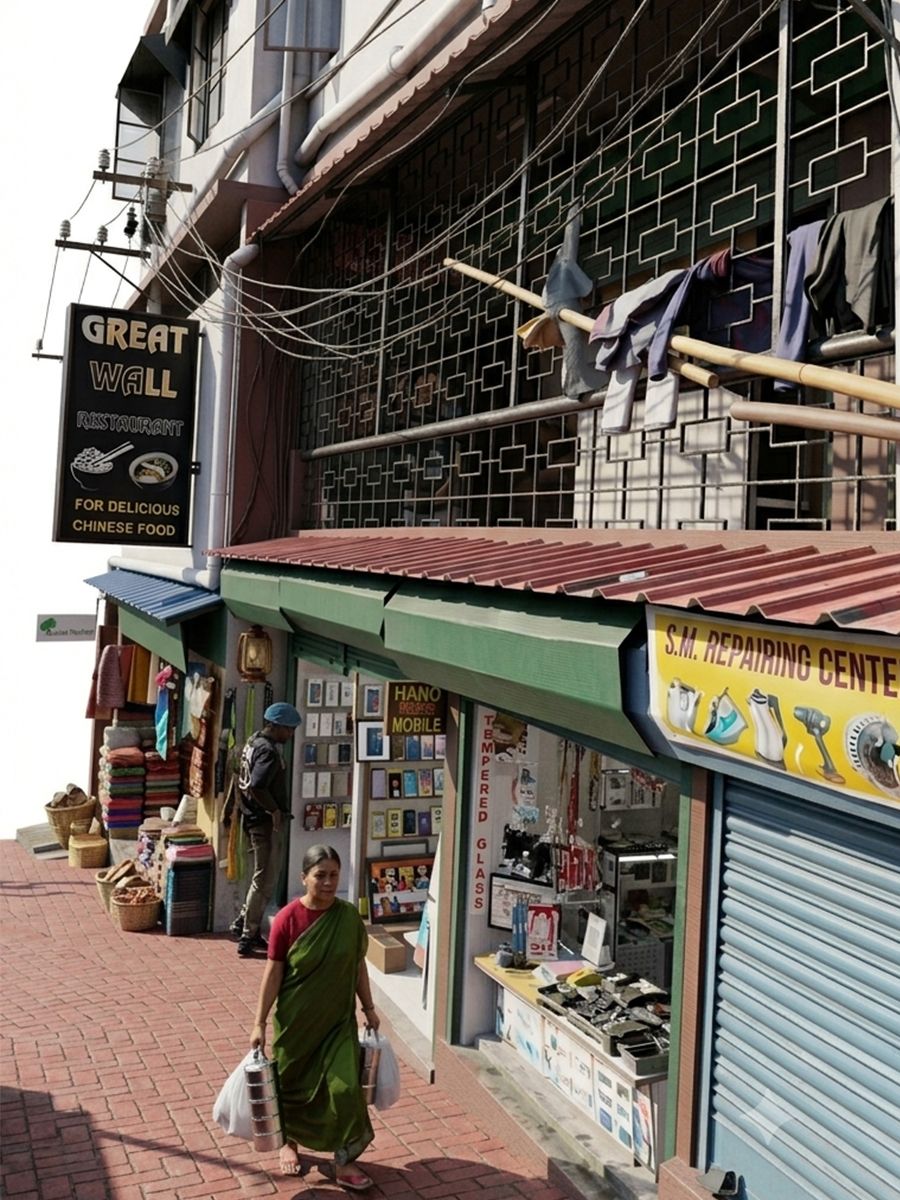
For decades, when Shillong locals wanted a celebratory meal, Indo-Chinese was the default choice. This is not surprising, considering its substantial Chinese population, many of whom were in the restaurant business. Over the years, the number of ‘authentic’ Chinese restaurants in the city has dwindled with families migrating. You may have heard of Chin-jabi and Indo-Chinese cuisine across the country, but at The Wok, an old favourite, you will get a taste of Shillong-Chinese. A more elevated and contemporary experience awaits at Ukiyo in the bustling Police Bazar. But my favourite is on a quiet corner on the same street: the unassuming Great Wall, which has been with the Hsiung family for almost four decades.
Great Wall’s multi-page menu features all the key ingredients of a great Indo-Chinese meal— Manchurian, Schezwan, chopsuey, and chowmein—but it’s their special fried chow that I cannot recommend enough. Tossed with loads of vegetables, meat, and prawns, what makes these moreish, glistening stir-fry noodles a hit is the addictive wok hei (Cantonese term for the deep, smoky aroma and flavour that comes from cooking in a wok) they come imbued with. And then, there are the hot and spicy chicken wings, coppery from the fryer, with a gloriously shaggy crust, tossed in a sauce supercharged with ginger, scallions, and chillies.
Pork datshi at Momo & Noodles, Happy Valley
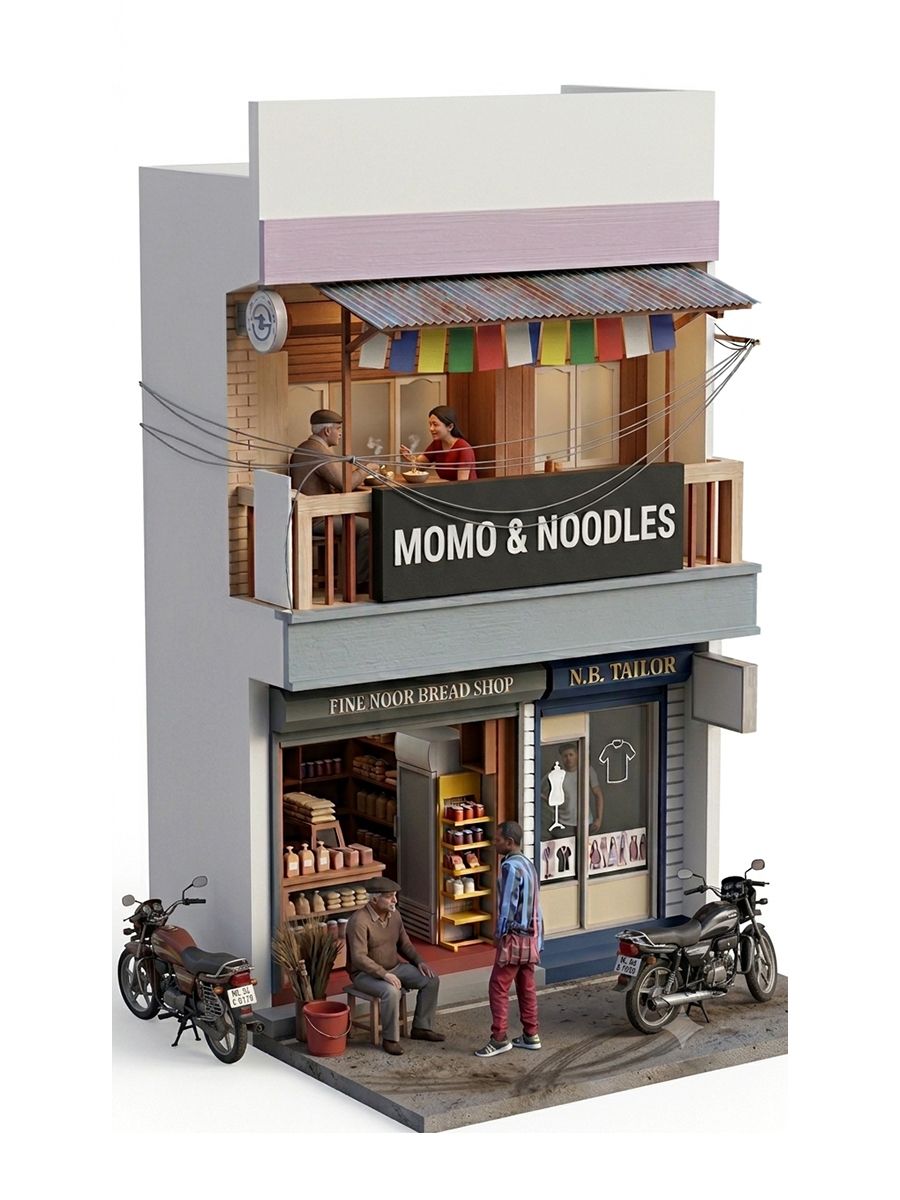
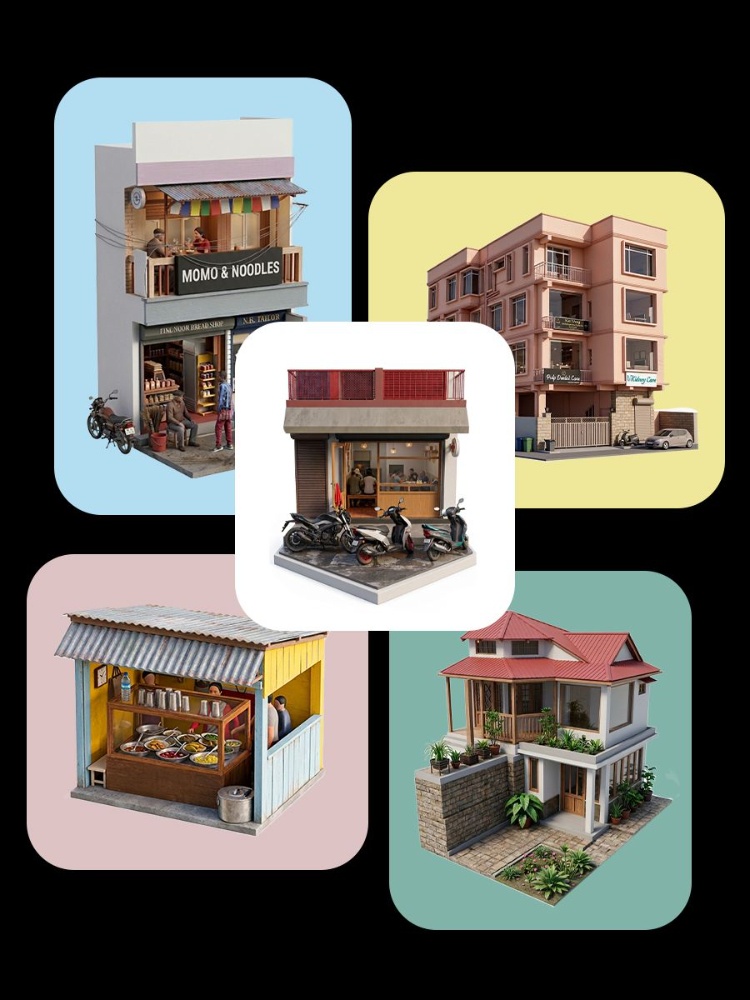
Tucked away on the first floor of a nondescript building in the heart of Assam Bazaar, Momo & Noodles offers homespun Tibetan and Bhutanese food. Tenzin Wangda, who previously worked with the Marriott group of hotels, opened this restaurant during the pandemic. His limited but ever-evolving menu includes two versions—regular and dry—of the easily adaptable Tibetan noodle soup thukpa and a variety of momos, but it’s the pork datshi that’s a clear winner. The national dish of Bhutan, this stew with the deep sunset-orange glow and a lacy veil of half-vanished cheese on the surface is food for comfort. In its depths reside julienned slivers of ever-so-slightly fatty pork, crushed garlic, and hunks of sun-dried red chillies. Datshi of any kind needs an accompaniment and there’s nothing better than mopping up the mollifying cheesy broth with tingmo, a massive braided, steamed Tibetan bun.
Putharo sliders at Rynsan, Laitumkhrah

Rynsan is perhaps Shillong’s most famous restaurant right now. And, for good reason. Founded by Khasi musician Hammarsing Kharhmar and his wife Riyaki Jana, it features dishes from the Garo, Khasi, and Jaintia communities, with a contemporary twist. The can’t-leave-without-tasting dishes here include the Pork Bomb (crackling pork rind filled with fermented pork chutney and wrapped in a chilled cabbage) and crispy shoots (battered and fried young Mizo bamboo shoot with a turmeric dip). I can also never leave without the mini putharo (flat, chewy steamed rice pancake) sliders that are topped with a dollop of either smoked pork, prawn, or banana flower. This little canape embodies Rynsan’s East-West symphony and has to be downed with a glass of sweet and smoky bitchi (Garo rice beer).
Lamington at Reen’s Bakery, Laitumkhrah
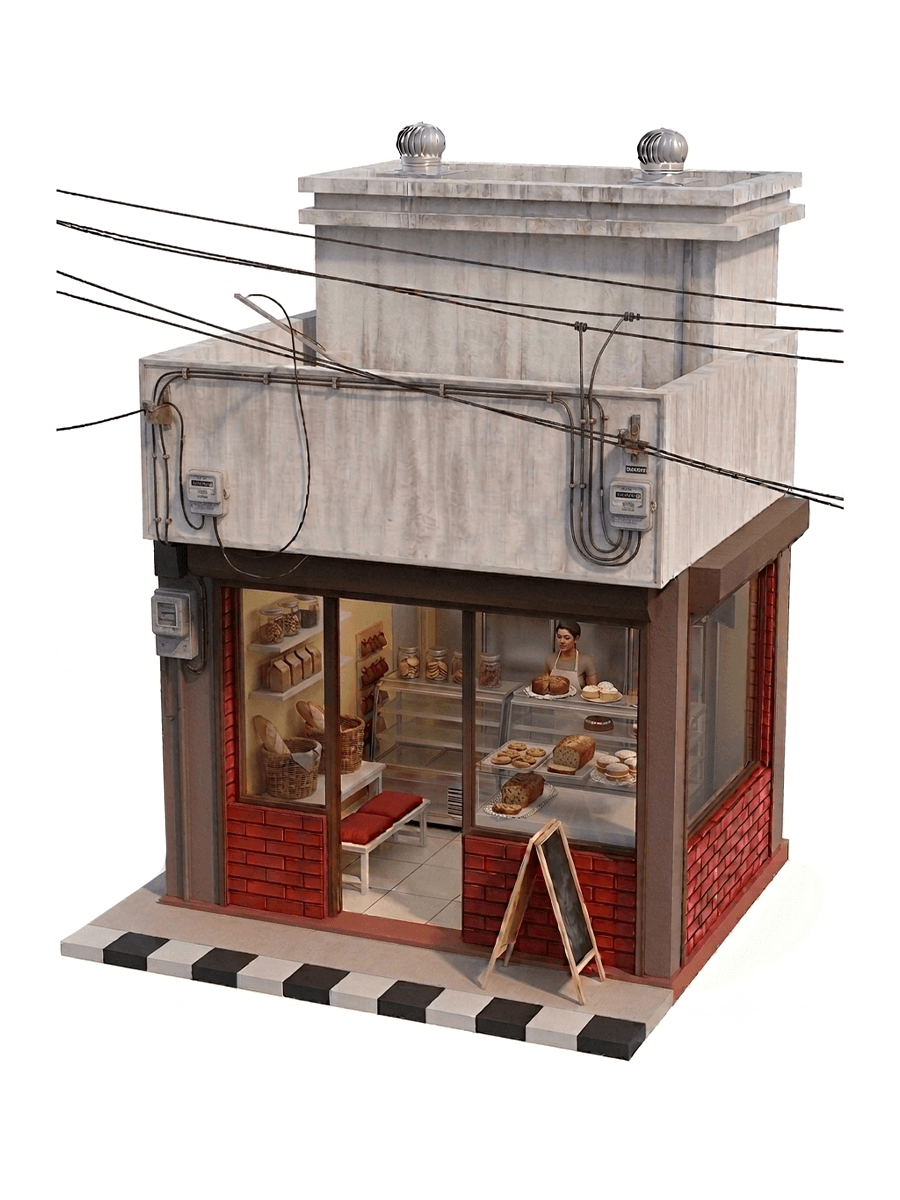
In the 1960s, the late Ivorine Khonghat learned a new cake recipe from a visiting Australian missionary. All these decades later, her granddaughter Larene Rynjah uses that same recipe to churn out vanilla sponge dipped in chocolate and dusted with dry coconut, aka the Lamington. The contrast between the light and airy cake and the chewy coconut exterior is the key to the Lamington experience. As legend goes, this cubed perfection was created Down Under, when Lord Lamington’s (Governor of Queensland) chef whipped up a batch for unexpected guests using leftover sponge cake. In a city that loves its baked goods, from a variety of breads to bataar (the local version of Scottish shortbread) and cream buns (creamfilled choux pastry), Reen’s Lamingtons are truly a top-shelf item when it comes to Shillong’s tea-time ritual.
Tribal feast at Kai Nung, Nongrim Hills

Being an education and employment hub has meant that Shillong has always had a sizeable population belonging to tribes from other parts of north-east India. For a long time, Tribal Belly’s thali, enjoyed sitting on a moora, has invited college students to tuck into Naga and Mizo delicacies when they were feeling homesick. It’s only in the last decade, though, that more standalone restaurants showcasing multiple tribal cuisines have sprung up.
What makes chef-owner Fufu Pomei’s Kai Nung (meaning ‘heart of the house’ in Rongmei) different is that she not only draws from her own traditions but also dips into Manipuri, Mizo, Garo, and Ao cuisines. Like a jadoh stall, Kai Nung’s daily menu is decided by seasonal produce and food is cooked in small batches. Pomei has even taken to growing ingredients that aren’t easily available. Monsoon, for example, is the perfect time to try Manipuri-style snails that have been foraged from paddy fields. The tiny, bouncy snails bobbing in a fiery gravy of jaiur and michinga (local varieties of Sichuan) leaves pairs perfectly with black Manipuri rice.