




Whether you loved the finale and found yourself blasting Kate Bush’s ‘Running Up the Hill’ or were rage typing about how disappointed you were deep into the internet’s discourse on how it ended, Stranger Things, a show that started with a missing kid and some flickering lights, has grown into one of the most remarkable cultural events of this generation, complete with theories, tributes, and collective emotional spirals.
When Stranger Things premiered in the summer of 2016, the show began in the fictional town of Hawkins, Indiana, with the disappearance of a young boy named Will Byers (Noah Schnapp). Over almost a decade, what unfolded was a chain of extremely strange events as his family and friends searched for him, leading to the uncovering of a secret government project, a little girl with telekinetic powers, and a parallel world lurking beneath their feet.
Drawing inspiration from some of the most iconic films and pop culture of the ’80s, Stranger Things, the brainchild of Ross and Matt Duffer, is a constant ode to storytellers such as Stephen King, Steven Spielberg, John Carpenter, and Chris Columbus, among many others, echoing works such as E.T, Nightmare on Elm Street, The Exorcist, Carrie, The Thing, Alien, The Goonies, and even Home Alone. Fan theories delight in the abundance of references thrown around: the rabid ‘demodogs’ to Cujo, the girl with powers to Firestarter, theotherworldly threat to IT, and so on.
And yet, the appeal of Stranger Things cannot be reduced to citation alone. What makes the series steadfast is how effectively and intentionally it repurposes these influences for its own narrative.
The use of nostalgic language of ’80s genre cinema here becomes a potent way of telling a contemporary story—one that piques Gen Z curiosity as much as it speaks to millennial memory. There’s also a clear throughline here to other childhood adventure fiction, like Famous Five, The Secret Seven, and Nancy Drew.
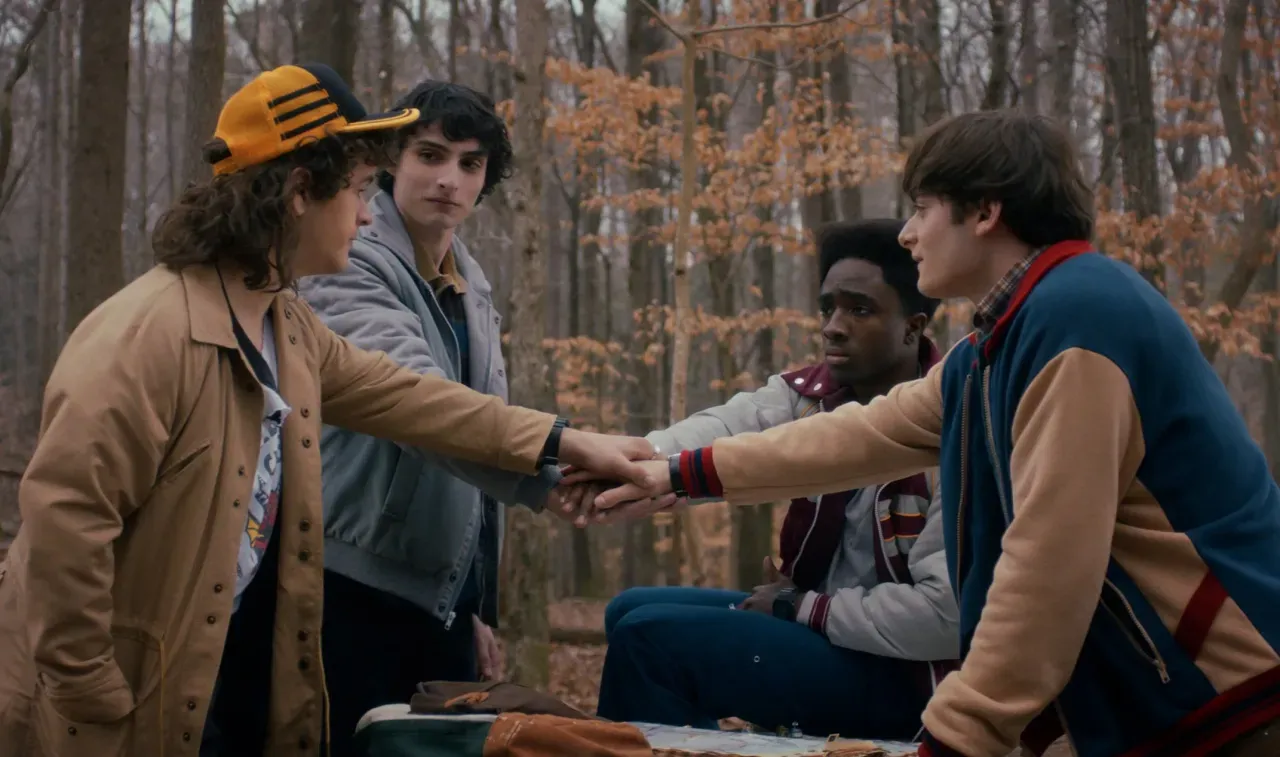
Beyond the master storytelling and transgression of genres that was unheard of in 2016, by being a show with kids while not being made for kids, what Stranger Things got so right, season after season, is how well it understood childhood that’s threatened by the conformity of adulthood. It presents children as authentic, clever, and intuitive. They love it when their teacher Mr Clarke, gives them access to the iconic Heathkit Ham Radio; they know every creature from Dungeons & Dragons; they’re great at storytelling; love theoretical physics; know what wormholes are, all while being young enough to believe in something as crazy as the Upside Down. Here, kids are capable and perceptive; they move with clarity and creativity long before adulthood narrows possibilities. They are driven by curiosity, friendships, loyalty, and wonder. In doing so, Stranger Things reminds us that these ways of seeing the world—with awe, imagination, and courage to question—were never meant to fade with age. They were always meant to guide us.
In a similar vein, in Harry Potter and the Order of the Phoenix, fighting Voldemort in his mind, Harry says, “You’re the weak one. And you’ll never know love or friendship. And I feel sorry for you.” It’s a reminder that the most powerful moments of magic often manifest when the protagonists finally recognise, accept, and know themselves as these young pubescent kids coming of age. But both Harry and Will, as their younger selves, might have preferred taking on Voldemort or Vecna than enduring the terror of asking someone out on a date.
Ultimately, what grounds Stranger Things isn’t just its palatable horror but its insistence that friendship is the most consequential force when growing up. From the very first season, survival has never been a solo act. No one makes it through alone, and no victory comes without someone else stepping in at exactly the right moment.
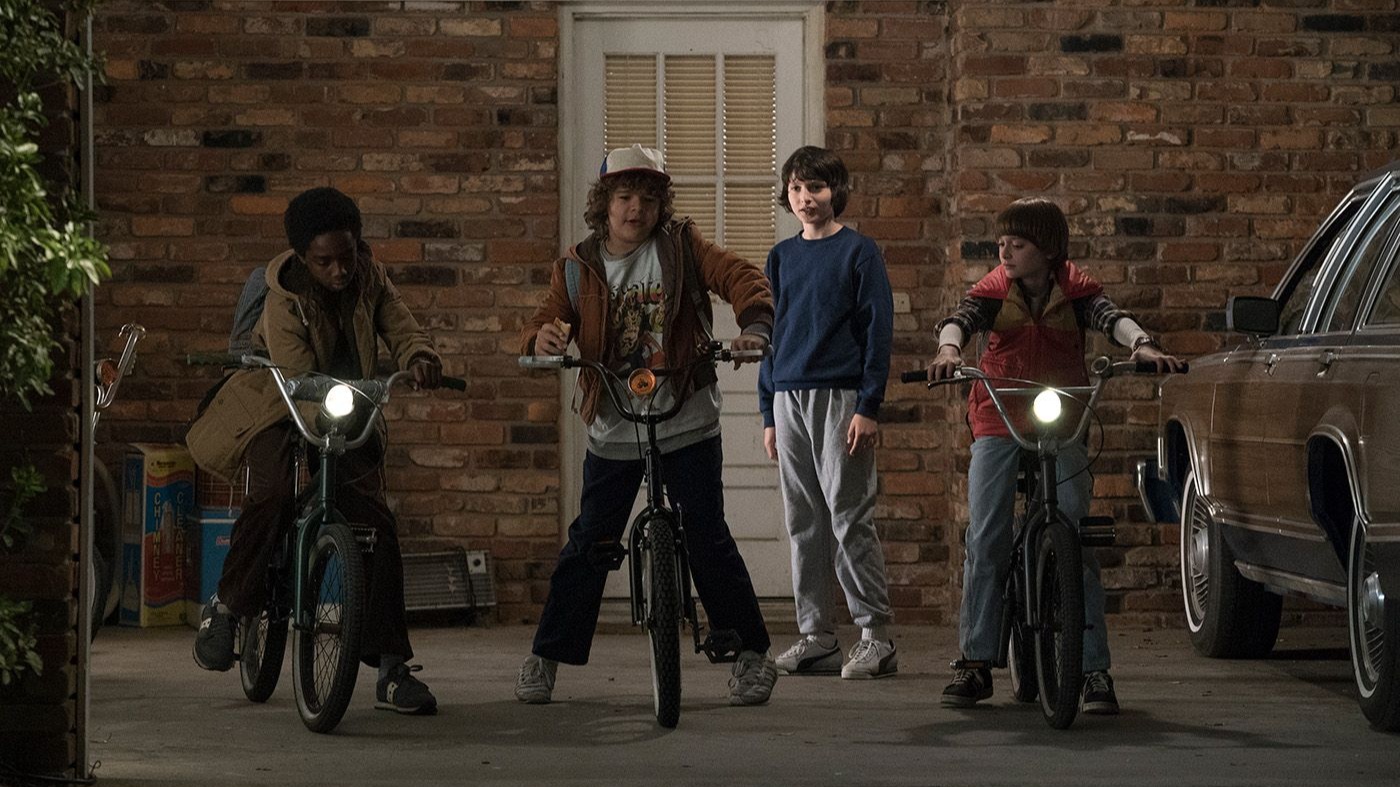
At its most effective, Stranger Things also doubles as a record of a now-vanishing childhood and how friendships were formed. The show belongs in the ’80s pre-digital era, one of bikes instead of group chats, tabletop games instead of screens, and long afternoons with potential for adventure because there was nothing else to do. For older millennials, that registers as nostalgia and recognition. It looks back at a time where attention wasn’t yet fractured or divided—because had the Upside Down opened today, right here in the age of smartphones, it’s hard to imagine anyone noticing before a notification intervenes.
If Stranger Things feels so deeply lovable, despite the polarity inspired by the finale, it’s because beneath all the chaos, it keeps returning to a simple, enduring truth: that it’s always been about finding your people, even in the strangest, most dangerous worlds.