




Winter is here, and with it comes the annual wave of dry, flaky, relentlessly itchy skin. As everyone instinctively reaches for thicker, greasier creams, there’s one decidedly unsexy ingredient that’s been quietly doing the heavy lifting on skincare shelves for years: Urea. Turns out, the ingredient is a multitasking workhorse; deeply hydrating, gently exfoliating, and exceptionally good at restoring compromised winter skin.
Let’s address the elephant in the bathroom: the name. Urea. It doesn’t exactly scream luxury. It sounds clinical, unglamorous, and, frankly, like something that belongs in a biology textbook chapter on bodily fluids rather than in a chic bottle on your vanity. But here is the truth: if you are battling the annual transformation into a reptilian creature the moment the temperature drops, urea is the ingredient you need to get your hands on. Far from its unfortunate nomenclature, cosmetic urea is a lab-synthesised superstar that acts as both a humectant and a mild keratolytic, a powerhouse combination when it comes to battling your worst winter fears. It’s the hydration hero that doesn’t just sit on top of your skin—it actually fixes it.
In the crowded world of skincare, ingredients usually pick a lane: they either hydrate (hello, glycerin) or they exfoliate (looking at you, glycolic acid). Urea, however, refuses to choose. “Urea is one of those ingredients that quietly does two very important jobs at the same time,” says Dr Sagar Gujjar, dermatologist and founder of Skinwood Luxury Aesthetics Centre. He explains how, as a humectant, “it pulls water into the upper layers of the skin, which is exactly what we need in winter when transepidermal water loss shoots up and the skin starts feeling tight, flaky, and dehydrated”. But is hydration really all you need when your skin is flaky? Probably not. Your skin craves something that can go beyond the surface level and repair it from within. This is where urea comes in handy—not like your usual dose of hyaluronic acid, for instance. “Hyaluronic acid is a great hydrator, but it only works as a humectant. Urea goes a step further by hydrating and improving barrier function, making it ideal for chronically dry winter skin,” he adds.
If you’re wondering why you haven’t seen urea all over your TikTok feed, it’s mostly a PR problem. “Urea doesn’t trend as much because it’s not a ‘flashy’ ingredient,” Dr Gujjar notes, though clinically it is one of the most reliable. And compared to acids? “Lactic acid and AHAs excel at exfoliation, but they can irritate sensitive or eczema-prone skin during winter,” he says.
Urea, on the other hand, offers controlled, gentle exfoliation without causing micro-inflammation. Plus, it has home-court advantage: Urea naturally exists in our skin’s natural moisturising factors (NMF), making it an adequate choice for your winter bodycare routine.
Before you jump the gun and add it to your cart to smother all over your skin, there are some important things to consider. Urea is potent, and the difference between 5 per cent and 20 per cent is the difference between a daily moisturiser and a callus remover.
“At lower concentrations (2 to 5 per cent), urea works mainly as a gentle hydrator that supports the skin barrier,” says Dr Mikki Singh, board-certified dermatologist and founder of Bodycraft Clinics. This is your go-to for daily use, even on sensitive or eczema-prone skin. During winter, if you are dealing with intense dryness, you could amp up the dosage a bit. “At around 10 per cent, it still moisturises but adds mild smoothing for dry, flaky areas,” Dr Singh explains. But anything over 15 per cent needs prior dermat screening because slathering a high-percentage formula on delicate skin or the wrong areas can cause burning, redness, and barrier damage.
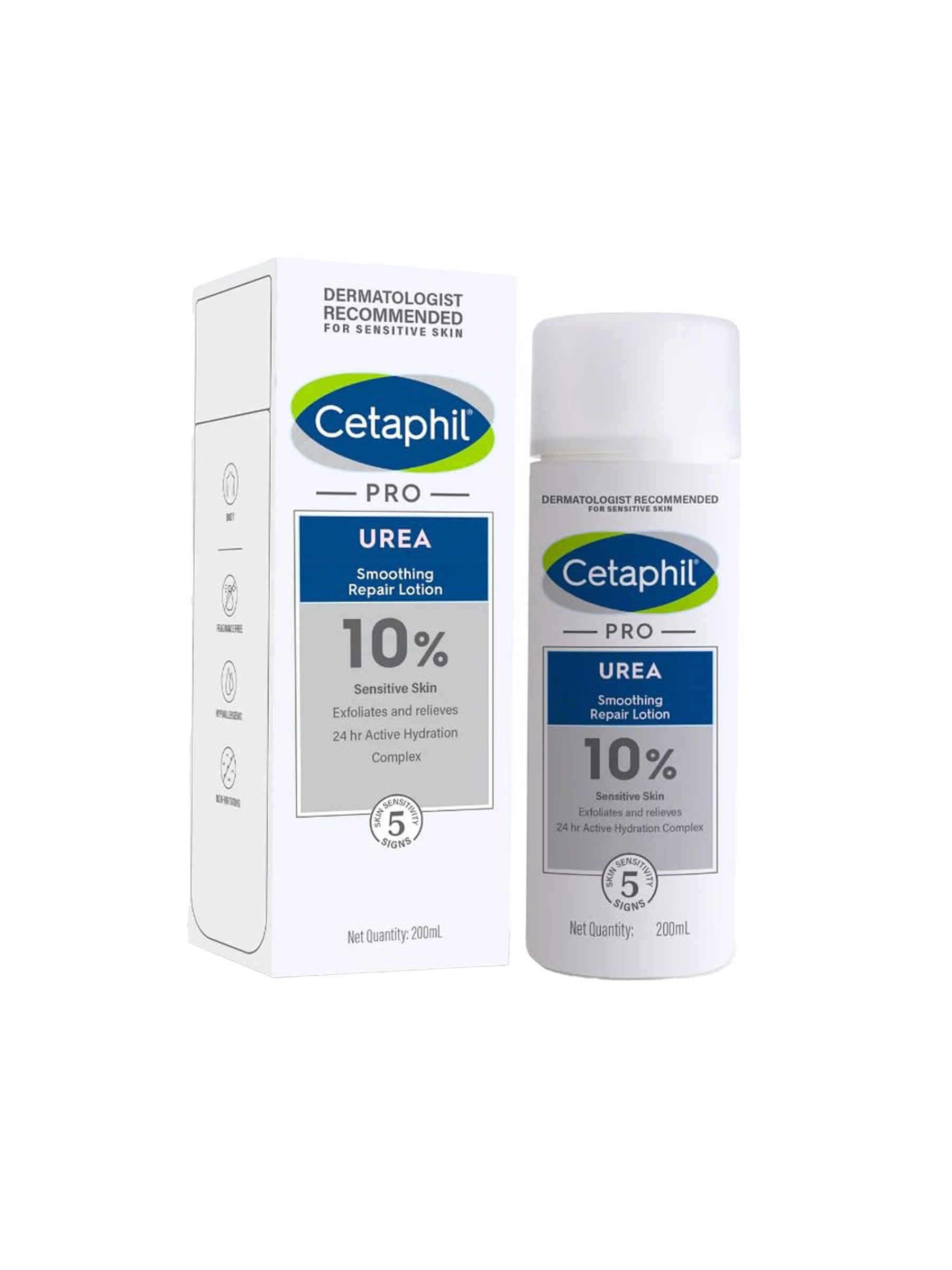
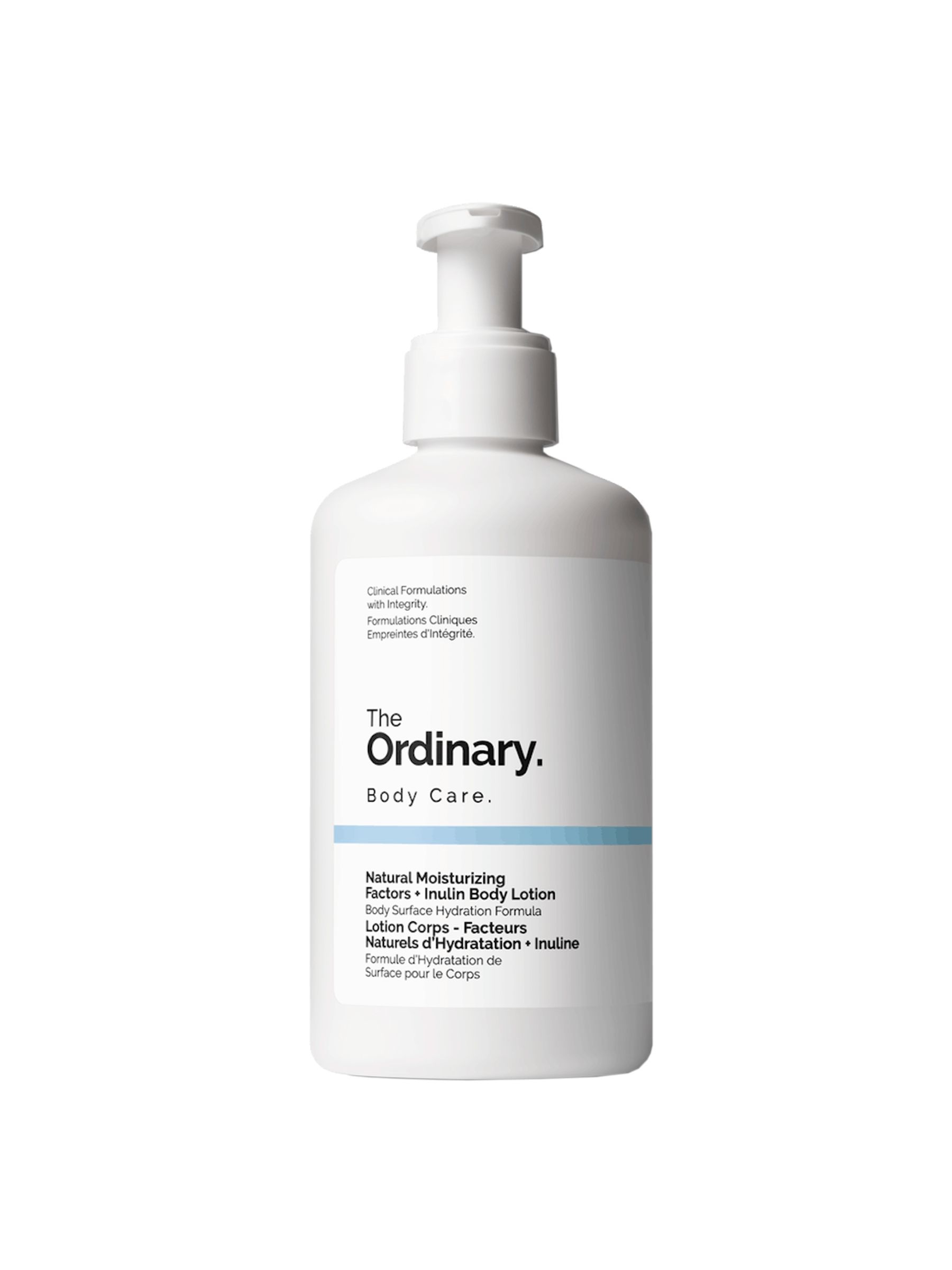
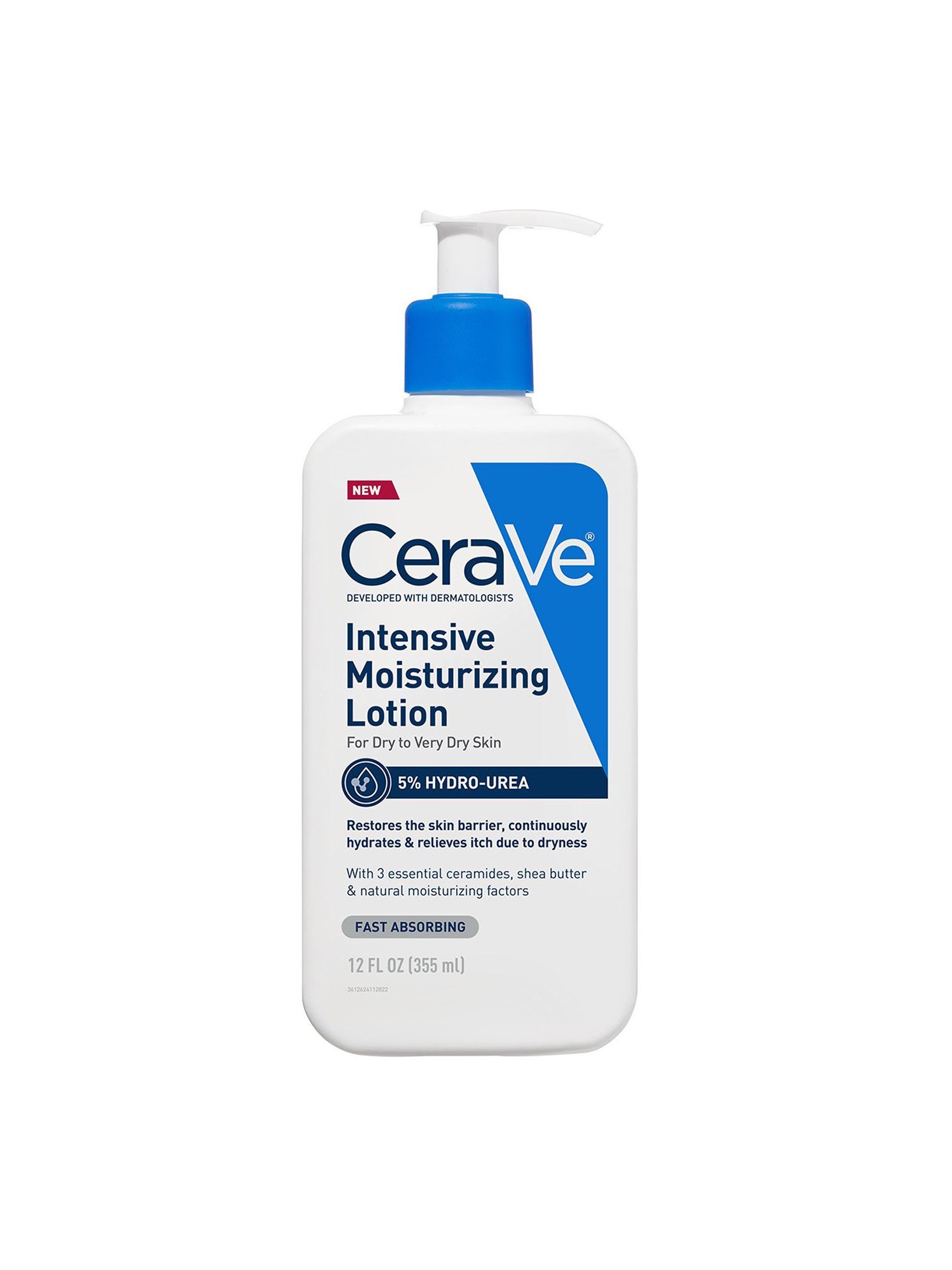
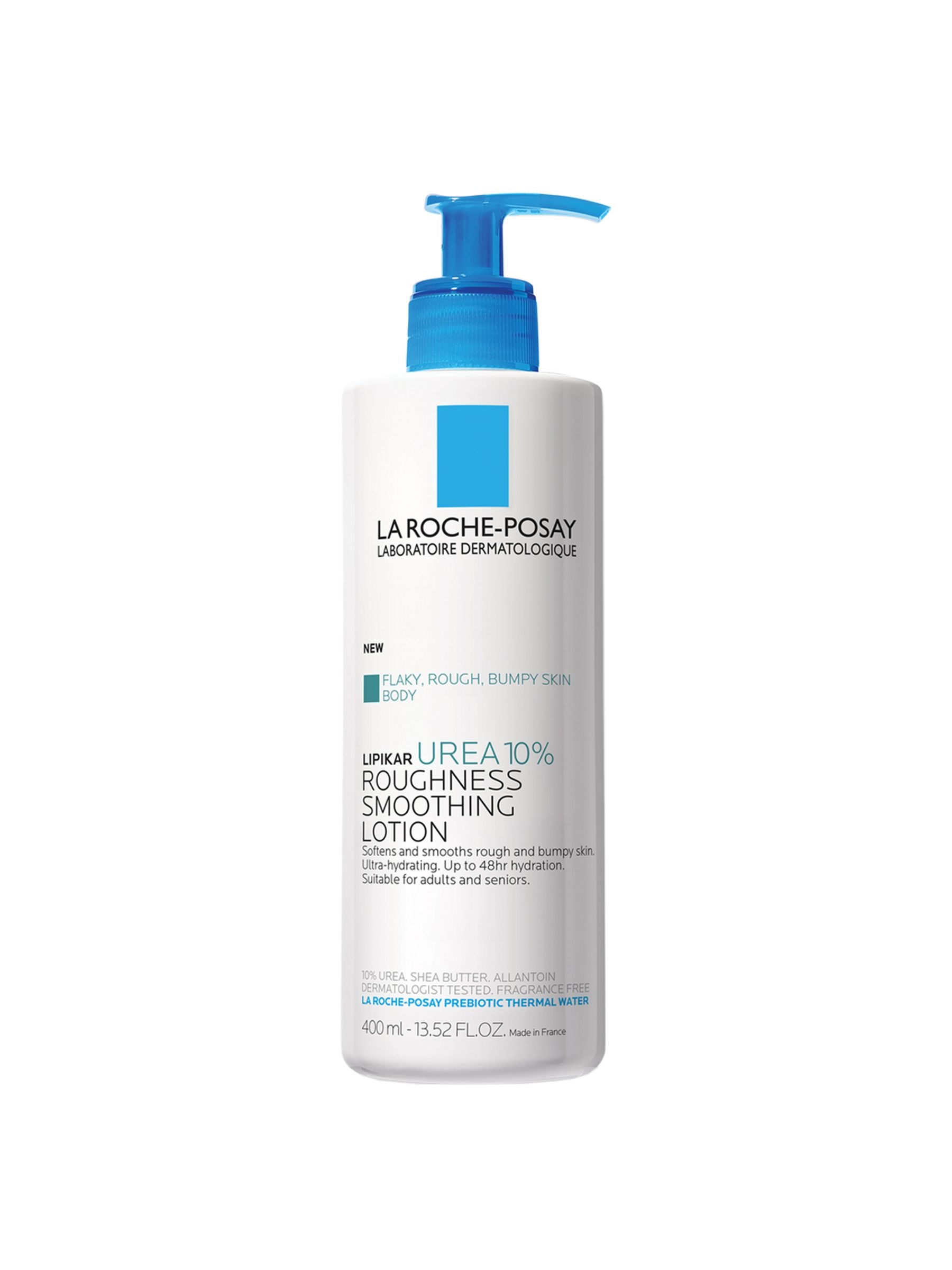
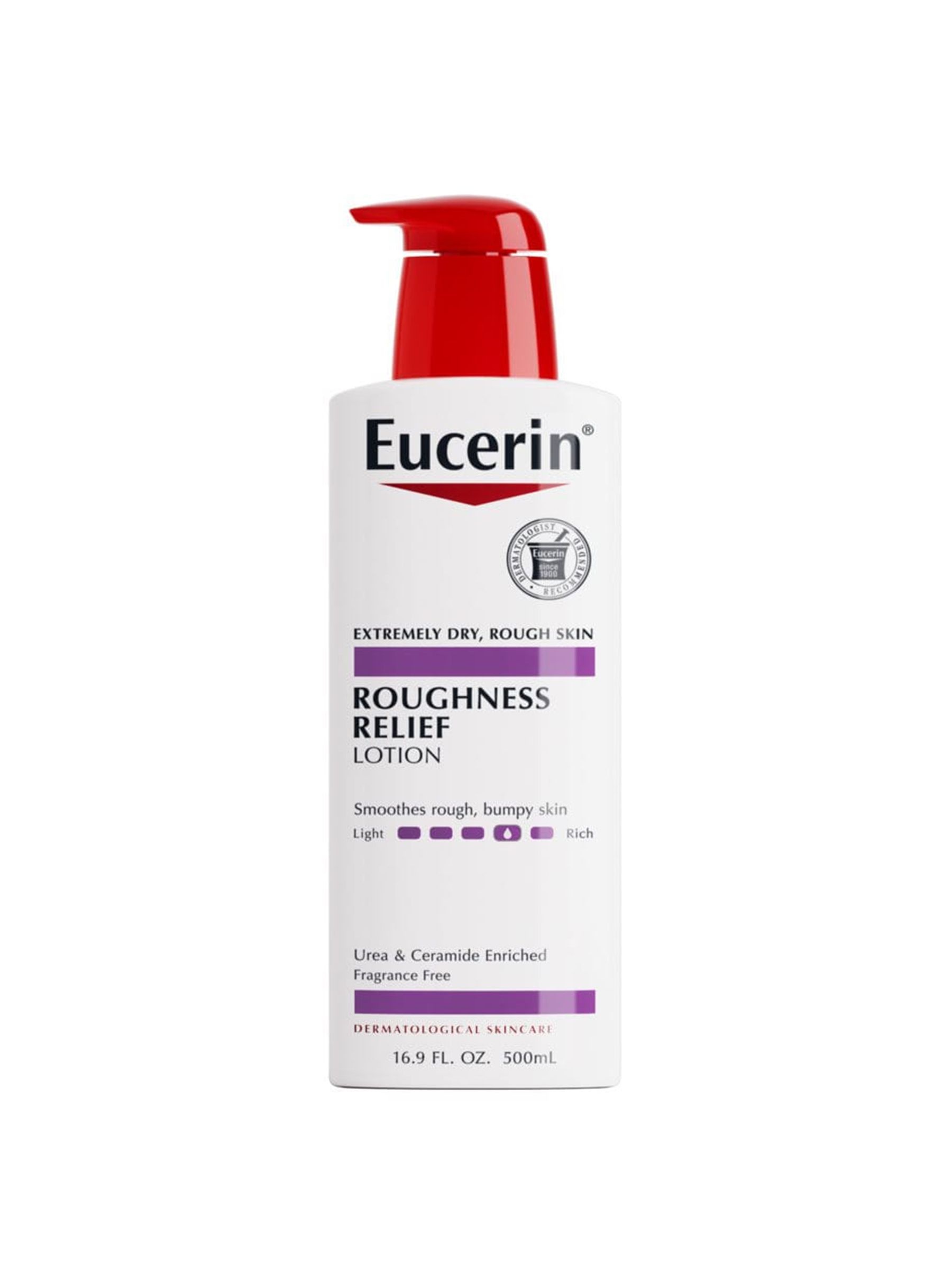
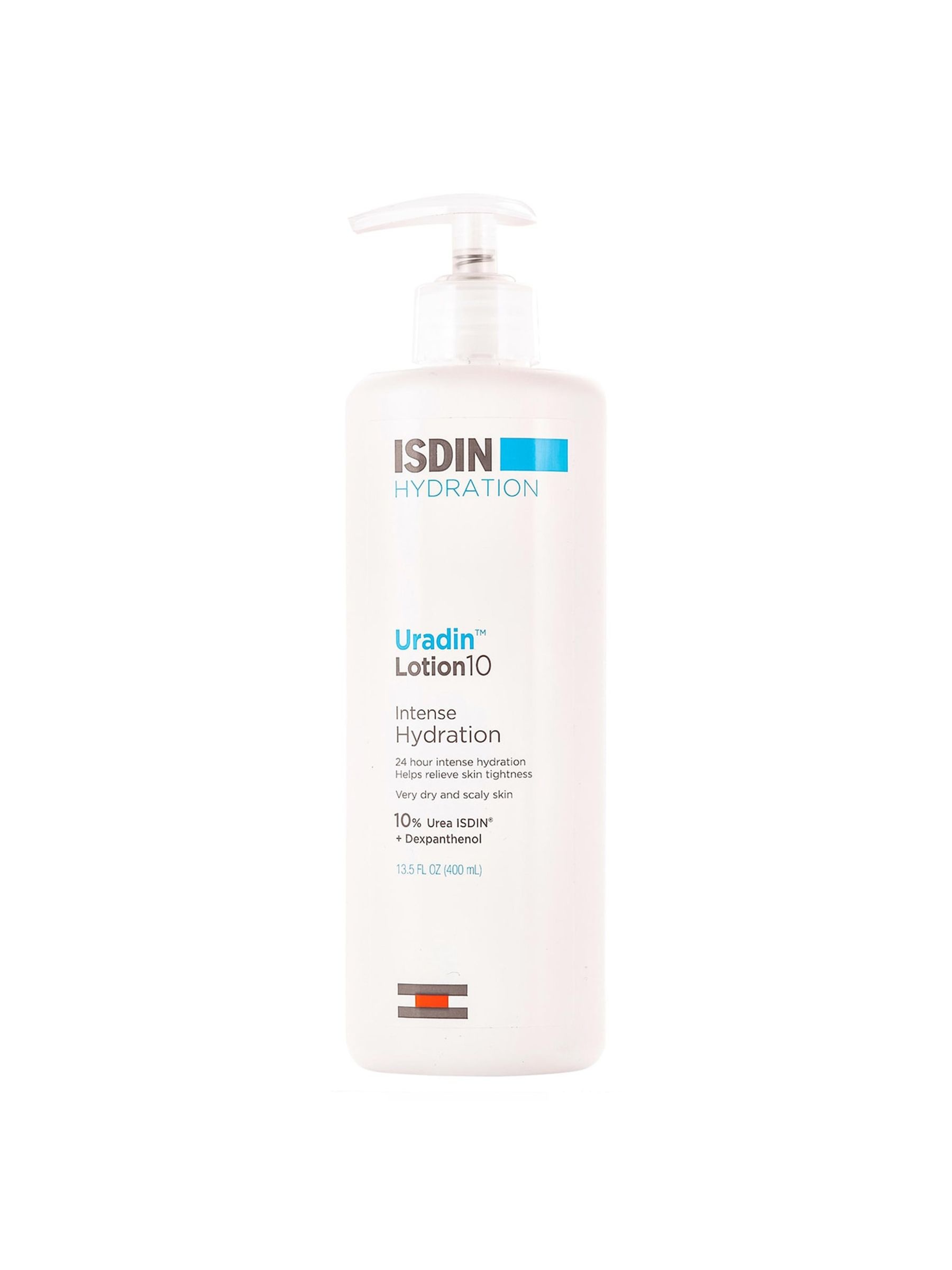
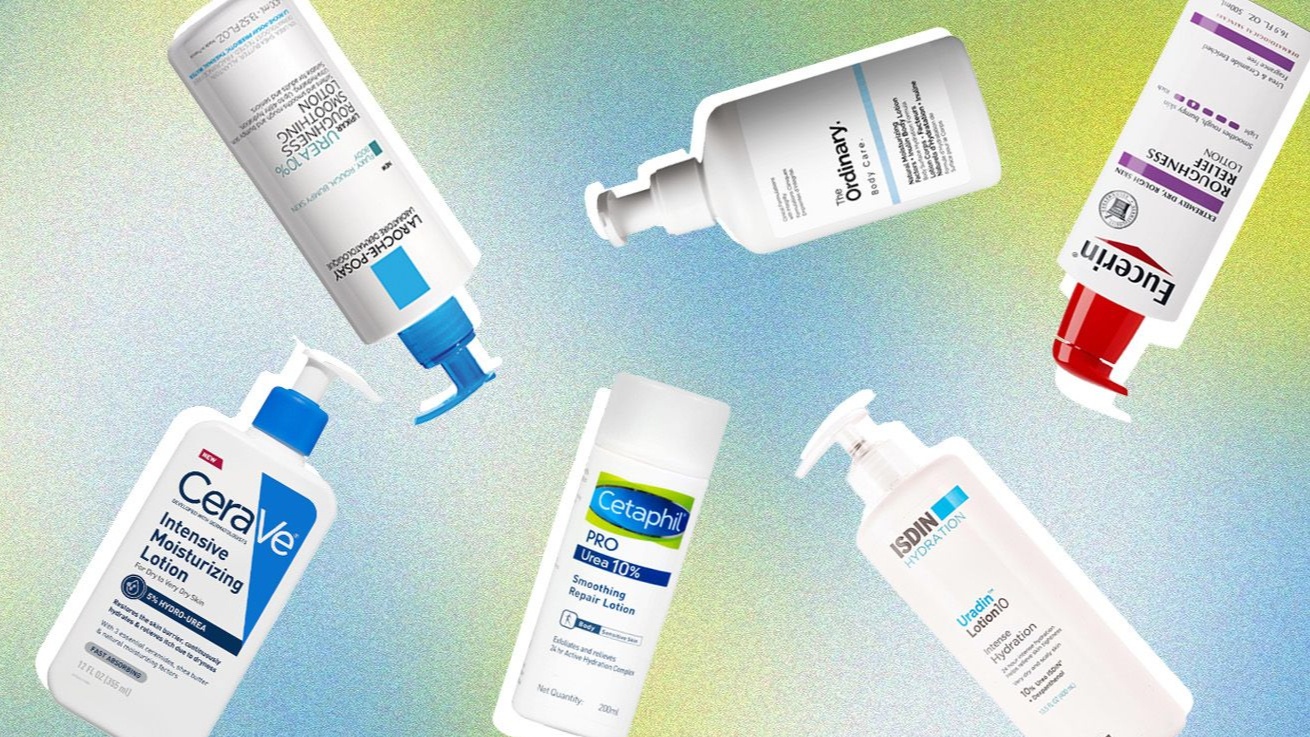
Ready to embrace the unsexy? Below, some urea-based bodycare to salvage your skin: