



Food18 Feb 20266 MIN

Yokocho brings food from Japan’s neon-lit alleys to Kolkata’s Park Street

Chef Auroni Mookerjee’s newest opening is where Asian BBQ, simple cocktails, and origami cats hit the table

Image

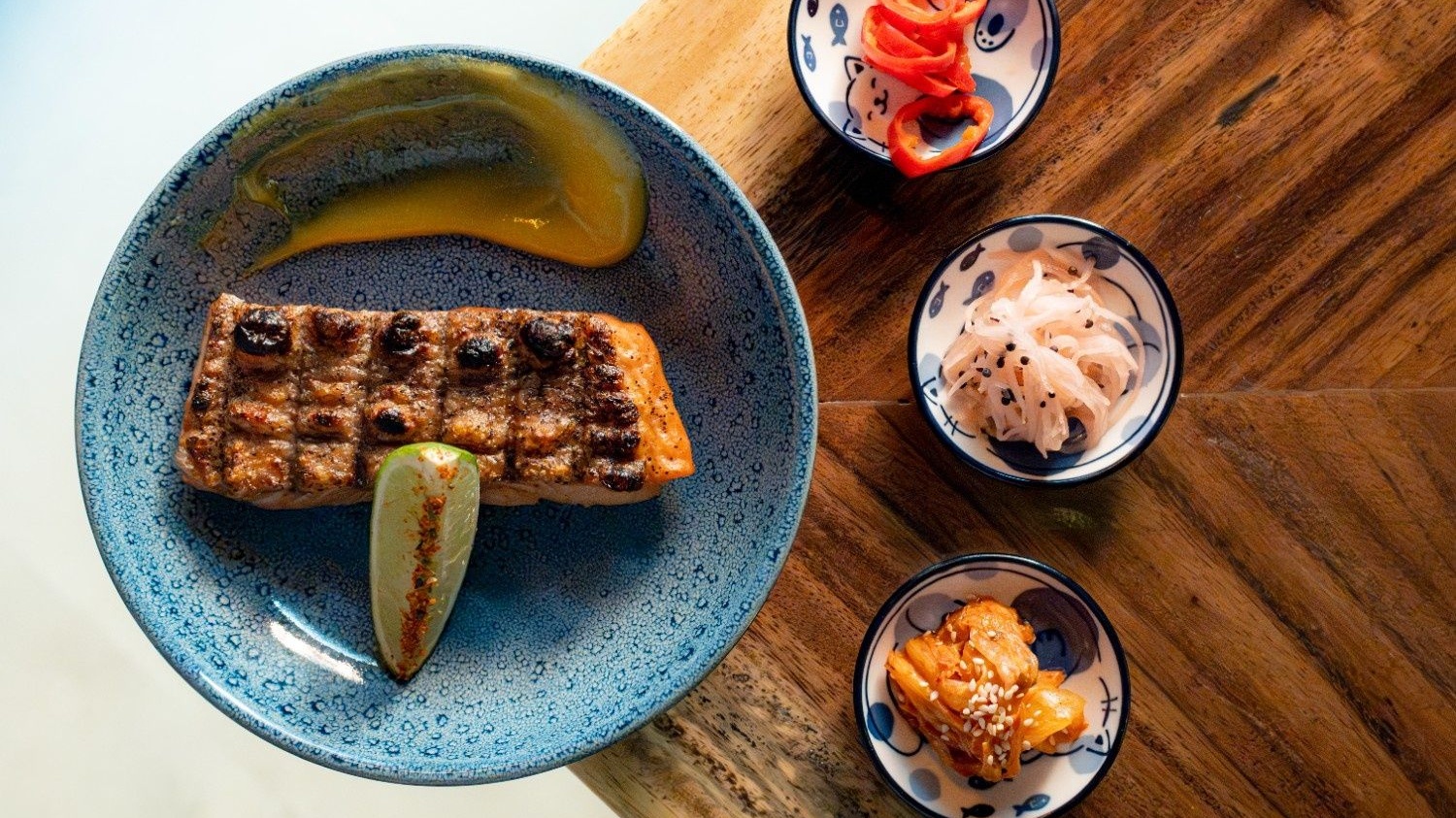
Shiozake salmon with wasabi and aioli pickles

In Japan, yokochos are the neon-lit alleyways dotted with tiny restaurants and karaoke bars that have, in recent times, become Instagram-famous. Kolkata’s buzzy Park Street may have the city’s favourite bars and restaurants, but the Japanese tradition is set to come alive on the first floor of a very commercial complex. A spiral staircase leads you to a maze of half-shuttered shops, and there, somewhat hidden in plain sight, behind a large wooden door, a symphony of culinary acts comes alive. Yokocho has the same thrill you feel when you stumble upon a dai pai dong in Hong Kong, a hẻm in Vietnam or an izakaya in Japan.

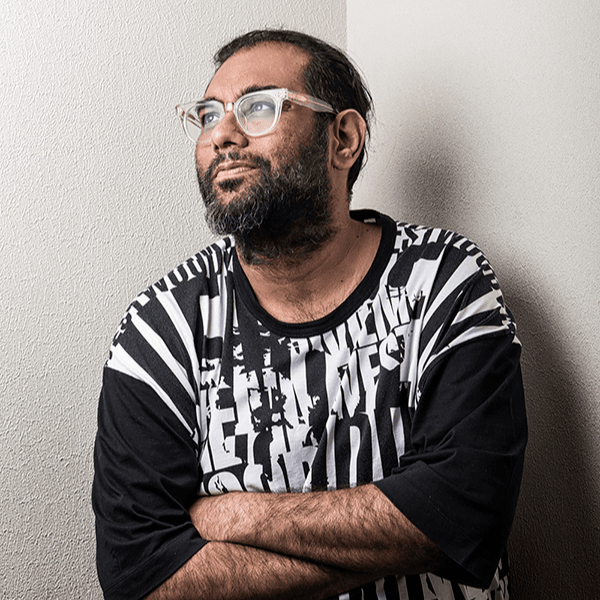
Abhimanyu Maheshwari, founder of Zing Restaurants and Conversation Room; chef Auroni Mookerjee, who worked with Kolkata’s beloved Sienna and is known for championing Bengal’s culinary culture; and Ramesh Kumar Agarwal, the fourth-generation F&B entrepreneur behind Refinery 091, Roots, Romaania, and Conversation Room, have come together to bring three distinct voices from Kolkata’s F&B landscape into this tiny room.

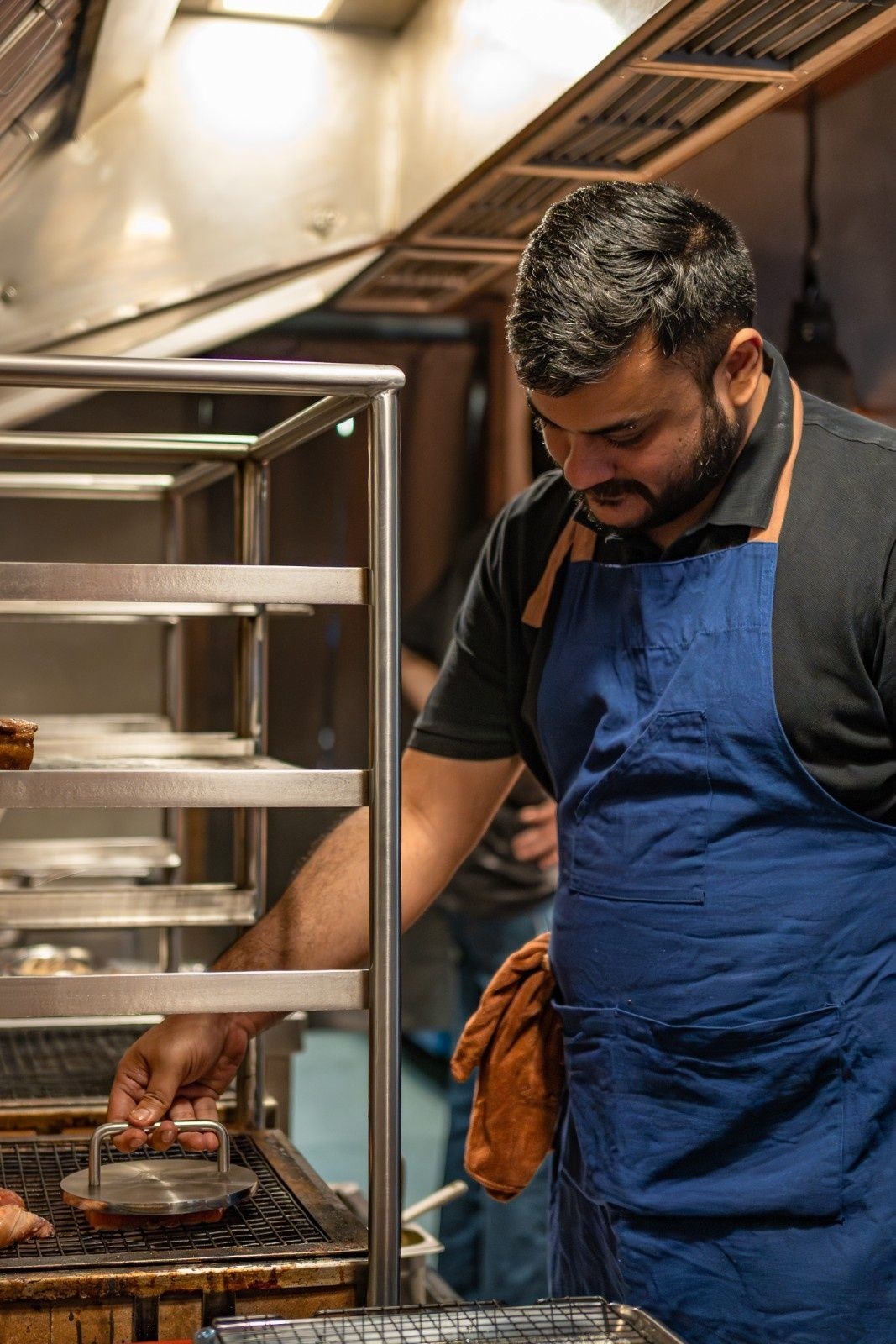
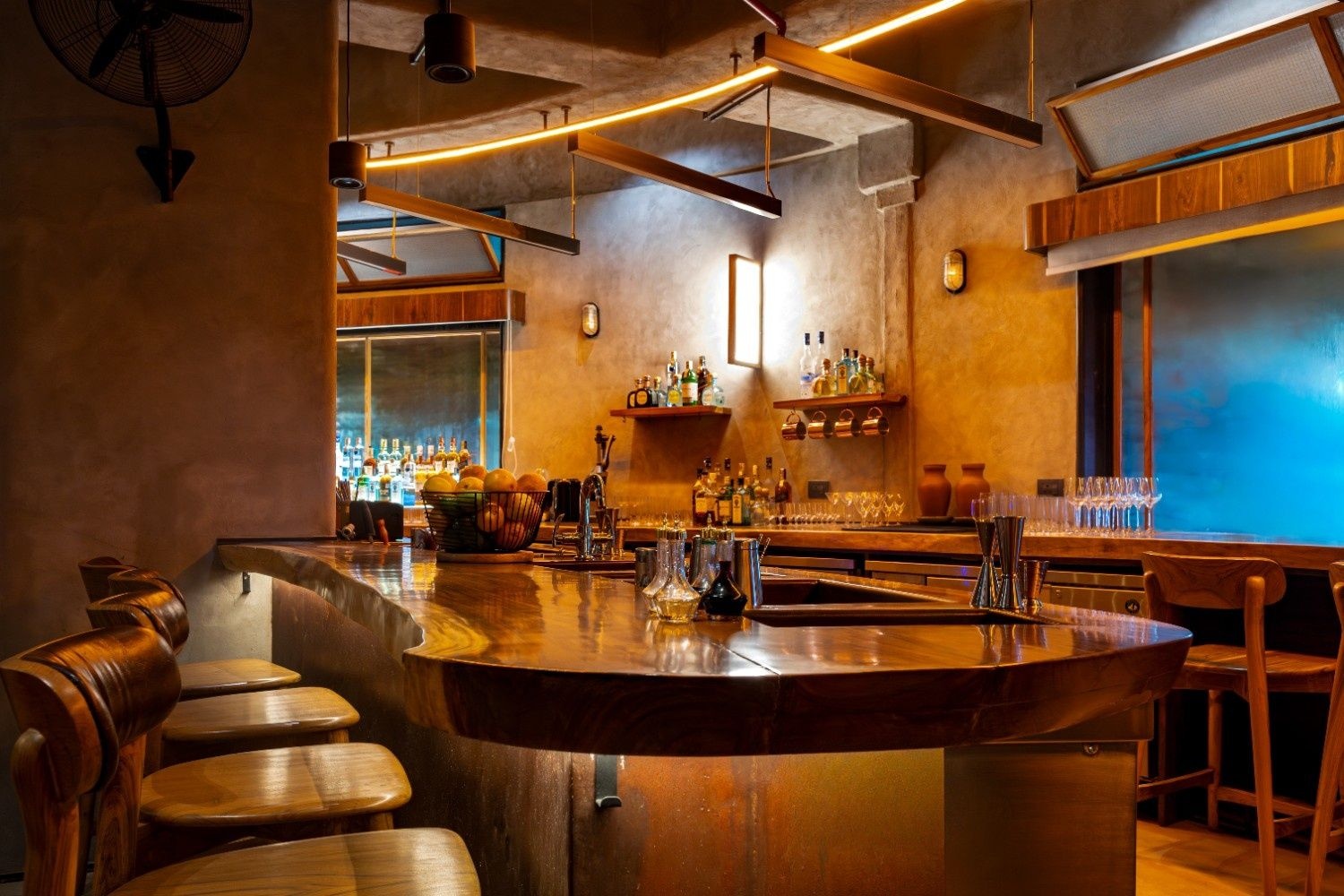
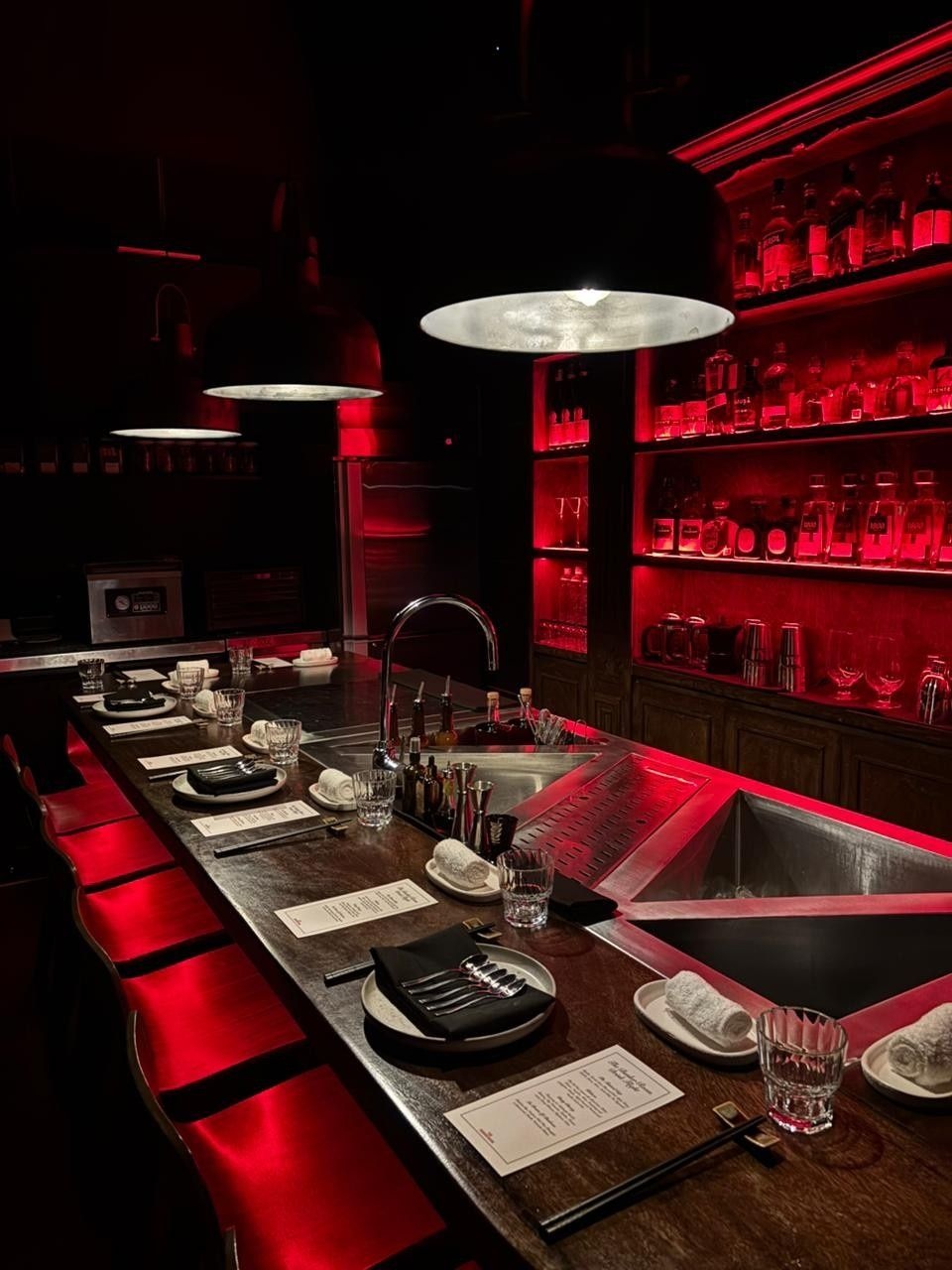
Inside, the first thing to catch your attention is the long omakase-style bar, that blurs the line between diners and mixologists. And then the eye rests on the charcoal grill, where seats are arranged around the fire, recreating the live-cooking vibe of yokochos. 

The restaurant has been designed by Faizen Khatri of FK’D Workshop, while Anirudh Singhal of SpeedX Bars has stepped beyond the bar to build the charcoal grill too. “We approached the bar and kitchen as one seamless performance, designing the omakase counter and the custom hibachi grills in a way where every guest feels part of the theatre,” says Singhal, whose work we last encountered at Delhi’s Trouble Trouble. “We’re known to build bartender-forward bars, and we are now designing chef-forward kitchens,” he adds.

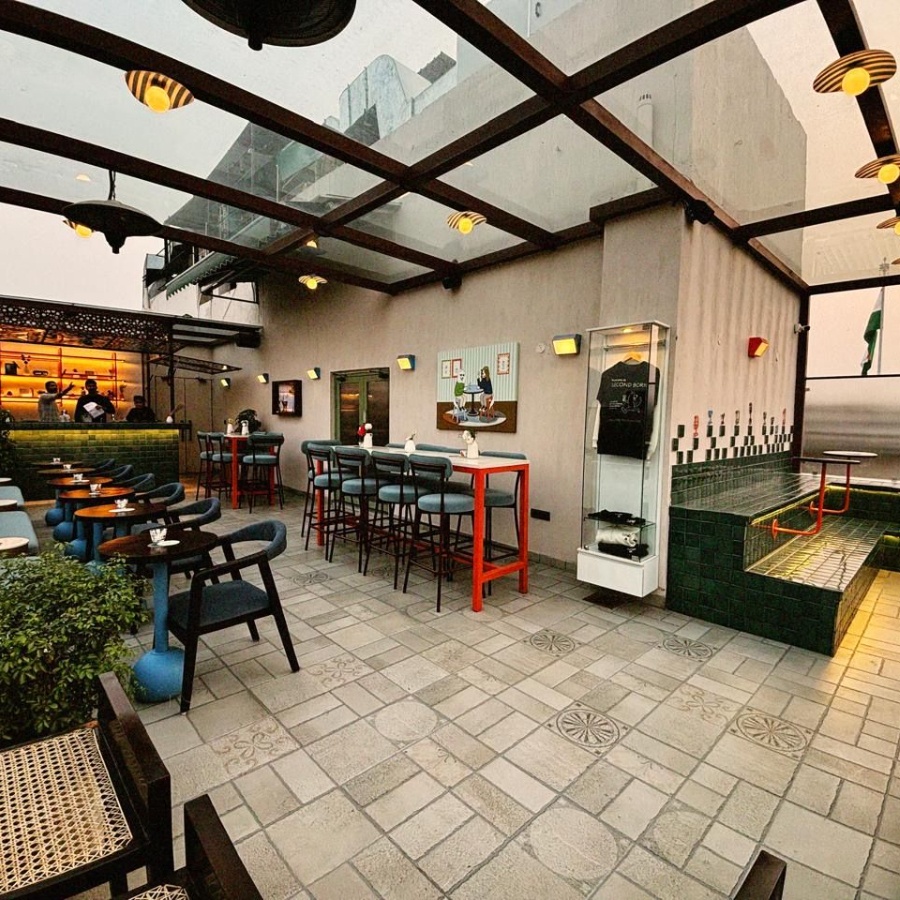
The cracked walls, the naked bulbs, and the solid wooden counters spell a space made for a community hangout. This is a place designed for conversations, where strangers can become friends. “It avoids spectacle, choosing instead to leave a distinct and memorable impression,” says Khatri.
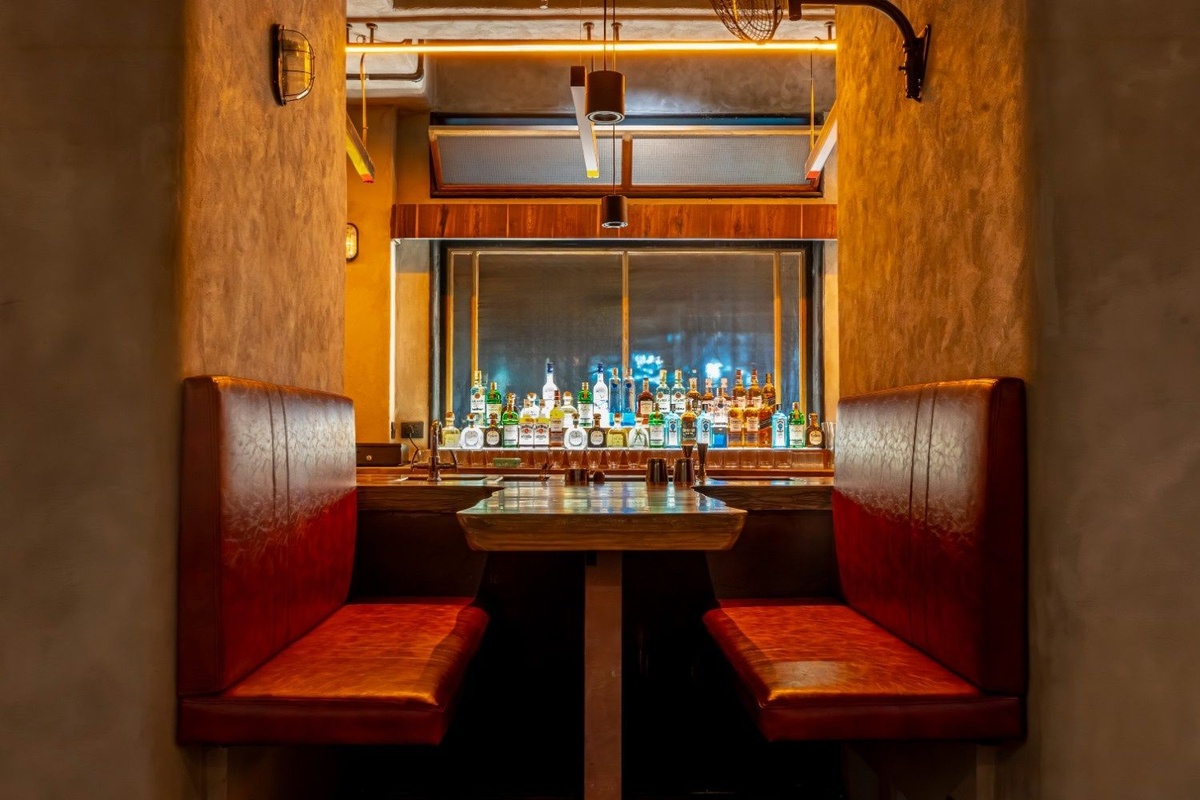
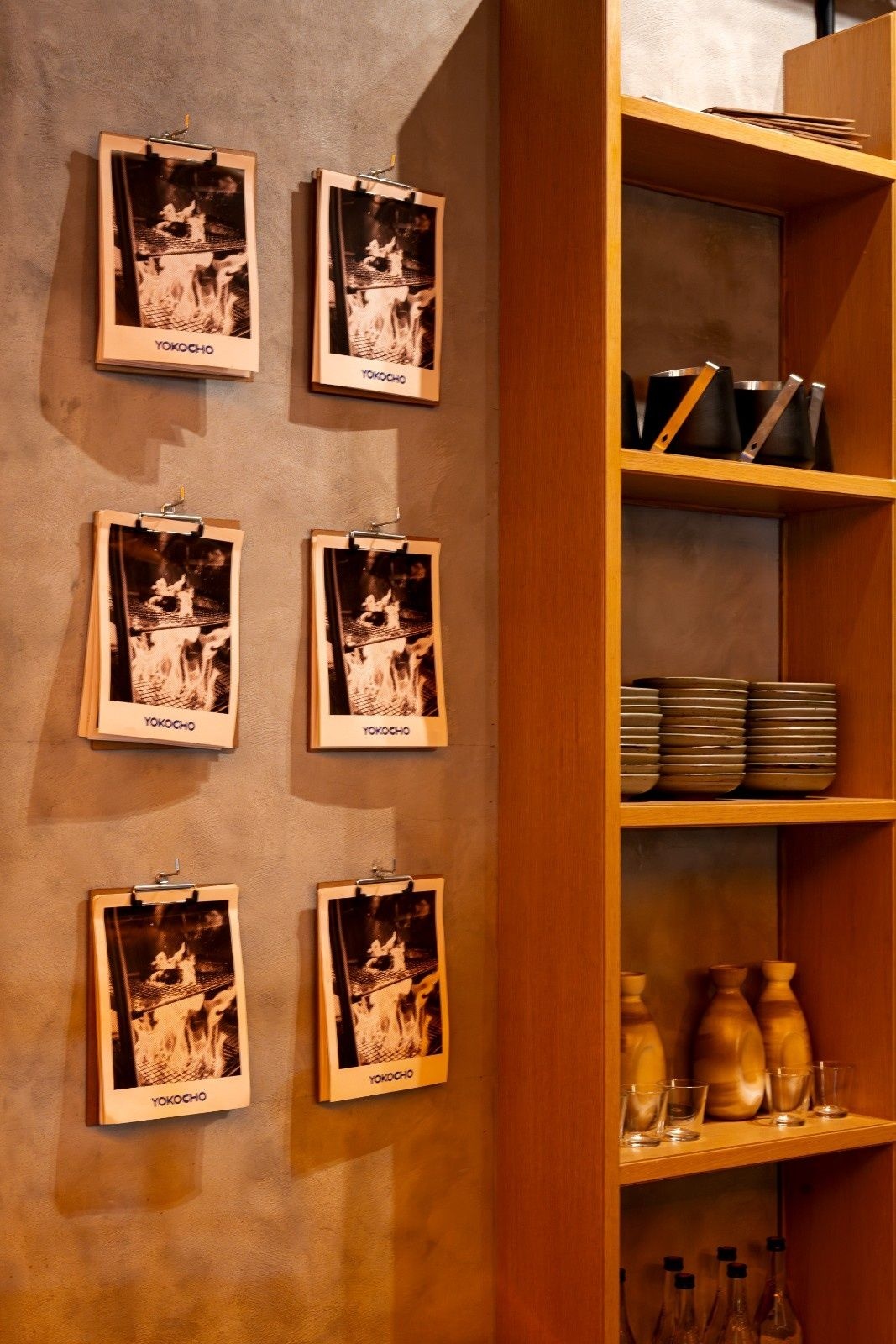
In one corner, an old box television flickers with Japanese reality TV shows. Elsewhere, shelves display condiments in bottles and jars, speaking of the team’s obsessive research and R&D trips to southeast Asia. Tiny origami cats are perched on tables mid-pounce, lending a playful tone. There’s also a “Gangster Booth” where leather seats in a shade of deep mahogany are squeezed between two concrete pillars, channelling an old Chinese smoking den. Large picture windows frame Park Street’s electric pulse below; these are genuinely the best seats in the house, with a view of the bar and the city lights.

With Yokocho, Maheshwari wanted to capture the street-side eating culture of south Asia: “Those tucked-away streets in Vietnam, Hong Kong, and Japan lined with grills and wafting smoke, tiny bars, shared benches, and strangers who turn into tablemates... That’s where I feel most at home. Yokocho is an ode to those meanderings through the lanes of some great Asian cities.”

The chef, after years of exploring Kolkata’s lanes and wet markets, looked further east to draw a menu that brings a taste of Thailand, Vietnam, and Singapore to the table, where fresh produce, live seafood, and regional seasonality are not just keywords but the crux of every meal. 

Chef Mookerjee grew up in Delhi, grilling over charcoal during winter nights with his family. That nostalgia and familiarity shapes his cooking style and is the emotional anchor for Yokocho. Here, charcoal goes beyond being just a cooking method. It’s the conceptual spine. Everything in the kitchen—from vegetables and meats to even unexpected dishes—carries the mark of fire. “It’s not about adding smoke for the sake of it. It’s about understanding how charcoal transforms ingredients and how it becomes a flavour in its own right,” explains Mookerjee. 

We start with small bowls of banchan—Korean pickles and ferments made with seasonal produce from Kolkata’s wet markets. Sheem (broad beans), white and green eggplant, pui matuli (Malabar spinach fruit), kachki and mourola maach shutki (sun-dried Gangetic river sprats and mola carplet), and young mulo (radish) add a new texture and layer to the palate. The sharp, funky, saline notes act as palate cleansers between dishes and prove perfect companions to the cocktails. They’re complimentary and always a good start to any meal.

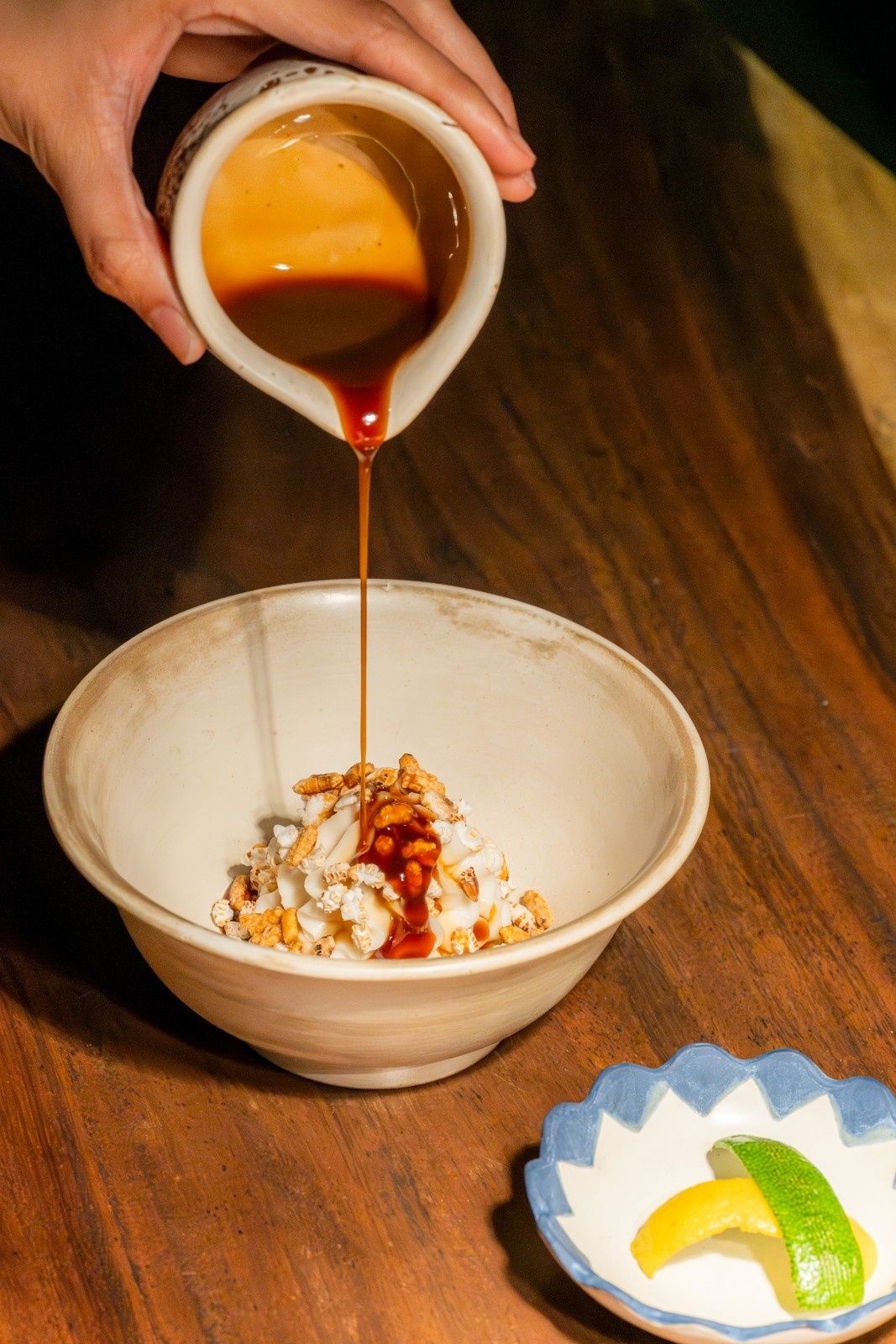
Mookerjee’s menu is divided between small and large plates, all meant to be shared in an unhurried fashion. The Portobello skewers arrive first, brushed with miso brown butter. The mushrooms are meaty, charred to perfection, and alternate with spring onion stalks. The miso butter adds a savoury depth that reframes vegetarian grilling. Smoky Market Greens reinterprets the typical tofu-and-greens stir fry inspired by homes in China and monastic kitchens. Whipped tofu is topped with the stalks and stems of seasonal shaks like fiddlehead fern, moringa, and mustard, rendered smoky on the grill, then finished with chilli crunch and pickles. It’s the East and the Far East in one bowl.

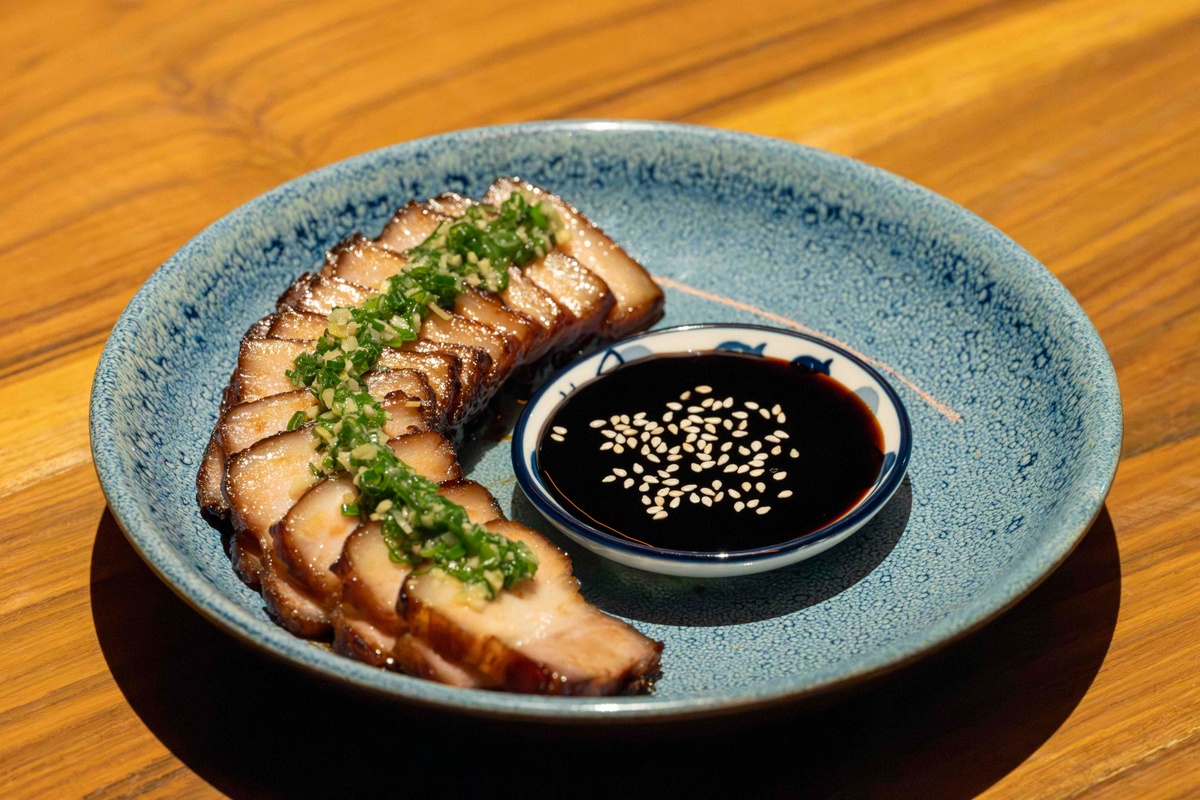
The BBQ Begun arrives with a gochujang and garlic glaze and hits the spot with its street-style aroma. The eggplant is charred until almost collapsing, the glaze sticky and sweet with just enough heat. Then comes the pork belly char siu with mango ginger relish, where delicate slices of melt-in-the-mouth pork belly come with Bengal’s aromatic aam adaa and a sticky soy caramel sauce. You don’t even need the sauce—the pork is a masterpiece in itself—but the chef recommends eating it with a topping of the crunchy shrimp shutki banchan, a smart substitute for fish sauce.

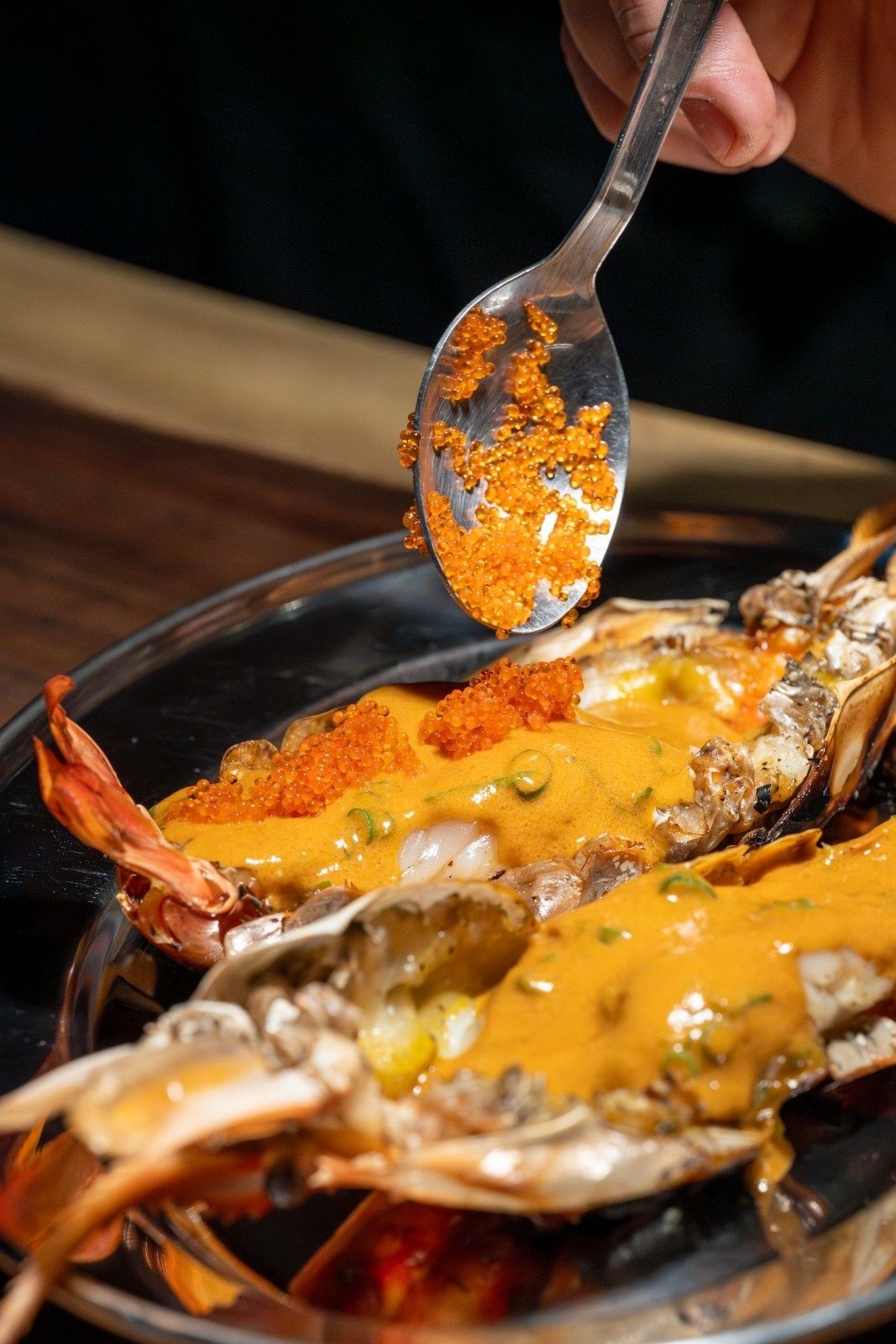
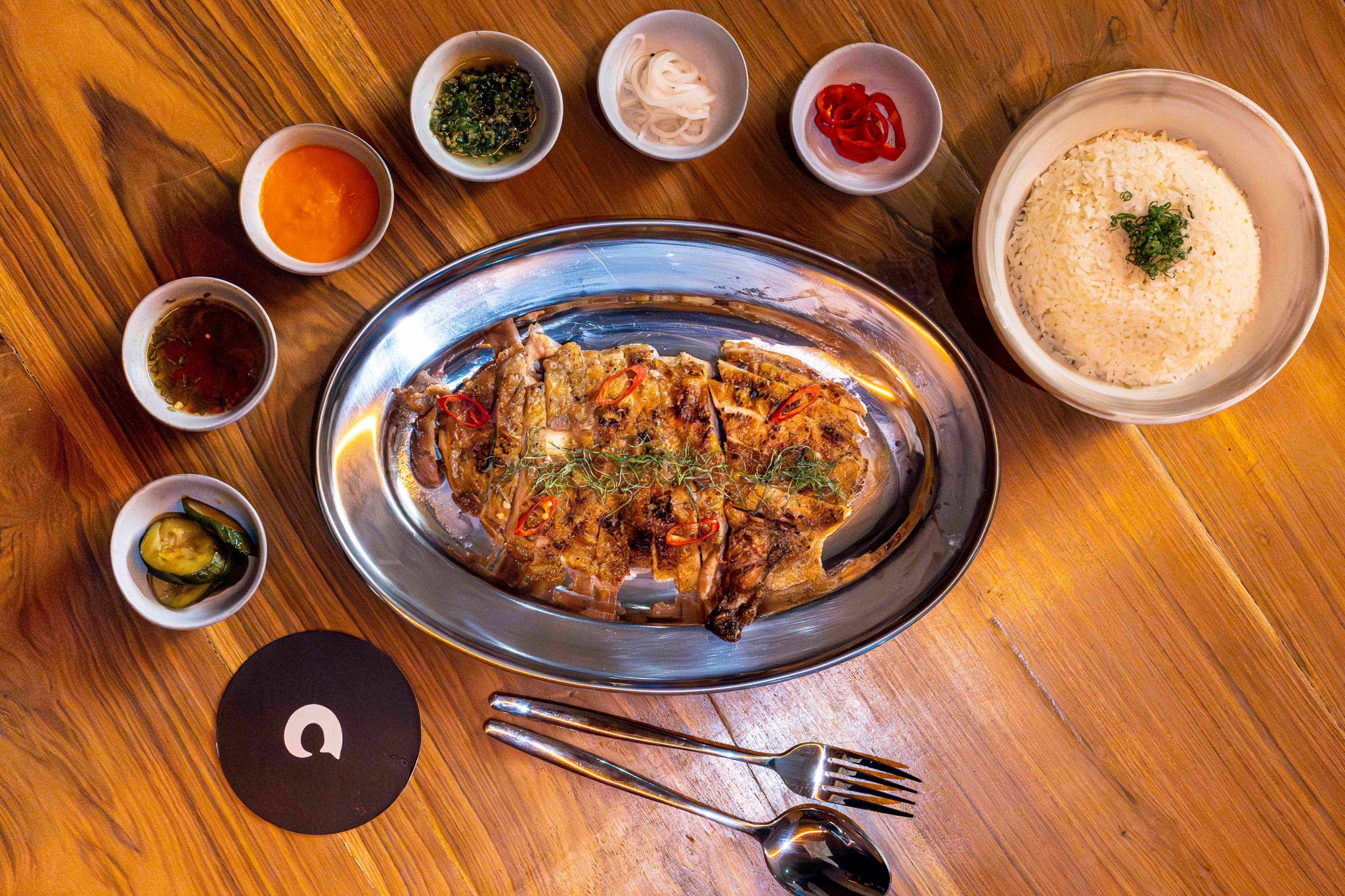
The Bombay duck tempura is light and crispy, placed on a sharp coriander chutney. The shiozake (salted salmon) is simply grilled, perfectly salted, and topped with a wasabi aioli punch. But the dish that really captures what Yokocho is doing is Free Bird, their version of Hainanese chicken rice. “It requires careful butchery and full utilisation,” shares Mookerjee of his dish where the rice soaks up all the cooking juices.

The bar programme, led by Pankaj Balachandran of Countertop India, is also a quiet nod to the unpretentious drinking culture of east Asia. “A highball, a sour, or just a perfectly cold beer. Our intent is to evoke that nostalgia while layering it with our own flavours and techniques,” he says of his uncomplicated offerings.

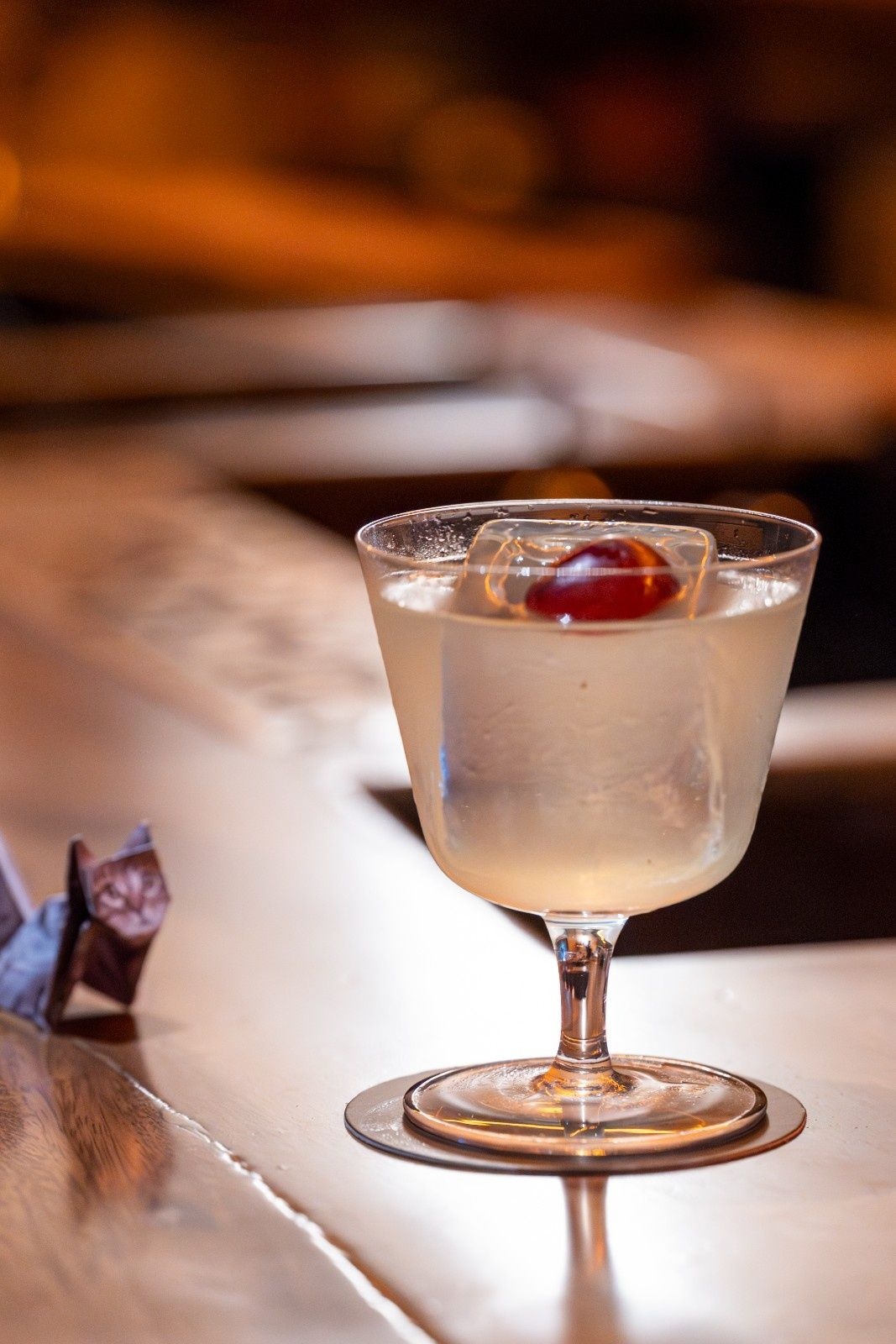
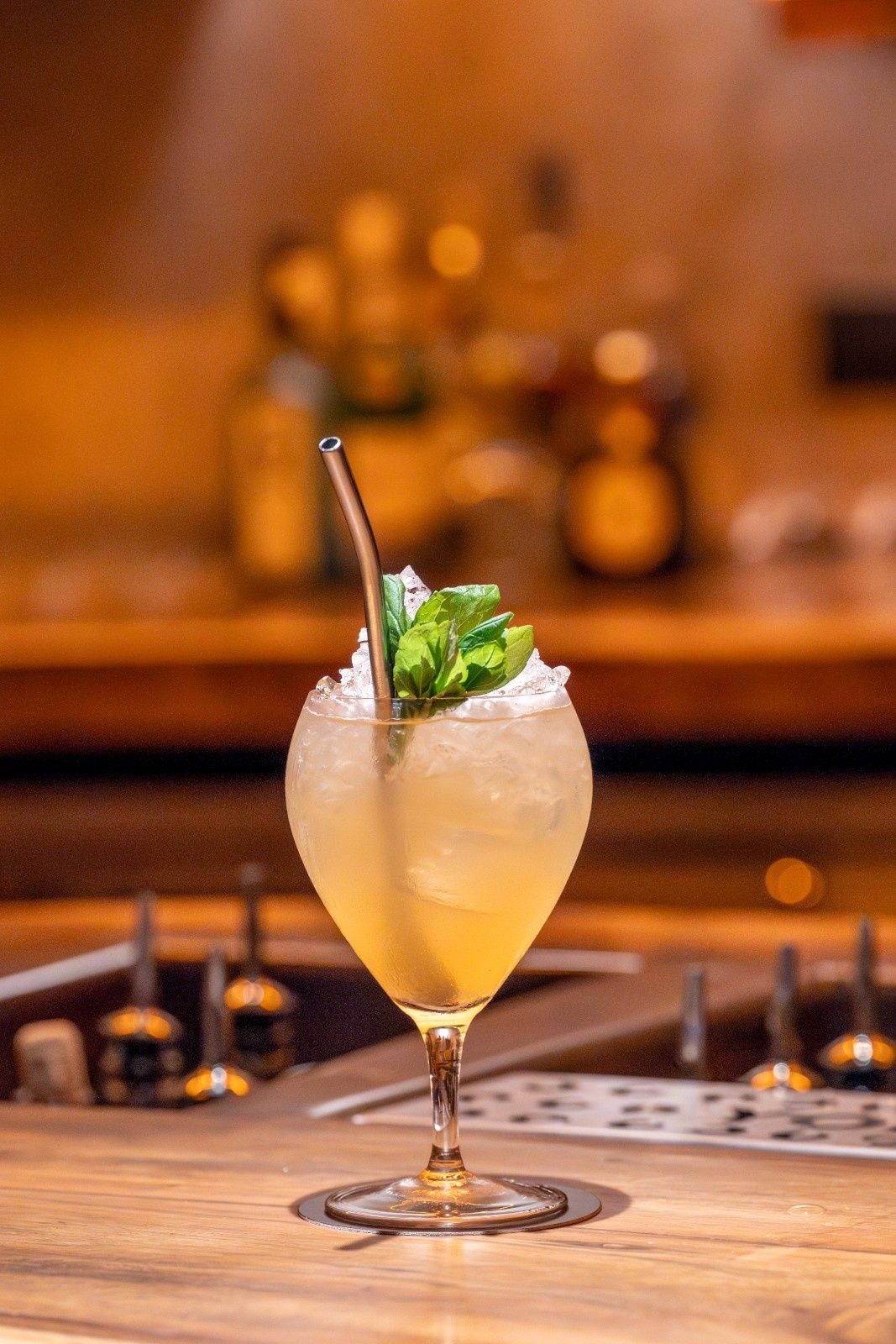
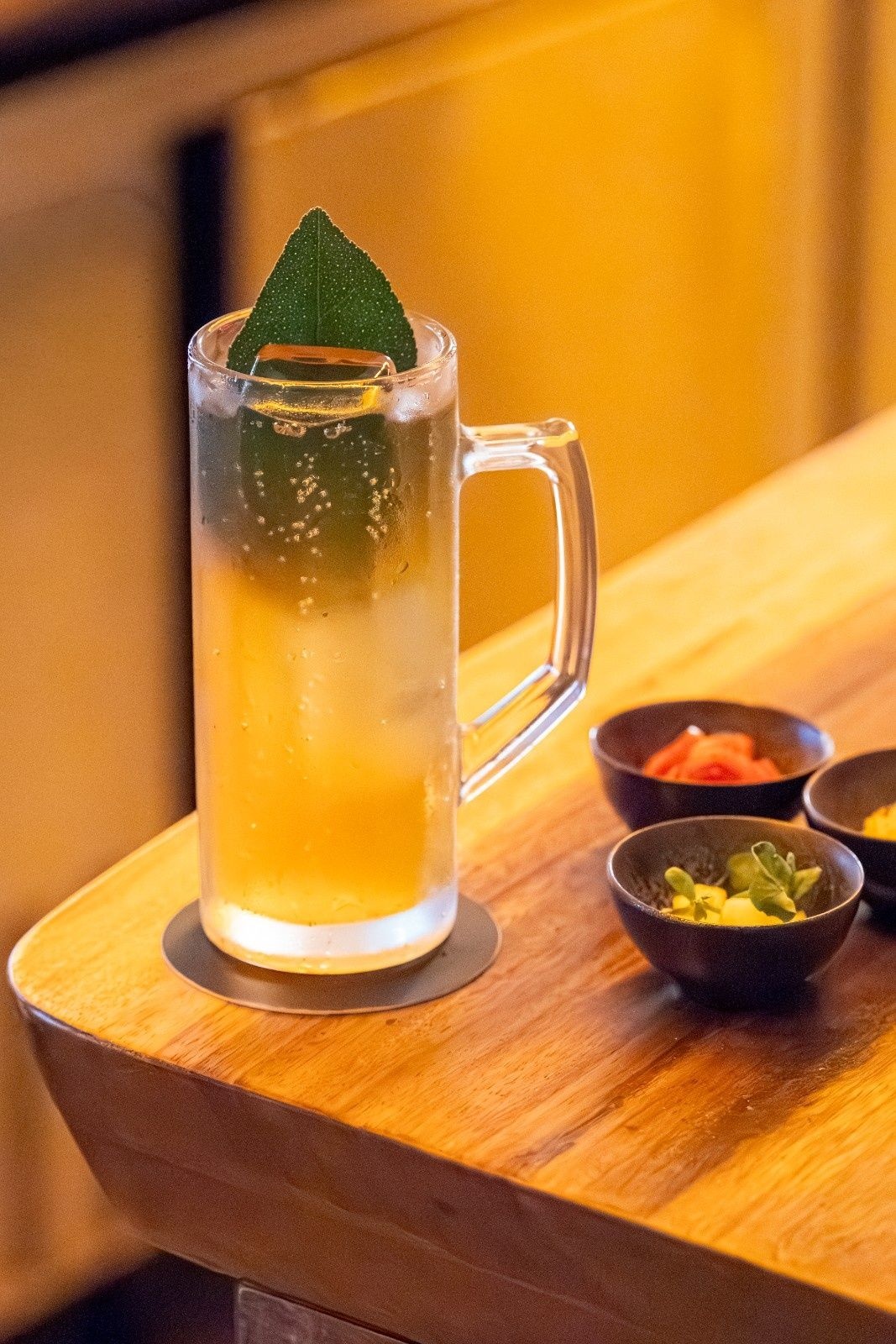
A refreshing highball called Beer First, Whisky Later, where whisky and hops are topped with Darjeeling tea soda, is exactly the sort of drink you can nurse all evening. Even drinks that sound overtly sweet on paper are surprisingly palatable. Take the Koh Koh Fizz that mixes rum with kaffir lime, palm sugar, coconut water, and some salt. The Bitter Sweet Symphony, which has tequila with bitter gourd, is likely to become a crowd favourite, while the Blood & Smoke with mezcal, dark cherry liqueur, sweet vermouth, and OJ is the sort of thing to order for your final nightcap.

In this age of concept bars, amidst Kolkata’s changing dining landscape, Yokocho stands out as a place that encourages you to linger, share plates, and let the conversations flow without urgency. Unfussy and to the point, it’s what makes it a perfect fit in a city universally known for its own slow pace.

Address: First floor, Park Centre, 24 Park Street, Kolkata, West Bengal - 700016 

Timings: 6 pm to midnight; closed on Mondays

Meal for two: ₹3,000 (including drinks)

Reservations: Call +91 91474 17822

The Nod Newsletter

We're making your inbox interesting. Enter your email to get our best reads and exclusive insights from our editors delivered directly to you.