Everyone seems to have collectively woken up one morning and decided that the next thing on their reading list should be...a 500-page history of salt. If your Instagram feed has suddenly been filled with people earnestly discussing sodium chloride, you’re not imagining it.
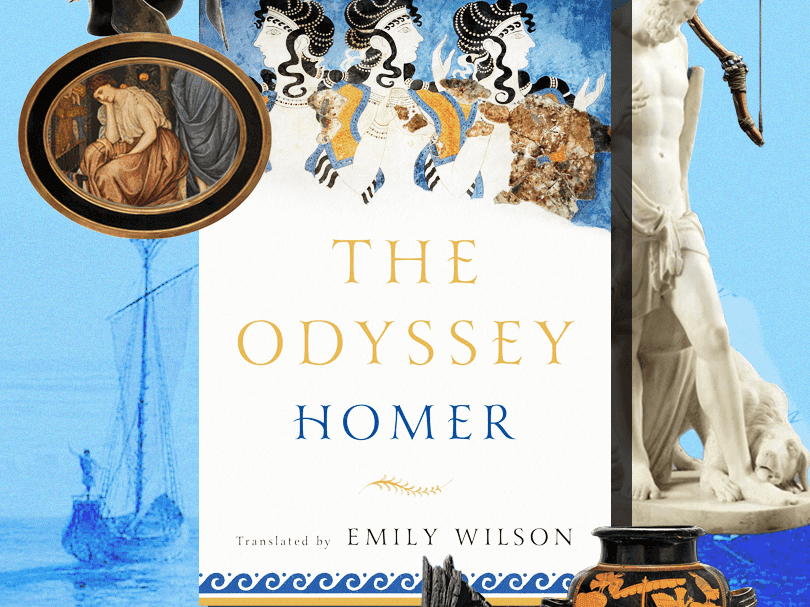
Much like The Odyssey found its way back onto thousands of bookshelves nearly 3,000 years after it was first composed, thanks to Christopher Nolan, Mark Kurlansky’s Salt: A World History is having an unexpected second life. The 2002 book has become the internet’s latest literary obsession after creator Wyatt Derman’s Instagram Reel, now with over 8.5 million views, introduced millions to the surprising ways salt has shaped trade, language, politics, and entire civilisations. From preserving food long before refrigeration existed to sparking wars and even influencing where cities were built, the humble mineral has had a far bigger role in human history than most of us ever realised.
Memes about the collective reading experience are everywhere, and readers have begun recommending other books that turn everyday subjects into surprisingly gripping histories, including Butter: A Rich History by Elaine Khosrova. A personal favourite is Shahu Patole’s Dalit Kitchens of Marathwada, which explores how the caste system has shaped Dalit dietary practices and examines the ways food intersects with caste, class, and identity.