



Arts24 Jul 20265 MIN

The Pirelli Calendar has a new muse for 2027—India

The world’s most famous calendar, once a playground for photography legends like Annie Leibovitz and Richard Avedon, now turns to Avani Rai and Sølve Sundsbø to present their visions of the country

Image

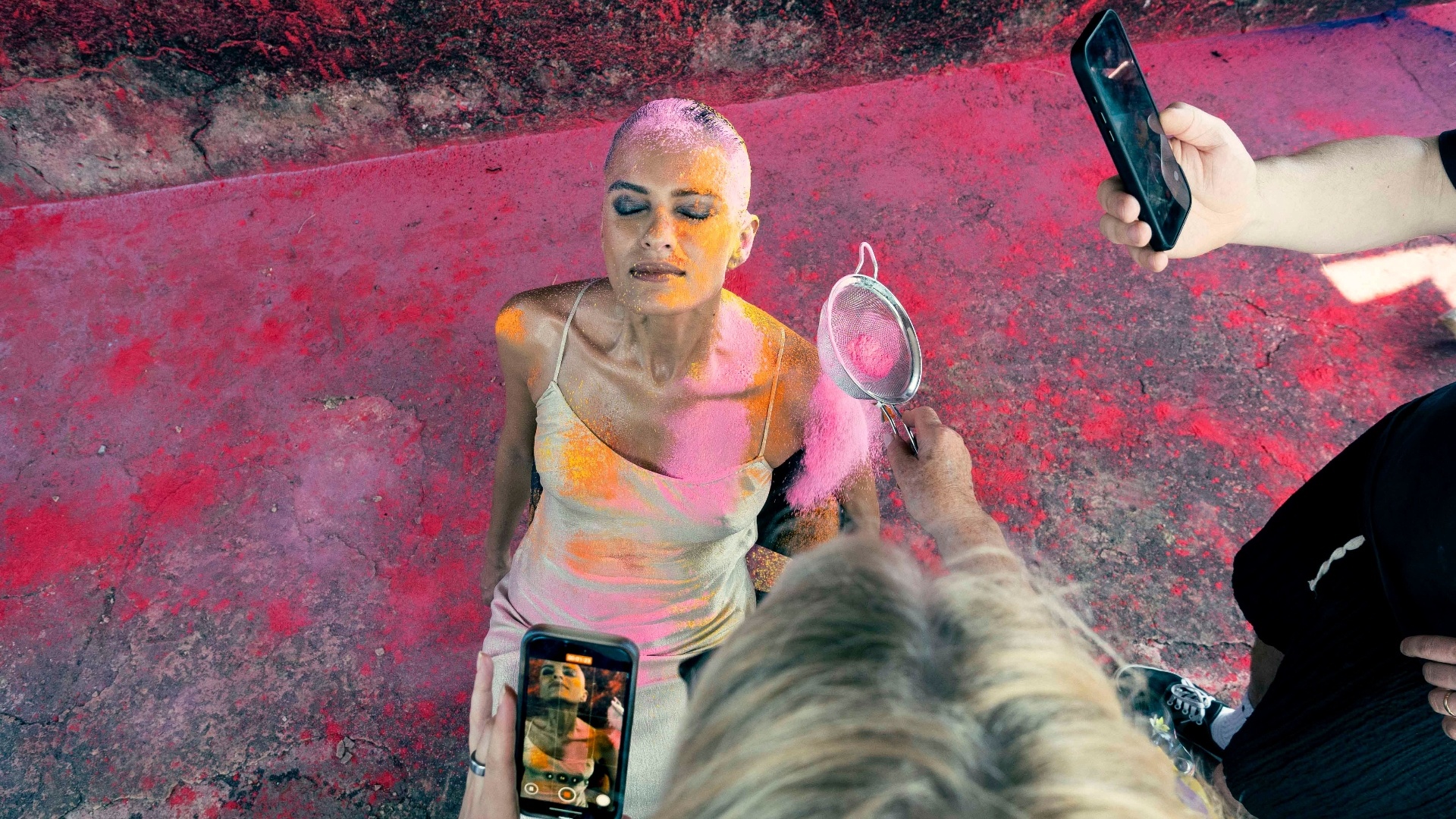
Model Lakshmi Menon is among the nine star subjects featured in the 2027 calendar

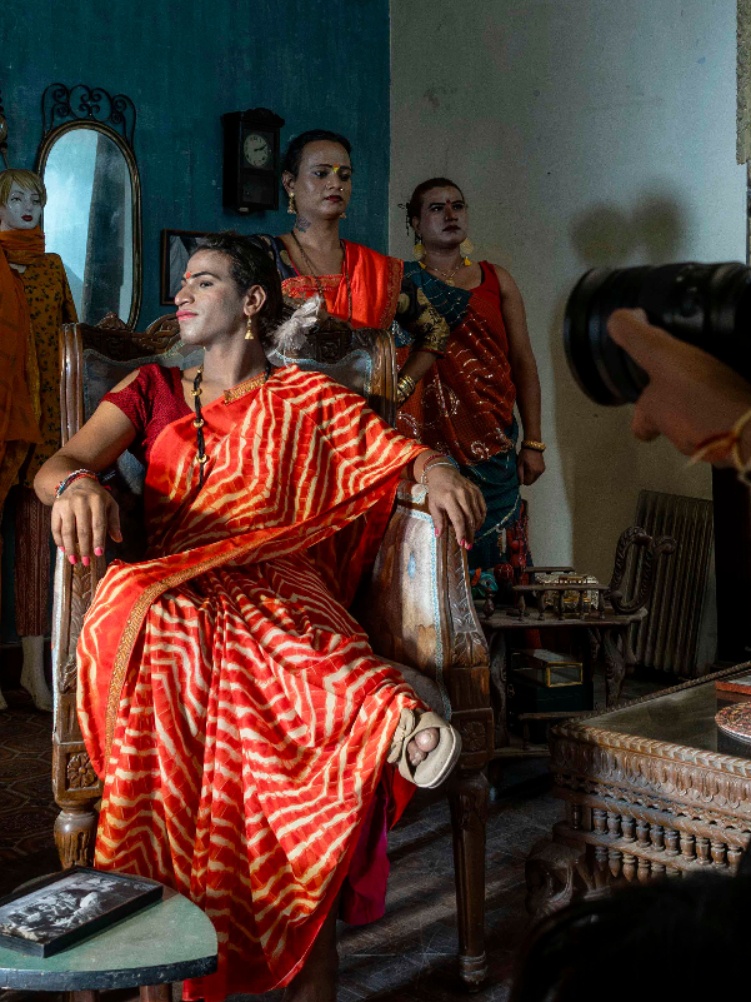
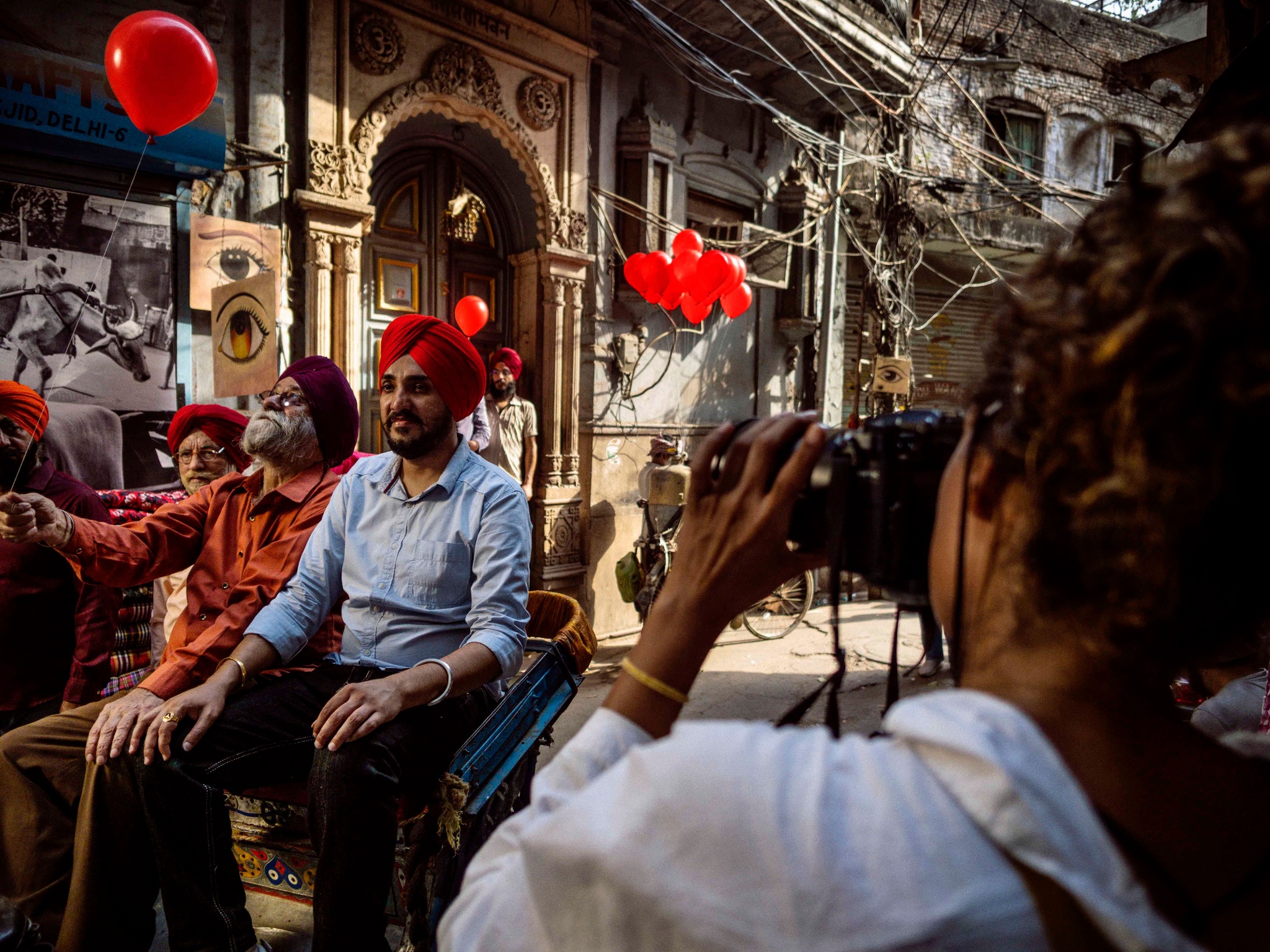
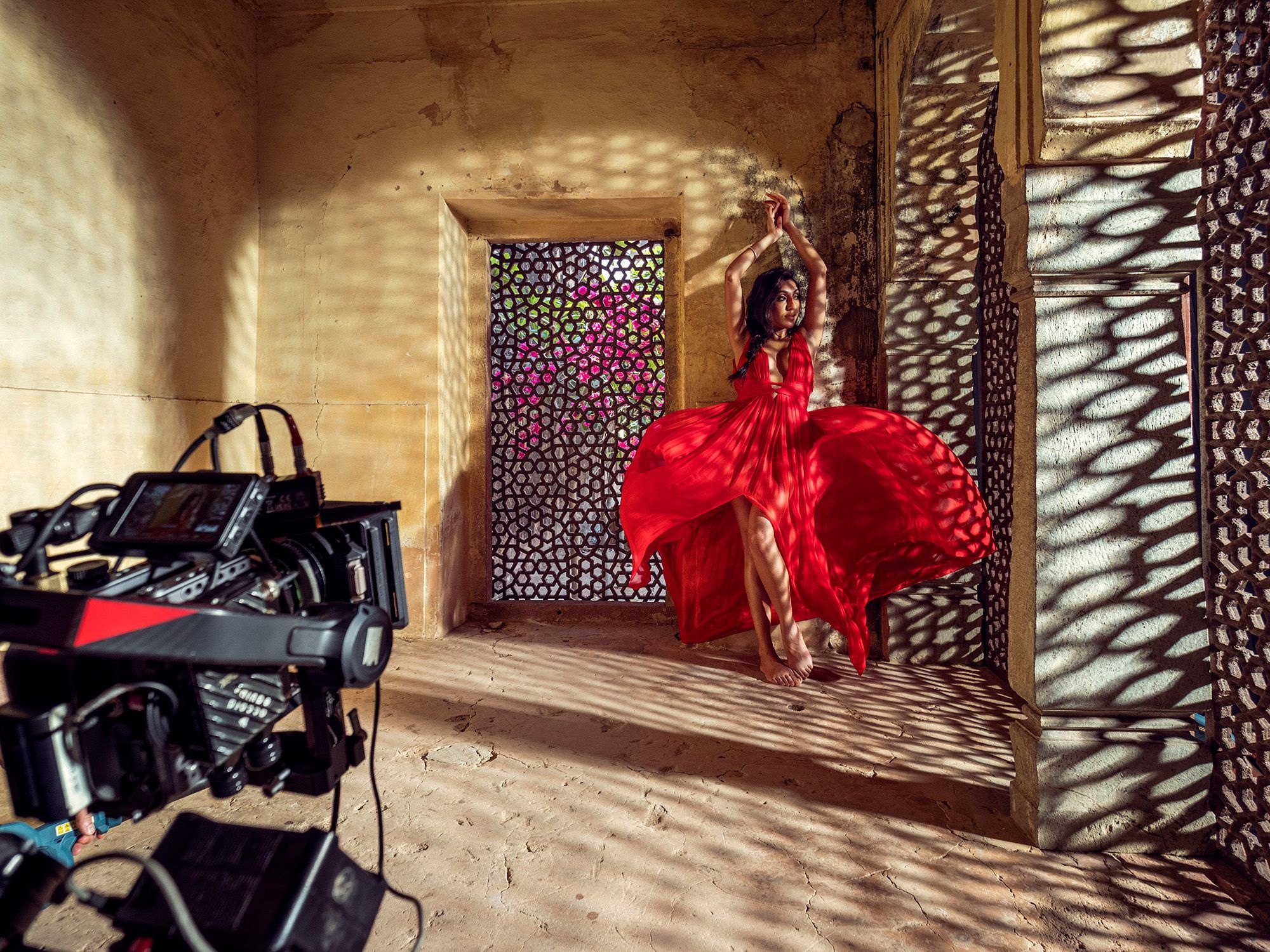
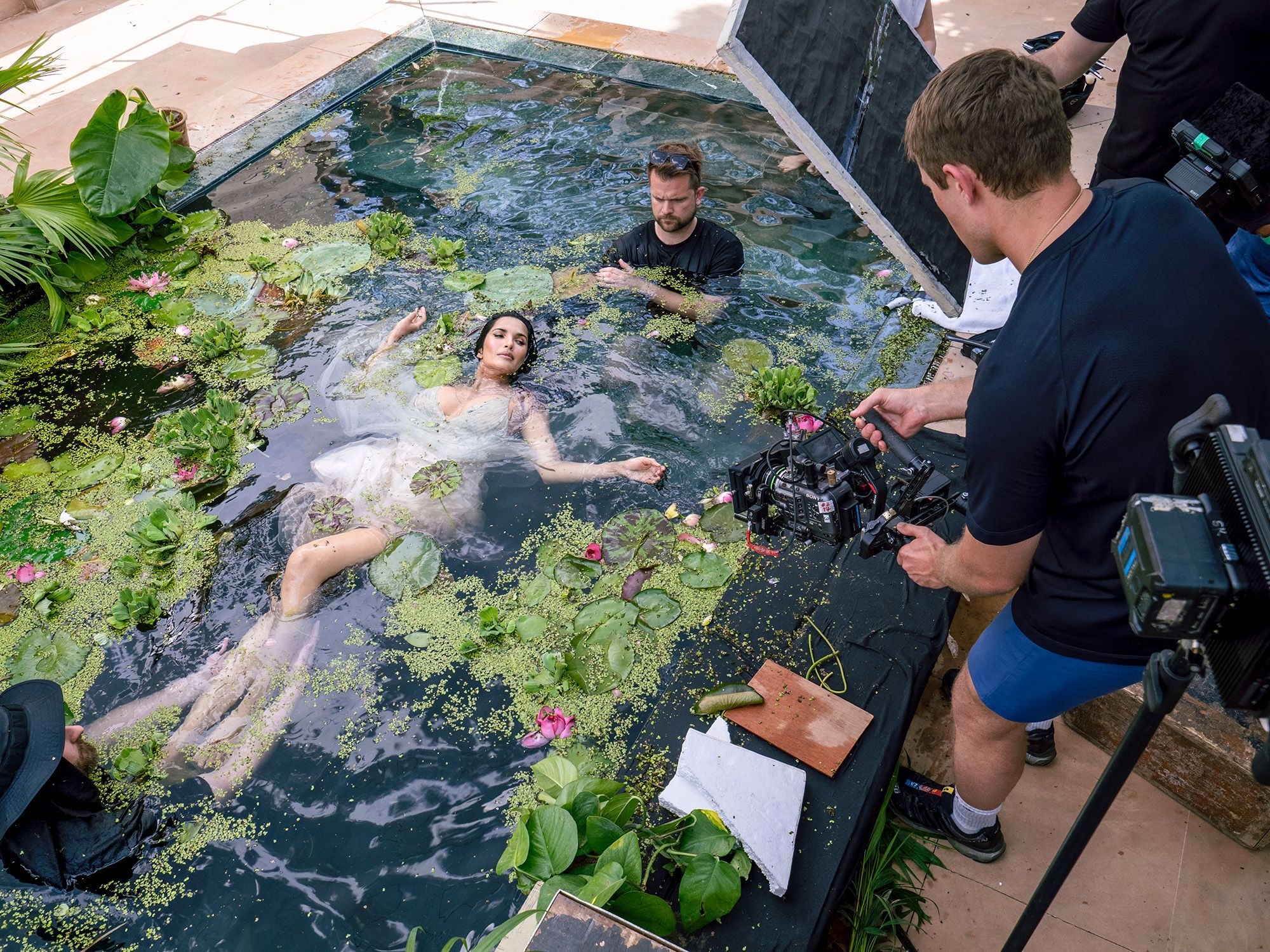
Photographs: From the backstage of the Pirelli Calendar 2027 by Sølve Sundsbø and Raghu Rai with Avani Rai, picture by Alessandro Scotti

You may never get your hands on the Pirelli Calendar. Since its debut in 1964, there have been 52 editions of the calendar, with only 20,000 copies printed annually. But that’s not the only factor that makes the trade calendar published by the Italian tyre manufacturing company a sought-after collector’s item.

The Cal, as it is popularly known, has collaborated with some of the world’s most iconic photographers in the past—Annie Leibovitz, Helmut Newton, Richard Avedon, and Robert Freeman, to name a few. Its subjects spanned a roster of icons who defined a generation—from the Beatles in the early years and a line-up of supermodels in 1994, including Cindy Crawford, Helena Christensen, Kate Moss, and Karen Alexander, to the 2023 edition, Love Letters to the Muse, shot by Emma Summerton, in which 14 models embodied the extraordinary women leading the worlds of art, literature and science through the Australian photographer’s signature dreamlike imagery.

The protagonist of the 2027 Pirelli Calendar is unprecedented: India. And for the first time in its 64-year history, The Cal is told through two photographers—Avani Rai, who stepped in to realise the vision of her father, Raghu Rai, after his death in April; and Norwegian fashion photographer Sølve Sundsbø, who shot last year’s edition, Elements, which explored the connection between humans and nature.

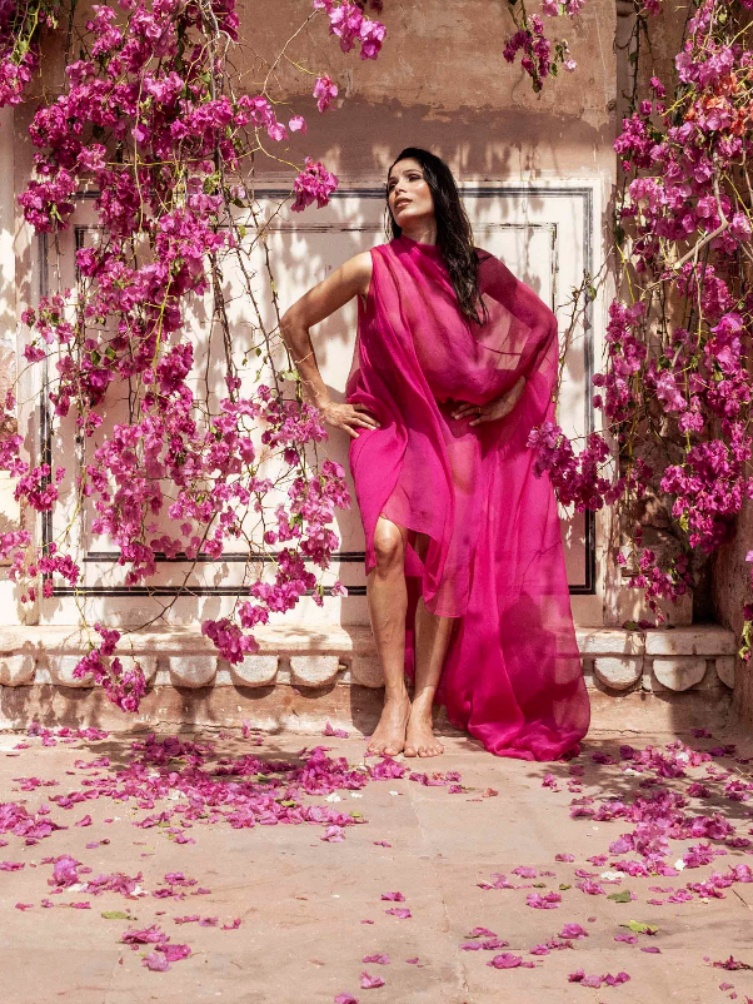
Between them stand the calendar’s nine star subjects: musician Anoushka Shankar, poet Rupi Kaur, models Padma Lakshmi, Bhavitha Mandava and Lakshmi Menon, actors Freida Pinto, Aditi Rao Hydari, and Avantika Vandanapu as well as Rai herself. In addition to these high-profile Indian women from music, fashion, literature, and film, this year’s roster also includes regular women living their day-to-day lives.

The result is a fashion portrait of India that refrains from reducing the country to a single story.

“Pirelli wanted an India-focussed calendar for a long time,” says Sundsbø. “It’s lovely that it’s been approached this way [with two photographers], because with India there’s so much going on, and different perspectives are vital.”
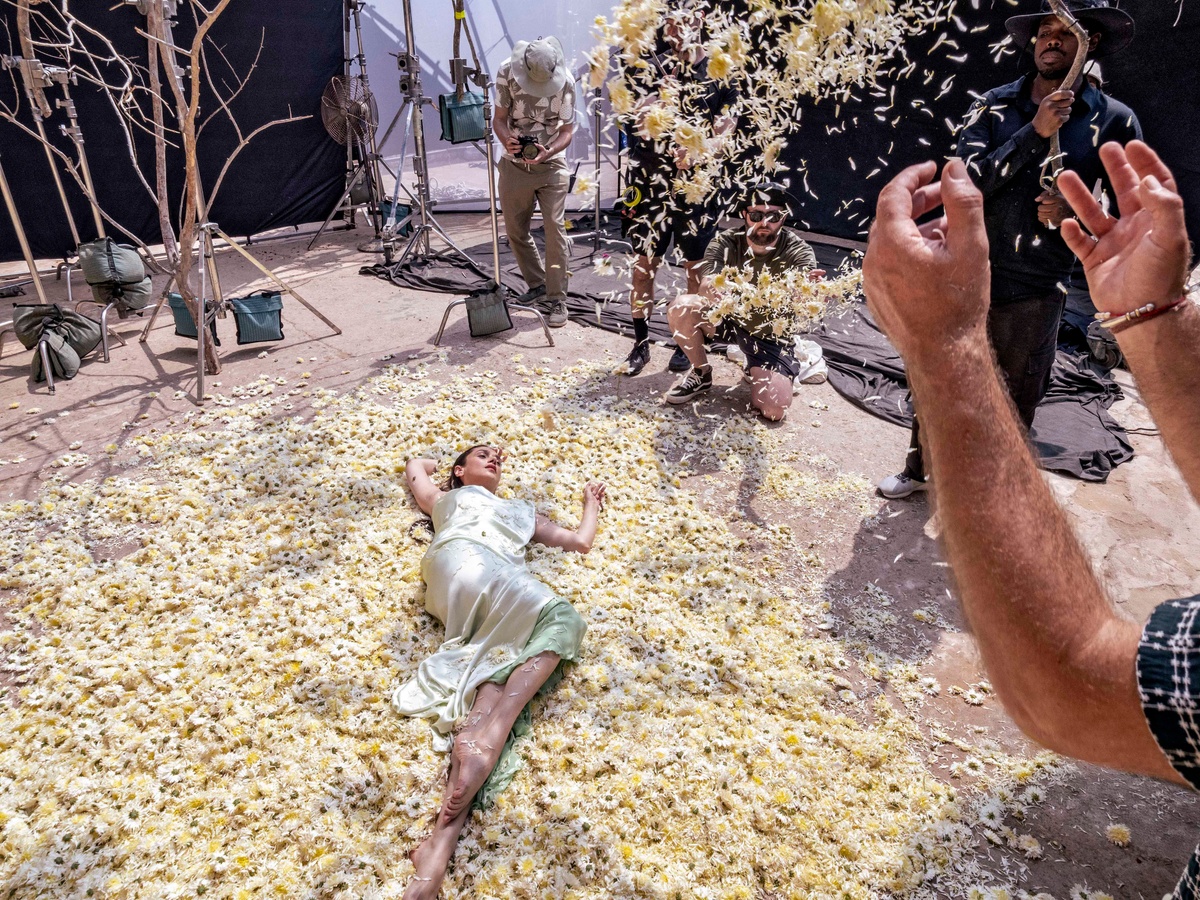
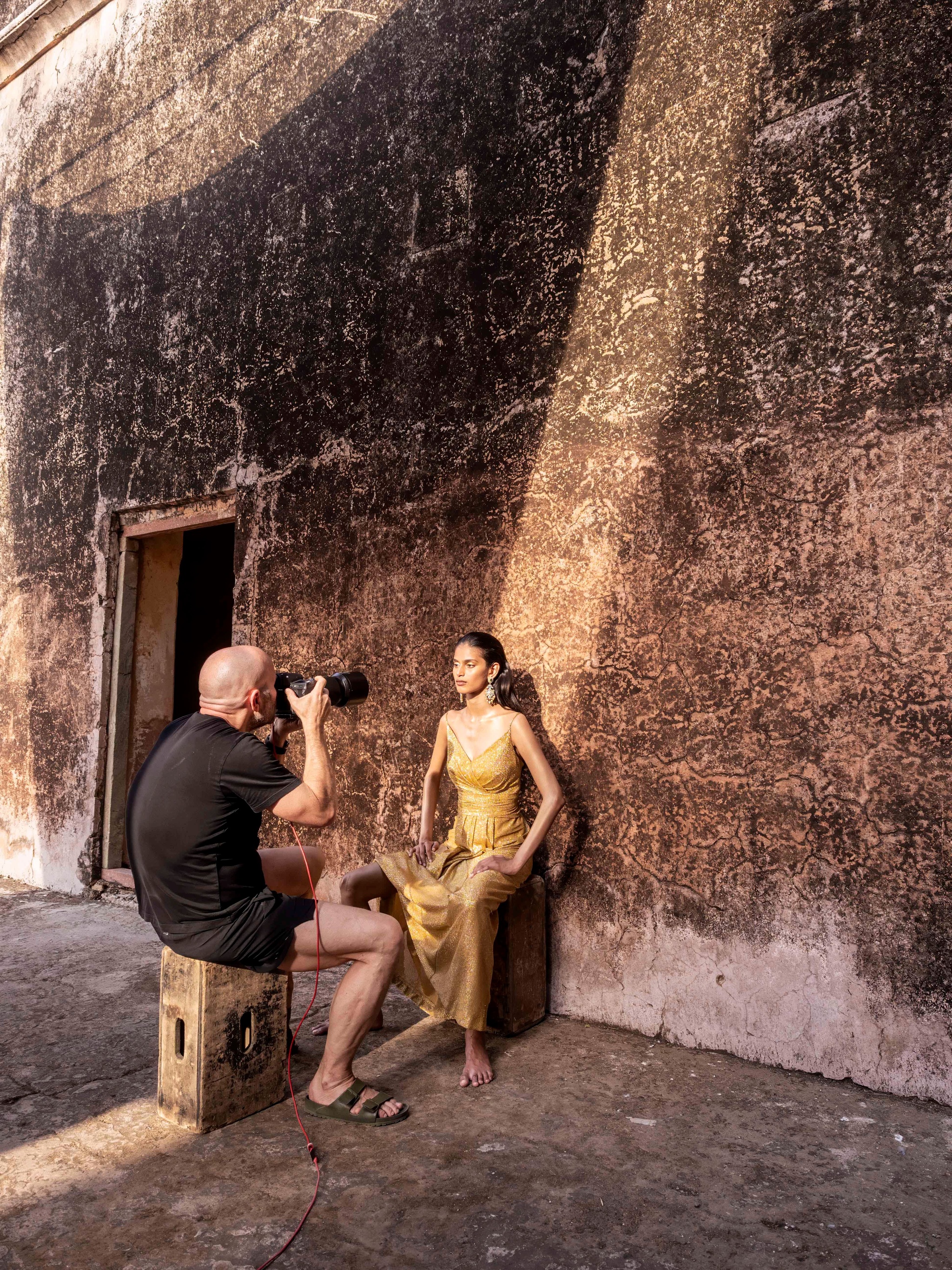
When Pirelli first approached him, however, his first instinct was to say no; Sundsbø felt that, given his Norwegian background, it wasn’t appropriate for him to capture India for the project.

It was only when he learned the project would be a collaboration with Raghu Rai that he changed his mind. “I knew his work very well. It’s a bit like how if you’re a writer you know Arundhati Roy.”

Rather than attempting to document India itself, Sundsbø focused on its people. “I focused on doing portraits, because you don’t have to be from anywhere to do them.”

Avani Rai, meanwhile, was faced with the unique challenge of completing her father’s work for the calendar after his death in April, midway through the project. It was a deeply personal undertaking, shaped by her father’s decades-long relationship with India.

The two photographers worked in tandem from different cities, sharing ideas while remaining visually distinct. Sundsbø photographed subjects in Rajasthan’s Jaigarh Fort and Ajabgarh, while Rai turned her lens towards the streets of Delhi—the city her father spent decades documenting. That duality creates the calendar’s unique visual harmony. Sundsbø’s images celebrate individuals, while Rai’s photographs immerse themselves in the rhythms and chromatics of everyday India. The shoot was completed in an impressive four-day period in May.

For Avani Rai, the assignment was about far more than completing an unfinished commission. “This project has been so personal to me,” she says. “Forget the glamour around it; I’m doing something my father started and I’m getting to do it my way. That means I’m getting to be me and I’m getting to be his daughter too.”

Does she feel pressure to preserve her father’s legacy? Rai immediately counters, “No. It’s about finding my own voice because his vision is very much alive. He doesn’t need to be preserved. He shot everything he ever wanted to when he was alive.” Rai raises her hands to her face, imitating holding a camera and explains, “I’d be looking at his frame and then suddenly it was me, in the present, standing in that very frame.”

It feels like a wider metaphor for life itself. We’re all, in some way, stepping into one another’s frames. Rai believes the project only works because two perspectives, Sundsbø’s and hers, co-exist.

Working alongside Sundsbø also gave Rai the opportunity to engage with someone whose perspective on India differed from her own. For her, that contrast became one of the project’s greatest strengths. “His point of view is different, and that’s good because you can only have dialogue or a conversation with someone who has a different view on things, right?”

The same philosophy runs through the casting. Alongside globally recognised names, the calendar also features people with no public profile. This reflects Rai’s belief that India’s story belongs as much to its ordinary citizens as its cultural icons. “The idea is to shoot the people on the streets with the same dignity that you would shoot a businessman. All the people here have something more than just pretty faces,” she says.

For Anoushka Shankar, being invited to join the group felt significant for that exact reason. It was not just about appearing in the calendar; it was about what it represented. “When I found out the focus was India and Indian women, I just thought getting to be a part of that would be really special.” She add, “I’m alongside incredible actors, poets, and models. That’s something that Pirelli does in a really interesting way and has done for a few years. What I bring maybe is just another angle of what India is. That feeling of tradition evolving.”

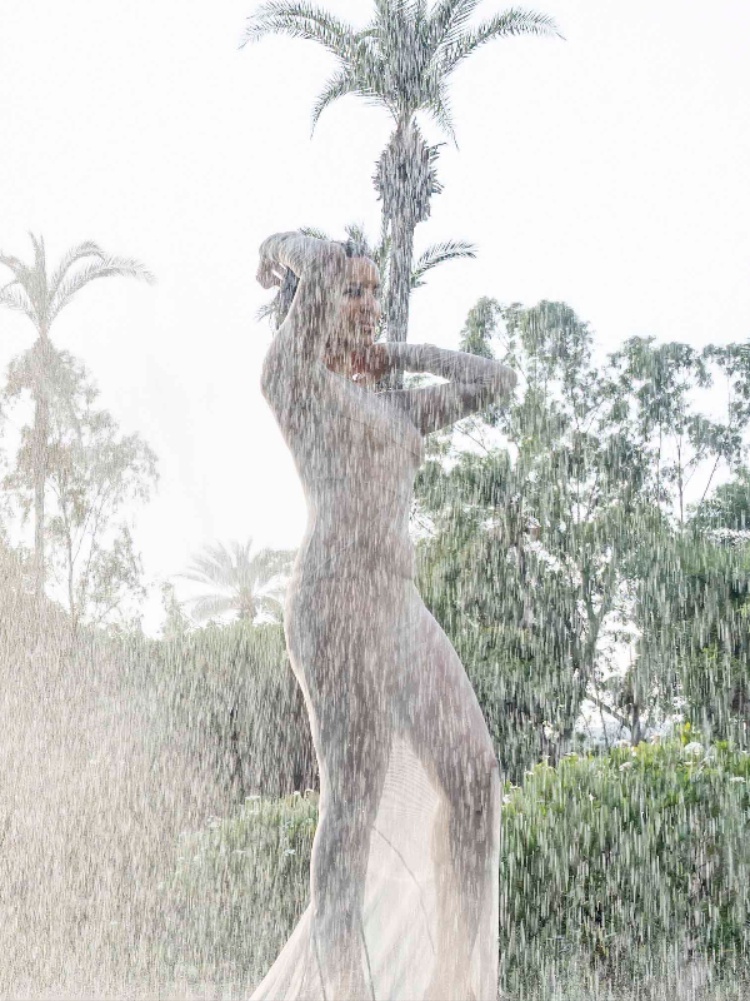
Photographed by Sundsbø in a sheer Rick Owens dress while dancing in the rain, Shankar’s portraits capture both fashion and freedom. But she believes the most important creative decision happened behind the camera. “I’d never shot with him before, but I knew him and I loved his work,” she says. “So, for him to work with a seminal Indian photographer and have that internal gaze on the country is important. Ten years ago that wouldn’t have been the case.”

Which raises the obvious question: why India, and why now?

“My cynical side is that it’s economic,” Shankar says. “There’s pride in being Indian. Indians themselves are taking up space and pushing boundaries and showing up in fields of film, music, design.”

It sidesteps the clichés of trying to define the country through a single lens. Instead, it embraces a beautiful collision of perspectives and what Rai calls “the civilisation, the multitude and the multi-existence of life itself”.

While the project feels more progressive in its theme and approach than previous years, maybe Pirelli could have been braver with its casting, showing us a wider spectrum of ages and backgrounds instead of faces that are still overwhelmingly conventionally “beautiful”.

Ultimately, when India is the protagonist, the most important creative decision is who gets to tell its story.

The Nod Newsletter

We're making your inbox interesting. Enter your email to get our best reads and exclusive insights from our editors delivered directly to you.