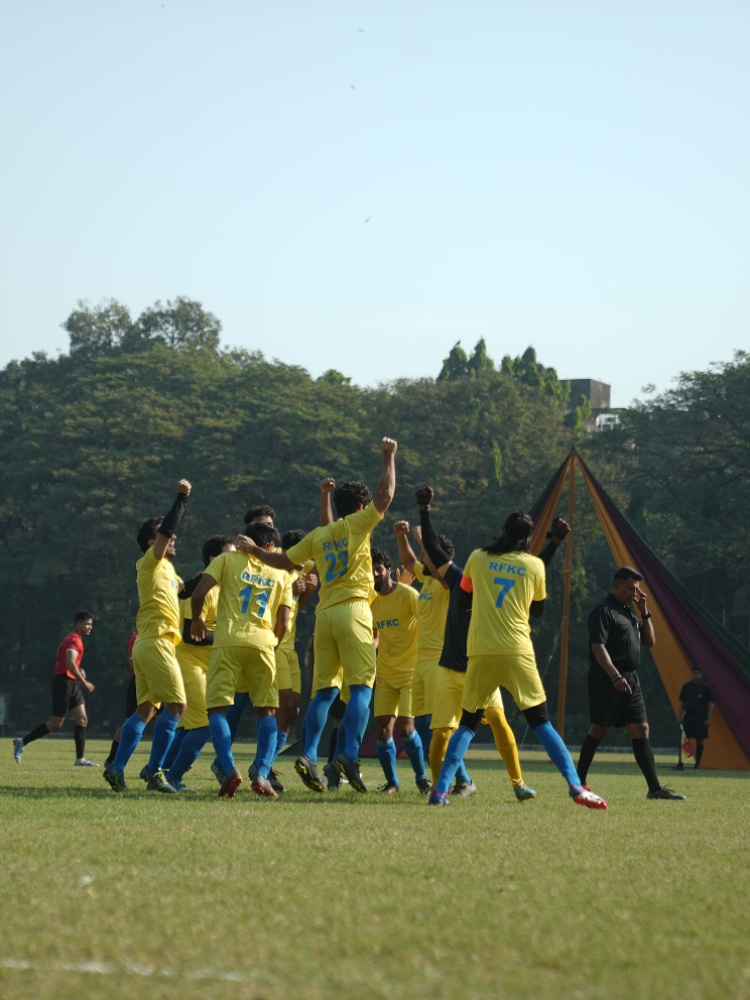
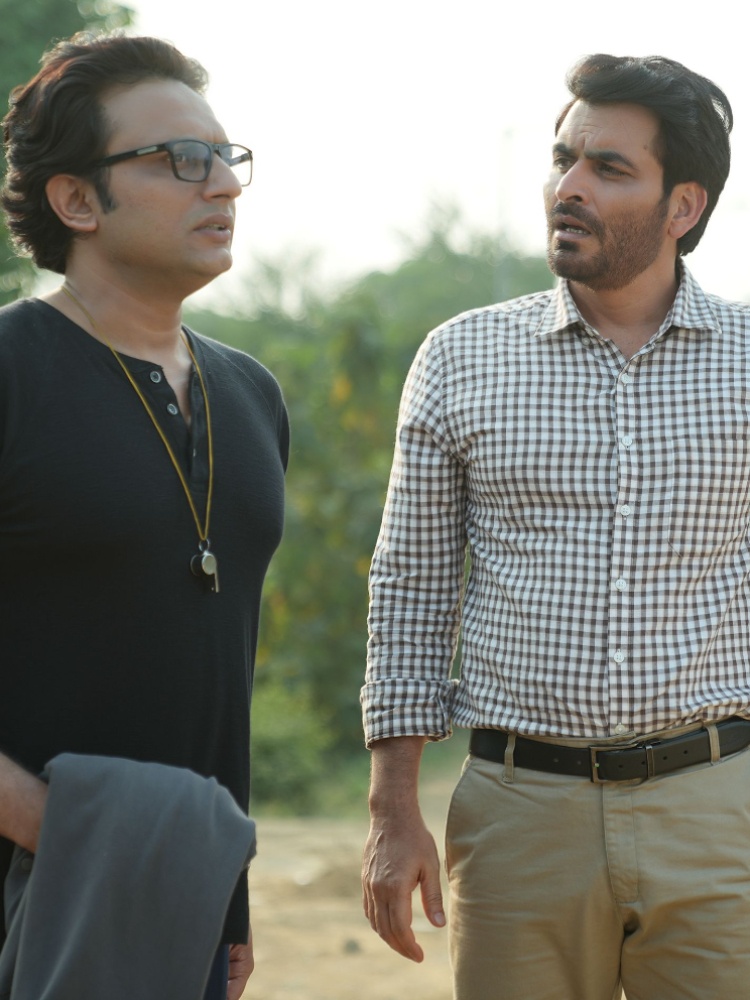
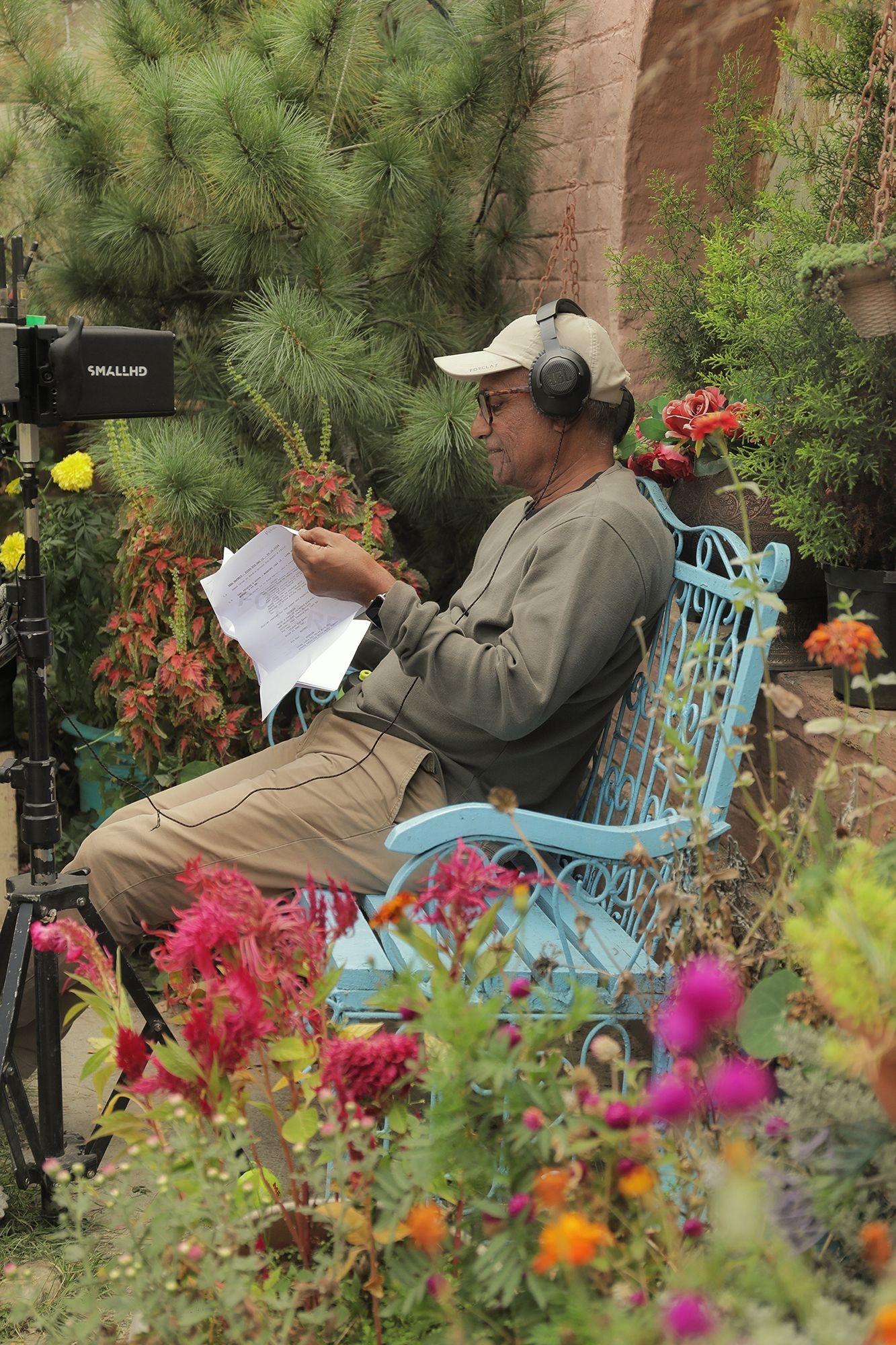
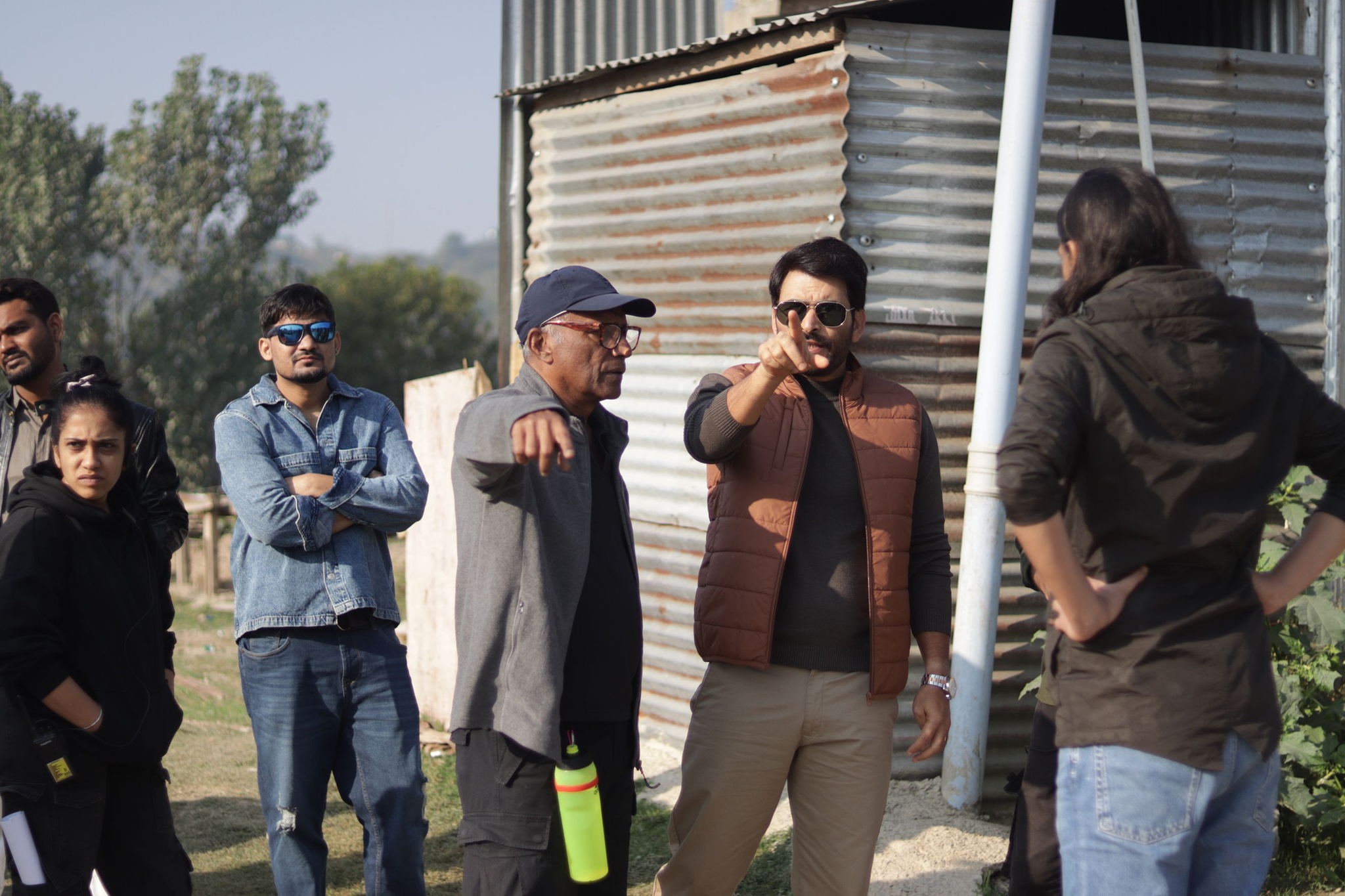
The series follows two dreamers, journalist Shamim Meraj and businessman Sandeep Chattoo, and 20 underdog players attempting to build a professional football club in Kashmir. Inspired by the real-life story of Real Kashmir FC, it traces the unlikely beginnings of a team that emerged in the aftermath of the devastating floods of 2014. Meraj and Chattoo began distributing footballs to children after the floods. That small gesture eventually grew into a club, founded in 2016, bringing together people from different backgrounds around a shared ambition. In 2018, Real Kashmir became the first club from Jammu and Kashmir to earn promotion to the I-League, now known as the Indian Football League (the second-tier men’s professional club football division).
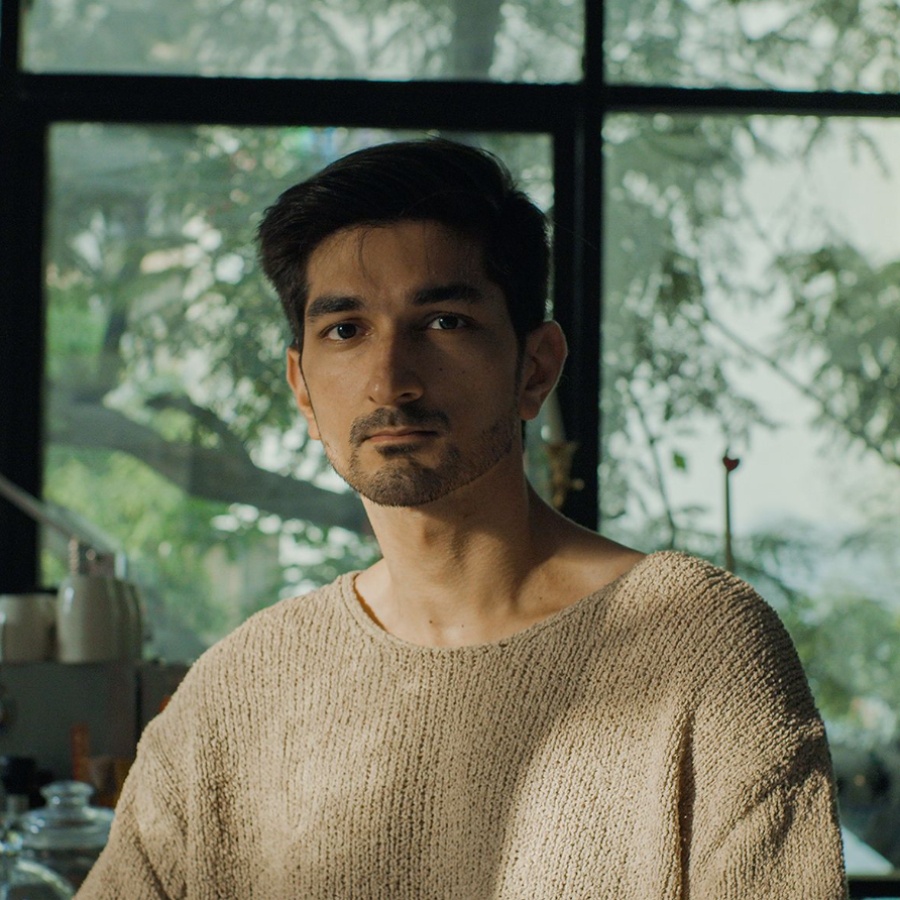
The story reached Mathai through its writers, Simaab Hashmi and her writing team, who had discovered it and taken it to producer Vishakha Singh. The director says he did not need much persuading. “I need no convincing on two things—any story about an underdog, any sporting story that builds hope. It was the other way around. I had to grab it and not let it go.”
The show follows the founders as they try to turn that ambition into something tangible. They need money, a coach, a squad, and the players required to meet the league’s eligibility criteria. Recruiting local star Shah proves difficult, particularly because of his history with the coach, Mustafa. The team travels to Delhi for a qualifying tournament, where its plans begin to unravel. Players lose confidence, tensions build between the founders and the coach, and the arrival of an international coach, Douglas, brings another round of disagreements. By the final episode, the club faces a match against a security forces team at a local cantonment, raising questions about whether the players should take the field at all.
There is plenty of sporting drama, but the series is equally interested in the young men who make up the team. In a place where unemployment and limited opportunities can leave young people with few avenues to pursue, football offers a sense of purpose, a routine, and the possibility of building something together. The club’s story is about what happens when a community decides to invest in its own potential.
Mathai has been a sports enthusiast all his life. He played rugby, which he says gave him an understanding of the particular demands of team sport. He still prefers rugby, though he follows football and supports Barcelona. The underdog narrative, he argues, is hardly exhausted. He reaches for Rocky as an example of how enduring the sporting outsider’s story can be. “A sporting underdog story never goes out of fashion,” he says. “Whoever you support, they go through ups and downs. So, sporting stories have a natural ability to take you on a ride.”
It is a curious gap in Indian screen storytelling. We have had Chak De! India (2007), Lagaan (2001), and Dangal (2016), but football has rarely received the same attention despite its passionate regional followings. There have been films such as Dhan Dhana Dhan Goal (2007), alongside the Malayalam hit Sudani from Nigeria (2018). A notable exception is Atlee’s Tamil blockbuster Bigil (2019), starring Vijay, which revolved around a women’s football team. In Bengal, Mohun Bagan and East Bengal command generations of loyalty, Kerala has the fervent support of Kerala Blasters fans, while Bengaluru FC, FC Goa, and NorthEast United have built their own communities. The sport has an audience, but it has struggled to attract the commercial machinery that surrounds cricket and the IPL. Indian football clubs and leagues have repeatedly faced questions around sponsorship, funding, and financial sustainability.