Brief Encounters18 Nov 20264 MIN

Meet the Indian filmmaker whose film about AI caught Andrew Scott’s and Priyanka Chopra’s attention

Pranav Bhasin, the director of ‘We Were Here’, talks about the films and filmmakers shaping his humour, his relationship with AI, and bringing a Mumbai story to film

Pranav Bhasin We Were Here

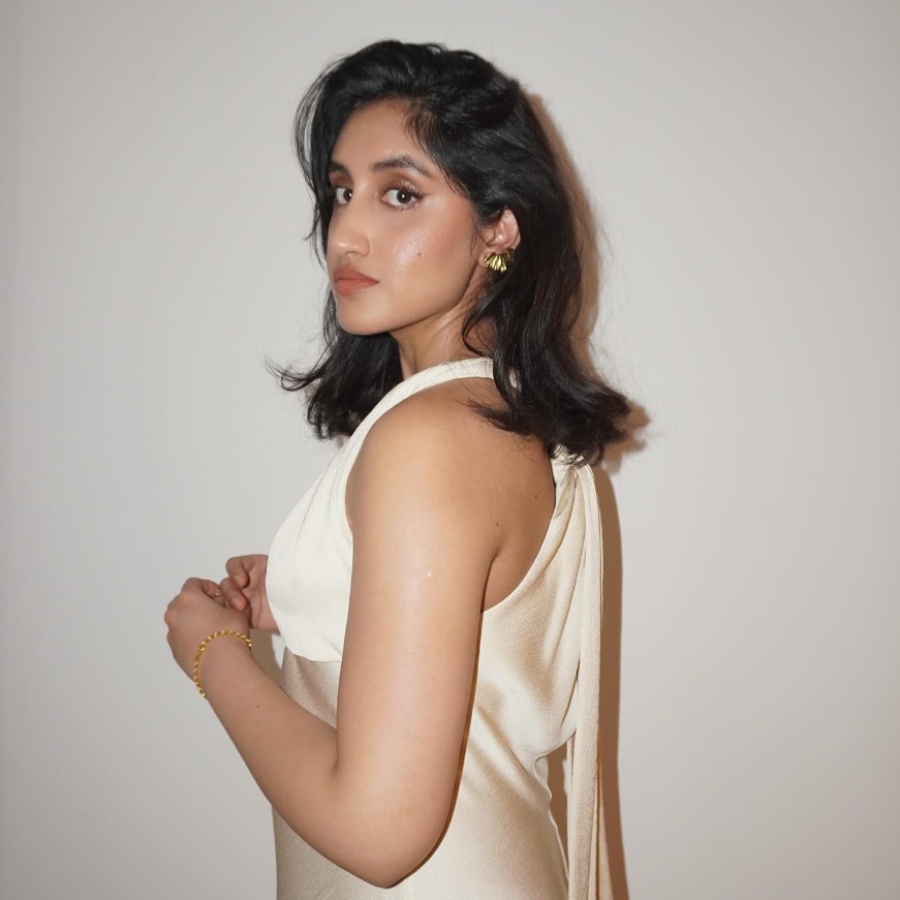
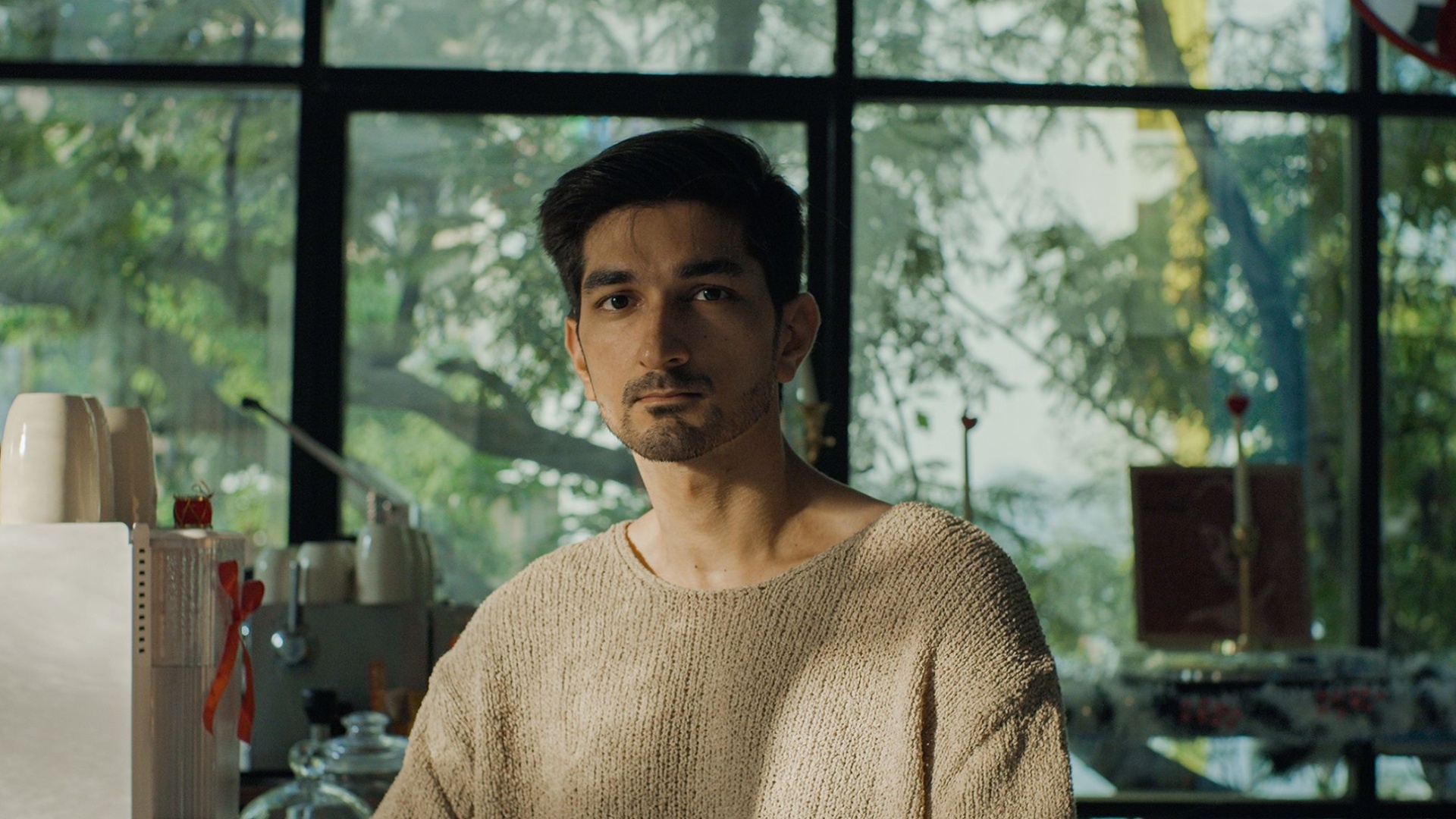
Photographed by Varun Kanakia

Name: Pranav Bhasin

Age: 29

Profession: Filmmaker and musician

Location: Mumbai

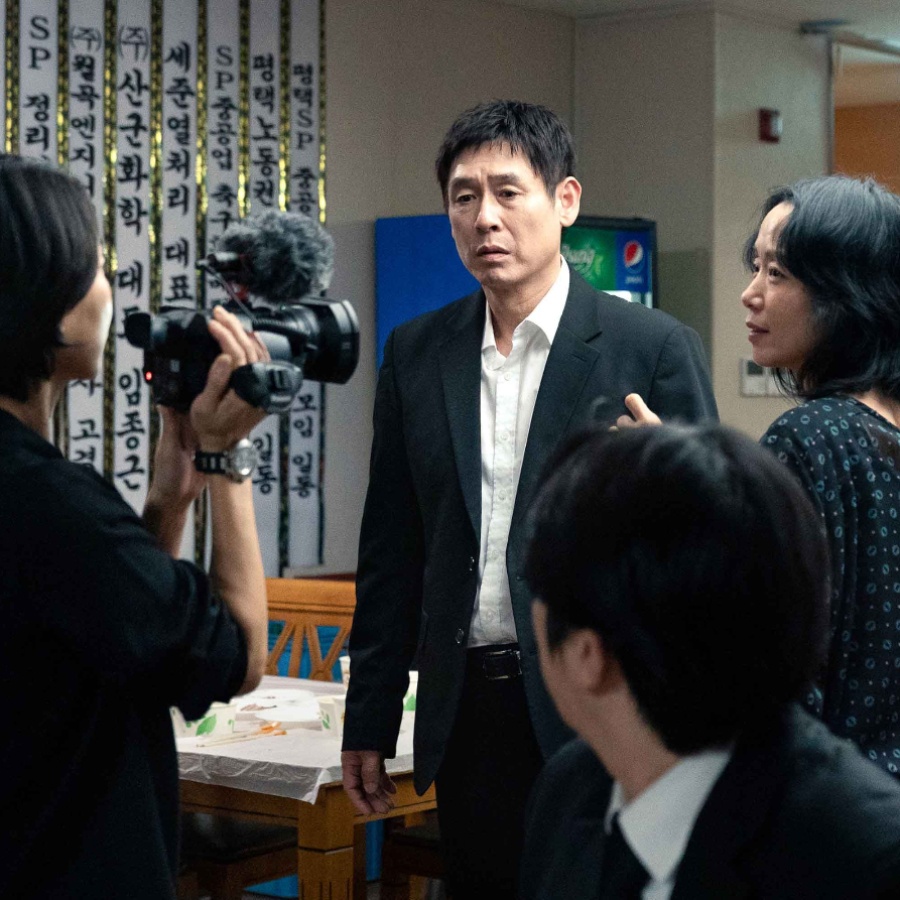
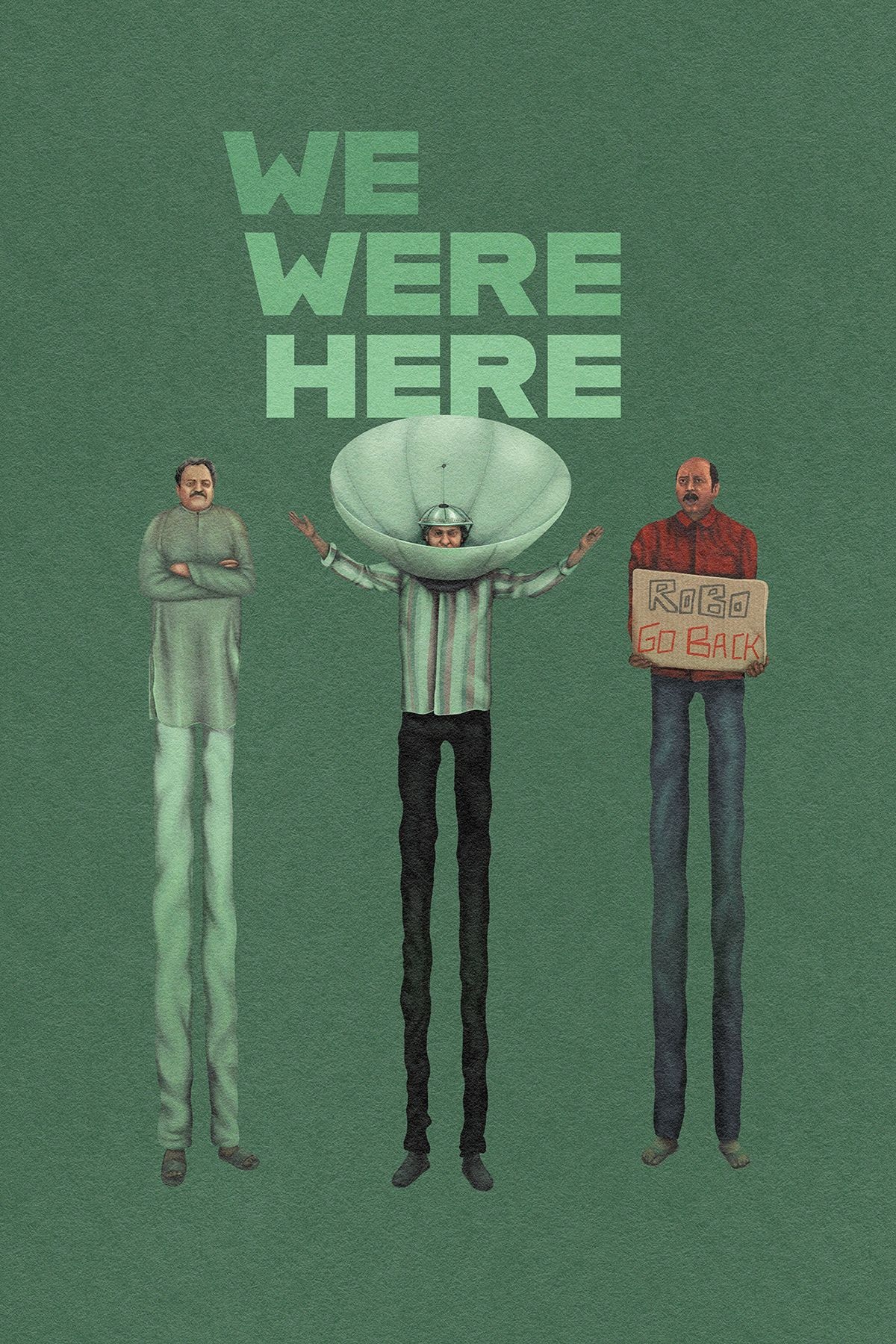
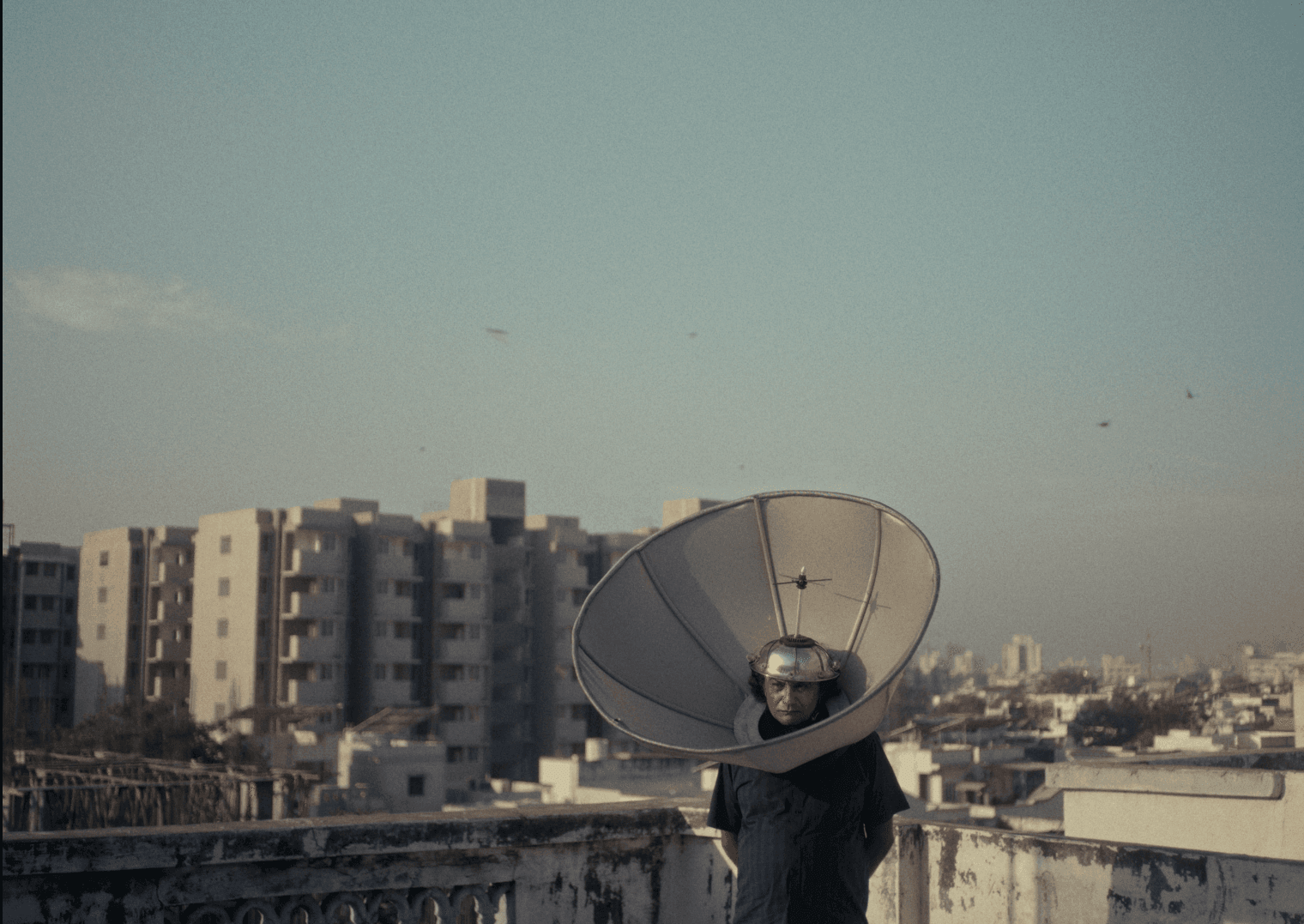
Why you should know him: The Mumbai-based filmmaker has made We Were Here, an 11-minute mockumentary about three retired men who take on AI replacing human jobs by disguising themselves as appliances, like a dish antenna and a rear camera. What began as an idea in 2023 has now become an Oscar-qualified short, with Andrew Scott and Priyanka Chopra Jonas among its executive producers. The film has also picked up international recognition, including an Audience Award at SXSW. Bhasin, however, has been making things for a while. His work spans commercials for Netflix, Volkswagen, and Bumble, music videos and visuals for artists such as Prateek Kuhad, as well as music projects of his own. In fact, his track and accompanying music video ‘Screaming on the Fly’ (2023), which he wrote, composed, produced, and directed, was selected for SXSW’s Music Video Competition. With We Were Here bringing his filmmaking to a wider audience, he’s certainly one to keep an eye on.

Before the Reels, there was YouTube: “I’m 29 years old. I was handed a camera very early in life, and I’ve been making short films, sketches, music videos, and web series for over a decade now. I used to run a YouTube channel with my friends between 2012 and 2017. Through the work I did there, I eventually found my first directing gig with TVF (The Viral Fever). In 2016, I wrote and directed a five-episode comedy called The Insiders. It was my first time working on a professional set with a crew and an extensive 35-week schedule. I was also the youngest person on set, so it was quite an enlightening experience. I learned how professional sets function and how different they are from the intimate environment of making things with friends. I also played an iconic character called Dungeon Master in TVF’s Pitchers. No matter what I make today, there’s always someone leaving a comment about Dungeon Master!”

Growing up in the media business: “My parents were journalists at Zee News in the late 1990s and early 2000s. That’s where they met, fell in love, and started their lives together. When I was around two or three, my family moved to Mumbai without really having anything or any connections. I saw them trying to build something for themselves from a very early age. That’s the environment I grew up in. I got to meet a lot of people from the industry. There would be musicians at home and actors dropping by once in a while. It could all seem very glamorous, but I also saw the ups and downs of the media industry while growing up.”
His cinema awakening: “I grew up watching a lot of Bollywood, so surprise and entertainment were always at the centre of how I looked at movies. I still enjoy that. But one film I remember being completely blown away by was Aamir (2008), which my father was an executive producer on for UTV Spotboy. It was gritty, set on the streets of Bombay, and was a thriller. I’d never seen a film quite like it. It made me realise there was a whole world of cinema where you could make something incredibly realistic and still have it be moving and exciting. I think that was an important discovery for me.”

A robot, a rooftop, and a rather odd idea: “It started with a very simple, silly idea. I imagined a man standing on a rooftop shouting “Robo, go back!” while wearing a costume. At the time, there was a widespread feeling that AI replacing human jobs was inevitable, so I thought someone doing that would be quite ironic. I shared the idea with a friend, who’s now a producer on the film. He told me I had to do something with it. Initially, I thought it was just a funny visual, but the idea stayed with me. As I started writing, I discovered a story about friendship, because this was something that could only happen through a collective of people. The more I developed it, the more depth I found in the story. It was fascinating that something so ridiculous could turn into something quite real and profound. I went through several versions of the second half before finding the right balance between absurdity and reality. My first draft was in 2023, and it took me a while to make because the idea was quite difficult to explain.”

The We Were Here moodboard: “Seinfeld was definitely one of my influences. It showed me how absurd people are. The characters are constantly defiant towards the world they inhabit, and their environment is equally absurd. That constant interplay is something I get very excited by. I also love Martin McDonagh. His film In Bruges, about two assassins sent away to this supposedly romantic city they absolutely hate, is wonderful. I love the way their friendship unfolds in that setting. Then there’s Fleabag, which Phoebe Waller-Bridge created. I think it’s so, so good. I also love Satyajit Ray’s Mahanagar. I’d always assumed his films would be quite artsy, but when I watched it I was blown away by how well he understood what it means to live in a contemporary world. And finally, Nathan Fielder. He’s a huge inspiration. I love his humour.”

We Were Here Pranav Bhasin
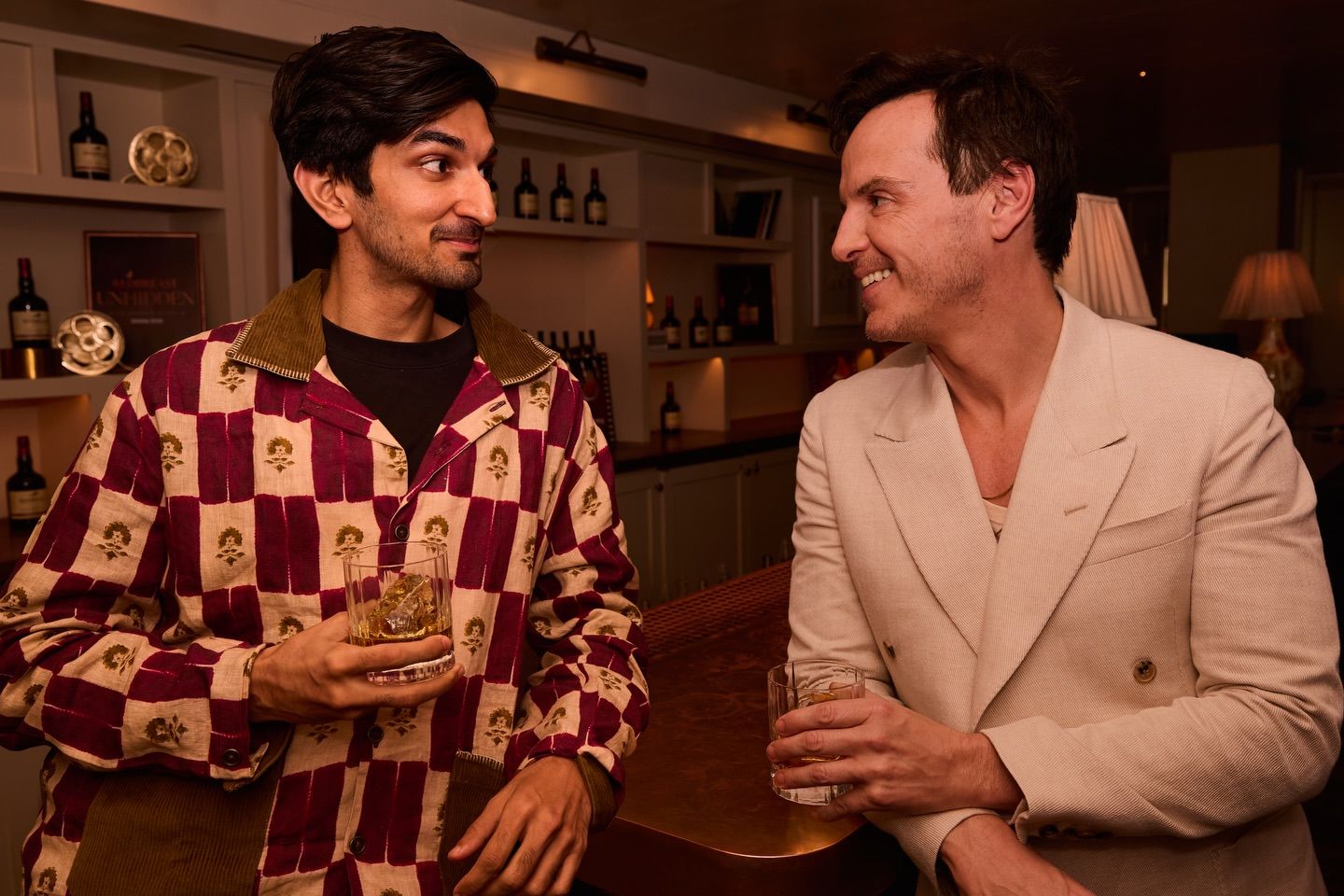
 Andrew Scott came on board as an executive producer on Bhasin’s Oscar-qualified mockumentary after watching it at SXSW

The art of workshopping an idea: “I have things in my iPhone Notes all the time, a mix of completely random thoughts. I’m quite scared of facing a blank page on professional screenwriting software, so I almost never use it until I absolutely have to. I write on my iPhone Notes for as long as I need to, because I feel ideas are more liberated that way. Then I’ll workshop them, talk to my friends about them, and give them time.”

To AI or not to AI? “I use AI as an assistant. I use ChatGPT and Claude for everyday tasks, random things, and stuff I don’t particularly care about. Like, I once asked Claude for help figuring out how to bring an iPhone from Los Angeles to India and navigate customs rules.”

Can a chatbot fix your love life? “I know at least two friends who use it to get over breakups or for therapy. I think that’s really messed up. I have one friend who struggles with communication. She feels things very strongly but doesn’t know how to express herself, so she uses ChatGPT to make sense of her words. That can be helpful, but AI can also gaslight you quite a lot. I think she’s fallen into some traps because of that.”

A little advice from the ‘Hot Priest’: “He [Andrew Scott] is so good. I remember him saying that even if the thing you want to make isn’t necessarily accepted or popular, you have to express it exactly as you envision it. As an artist or creator, you’re walking an unknown path, hopefully showing the way for people who might follow you. You have to be brave enough to do that.”

The dream collaboration: “I’m very in love with and inspired by Hiro Murai. He’s a Japanese-American filmmaker who directed Widow’s Bay and several Childish Gambino music videos. And if I were a musician, I’d love to work with Fred Again.”

A Mumbai story waiting to happen: “I’m working on a feature film. I’ve been developing it for a while. I grew up in Mumbai, and I don’t think there have been many films in the last 10 to 15 years that depict the way I experienced growing up here. I want to make something for that part of me and for my friends who might have felt the same way.”

A go-to Mumbai haunt: “Project Hum.”

The Nod Newsletter

We're making your inbox interesting. Enter your email to get our best reads and exclusive insights from our editors delivered directly to you.