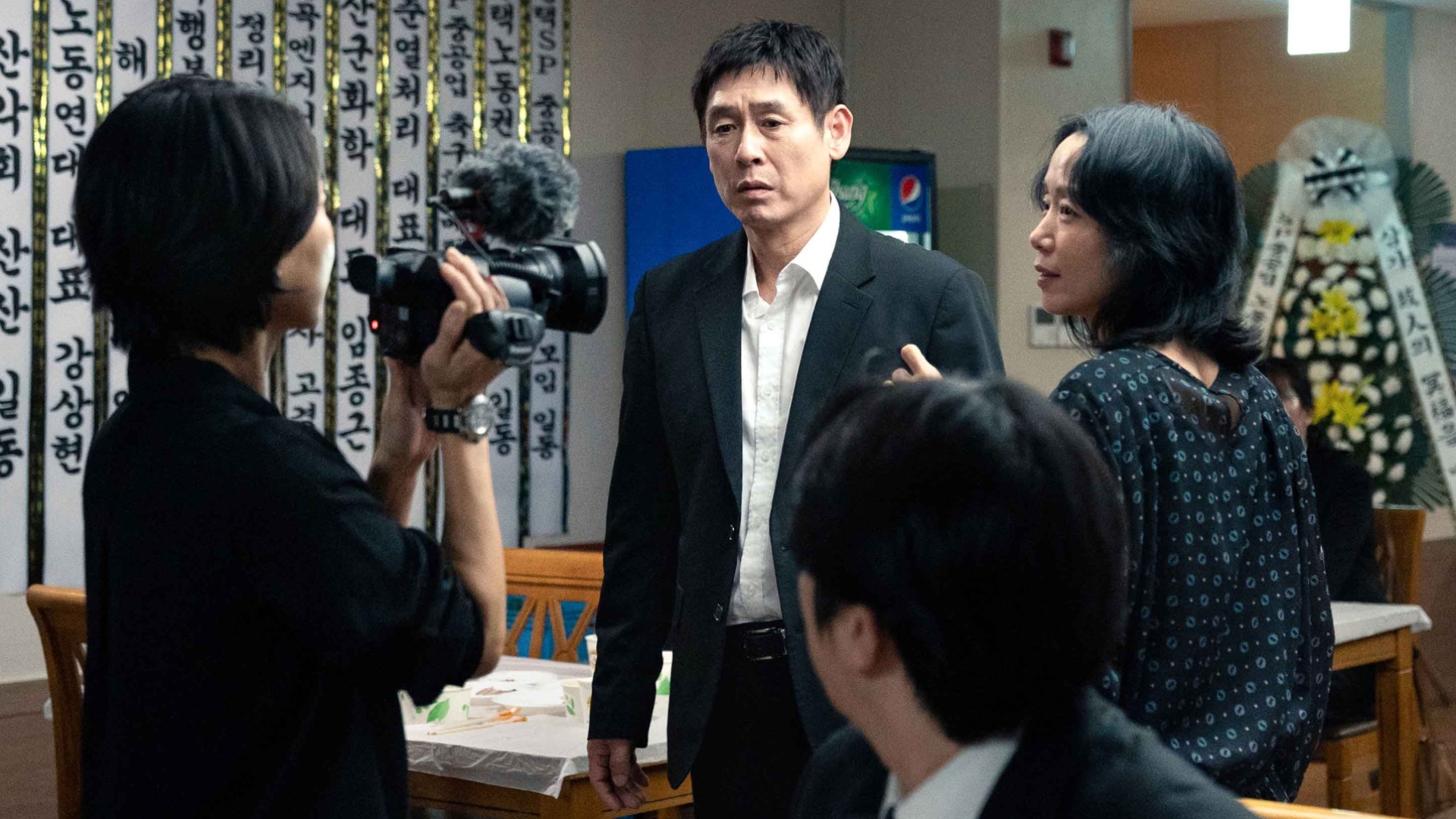

Just to make one thing clear at the outset: contrary to what some reviews say, Possible Love is not 2026’s Parasite. There are two couples/families at the centre of each, and both films explore the many forms that class differences can take. But whereas Bong Joon Ho’s Parasite culminated in the most bombastic of possible consequences, Possible Love is quieter, gentler, and urges you to sit with it instead of recoil in shock and horror.
Directed by acclaimed filmmaker Lee Chang-dong, who gave us 2018’s Burning, Possible Love won the Silver Lion Grand Jury Prize at the Venice International Film Festival when it premiered in September this year. The film revolves around wife and husband duo Mi-ok (Jeon Do-yeon) and Choi Ho-seok (Sul Kyung-gu). The couple are dealing with the aftermath of a strike that the factory workers of SP Heavy Industries participated in two years ago after several of the factory workers, including Ho-seok, were laid off. Ho-seok has now turned quiet and inward and developed a drinking problem, and Mi-ok, who works in a factory manufacturing protective face masks, is struggling to get him to open up and attend therapy.
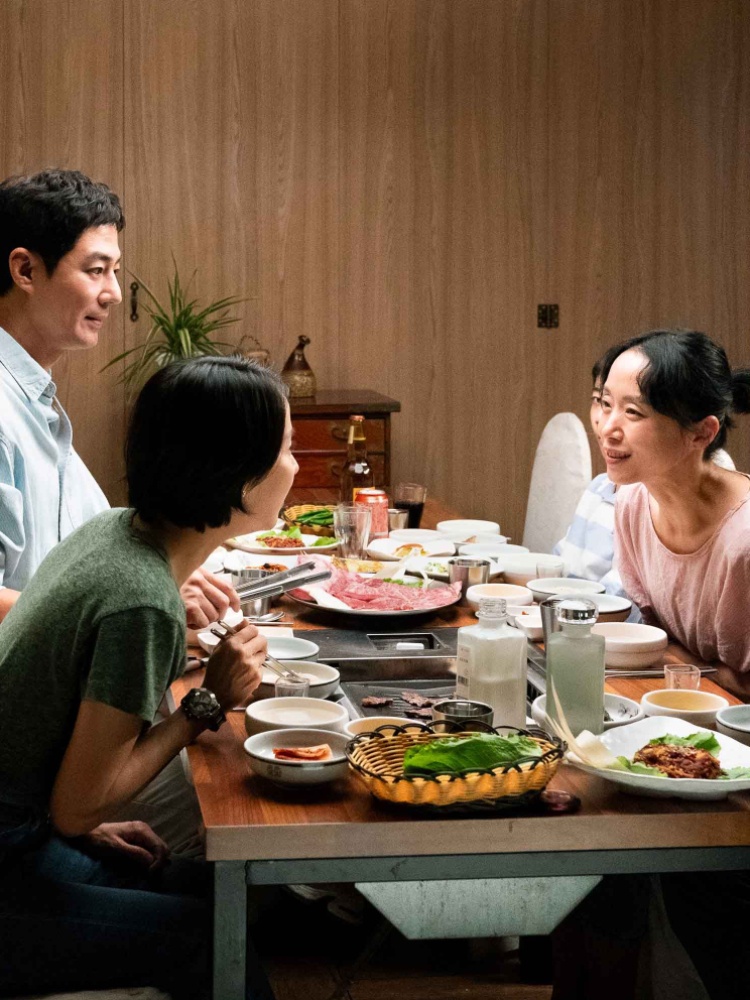
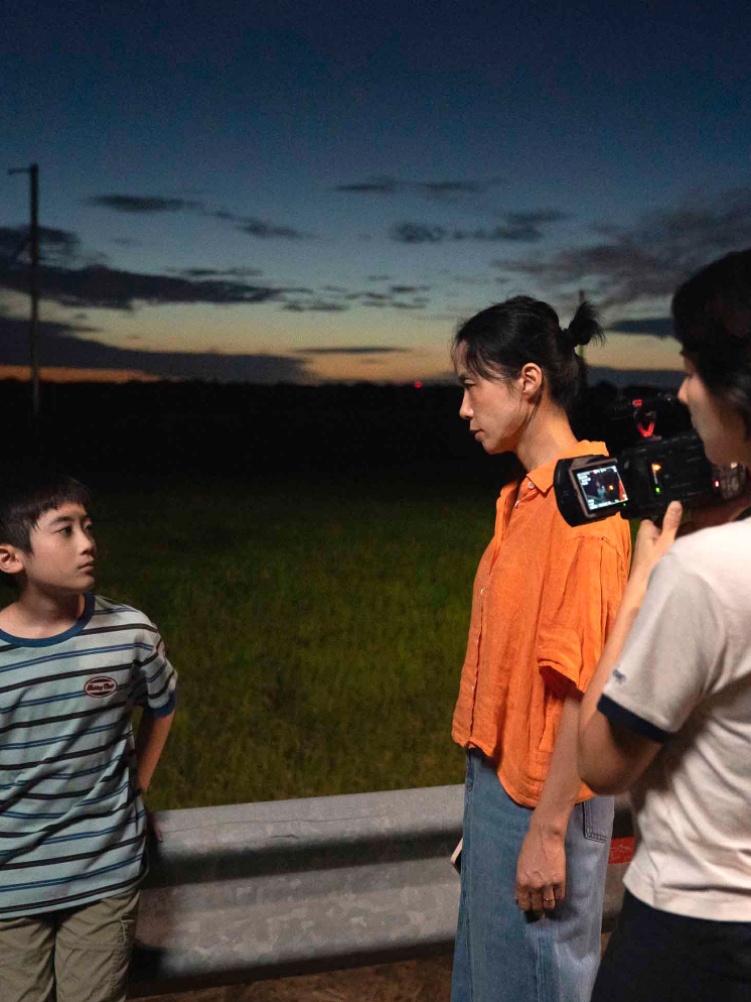
Then there’s Lee Ye-ji (Cho Yeo-jeong), an independent filmmaker, who wants to shoot a documentary on the laid-off workers and quickly determines Ho-seok and Mi-ok are the people who can lend her film the pathos it needs. Ye-ji is married to Sang-woo (Zo In-sung), a wealthy hedge-fund guy in linen shirts, who is around to offer every support to Ye-ji, though he stops short of funding her film.
Mi-ok and Ho-seok have a son, Cheol, a sombre 10-year-old who watches the adults around him with a combination of understanding and incomprehension. He catches Ye-ji in a lie once, but his expression betrays nothing and you see him mentally filing it under “things grown-ups do”.
Mi-ok is excited by the possibility of being in the film and sees some value in their story being out in the world. She proves the perfect subject: willing to talk openly and honestly about the family’s plight, understanding of Ye-ji’s demands on her time, space, and most private moments. There’s a scene where Mi-ok and Ye-ji are meeting in a cafe and Mi-ok is recounting an anecdote from her childhood, of being fascinated by the sunlight shimmering on the water in the car wash where her mother used to work. “Could you say that again for the camera?” Ye-ji asks, always on the lookout for a filmable moment. Interrupted in her reverie, Mi-ok doesn’t flinch, doing as asked like a consummate actor doing a retake.
Ho-seok is more sceptical, conscious of the intrusions and Ye-ji’s predatory nature. Through Mi-ok we get to know why he built the marble benches in their garden—he wanted it to be the place where he and his colleagues would gather for post-work drinks, a plan that never materialised when they all lost their jobs. Later, he too starts opening up; when the real reason behind his deep-seated trauma and disillusionment comes out, it does so in front of Ye-ji’s lens.