
Indian satellite channel Star World began airing Friends in 1999, five years after its US debut and phenomenal success. But like many teens of my generation, I’d already scored pirated CDs from the US long before and continued my nefarious dealings in the happy peddling grounds of Delhi’s Palika Bazaar and Chennai’s Nungambakkam. The too-white, too-yuppie, too-cishet show was seriously addictive in my college years, and it’s a habit I haven’t kicked even as I hit middle age. My considerably developed political correctness does strike every now and then, but it’s a pleasure I refuse to forsake in these misbegotten times.
And Chandler Bing, the awkward misfit using humour as a coping mechanism while pioneering a ridiculously funny form of inflection where the emphasis is on the wrong word, is my pick of the perfect ensemble. I am far from alone in this favouritism. Without him, Friends would lack the ironic distance that keeps it cool and sardonic despite its ‘90s sentimentality and noughties neatness.
Ironic distance is exactly what the recently released Netflix docuseries The One With Matthew Perry dispenses with summarily. Instead, we get a necessary, if too lengthy and sanitised, memorial. People who loved him need to get this off their chest, and fans aren’t complaining.
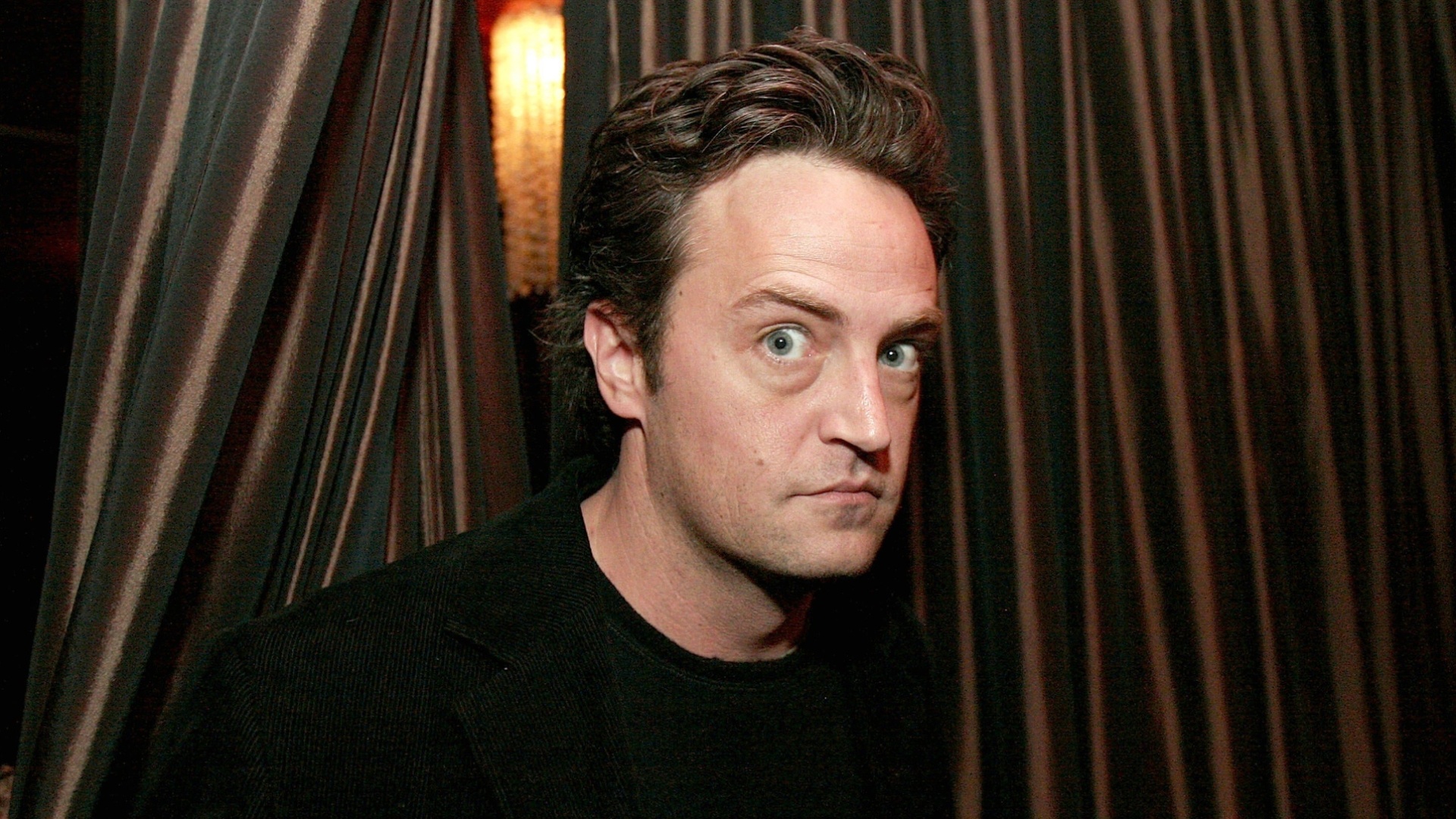
Here’s the chronology. The iconic sitcom ran from 1994 to 2004, with Perry’s character, Chandler Bing, universally admired for his wit and comic timing. While Friends was being shot, Matthew Perry fell into a pattern of addiction and rehab, which he would never shake off. In May 2021, the world saw him in Friends: The Reunion, with a combination of pity and fear—Aristotle’s recipe for tragedy. More reassuringly, he released his memoir, Friends, Lovers, and the Big Terrible Thing (Flatiron Books), in November 2022. The title sounds like a Roald Dahl scary story for grownup kids. Inside, you meet a man who is surprised he’s made it out alive of situations as gruesome as his innards exploding.
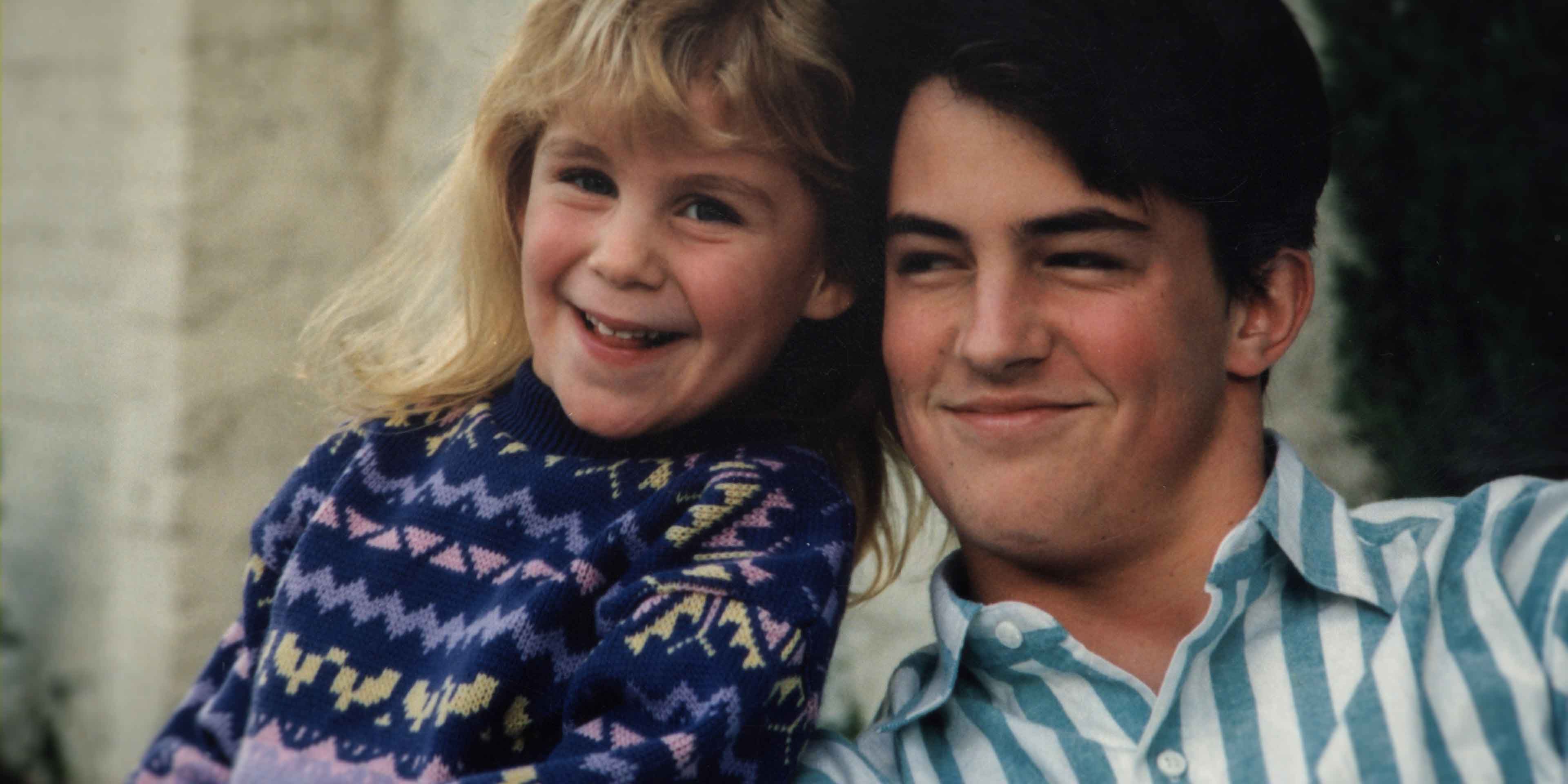
In October 2023, Perry was found dead in his jacuzzi aged 54, with ketamine overuse eventually being cited as the cause. And so, in three years, we got a much-anticipated reunion, an all-revealing biography, and a too-abrupt finale. That’s a lot of “content” to process. Let’s just say the boundaries between xennials and millennials were blurred by whisky and tears.
Having watched the Friends reunion special and read the memoir as soon as it released, I approached the three-part, and approximately three-hour-long, docuseries with trepidation. Matt Perry is a disturbing presence in both; there are questions about him that loom large, whether it’s how he’s treated himself or others right through his addiction years.
But why does this matter so much? Friends is a thread that runs through the different stages of my adult life; I forever seem to be watching it. In fact, I only stopped when I found out about Perry’s death. For a whole year, there was no space in my mind between the man who suffered and the character that amused. It hit me how Friends is in my DNA; it has subconsciously influenced my friendships (daily, silly, chatty) and speech patterns (could I be more obvious?). It is the reason why I always have a chequered shrug thrown over my coloured couch. Less subconsciously, I have a Friends reference for every situation, from “cups and ice” for overzealous party planning to “Je m’appelle Claude” for a fake familiarity with foreign languages; it’s my shorthand for all situations great and small. (Seinfeld fans who are still reading, I recognise that the show owes more to Larry David and Co than is admitted.)
Hence the apprehension around watching the docuseries. Turns out it isn’t richer than Perry’s memoir, nor does it offer a lot of new information. But it’s not information that we’re after; it’s closure, that most elusive of human needs around bereavement.
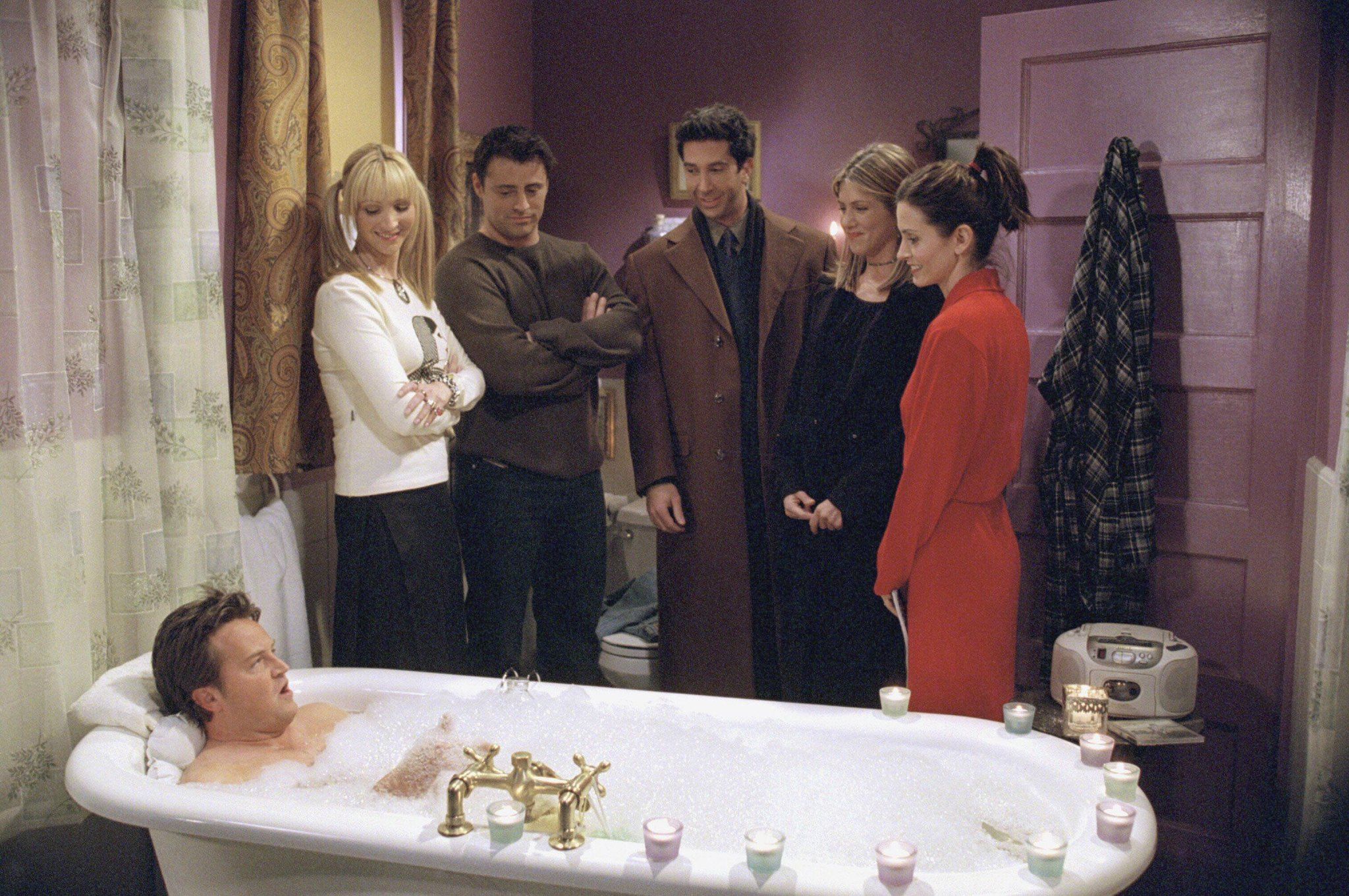
We hear the Matthew Perry story in the voices of his half-sister, Mia Perry Bowick, close friends, ex-girlfriends, and professional associates. They’re alternately heartbroken and furious, indulgent and resentful. We get a sense also of the man they love and the gaps he left in their lives whenever he withdrew from them. The docuseries tries to fill this void in understanding with facts and stats: the number of hours he spent in AA meetings; the amount he spent on de-addiction efforts; the fancy Malibu house he turned into a sober home for addicts in recovery.
Perry’s memoir was partly about the downside of fame (including a fair share of bragging about talent, Julia Roberts, and money). The point of it, though, was clearly to provide a detailed map to the road to recovery—a destination he felt he had finally arrived at. It read like a happy ending to his addiction story. He was sober. He wanted to help others in their sobriety journey. He was able to make a difference. And this was making a difference to him. A soothing circularity. If this were fiction, this inspiring story would’ve been The End. (Friends fans are hearing “The End, The End” in Phoebe’s voice right now.)
Perhaps there would be another Friends reunion where he would be the charming Matthew Perry, poking fun at the flaws in the deeply troubled one that showed up for the previous one. He would be Lazarus, back from the dead and telling the tale with trademark self-deprecation. Instead, we’re all Janice, waiting for him to return from Yemen.
But his death was an affront to the laws of narrative. Why would he do this just when he was on the mend?
The three-part series offers a lowkey epiphany to die-hard fans: It confirms that it was the memoir that was the big reveal. There’s no dearth of raw celeb memoirs, with the familiar motifs of addiction and suffering, love and healing. (Anthony Bourdain’s life and death also comes to mind.) Had Perry been around, he’d be doing book talks and tours for a while to come. But the docu makes you see how the memoir was, in a way, his big comeback. To tell the story of one’s decline and fall is to rise above it. And he did this without ironic distance. It’s in Matt Perry’s voice. Not Chandler Bing’s. Not the editor’s. In it, he says some pretty honest and frankly strange things. He claims to have seen god in a flash of light. There’s an unfunny, yet repeated, joke about Keanu Reeves still being alive. And references to how he would give anything to have the ordinary life of one of his poor friends in particular (!). Above all, it is the voice of a man who had paid the Faustian price for fame and found it imperative to warn others about an obsession that was so dangerous.
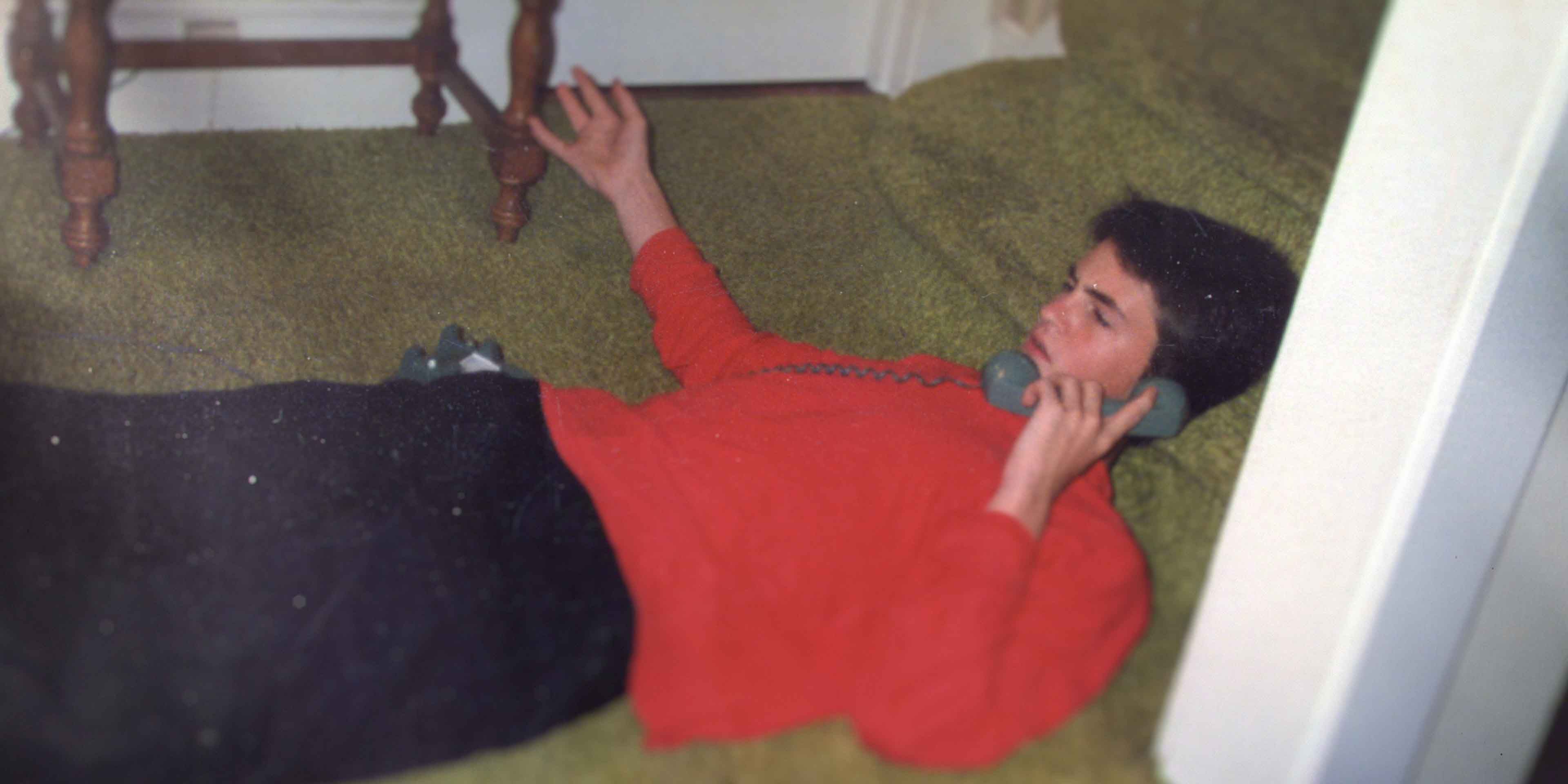
For superfans, there are a few fresh glimpses into the world of Perry by way of party pictures with close friends, interview footage with his buddy, actor Kevin Pollack, and anecdotes by friends and lovers. There is mention of a gut-wrenching moment from the funeral featuring the Friends cast, who decided to let this docuseries be about his real family and friends. And watching them share their grief is in its own way cathartic. But what it did best was to make me think about the memoir Matthew Perry wrote as the ultimate act of rebuilding himself, word by word, baring himself to his audience like never before. I believe the docu will lead many fans to his biography, which is a compelling account of a madly successful, deeply flawed man striving to do better. Now if he’d just come back from Yemen…