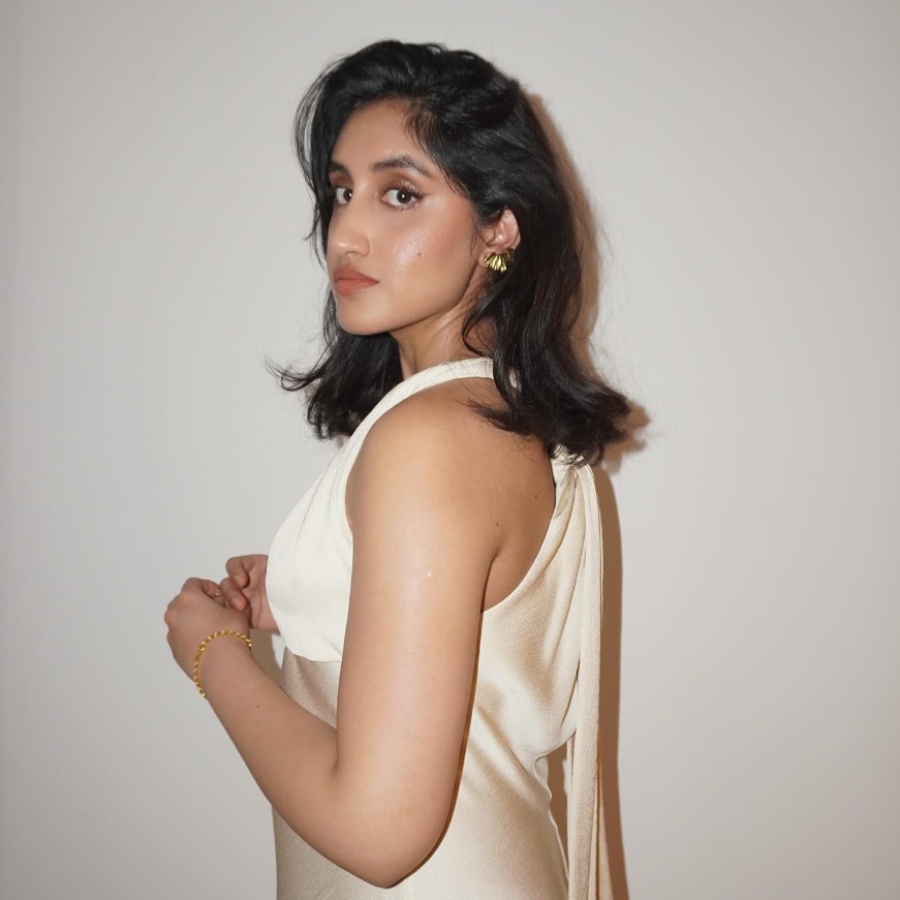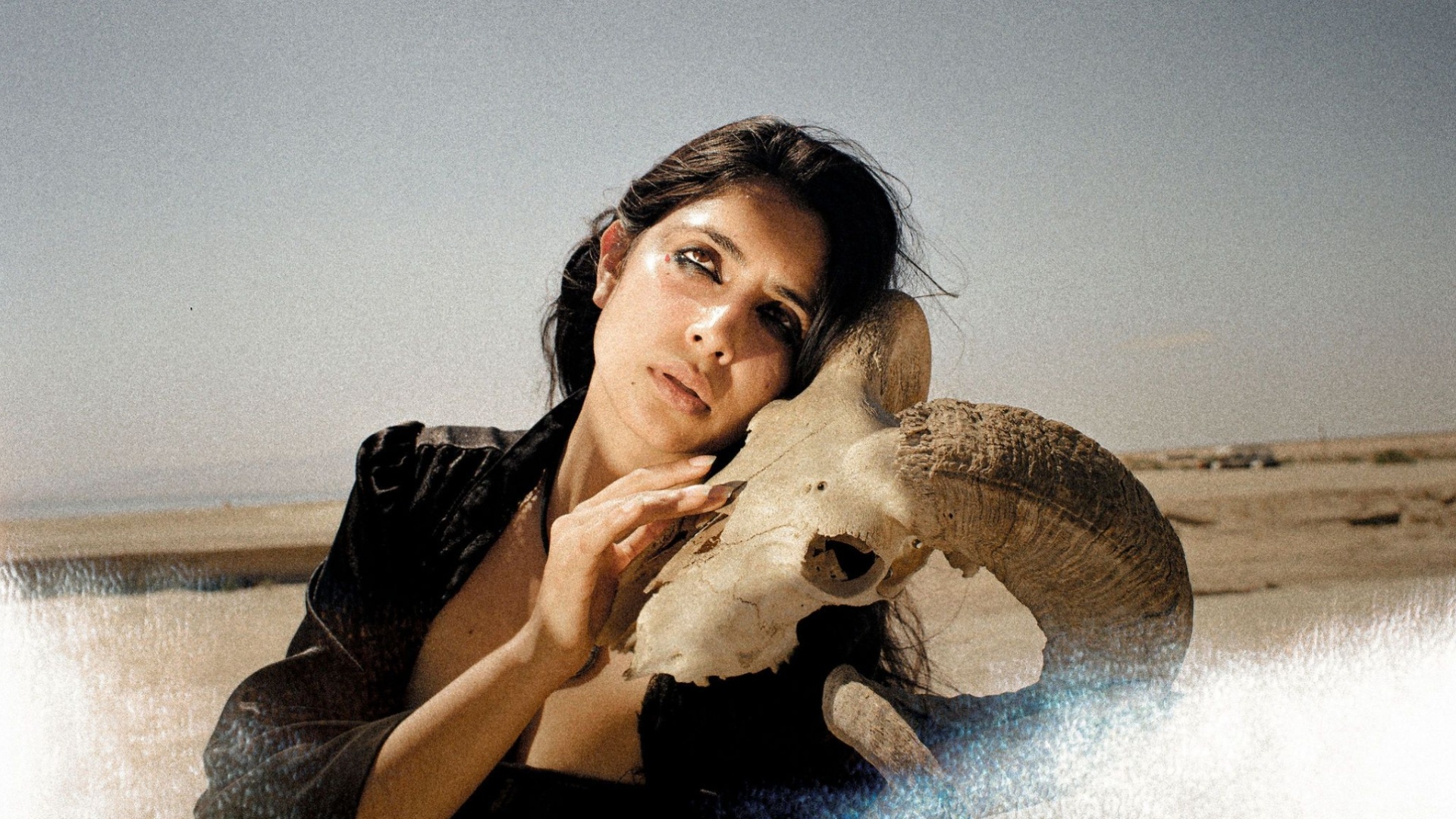

Name: Sheherazaad
Profession: Composer and theatre artist
Location: San Francisco Bay Area
Why you should know her: Those who had the fortune to listen to her debut album, Khwabistaan (a 2020 release now scrubbed off the internet), have known since the middle of the pandemic that Sheherazaad is that rare musician to emerge from the south Asian diaspora who can embed her sonic signature on your mind—all curves, blades, and smoke. With her breakout five-song EP Qasr in 2024, produced by Grammy winner Arooj Aftab, she arrived as a purveyor of “dystopic folk-noir with shades of experimental pop”—a genre entirely of her own making that carries within it a relentless quest for identity, belonging, and a yearning for distant homelands. Now, she inducts into this musical universe her debut full-length multi-instrumental, multilingual album, Khudgarzi, 10 accomplished tracks born from the idea of the “the selfish woman” and featuring over 30 musicians, including Ria Modak, Sarathy Korwar, Jay Chakravorty, Shunya, and Qasim Naqvi.
On Khudgarzi, selfish women, and cautionary tales: “I’ve had a phobia of selfishness my whole life, increasingly so into my twenties, as questions arise around marriageability, childbearing, and all the other hallmarks of womanhood’s ‘normal’ trajectory,” says Sheherazaad. It was a charge she’s heard since childhood, levelled at eccentric women whose desire for agency often met an awful end. “Selfishness became a kind of silent prayer,” she adds, “a portal into a haunted universe of anxieties and desires. Embracing [the selfish woman] felt like stepping into a forbidden forest I’d been running away from.”
On Khudgarzi, she does this by inventing a cast of characters, like Qatil (Murderess, plagued by a homicidal addiction), Pakeezah (The Pure One, and the ghost narrator for the entire album) and Gulukara (The Songstress who sings the sex worker’s carol), each of whom propels a narrative that serves as an allegory for that universal feminine quest—through the night, across the desert, beyond earshot of male eavesdroppers—for autonomy and freedom. If the songs on Qasr were like individual rooms in a house, as she once said, Khudgarzi is “the kitchen”. She adds, “The selfish woman who lives in the Khudgarzi manor has unspeakable things in her fridge.”
She composed and recorded Khudgarzi across continents: Musically, the album is a spiritual successor to Qasr in its linguistic (sung in Hindi and Urdu, with passages in Tamil and English) and instrumental leanings (the album features the veena, rabab, santoor, ghatam, and the Turkish tanbur which, she says, immediately “broke her heart”). It aims to both decolonise music and create a soundtrack for the third culture at once.
Khudgarzi is also recorded across Brooklyn, London, and the Bay Area, among other cities, with contributions from over 30 musicians.
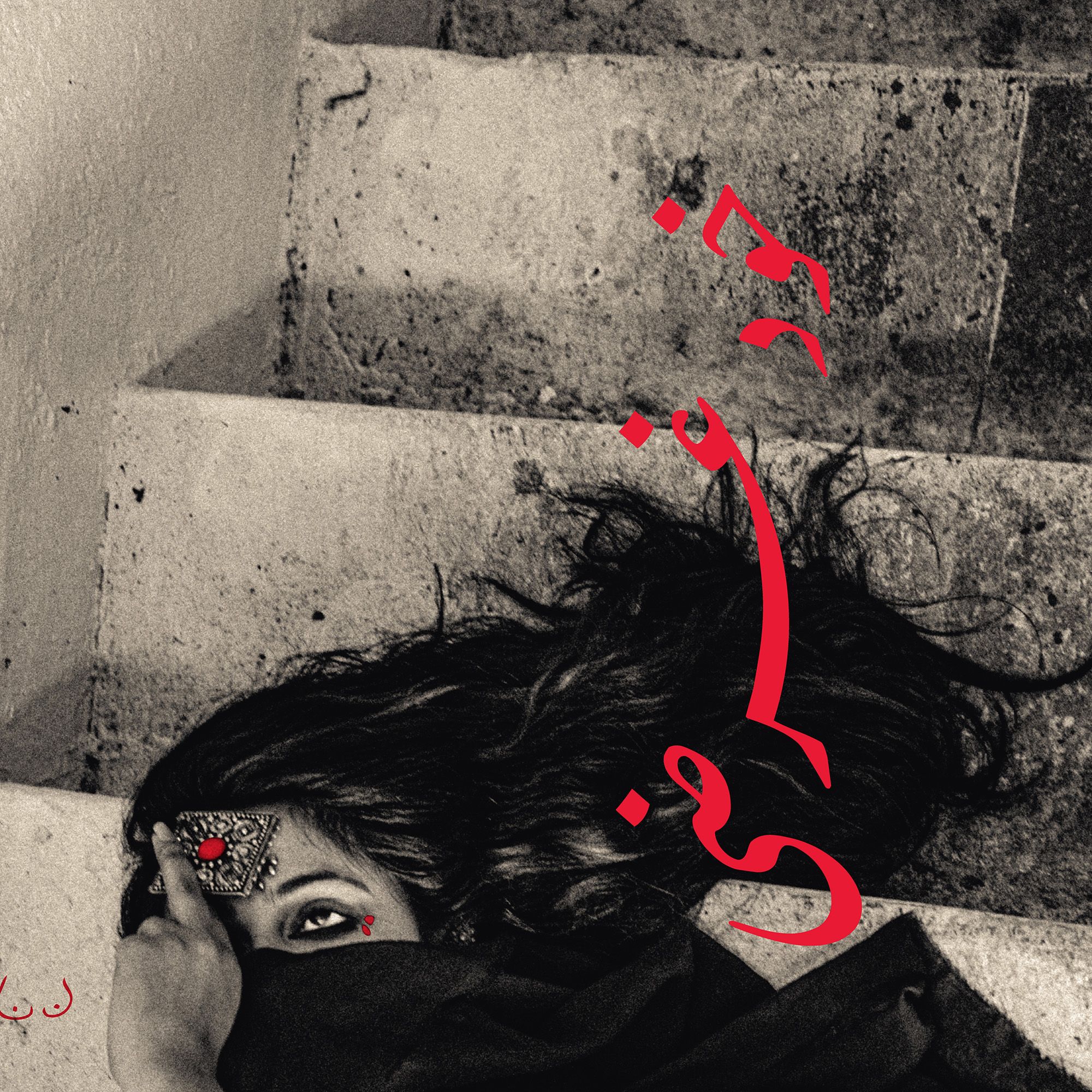
Origin story: Sheherazaad is a second-generation Indian-American who’s talked at length about how much the immigrant experience informs her music. Her parents played for bands, her grandmother produced shows for Indian classical greats. She grew up listening to the Carpenters, RD Burman, Enya, disco, the Strokes, Bollywood, and everything else musically happening while growing up in California in the early 2000s. Her fans might be surprised to learn that she’s “obsessed with Enigma”. An early education in jazz and Western music was quickly given up—because, to put it simply, she could not connect with it. After college, she linked up with Hindustani classical music guru Madhuvanti Bhide, now exploring the music of the subcontinent and Arabic influences.
By the time she put out Khwabistaan, a musical world had been built, something she likens to “a planetary system with individual climates, quasi-moons, and naturescapes we’ve never heard of on Earth”.
On working with Arooj Aftab: “From Arooj [who produced her 2024 EP, Qasr] I learned to let others paint my work with their musical imagination, to make players feel trusted and relaxed, while being dangerous with my arrangements.”
She makes music you can see, not just listen to: Khudgarzi could soundtrack a number of feminist-adjacent works, including Clarissa Pinkola Estes’s Women Who Run With the Wolves or even the posts on Surabhi Yadav’s Instagram account Women at Leisure. Sheherazaad invites interpretation, saying: “Please project, dream, and score entire bodies of work with this album in your mind.” But she has, in fact, made the film to accompany it; it’s in post-production. “It’s a gigantic music video for the album with zero music. I can’t say too much about it, but I’m semi-scoring it, though it’ll have nothing to do with the album compositionally.”
Beyond the studio: As a theatre artist, Sheherazaad will be seen on stage in New York in January next year in Adat, a “psyyych-mu$$$>cal” that she’s written, composed, and is performing. Directed by Liz Peterson, it concerns a “young woman’s life-altering catfishing compulsion”. “We just came up with this badass puppeteering sequence that incorporates subversive giddha folk gestures,” she says. “It’s all done through shadows created on the wall through my movement. If we can pull it off, it’ll feel fairly Sufi and virtuosic.”
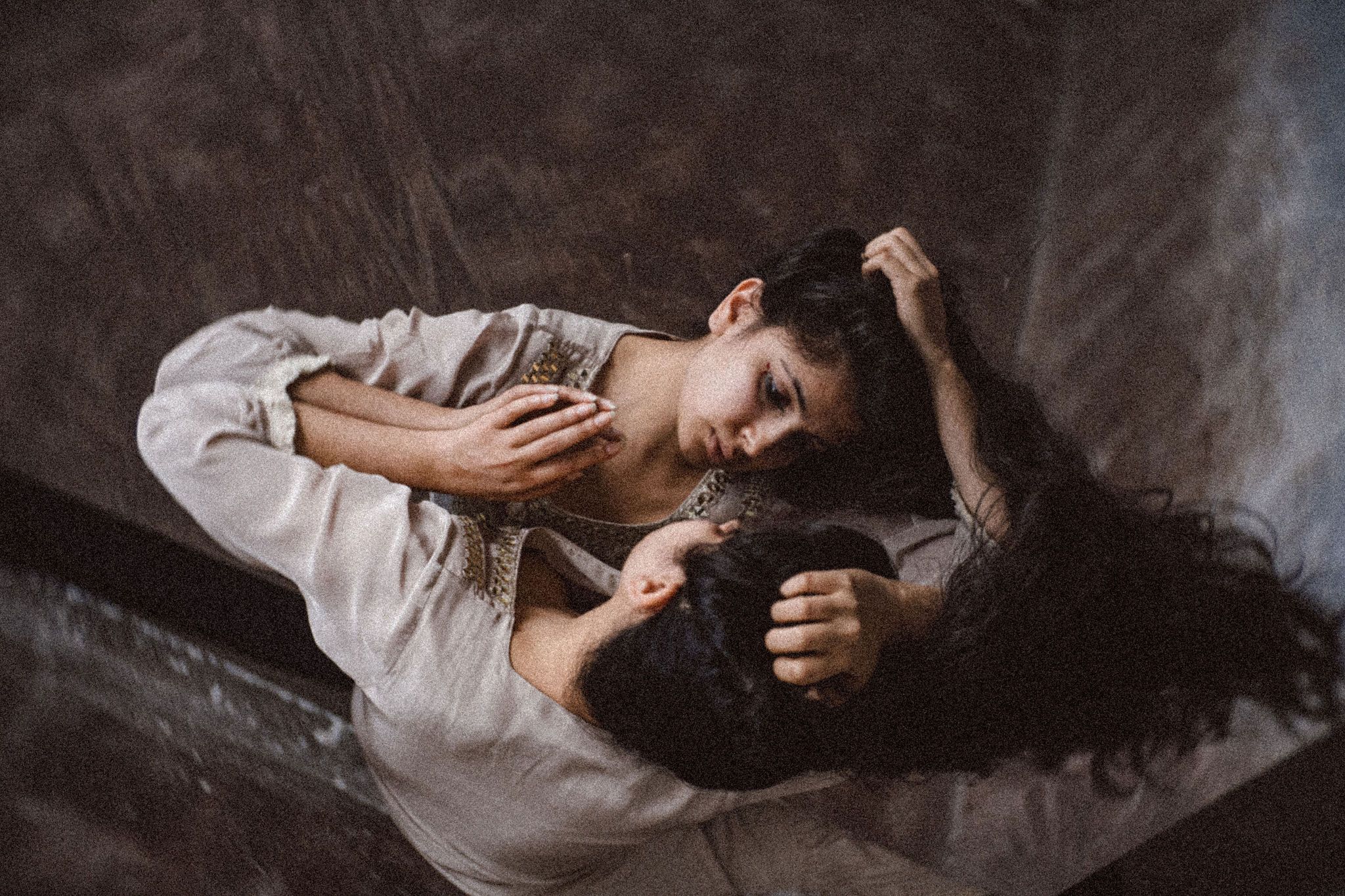
On rest and routine: After spending so long immersed in the album themes of autonomy and selfishness, Sheherazaad says she’s giving herself permission to “not make work deadlines, go to bed early”. While no day goes by when she isn’t writing, rehearsing, composing or recording, “being by the epic beachscapes of northern California is always self-annihilating in the greatest way”. Beyond everything else, she finds an anchor in “meditation, meditation, meditation”.
Claiming her own autonomy: Ask Sheherazaad about something she’s done lately that her younger self would find terribly selfish, and she says: “Not spending too much time with the new babies popping up in my family. I’m a little emotionally unavailable for that atm. But I do feel a little proud I’m not exoticising babyhood, and I imagine just being a super-chill aunt, letting these be very natural relationships.”
A social expectation women should collectively retire: “Waxing. Fuck offfff, world.”
Khudgarzi is available digitally across major streaming platforms