




I went to Tony hungry. Not for food, but for Anthony Bourdain.
Like many of his fans, I am greedy for Bourdain. I followed him, read his books, watched his shows, and I still spend time tracking new pieces of information about him: a Substack I hadn’t seen, a recent Instagram post about him, a photo from before he was famous, tiny details that filled in another piece in my fascination. For many of us in food and travel, Bourdain was a very specific celebrity crush. We wanted to eat with him, hang out with him. Eight years after his death, we are still ravenous for any new scrap about Bourdain.
I also have a serendipitous Bourdain story of my own, and a photo from it. About 15 years ago, I ran into him in Sydney, emerging from a story assignment at Victor Churchill, the spectacular Tiffany-like butcher shop he later described as “the most beautiful butcher shop in the world”.
And I have a sharp, vivid recollection of the moment I heard he had died. I was standing in the kitchen at Le15 with Pooja Dhingra, Kelvin Cheung, and a few other food and media folk, when Cheung looked at his phone and said, “Anthony Bourdain died.” It remains one of those strange, seared memories.
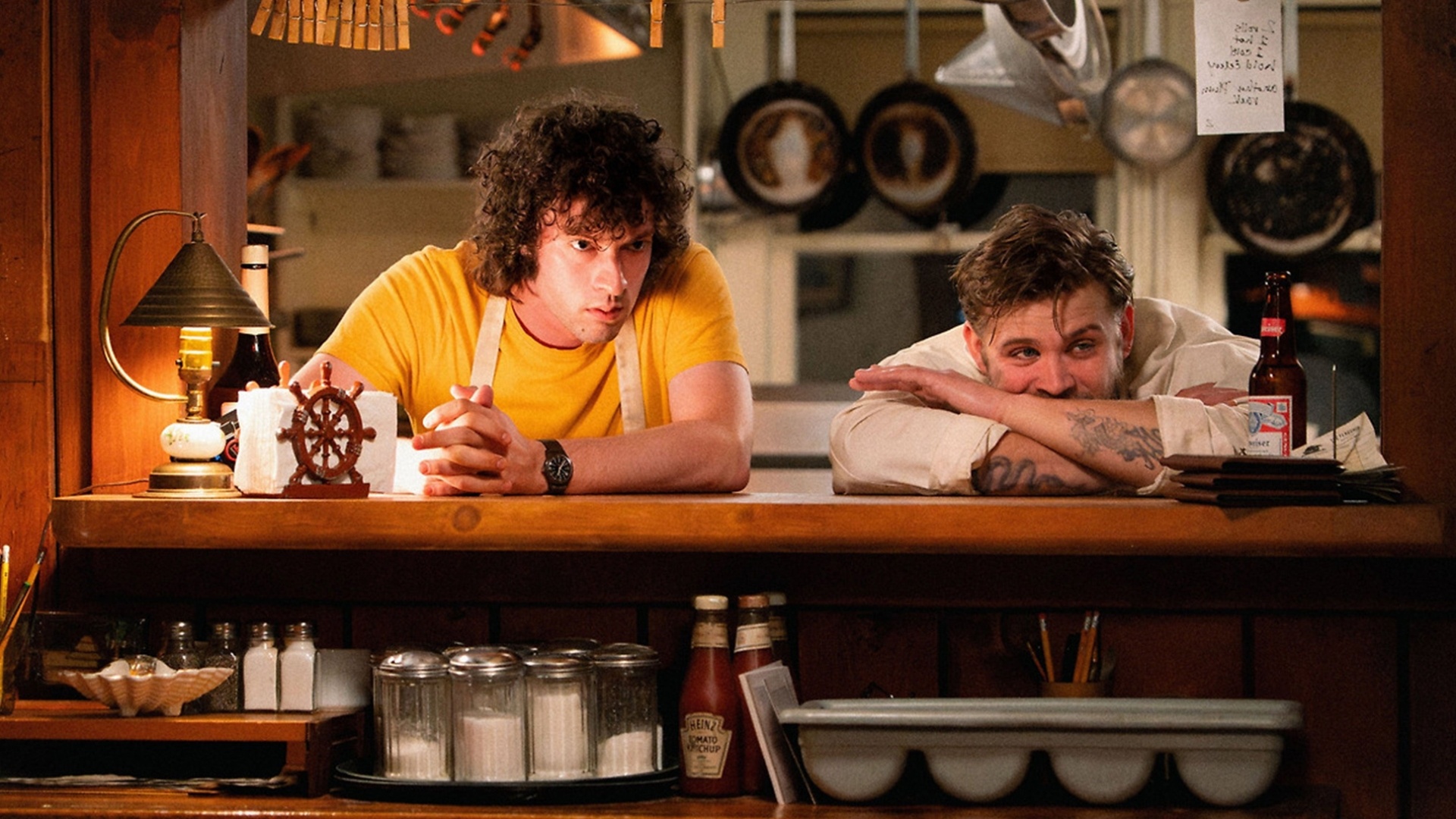
So Tony, Matt Johnson’s film about the summer of 1975, when a 19-year-old Bourdain worked as a dishwasher in Provincetown and began finding his way into kitchens, was always going to be catnip for someone like me. I really wanted to see the boy before the myth, and if I didn’t, I would have FOMO forever.
And indeed, Tony does give you a glimpse of a Bourdain we haven’t really seen. Dominic Sessa wears the bell-bottoms, singlets, jackets, and sideburns; he hunches his shoulders and walks with that long, loping gait. I found myself overlaying Bourdain’s adult face onto Sessa’s throughout. It must be a burden pretending to be someone whose face, voice, and personality are so deeply etched in public memory. There is also something deeply poignant about watching a version of Bourdain before he has any idea about who he will become, the yearning for a literary life before he’s really written anything. The film is also gorgeous at putting you there: the texture of 1970s Provincetown, the coastal light, the streets, Nancy’s wardrobe, the charm of small-town America. I relished all of it. It made me wish some of those stylish silhouettes made a comeback.
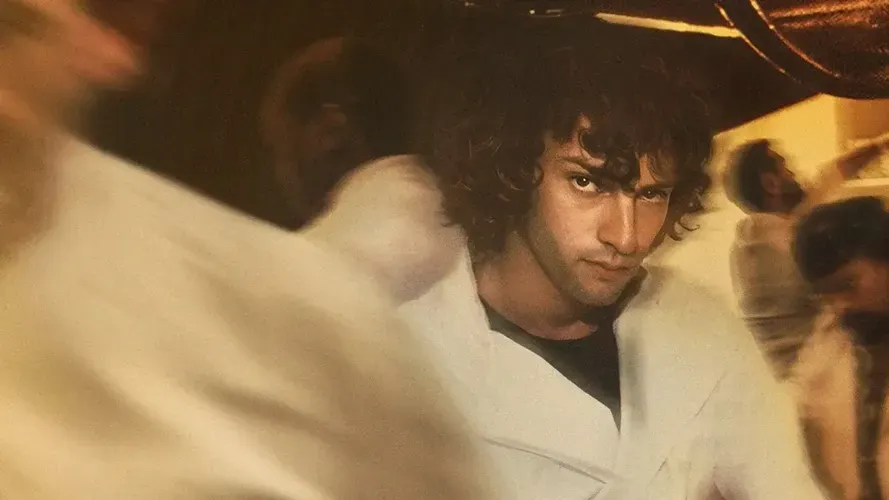
The risk with making a movie about Anthony Bourdain for people who drank in everything he said and did, who still suck up bits of info about him, is that we already know too much. We’ve read everything he wrote about his early days in the kitchen. We all (feel like we) know Bourdain the traveller, the storyteller, the addict, the complicated man. We know enough about the adult Bourdain, but Tony is about him as a teenager and gives us glimpses but not enough granularity, so we keep looking.
There isn’t much in the movie to make us hungry, and that’s fine. Bourdain wasn’t one for glamourising cooking; his industry-changing New Yorker article ‘Don’t Eat Before Reading This’ famously began with the line ‘Good food, good eating, is all about blood and organs, cruelty and decay’. “Gastronomy,” he wrote, “is the science of pain.” This movie is less about what’s on the plate than about Bourdain himself acquiring layers and textures. Sometimes, though, the narrative arc feels soft when it could have been sharper; it feels Bourdain-lite in bits. He was known for being complicated, arrogant, insecure, brash, funny, ambitious, and self-destructive. I wanted to see more of his contradictions and better understand how the young man in the movie became the person we all got to know on TV.
In Kitchen Confidential, Bourdain shows us the grubby, gritty details that shape his transformation: brutal kitchen hierarchies; punishing, exhausting, degrading, exhilarating restaurant work; drugs, drinking, and chaos; and the crew camaraderie that keeps you hooked even when the job is killing you. Tony gives us a snapshot of that, but left me longing for the little, telling details from the book that show us why Bourdain was changed by it.
Antonio Banderas as Ciro, an amalgam of several real-life Bourdain mentors, is the film’s most delicious ingredient. (Hardcore fans will see glimpses of Howard Mitcham, the author of the Provincetown Seafood Cookbook (1975); some of Eric Ripert of Le Bernardin, the only place where Bourdain would order fish on a Monday (who also stars as himself in the film); and the man he called Bigfoot in Kitchen Confidential, among other bosses and colleagues who shaped his career.) In the film, Tony and Ciro’s relationship begins accidentally and grows into something resembling respect and affection. It’s in these scenes that we best see that Bourdain’s transformation was not quite a lightning strike but rather the result of people, kitchens, and his experiences with them. There is an oyster-shucking scene that had me watching through my fingers. Anyone who has shucked one knows precisely how much can go wrong with one slippery shell and a very sharp knife. There, the physical danger of the kitchen felt real. Some of the grosser kitchen details, though, feel like they are trying too hard, becoming Kitchen Confidential caricature.
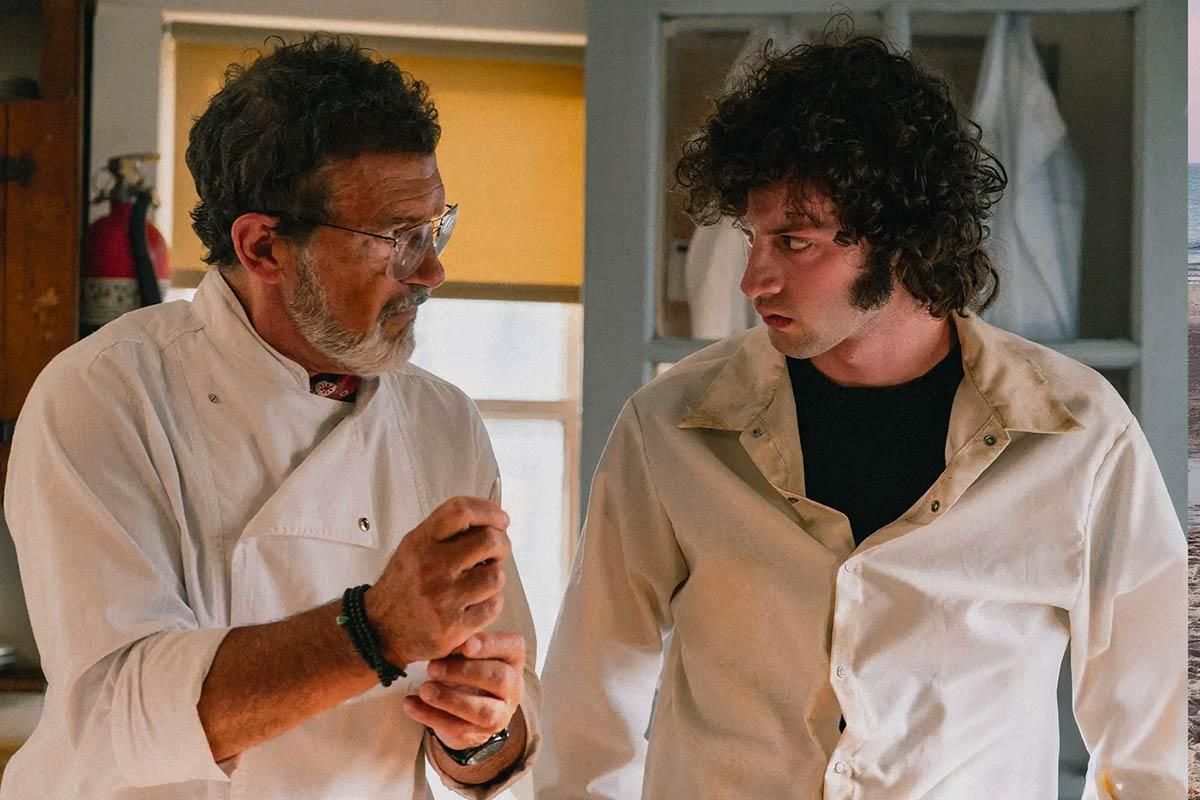
Tony is rooted in Bourdain’s memoir, particularly the Provincetown material in the early chapters, but it is not a screen adaptation. Screenwriter Todd Bartels told Vanity Fair that during their research the filmmakers found that some of the material in Kitchen Confidential had been “heightened and embellished and sharpened” by Bourdain. The film also does its own tweaking, compressing a few summers and real people into one fictionalised coming-of-age story. For example, Nancy Putkoski was Bourdain’s real-life partner. They knew each other from high school; they hung out. But the film rearranges their early relationship into a more conventional, movie-friendly romantic arc.
This is my only gripe with Tony: it gives us a Bourdain who is recognisable but still out of reach. Still, for us greedy Bourdain superfans, even this is precious. There are so few images of him at 19 that watching Sessa inhabit the clothes, posture, and unsettled energy of a young Bourdain feels like being allowed to see a previously unreleased photograph of the man. That’s a treat.
I left the theatre doing what I’ve done regularly since Bourdain died: I Googled him. I looked up what other things research for the film had revealed. I wanted more photographs, more stories, newer, richer details. Tony scratched the Bourdain itch but left me more curious. It made me want a documentary version of itself, and it sent me down more Bourdain rabbitholes, like this Reddit from a decade ago.