Arts17 Nov 20263 MIN

Richard Avedon’s secret to a great photograph? Wasting time

In a world obsessed with instant imagery and AI-generated perfection, Ron Howard’s new Netflix documentary on the legendary photographer makes a case for slowing down

Image

Bruce Weber

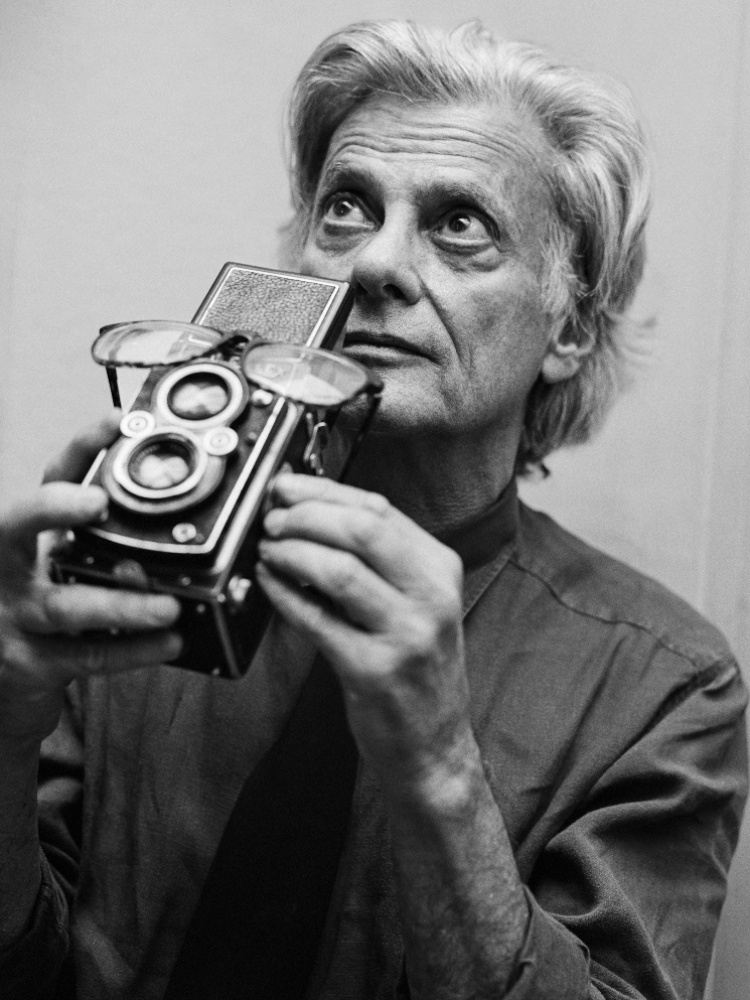
Watch Ron Howard’s Avedon on Netflix for two reasons. First, to understand what goes into making a truly great photographer. And second, to soothe some of that AI-induced anxiety and remind yourself that a singular creative vision will always trump instant delivery and algorithm-approved perfection.

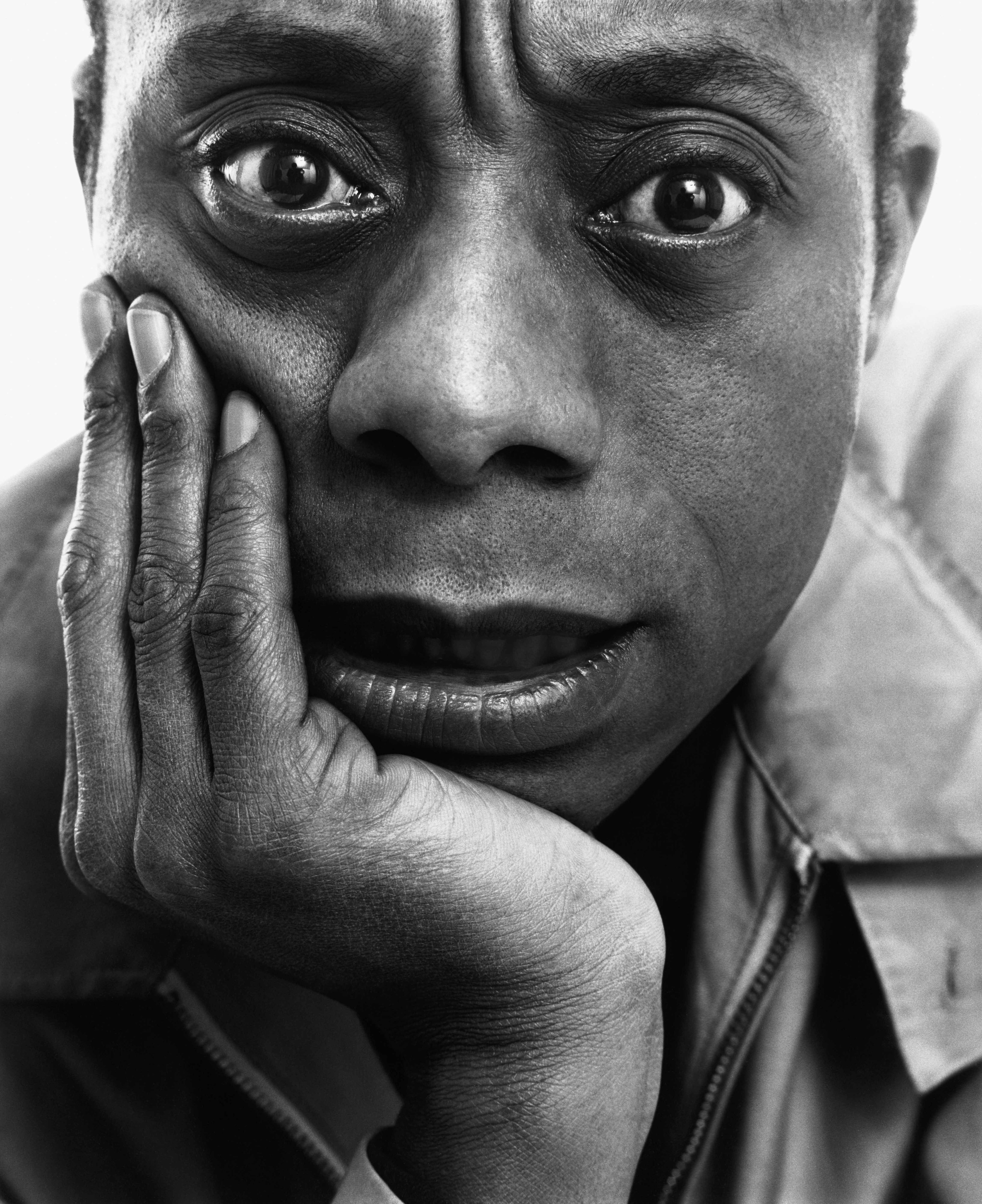
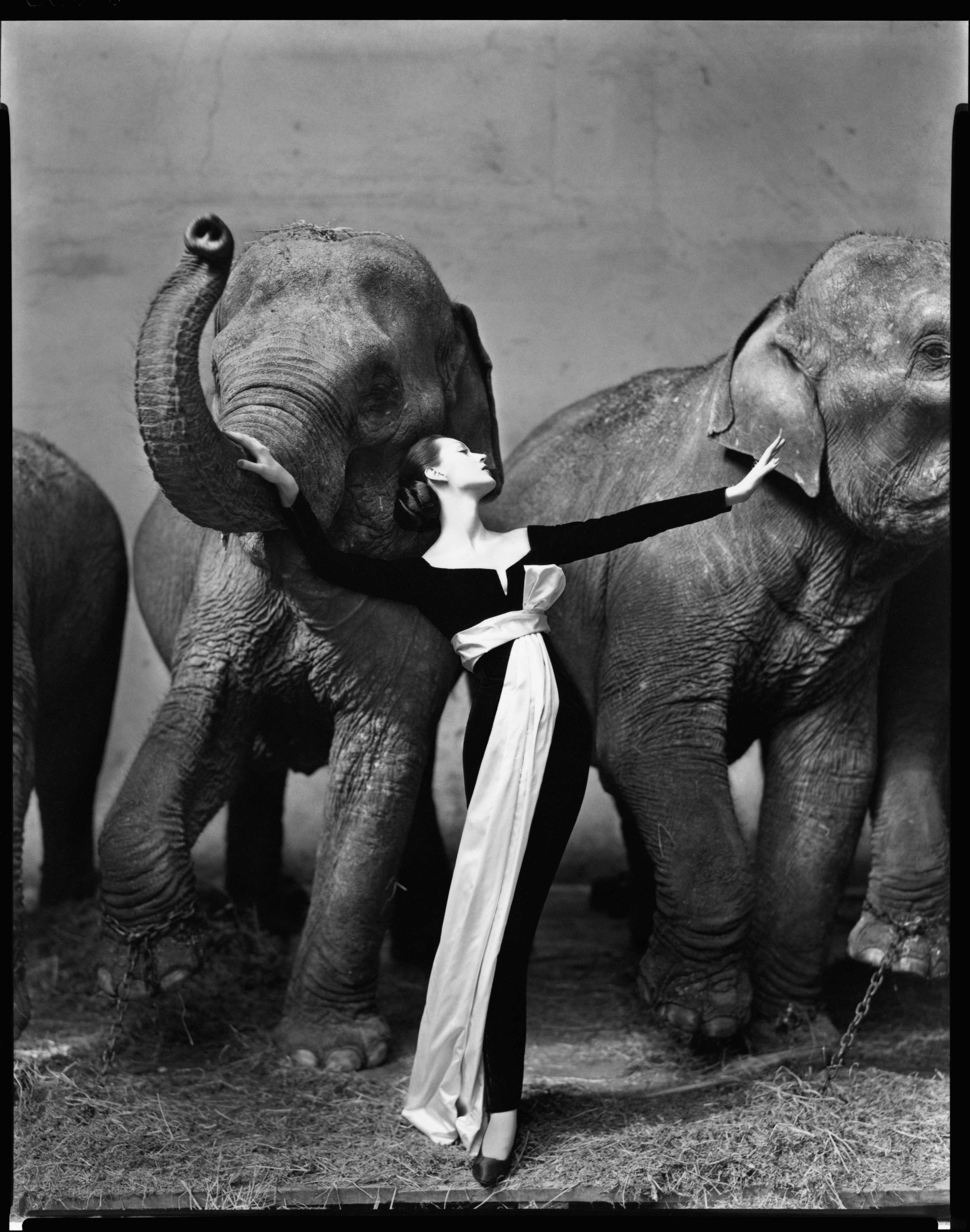
As good documentaries go, Howard’s film ticks all the expected boxes as it traces legendary photographer Richard Avedon’s life, times, and extraordinary body of work. The fashion photographer was revolutionary for a reason—think Dovima with the elephants at Paris’s Cirque d’Hiver in 1955, immortalising Jean Shrimpton and Twiggy in the era-defining 1960s mod aesthetic, and his rebellious portraiture featuring the Chicago 7, Malcolm X, and the Beat poets against no-nonsense white backdrops.

But it is Avedon’s process that is the great takeaway from this documentary. And no one captures it better than actor and model Lauren Hutton, who recalls a now-iconic shoot at Great Exuma in the Bahamas in 1968. “We just played for four days,” she explains, “Then on the fifth day we did 18 pages in two days.”
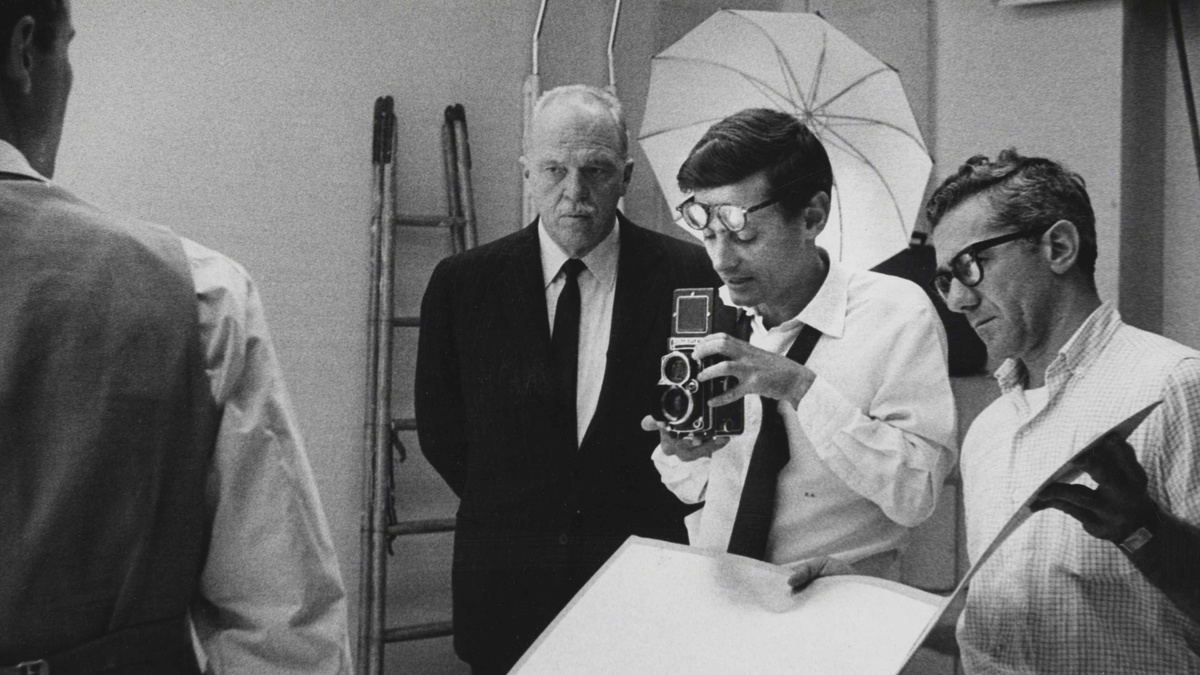
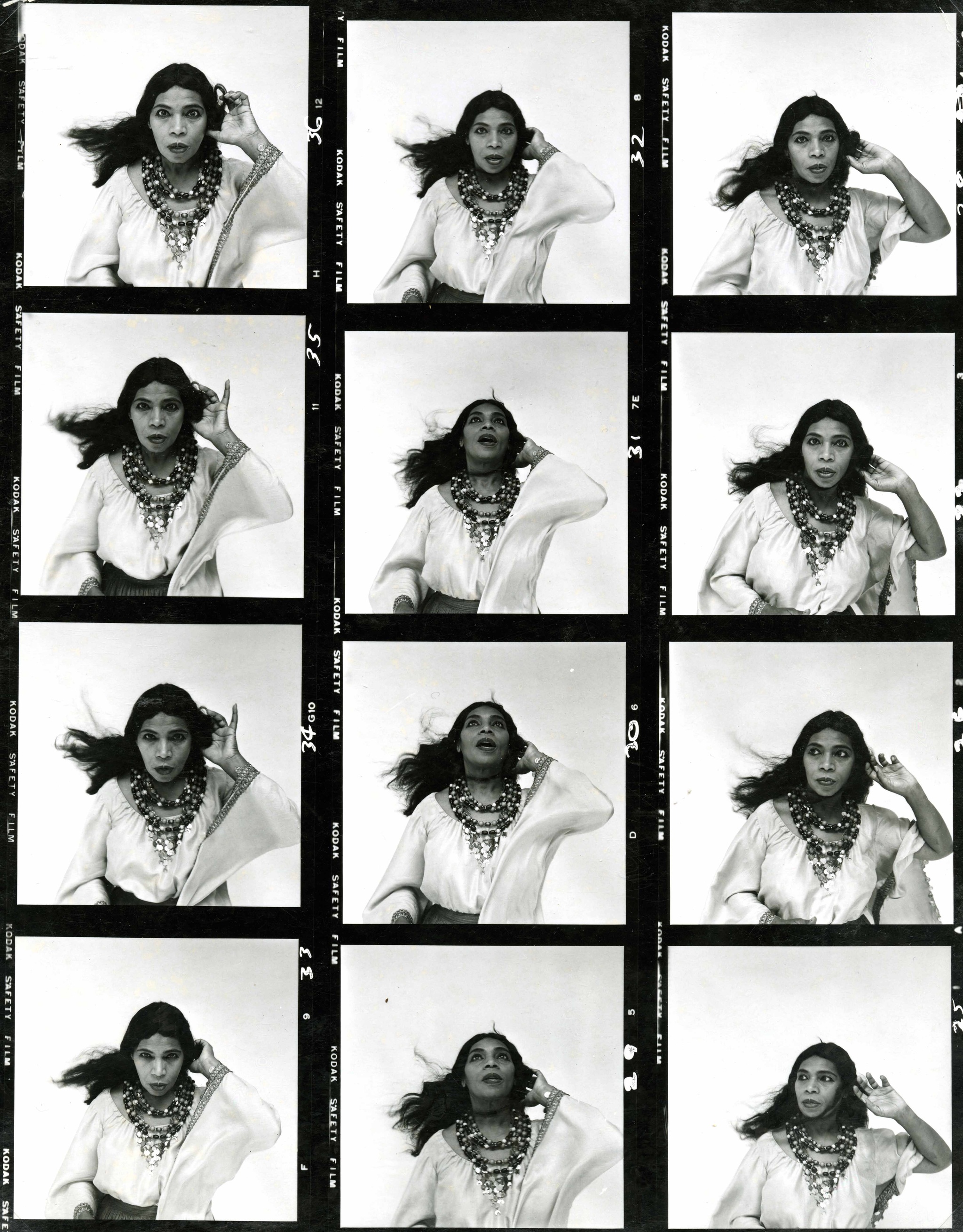
Avedon’s own voiceover deconstructs this further. “If I have an hour’s booking, I waste the first half an hour completely. It’s a myth you have to work hard for the hour. They’re having coffee, they’re laughing. And they think we’ve come to a nuthouse. And in five minutes before the hour is over, we go on to the paper and bam.”

In other words, the man who made some of fashion’s most enduring images spent most of his time not taking any.

Rewind back to the analogue world here, where contact sheets and film meant every click was precious. Instead of wasting film roll, he engaged with his subjects, almost prepping them for the perfect shot. The ‘wasted time’ was spent making his subjects comfortable enough to simply be the version of themself that he wanted to capture. Cut to our tech-enabled world of instant gratification and an endless appetite for picture-perfect content, and there is something almost radical about his approach.

Big tech continues to replicate and even create everything from Ghibli to a 1980s retro makeover, and fashion magazines that once made era-defining imagery shrink to a homogenous sea of the current flavour of the season. Think Szilveszter Mako-made or inspired-by portraiture. The big, almost existential, struggle today is creating an image that matters. And this could be said of creativity at large. And here’s where this documentary offers a sort of antidote.

Avedon chased personality, be it by revealing vulnerabilities (think the slightly hunched Marilyn Monroe portrait, the moment the ultimate showgirl drops her mask) or breaking the picture-perfect smiles of the Nazi-sympathising Duke and Duchess of Windsor with a story he made up about a dead dog (they were dog lovers) that led to the raw, cold, almost sinister expression in the now-iconic portrait.

Avedon’s body of work and need to waste time only serve as a reminder that it is near impossible to replicate the instinct, curiosity, and gaze that make an image capture a zeitgeist and a point of view. Perhaps the secret to a great photograph, after all, is knowing when not to take one.

Avedon is streaming on Netflix

The Nod Newsletter

We're making your inbox interesting. Enter your email to get our best reads and exclusive insights from our editors delivered directly to you.