


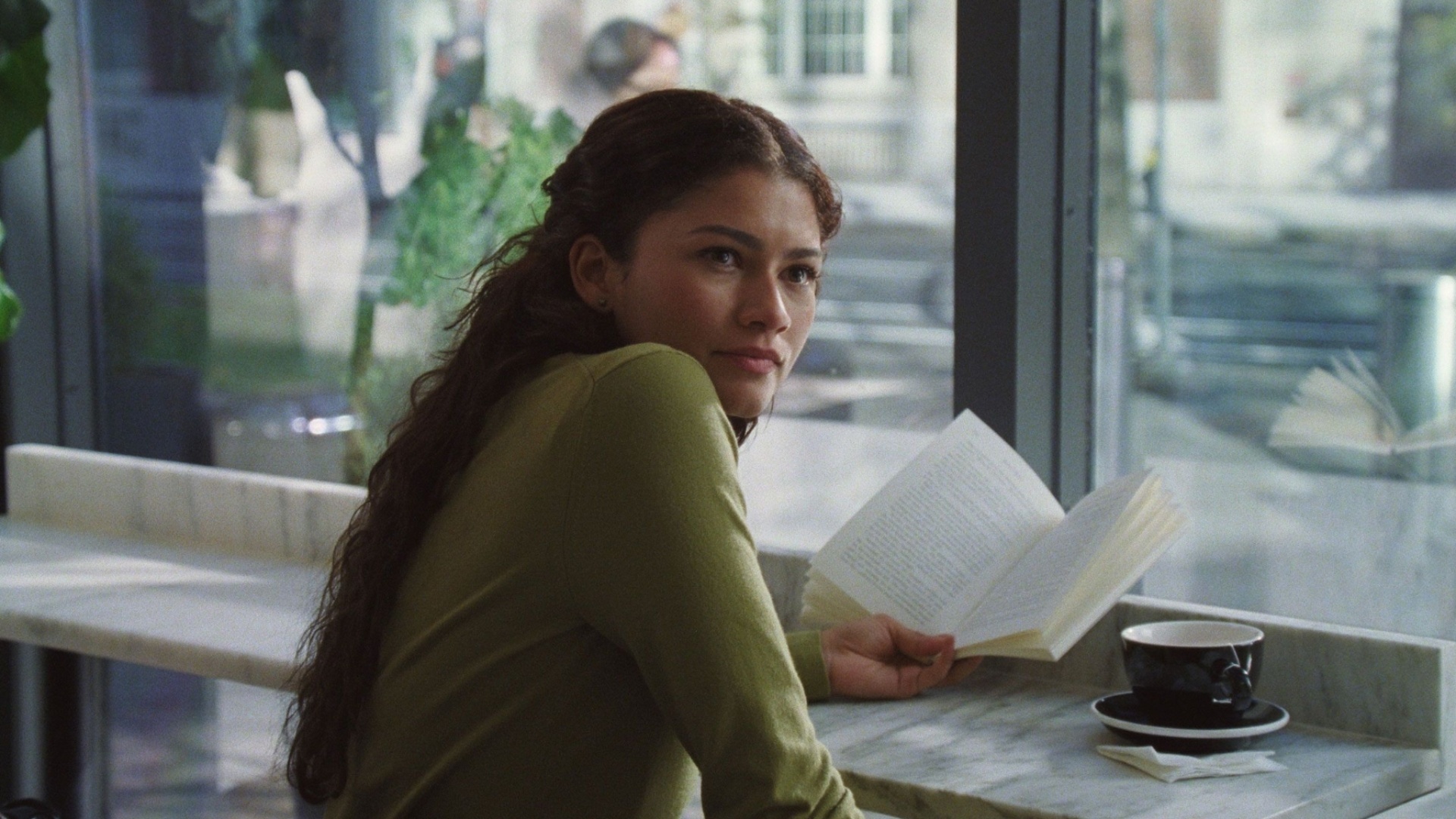
It started, as most of my digital interventions do, with a mild sense of somatic panic. I was sitting at a cafe, waiting for a friend, and found myself simultaneously scrolling through an editorial brief on my laptop, replying to an urgent WhatsApp thread on my phone, and listening to a podcast on a pair of noise-cancelling headphones that felt welded to my skull. My brain felt less like a functioning human organ and more like a high-voltage server room in desperate need of a cooling fan.
Our lives have become so hyper-optimised, so relentlessly digitised, that we no longer just use screens; we inhabit them. Enter the latest act of cultural resistance: the Analogue Hour. The premise is beautifully simple: you take one strict hour every single day and completely banish screens. No phones, no tablets, no Kindles, no wireless headphones. Just 60 unnotified minutes of raw, unmediated reality.
Having previously dabbled in a forced version of this during my school board exams, the experiment felt like a throwback. I was instantly reminded of my teenage years when I spent hours being separated from my iPad so I would sit down and study. The uncanny resemblance was enough to convince me. I decided to subject myself to a seven-day trial to see if carving out a daily sanctuary of offline time could offer an antidote to modern sensory numbness, or if I would simply succumb to the twitchy, phantom-vibration syndrome of the chronically online.
Setting the parameters of the void
To be clear, the Analogue Hour isn’t an existential retreat. It’s a daily ritual designed to fit into a contemporary lifestyle. For the first four days, I decided to keep the timing entirely fluid—scheduling my hour at random intervals during the day whenever the digital noise became too loud.
The initial transition was entirely ungraceful. On Monday, I chose mid-afternoon for my hour. I put my phone in a desk drawer, shut my laptop, and was immediately confronted by a loud, hollow silence. I decided to try painting, a hobby I hadn’t returned to since my university days.
For the first 20 minutes, I didn’t feel relaxed; I felt deeply anxious. My hand kept twitching toward the corner of the table where my phone usually sits. I wanted to hop on Pinterest to reference images for the watercolour wash I was attempting. I wanted to check if an email had come in. Without the constant hum of notifications, the uninterrupted hour felt less like a luxury and more like a vacuum. This went on until Tuesday, and, surprisingly, I did not run back to my phone. I was super focused and didn’t even realise when the hour was up. I ended up painting a rather distorted flower, but I was proud of finally finishing a painting after years.
By Wednesday, I shifted my tactics to try to lean into the stillness further. I went for what the internet calls a “colour walk”—a mindfulness practice where you walk without a destination, simply looking for objects of a specific hue. I picked green. It forced my gaze upward, away from the pavement and the habitual downward tilt of the smartphone neck. I noticed the mossy texture on the stone walls of the neighbourhood, the varying shades of emerald in a florist’s display, the faded jade of an old vintage building door.
The true test of this cognitive endurance arrived on Thursday. I decided to go for my usual run across the Seine. Normally, my runs are heavily soundtracked with a high-bpm Tamil kuthu playlist or an engaging podcast to distract me from the physical exertion. Running across the bridge without headphones felt distinctively, painfully difficult. I could hear the heavy thud of my own sneakers on the pavement, the rushing chop of the river below, and the ambient chatter of school students on their way home. Without a digital layer to numb the effort, the run felt twice as long. But by the time I crossed the water, something strange happened: my breathing synchronised with my pace. I wasn’t trying to optimise my exercise; I was just undeniably present in it.
By Friday, the twitchiness had subsided, replaced by a genuine sense of anticipation. I stopped treating the hour as a chore to execute and began regarding it as a sanctuary. For the final three days, I shifted the Analogue Hour to the final 60 minutes of the day, right before bed.
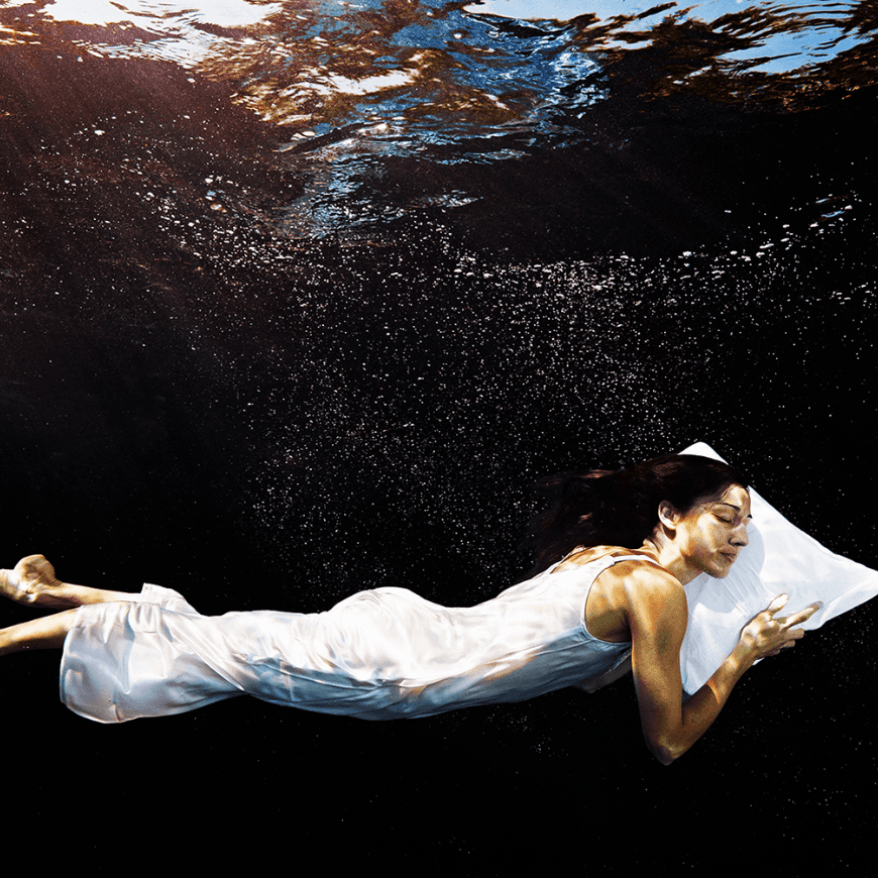
Instead of the customary midnight doomscroll, where I would mindlessly consume skincare video essays and global news until my eyes watered, I kept a book on my nightstand—an easy digestible fan favourite, The Silent Patient by Alex Michaelides, a psychological thriller that I hoped would keep me hooked and it did! I flipped through physical pages, feeling the actual weight of the paper. Without any blue light stimulating my nervous system to stay alert, the hour transformed from an exercise in self-restraint into a literal decompression chamber.
The cognitive weight of an unbuffered life
Why does this matter? When we outsource every spare second of our consciousness to a digital feed, we don’t just fill time—we flatten it. Neurologists frequently warn that our brains are being reshaped around the instant-gratification loops of our devices. Constantly eliminating the space between a desire and its fulfillment, or the space between boredom and distraction, makes us lose cognitive capacity.
By forcing myself to unplug during daylight hours, I was reintroducing a necessary density back into my day. Instead of experiencing time as a frictionless, slippery stream of content, the hours began to feel “thick” again. The world outside didn’t stop spinning because I wasn’t tracking it, but my internal clock slowed down significantly. The Analogue Hour had done what no expensive wellness supplement or sleep hygiene app could: it trained my mind out of its automatic reaction to seek immediate digital relief, calming my nervous system so deeply that I drifted into sleep without the usual looping thoughts of the next day’s to-do list.
Micro-rebellions against the scroll
Our modern fatigue isn’t always a result of doing too much; it is often the result of looking at too much of the same thing. When our work, our relationships, our entertainment, and our rest are all delivered through the exact same glowing glass rectangle, our days begin to bleed into a grey, featureless blur.
The Analogue Hour didn’t magically cure my modern anxieties. What it did do was reintroduce texture into my week through tiny, intentional boundaries. Beyond the designated hour, I found the habit spilling over into micro-moments: looking out the window of a cab instead of scrolling or sitting with my morning coffee without immediately checking my notifications.
I didn’t end the week feeling morally superior. I was often annoyed, and I frequently missed the effortless dopamine hits of the algorithm. But I also felt more here.