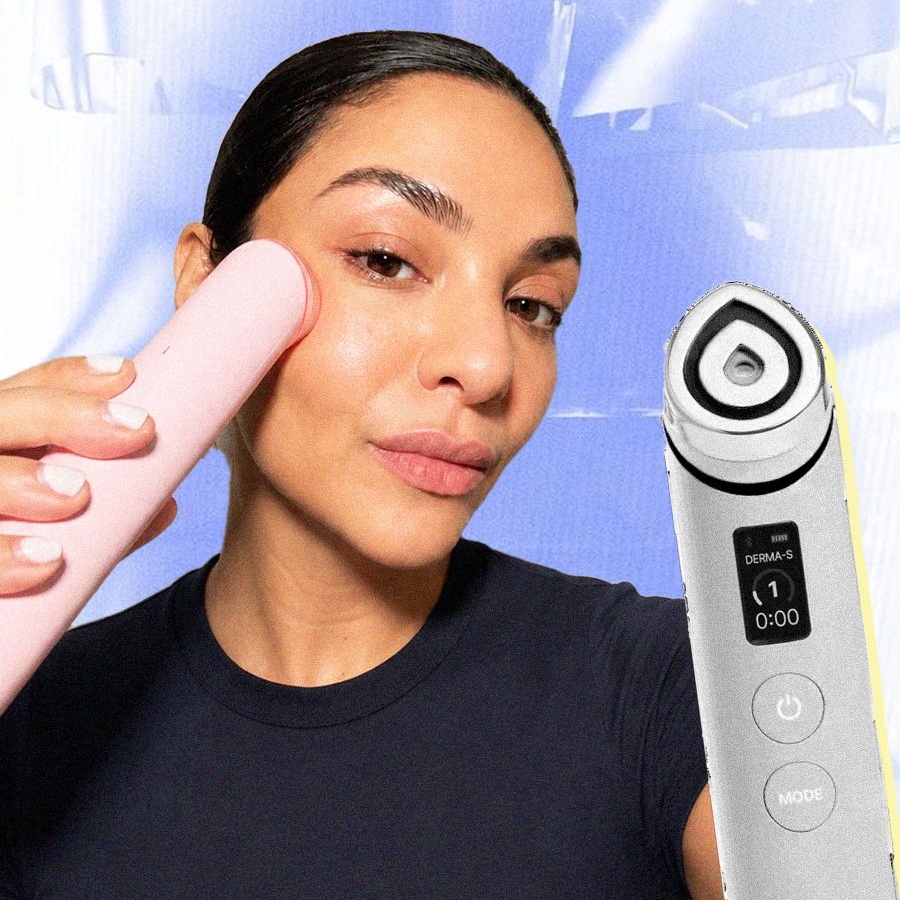




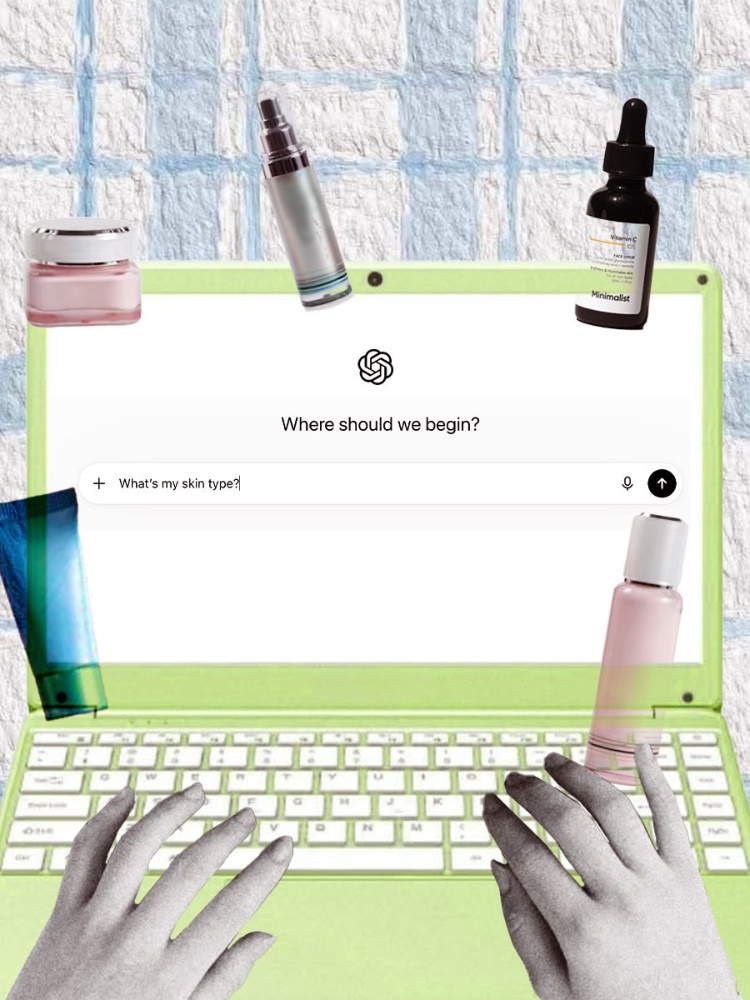

Every other Reel on my feed now features someone uploading a bare-faced selfie and asking AI to judge their skin. What’s my skin type? Why am I breaking out? Build me a skincare routine. Seconds later, ChatGPT delivers what looks like a personalised consultation, complete with product recommendations and an explanation of what’s supposedly happening beneath your skin.
Naturally, I had to see what the fuss was about.
I uploaded a makeup-free selfie and, within moments, ChatGPT diagnosed pigmentation, enlarged pores, dehydrated skin, and a weakened skin barrier. It recommended a few products (Simple Refreshing face wash, Minimalist Vitamin C, Dot & Key's Ceramide Moisturizer Cream, WishCare Niacinamide Oil Balance Fluid Sunscreen, Minimalist mandelic acid) and why they would work for me.
I’ll admit it. It felt surprisingly convincing, enough that I decided to follow the routine, or at least parts of it, for a week. I already owned several of the products and ingredients it recommended, including the Vitamin C serum, niacinamide, and a hyaluronic acid moisturiser. That seemed to indicate that it was on the right track.
The only thing I actually bought was the face wash. It seemed like the safest recommendation, but after just two days my skin felt tighter and drier than usual, so I went straight back to my old cleanser. I also skipped the sunscreen, moisturiser, and mandelic acid. My current routine works well for me, and I don’t have acne or post-acne marks that call for another active.
One recommendation I was curious enough to try was its DIY caffeine under-eye mask. I even got my sister to try it with me and, surprisingly, we both liked the results. Our under-eyes looked a little brighter and less puffy after using it twice a week.
Rather than the recommendations itself, it was how personalised everything felt that really seemed clever. And that’s exactly why this trend is taking off.
A selfie isn’t a skin consultation
When I shared my AI-generated report with dermatologist Dr Kiran Sethi, she wasn’t exactly convinced. But she did find the whole experiment amusing. According to Dr Sethi, ChatGPT is analysing whatever a photograph can reveal—things like texture, colour, symmetry and contrast—and comparing those visual cues with patterns it has already learned from millions of images. It’s not examining your skin the way a dermatologist would.
“It’s also giving you information based on likelihoods,” she explains. “If 65 per cent of people with your specific skin tone have dry skin, it may tell you that you probably have dry skin. It’s based on probability, not you.”
That explains why my report sounded so specific. It informed me about my skin barrier, hydration levels, and undertones, even though none of those are things a regular smartphone selfie can accurately measure. “A photo cannot reliably determine skin hydration, sebum production, collagen content, barrier function, inflammation or biological skin age,” says Dr Sethi. “Those require dedicated instruments or clinical evaluation.”
The same applies to product recommendations. My routine looked thoughtful enough that I almost believed it had been tailor-made for me. But Dr Sethi says AI isn’t necessarily picking the best products. It’s often picking the most visible ones. “They’re usually products that have done good SEO and GEO rather than products genuinely designed for your skin,” she says. “ChatGPT doesn’t understand your allergies, medications, hormonal changes or skin sensitivities.”
Her analogy is probably the best way to think about it. “It’s like eating Kraft Mac & Cheese when an Italian chef could be making you bucatini.”
Why we’re letting AI near our skincare shelves
So why are millions of people trusting AI with something as personal as their face? “It comes down to convenience,” says dermatologist and founder of Isaac Luxe, Dr Geetika Mittal Gupta. “People, especially Gen Z, have grown up with technology, so asking AI a skincare question feels as natural as using a search engine. AI is free, available 24/7, and gives instant responses.”
Honestly, she’s not wrong. Most of us already Google ingredients before buying a serum, save skincare routines from Instagram, watch reviews and happily take product recommendations from strangers with great skin. Asking ChatGPT almost feels like the next logical step.
But convenience shouldn’t be confused with expertise. Says Dr Gupta, “Skin conditions require a detailed medical history and sometimes a clinical examination before recommending treatment.”
However, she believes AI does have one genuine benefit. It’s getting people to pay more attention to skincare. “People are becoming more curious about ingredients and asking better questions,” adds says Gupta. It can tell you what niacinamide does, explain why ceramides matter or help decode ingredient lists that look like chemistry homework. It can even help you understand the basics before you walk into a dermatologist’s clinic so you’re more informed. Ultimately, however, there’s always a disclaimer: “A dermatologist of course remains essential for safe diagnosis and treatment.”