


Artificial intelligence is having a fantastic year. It’s TIME’s 2025 Person of the Year (the architects of AI, but still), it’s writing emails you don’t want to send, acting as a therapist you didn’t ask for, and even moonlighting as a boyfriend thanks to AI dating tools that promise emotional availability on demand. Need we say more? AI is everywhere and it is increasingly convinced it deserves our fun jobs too.
Because of course it does. Why crunch spreadsheets or clean datasets when it can write songs, paint pictures, generate scripts, and resurrect the Beatles?
In recent months, AI-assisted musicians have begun debuting on the Billboard charts, with some climbing alarmingly high. One avatar-led artist, Xania Monet, even cracked the top three on a gospel chart. At this point, it’s hard to tell who’s human, who’s assisted, and who’s just a very convincing algorithm with a press kit. Art, it seems, is now optimised.
And yet, not everyone is applauding.
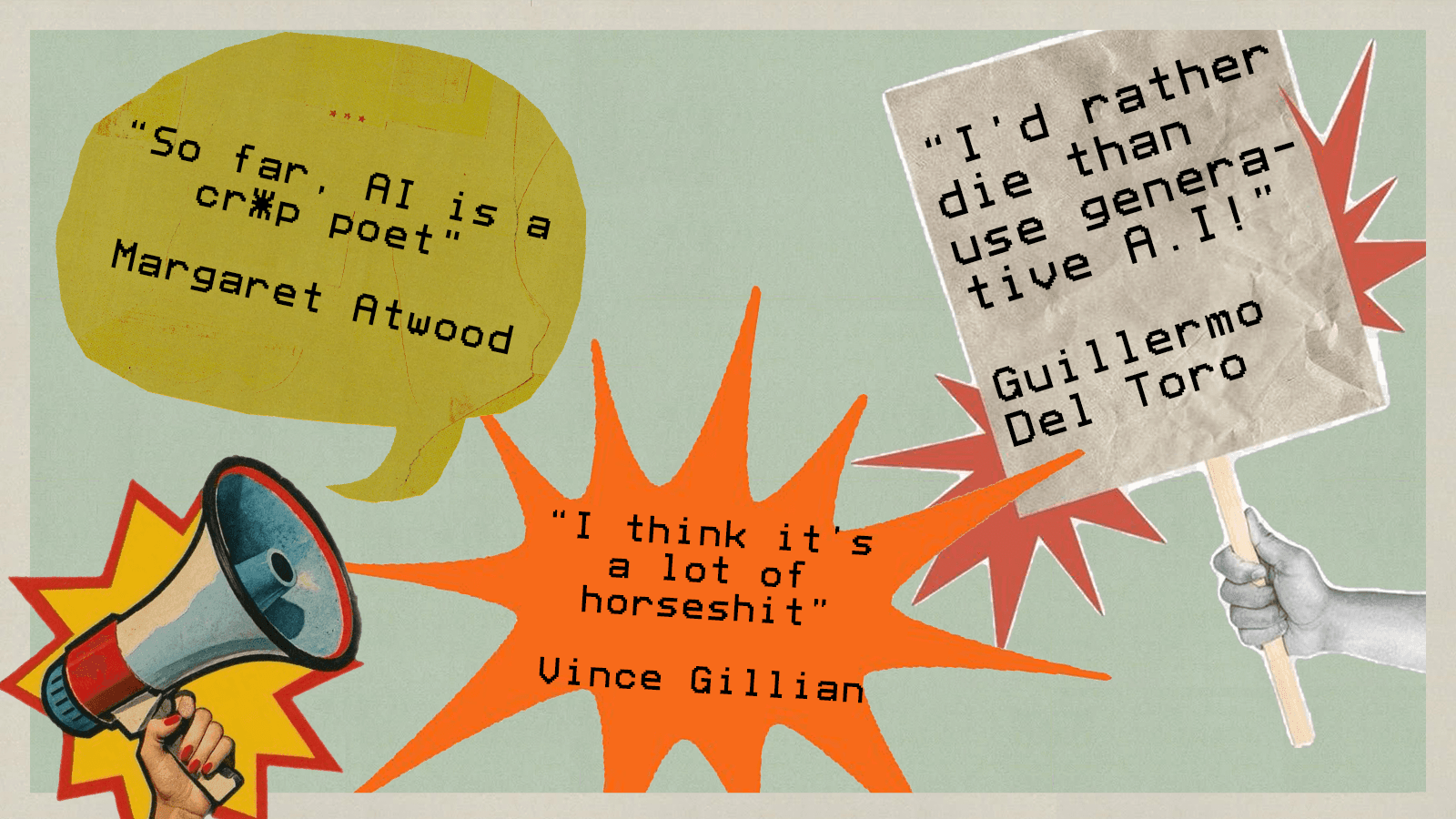
Breaking Bad screenwriter Vince Gilligan is making the same argument more quietly. The end credits of his new Apple TV show Pluribus read: “This show was made by humans.” Gilligan has repeatedly dismissed AI as an expensive plagiarism machine, one that endlessly recycles existing work while draining resources.
In India, the backlash turned visceral when Raanjhanaa was re-released with an AI-altered ending without the consent of its creators in August. Filmmaker Aanand L Rai called the move devastating and an abject betrayal, arguing that the film’s soul and intent were stripped away to manufacture a synthetic happy ending. Both Rai and his lead actor, Dhanush, have spoken about legal action, warning that this sets a dangerous precedent for creative ownership. So, why is AI taking all the fun jobs while humans hunch over spreadsheets?
Here, we capture the anti-AI brigade of creatives and a simmering revolution via five creatives across photography, screenwriting, direction, fashion, and music who are pushing back. Against shortcuts. Against automation dressed up as innovation. Against the idea that creativity should be frictionless, soulless, and replaceable.
Colin D’Cunha, director, Call Me Bae
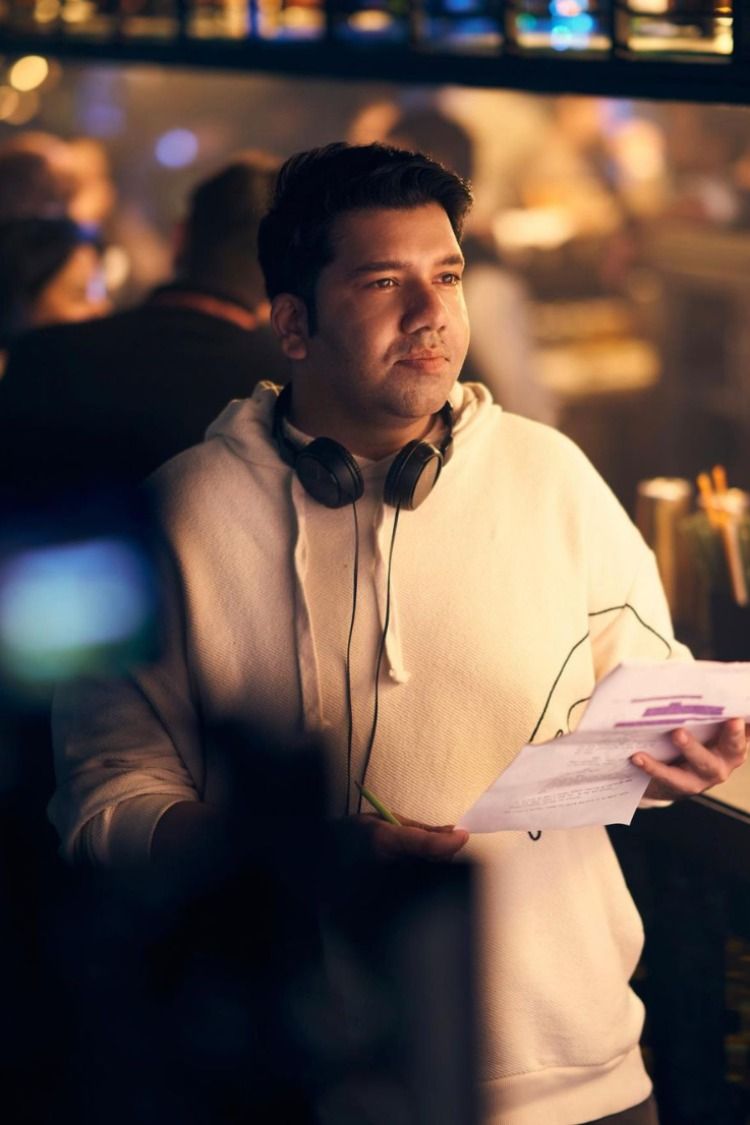
“The things we enjoy most in films and writing are the ones that don’t follow a set pattern and genuinely surprise us, and that surprise can only come from human experience. AI will always rely on tropes and recognisable formats. There are cultural nuances you simply cannot explain to a machine. For instance, AI could never come up with something like #behencode. That idea is rooted in a very specific cultural understanding of a Hindi slur against women, and then consciously repurposing it into something empowering through language and context. You can’t prompt that. You have to live it.”
An AI prompt I’d like to give: “How do you self-destruct?”
Rina Singh, founder and creative director, Eka

“The creative industry is quite infamous for looking for shortcuts. Otherwise, we wouldn’t have a dupe of a dupe of a dupe, and it becomes difficult to even trace what’s original anymore. That kind of fashion exists because there is demand for it, but it also comes with a very short lifespan. It arrives in a big burst of enthusiasm and then disappears. Creativity, in the end, is deeply individualistic. It cannot, and should not, be replicated or duplicated.”
What AI needs to know: “If a machine can give me 200 permutations of an idea, then the idea doesn’t hold any merit anyhow.”
Suryakant Sawhney, musician, Lifafa and PCRC
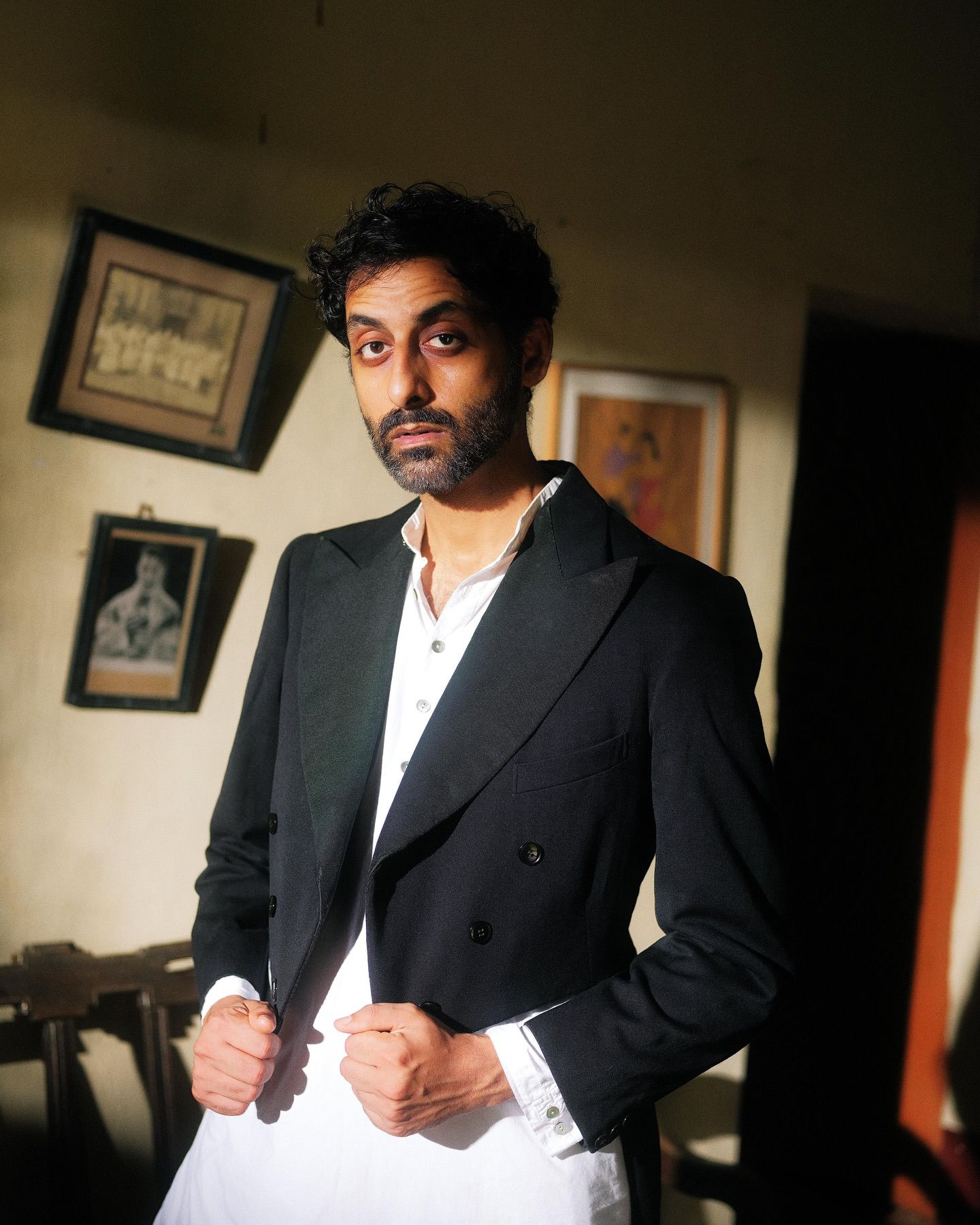
“Generative AI, creatively, is just boring. I don’t understand why you would want to remove the most enjoyable part of making art, which is the process itself. Music that truly moves people comes from a very specific moment in time, memory, and lived experience. That kind of connection doesn’t naturally happen with a random piece of AI-generated art. It might sound fine, but it doesn’t carry life.”
What AI needs to hear: “You’re not the singer. You’re just a microphone.”
Viraj Khanna, artist
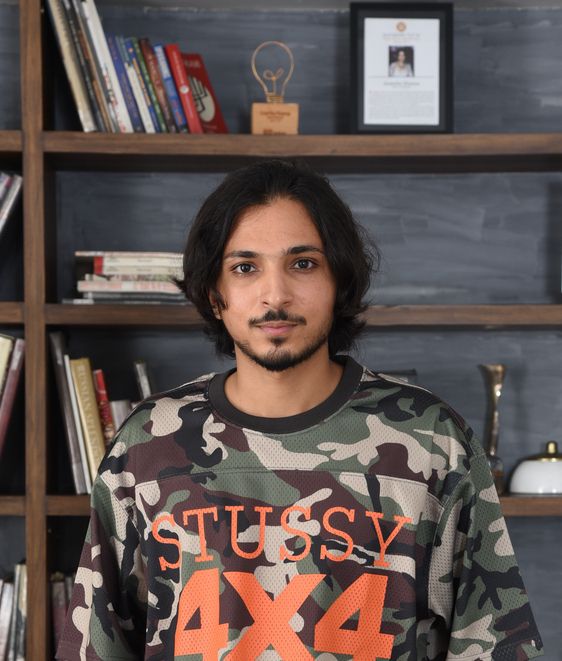
“AI is always derivative. It pulls from what already exists online and keeps layering it again and again. That’s a problem, especially when it replaces the experimentation phase, which is where most real breakthroughs happen. Most of my best ideas come from failed attempts, from doing things that feel uncomfortable or boring. That physical process is essential, and AI shortcuts straight past it.
I’ve already seen elements of my own work being lifted. Faces and sculptural details I’ve made show up in others’ clothing and designs. It’s unsettling. As an artist, honesty and vulnerability are non-negotiable. If you can’t say how the work was made, then something is already wrong.”
My character analysis of AI: “You’re just a soulless void.”
Bikramjit Bose, photographer
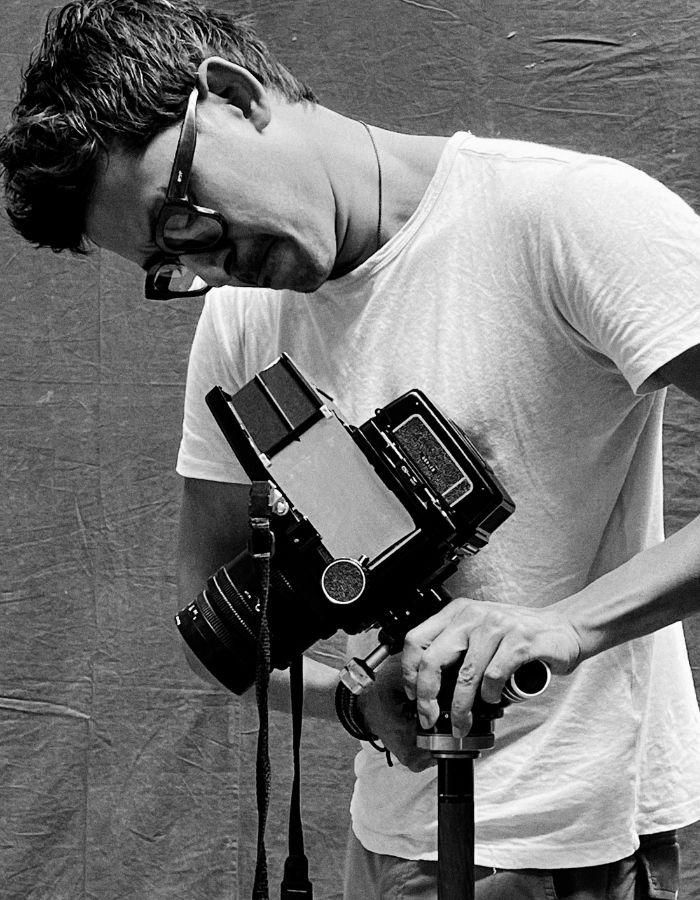
“AI can take bits of visual information from everywhere and stitch them together at incredible speed, but it cannot translate the emotive part of a photograph. That emotion only comes from the relationship between the photographer and the person being photographed. Anyone with a visually trained eye can always tell when something is off. I don’t think photography will be devalued because of AI. If anything, it will become more niche and more sought after. AI might produce mass imagery, but real photography will become what painting once was. A medium defined by intention, skill, and human presence.”
My message to AI: “Get out of my way. You do you and let me be me.”