
The hottest commodity in your skincare shelf right now is anything with azelaic acid, because, apparently, it’s hard to get hold of these days. Reports of its shortage have had #SkinTok in a frenzy—a brilliant demonstration of scarcity marketing if you ask us.
Globally, Redditors have been unable to ignore the sudden buzz around the ingredient either, comparing routines, stocking up on prescription creams, and visiting multiple pharmacies only to come up empty-handed (SOS situation, basically). Sourcing threads are everywhere, with users chiming in with “I didn’t realise it was an all-over shortage! I thought it was just my pharmacy”.
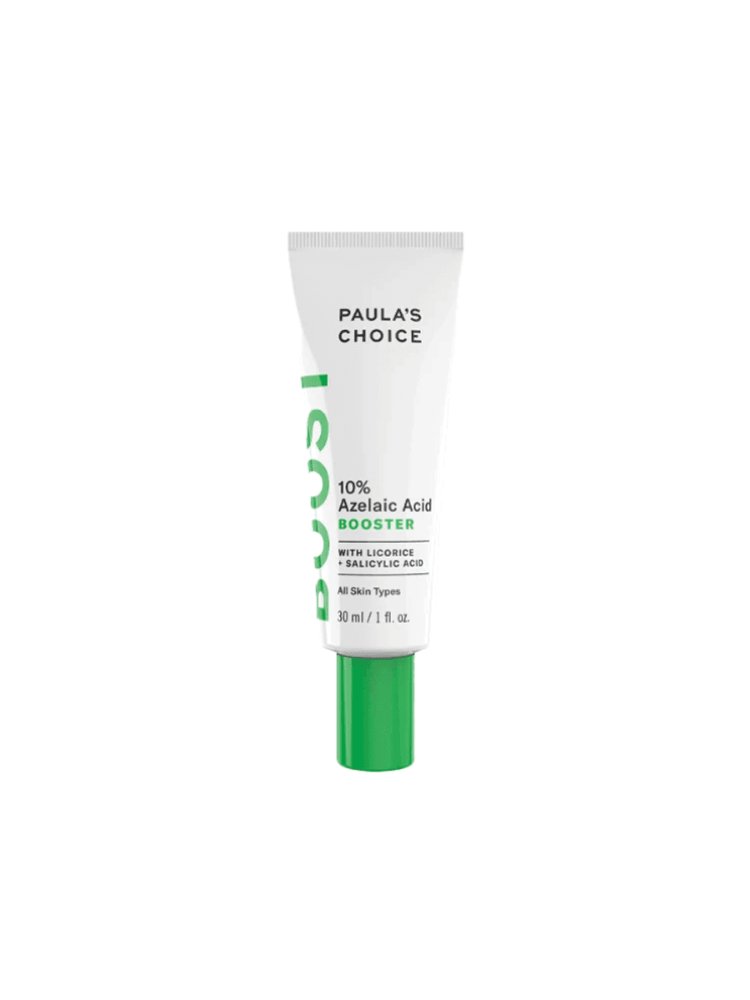
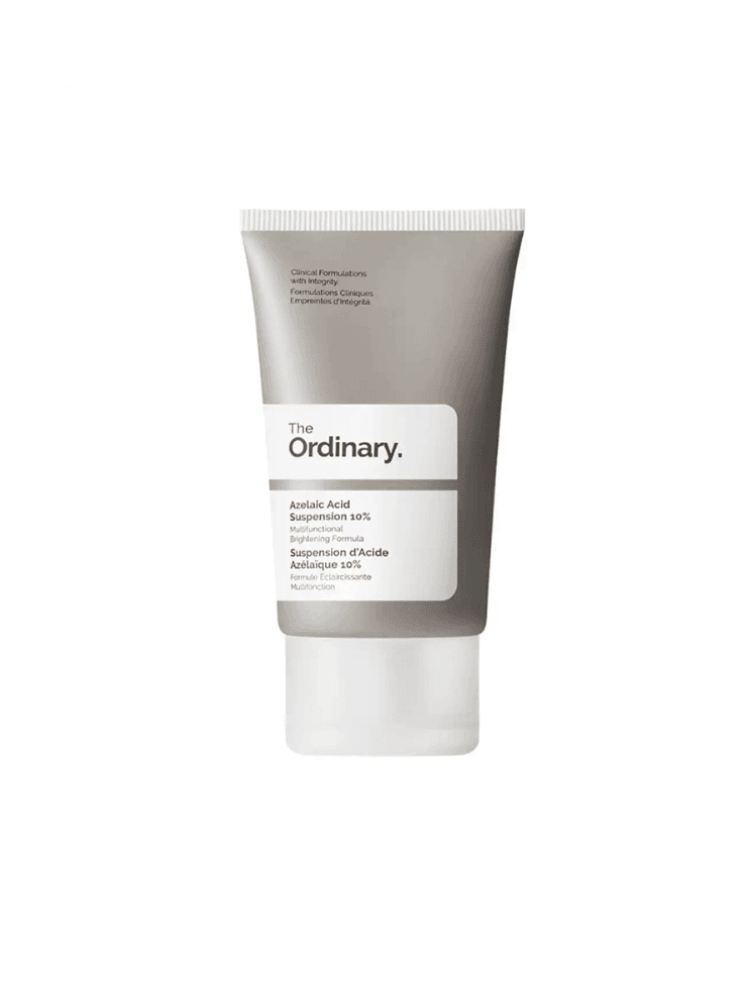
The somewhat-good news: The supply deficit is only limited to prescription formulations, such as Skinoren 20 per cent cream and Finacea 15 per cent gel. You can still stock up on branded formulations from your faves like Paula’s Choice, Medicube, and The Ordinary.
Azelaic acid might be having its internet moment, but dermatologists have been using and prescribing it for years. According to dermatologist Dr Kiran Sethi, it has antibacterial and anti-inflammatory properties, helps clear pores and can calm redness associated with rosacea. It also helps regulate melanin production, making it useful for post-acne marks, uneven skin tone, and melasma.
Azelaic acid loves some company. Emphasis on some.
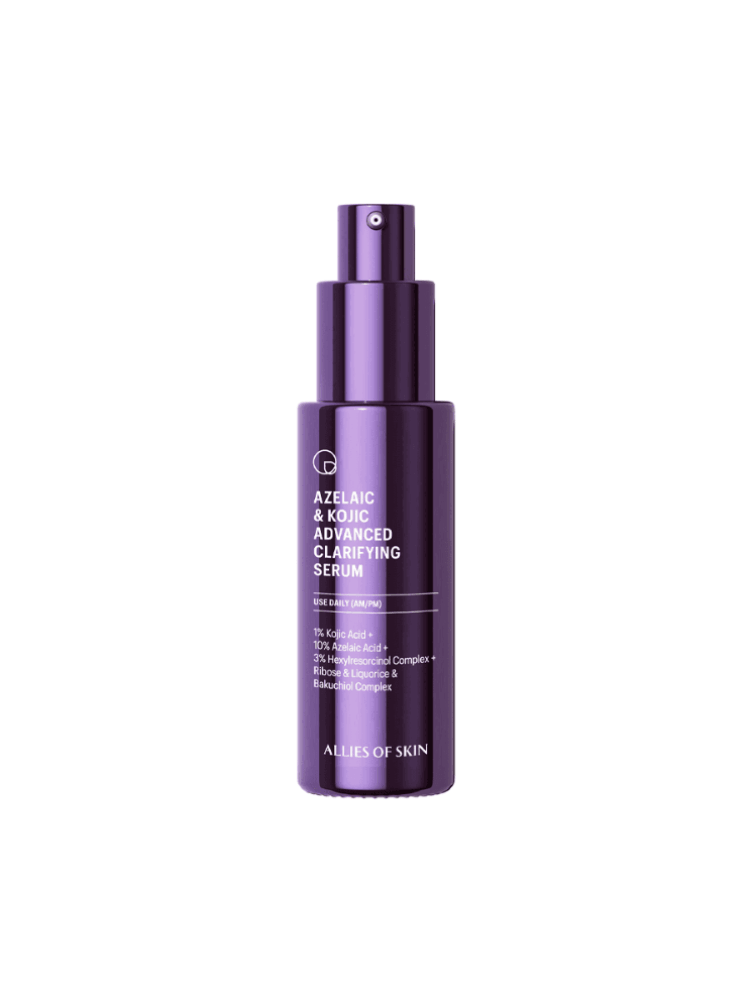
Azelaic acid doesn’t need a whole supporting cast, but it works well alongside ingredients like niacinamide, particularly if redness is a concern. To tackle pigmentation, try introducing vitamin C, tranexamic acid or kojic acid in the same routine.
Pairing azelaic acid with tretinoin can offer additional benefits, including increased collagen production, smoother skin texture, fewer fine lines, and acne improvement, notes Dr Sethi. The internet agrees, with users posting close-ups of their journey to glowy skin when sandwiching both these actives in their skincare routine. Adding alpha hydroxy acids (AHAs) or polyhydroxy acids (PHAs) can further support skin renewal and brighten the complexion. We’ve listed the options. Don’t dive into it all at once.
Avoid these crossover episodes
Combining azelaic acid with strong exfoliating acids, such as glycolic or salicylic acid or a potent retinoid, can increase the chances of irritation, redness, and peeling. Use them at different times of the day or on alternate days instead. The basics: start with a lower concentration, introduce it gradually and, as always, don’t skip sunscreen.
One last thing before you add to cart. Prescription formulations generally contain 15 to 20 per cent azelaic acid, while many over-the-counter options contain 10 per cent. They’re not interchangeable, and a higher percentage isn’t necessarily better. If persistent acne, rosacea or melasma is what you’re trying to manage, consult a dermatologist before deciding which formulation belongs in your routine.
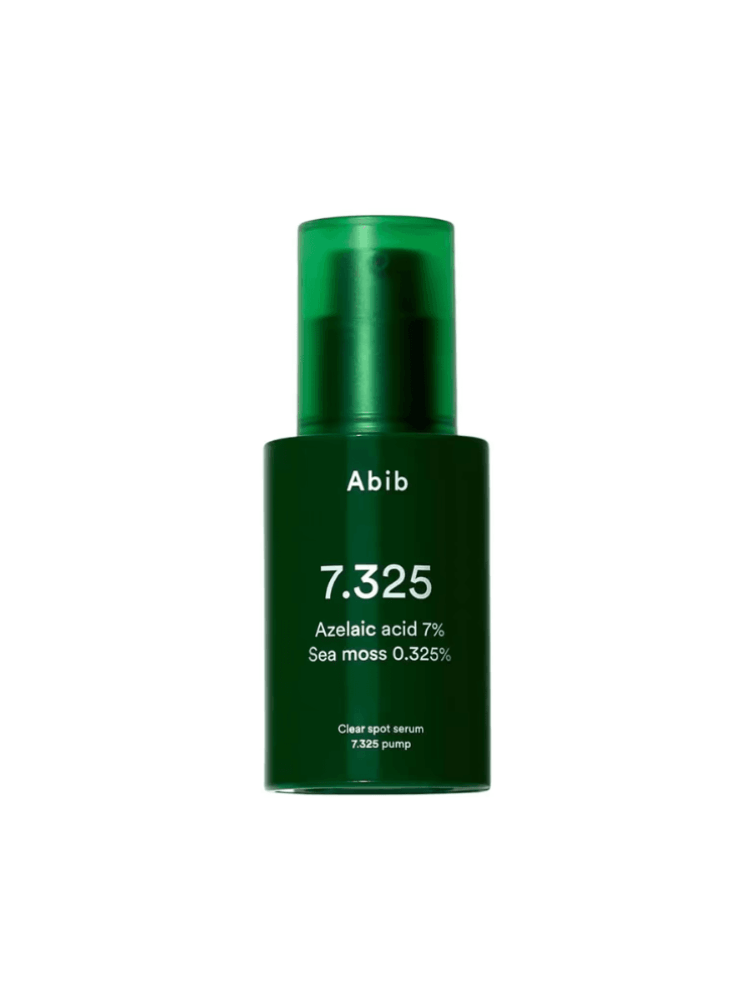
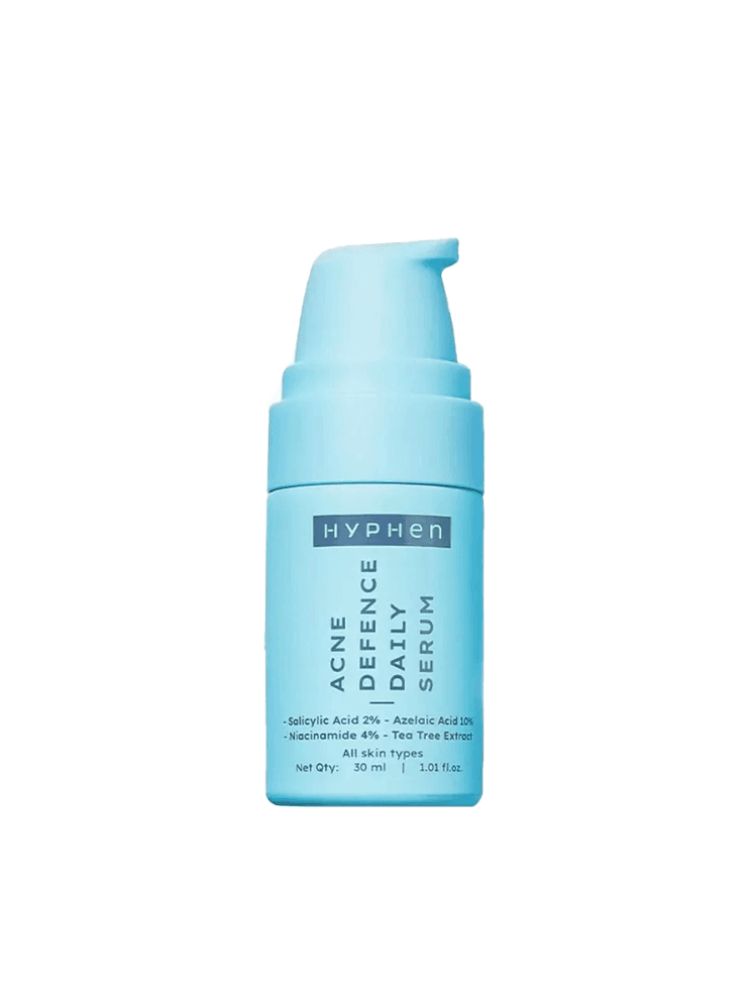
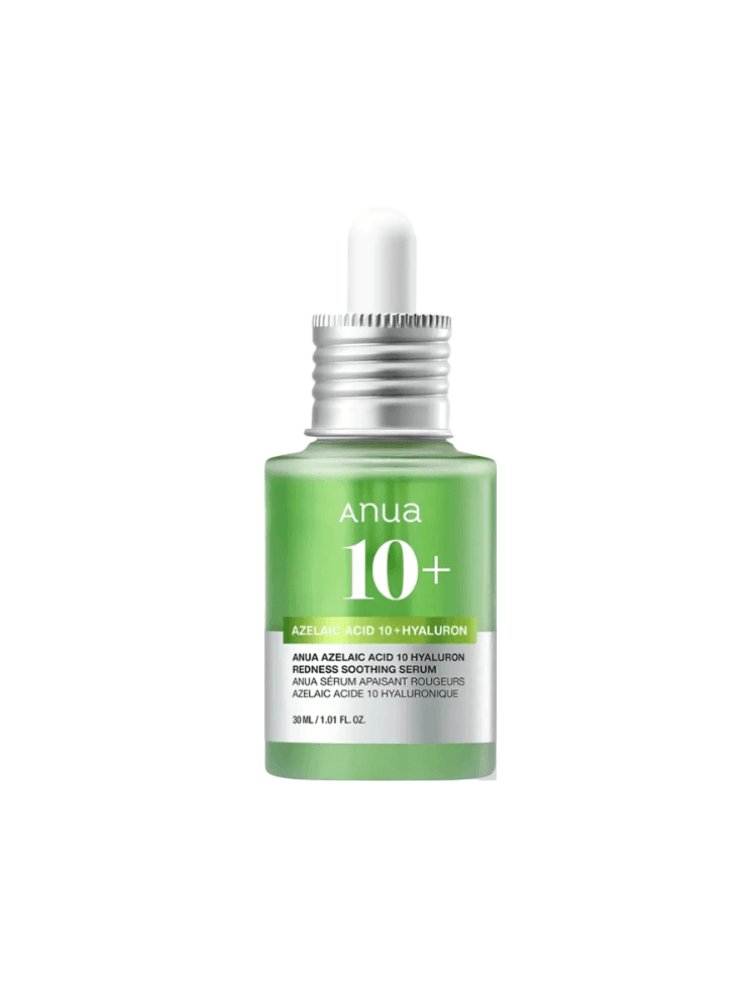
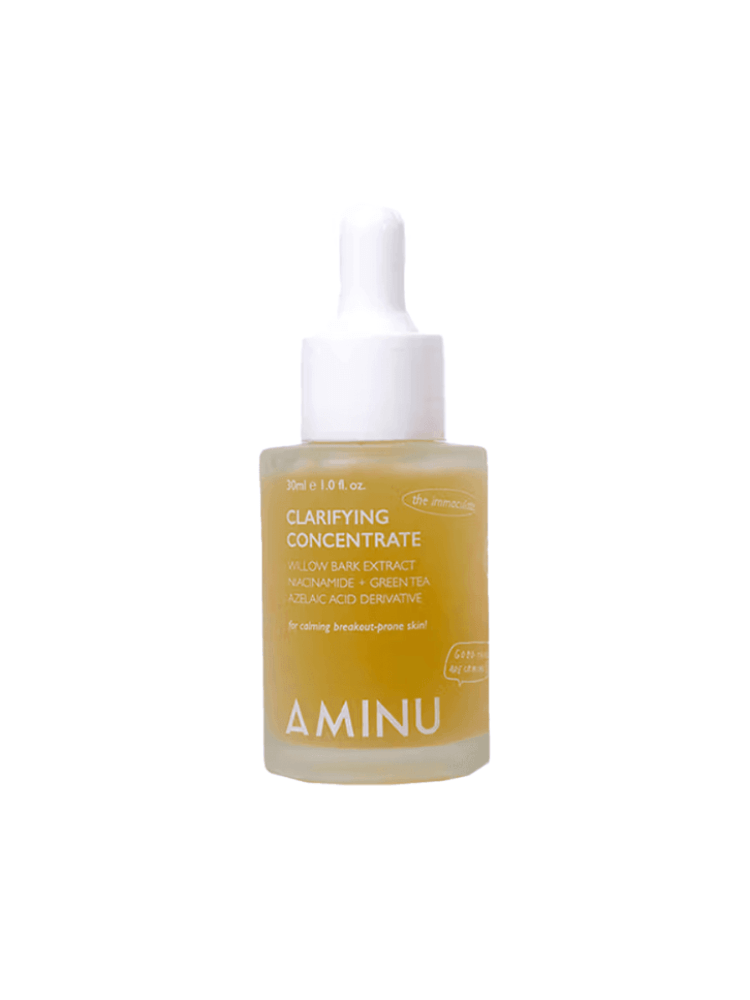
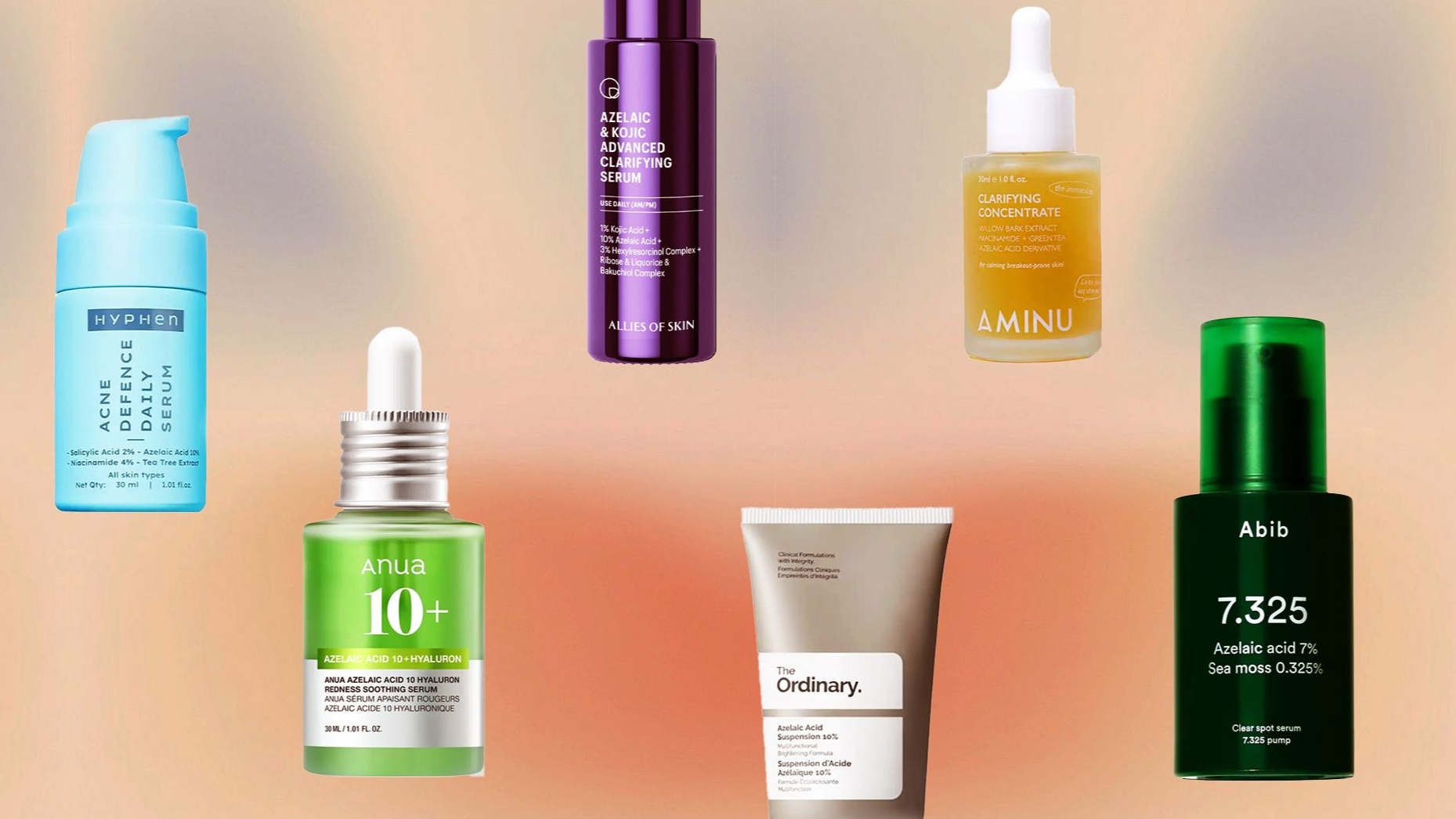
In the meantime, here are a few azelaic acid products to explore: