




‘Rage bait’ may be Oxford’s word of the year, but if Delhi voted on a catchphrase of the moment it would be the acronym that refuses to leave our group chat: AQI, or air quality index. From Gen Alpha to Boomers, we’ve reached a rare consensus on one thing—our city is trapped in a dystopian haze, with the AQI routinely climbing to 900 and beyond.
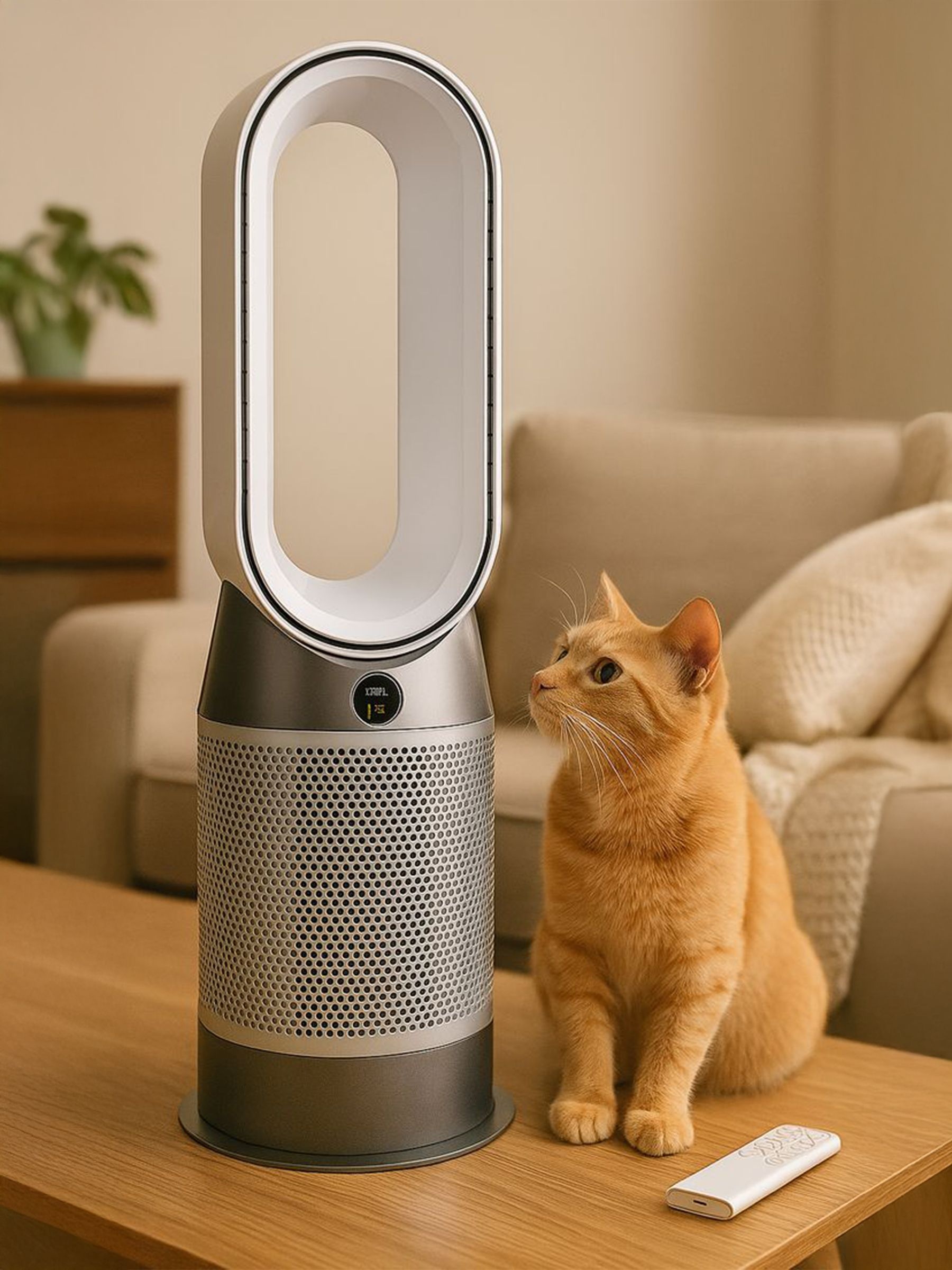
Naturally, there’s no shortage of theories explaining how this slow-motion apocalypse came to be. Of course, crop burning and cars aside, the contest for the most ridiculous explanations seems well underway—Mumbai is blaming it on its bakeries and Delhi is banning tandoor nights. For Dildeep Kalra, director of Massive Restaurants, which has restaurants like Farzi Café, Masala Library, Pa Pa Ya and Bo-Tai, AQI season feels like a full-time toxic situationship. But there’s one piece of tech that has swooped in as the reluctant saviour—the air purifier. “It’s literally part of my daily routine now,” says the restaurateur of her Dyson, adding it’s “like skincare, but for your lungs”.
Designer Abhinav Mishra feels the same; he can’t do life without his Dyson Purifier Hot+Cool Gen 1, which he purchased two years ago. “The AQI situation in Delhi has reached a point where it affects your mood, energy, everything,” he says. “The day I don’t switch it on, I can feel the difference.”
Delhi’s latest obsession is checking the AQI like a horoscope, so unsurprisingly, the topic du jour—at parties, on dates, at the proverbial water cooler or pretty much anywhere—is air purifiers.
By now, most of us have become self-proclaimed experts on how these machines work. The red light sends us into panic mode, while amber or yellow (read moderate air quality) seems oddly reassuring.
At its core, an air purifier is just a fan that blows air through a filter. But the HEPA filter is the real hero, and it needs frequent care. “A choked filter makes the machine inefficient. The mesh pre-filter, which catches larger dust particles, should be cleaned weekly or biweekly. A quick vacuum prevents the main filter from clogging too fast,” explains Rajan Sethi, restaurateur behind Ikk Panjab, AMPM, and Espressos Anyday.
Google will drown you in information, but we’ve...filtered it down, asking some well-known Delhiites about their favourite new home companion. If you’re finally contemplating getting a new purifier, our guide will come handy.
First, true HEPA H13 or H14 (medical-grade air filters) is a mandate if you’re serious about tackling the tiniest of particles. Next, CADR, or Clean Air Delivery Rate, matters far more than brand hype—ideally, it should be about two-thirds of your room size in square feet (roughly 200 m³/h for a 300 sq ft living room). The higher the CADR, the faster the air gets cleaned, which makes all the difference on peak smog days. Noise levels and portability are just as crucial: anything under 30 dB with a sleep mode works best for bedrooms, and a weight under 6 to 7 kg makes it easier to move around the house.
Checklist sorted, you now enter the most anxiety-inducing stage of all: Which air purifier should I buy? A quick YouTube search throws up a gazillion videos, many clocking over 300,000 views. Sigh.
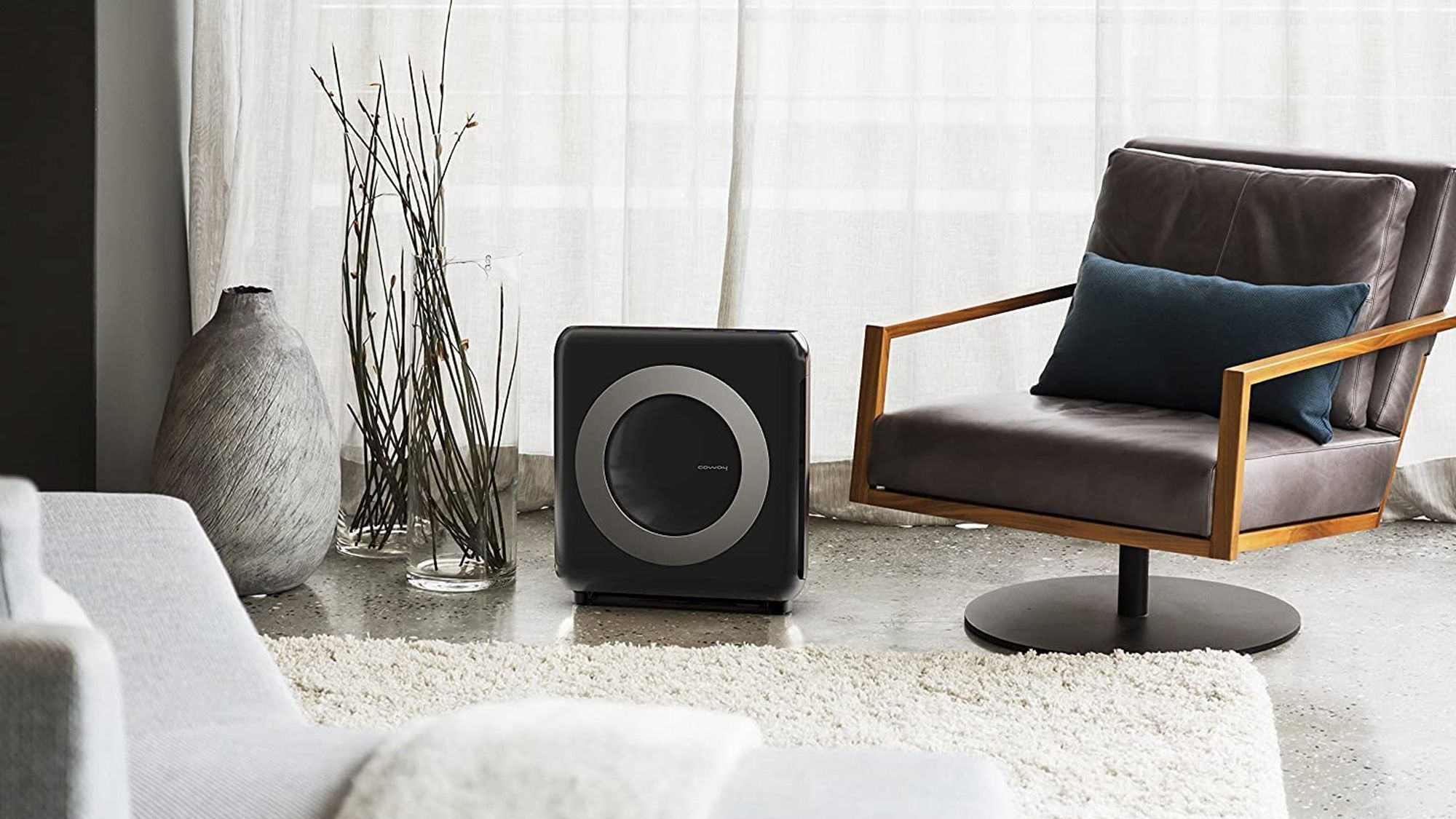
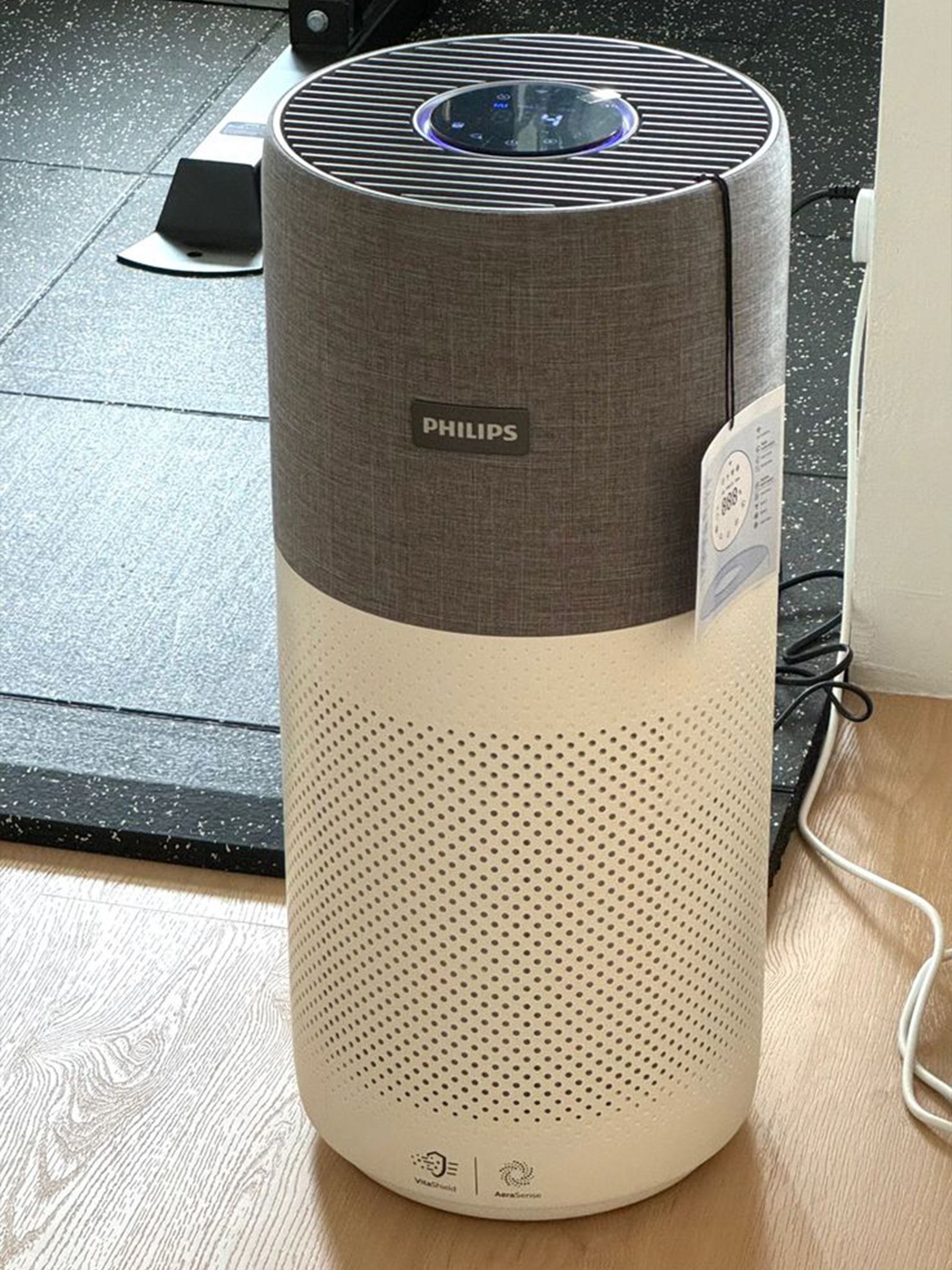
The Philips purifier, priced between ₹10,000 and ₹28,000, is a household favourite. Korean brands like Coway (their Airmega AP-1512HH Mighty has been their buzziest launch) and Winix (₹10,000-₹15,000) are equally in demand, especially among those hunting for value-for-money options.