




In her 2025 memoir, Mother Mary Comes to Me, Arundhati Roy describes the night of October 16, 1997, when The God of Small Things became the first Indian novel to win a Booker: “It was thrilling to win the Booker Prize. But the weeks of hysteria around the shortlisted authors, the bets that were being laid on us by bookies, the grand banquet at which only one of us would be announced as the winner, made me feel more like a horse than a writer.”
A pinnacle of literary achievement, the Booker Prize celebrates literature that has made a difference—be it through sheer literary merit, by exploring the socio-cultural landscape of the time, or by simply illuminating the core of the human experience. But what follows the big win? How does the author, who will no longer be called anything but “the Booker prize-winning novelist”, take in all the attention? What do they feel? Does the prize open new doors, encourage them to write more, or make it harder to get back to the desk? Some writers call it revitalising, others talk about the creative block that builds when you have the pressure of replicating the same success. But they all agree: winning the Booker is life-changing.
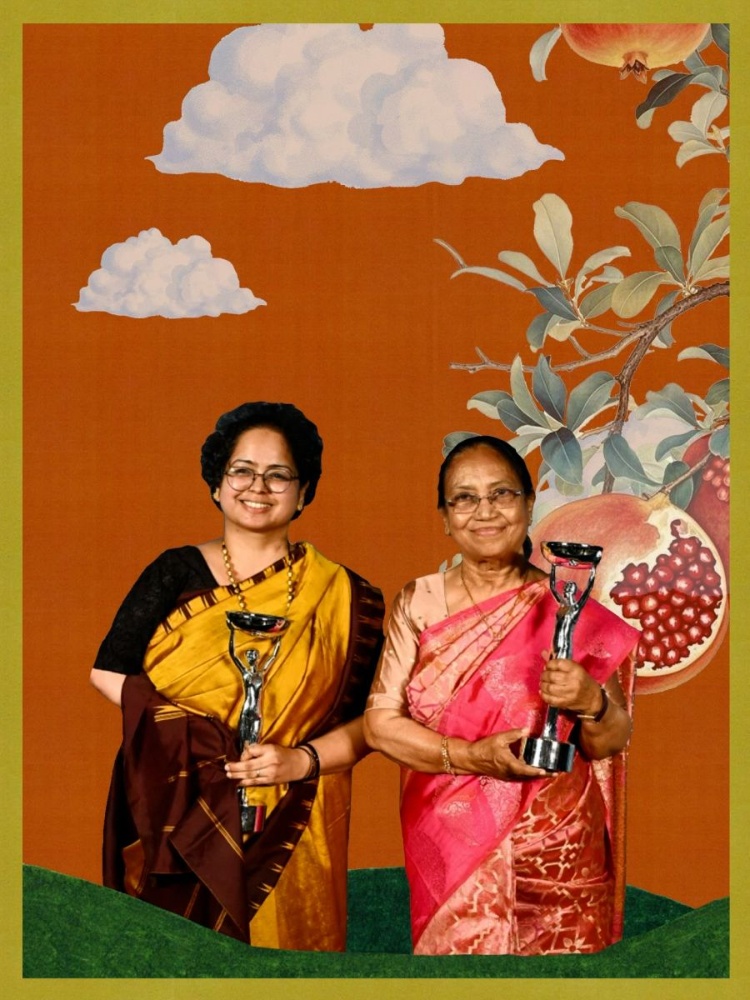
This year at the Ubud Writers and Readers Festival (UWRF), which took place in October, among lush rice terraces and dense rainforests, I met Banu Mushtaq and Deepa Bhasthi—author and translator, respectively, of Heart Lamp, which won them the 2025 International Booker Prize—to take forward my enquiries.
On May 20, when the duo became global names, the night wasn’t without its drama. Banu had lost her luggage and was on a hunt for an outfit for the ceremony. A last-minute sari brought in from Bahrain came to the rescue. For Bhasthi, the bizarreness of the night was what stood out the most. After the initial wave of congratulations and flashes, fellow translator Anton Hur approached her and said, “You know, you’re the first translator of colour—and the first Indian translator—to win this award.” She was stunned. “That can’t be right,” she recalls telling Hur at the ceremony at London’s Tate Modern. “It’s too big a responsibility to take on.”
In the aftermath of the win, their life is filled with press calls, festival invitations, endless events and interviews, and a lot of travel.
Jenny Erpenbeck, winner of the 2024 International Booker Prize for Kairos, who was also at UWRF this year, remembers being intensely anxious. So much so that when the title of her book was announced she couldn’t recognise it for a moment. What followed was a daze of cameras, photos, and press calls—the kind of noise that leaves little room for real feeling: “It all happened so fast,” Erpenbeck tells me, “I could only process it hours later when I came back to my hotel room. I remember taking a picture of the hotel building when it all hit me.”
Like her, many authors have described the difficulties they face getting back to the desk. In the year and half since her win, Erpenbeck has barely been able to write. With her next work far more ambitious than Kairos, she struggles to find the time even for research. Now, as her schedule begins to ease, she is gearing up to tackle the bulk of the first draft.