Accessories29 Oct 20264 MIN

The curious case of the casual cummerbund

Once reserved for black-tie affairs, the waist-cinching accessory is now turning up in everyday wardrobes, paired with everything from knitwear to shorts

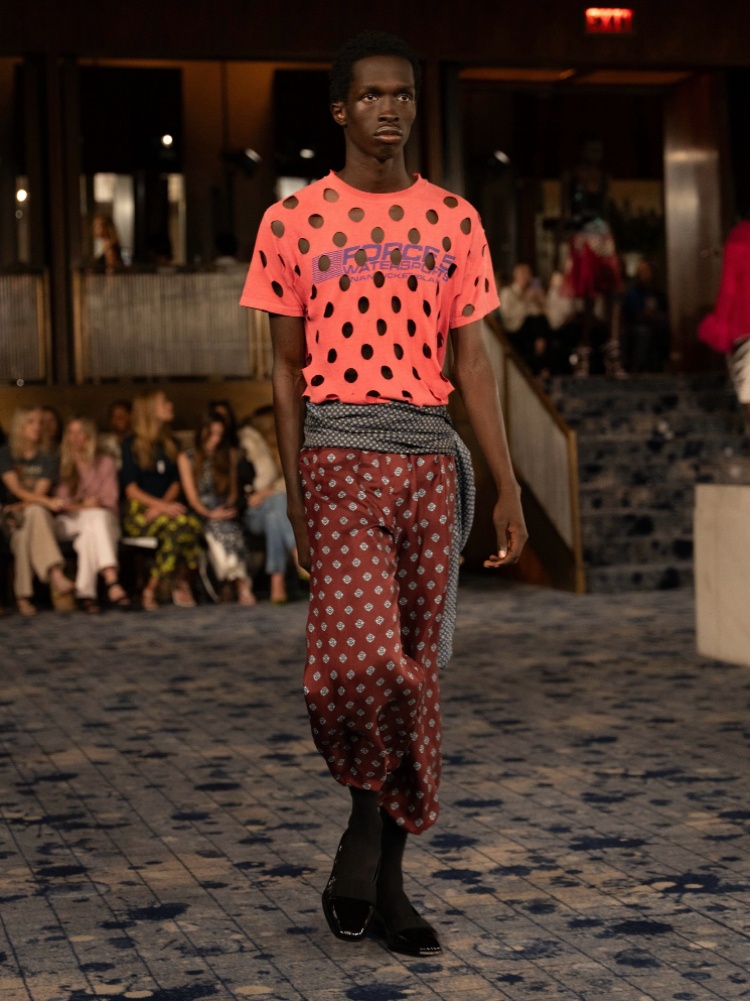
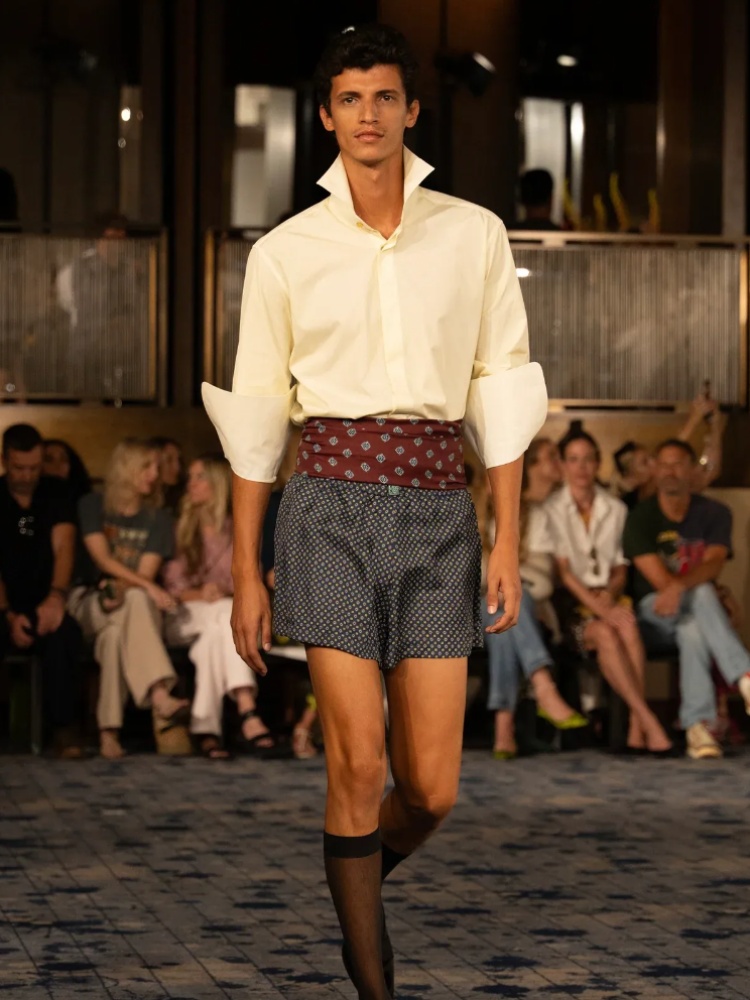
Cummerbund on the Conner Ives spring/summer 2027 runway

Conner Ives spring/summer 2027

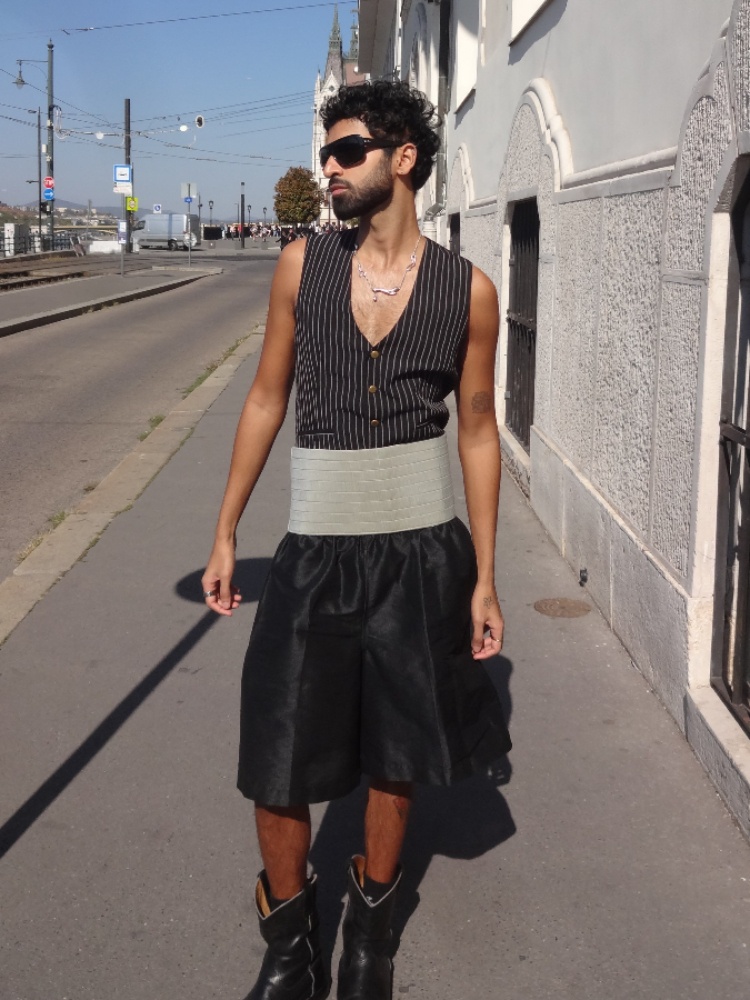
Call it yet another example of Indiamaxxing, but the cummerbund is clearly having a moment. Across the spring/summer 2027 runways, designers reinterpreted the traditionally black-tie accessory in myriad ways, pairing it with everything from pullovers and crewneck tees to relaxed trousers and even shorts. In its dressed-down avatar, the cummerbund is fast becoming the go-to accessory for It-girls and It-boys alike.

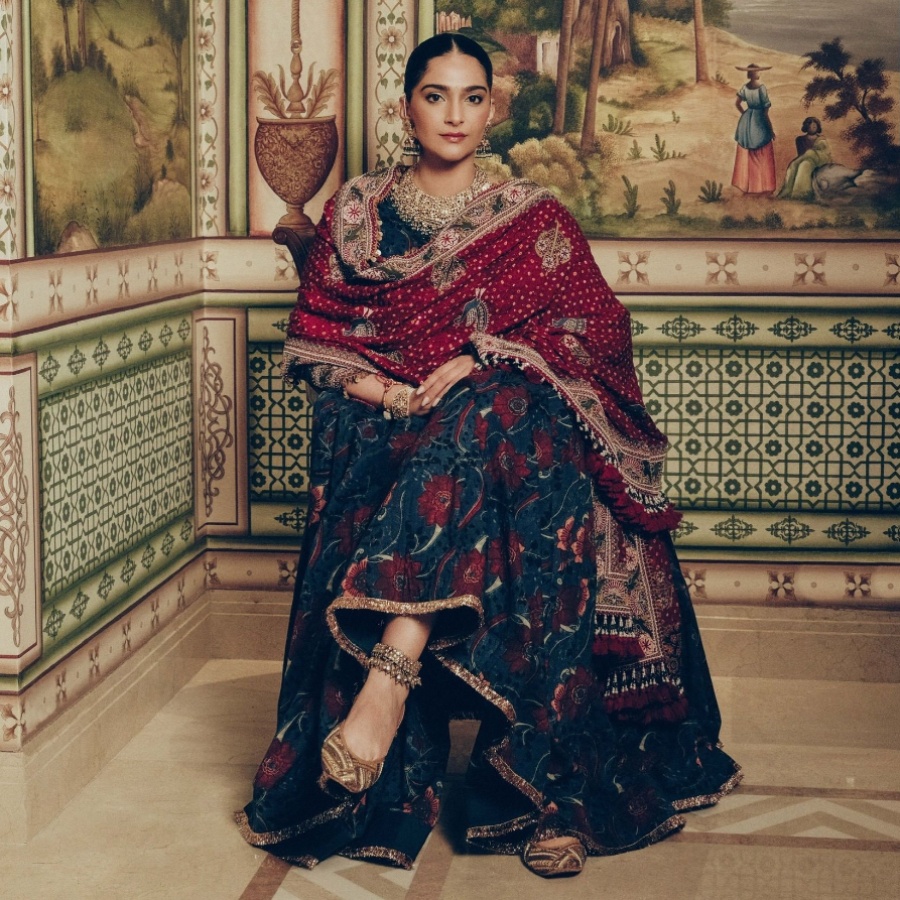
Long before it became a fixture of the Western tuxedo, the cummerbund had a far more ornamental history as the ‘kamarbandh’ in south Asia, a waist adornment that has existed in both jewelled and fabric forms. The word itself comes from Hindi and Urdu, derived from Persian words meaning ‘waist’ and ‘band’.

In Indian mythology, apsaras in Lord Indra’s court are believed to have worn kamarbandhs; the bejewelled gold girdles can be seen engraved in sculptures across ancient Indian temples. British military officers stationed in Raj-era India are said to have adopted the fabric waist sash worn by Indian soldiers of the Indian imperial army, and it was eventually introduced into mainstream men’s eveningwear. Over time, it became the formal accessory we visually associate with a certain martini-swilling James Bond-like character.

Now, designers and fashion enthusiasts are taking the cummerbund out of the black-tie wardrobe. At Michael Rider’s debut menswear show for Celine, sashes in saturated colours appeared over casual sweaters and tailored trousers. London-based creative Maninder Sachdeva, who often wears the accessory himself, considers it a turning point in the accessory’s revival. “I think it really blew up with [the Celine] show earlier this year,” he says.
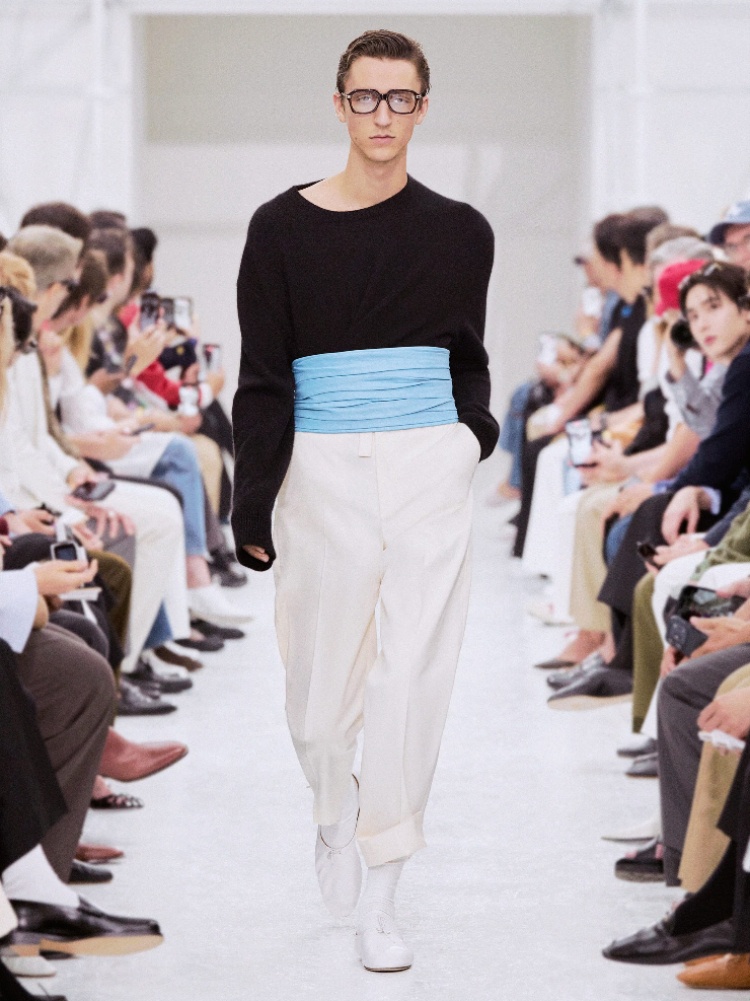
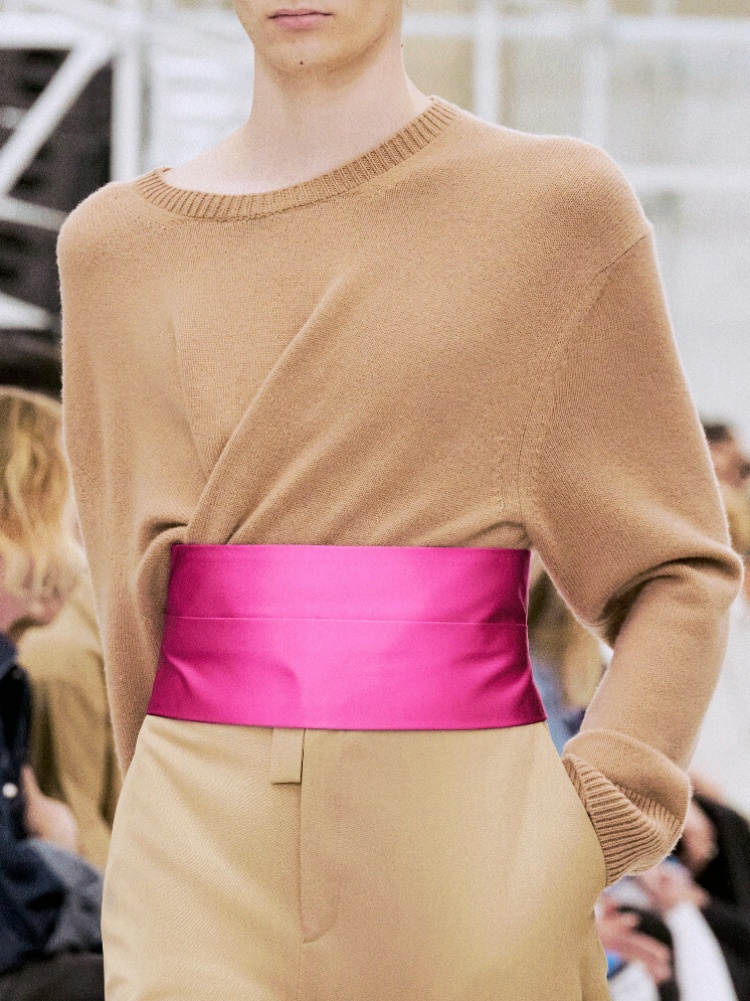
“The codes of dressing are constantly getting blurred between men and women and high and low today,” Sachdeva adds, likening the cummerbund’s newfound ubiquity to the growing tendency to style high-jewellery pieces with everyday staples like T-shirts and jeans. In an age of increasing homogeneity and a significant loss of personal style fuelled by persistent algorithm-led trend chasing, he believes the cummerbund offers an opportunity to express individuality.

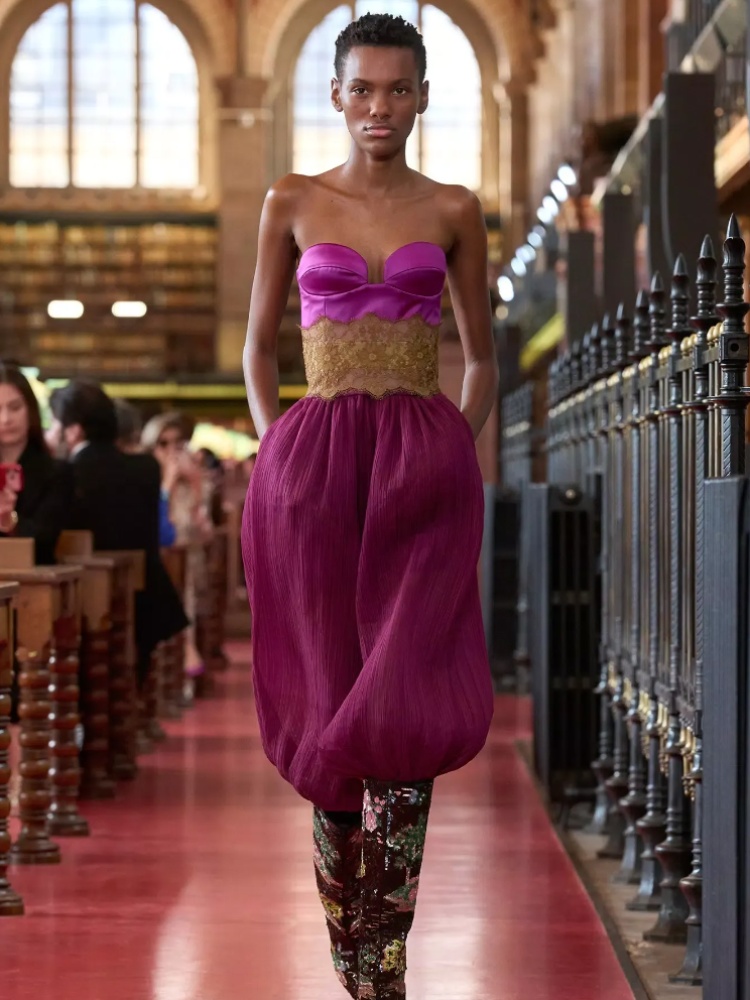
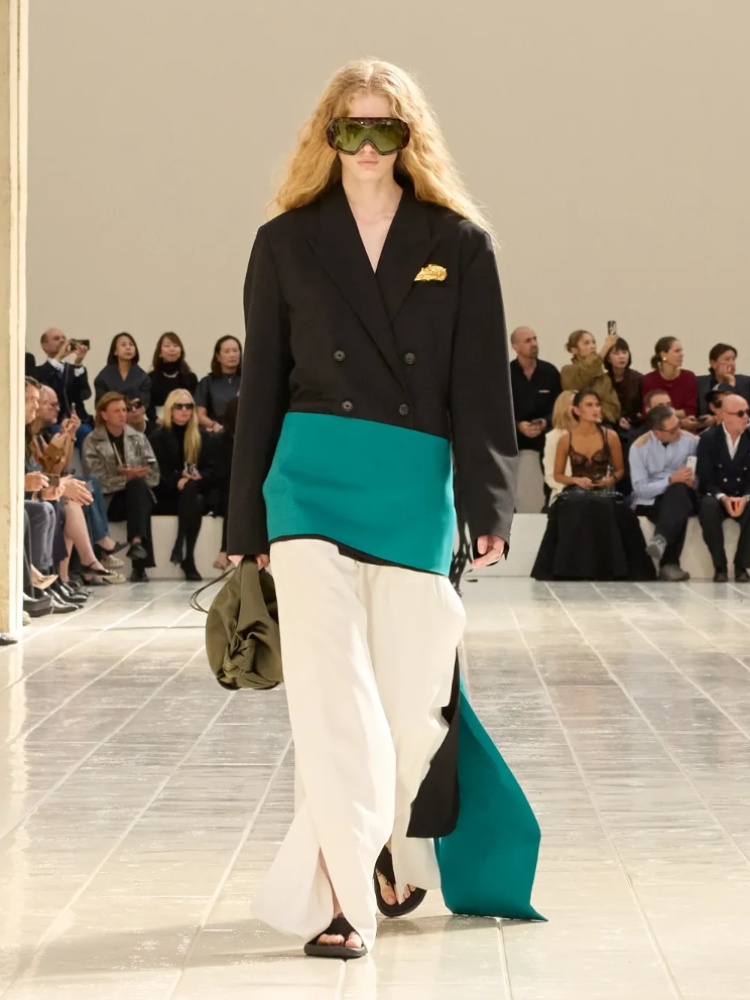
Across this season’s runways, designers have taken considerable liberties with the cummerbund’s traditional proportions and placement. Conner Ives paired printed versions with boxer-style shorts and pyjamas, while Alessandro Michele at Valentino showcased cummerbunds in suede and lace over satin bustiers, as well as satin sashes over pleated trousers. At Balenciaga, Pierpaolo Piccioli took a different approach altogether, introducing ultra-wide satin sashes in contrasting colours like teal and red, styled low on the hips with louche, oversized blazers and billowing pants. On the home front, brands like Naalgo are subverting the obvious formality of the accessory with bright silk versions styled with daily staples like tank tops, shorts, and relaxed linen shirts.

It’s a departure that entrepreneur and aesthete Akshat Rajan has embraced wholeheartedly. Having first worn a cummerbund with a tuxedo at his sister’s wedding nearly a decade ago, Rajan has since taken to styling it beyond its formal context. Every time he posts an image wearing one, it elicits pleasantly surprised reactions from his audience. “When I started wearing it, I pulled it out of the tuxedo completely. My style is more about ease, as opposed to the restraint of the black-tie version,” he explains.

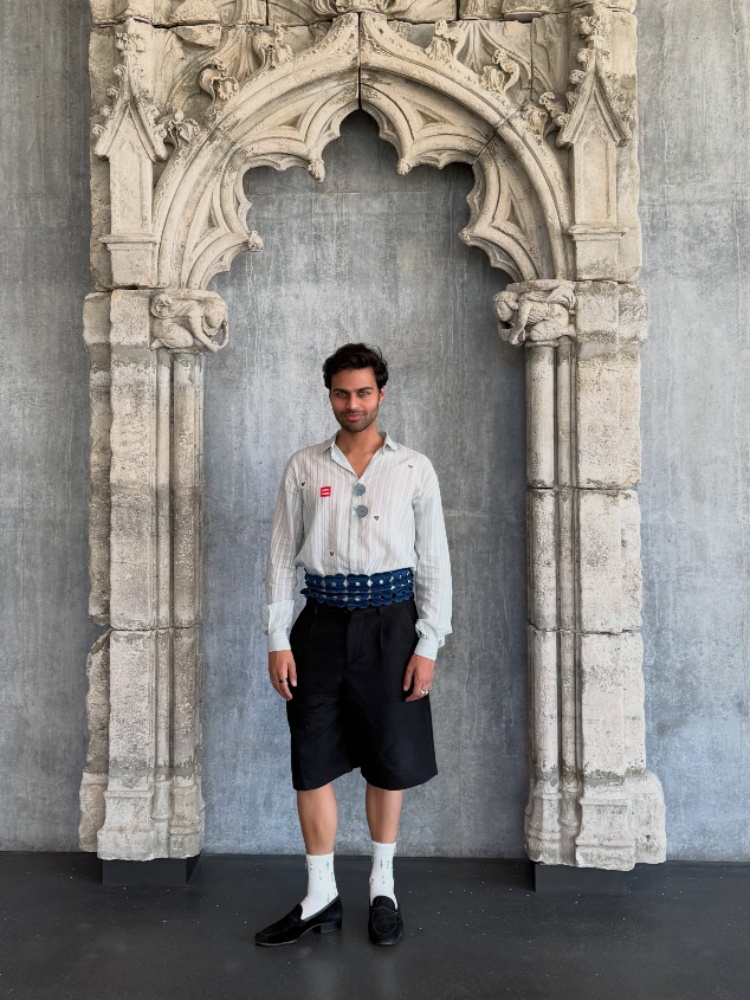
At a recent LACMA event, he wore one over shorts, while for a Diwali party hosted by Bvlgari he chose a custom cummerbund fashioned from multiple sari borders by Studio Picante. Rajan also notes the change in the accessory’s interpretive lexicon. “Beyond the classic satin black-tie version, I love deconstructed draped ones and utilitarian buckle-and-belt hybrids,” he says. “But my favourites are the ones in raw silk or brocade—real Indian textile. Anything that honours the drape: the softness, the fold, unclasped.”

So why the sudden fascination with this particular accessory? According to London-based data analyst Carmen Martinez-Ferrer of fashion insights platform Data Fashion Brief, it’s part of fashion’s renewed interest in defining the waist. Her analysis of the spring/summer 2027 collections points to a wider appetite for cinched dressing and layering and found that the cummerbund showed up as an accessory across 38 per cent of the collections showcased at Paris Fashion Week earlier this month. Almost half the looks presented at the Valentino show at Bibliothèque Sainte-Geneviève featured an iteration of the accessory. “Valentino’s lace-over-satin is my favourite, because of the sheer romance of it,” says Martinez-Ferrer.

“This moment being enjoyed by the cummerbund makes complete sense because the romance of the waist is back,” says Martinez-Ferrer. “Belted waists and corset-style tops were seen across 88 per cent of the collections this year, and almost half of all the looks had a fitted piece. Layering is a huge styling trend as well, and there is no better piece to layer with than a cummerbund.”

“Fashion has spent the past few years focusing on the soft and the oversized, and the body got a bit lost in the clothes,” says Rajan. “The cummerbund brings the waist back.”

But the appeal of the accessory goes beyond simply a way to accentuate the waist. At Balenciaga, for instance, the accessory exaggerated the proportions of an already oversized outfit rather than cinching it. “It has become a styling trick more than anything. It also makes for an easy pop of colour, which explains people’s obsession with it,” Martinez-Ferrer adds.

She also feels the cummerbund’s versatility could give it staying power beyond the current trend cycle. “We can make a cummerbund out of any item of clothing in our wardrobe—even ties, for example,” she says. “It’s essentially a belt, and belts never really leave. The theatrical versions, like the lace bustier cummerbund, might have a short moment, but the simple satin sash over tailored pieces might stick around longer.”

And while the runways have demonstrated just how many ways there are to wear one, Rajan’s advice for incorporating one into an everyday wardrobe is fairly simple. “Keep it quiet. Over a plain shirt or T-shirt with a high-waist trouser. The trick with every day is to make it look like you didn’t try when, of course, you did!”

The Nod Newsletter

We're making your inbox interesting. Enter your email to get our best reads and exclusive insights from our editors delivered directly to you.