Weddings13 Nov 20264 MIN

The new-age Indian wedding is no wedding at all

As Indian weddings get bigger and more expensive, some couples are skipping the spectacle and the sulking relatives for a quick signing at the municipal office

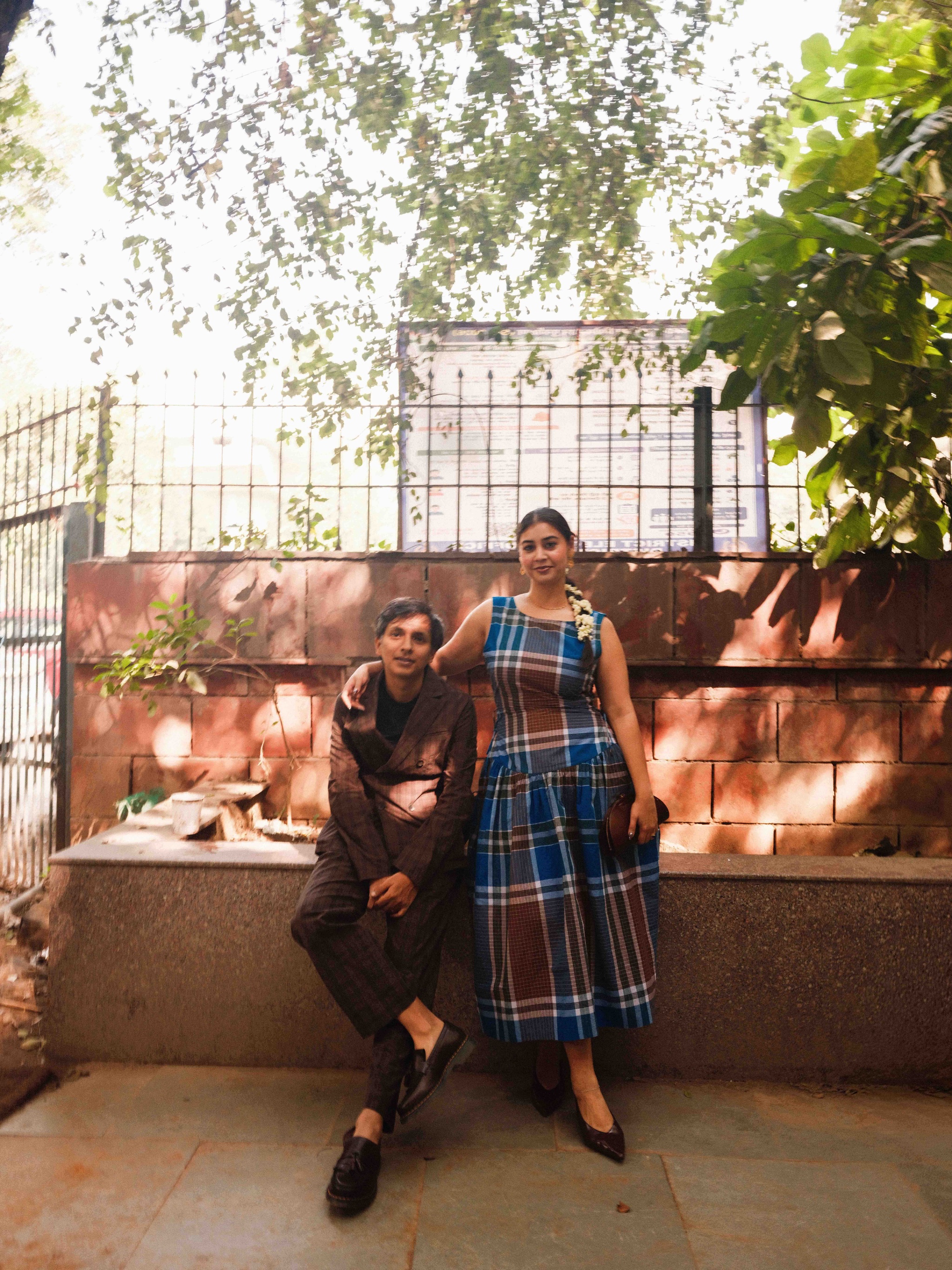
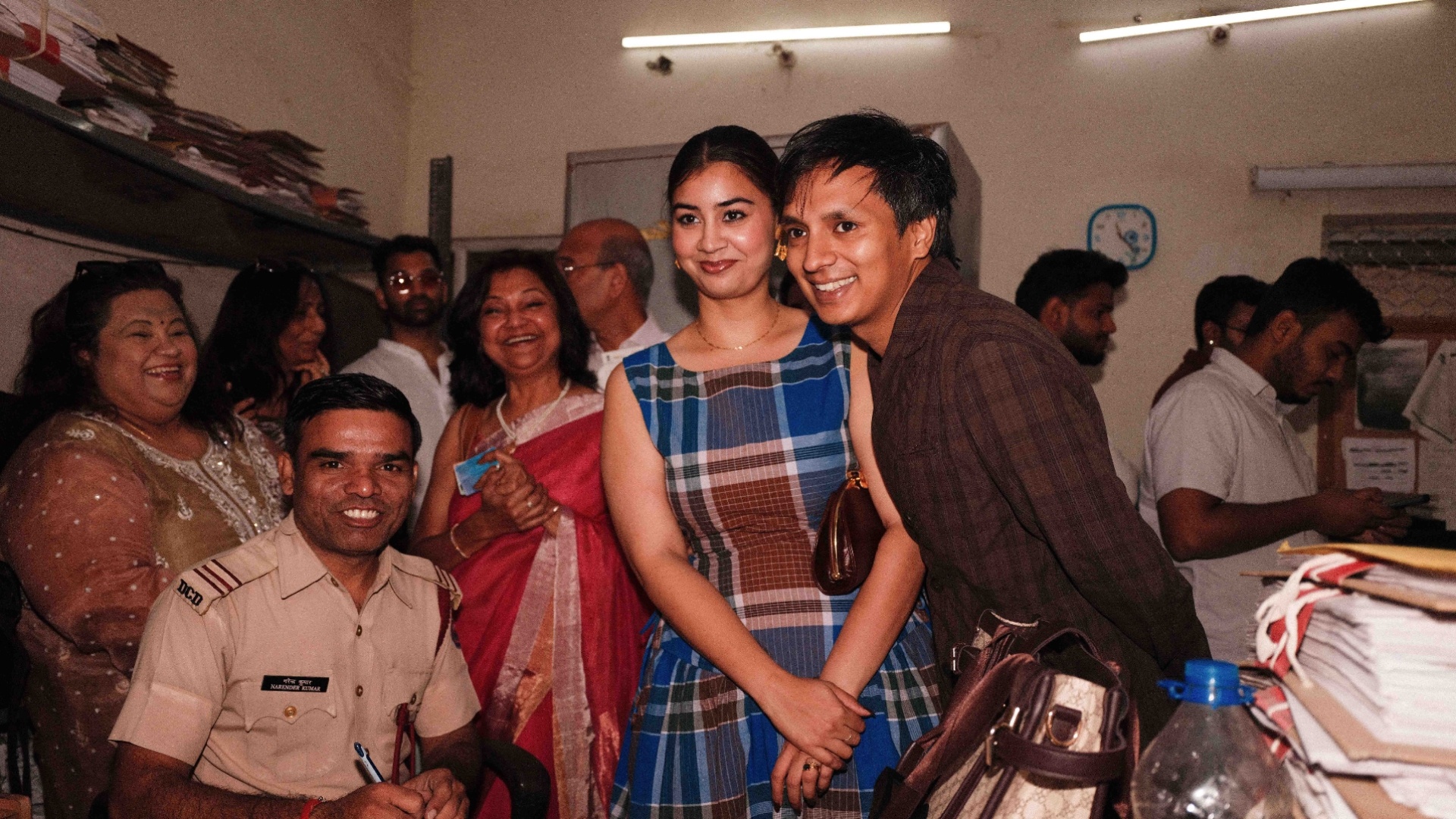
Gorkey Patwal and Avishi Patel at their court marriage

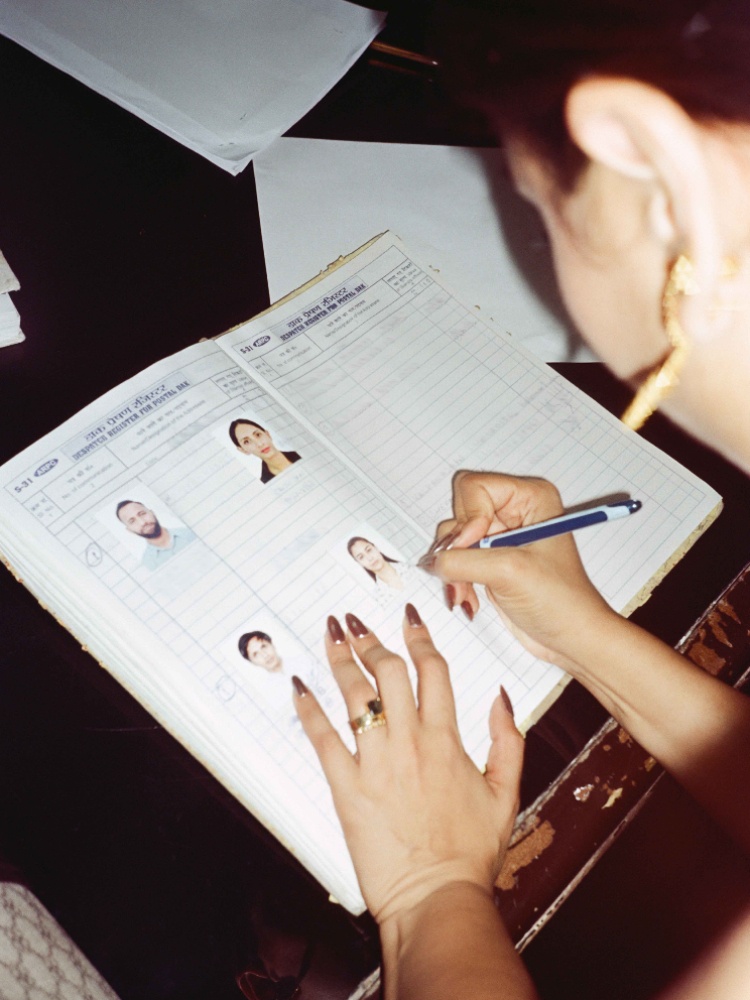
Avishi Patel and Gorkey Patwal at their marriage registration in Delhi last month

Photographs courtesy of the couples

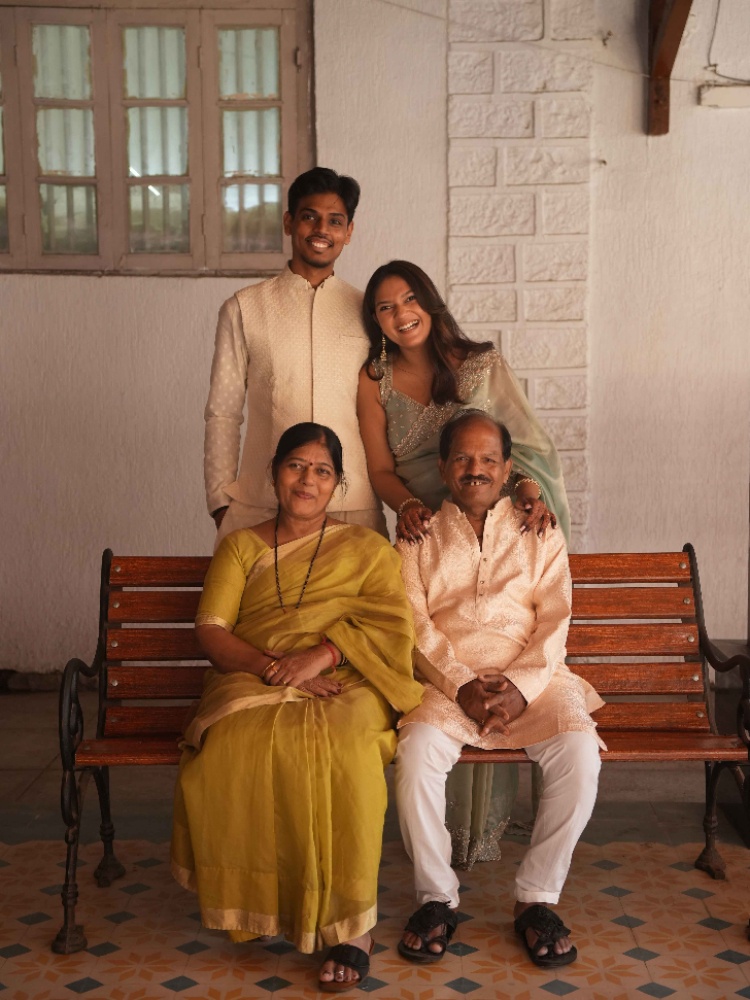
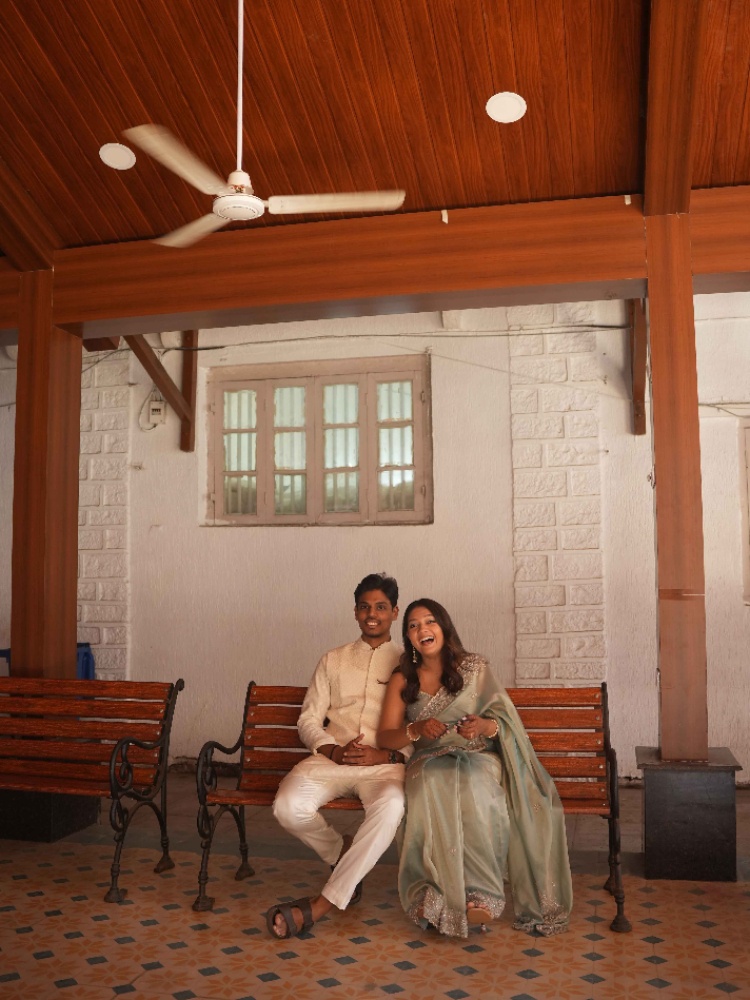
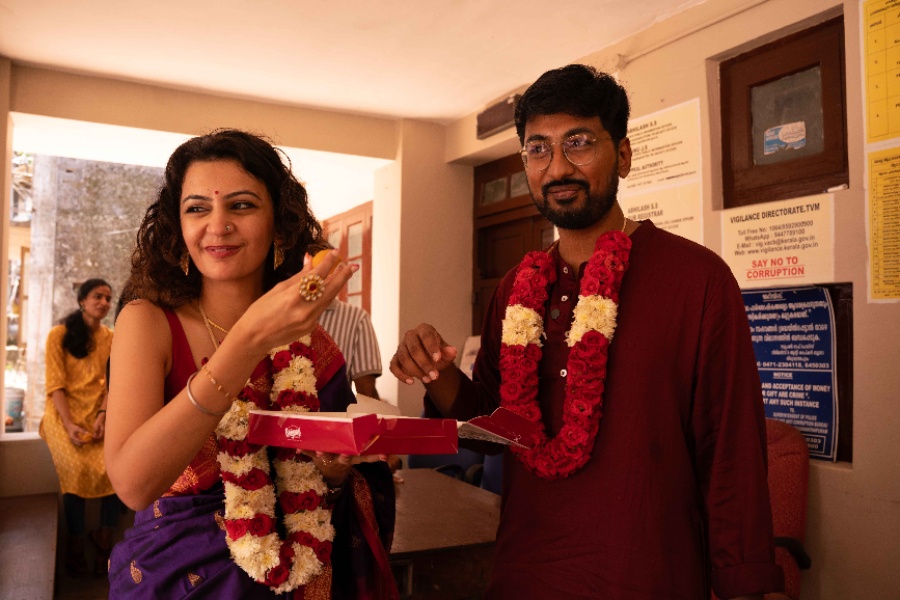
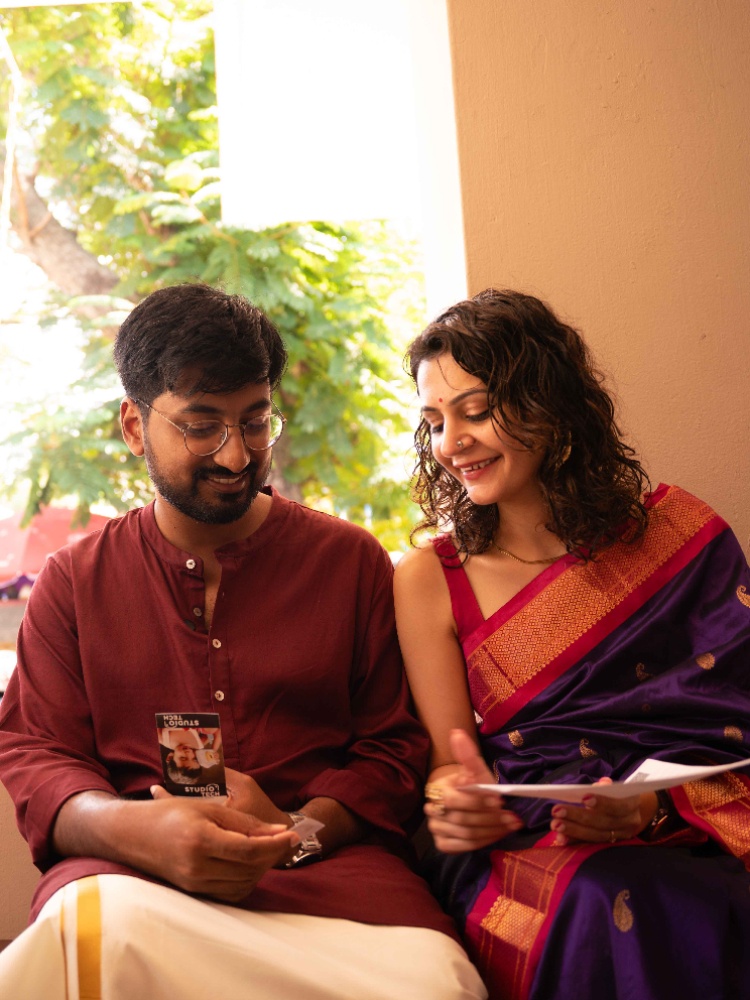
It’s Diwali of 2022. Nayani Khurana is home, in Jhansi, to celebrate the festival with her family. Between celebrations, she’s texting Varghese Sam Eralil, 33, an engineer she matched with on Hinge. A week later, they meet at Mumbai’s beloved Sunlight Restaurant & Bar for a first date, bond over a mutual love for beer, walk around the city, and share their first kiss behind The Taj Mahal Palace hotel. “We were living two completely different lives in Mumbai. I was surrounded by artists, while he was living his engineer life. It felt like something out of Modern Love,” says Khurana. By 2025, they made it official at a court in Kerala, with only Khurana’s sister and some of Eralil’s colleagues in attendance. “Varghese was based in Thiruvananthapuram, and I flew in the evening before the signing. My parents weren’t physically present, as I wanted the registration to be just about us rather than a larger family occasion. My family understood that distinction, and their support meant a lot to me.”

Khurana was the first in her large Punjabi family to opt out of the multi-day, multi-event, carnival-like extravaganza Indians are known for. Now, as the big, fat Indian wedding grows bigger and fatter, more and more couples are choosing to skip the song and dance (quite literally) and head straight to court for a stripped-down signing. In this era of social media overexposure, intimate weddings are even acquiring a certain IYKYK appeal, with celebrities like Charli XCX, Dove Cameron, and Dua Lipa turning their civil ceremonies into surprise cultural moments. “I’ve been seeing intimate celebrity weddings, be it Alia Bhatt or Sonakshi Sinha… Why isn’t this normal? My family and friends are not okay with the idea of me having a court wedding,” says Snehal, 32, who asked to be identified only by her first name because her family is not yet aware of her impending wedding plans.

Lately, Snehal’s Instagram algorithm seems intent on talking her out of a big wedding, serving her exhausted brides, chaotic ceremonies, families at loggerheads, and couples spending their wedding budget on vacations or new homes instead. “The idea of marriage didn’t excite me, but if I have to do it, I would rather have a court wedding. We can’t start our life together with debt,” she says.
For the past five years, Meera Pandya, manager of marriage registrations at Court Marriage Mumbai law firm, has had a front-row seat to Mumbai’s wedding circuit, where the idea of financing a grand wedding is increasingly losing its charm. “Nowadays, even couples in the same religion and caste want to register under the Special Marriage Act and have a court marriage, because it’s less of a hassle,” she notes, adding that Gen Z especially is gravitating towards registration-only weddings and enquiring about how to make live-in relationships legal.

But money isn’t the only reason couples are trading mandaps for marriage certificates. For some, it’s also about intimacy, independence, and expressing their sociopolitical values. Take Riddhi Vartak, 29, and Farzaan Sheikh, 29. When they first met 10 years ago in an 11th-grade science class, they knew they would end up together. But it’s been an uphill battle: their families are from different religions—Vartak is Hindu and Sheikh is Muslim—and weren’t initially accepting of their union. Still, the couple signed paperwork at a Mumbai courthouse in 2025, booked out a restaurant for a small family-and-friends lunch after, and hosted a games night at their home. “I just woke up, washed my face, wore clothes and got married,” says Sheikh, summing up his refreshingly low-maintenance big day. Almost a year later, their court wedding, documented in an Instagram Reel with 322k views, is still racking up engagement. “The Reel blew up overnight,” says Vartak, adding that they’ve been flooded with messages from people across India wondering how they too can pull off an inter-faith, inter-caste court wedding.

Typically, Indian weddings are tangled up in caste, class, religion, and notions of family honour, and couples today are not only aware of these dynamics but are more willing to negotiate or reject them by choosing to split expenses, skip rituals like the kanyadaan and vidaai, recite original vows over regressive pandit-sanctioned ones, ditch the stage meet-and-greet and family “gift politics”, and even go eco-conscious with digital invites and biodegradable decor.

If traditional Indian weddings usually focus on keeping the family happy, court weddings are signalling a new social order—one where the kids call the shots. “As the youngest, I often felt easily, sometimes unconsciously, influenced by others when making decisions. Choosing how I wanted to get married was a small but meaningful way of standing up for myself,” says Khurana. Sheikh and Vartak couldn’t agree more, noting that friends who opted for grand weddings often remember little beyond aching limbs and forced smiles—an experience they’re more than happy to have skipped.

After attending their fair share of elaborate weddings, director Gorkey Patwal, 32, and makeup artist Avishi Patel, 31, were keen to skip this hassle of logistics. Instead, they enlisted friends to help them host a party after their family-only court signing in Delhi just this October. “Some friends were on decor, some on sound and DJ, some were in charge of alcohol, some were given photography. It was a community event and everyone chipped in,” Patwal shares. Back home in Jhansi, after the Thiruvananthapuram court signing, Khurana too swapped late-night pheras and a formal reception for an intimate “family dance party”. She and Eralil wanted their court registration and family party to be experiences they cherished, not rushed through. “I wanted to be present in the moment without having to attend to everyone else’s emotions or expectations,” says Khurana.

Of course, the paperwork is one part. Getting the family on board? That’s another story. Patwal saw this tension firsthand: many people complimented his non-traditional wedding format and wished for one of their own yet feel paralysed by the family conflict it would inevitably provoke. Sheikh admits to feeling guilty about the friction between his partner and his family over their decision to marry in a non-religious ceremony. Snehal, who is bracing for backlash from her parents because her partner is of a different caste, is also anxious about navigating a huge milestone without family support. “It’s very scary to make such a big decision without your parents, but I don’t want to sacrifice something because of societal rules. Having a court wedding is not giving a damn about what society expects you to do.” Khurana empathises, noting that it helps to find allies among family and friends who can help mediate differences.

Rather than blindly inheriting rituals, young couples are increasingly choosing to question them or finding more personalised ways of honouring tradition on their own terms. At the heart of it all is something simple: wanting a say in their own wedding. Patwal jokes that threatening to stay unmarried forever—a far more scandalous prospect—might be the most effective solution of all: “The only way we know how to go about it is to put your foot down and say, ‘This is what we want and nothing else will work.’ I guess if you say no to getting married long enough, everyone is happy to do what you want!”

The Nod Newsletter

We're making your inbox interesting. Enter your email to get our best reads and exclusive insights from our editors delivered directly to you.