Fashion08 Nov 20264 MIN

Fashion outgrew the anarkali. Now it’s back in a sexy new form

Embracing corseted bodices, flouncy tiers, shorter hemlines and dainty straps, the traditional fit-and-flare kurta is going through a makeover, and Gen Z wants in

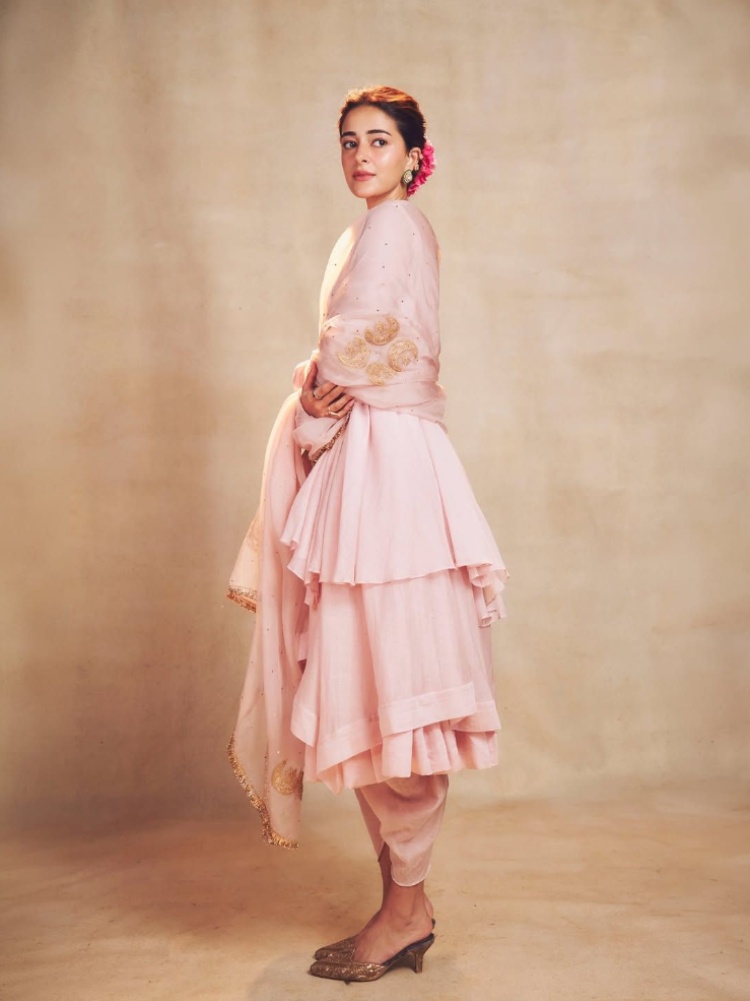
Ananya Panday in a baby pink layered anarkali by Aikeyah

Ananya Panday in a light pink layered anarkali by Aikeyah

Instagram.com/meaganconcessio

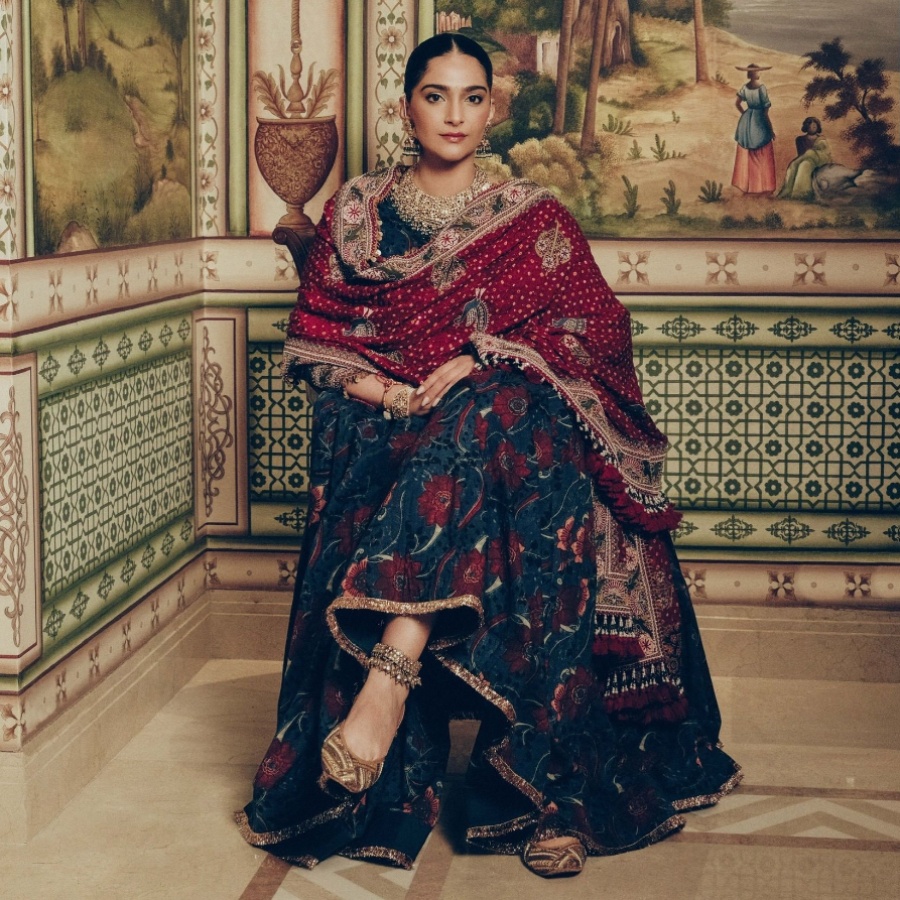
Think desi occasion wear, and the same old lehengas and pre-draped saris pop in one’s imagination. But another familiar ‘fit n flare’ silhouette is gradually reclaiming its spot on bridal and festive moodboards. Enter the anarkali, but not quite as you remember it.

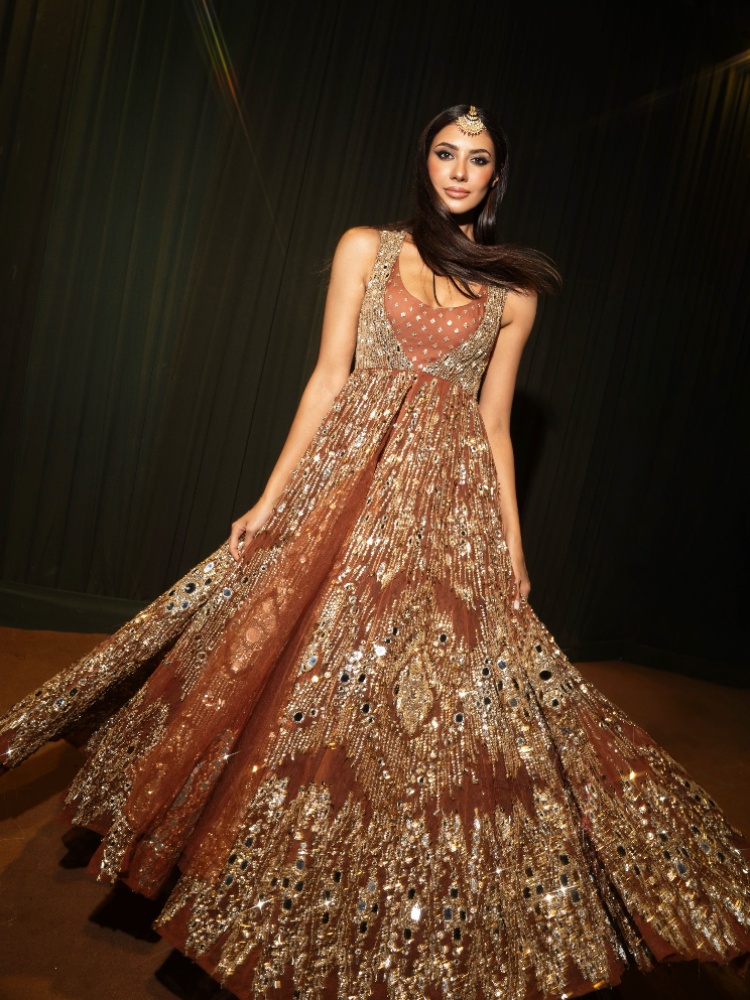
A fortnight ago, designer Abhinav Mishra’s ‘Into The Wild’ runway made a case for the anarkali’s signature volume but with a twist. Here, it was reimagined as a layered garment—a burnt orange kurta was worn underneath a mirrored jacket, complete with a fitted bodice and a dramatic flare.

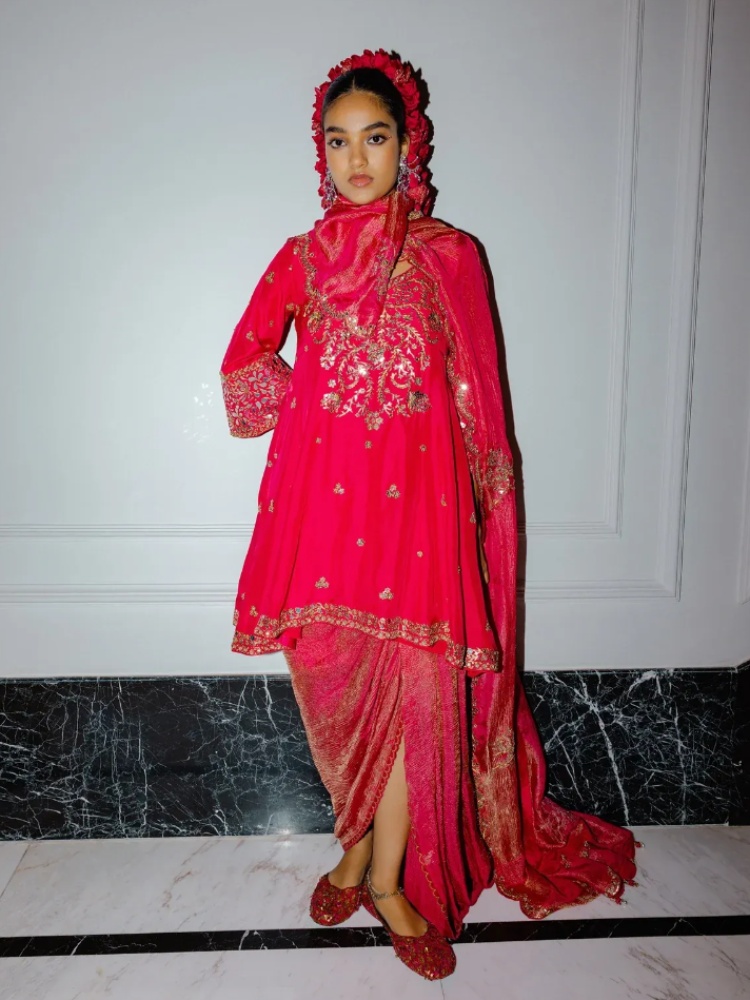
In Punit Balana’s latest festive collection, ‘Moh’, the silhouette got a similar update. Among an array of shararas and saris were anarkalis featuring new-age design details introduced by Balana. Think a sleek off-shoulder, corseted version that could easily double up as a gown, or a much shorter kurta styled with a draped skirt instead of the anarkali’s trusty accompaniment, the churidar. Traditionally defined by a fitted bodice and its frock-like bottom that flares from the waist, the silhouette traces its roots back to the Mughal era and courtesan culture. Now, designers are finding new ways to play with it.
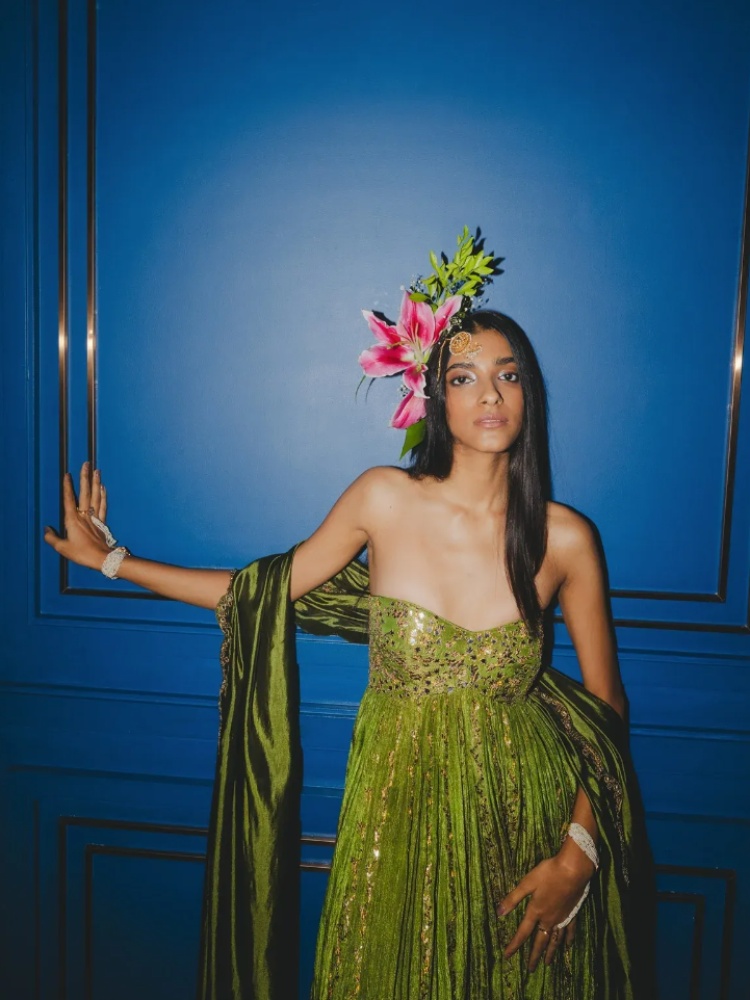
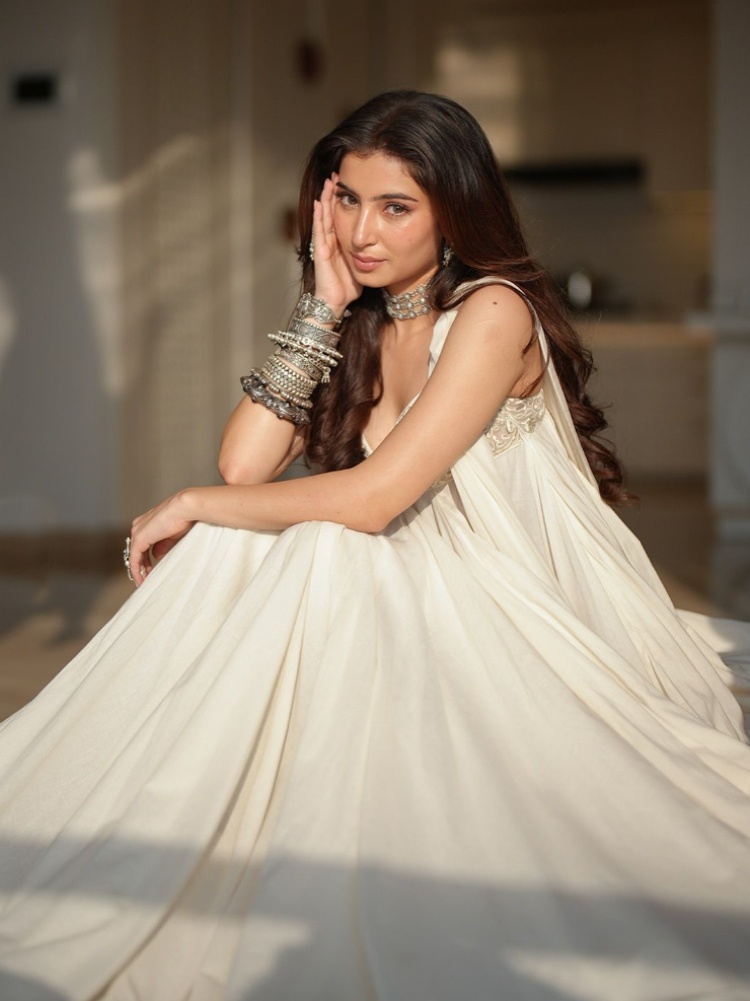
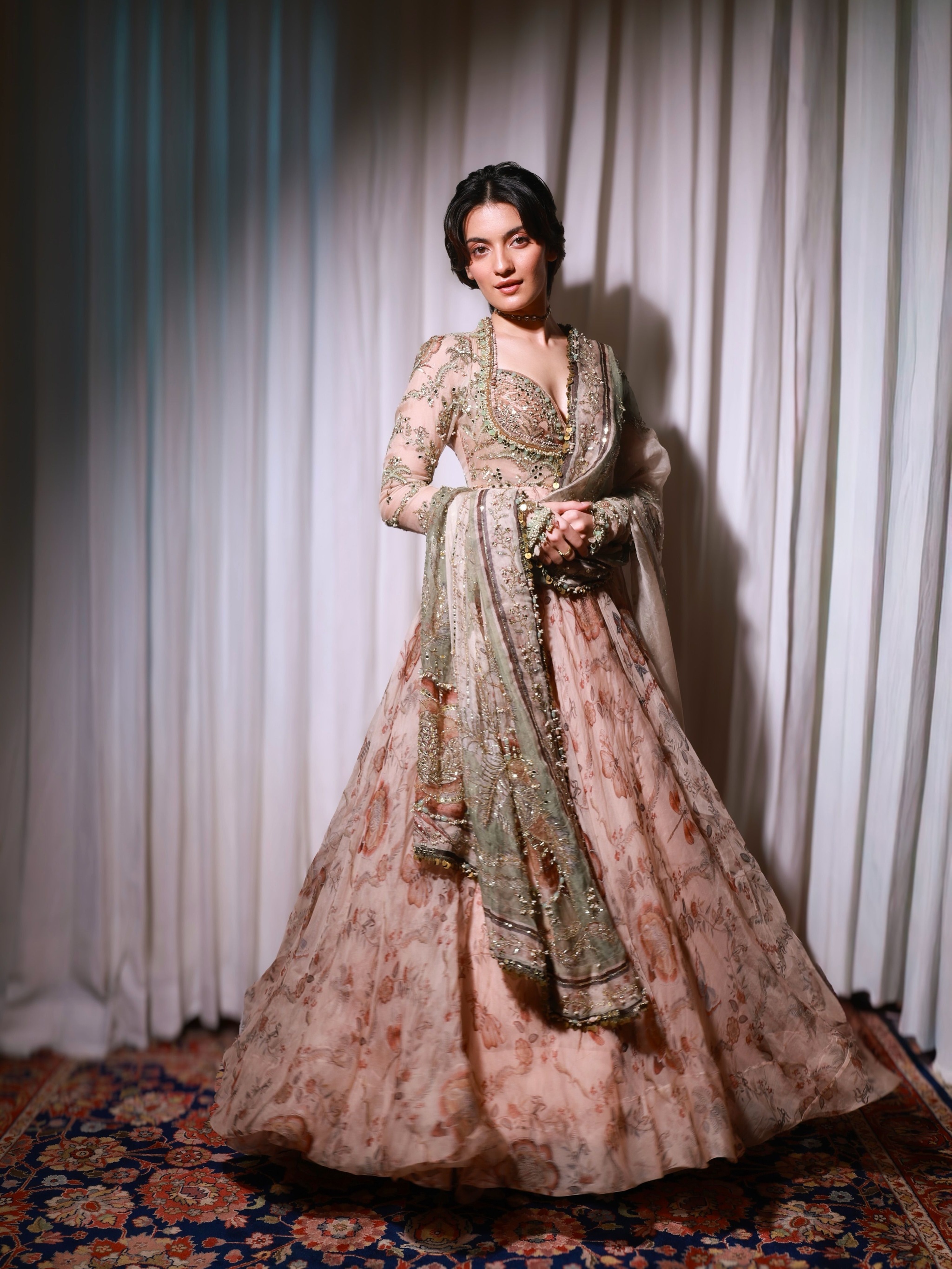
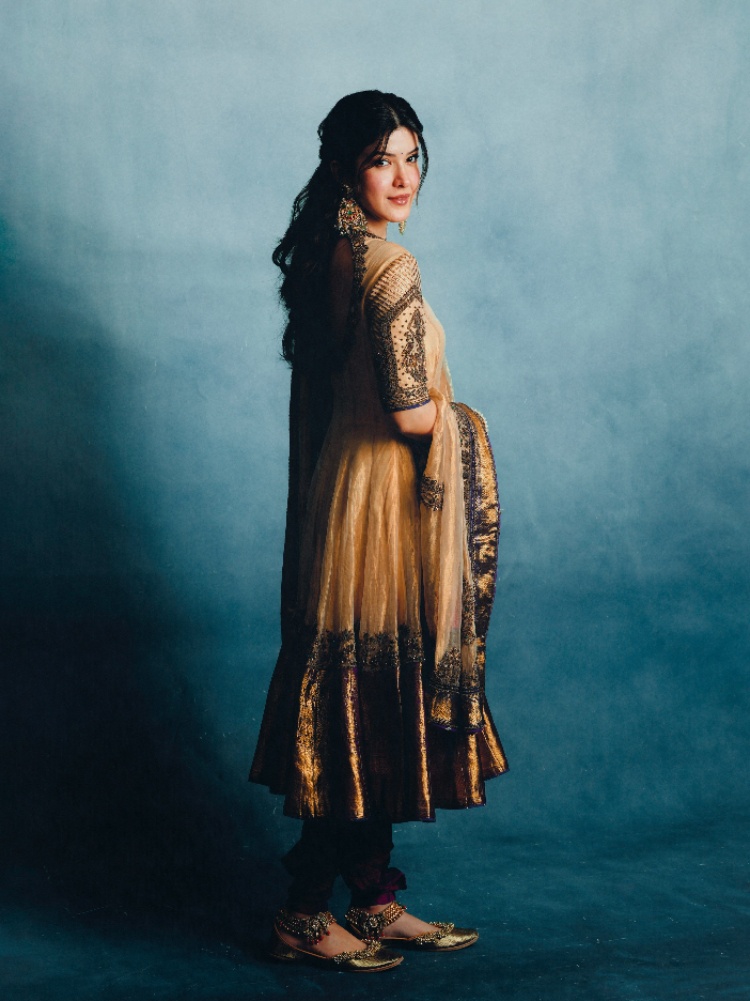
And it’s not just on the runways. Bollywood’s younger set seems to have taken a liking to the silhouette too. There’s Pratibha Ranta in a floor-length Mahima Mahajan creation with an exaggerated sweetheart neckline, Ananya Panday in a soft-pink asymmetric Aikeyah anarkali paired with a ghagra-dhoti bottom earlier this year, Shanaya Kapoor in a Mayyur Girotra x Swadesh ensemble, and Sara Arjun in a pristine white number by Rohit Bal. Clearly, Gen Z actors are embracing the garment’s more experimental versions alongside its classic iterations.

For Isha Dhingra, founder of Aikeyah, the movement and inherent drama an anarkali facilitates is a major part of the appeal. “The garment has moved in and out of the fashion conversation. What we’re seeing today is perhaps a renewed interest in familiar Indian forms but with a different design sensibility,” she says. Delhi-based personal stylist Parul Gauba chalks up its growing presence to the cyclical shift toward maximalism in desi attire.

When the anarkali lost its cool

There was a time when the anarkali was practically a festive wardrobe essential. Over the years, as preferences shifted towards simpler silhouettes and easier drapes, it was replaced in favour of options that were more modern and versatile. “I think there was a phase in between when everyone wanted only lehengas and to show their midriffs. The anarkali was just a safe option,” Balana says. Dhingra believes the silhouette also reached a saturation point with formulaic interpretations. Excessive ornamentation and nearly identical proportions of the silhouette meant there wasn’t much to distinguish one from the other.

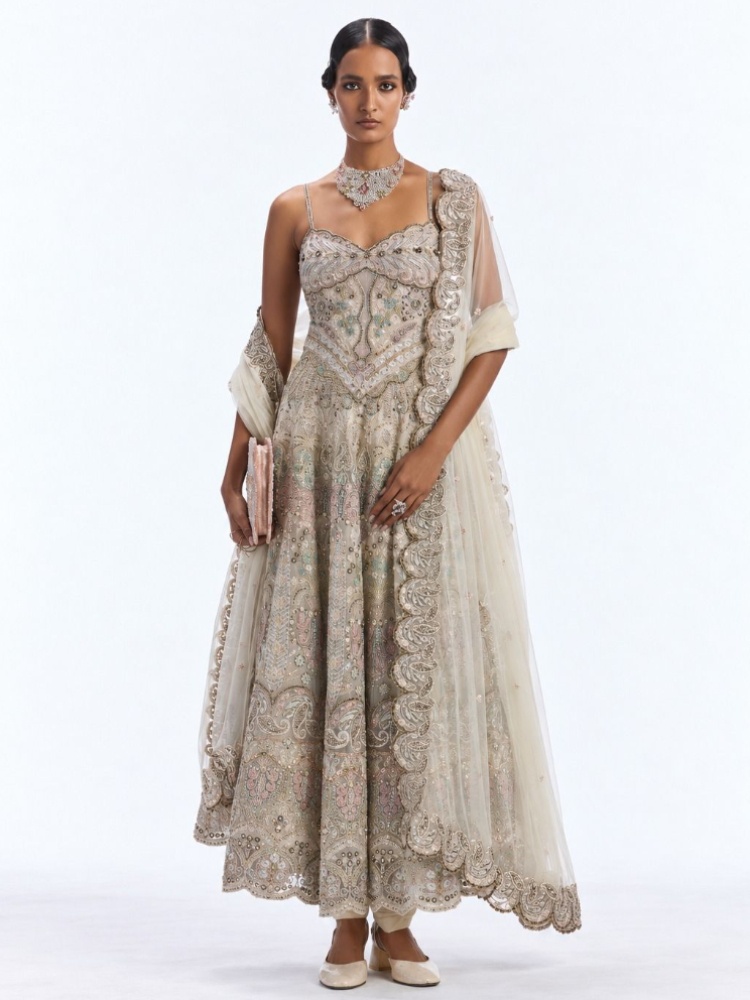
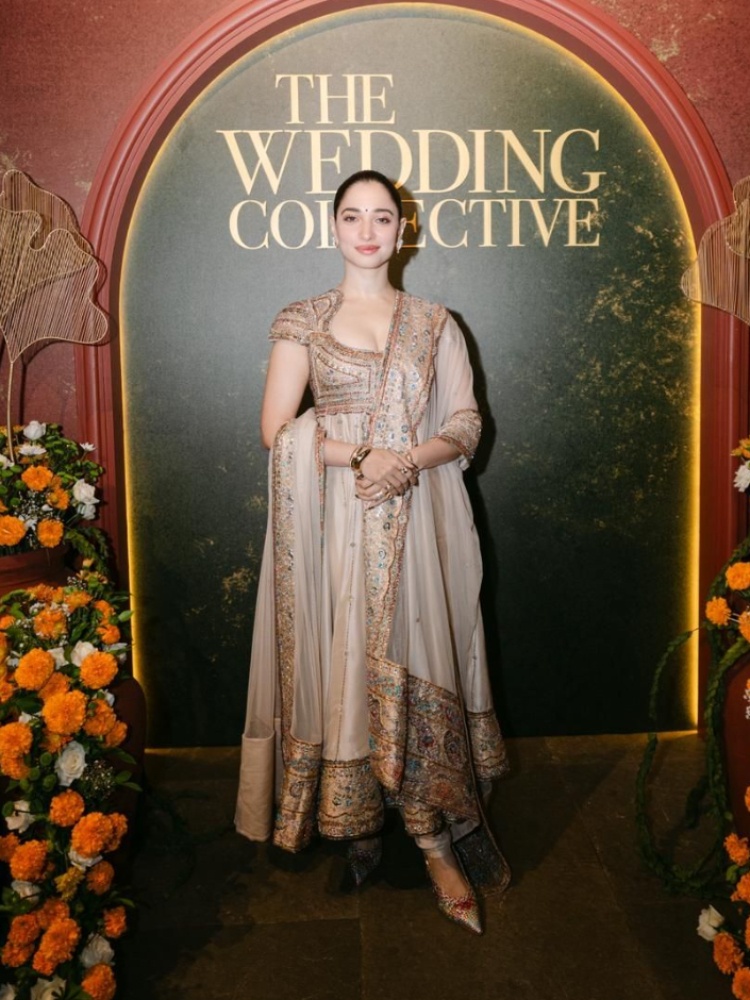
Designer Aisha Rao agrees. Her couture collection, ‘Priyasi’, showcased earlier this year, debuted a corseted ankle-length anarkali with a deeper neckline and structured cap sleeves. It has since become a hotseller for the brand. “It’s much like a drape skirt; everyone’s bored of wearing the same thing now. Similarly, anarkalis had also run their course back in the mid to late 2000s,” says Rao. The heavy weight and subsequent storage issues didn’t help its case either.

But Rao has observed an uptick in demand, particularly from Gen Z brides for their trousseaus, and attributes some of this renewed appetite to nostalgia. A recent public appearance by Tamannaah Bhatia in one of her runway pieces has led to sourcing requests and considerable interest from a much younger clientele. “I think the younger generation sees that we’re not ripping it apart. We’re giving it our own contemporary twist and maintaining comfort, which is why they’re gravitating towards it.” For a generation that is known to romanticise eras it didn’t live through first-hand, this is an ideal sartorial in.

A new spin on an old favourite

So, what does the anarkali look like in 2026? For starters, it’s a bit sexier. At Rao’s label, demand and social media traction has led to 10 to 15 new iterations featuring straps, corseted bodices, and more revealing cuts.

Balana, too, has noted a growing interest in styles that are risqué, but there’s another side to what the younger generation of shoppers want. “The open necklines and the corseted anarkalis we’ve introduced are selling—they add a sense of play—but Gen Z also wants to be well-versed with our textile techniques and heritage,” he says. Take, for instance, his assi kali anarkali with 80 panels, which mimics the volume of the traditional Rajasthani assi kali lehenga and is generating as much fanfare as the slinkier pieces. He’s also experimenting with shorter kurta lengths and layering with kotis.

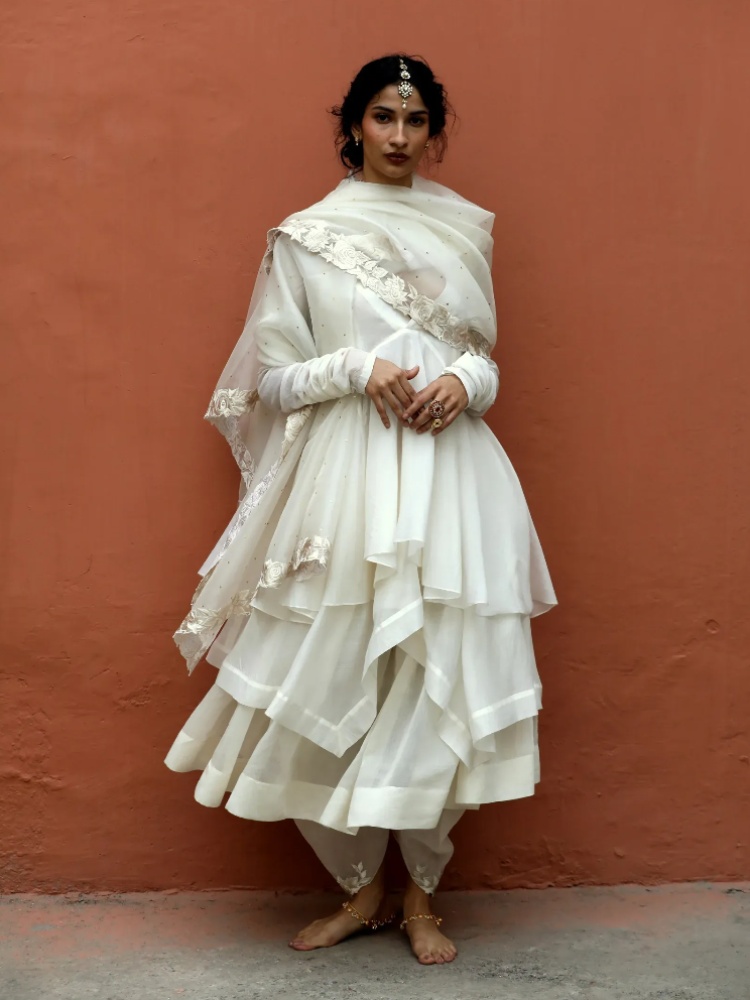
At Aikeyah, the evolution of the silhouette has more to do with its construction. Dhingra has worked around exaggerated lengths, altered waistlines, asymmetric styles, layering and volume to shape the anarkali anew. This translates to tiered, multi-layered kurtas and even oversized versions of a silhouette typically known for its fitted bodice. Her willingness to experiment rather than sticking to a particular idea of what an anarkali should look like, is what appeals to younger wearers. “The younger generation is revisiting familiar cultural references without feeling bound by them. They aren’t necessarily looking for something traditional or contemporary but for something that feels individual,” she says.

Gauba has also seen an influx of newer styles, from flouncy ruffled iterations to double-tiered versions. “I don’t know how my millennial clients will react to these—they prefer straight cuts—but I do think the Gen Zs will love playing around,” she says. The jury might be out on whether the anarkali will be a wardrobe must-have like it once was, but it’s safe to say these kalis have made a cool return and are no longer just a ‘safe option’.

The Nod Newsletter

We're making your inbox interesting. Enter your email to get our best reads and exclusive insights from our editors delivered directly to you.