Impact16 Nov 20263 MIN

In Bengaluru, 14 dogs have an all-important job—sniffing out cancer

For the past three years, health-tech startup Dognosis has been harnessing the olfactory abilities of canines in early cancer detection

Image

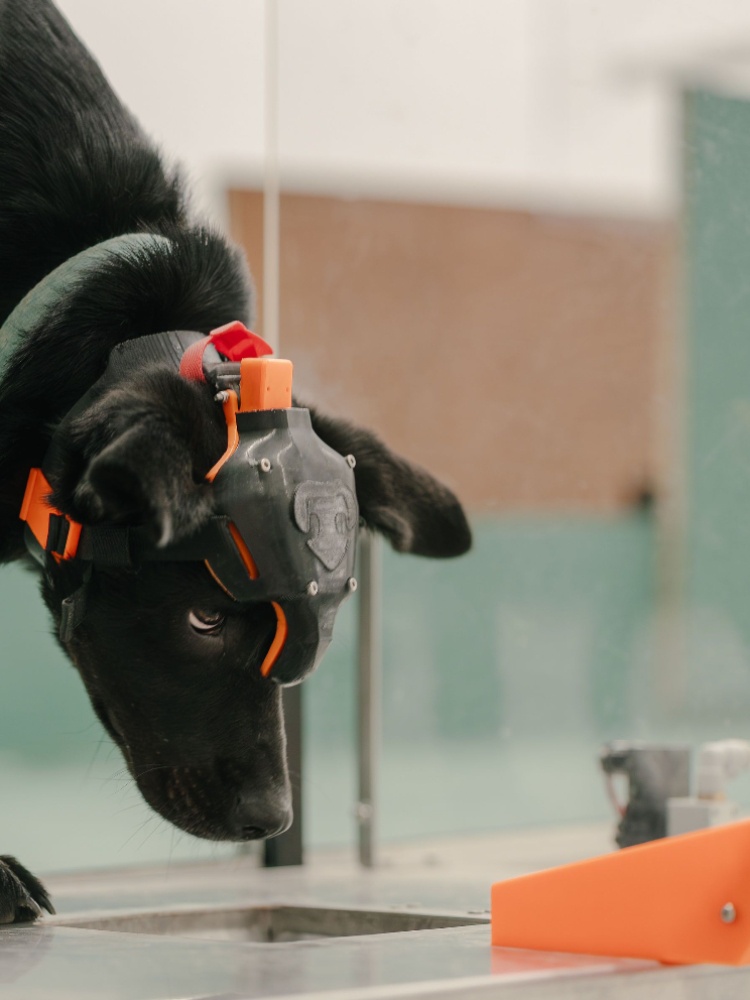
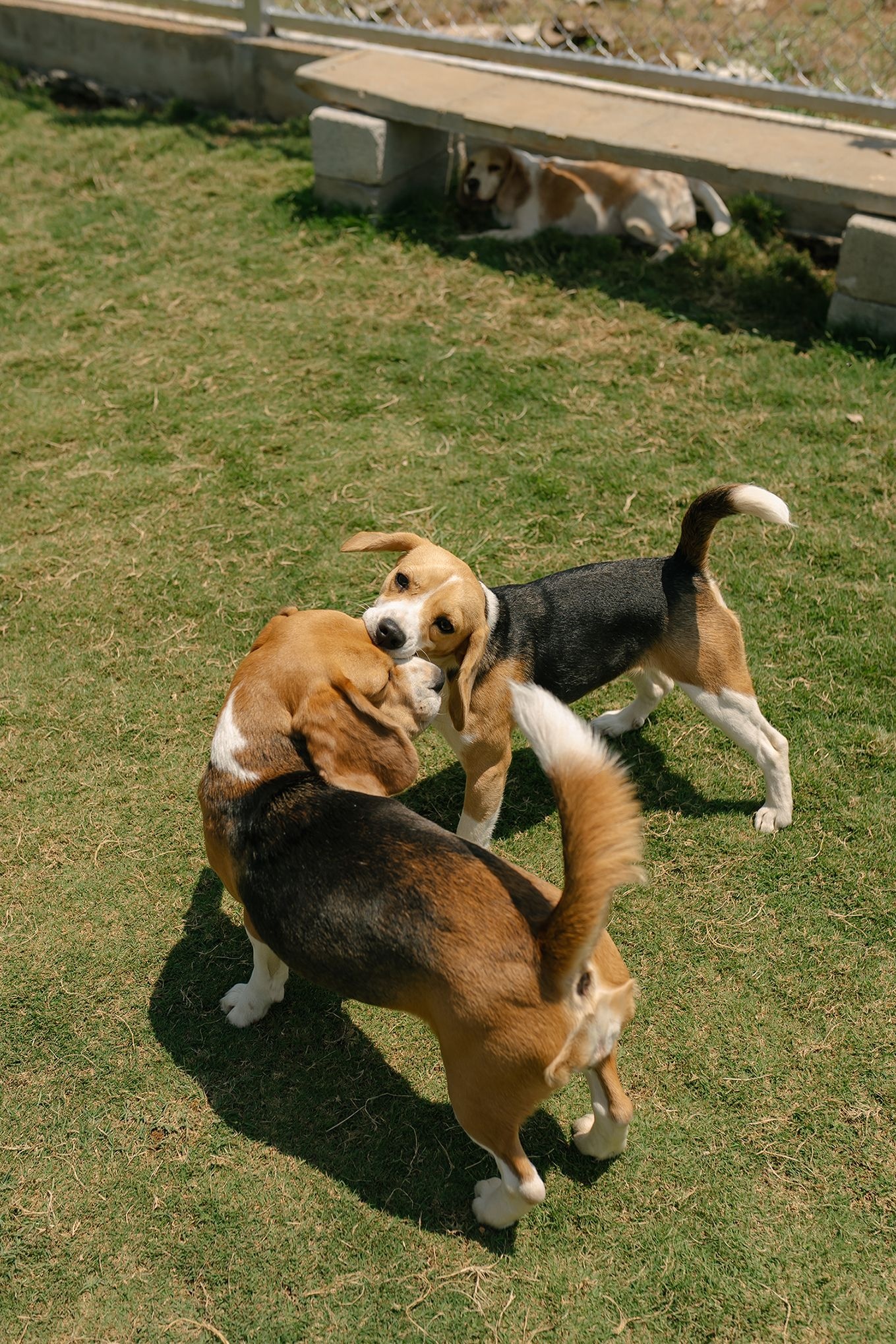
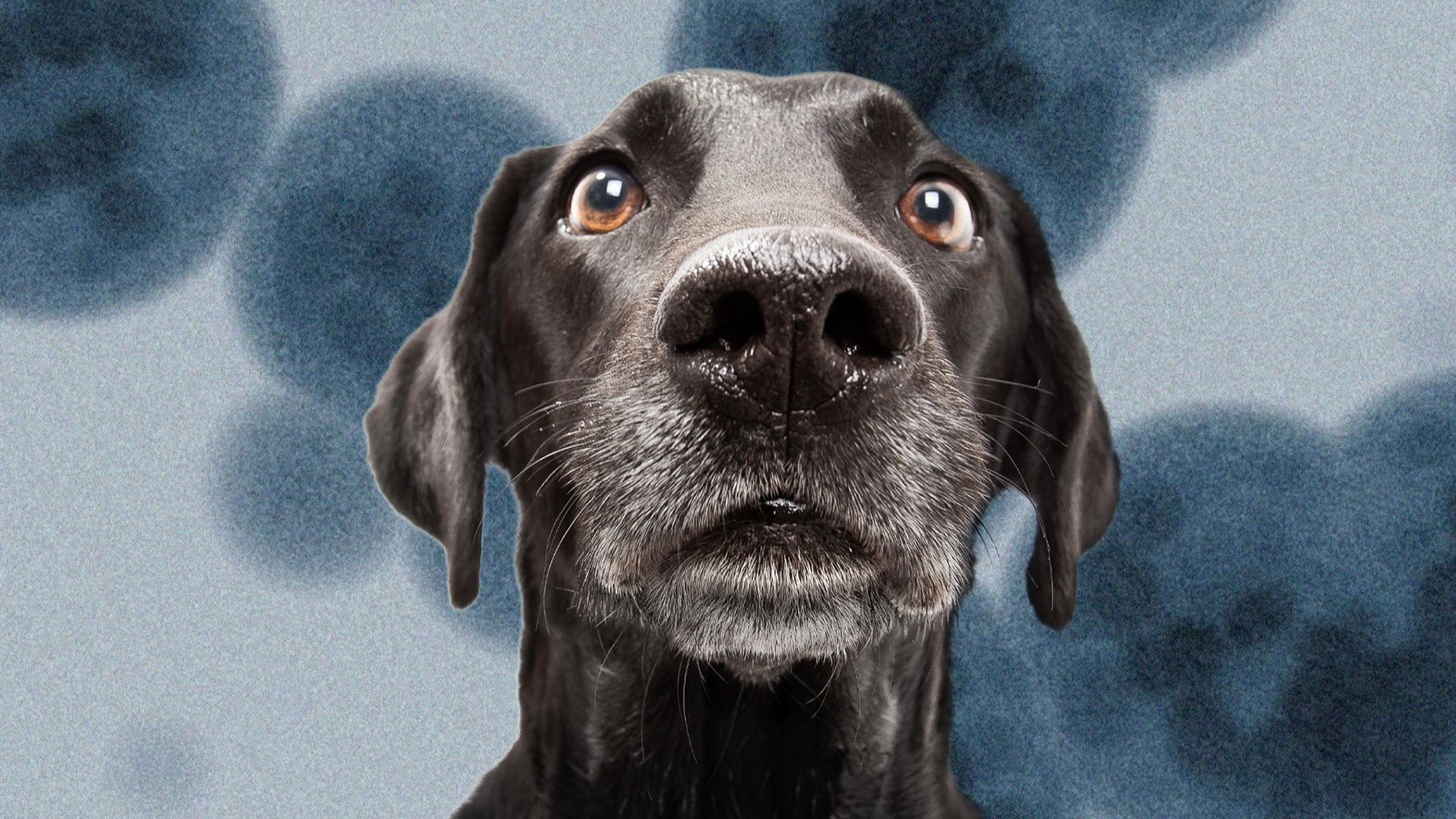
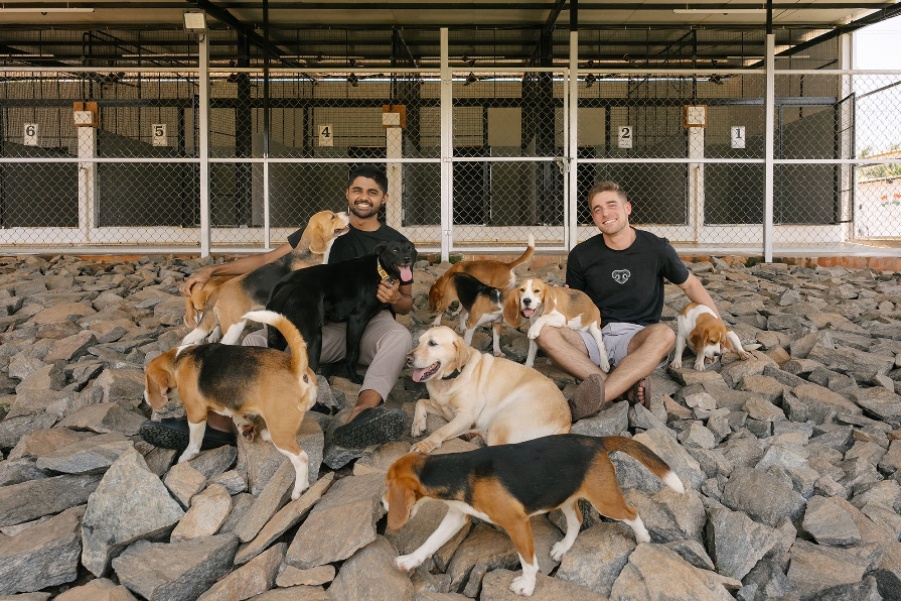
At a two-acre facility on the outskirts of Bengaluru, off Tumkur Road, 14 dogs are busy ticking off all their daily KRAs—swimming, walking, lolling, playing, eating. Well, almost all. These dogs’ duties include one very important task—sniffing out cancer.

As click-bait-y and preposterous as it sounds, that’s what they actually do at Dognosis, a health-tech startup that is putting the olfactory abilities of dogs to work in early cancer detection. It’s not the first time that canines have been enlisted to detect diseases. Dogs have been known to detect medical conditions, including cancer, for close to two decades. In fact, during the Covid-19 pandemic, several organisations across the world trained dogs to discern the onset of the respiratory illness. And that was the premise for Dognosis co-founders Akash Kulgod and Itamar Bitan.

“In June 2021, when India had a really bad Covid wave, my father, a doctor, was directing a Covid hospital. We weren’t able to diagnose symptoms before people spread it to others. At the same time, I learned that across the world, in 60 organisations, people were training dogs to detect Covid. And the dogs were better than RT-PCR tests. It was kind of mind-blowing to me that dogs could detect diseases and no one had really done anything about it,” says Kulgod, a cognitive science graduate from Berkley who was, at the time, back in his hometown in Belgaum on a gap semester.

Bitan (27) came at the problem from a different direction. An Israeli national with a background in professional canine training, he had worked with dogs in a special-operations bomb-detection unit before moving into disease detection. He had spent two years training dogs to identify conditions such as Parkinson’s and breast cancer, when the two crossed paths in 2023. While Kulgod understood the science of behaviour, cognition, and AI, Bitan knew how to train dogs. It was a good match.
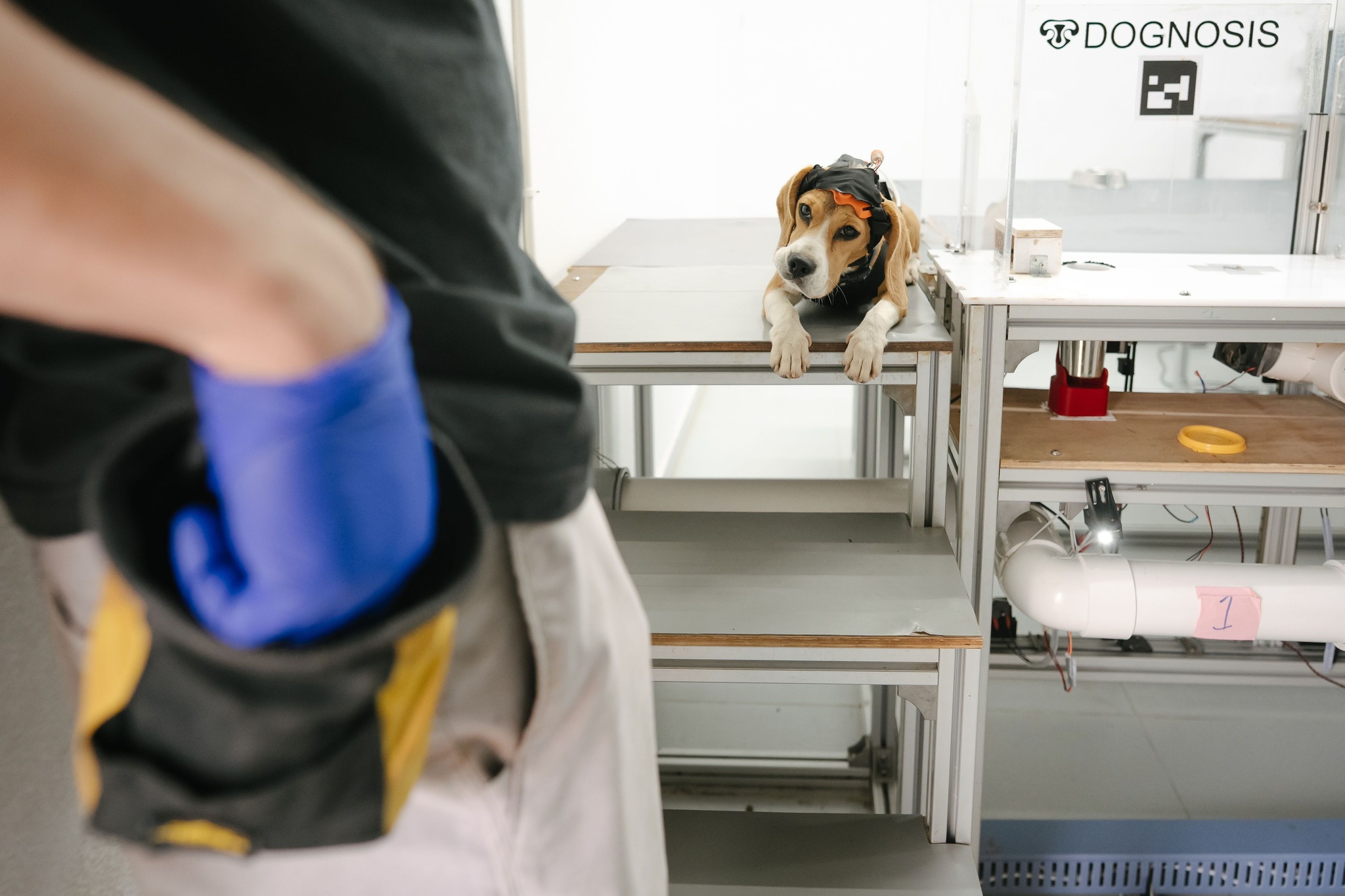
They set out to create a robust system that would help read what dogs were communicating through their behaviour and body language and translate that information into something technology could understand, replicate, and scale. Cut to today, Dognosis has a team of around 60 people—behavioural scientists, people with a PhD in olfaction, hardware engineers, software engineers, computer vision specialists, and clinical researchers—who work out of a state-of-the-art facility in Rajajinagar alongside 14 dogs.

The dogs, adopted through shelters such as Charlie’s Animal Rescue Centre and CUPA (Compassion United Plus Action), as well as an ethical breeder, are a mixed bunch. While several of the dogs are Beagles, the team believes temperament matters far more than breed. A good candidate is simply one who enjoys sniffing, is food-motivated, and likes a good game.

The sniff squad recruitment process involves an ‘impossible challenge’, where a treat is placed inside a container that the dog can smell but cannot open. The trainers watch to see how long it persists, whether it keeps trying or looks towards its human for help. Basically, if your dog is the kind that will sniff out a treat from three rooms away and refuse to give up until it gets it, it might just have a future in medical research.

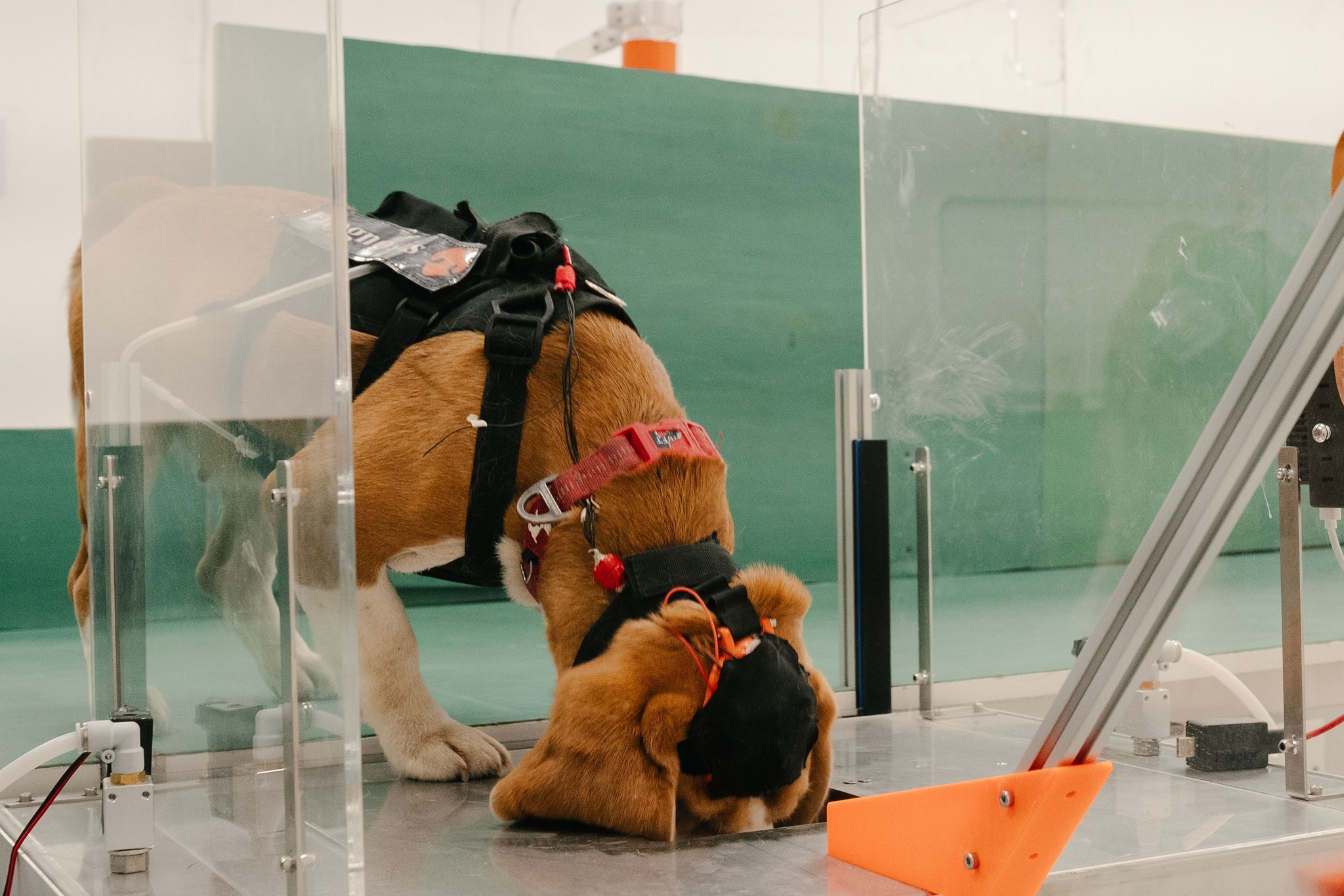
The actual training follows the same principle. Cancer cells release volatile organic compounds, or VOCs, as a result of metabolic activity. These compounds create distinct scent patterns that dogs, with their sensitive noses, can pick up on. Dognosis’s combination of sensors, robotics, and machine learning models helps understand and standardise what the dogs are detecting so the process isn’t entirely dependent on an individual dog’s abilities.

“Two things that we care about are false positives and false negatives. There are some dogs that are able to catch most of the cancers and some dogs that never, or very rarely, give false positives. And we want a fusion of both the types. You can almost think of it as pessimism and optimism. So, more optimistic dogs tend to catch most of the cancers, more pessimistic dogs rarely make false positive mistakes,” explains Kulgod.

In the three years, the company has already collected over 10,000 samples through ethically approved clinical research protocols across hospitals in Karnataka and Maharashtra. Its research, published in the Journal of Clinical Oncology, reported over 90 per cent accuracy across seven broad cancer groups—breast, cervical, head and neck, upper gastrointestinal, and colorectal cancers, among others. The ambition is to develop a multi-cancer screening test, particularly in cancers where accessible early-screening options remain limited, like pancreatic, liver, and lung cancers.

In February 2027, the team plans to launch its B2C version—an at-home testing kit, Breathe Easy. A specialist will visit with a kit and all you need to do is breathe into a face mask—it’s as simple as a Covid test. The sample will then be evaluated by Dognosis’s dogs and AI models. The report is then followed by a consultation with the company’s medical team, who help interpret the findings and suggest next steps. To begin with, the kit will be available only in Bengaluru and eventually scale to other cities.

On their website, there are already 400-plus people on the waitlist for when the test launches. “Working with hospitals for early detection is already on our roadmap, but with Breathe Easy we have an opportunity to serve people directly. We believe the right time to get screened is when you have no symptoms and no reason to be in the hospital. Everyone above the age of 40, essentially, should get screened.”

The Nod Newsletter

We're making your inbox interesting. Enter your email to get our best reads and exclusive insights from our editors delivered directly to you.