




Rule number one: Never touch a queen, king or thing.
Rule number two: Consent is not just sexy, it’s mandatory.
Rule number three: Tip your queen wherever you see her.
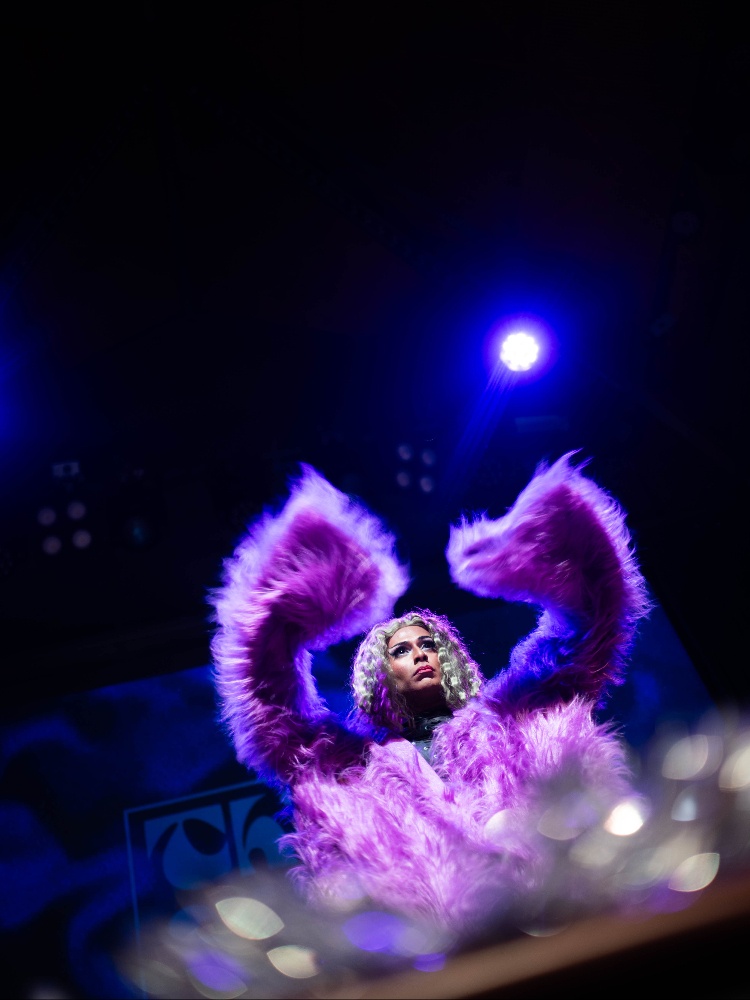
According to drag queen Jiya LaBeija, these rules are gospel while attending a drag show. The Goa-based artist and voguing expert is considered a pioneer in Indian ballroom culture. They have performed at over 100 shows worldwide, from the United Nations headquarters and Brooklyn Arts Museum in New York to the Zee Cine Awards in Mumbai. LaBeija is also the founder of Thicc Skin, a digital lifestyle movement and platform for queer folk who don’t feel at home in the mainstream.
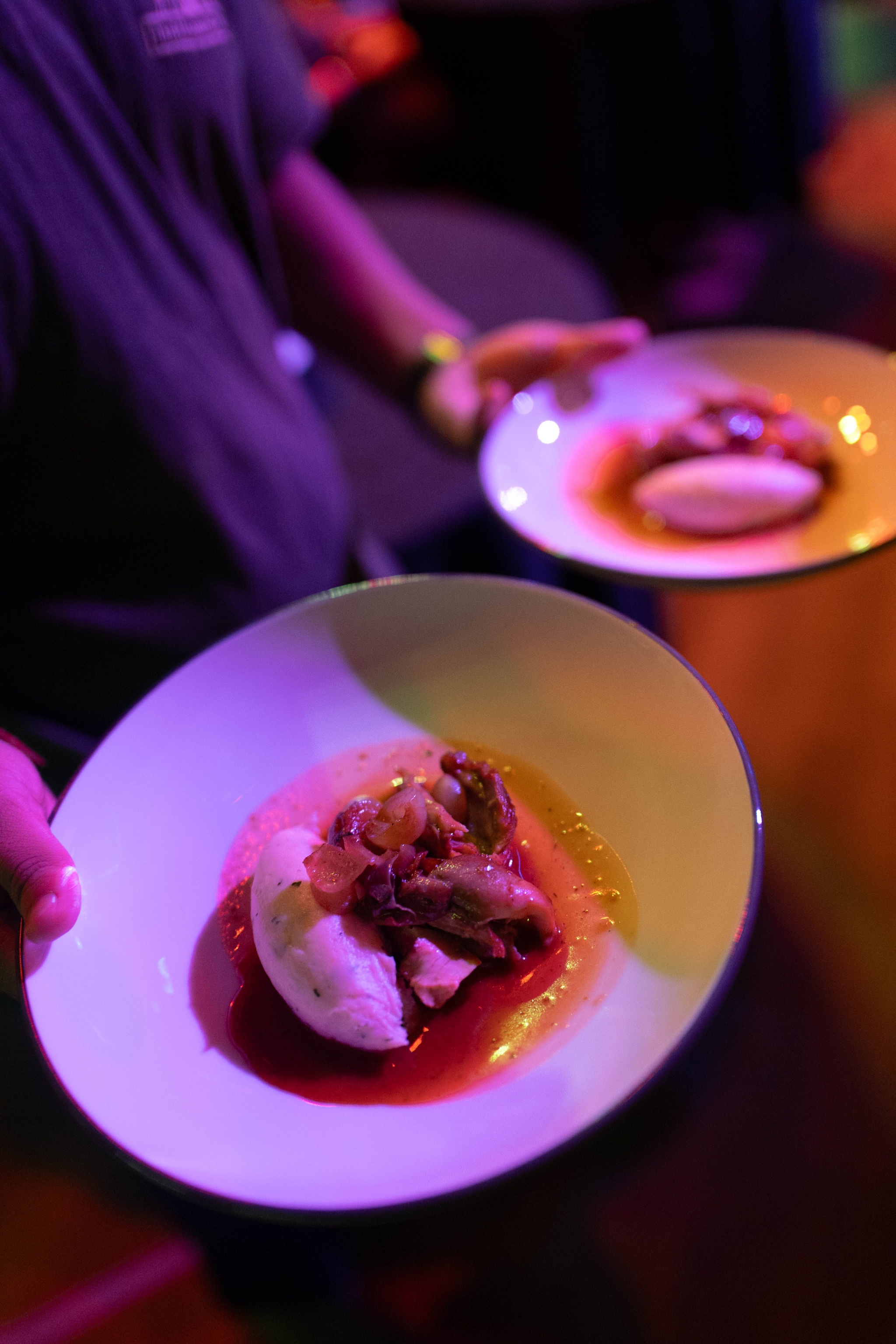
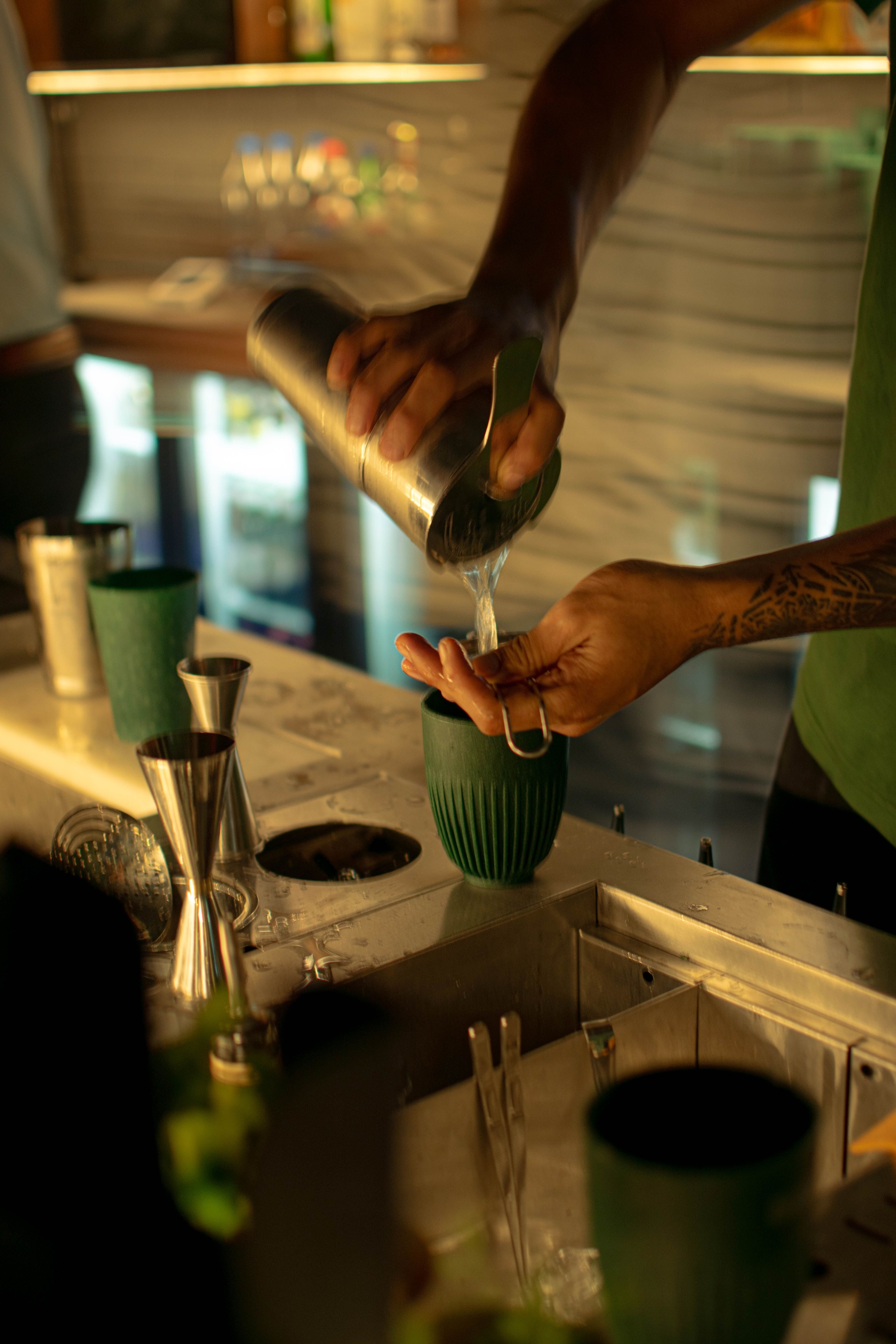
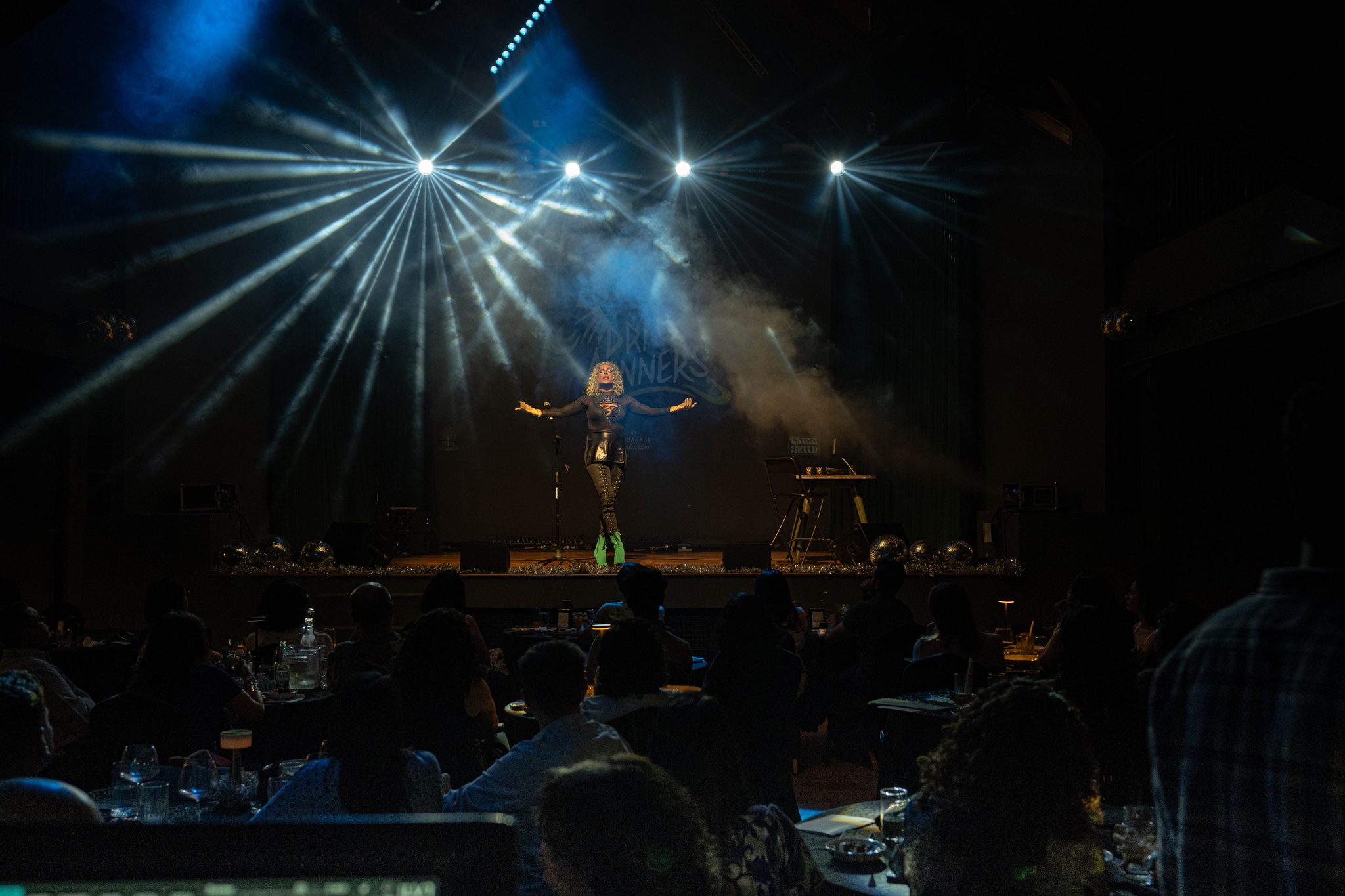
On April 23, sitting in the audience as the drag queen lists out the rules, I’m pleasantly surprised by the comfort with which they assert their boundary. I watched them perform live in Bengaluru at Drag Dinners, an event conceptualised by booking platform Urbanaut. The immersive experience combines extravagant drag expression with a three-course meal. This time, LaBeija’s show was complemented by a special menu thought out by chef Karan Upmanyu, the maestro behind chunky sandwich delivery shop Knots & Crosses.
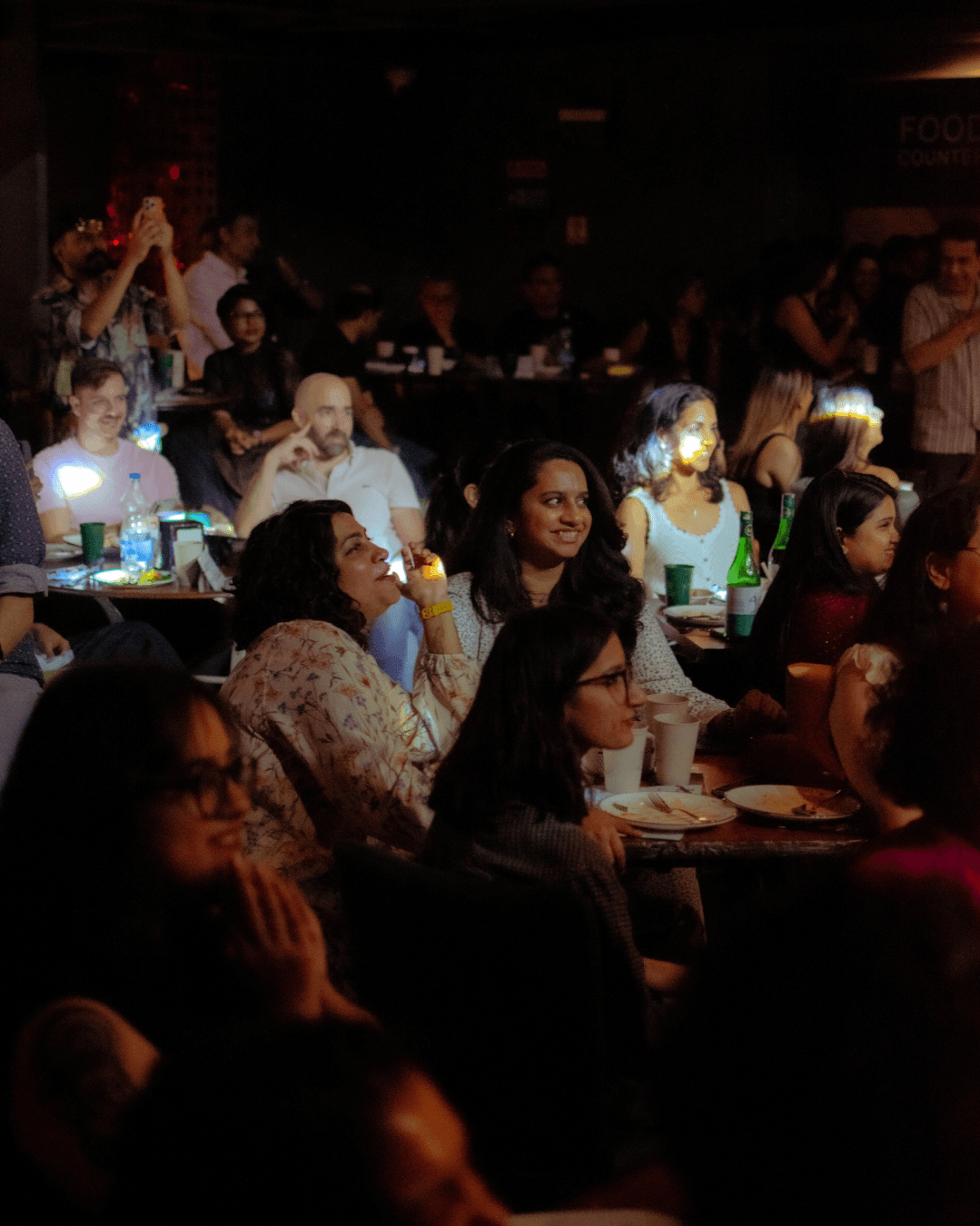
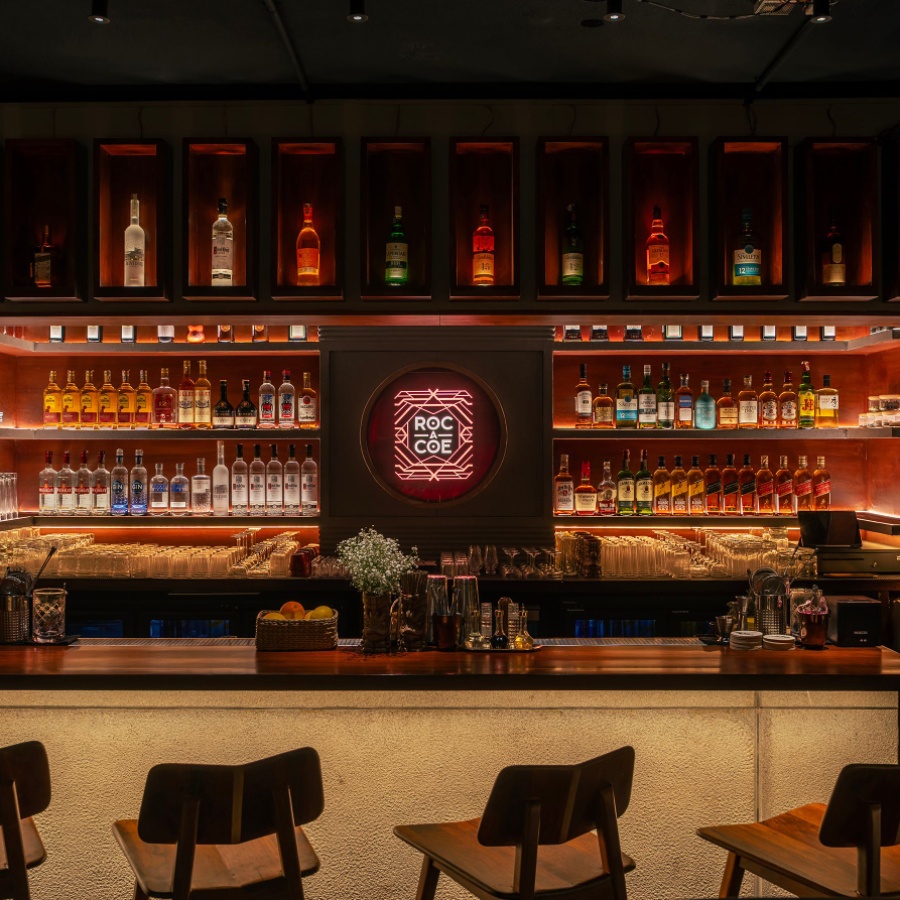
Thrilled by the promise of a drag performance with a side of hearty sustenance, nearly 100 people gathered at the newly reopened gig venue, The Humming Tree. In its original run from 2013 to 2019, the venue became synonymous with queer-friendly events. In fact, back in 2017, that’s where I saw spoken word artist Alok Vaid Menon perform live for the very first time. Now in 2026, the venue is back with refurbished theatre-style seating and an impressive roster of LGBTQIA+ performers.
Of course in the period that The Humming Tree closed and returned, drag shows have become more common. In 2025, SuperQueens, India’s first drag musical debuted at The Piano Man in Delhi. In Bengaluru, Queen Kamani Sutra hosts Drag & Dosas brunch while Dragvanti is the country’s first online drag space, sharing information on new events and artists to follow. Yet, when you look at the legislation, we seem to be moving backward. In March, the parliament passed the horrific Trans Persons Amendment Bill which prohibits trans folk from self-identifying, posing widespread threat to their safety and expression.
With this uncertainty framing the backdrop, events like Drag Dinners not only double as safe spaces for queer people but also as avenues for activism. LaBeija kicked off their 80-minute performance by slicing giant watermelons on stage in support of Palestine. Dressed in a striped red and white waitress uniform, their first performance included a theatrical re-enactment of a scene from 2 Broke Girls where a customer hissed at the server for attention.
“You think this is the sound that gets you service? I think this is the sound that dries up my vagina,” the voice over barked as LaBeija swished their wig of black curly hair on stage, leaving the audience in hoots. In the next performance, the drag queen broke out of the server uniform to reveal a glittering golden dress.
As the music mellowed down, they took the mic and urged people to think about who has the privilege to hold dignity in a capitalist world. “Some of us just have to run with whatever resources or safety we have. There’s not even a single queer bar in this country where I can go on a date or sit and relax,” LaBeija says, before stepping off stage to prep for the second half of the show.