




The Nod, in collaboration with Singapore Tourism Board, brings you 'Off-Book'—an exclusive content series uncovering a more layered, beyond the usual side of Singapore. Discover the content destination here.
What’s common between Katong and Joo Chiat, Arab Street and Haji Lane, and Bencoolen? They’re all walkable, they’re great for food, and they’re low-rise, historic, ‘fringe’ neighbourhoods with shophouses. Each has its distinct cultural identity, though, and its resulting local commerce and locally rooted restaurants, much of which grew organically on the sidelines, distinct from the rest of Singapore’s big city vibe.
These are all places shaped by migration—traders, students, pilgrims, printers—each laced with the stories and the flavours of the communities that built these historic neighbourhoods. Here we have a day-long easy and slow itinerary of eating through them, with a few diversions in between bites. Pace yourself as needed; this trail is just as rewarding spread across three or four days as it is tackled in one.
Morning into early afternoon
Katong and Joo Chiat
(late breakfast → lunch → sweets → reset)
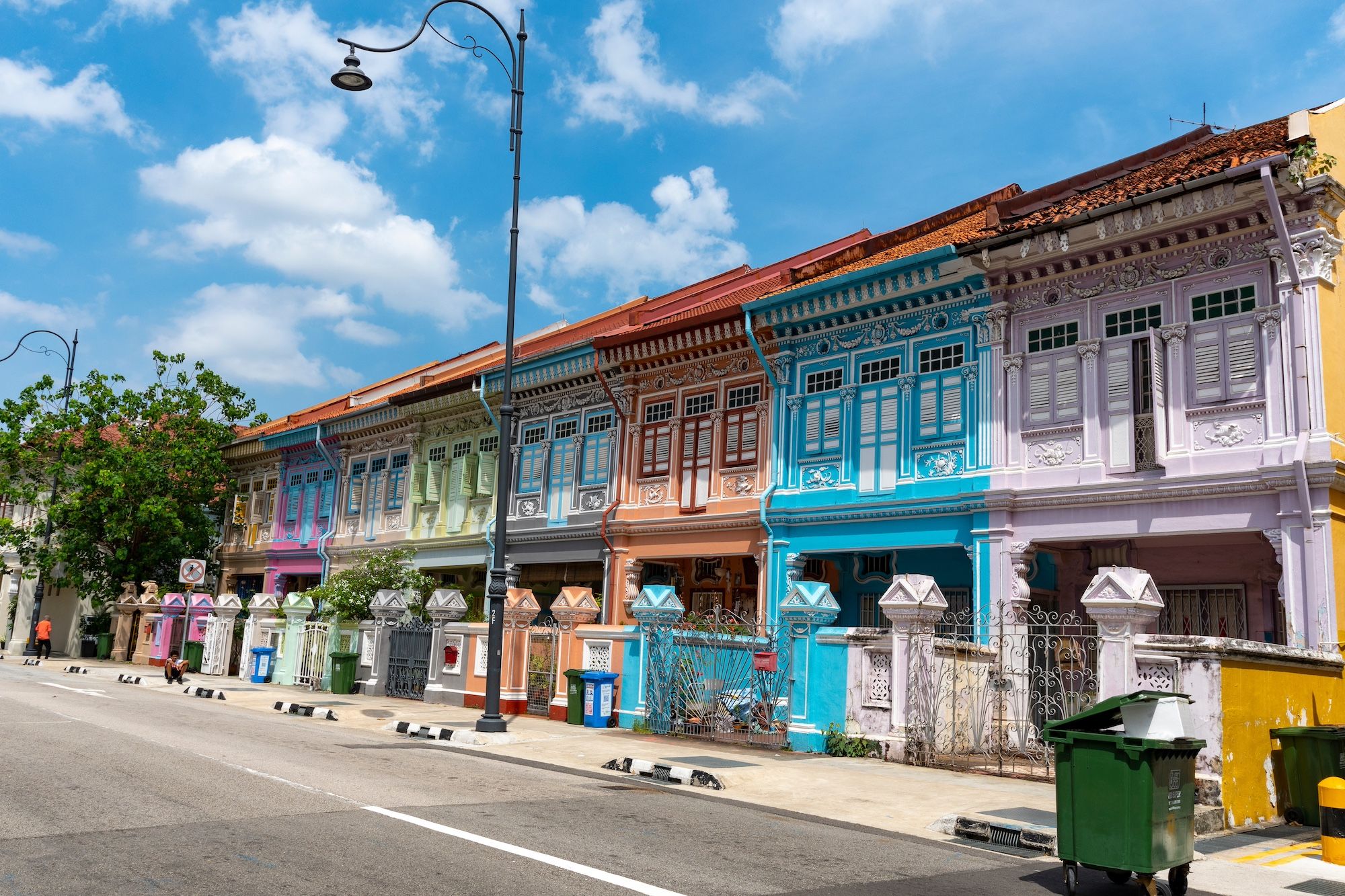
Katong and Joo Chiat began as Peranakan plantations. Here coconut and spices were grown and harvested before pastel shophouses showed up in the 1920s and 30s. The movement for built heritage conservation in the early 2000s preserved what existed architecturally and culturally, but also made space for newer businesses like cafes and artisans to co-exist alongside.
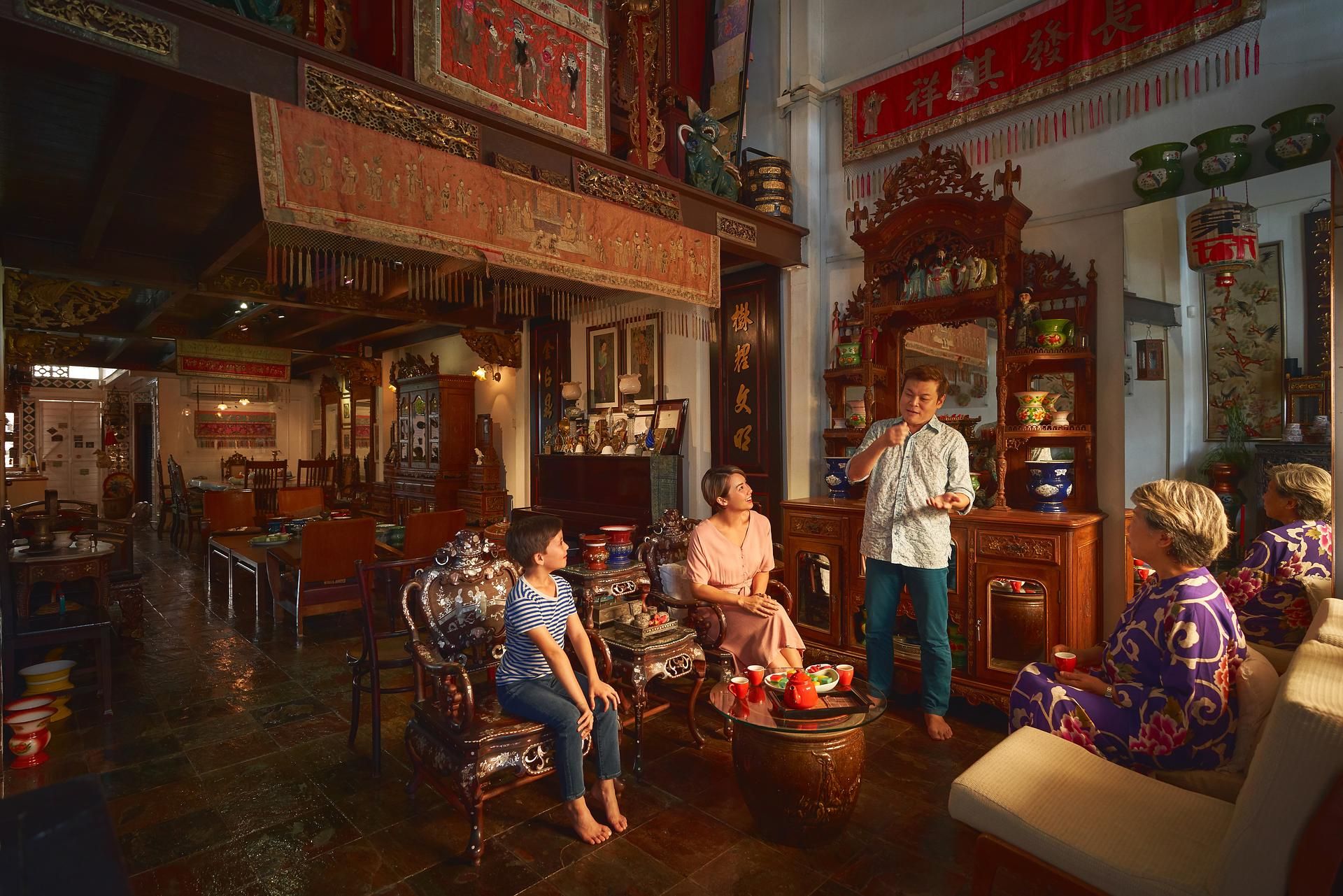
Start late morning, and join locals forming lines outside bakeries like Katong Sin Chew (here since 1962) (Pro tip: this is the best time for the widest selection; favourites like curry buns sell out by early afternoon), as well as newer ones like Petit Pain and Olsen Bake House for a butter cake or pandan pastry to fortify the stroll. Nearby, The Intan, a private home open to visitors, offers a window into Peranakan domestic life. A few streets away, the Peranakan Mansion Museum adds context with family histories, craft traditions, and local social customs.
Anchor lunch at an iconic stop with an unapologetically old-school claypot of bubbling broth at Sin Heng Claypot Bak Kut Teh. (Pro tip: ask for a top up of extra soup, the broth concentrates as it bubbles). The dish is rich and herbal with pork ribs, garlic and pepper, the eatery is practical, unvarnished, and busy with regulars, mostly older diners, and neighbourhood workers. A short walk away is Fei Fei Wanton Mee with its thin springy noodles, neatly sliced char siu, and pork dumplings. Regulars love the chilli condiment. (Pro tip: go slow with the spice; it builds heat faster than it shows.)
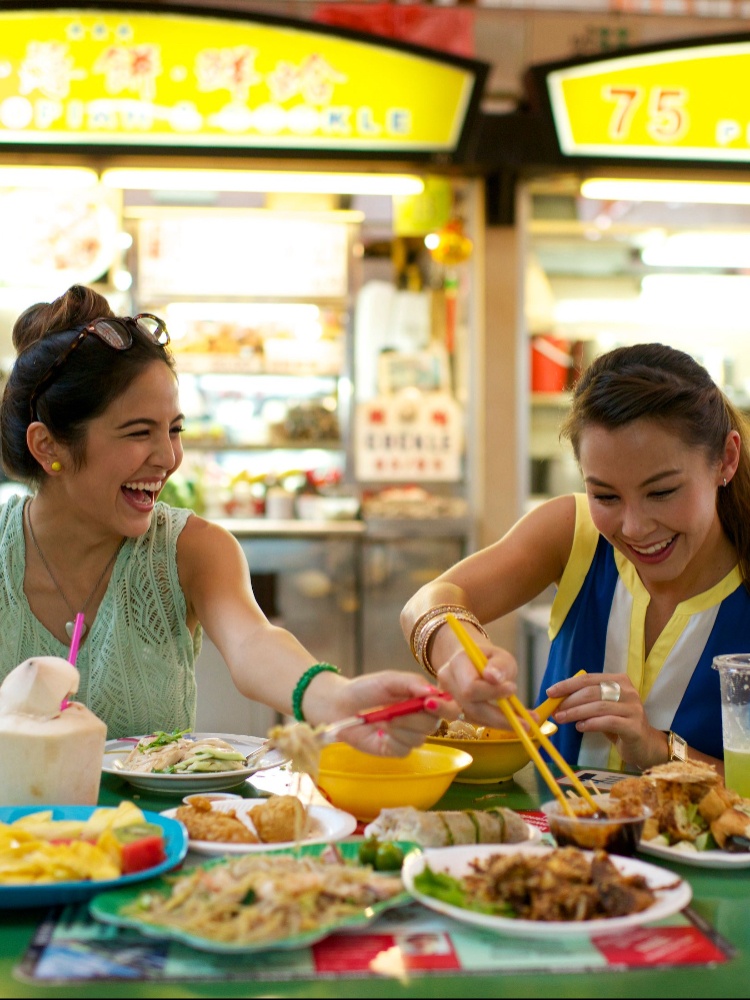
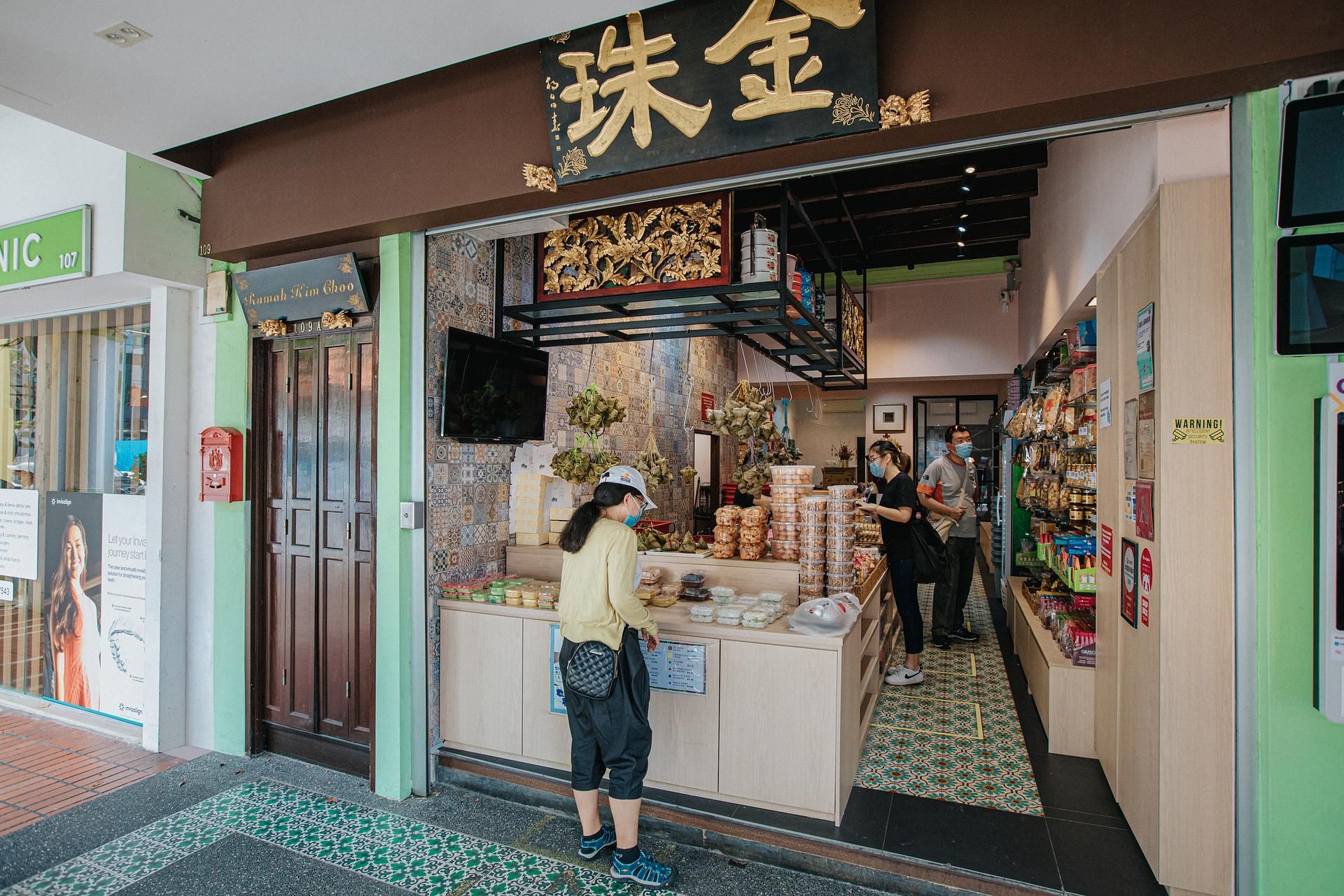
Keep grazing. Ten minutes south is the government-built, two-storied, compact Dunman Road Food Centre with less than 30 stalls that have served the same neighbourhood crowd since the 1970s with sticky tangy rojak, chicken rice and porridge, prawn noodle soup, iced kopi, and fried snacks, on tables that turn slower than at other hawker centres. Pick up nyonya kueh at Kim Choo Kueh Chang. (Pro tip: take it to go, kueh travels well and tastes even better with a little rest. Consume it on the same day, though—it’s made from coconut and can sour if left too long.)
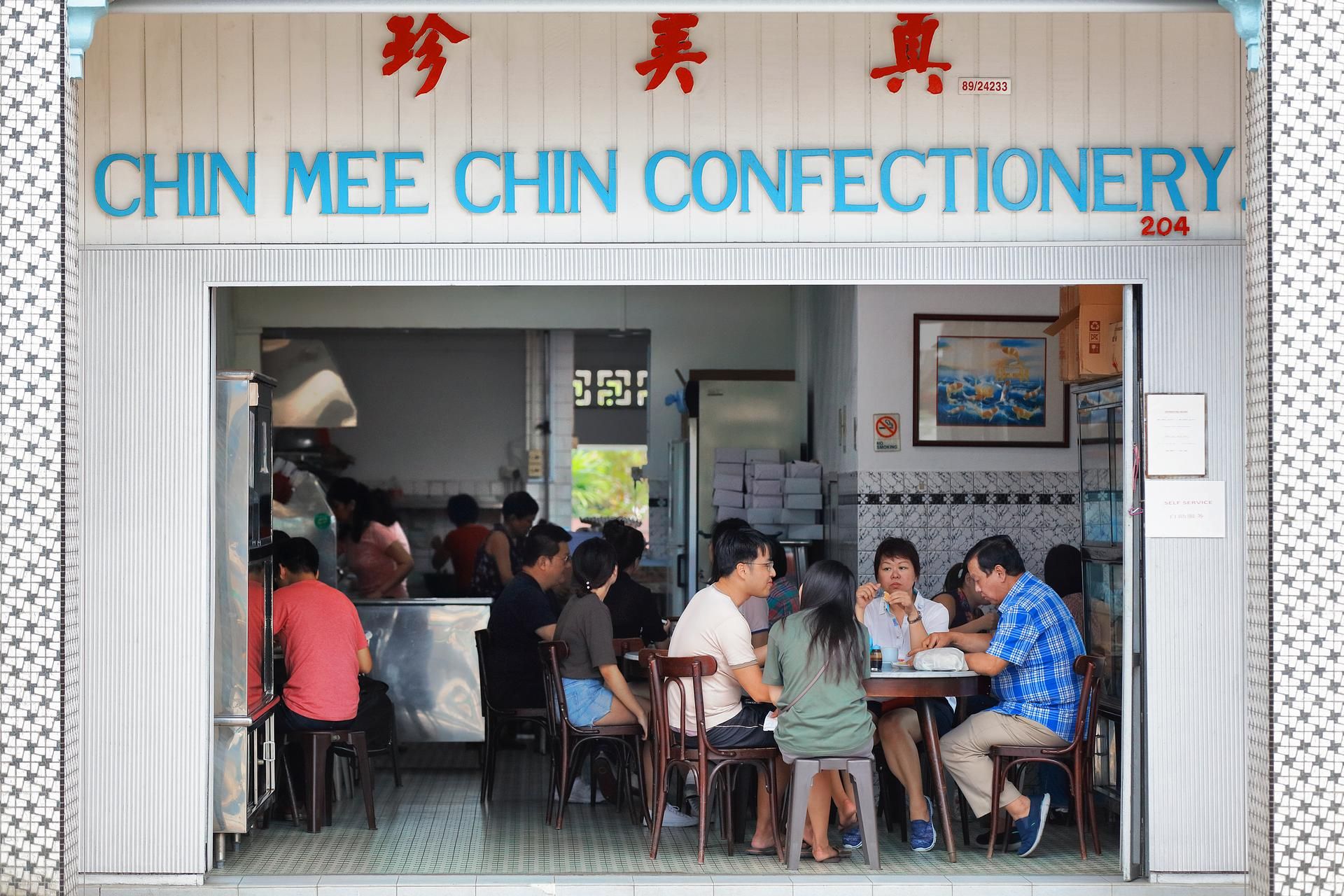
End sweet and slow. Walk down Koon Seng Road and look at pastel Peranakan houses restored with care, then continue along Joo Chiat Road, with its contemporary street art appearing between conserved façades. Sit at Chin Mee Chin Confectionery for kaya toast for a short sweet break before walking to East Coast Park, for a change of scene involving the sea, cyclists, open horizons.
Late afternoon to evening
Arab Street and Haji Lane
(late lunch → drinks → dinner → dessert)
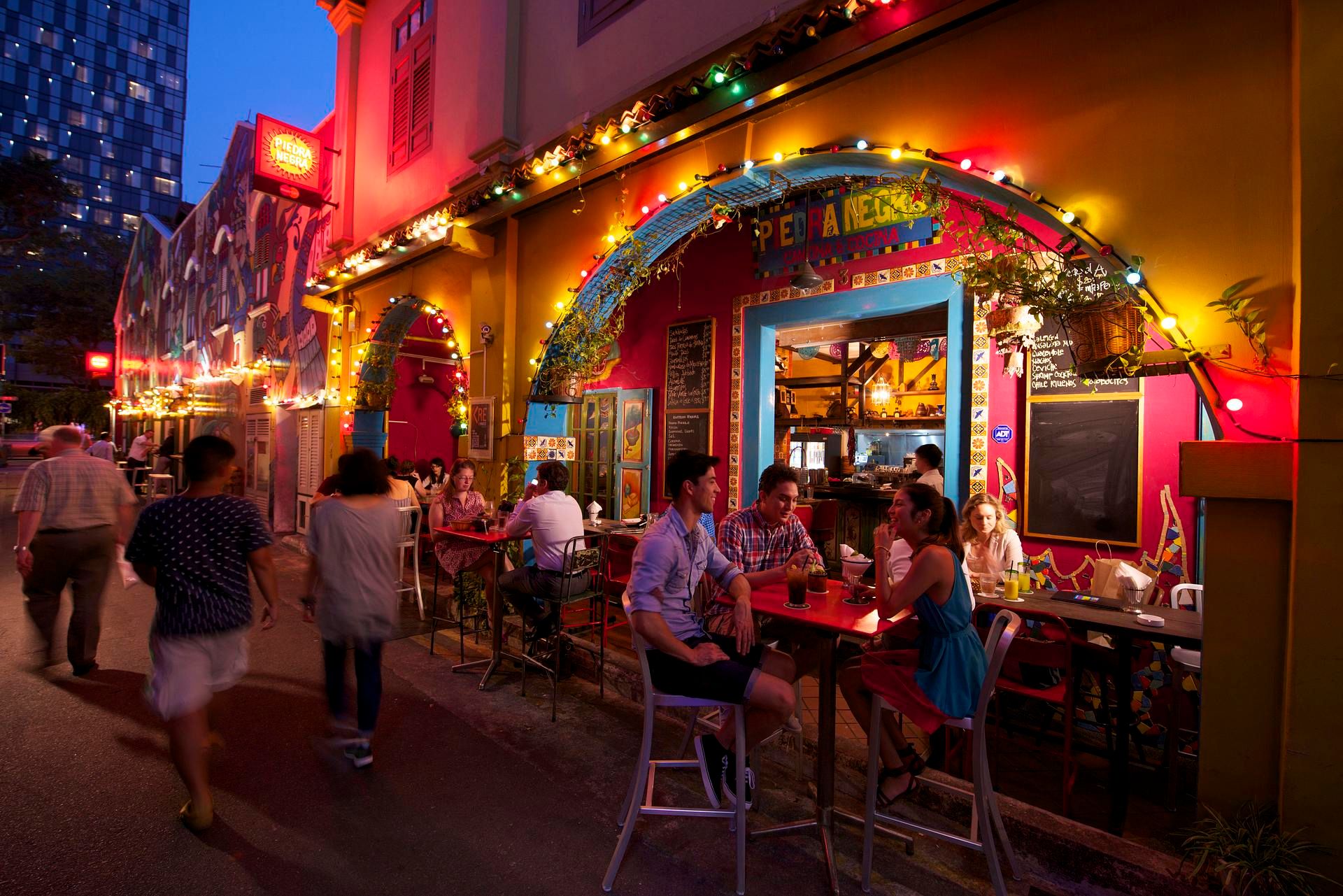
Anyone from India will feel a sense of familiarity in the sensory overload of Arab Street and Haji Lane—shops spilling onto the street with fabric and colour, narrow bars with so much character, each one is a world unto itself. There is plenty to eat and it’s all full-flavoured, assertive.
Begin with lunch. Find delicious Indonesian food at Bumbu, with its glossy, dark rendang, sweet, spicy, sour sambals. Or Abu Mubarak, a few doors down, with its Middle Eastern flatbreads, grilled meats, and dips meant for generous scooping. This area emerged from textile commerce and trade tied to the Muslim world. It’s evident in the mix of fabric stores, mosques, street art, and nightlife that coexist here today, old layered with new.
Pause between courses. Omu Nomu Craft Sake Bar offers the perfect calm, quietly social pause, with sake flights, small plates, Japanese restraint and elegance but without too much tradition.
Dinner follows quite naturally at 28-seater, two-year-old Beyond The Dough by Japanese pizzaiolo Eddie Murakami (trained at Tokyo’s Pizza Strada and Pizza Studio Tamaki), where pizza and champagne are treated like an everyday combination. We can see why Nouri’s chef Ivan Brehm introduced it to us and why he likes it so much. Dough made from Japanese flour is fermented for 30 hours and sprinkled with Okinawan salt before baking. (Pro tip: Apart from the classics, Japanese precision in this Tokyo-Neapolitan slice meets local inspiration in toppings like 100 prawns simmered for 20 hours in the ‘Singapore Rampage’.)
Walk it off with satisfying strolls around Haji Lane looking for treasures: vintage stores (Dustbunny Vintage, The Fashion Pulpit), sneaker shops (Limited Edt Vault), independent fashion labels (Good Addition, Dors, Malware). A dessert from one of many cafés and gelaterias along the way (Moosh Softserve, DOPA DOPA Creamery), allows for mural-gazing with something sweet in hand.
Evening onward
Bencoolen
(supper → digest → late-night sweets)
Bencoolen’s food reflects its mix of older commercial blocks, campuses, and cultural institutions, so places here are practical and affordable, and solid enough to eat at every day.
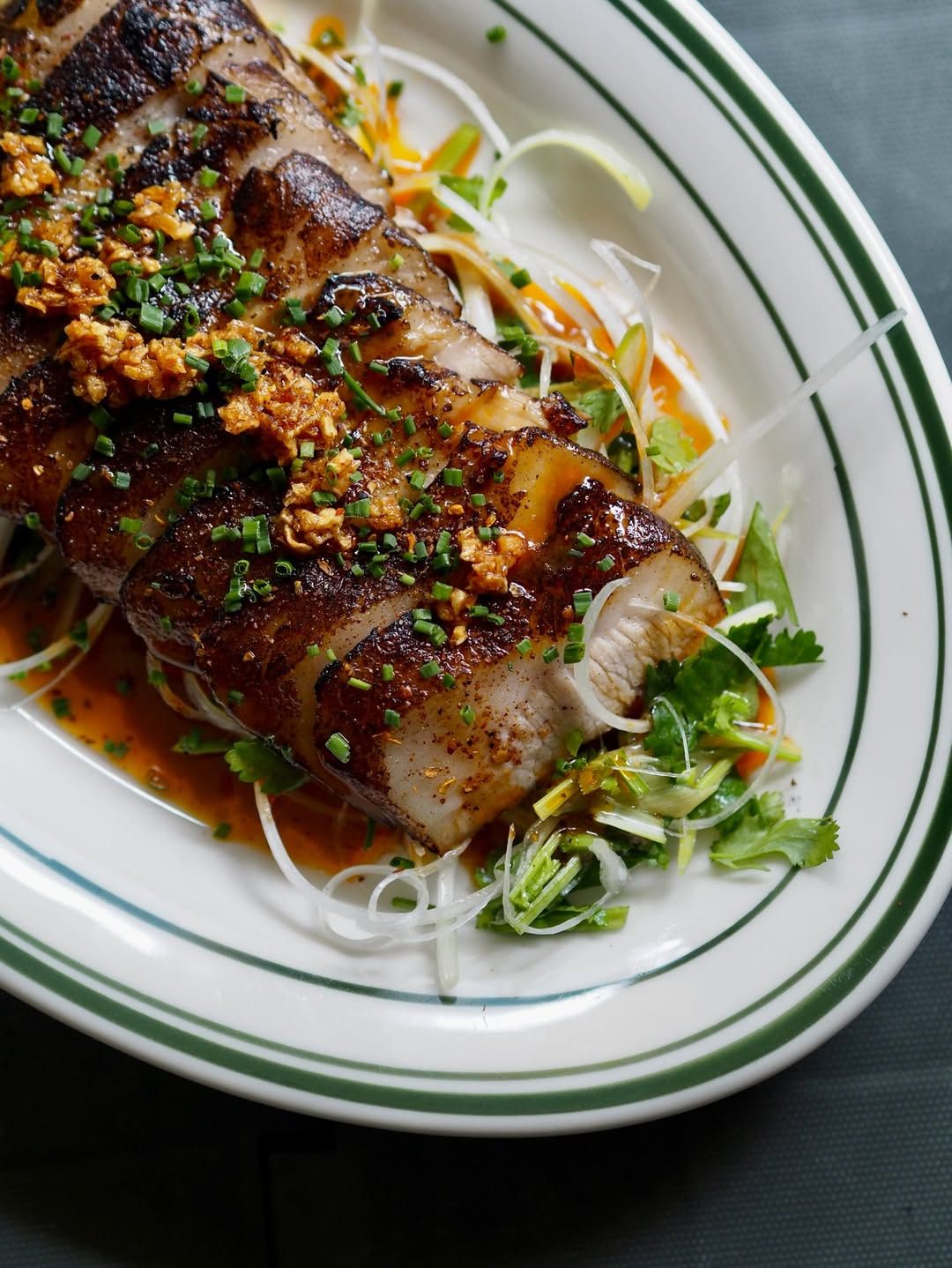
Sup at A9 Noodle Dumpling where fillings of well-seasoned chives, pork and prawns are wrapped in thin skins, served alongside clear soups. The neighbourhood’s contemporary coexisting contrast shows up at Paraphrase, a chef-led eight-seater, grill-forward spot in Fortune Centre which is becoming a food hub in its own right, thanks to its proximity to Bencoolen MRT.
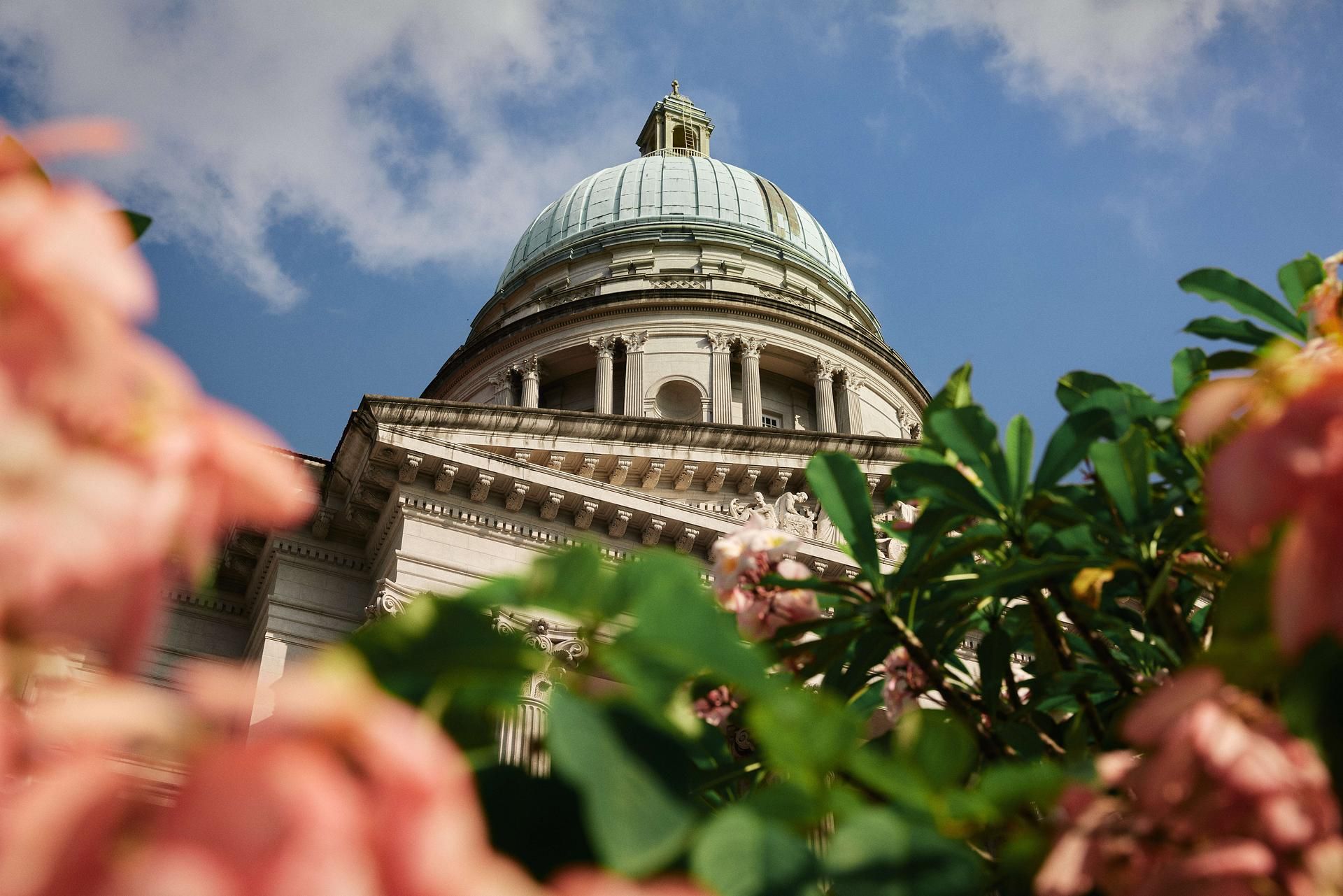
To digest, there is Fort Canning Park’s walking loop. To cool off, museums and libraries around Bras Basah offer air-conditioning and mental nourishment. For a broad, accessible overview of the island’s past head to the National Museum of Singapore. At the Singapore Art Museum and National Gallery Singapore you’ll find modern and Southeast Asian art; and the National Library Building provides a quiet anchor for students and researchers alike, and a meaningful pause for travellers.
Otherwise, student-friendly desserts—waffles, shaved ice, bubble tea—are never far in this neighbourhood. Nearby, karaoke spot Teo Heng KTV Studio offers a no-frills, very Singaporean way to end the night. Rooms are rented by the hour, prices are refreshingly affordable, and the song list runs deep in Mandarin, English, Malay, Korean and Japanese. (Pro tip: Go late for quieter corridors, bring your own snacks, and don’t expect alcohol—it’s strictly about the singing.)
What links these three neighbourhoods is not a single cuisine, but a shared rhythm. Katong–Joo Chiat speaks through domestic rituals, Arab Street and Haji Lane through trade and reinvention, Bencoolen through everyday nourishment. Together, they offer a way to experience Singapore slowly, between bites, where history lingers quietly and culture continues to unfold.