




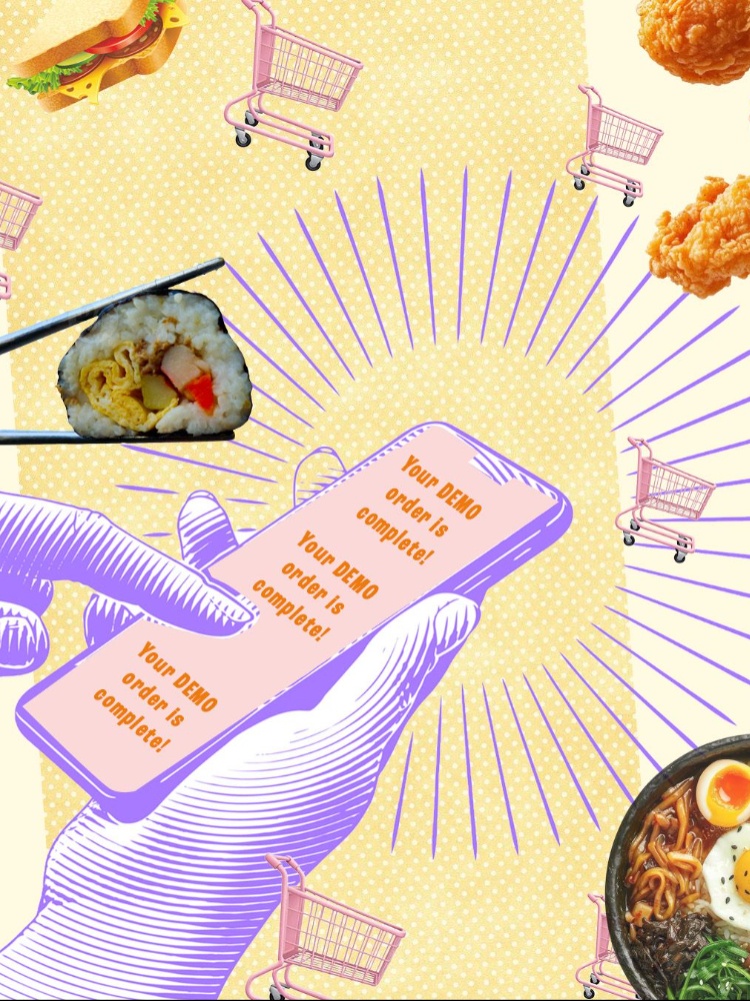

Remember when retail therapy meant actually buying something? We, Gen Z, have since evolved. There’s now a corner of the internet called FoodNeverComes, where we can order from a restaurant that doesn’t exist, or track a package from Dopamine (a fake shopping site) that has never been shipped. I can even smoke a cigarette online on Damta World (derived from the Korean slang for ‘smoke break’) where I am not actually smoking but just taking a break with strangers and reading their anonymous messages. Welcome to dopamine sites, where adults are rediscovering playing pretend like we used to when we were kids.
The trend started in South Korea around last month and is now making its way around the globe. These websites are built purely to simulate the feeling of doing something satisfying without any of the actual doing. Fake shopping carts you fill and never proceed to checkout with. Fake delivery trackers that ping you with updates on absolutely nothing. It started, as most things do on the internet, as a joke. And then Gen Z looked at it and said, umm, actually yes, because these sites still give the brain the dopamine rush and scratch that shopping itch without one suffering the financial consequences.
This may seem bizarre to a lot of people, but when the real version of something is genuinely out of reach, you simulate it as a way to cope. My generation entered adulthood during a pandemic and graduated into a job market that wants five years of experience for roles that pays in “learning opportunities”. Now, we watch rent eat a percentage of our salary that would probably make our parents choke on their tea (thank god, I am not there yet). Given everything with global conflicts and economic uncertainty, groceries now cost more than they did last year, and, thanks to inflation, eating out feels like a small financial event rather than a treat, not to mention the recent LPG and petrol crisis.
The internet, as always, is divided, with opinions ranging from “Marx, please come back; look what they’ve done to the working class” to “This is actually genius”.
According to Kim Heon-sik, a professor at Jungwon University, these sites are tied to a broader online culture built around constant stimulation and reflect the desire to experience a similar satisfaction without partaking in real life. The trend also reflects fatigue and anxiety among young people and how people now tend to find comfort simply in feeling loosely connected online, he said.
Underneath all the irony, there’s something almost embarrassingly earnest about it. We are a generation that still wants the small wins the real world has made oddly hard to come by.