



Arts23 Feb 20265 MIN

At Goa Open Arts, the real headliners come from the state’s creative community

From Afrah Shafiq’s ‘Becoming Unbecoming’ to Savia Viegas’s embroidered ‘Love Tales’, the arts festival is made for artists who live, work, and evolve within the state

Image

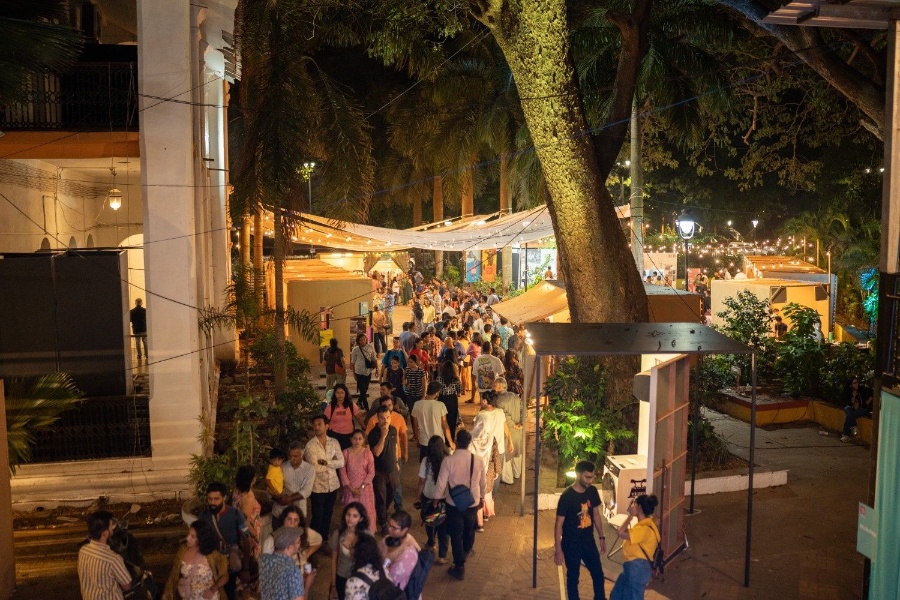
You can tell when Goa Open Arts is happening even if you miss the posters. The tote bags give it away. Cream canvas, clean type, ‘Goa Open Arts’ printed boldly across the front. You spot one in a Panjim cafe, another tucked under someone’s arm in Assagao, another slung over a shoulder in Margao. Even this year, they are likely to move through the state long after the lights at the Old GMC Complex venue go down, carrying catalogues, sketchbooks, groceries and, quietly, the idea that something local is being built.

In a state rift with insider-outsider debates, and one that is home to multiple large-scale festivals each year, from the Serendipity Arts Festival to the International Film Festival of India, the question of an arts festival dedicated to its residents has become part of the local discourse. Unlike SAF and IFFI, where much of the programming is imported, Goa Open Arts positions itself differently to offer a solution. It offers a creative platform to insiders and outsiders, who have made Goa their home. The small and growing art festival does not arrive in spectacle. It grows outward from within. 

The third edition runs from February 20 to 25, 2026, at the Old GMC Complex in Panjim, with programming stretches spanning visual art, music, film, performance, and workshops. Like any good festival, it is lively, intergenerational, and deliberately accessible. But at its core, it is a more focused and commitment to artists who live and work in the state.

“The Goan artist has a unique challenge,” says Sitara Chowfla, one of the festival’s co-founders, who moved to the state in 2022. “Despite how cosmopolitan Goa is and how many people it attracts from all over the country and globe, it still has very limited infrastructure.” The paradox is obvious. Goa draws artists in, but sustaining an arts practice here can feel isolating. Chowfla is careful not to reduce identity to geography. “I wouldn’t say it is just about birthplace,” she clarifies. “It is equally about lived experience and cultural engagement.” For her, being a Goan artist is about responding to the place in a meaningful way.

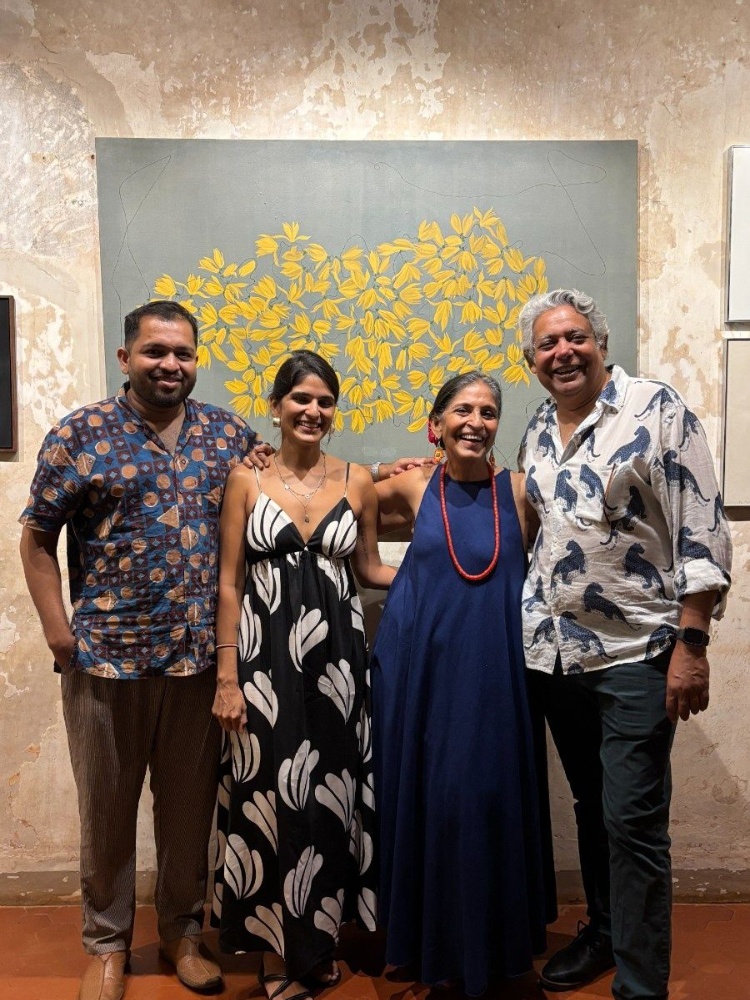
Founded in 2019 by photographer Prashant Panjiar, designer Gopika Chowfla, curator Sitara Chowfla, and artist Diptej Vernekar, Goa Open Arts is a not-for-profit, artist-led foundation conceived to galvanise the state’s resident creative community. Its first festival took place in 2020, positioning itself not as a headline-driven art spectacle but as an open, multidisciplinary platform for artists already living and working in Goa. When the Covid-19 pandemic disrupted public life, the team shifted direction and introduced a production grant for artists. “We felt there was a lack of opportunities for young artists in Goa,” Chowfla explains. The grant has since supported around 30 practitioners and expanded beyond visual art to include theatre and community-driven projects. “It was a way to provide financial support,” she says, “but also a way to build communities.”
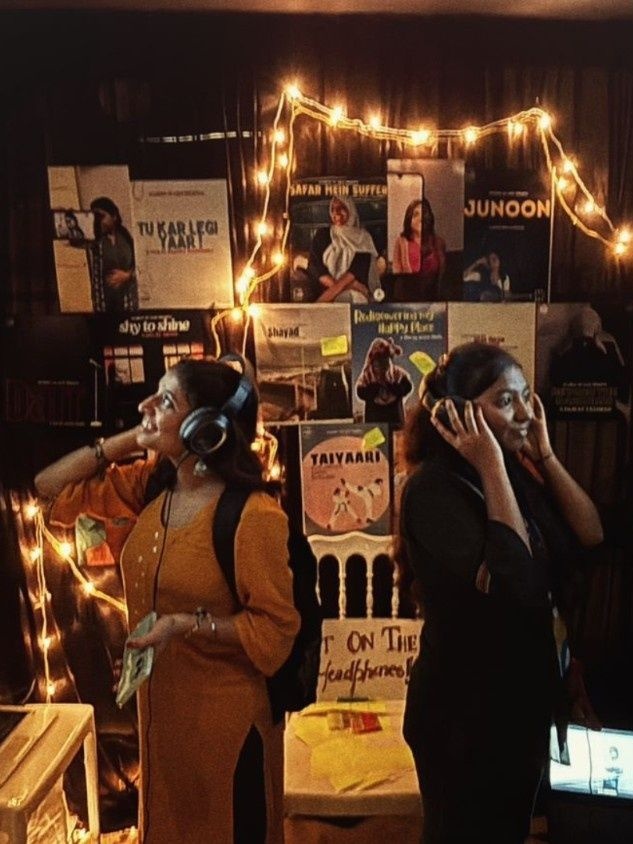
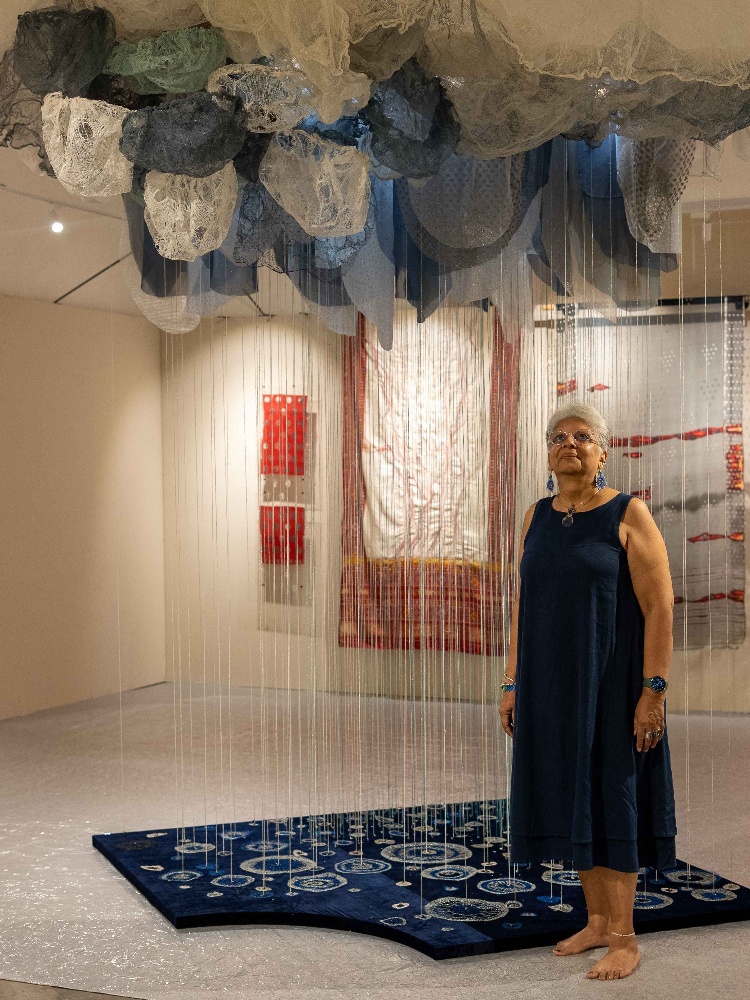
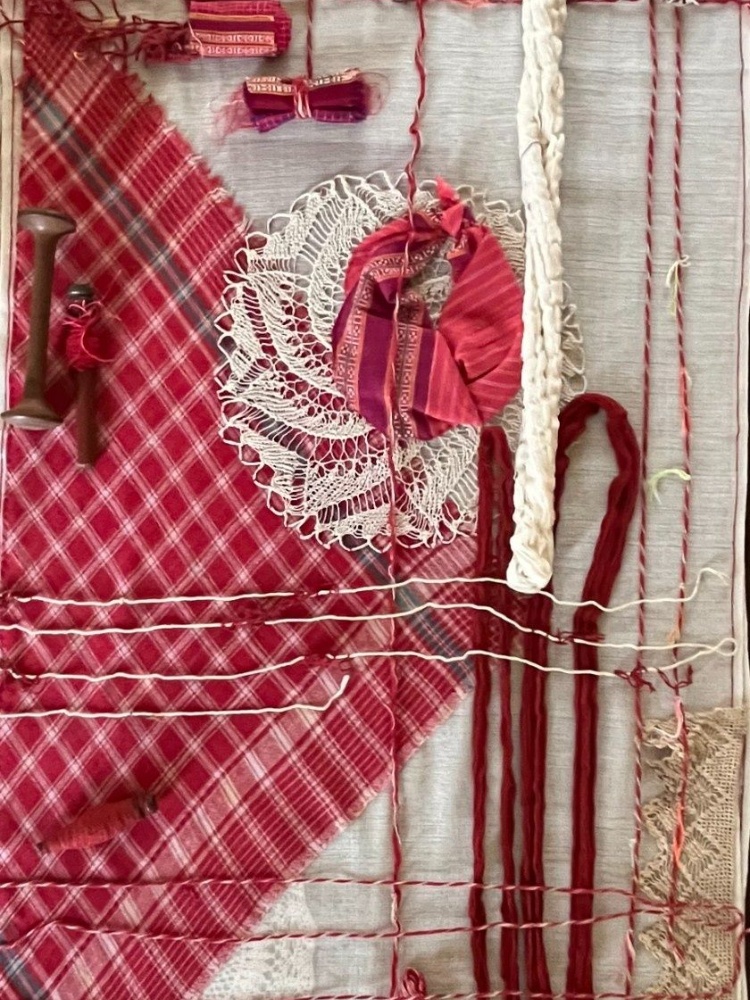
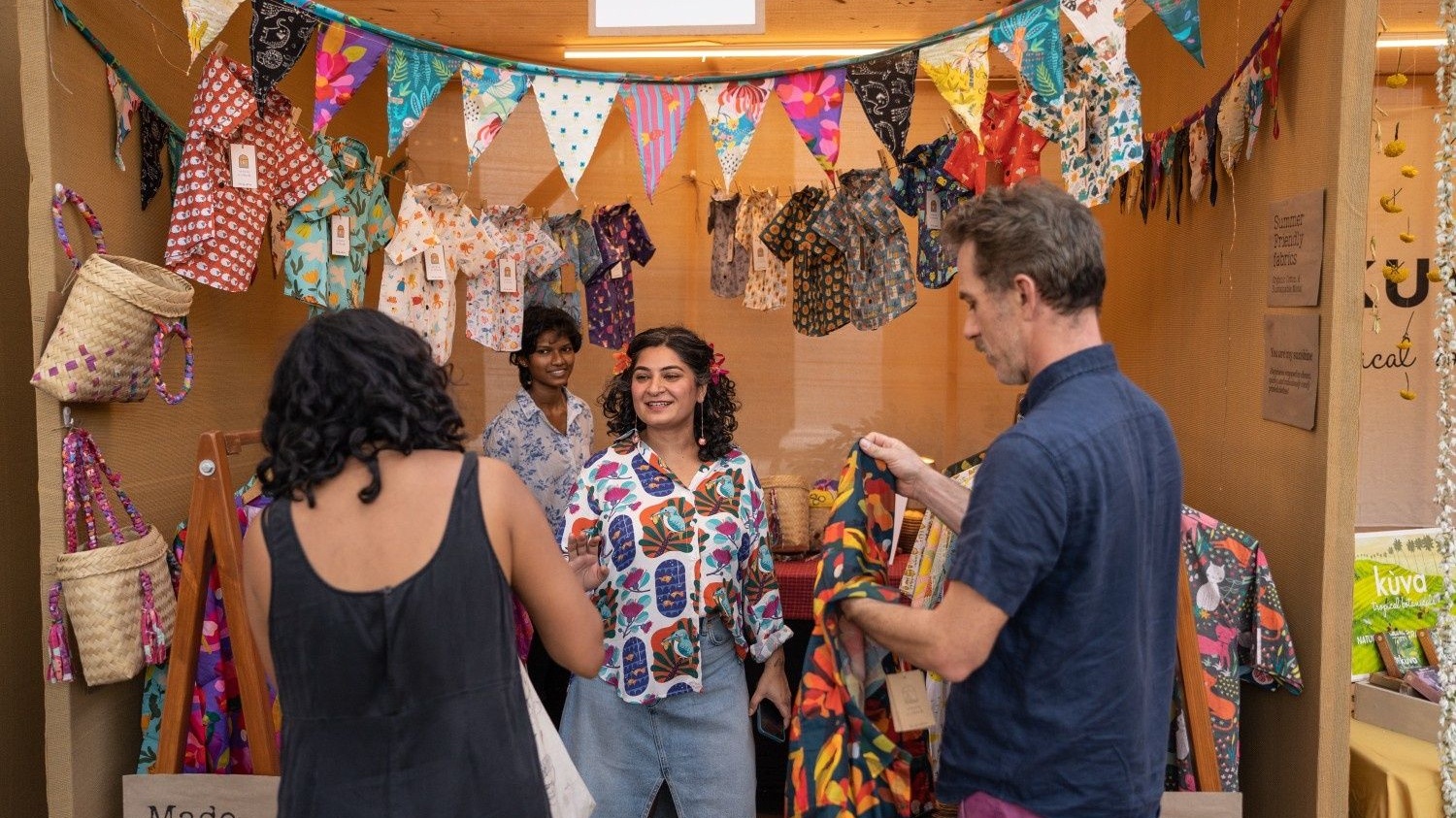
That long-term investment is evident in this year’s headline exhibition, Threads Through Time: Textile Art from Goa. Described as the first exhibition dedicated solely to textile art from the region, it moves between archival histories and contemporary experimentation without feeling like a museum survey. The show unfolds across three sections. ‘Craft Histories of Goa’ revisits the Goa’s lesser-known textile traditions, like the Kunbi saris, bobbin lace, and domestic embroidery. ‘Contemporary Textile Explorations’ looks at fibre as a sculptural and conceptual medium. And ‘Textile and Fashion in Dialogue’ positions garments and design as tools for reinvention rather than preservation.

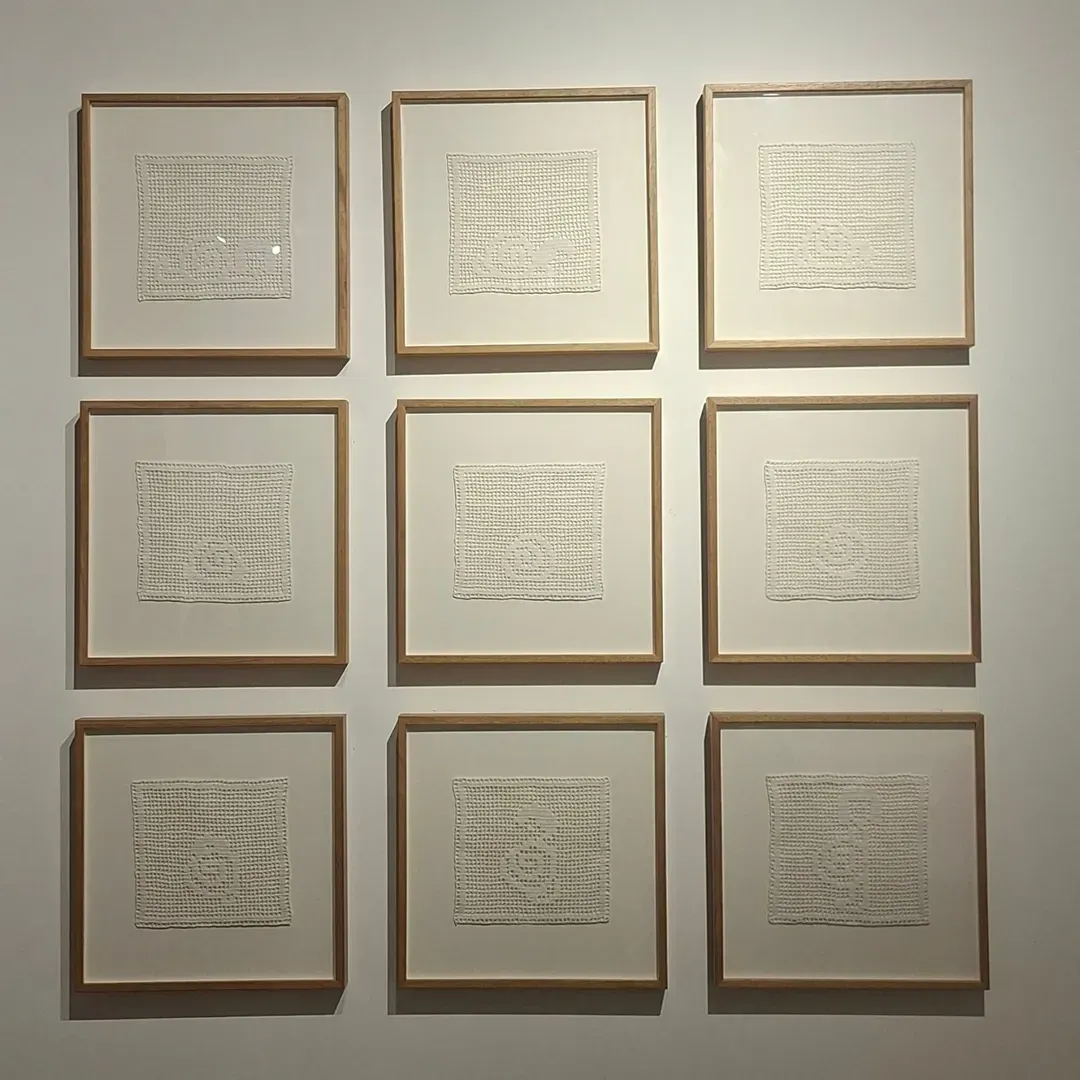
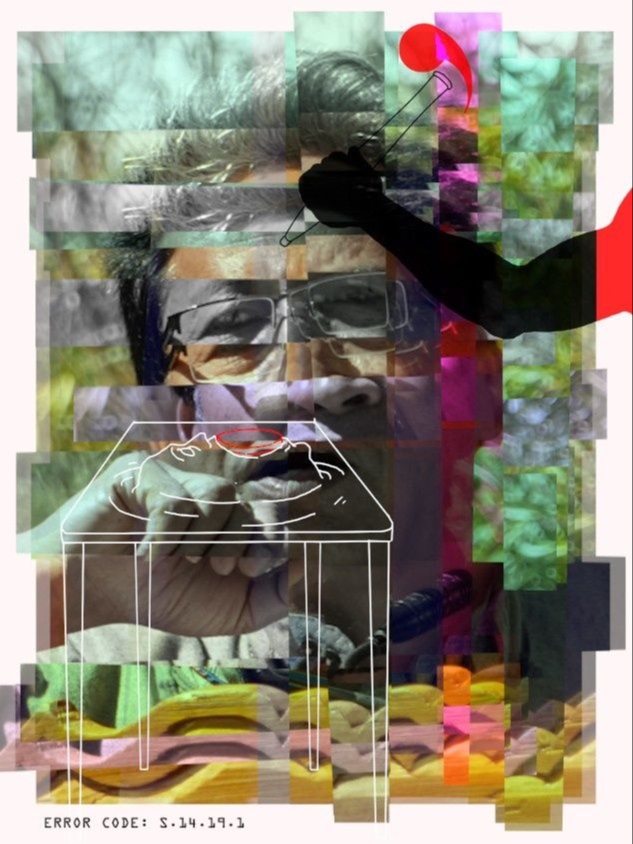
Among the over 80 visual artists featured this year is Afrah Shafiq, whose work ‘Becoming Unbecoming’ marks a personal shift in her practice. Shafiq moved to Goa in 2016 and now calls it home, but textile was not originally part of her vocabulary. Known for her pixel-based digital work, she found herself forced to slow down during a pregnancy. “It became really difficult for me to work on my usual practice, which involves multiple monitors and computer tech,” she says. Confined to bed rest, she began crocheting. “For the first time in my life, I was learning to crochet.” The resulting work transforms her digital grid logic into thread. It reflects on change and the idea of home. “I always thought of myself as this snail,” she says. “The way the snail carries its home on its back.” Pregnancy shifted that image. “I kept thinking of how I’ve kind of become a home.”

Goa Open Arts 2026|caption
‘Becoming Unbecoming’ by Afrah Shafiq

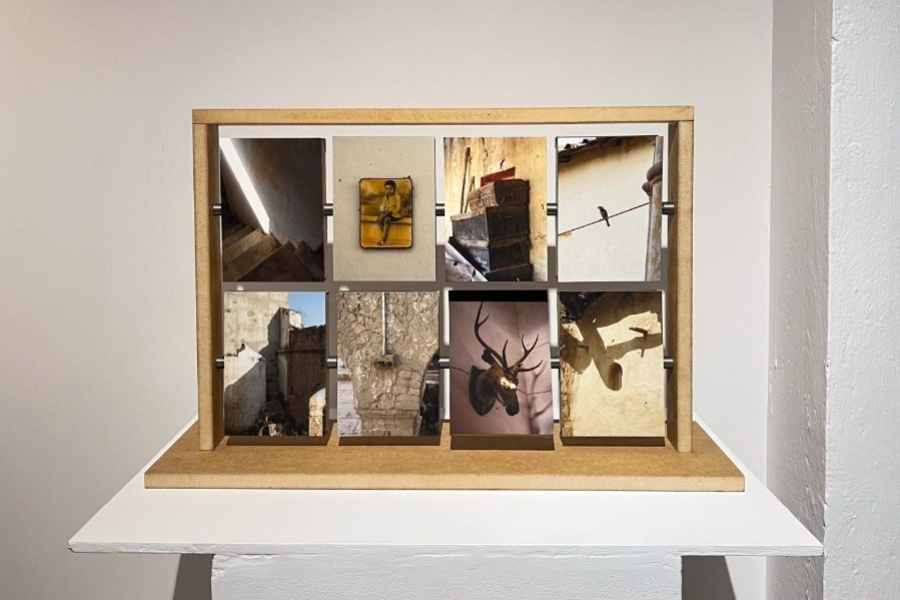
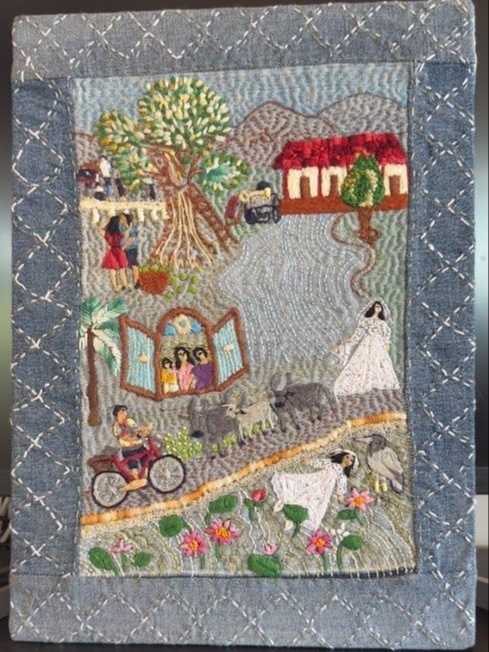
If Shafiq represents someone who chose Goa and slowly made it her own, artist Savia Viegas writes from a place she has always inhabited. “I consider myself a village historian,” says Viegas, and the phrase is deliberate. The Goa she speaks of is not the soft-focus beachscape sold to visitors. It is what she calls an “urban village”, where lawyers and doctors returned each evening to houses flanked by paddy fields, where professional ambition coexisted with inherited hierarchies, and where social codes shaped desire as much as love did.

Her series ‘Love Tales’ draws from what she describes as “brutal stories”, narratives of intersex lovers, strategic marriages, and relationships that ignite quickly and unsettle entire communities. For Viegas, the greater violence lies in how Goa is flattened into something quaint. “We had to look at our own mediums of expression, our own arcs of expression,” she says, arguing for storytelling that sheds the colonial hangover. Goa, she insists, is a largely unexplored terrain that is layered, contradictory, and far more complex than its idyllic image allows.

Elsewhere in Threads Through Time, the exhibition widens its scope. Textile designer Poonam Pandit traces the journey of the Kunbi sari across generations, moving from preservation to revival. Works by Gopika Chowfla layer reclaimed and damaged saris into shadowed compositions that ask what memory cloth can hold. Contemporary interventions by Medha Khosla transform discarded coastal waste into woven forms, shifting textile from domestic object to ecological commentary. In her installation, Deepa George presents letter writing as memory quilts, paying tribute to the lost art of epistolary communication.

Beyond textiles, the festival continues its broader programming. What Remains, a photography exhibition developed in collaboration with Museo Camera, examines traces and absence. Music spills into the evenings. Young skaters occupy the temporary park. Children move between workshops and installations. The atmosphere feels less like a polished fair and more like a community gathering that has grown in scale without losing intimacy.

Chowfla emphasises that the festival deliberately avoids a single overarching theme. “We don’t have a curatorial theme for the whole festival,” she explains. “We intend for it to be welcoming to artists from all genres, all disciplines, all mediums.” That openness is part of its name and character. You are not instructed how to move through it. You discover connections on your own.

By the time you see that tote bag for the fifth time in a week, you realise it is more than a souvenir. It is evidence of a community forming across the state. Grants awarded. Artists platformed. Conversations sustained beyond a single weekend. Goa will continue to host festivals that bring in global programming and visiting names. But Goa Open Arts insists on something else. It insists that the artists who are shaping this place from within deserve visibility, funding, and long-term support.

Goa Open Arts Festival is on view at the Old GMC Complex in Panjim till February 25

The Nod Newsletter

We're making your inbox interesting. Enter your email to get our best reads and exclusive insights from our editors delivered directly to you.