



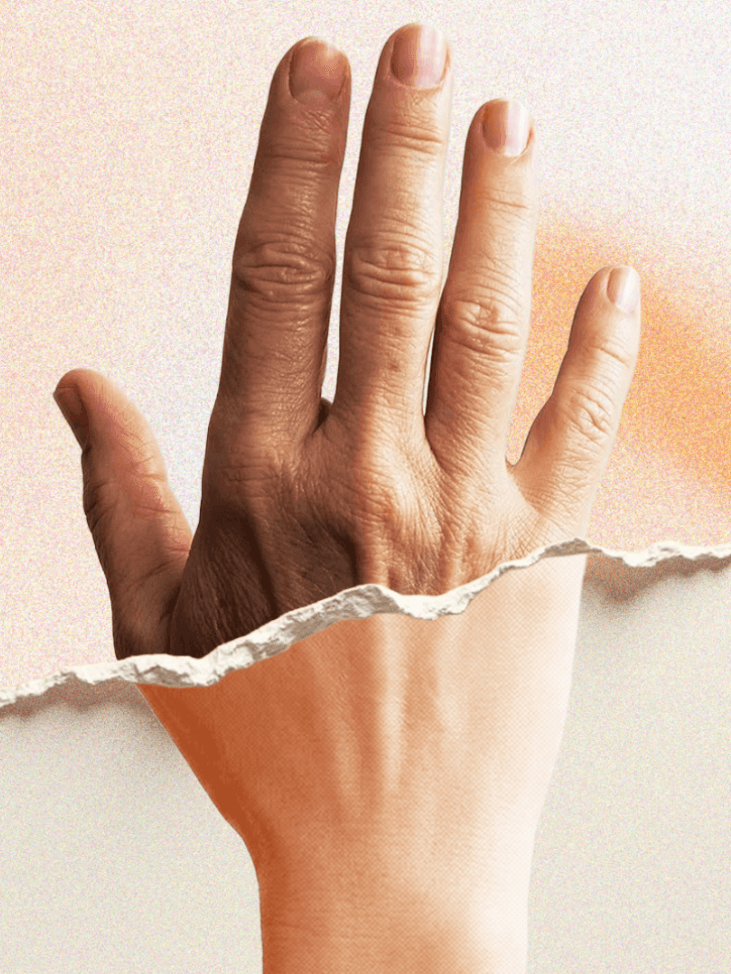

Nora Ephron’s whole argument in I Feel Bad About My Neck was that you could do everything right—the face work, the diet, the discipline—and your neck would still rat you out, because nobody thinks to defend it until it’s too late. I am 30, so my neck and I are on decent terms. But my feed has decided my hands are next. A Reel on hand fillers, then a carousel on “hand ageing signs nobody tells you about”, then a dermatologist explaining biostimulators to the back of someone’s hand.
Turns out I’m early, not immune. Dermatologists say the age at which people start asking about this has been sliding down for a while, well before anything resembling Ephron’s neck-related grievances would apply. “Ten years ago, this was a request from women in their mid-fifties. Now I’m having this conversation with women in their late thirties,” says Dr Sonali Kohli, senior consultant in Dermatology at Sir HN Reliance Foundation Hospital, Mumbai. Ring selfies and bling shots are the biggest reason.
Getting handsy
Unlike the face, which tends to age in a way that reads visually as “softening”, the hands take a much harsher turn. According to Dr Jamuna Pai, cosmetic physician and founder of SkinLab, the skin on the back of the hands is fundamentally different. It is paper-thin and almost entirely devoid of oil glands, making it inherently prone to chronic dryness and barrier damage. Add to that a structural loss of subcutaneous fat, and the cushion vanishes.
Dr Jaishree Sharad, a board-certified cosmetic dermatologist, notes that this shrinkage happens in a distinct sequence: as fat pads drop, underlying tendons and blue veins pop forward into sharp relief. What follows is thinning skin, crepey texture, and, eventually, the pigment. The result? A visually “skeletal” look that is far trickier to treat than a simple forehead line.
To make matters worse, hands take nearly as much daily sun as your nose. As Dr Kohli points out, they bake on the steering wheel and rest on car window ledges. Even the most religious facial-SPF obsessives (like me!) wash their hands a dozen times a day, scrubbing off whatever protection was there, before exposing them to dish detergent and alcohol-hand sanitiser.
Skin quality or actual volume loss?
Dr Kohli suggests a home test: Relax your hand and look at the back of it. If veins and tendons stand up between smooth skin, that’s volume loss. If the surface is browned or crinkled but the contour underneath is still smooth, that’s a skin-quality issue. Most women past 45 have a bit of both.
Texture and pigmentation get treated first, and the fix stays boring on purpose: SPF reapplied after every wash, a gentle retinoid at night, gloves for dishwashing. In-clinic, that becomes picosecond lasers for spots, mild peels, and skin boosters. Aesthetic dermatologist Rashmi Shetty calls hyaluronic acid micro-injections her best value-for-money, instant-result option, often paired with a biostimulator.
Volume loss is a separate problem. Calcium hydroxylapatite has the longest track record on hands, Dr Kohli says. Dr Shetty also uses hyaluronic acid filler. Dr Pai starts younger patients on radiofrequency alone and saves boosters or filler for later, once the damage turns structural. Pricing varies depending to clinic and product, but as a rough guide: a single syringe of filler or a booster session could run you upwards of ₹30,000, while lasers and peels cost less per visit but need more of them.
One rule held across every conversation: fix pigment and texture before you touch volume. Filler won’t erase a brown spot. The patients who start with filler anyway are usually the ones who come back disappointed.
Handle with caution
Overfilled hands are the universal complaint. An overcorrected hand doesn’t read as young, it reads as swollen, and unlike a face you can’t really hide it under a fringe. Cryotherapy on age spots can leave a permanent white mark on Indian skin, often more visible than the brown one it replaced. Aggressive IPL (intense pulsed light therapy) on skin that’s outdoors daily is akin to inviting pigmentation back in. And nobody, Dr Kohli insists, should touch the veins—they’re your emergency IV access. The real problem is the thinned tissue around them, not the veins themselves. Dr Sharad adds meso cocktails, stem-cell-adjacent injectables, and exosomes to the overhyped pile: no long-term safety data, no approvals, mostly marketing.
Indian skin adds its own complication. Higher melanin means a much higher risk of post-inflammatory hyperpigmentation. Translation: inflame the spot you’re trying to fade, and it can heal back darker. Dr Pai’s clinic goes low and slow here: mild peels with tranexamic and kojic acid to softly slough off dark spots without hurting the rest of the skin.
This is, in the end, just skincare whack-a-mole. You don’t technically need smooth eleven lines either, and yet here we all are, smoothing them. Hands are simply the next mole. Which isn’t nothing——there’s a genuine pleasure in a good manicure, a hand cream that smells like you chose it on purpose, the small vanity of liking your own hands in a photo. Ephron never got to write the sequel, but I’m fairly certain it would have been about elbows, and the skincare industrial complex is sure to get there soon.
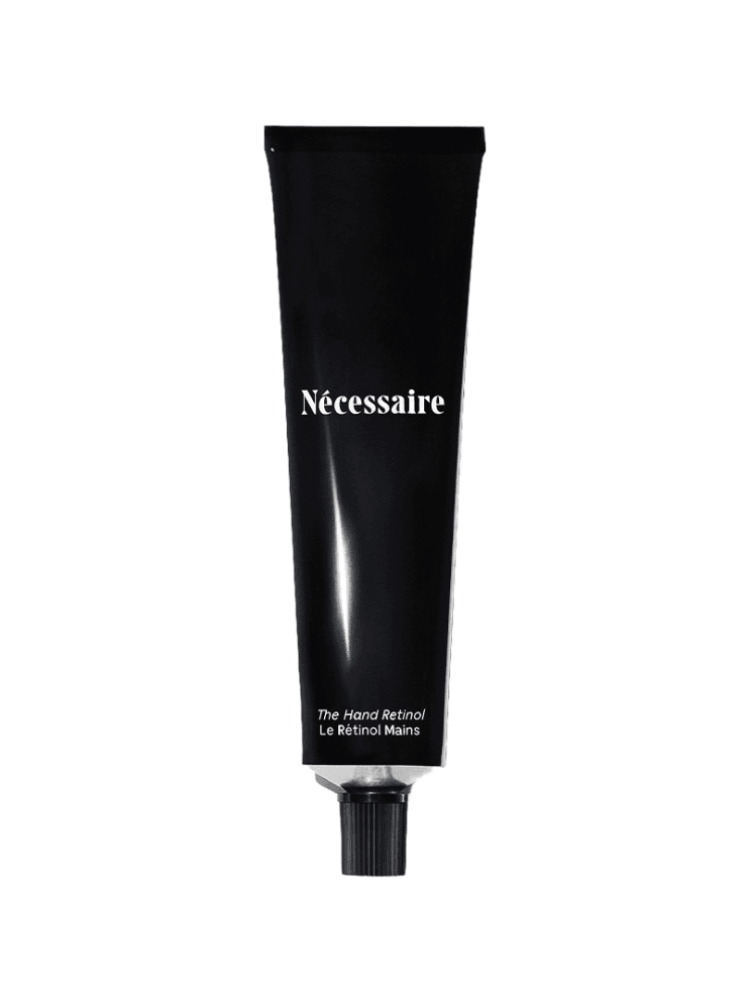
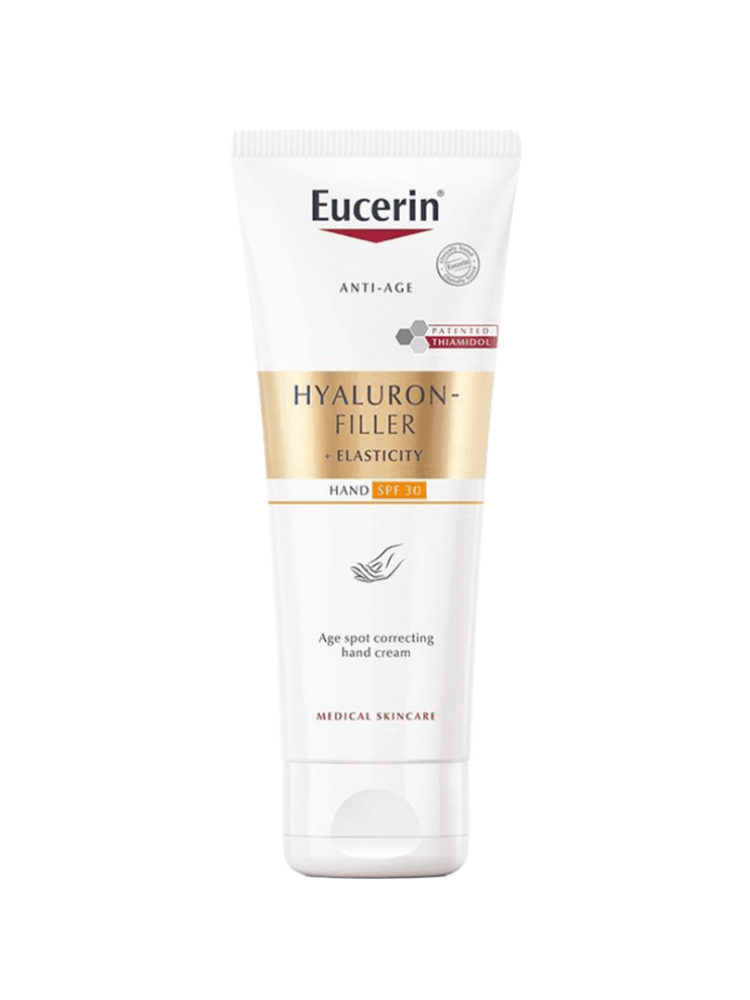
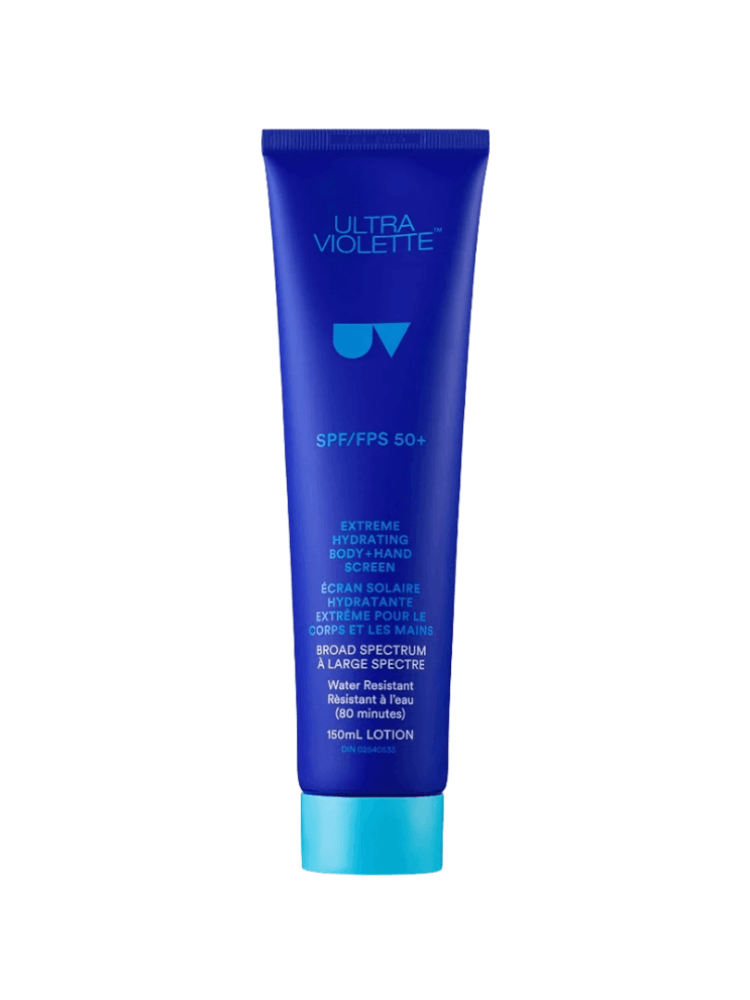
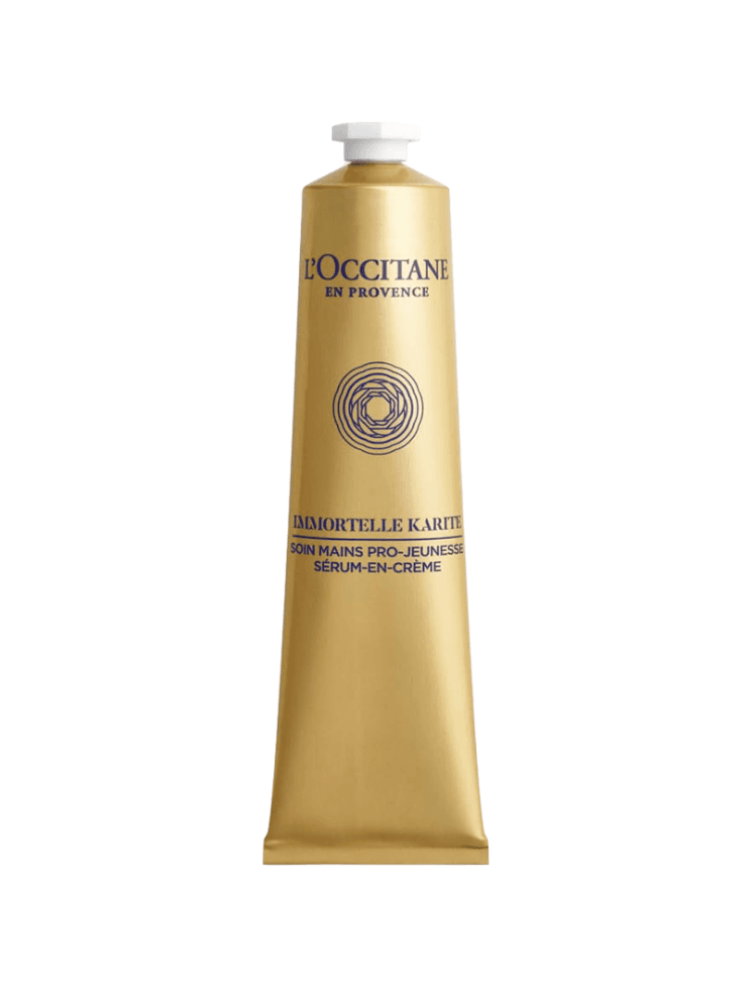
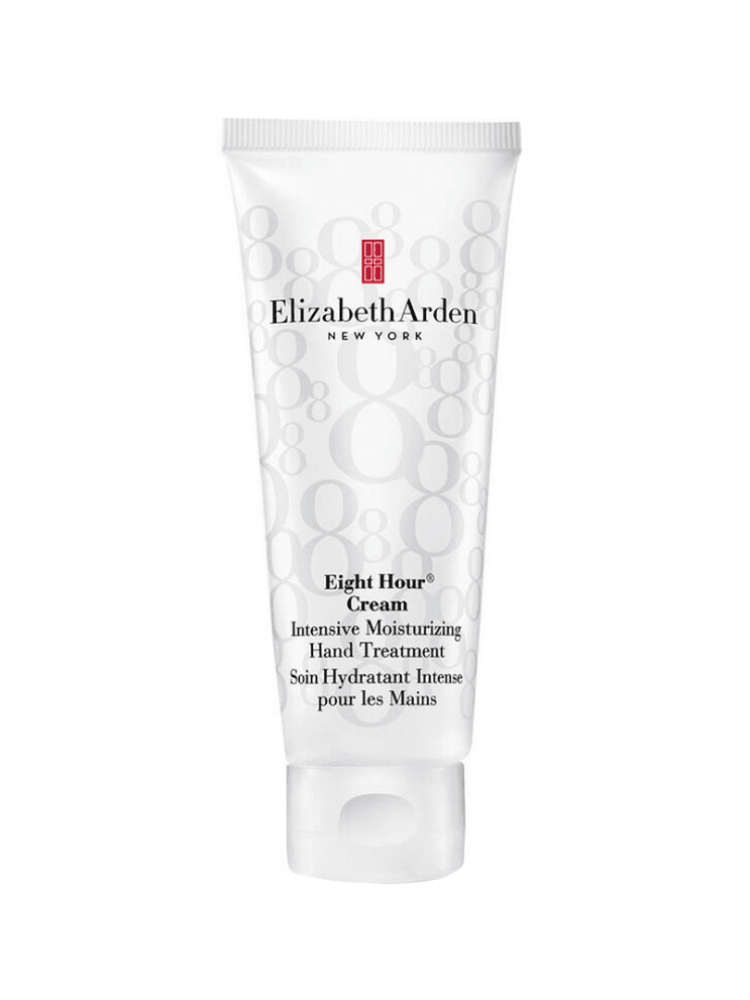
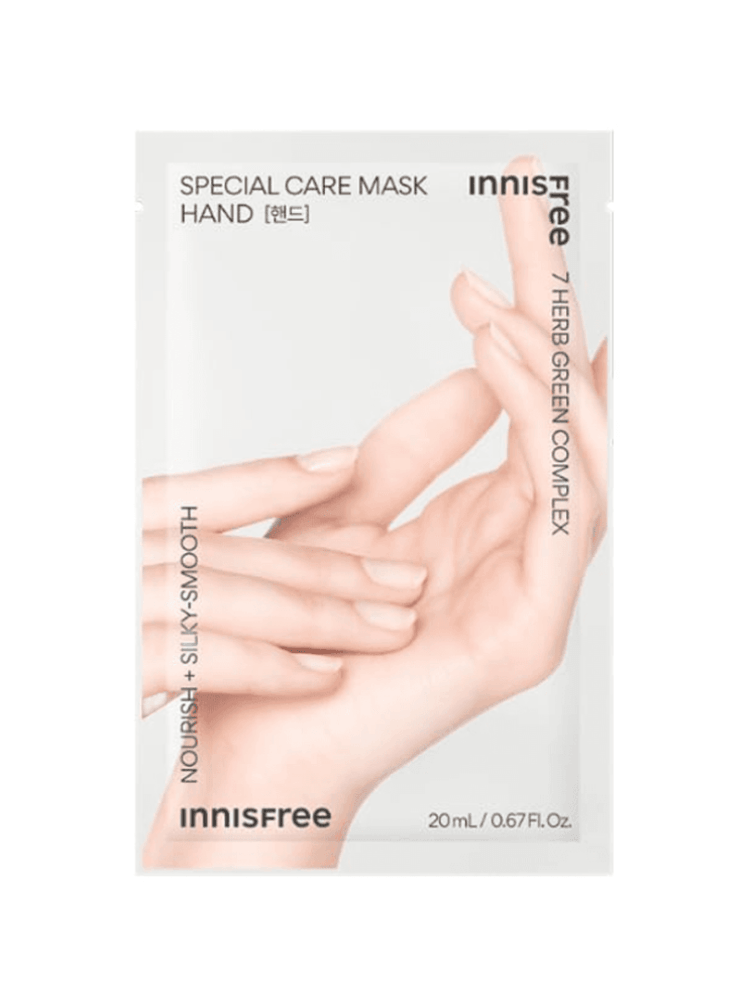
The edit your hands didn’t know they needed: