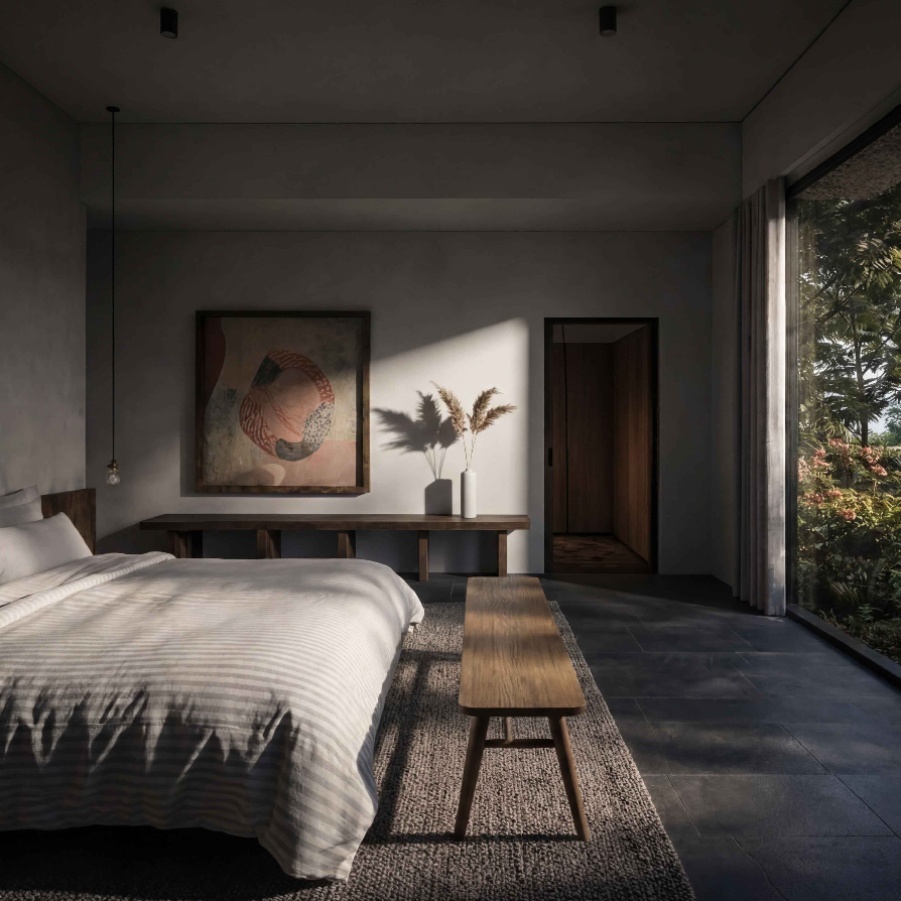

At a new villa three hours from Mumbai, sleep is what you pay for. The lighting in the room shifts with your body clock, the blackout is total, and the walls swallow any sound around you. Down the hall are infrared saunas, a steam room, a Jacuzzi, and a gym. Outside, the Sahyadris roll out beyond a saltwater infinity pool and Mulshi lake. This is Atmantan Wellness Centre’s newest 2,500 sq ft villa built entirely around wellness, and it comes at ₹1,81,000 for a couple.
“Our guests would often visit Atmantan to address their weight, gut, or stress, and on the third day they would realise that their sleep had been affecting each of these factors. A good night’s rest was what everyone was seeking, so we wanted to be more deliberate about it and create a self-contained wellness sanctuary,” says Sharmilee Kapur, founder of the centre. Atmantan is hardly the only one.
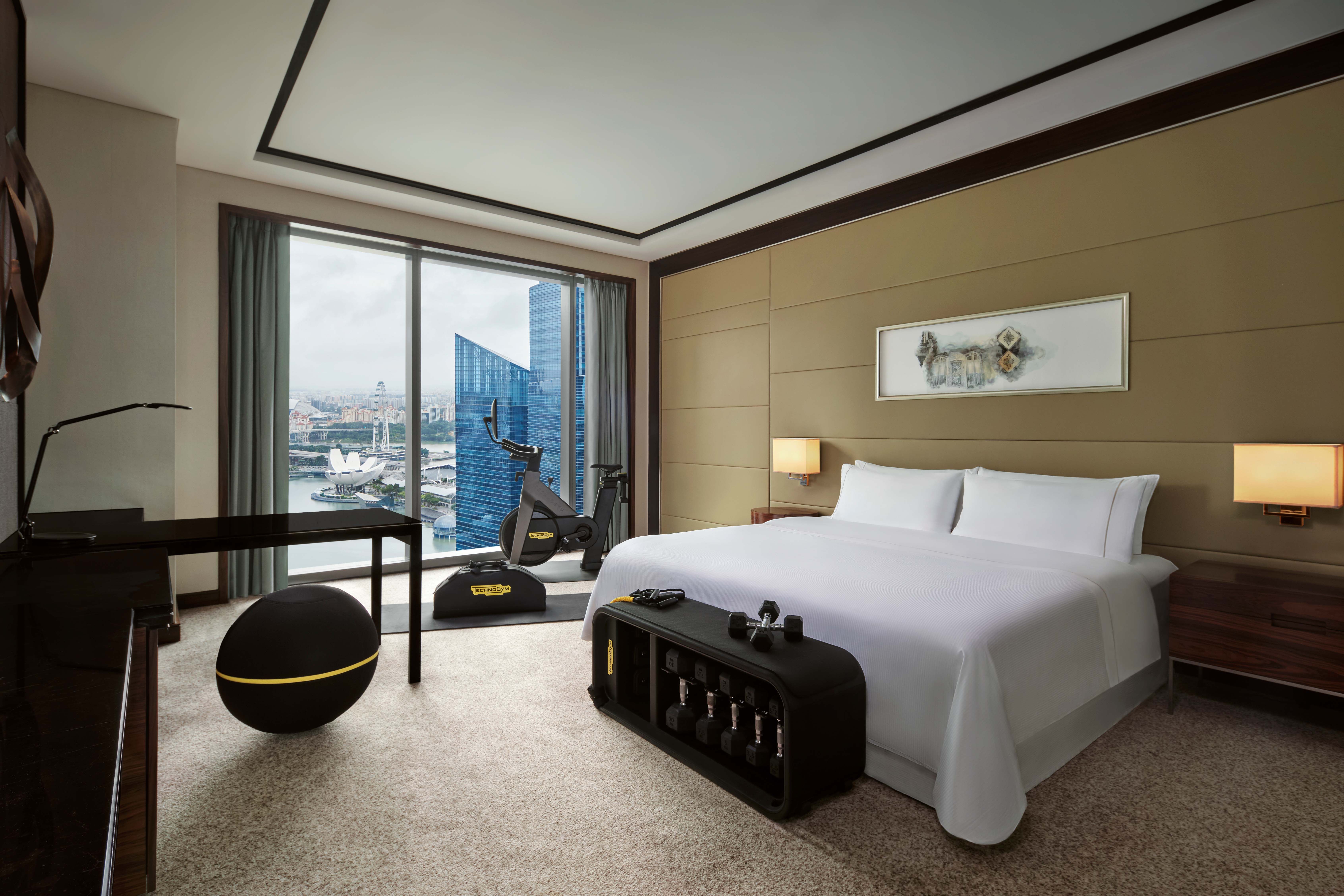
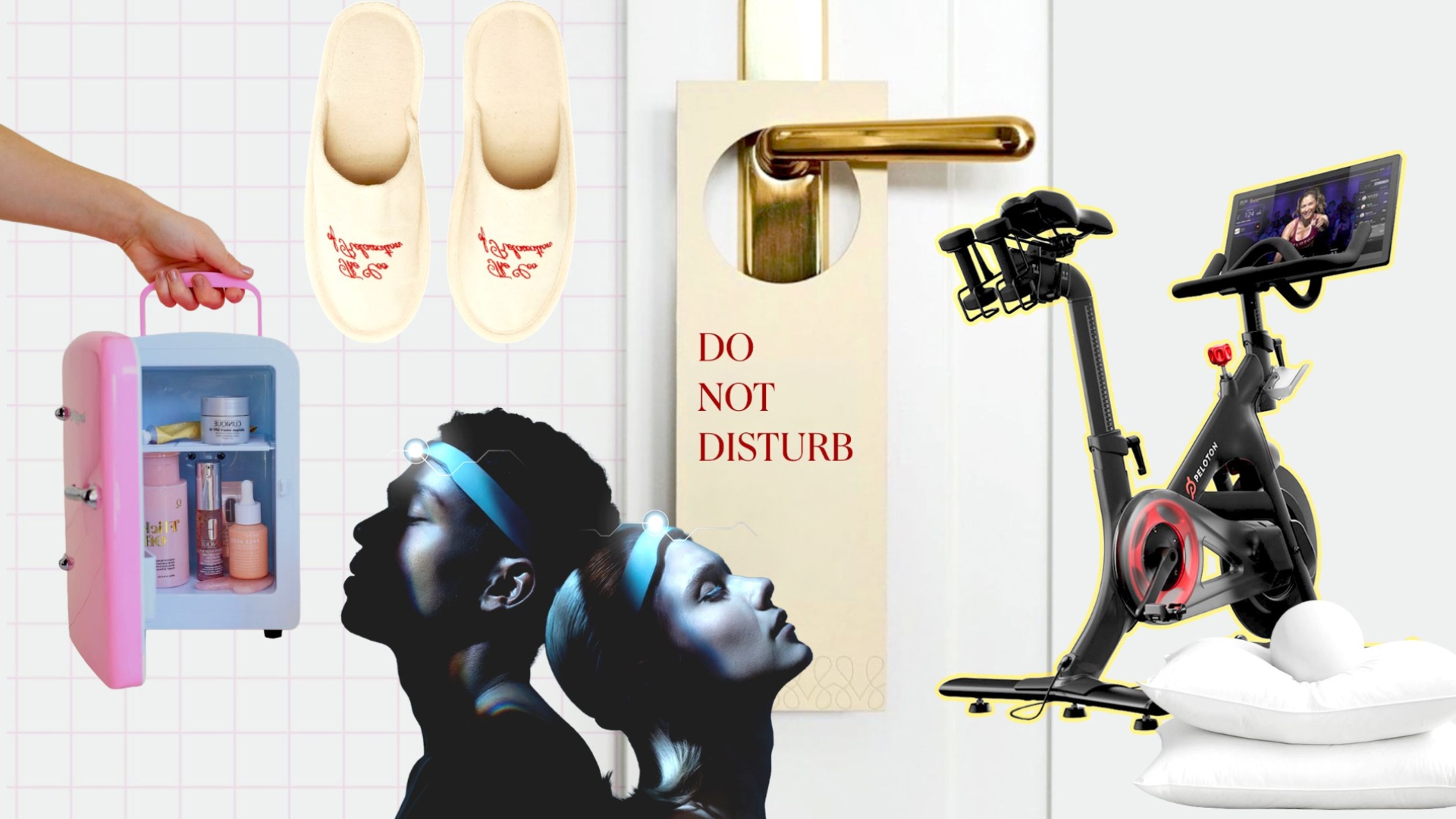
Wellness tourism was worth about $894 billion in 2024, according to the Global Wellness Institute, and a 2025 ILTM survey of 450 affluent Asian travellers found that 55 per cent consider wellness facilities essential when choosing a hotel. The same share would pay more for rooms with space for wellness equipment. Hotels around the world are responding by building the room itself around wellness. We aren’t just talking pillow menus and sleep mists but refrigerators stocked with beauty products, Peloton bikes on the deck, wardrobes with yoga mats, and rooms designed to support your sleep.
“Hotels are making wellness part of the room, because people are trying to make wellness part of everything. As more and more people are drinking less and focusing more on their health, it’s less about seeking out ‘wellness’ and more about building your life around it so you don’t have to search for it in the first place. Hotels trying to make wellness part of the room is an extension of that philosophy,” says Annie Daly, travel and wellness journalist and author of Destination Wellness.
The room that puts you to bed
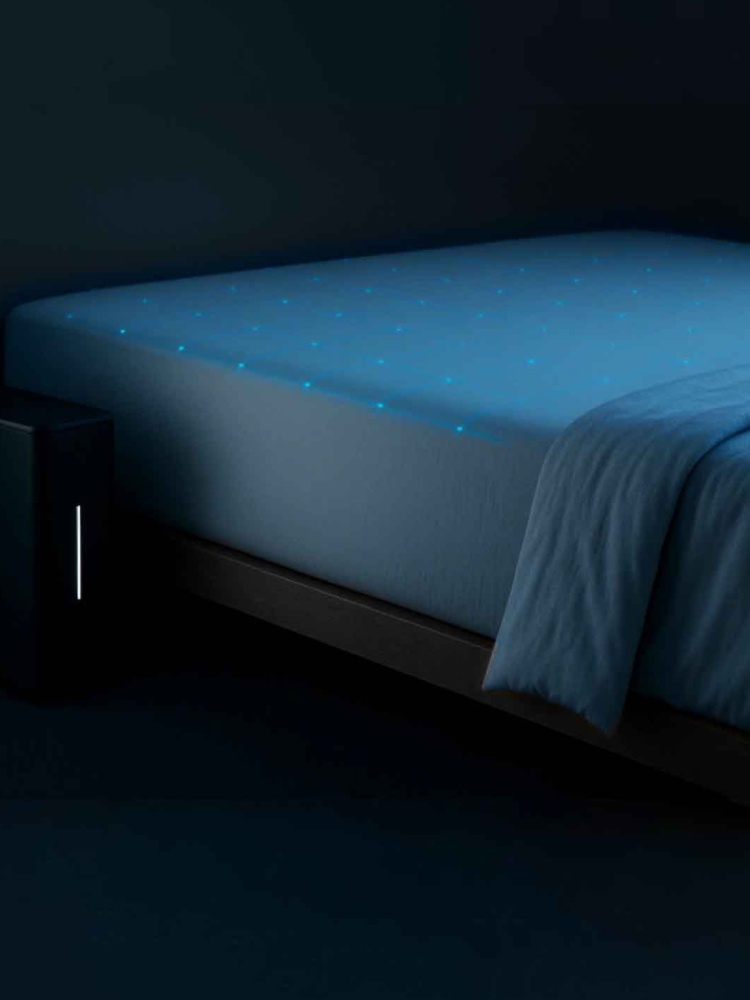
The in-room wellness trend falls into two camps. In the first, the whole hotel is built around the premise. At Equinox Hotel New York, the 212 rooms are developed around sleep science, and a room category called Sleep Lab, created with scientist Dr Matthew Walker, goes a step further. In the room that sets you back by $1,700 (approx ₹1,61,000), the lights dim and the room cools about half an hour before bedtime and the blackout shades roll down when it’s time to sleep. The Eight Sleep Pod 5 mattress cover uses biometric data to regulate temperature through the night, and the shower is a contrast therapy setup that moves between steam and ice. Even the menu is built to support your health.
Equinox is also running two research methods to measure the effect, which makes the room part hotel stay, part experiment. “Guests are seeing measurable improvement in both sleep quality and stages. Every stay is tracked, and each guest wakes up with a full report, so the results aren’t anecdotal. They are visible to the guests the next morning,” says Katie Tardif, head of marketing at the property.
The second camp of hotels is adding wellness to conventional rooms. COMO Metropolitan Singapore has fitted all 156 rooms and suites with SleepHub, a system from Cambridge Sleep Sciences that sends low-frequency sounds meant to nudge the brain toward deeper rest.