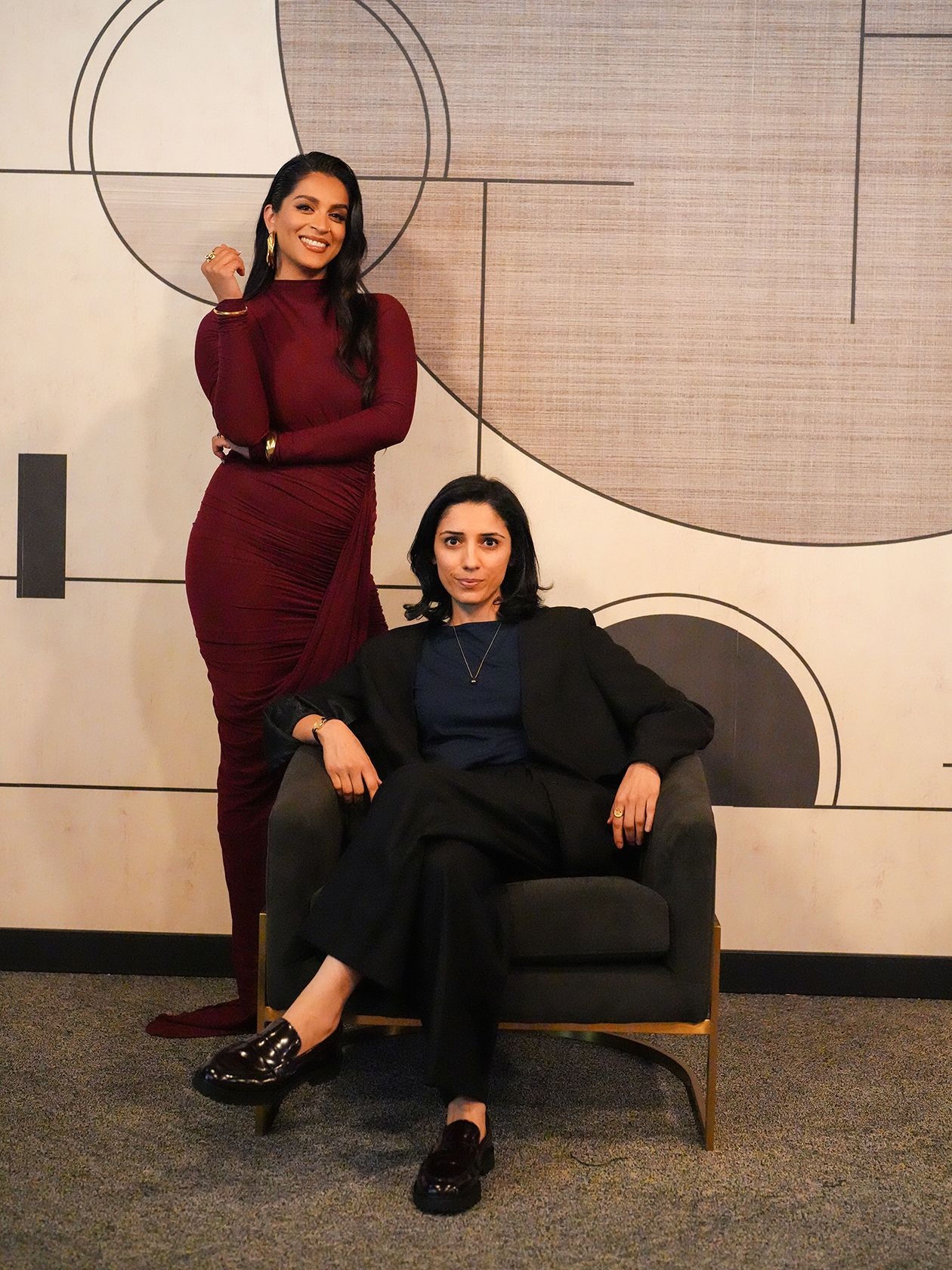






Filmmaker and cinematographer Snigdha Kapoor didn’t have to look far from her lived experience while storyboarding her short film Holy Curse. After years of living and working in the US, Kapoor realised how few films reflected the emotional reality of growing up South Asian, whether in India or abroad. The emotional core of Holy Curse (currently streaming on The New Yorker’s official YouTube channel) comes from questions Kapoor carried since adolescence. She remembers a time when, like her film’s protagonist Radha, “my body was changing, and there were a lot of labels that were being thrown at me, and I didn’t really identify with them”.
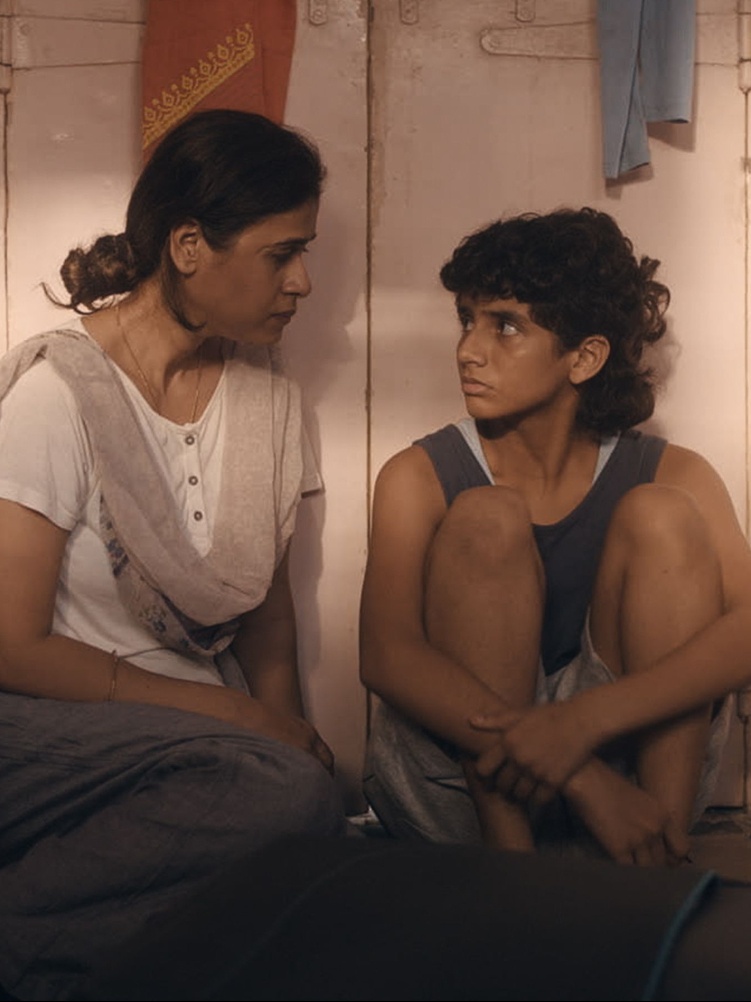
In the 16-minute film, 11-year-old Radha, an Indian kid growing up in the US, returns to India with their parents just as puberty and questions around gender identity begin to collide. Radha encounters resistance from relatives who attempt traditional ceremonies, convinced they are breaking a generational curse. A simple family visit becomes a pressure cooker, exposing how cultural anxiety can close in on a child’s emerging sense of self. Radha’s first period becomes the turning point of the film. “For someone who doesn’t align with the gender binary, to go through a biological process such as menarche is such a defining point,” says Kapoor.
A strong festival run has made Holy Curse, starring Mrunal Kashid as Radha, Anup Soni as her uncle, and Shardul Bharadwaj and Adithi Kalkunte as Radha’s parents, eligible for Oscar consideration. The film’s producing team includes global entertainer, producer, and gender equality advocate Lilly Singh, who spoke about her involvement with Kapoor’s film. “I get sent a lot of things all the time. The first thing that intrigued me [about Holy Curse] was the title, mostly because I was like, I didn’t know what it’s about. And then when I watched it, I went through a series of emotions. I thought this is really beautiful. It’s shot and directed very well and the performances are so good, especially Radha’s performance.”
After watching, Singh knew she had to meet the filmmaker and discuss the film. And after meeting Kapoor, she knew she wanted in: “I was just so impressed that in 15 minutes I went through so many emotions. We need more things that start a conversation,” says Singh.